Common European adder
About
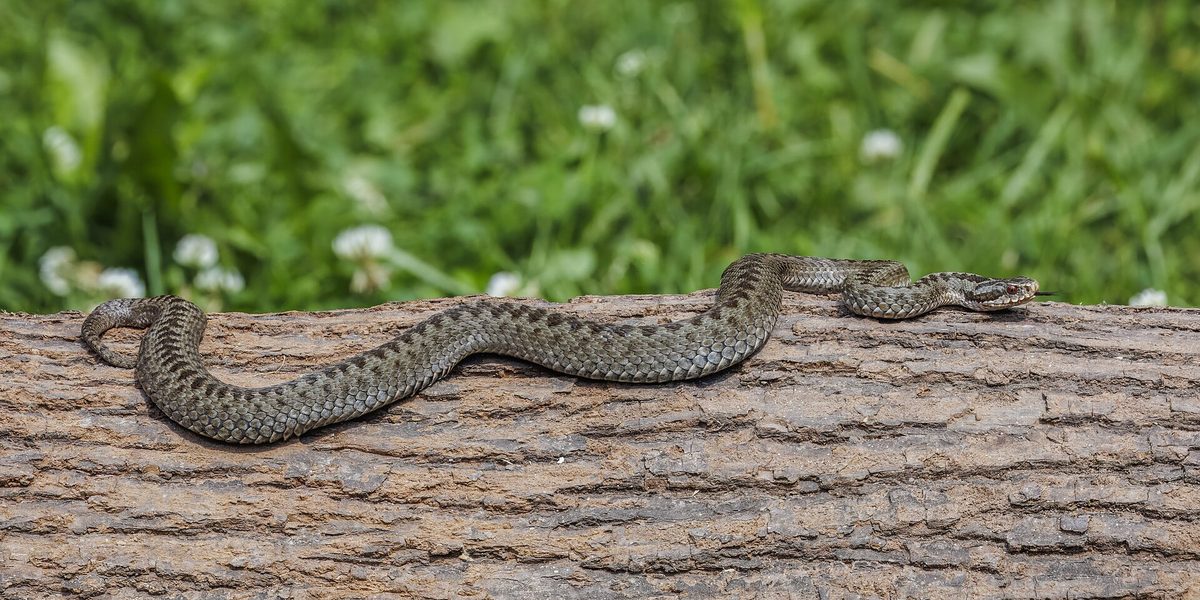
The Common European adder is the only venomous snake in the Ukrainian Carpathians. In Ukraine, it lives in forest and forest-steppe zones and in the Carpathians, and in the mountains, it ascends high — to krivolissia and polonynas. It is most often seen on sunny slopes, rocky screes, clearings, at the edges of swamps and blueberry patches, where in the morning the snake warms itself on stones or stumps.
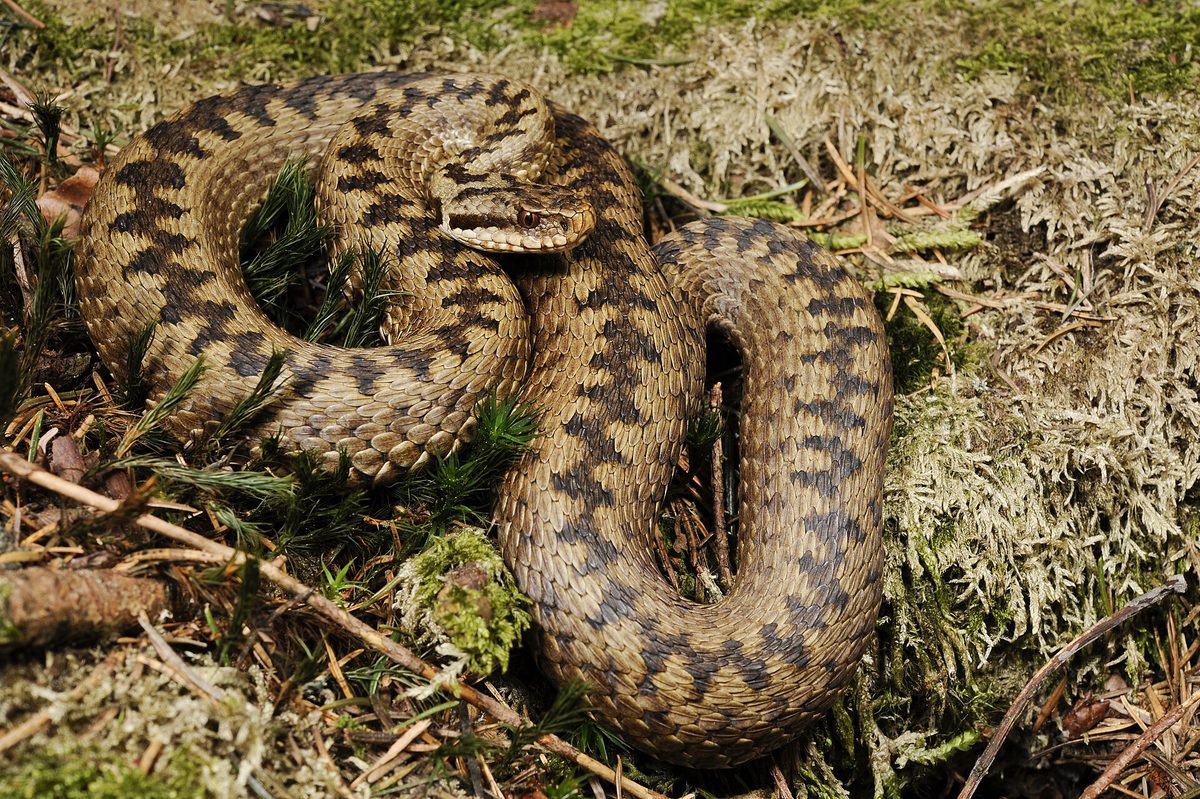
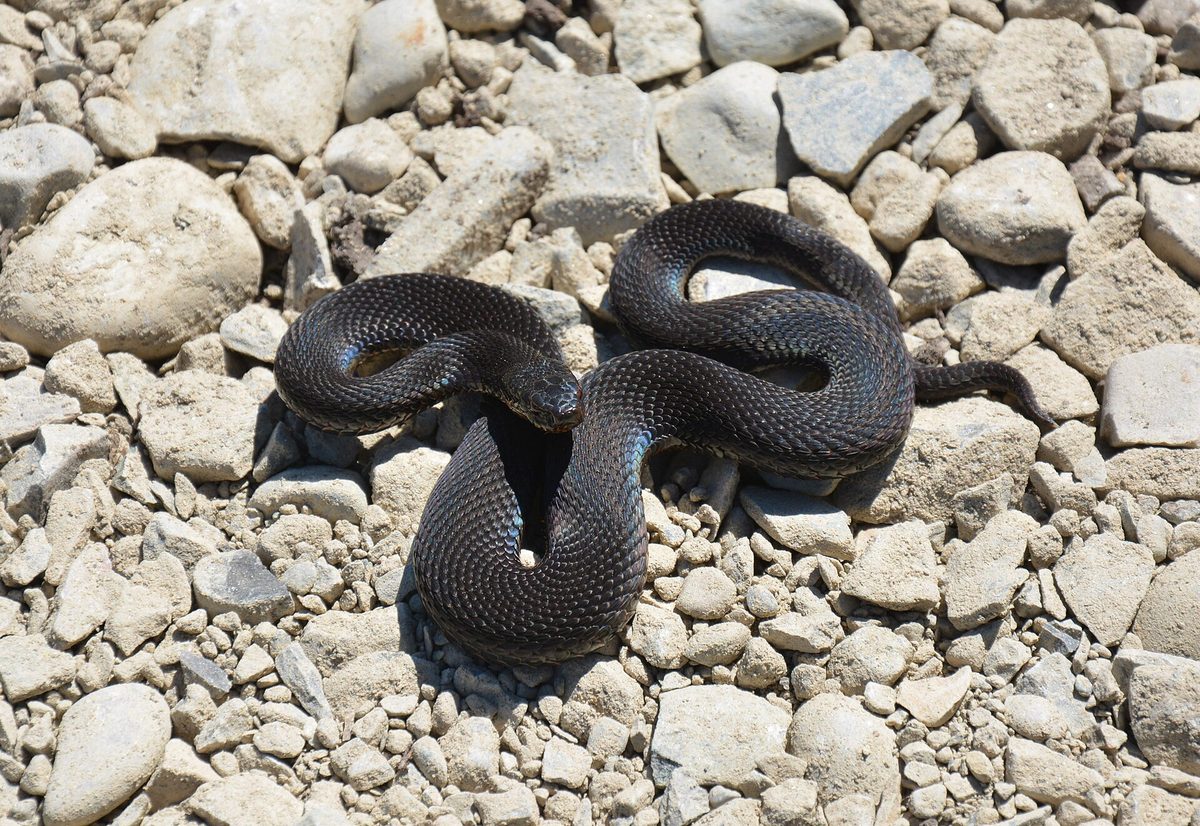
The adder is small, usually up to 75 cm. The main characteristic is a dark zigzag stripe along the back, a triangular head clearly separated from the neck, and a vertical pupil. The coloration can be gray, brown, copper-red, and in the mountains, there are even completely black snakes, which are called halytsia by locals — the zigzag is not visible on them.
In winter, adders hibernate for about half a year and emerge in April–May. Mating begins a few weeks after awakening. The adder does not lay eggs: the female gives birth to 5–12 live young, and in the high mountains, development is delayed, and the young appear only the following spring. The adder primarily eats small rodents, frogs, and insects, making it beneficial for polonynas and hayfields, where there can be many mice.
The adder never attacks first: upon hearing footsteps, it slithers away. It bites when stepped on, pressed by hand, or when someone tries to catch it. The venom affects the blood and tissues, causing swelling, pain, weakness, and nausea; fatal cases are very rare, but medical help is needed for every bite victim, especially children.
To avoid encountering an adder up close, wear closed shoes and long pants, watch your step on rocky and berry slopes, do not sit down without checking stumps and stones, and do not stick your hands into crevices and thick grass. If you see a snake — just walk around it. Keep dogs close: they often stick their noses into the grass and suffer from bites. The adder loves to bask in the sun, so on cool days it lies on open stones for a long time, while in heat it hides in the shade. The dark coloration of mountain adders helps them warm up faster in a cool climate. The Common European adder is not listed in the Red Book of Ukraine, but it is not advisable to kill snakes: they are part of the mountain nature that controls the number of rodents.
Where in the Carpathians

The map shows where naturalists recorded the species (GBIF, CC0 and CC BY records), not every place it lives. The Ukrainian Carpathians are less studied, so a blank area does not mean the species is absent.
- Countries
- Ukraine · Slovakia · Romania · Poland · Czechia
- Mountain ranges
- Watershed Ridge, Gorgany, Low Tatras, Bieszczady, Skole Beskids, Pokuttia-Bukovina Carpathians, Maramureș Mountains, Upper Dniester Beskids, Chornohora, Greater Fatra
- Altitude belts
- Foothills (below 600 m) · Beech forests (600–1200 m) · Conifer forests (1200–1600 m)
When to see it
| Jan | Feb | Mar | Apr | May | Jun | Jul | Aug | Sep | Oct | Nov | Dec | |
|---|---|---|---|---|---|---|---|---|---|---|---|---|
| Sightings |
From naturalists’ observations in the Carpathians (iNaturalist, research grade): the darker the cell, the more often the species is seen that month.
Safety
After a bite from an adder: calm down and reassure the victim, move as little as possible; keep the bitten hand or foot still (as with a fracture), remove rings, bracelets, and tight shoes until swelling begins; call 103 or 112 and get to a doctor as soon as possible. Do not apply a tourniquet, do not cut or cauterize the wound, do not suck out the venom, do not apply ice, and do not drink alcohol.
Look-alikes — how to tell them apart
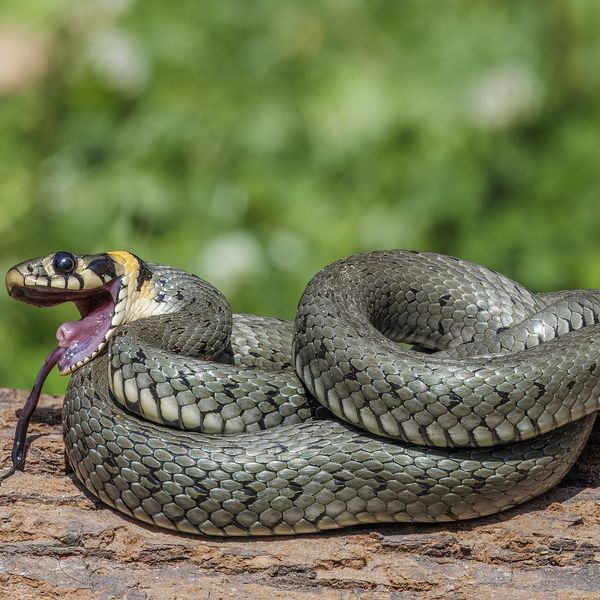
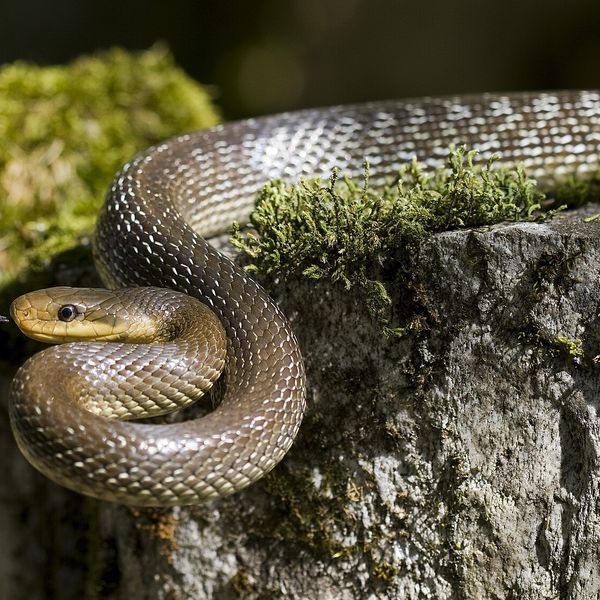
The grass snake has two yellow or orange spots on the back of its head, a round pupil, and no zigzag on its back. It is non-venomous.
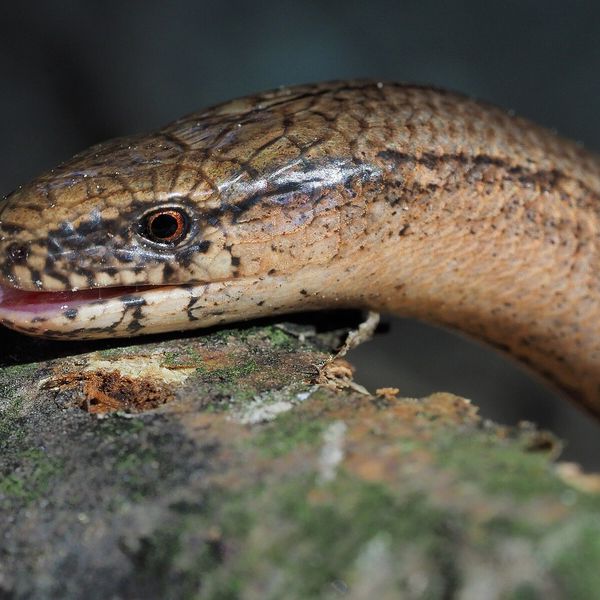
This is a legless lizard with smooth shiny scales, blinking eyelids, and no zigzag; it is non-venomous.
The smooth snake is non-venomous, has a round pupil and a dark stripe through the eye; it has small spots on its back, not a continuous zigzag.
Protection and rules
Not listed in the Red Book of Ukraine, but it is not advisable to kill snakes.
FAQ
What venomous snakes are there in the Carpathians?
In the Ukrainian Carpathians, there is only one venomous snake — the Common European adder. It is easily recognizable by the zigzag along its back and vertical pupil; completely black adders can also be found in the mountains.
What to do if bitten by an adder?
Calm down, immobilize the bitten limb, remove rings and tight shoes, and call 103 or 112 to get to a doctor as soon as possible. Do not apply a tourniquet, do not cut the wound, and do not suck out the venom.
Is a bite from an adder fatal?
Fatal cases are very rare, but the bite is painful and dangerous, especially for children, so medical assistance is always needed.
Similar species
Where to meet it
Trails
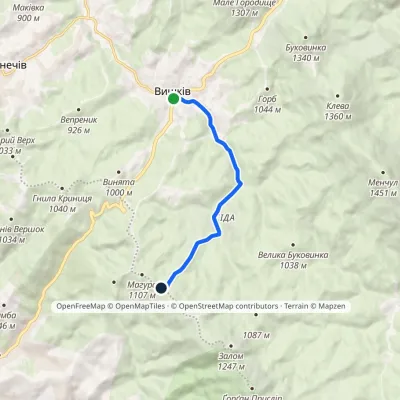 EasyOne-dayMarkedVyshkiv village Mount MahuraElevation profile798–1 113 m7.3 kmascent 314 m≈ 2.5 h walking
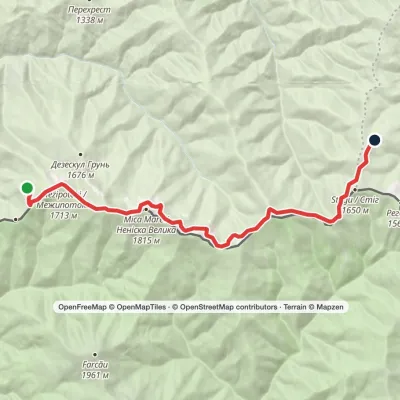 ModerateTwo-dayMarkedMount Mezhypotoky to Radul polonynavia Mount Mika-Mare, Mount Steavul +1Elevation profile1 496–1 815 m17.6 kmascent 525 m≈ 5.5 h walking
 ModerateTwo-dayMarkedBystrytsia village loopvia Mount HropaElevation profile867–1 759 m14.9 kmascent 892 m≈ 5.5 h walking
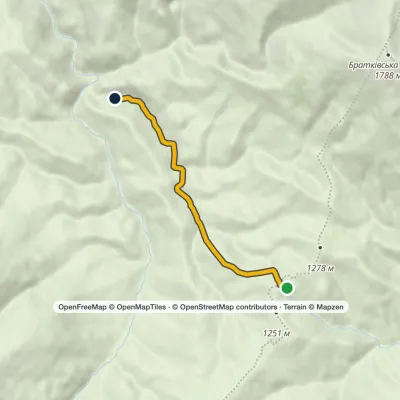 ModerateTwo-dayMarkedChorna Tysa HladynElevation profile985–1 243 m16.9 kmascent 3 m≈ 4 h walking
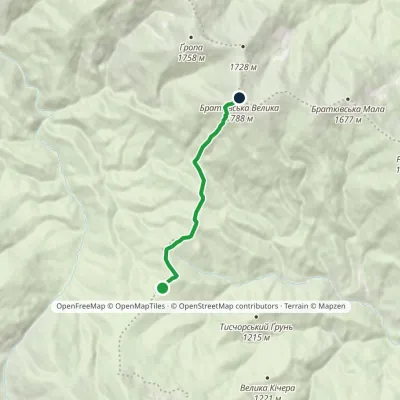 EasyOne-dayMarkedOkole Mount Velyka BratkivskaElevation profile1 195–1 788 m5.2 kmascent 632 m≈ 2.5 h walking
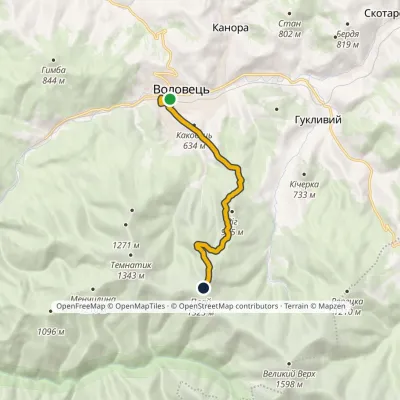 ModerateOne-dayMarkedVolovets Mount PlaiElevation profile487–1 331 m8.4 kmascent 849 m≈ 4 h walking
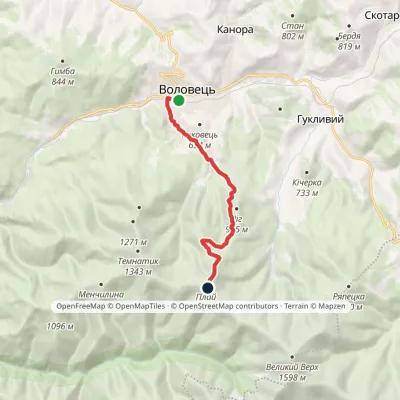 ModerateOne-dayVolovets Mount PlaiElevation profile487–1 332 m8.3 kmascent 839 m≈ 4 h walking
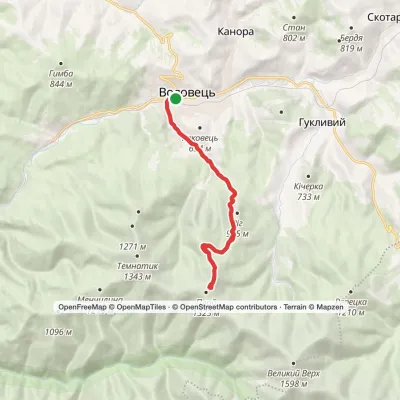 ModerateTwo-dayVolovets loopvia Mount PlaiElevation profile484–1 332 m16.4 kmascent 845 m≈ 6 h walking
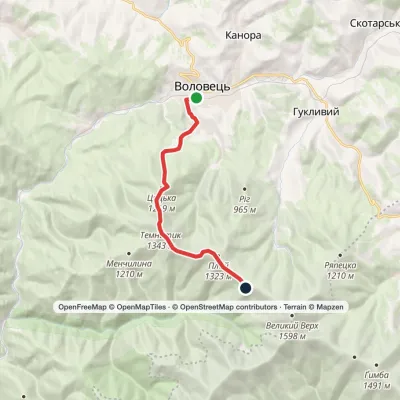 ModerateOne-dayVolovets Mount TemnatykElevation profile492–1 343 m9.8 kmascent 997 m≈ 4.5 h walking
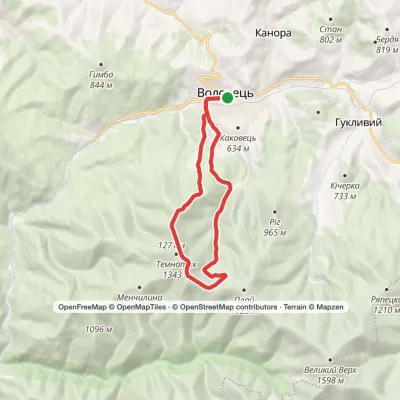 ModerateOne-dayVolovets loopvia Mount TsytskaElevation profile483–1 300 m14.8 kmascent 919 m≈ 5.5 h walking
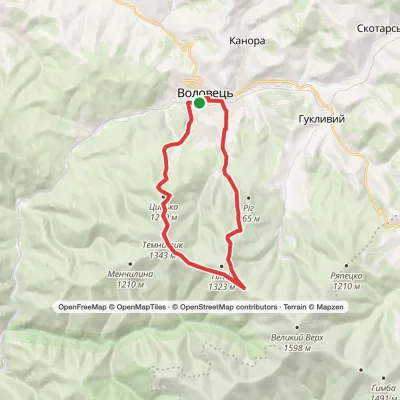 ModerateTwo-dayVolovets loopvia Mount Plai, Mount TemnatykElevation profile483–1 343 m17.2 kmascent 1 102 m≈ 6.5 h walking
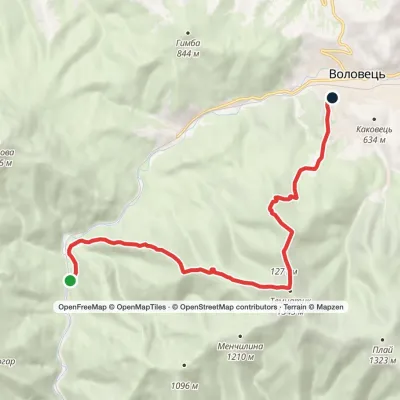 ModerateOne-dayMarkedZanka railway halt to Volovetsvia Mount Temnatyk, Mount TsytskaElevation profile409–1 343 m11.9 kmascent 934 m≈ 5 h walking
Peaks and meadows
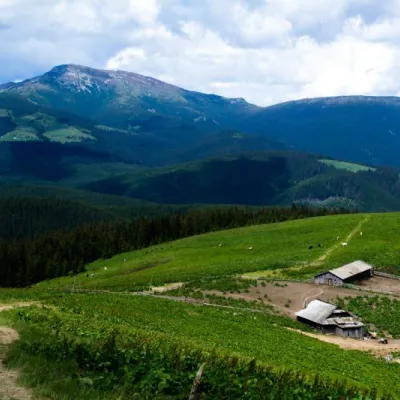 Mountain meadow1 487 mPolonyna RadulYavirnyk (Shybene)The Radul meadow is located within the Marmarosh Massif. It is located almost at the border with Romania.Shepherds...
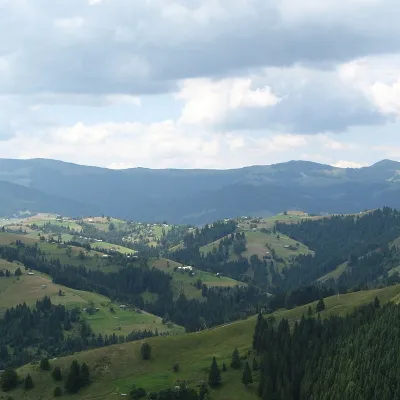 PeakMount KernychnyZelenealtitude 1 589 m · Chyvchyny range2 trails to the topKernychnyi is a 1,589-meter peak of the Ukrainian Carpathians, which is located in the Chyvchyn Mountains of the...
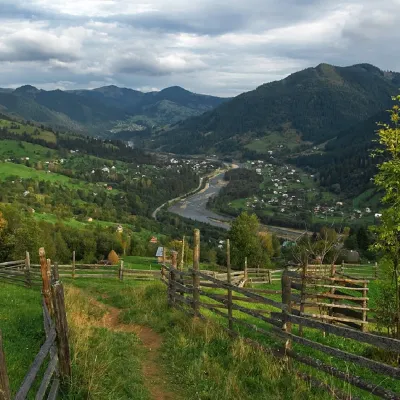 PeakMount RegeskaZelenealtitude 1 569 m · Marmarosh range2 trails to the topRegeska is a 1569-meter (according to other sources, 1584-meter) peak in the Ukrainian Carpathians, which is located...
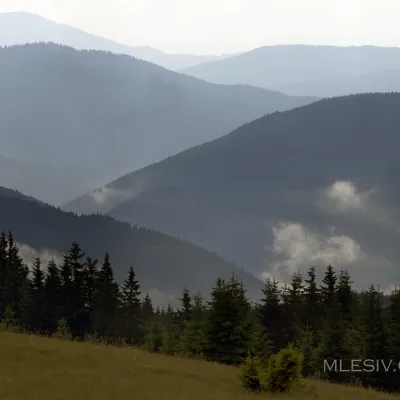 PeakMount RadulKhutir Burkutaltitude 1 598 m · Marmarosh rangeRadul is a 1,598 m summit in the Marmarosh Massif, where the Hutsul Alps meet the Chyvchyn Mountains.
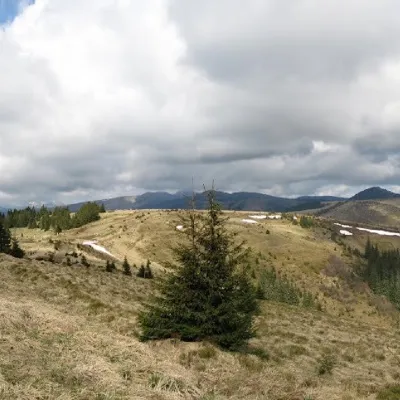 PeakMount KopylashZelenealtitude 1 599 m · Chyvchyny range2 trails to the topMount Kopylash is a 1599-meter cone-shaped peak in the Ukrainian Carpathians, which is located within the main ridge...
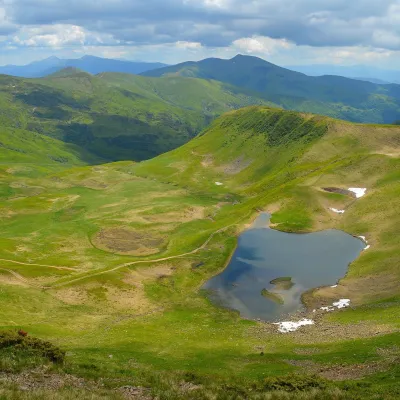 Mountain meadow1 600 mPolonyna HeryshaskaYasinyaPolonyna Heryshaska (also Hereshaska or Herashaska) is a high mountain meadow in the central part of the Svydovets...
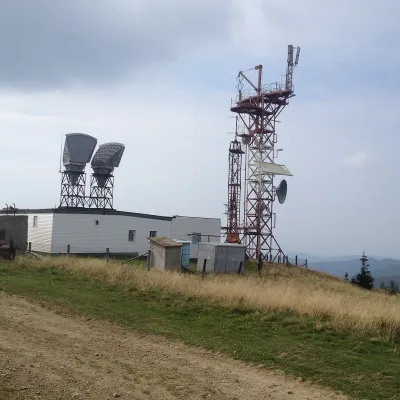 PeakMount PlaiVolovetsaltitude 1 323 m · Borzhava rangePlai is a 1,323 m mountain in the Polonyna Borzhava massif (Polonynskyi Ridge), in the Mukachevo district of...
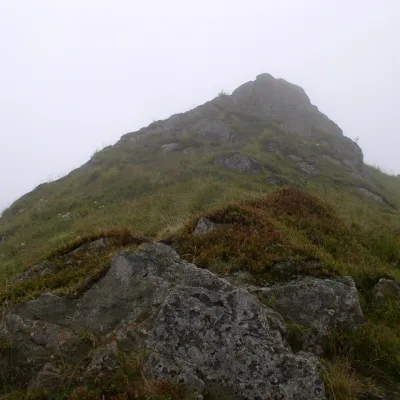 PeakMount TemnatykVolovetsaltitude 1 343 m · Borzhava rangeTemnatyk (also Tomnatyk) is a peak on the far north-western spur of the Polonyna Borzhava massif in Zakarpattia Oblast.
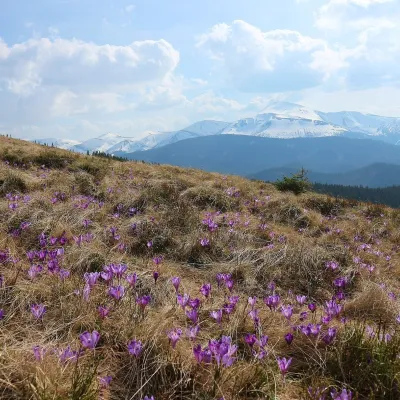 Mountain meadow1 430 mPolonyna ZakukulVorokhtaPolonyna Zakukul lies on the south-eastern slope of Mount Kukul (1539 m), the highest summit of the ridge of the same...
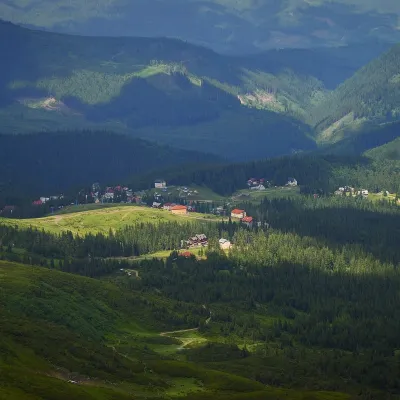 Mountain meadow1 350 mPolonyna DrahobratYasinyaDrahobrat is a high polonyna (mountain pasture) on the northern slopes of the Svydovets massif in the Rakhiv district...
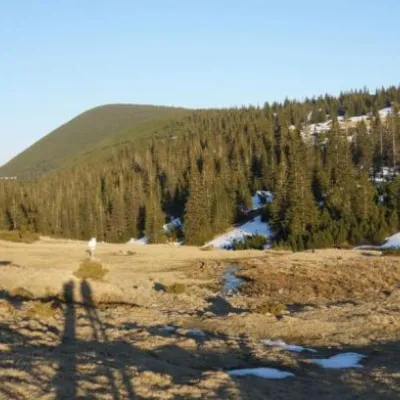 Mountain meadow1 409 mPolonyna RuschynaOsmolodaRuschyna meadow is famous for its panoramic views of the mountains that surround it from all sides and the diversity...
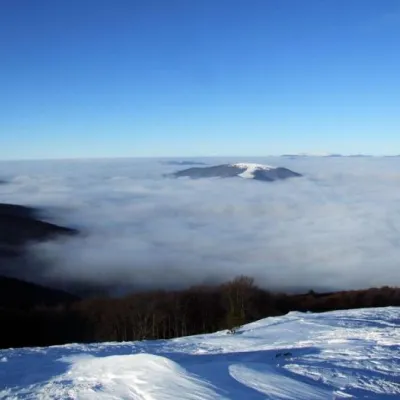 PeakBozeva MountainAbrankaaltitude 1 095 m3 trails to the topIt is said that there was an observation post on the mountain, and the place is really suitable, because you can see...
Waters and waterfalls
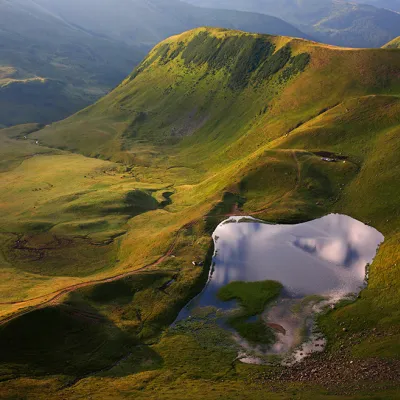 LakeLake Gereshaska (Dogyaska)YasinyaGerashaska (another name - Dogyaska ) is a high-mountain lake in the Ukrainian Carpathians, within the Rakhiv...
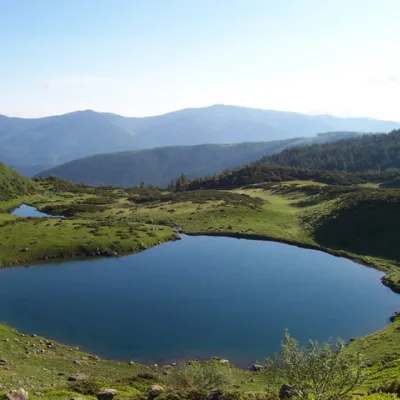 LakeLake VorozheskayaChorna TysaThe real pearl of the Carpathians - Lake Vorozheska (other names - Vorozheska, Triton ) - is a hydrological natural...
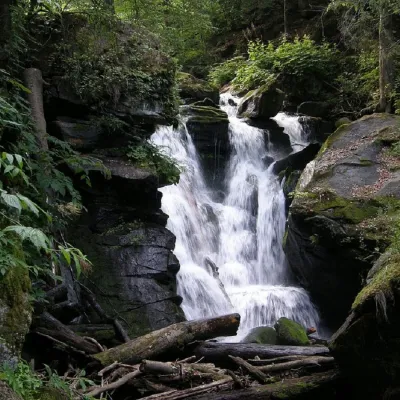 WaterfallVojvodyn waterfallPolianska HutaThe Voyevodyn Waterfall is located on the stream of the same name near the village of Zhdeniyevo in Zakarpattia...
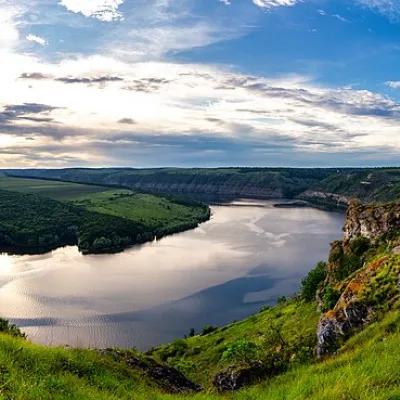 RiverDniesterVovcheThe Dniester is one of the most famous and largest rivers in Ukraine. The Dniester has been used as an important...
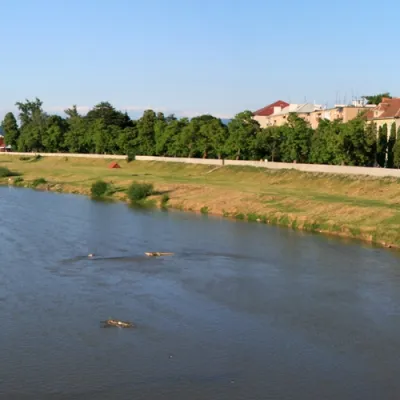 RiverLatorytsiaRoztokaLatorytsia River - Latorytsia and its surroundings are a popular destination for eco-tourism.
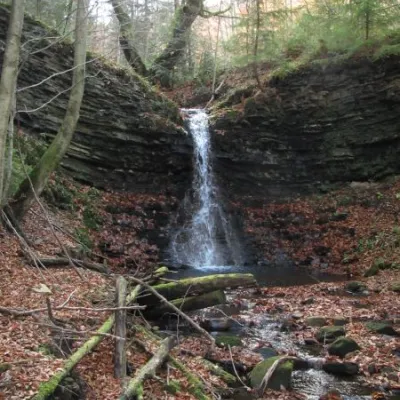 WaterfallPidgurkalo waterfallRipneThere are also interesting tourist sites that are little known to the general public: Pidhurkalo Waterfall (Ripne...
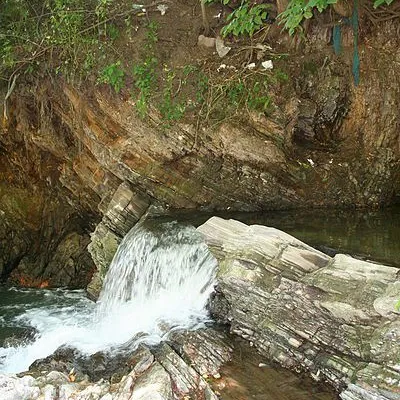 WaterfallBoryslav waterfallBoryslavThe Young Boryslav Waterfall is a small waterfall (falling height is about two meters).
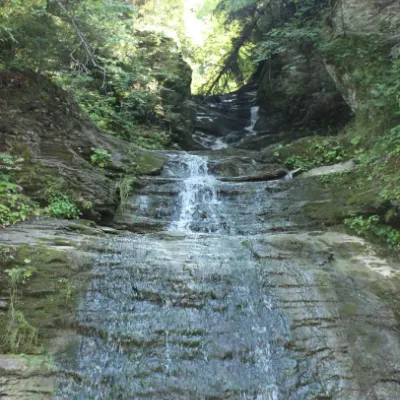 WaterfallSrednyi Huk waterfall (Bukovyna waterfalls)RoztokyThe Srednyi Huk waterfall is one of the Bukovyna waterfalls located in the Chernivtsi region in western Ukraine.
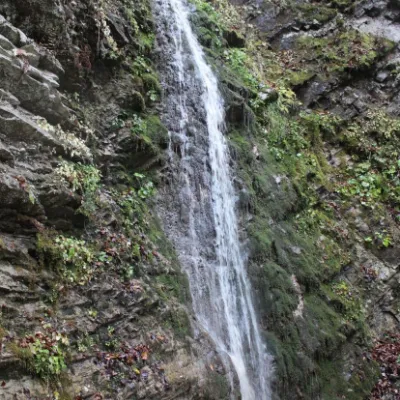 WaterfallSych waterfall (Bukovinian waterfalls)RoztokyThe Sych Waterfall is one of the waterfalls that are part of the Bukovyna Waterfalls, located in the Roztotskyi...
Mountain ranges: Watershed Ridge, Gorgany, Bieszczady, Skole Beskids, Pokuttia-Bukovina Carpathians, Maramureș Mountains, Upper Dniester Beskids, Chornohora, Rivna Polonyna, Svydovets. In other countries: 🇸🇰 Low Tatras, 🇸🇰 Greater Fatra, 🇷🇴 Vrancea Mountains, 🇷🇴 Rodna Mountains
Trails and peaks near which naturalists recorded the species (GBIF, iNaturalist), matched by altitude and habitat. Sightings are not guaranteed.
Sources
- Вікіпедія: Гадюка звичайна
- Wikipedia (en): Vipera berus
- ВООЗ: отруєння внаслідок укусу змій — перша допомога
- Вікіпедія: Мідянка звичайна
- Перелік видів тварин, що заносяться до Червоної книги України (наказ Міндовкілля від 19.01.2021 № 29, зареєстровано в Мін'юсті 01.03.2021 за № 260/35882)
- Міндовкілля: текст переліку видів тварин Червоної книги України (PDF)
- GBIF: таксон і категорія МСОП
GBIF · iNaturalist · Wikidata · Distribution data: GBIF.org (CC0 and CC BY records), iNaturalist; names and identifiers: Wikidata (CC0). Text: Karpaty.rocks, checked 09.11.2026.
