Carpathian food
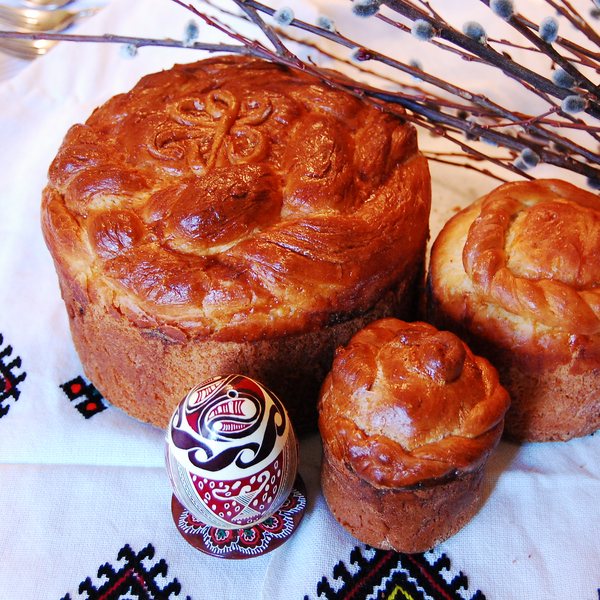
What people eat in the mountains and why: the corn porridges and polonyna cheeses of the Hutsuls, Lemko kyselytsia, Boyko pyrohy, Transcarpathian bograch and the lekvar of the Hungarian community, Bukovinian Easter breads. For every dish or product: ingredients with allergens, where it is cooked, when it is eaten, how it is traditionally made, honest notes on legends and tourist inventions, and craft places to try it.
Sections
Carpathian dishesCarpathian cheese and dairyCarpathian sausages and meatCarpathian baking and sweetsCarpathian drinksFlora and fauna of the CarpathiansCraft Carpathians: cheese, wine, honeyHolidays and regions
Christmas Eve in the CarpathiansEaster in the CarpathiansCarpathian shepherds’ foodHutsul cuisineTranscarpathian cuisineBoyko cuisineLemko cuisineBukovinian cuisineFAQ
What should I try in the Carpathians?
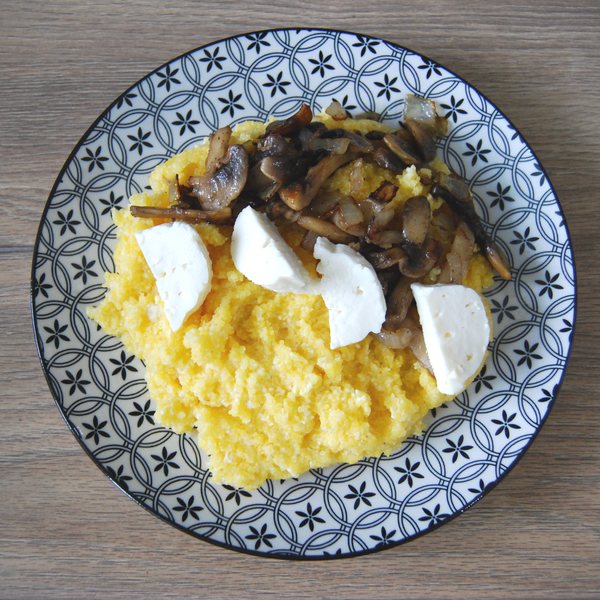
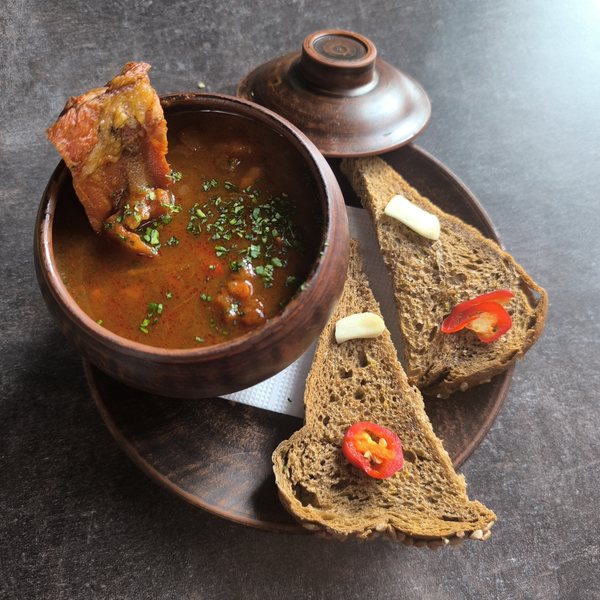
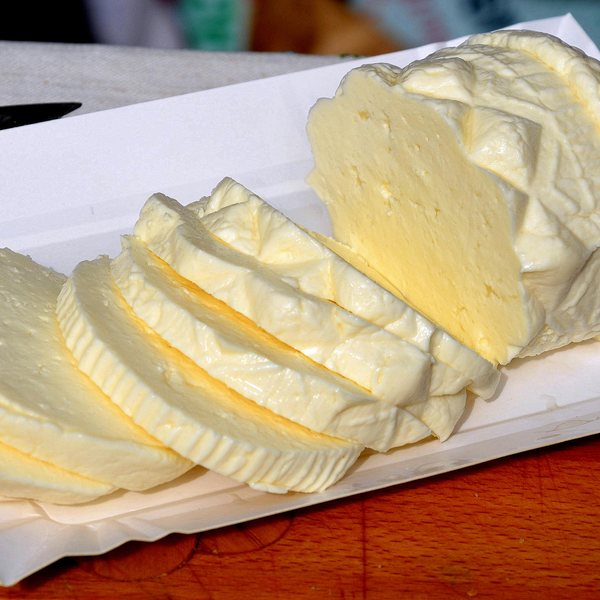
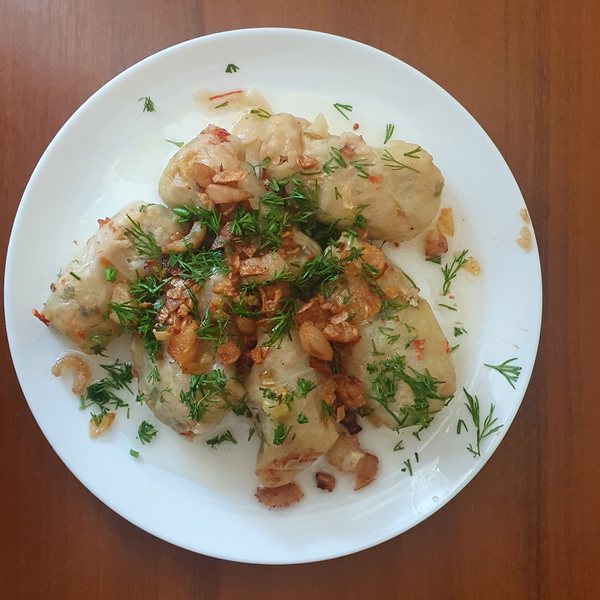
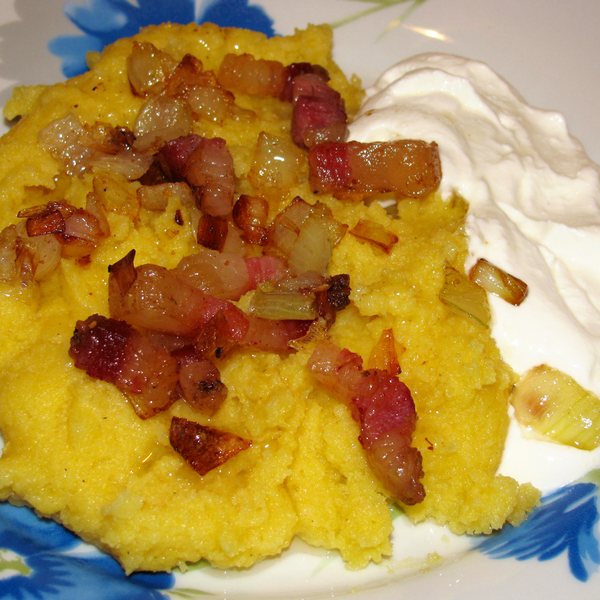
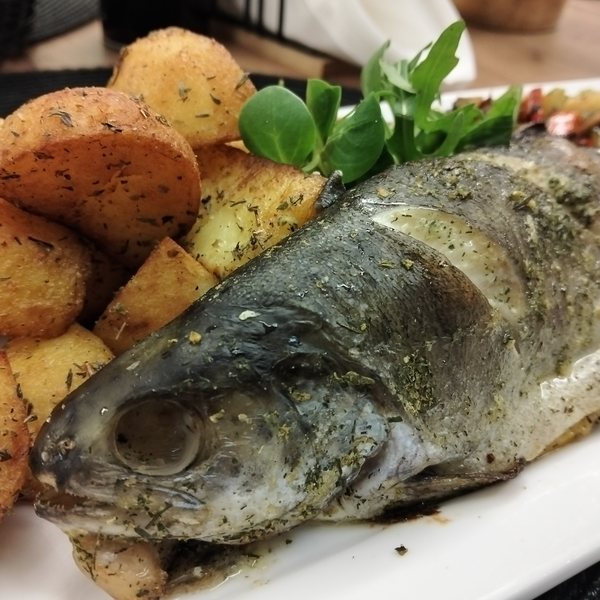
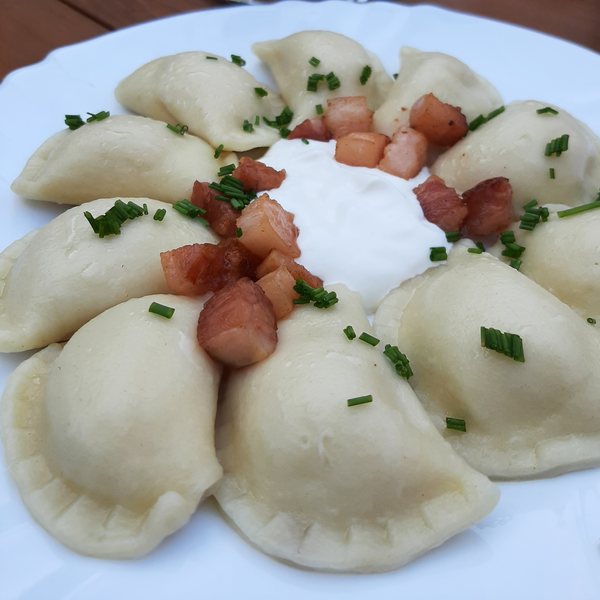
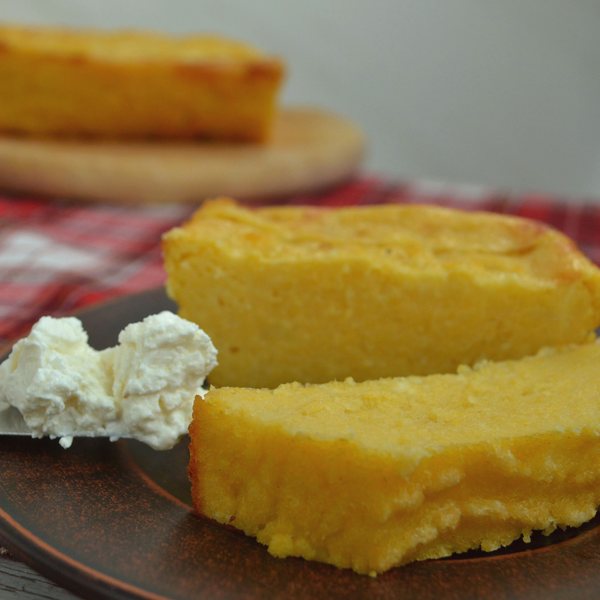
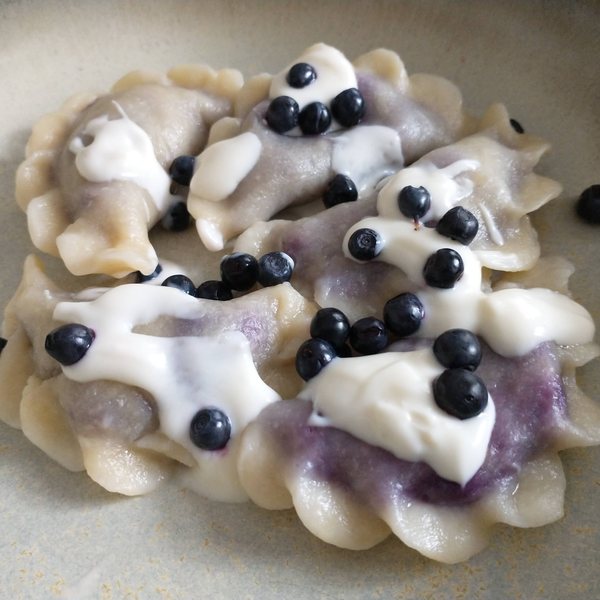
In the Hutsul region — banosh and kulesha with bryndza, budz, vurda, huslianka and mushroom soup; in Transcarpathia — bograch, hombovtsi, hurka, lekvar and local wine; in the Lemko and Boyko regions — pyrohy, sour soups and kyselytsia. The best places are cheese dairies, polonynas and craft Kolibas listed on the dish pages.
How is Hutsul cuisine different from Transcarpathian?
Hutsul cuisine is highland food: corn, sheep cheeses, mushrooms and berries. Transcarpathian cuisine was shaped by its neighbours — Hungarians, Slovaks, Romanians — so it has more paprika, meat dishes, baking and wine. The borders are blurred, and tourist restaurants often mix the two.
Are there raw-food dishes in Carpathian cuisine?
Very few: fresh berries, sauerkraut, honey. Cheeses, huslianka and most dishes are heated, so there is no raw-food filter — pages where it is true carry the «No cooking» note.
Ingredients of the traditional recipe; every cook and every place may do it differently — please ask when ordering. We cannot guarantee the absence of allergens or traces.
