Vurda
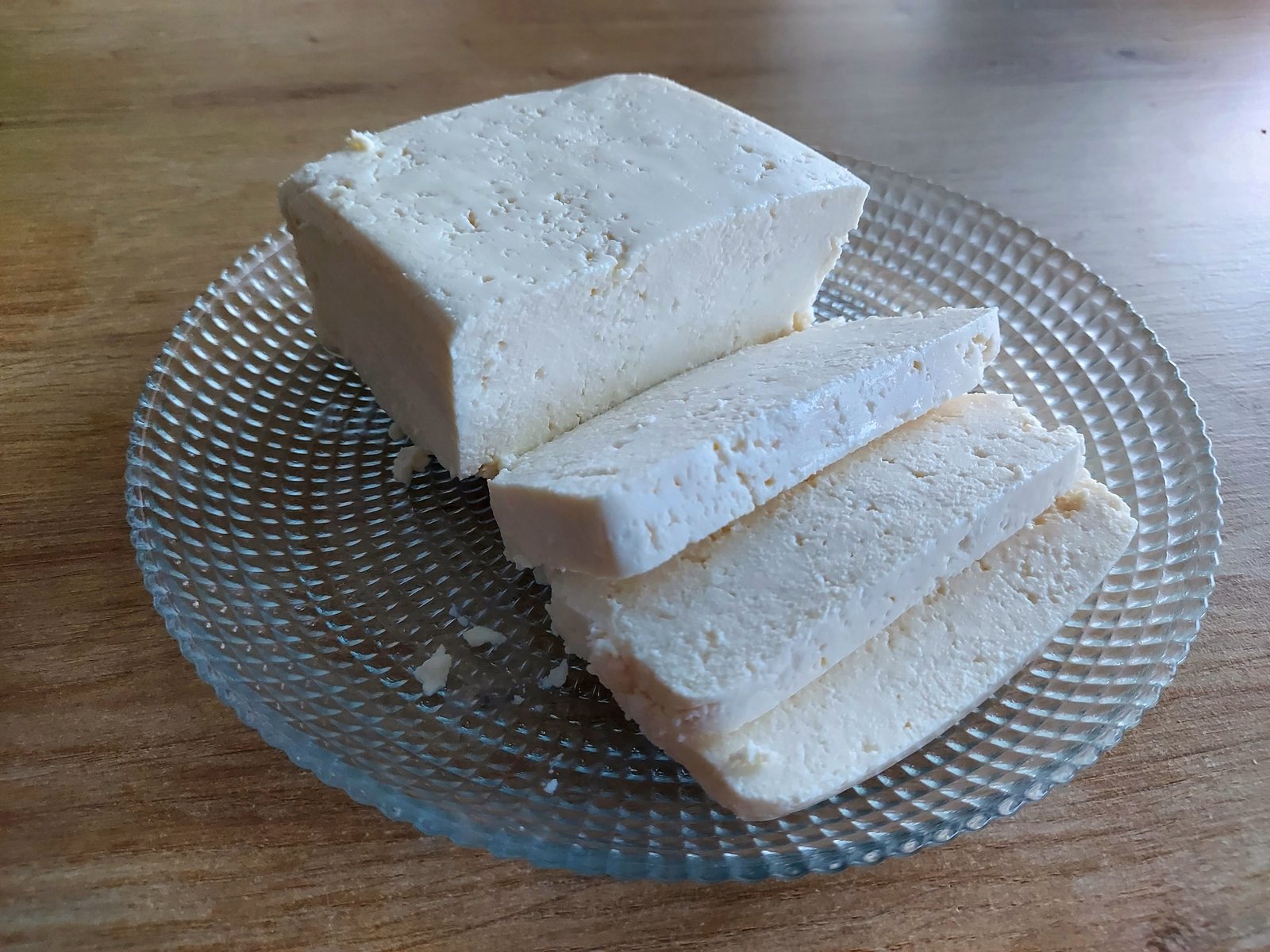
What it is
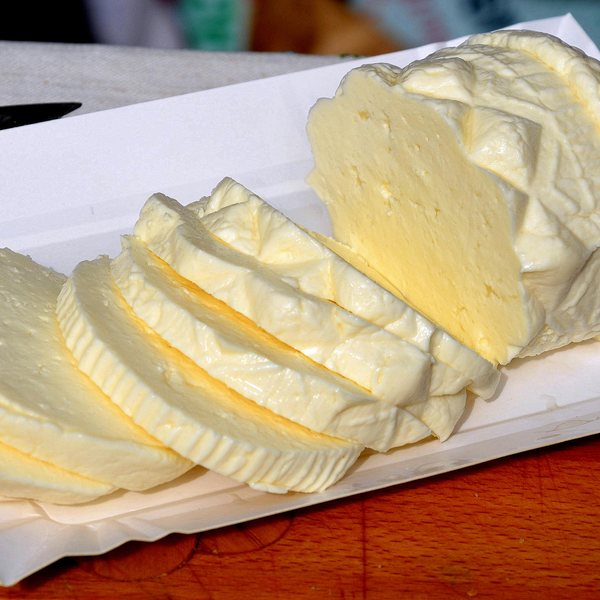
Vurda is the third cheese of the polonyna after Budz and Bryndza. It is made from the whey that remains after Budz: the whey is heated, a bit of fresh sheep's milk is added, and it is slowly warmed. A white 'cap' of small flakes forms on the surface — this is Vurda.
The cheese is strained through cloth and allowed to drain. Vurda comes out soft, tender, and slightly sweet; if the whey is not fully pressed, it is even more delicate. It is eaten like regular fresh cheese, used in varenyky, machanka, and sweet dishes.
Vurda is produced in small quantities, so it was valued as a delicacy in the polonyna. Its technology is similar to Italian ricotta, and in the Balkans, a similar cheese is called urdă.
Vurda is made in the Hutsul region of Prykarpattia and Transcarpathia, especially in Rakhiv. Vurda can be frozen, allowing it to be stored for a long time; in the polonyna, it was eaten fresh along with Budz.
History and name
Vurda is a product of secondary milk processing in the polonyna: shepherds tried to use everything from each milking. The name is associated with the Romanian urdă; a related dialect term is 'vurditysya' — to sour, to curdle. Related names are known in Macedonia, Bulgaria, Serbia, and Hungary (orda).
Ingredients and allergens
Contains allergens: milk
Diet: vegetarian · gluten-free · no cooking
Ingredients of the traditional recipe; every cook and every place may do it differently — please ask when ordering. We cannot guarantee the absence of allergens or traces.
How it is made
The whey left over from Budz is placed over heat, and fresh sheep's milk is added, approximately 1–2 liters for 10 liters of whey. The bottom of the container is scraped with a wooden spatula to remove curds and prevent burning.
During heating, a 'cap' of cheese rises to the surface. It is best not to bring it to a boil: the whey becomes transparent, and the cheese is collected and strained through cloth. Vurda can be lightly salted.
Where it is eaten

The area is approximate and based on the sources below. The dish is cooked outside it too, and ethnographic borders are blurred.
The polonynas of Hutsulshchyna — Rakhiv region in Transcarpathia, Verkhovyna and Kosiv regions in Prykarpattia. The area is approximate.
When it is eaten
| Jan | Feb | Mar | Apr | May | Jun | Jul | Aug | Sep | Oct | Nov | Dec |
|---|---|---|---|---|---|---|---|---|---|---|---|
Occasions: Polonyna (May — September) · Everyday food
In tradition
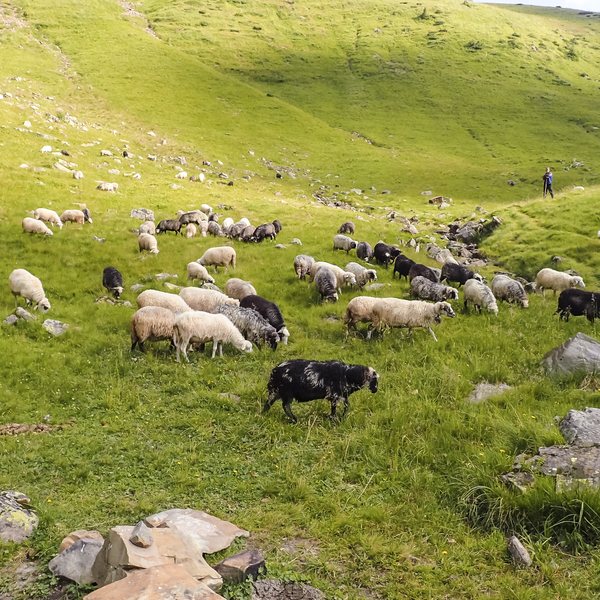
Vurda is made in the polonyna daily along with Budz throughout the entire summer season. Together with Budz and Bryndza, these are the 'three cheeses' of the polonyna table.
Safety
Vurda is boiled, so the raw whey in it is heated; however, fresh cheese spoils quickly — store it in a cool place and buy from trusted producers.
FAQ
What is Vurda made from?
From the whey left over after Budz, with the addition of a bit of fresh sheep's milk. The whey is heated, and flakes of cheese form on the surface.
Is Vurda ricotta?
Technologically very similar: both cheeses are made from whey. However, Vurda is traditionally made from sheep's whey in the polonyna.
Is there a Vurda festival in the Carpathians?
We did not find confirmed Vurda festivals in the Ukrainian Carpathians. Vurda festivals ('vurdiyady') are known in Serbia.
Where to try and buy
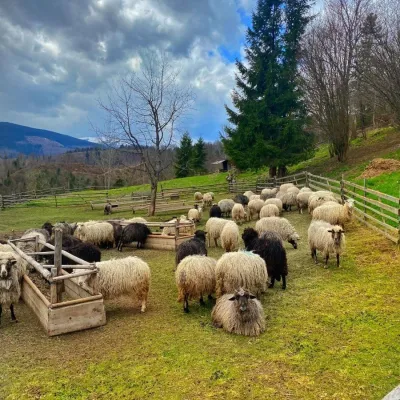 Cheese dairies & pasturesChorna Tysa Plus farm — Hutsul sheep brynza, Chorna TysaChorna TysaChorna Tysa Plus is a sheep farm in the village of Chorna Tysa, part of the Yasinia community, in the Poderei area.
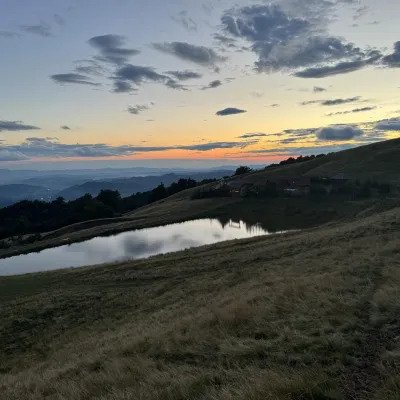 Cheese dairies & pasturesSheep's Cheese Masterclass on the Apetska Polonyna, VodytsiaVodytsiaThe Apetska polonyna is a broad high-mountain pasture on the southern slopes of the Svydovets range, below Mount...
Only our checked craft places. Ask on the spot what is on the menu or for sale today.
Similar dishes and products
Relatives in the Carpathians and nearby
- urdă · Romania
related name - ricotta
similar technology - vurma · Serbia
related name; Vurda festivals are known in Serbia
Sources
- Вікіпедія: Вурда
- Вікіпедія: Будз (вурда із сироватки — жентиці)
- НПП «Верховинський»: Що і де поїсти (вурда — різновид сиру)
Written by the Karpaty.rocks editors from the sources above. Checked 10.11.2026.
