Huslianka
What it is
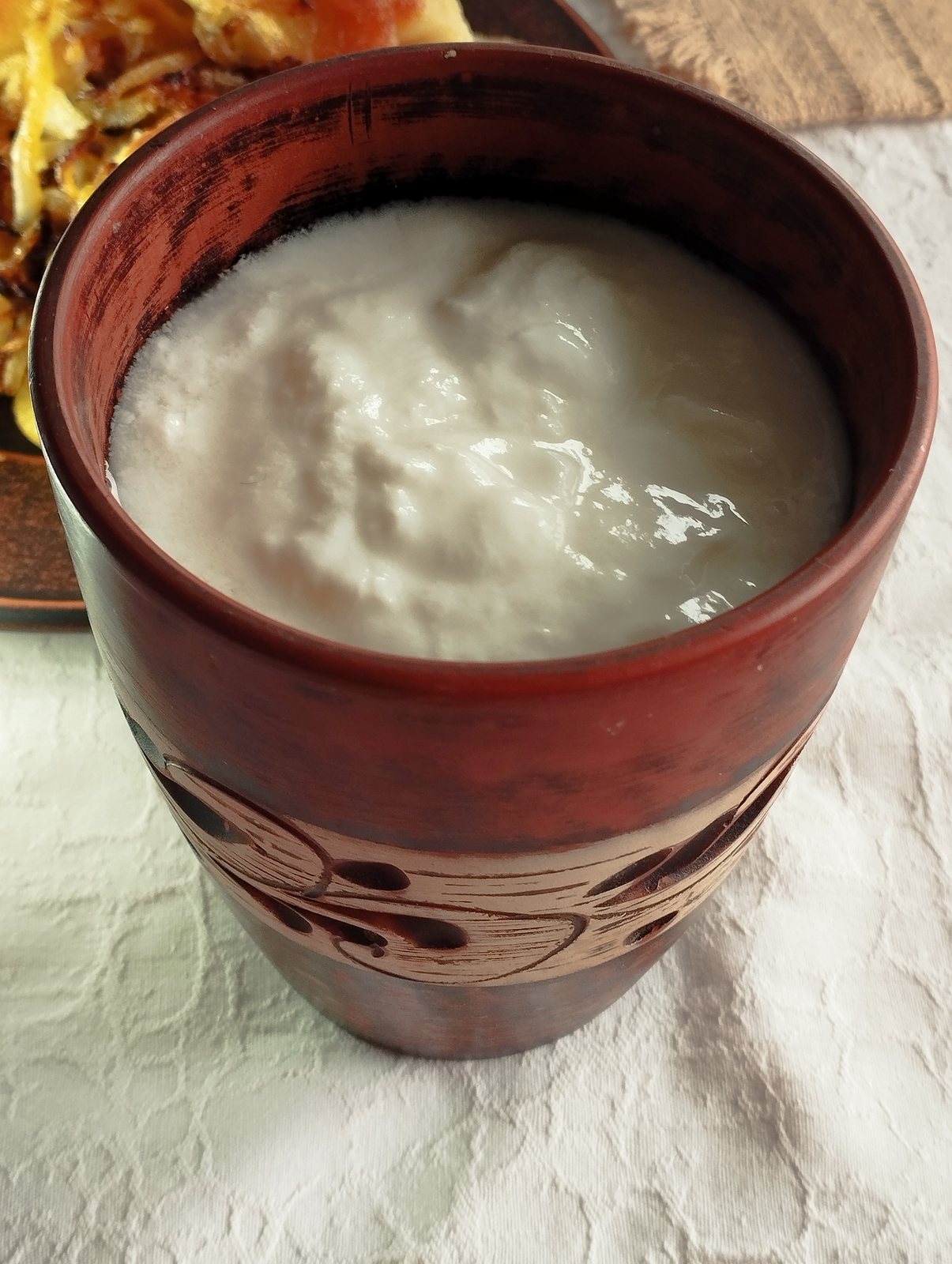
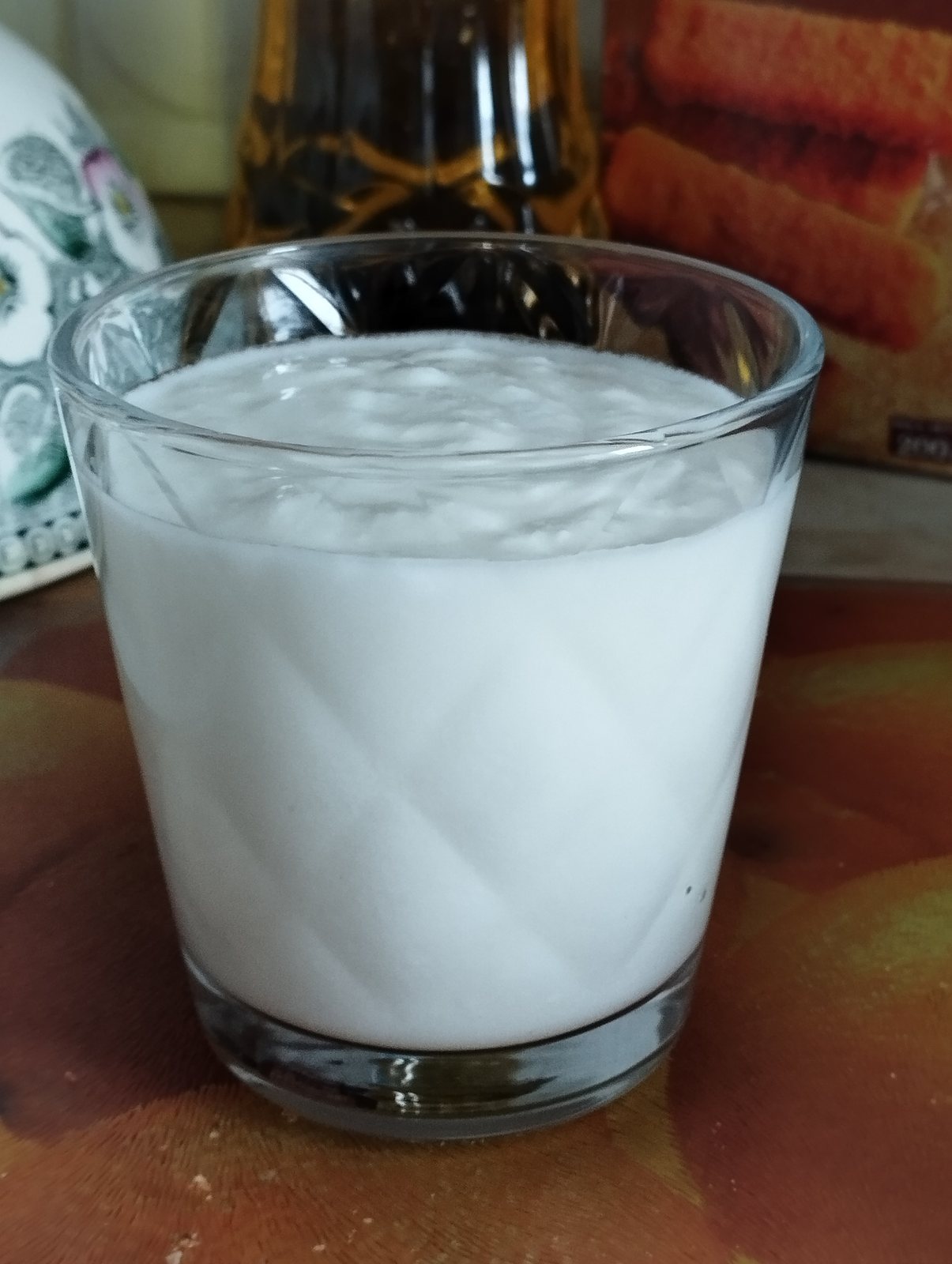
Huslianka is a traditional sour milk product of the Hutsul region. The name is related to the word 'thick': the milk 'thickens'. It is brought to a boil, cooled to body temperature, and then fermented, left in a warm place until morning — and the liquid milk becomes thick, tender, with a slight sourness.
Unlike regular sour milk, huslianka is distinguished by the boiling process: its taste is softer and purer. Hutsuls traditionally preferred huslianka over raw sour milk and always served it with Kulesha and Banosh. Huslianka is also used instead of sour cream — in borscht and other dishes.
The second name, 'winter milk', is explained by the fact that huslianka could be stored for a long time and could replace milk in winter; over time, its taste became sharper.
In terms of technology, huslianka is close to matsoni, katyk, or yogurt. Ethnographer Volodymyr Shukhevych noted in the late 19th century that huslianka was made in the Hutsul region alongside cheeses and bryndza.
History and name
Huslianka has been known since at least the 19th century. Ivan Zelentsiuk — one of the founders of the Ethnographic Museum of Hutsul Antiquities in the village of Kryvorivnia — explains the Hutsul proverb 'milk comes in three kinds, but borscht is none': the first milk is fresh, the second is huslianka, the third is bryndza. Borscht, however, was a rarity in the mountains, as Hutsuls engaged little in agriculture.
Legend: The recipe for huslianka was gifted to people by molfars as a drink of health and longevity.
In fact: This is a folk legend. Huslianka is an ordinary sour milk product; we do not attribute any medicinal properties to it.
Ingredients and allergens
Contains allergens: milk
Diet: vegetarian · gluten-free · no cooking
Ingredients of the traditional recipe; every cook and every place may do it differently — please ask when ordering. We cannot guarantee the absence of allergens or traces.
How it is made
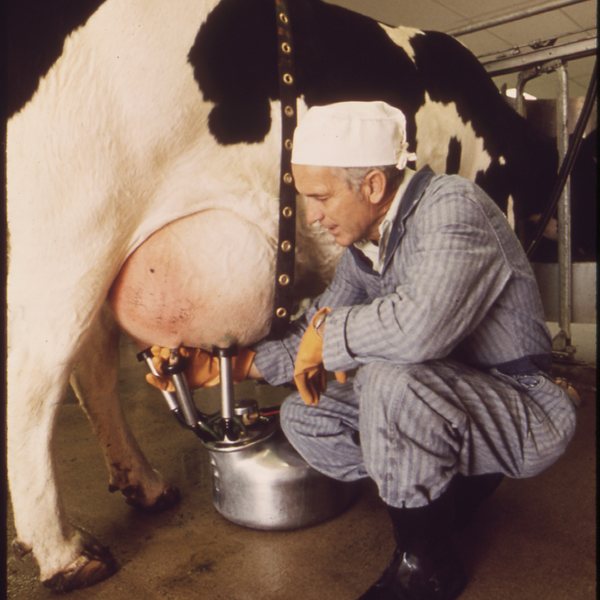
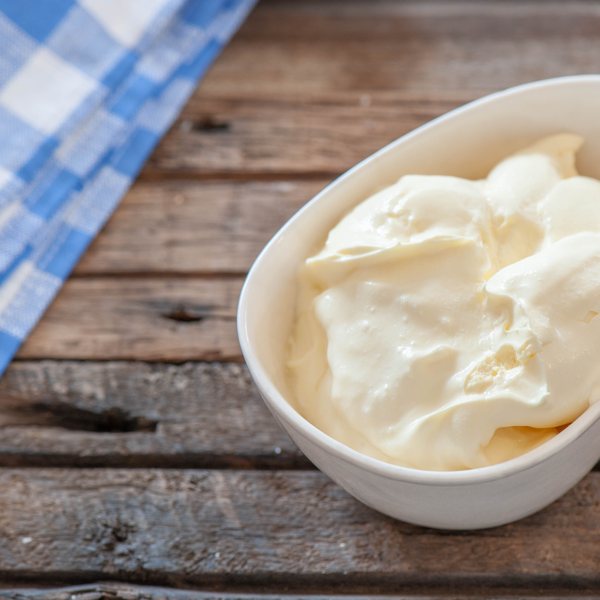
Fresh milk is brought to a boil and cooled to 30–40 °C — 'when it does not burn your finger'. The walls of a clay pot or jar are greased with sour cream or a starter from the previous huslianka, warm milk is poured in and not stirred.
The container is wrapped and placed in a warm place for about 12 hours, until morning; then huslianka is transferred to a cool place. Traditionally, it was kept in wooden barrels or clay dishes.
Video 2
 Руслана готує гуслянку | Майстер-клас від пані Орисі. Карпати 06/2016Ruslana

Where it is eaten

The area is approximate and based on the sources below. The dish is cooked outside it too, and ethnographic borders are blurred.
Ethnographic Hutsul region: Verkhovyna, Kosiv, Rakhiv, Bukovinian Hutsul region. The area is approximate.
When it is eaten
| Jan | Feb | Mar | Apr | May | Jun | Jul | Aug | Sep | Oct | Nov | Dec |
|---|---|---|---|---|---|---|---|---|---|---|---|
Occasions: Everyday food
In tradition
Huslianka is a daily product for Hutsul families: it is served with Kulesha, Banosh, potatoes, and used instead of sour cream in borscht and other dishes.
FAQ
How does huslianka differ from sour milk?
Huslianka is made from boiled milk and fermented in warmth, making it thicker and having a softer taste than raw sour milk.
Why is huslianka called 'winter milk'?
Because it could be stored for a long time and could replace fresh milk in winter.
What do you eat with huslianka?
With Kulesha, Banosh, potatoes; it is also added instead of sour cream in borscht and other dishes.
Similar dishes and products
Relatives in the Carpathians and nearby
- matsoni
similar technology - katyk · Ukraine
similar technology (Crimean Tatar cuisine)
Sources
- Вікіпедія: Гуслянка
- Укрінформ: Вінки молодят, триваліші за життя (І. Зеленчук про «трояке молоко»)
- ZN.UA: Смачна Гуцульщина (гуслянка до кулеші)
- НПП «Верховинський»: Що і де поїсти
Written by the Karpaty.rocks editors from the sources above. Checked 10.11.2026.
