Kulesha
What it is
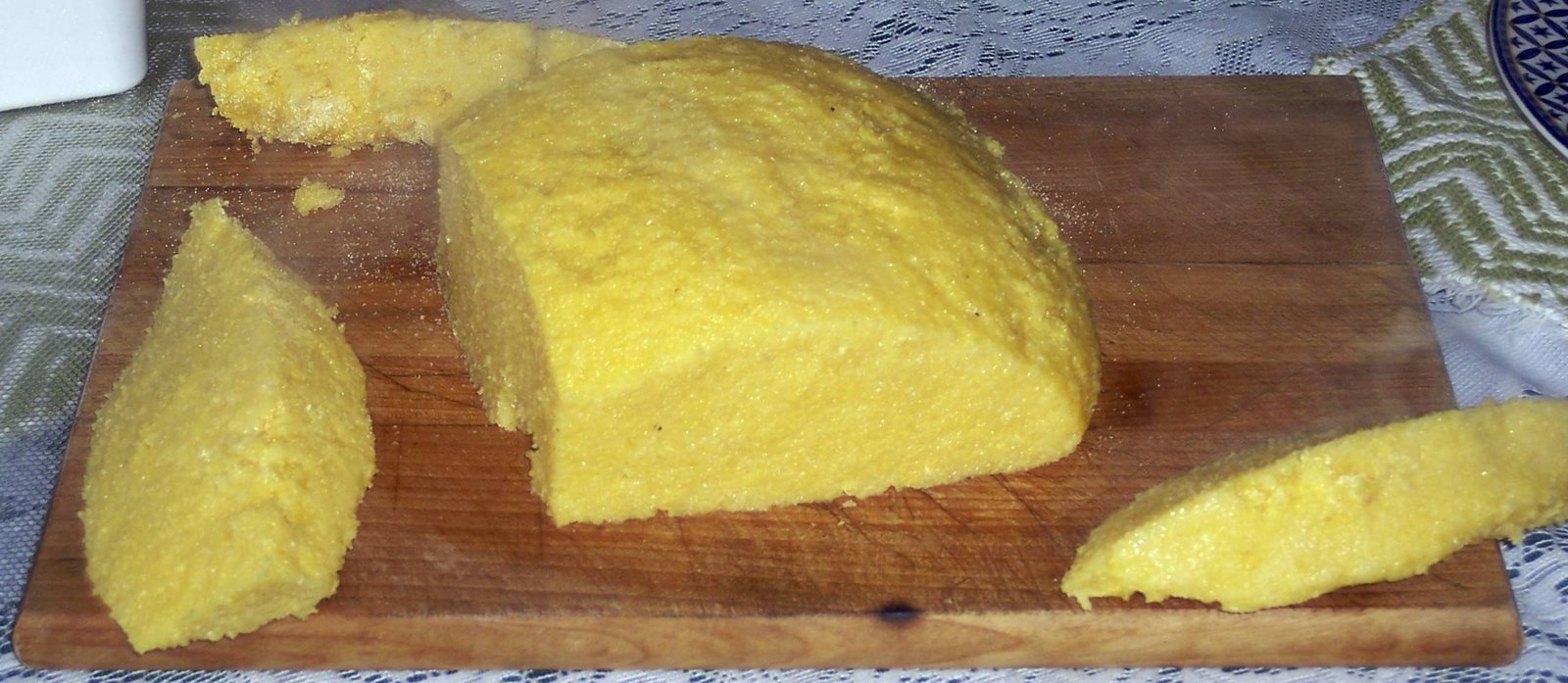
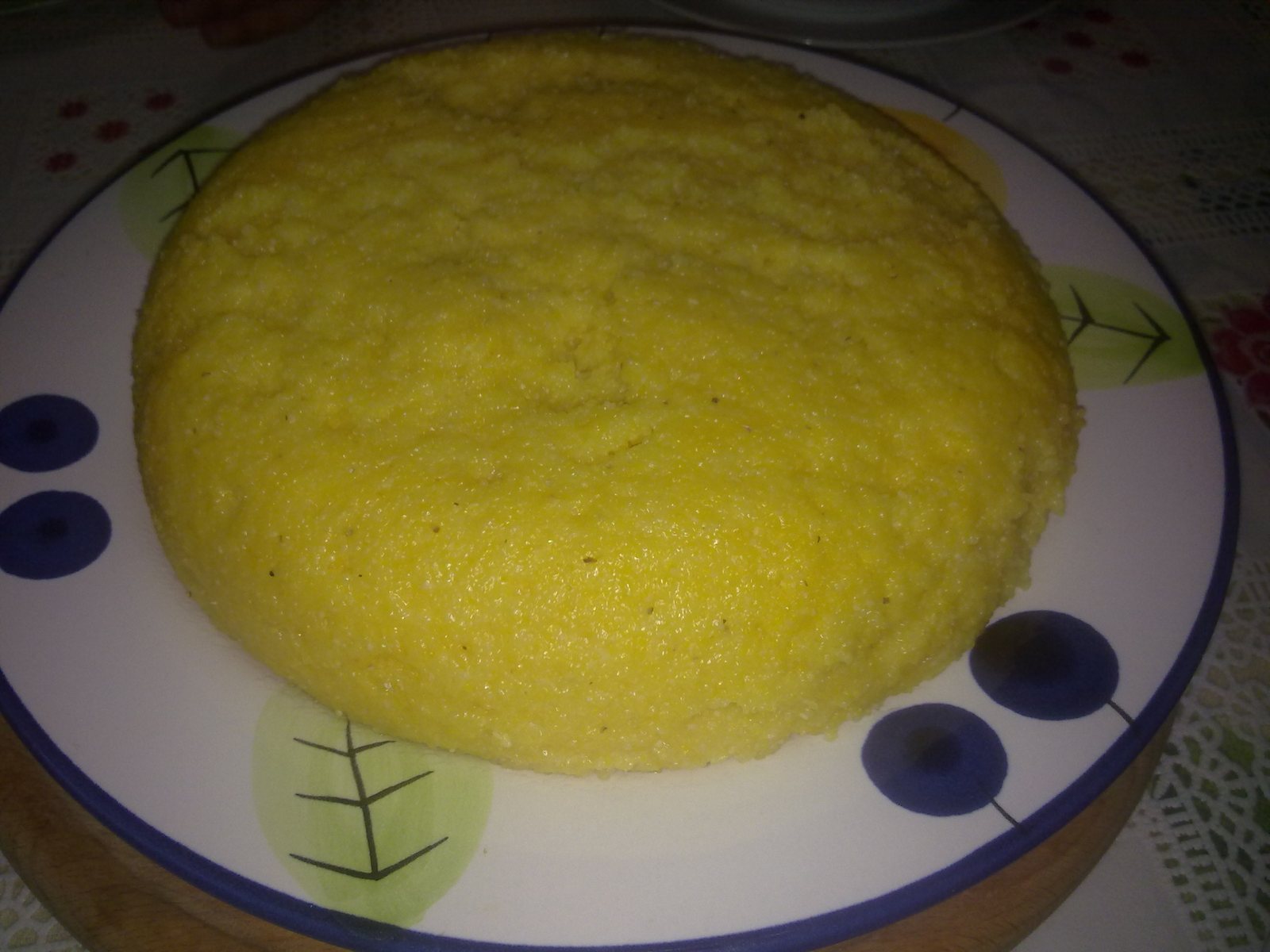
Kulesha is a daily corn porridge from the mountain villages. It is cooked from cornmeal or fine grits in salted water, constantly stirred with a wooden spoon or stick. The porridge becomes so thick that it can be turned out onto a wooden board as a whole 'head'.
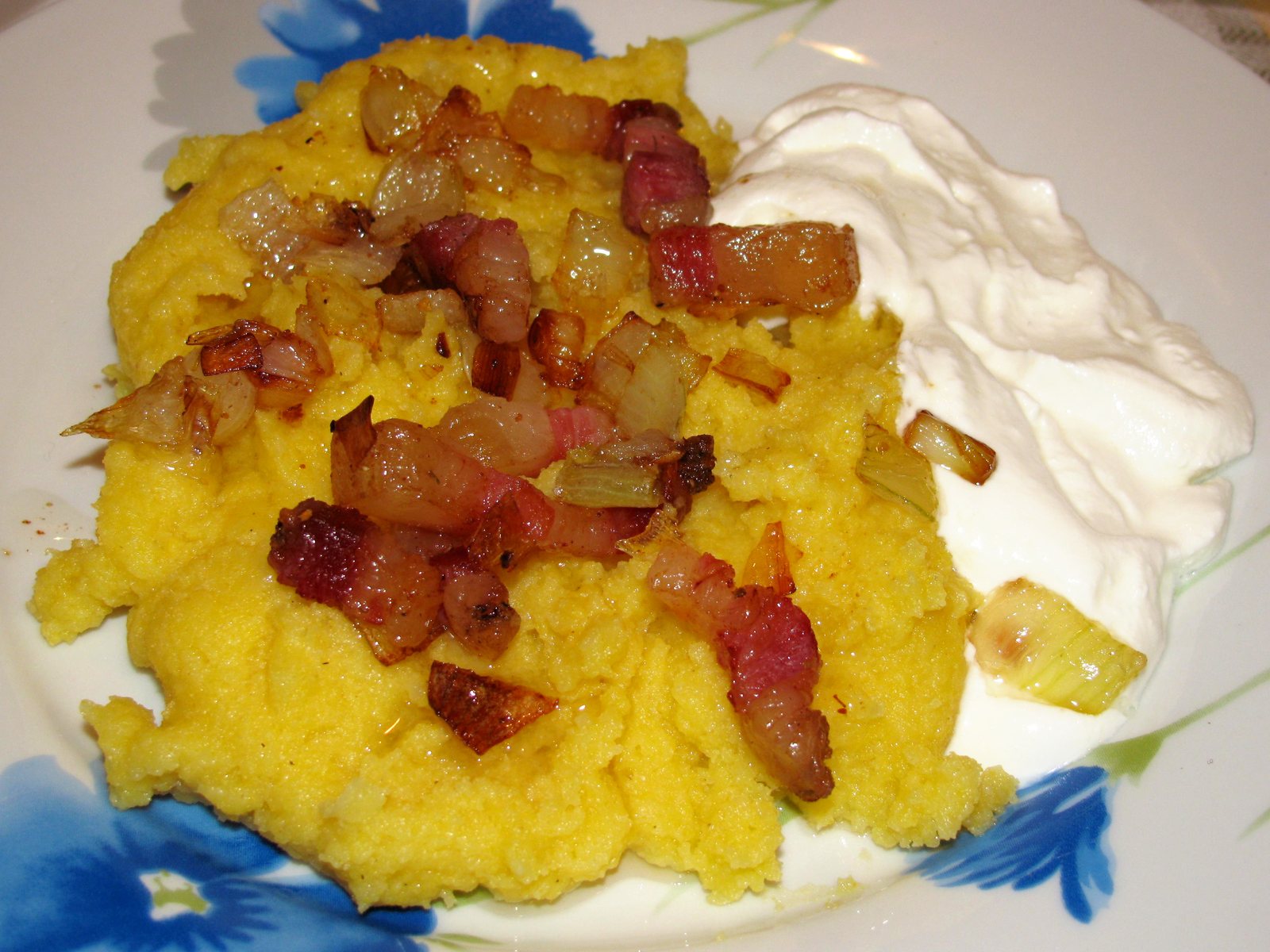
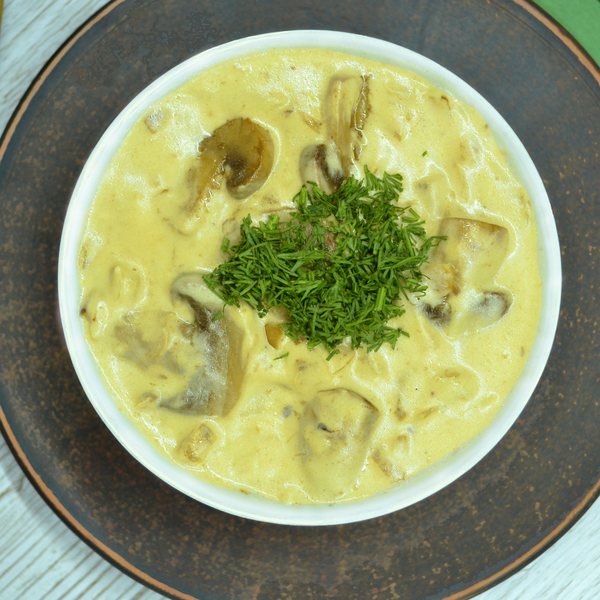
Kulesha is cut not with a knife, but with a thread — this way, the slices come out even and do not stick. Then it all depends on the occasion: a piece of butter is placed on each slice and sprinkled with grated bryndza, and cracklings, fried onions, or mushrooms in sour cream can be added. In Hutsulshchyna, sour milk or huslianka is often served with kulesha.
Kulesha long served the mountain people instead of bread: wheat grew poorly in the mountains, while corn and potatoes thrived. Kulesha differs from banosh in that it uses water instead of sour cream, and from riplianka in that it does not contain potatoes.
In dialects, the same dish is called mamalyha or tokan. Do not confuse it with the Hungarian tokány — that refers to a meat stew in Hungary.
History and name
Ethnographer Volodymyr Shukhevych recorded at the end of the 19th century that the Hutsuls almost daily cooked kulesha in water in clay pots or large cast-iron cauldrons. Corn became the main grain crop in the mountains after its spread in the Carpathians.
The name 'kulesha' is linguistically linked to the Hungarian köles ('millet'): a similar porridge was made from millet before corn. 'Mamalyha' is borrowed from Romanian (mămăligă), and 'tokan' comes from the Romanian tocan. Romanian mamalyha and Italian polenta are the closest relatives of kulesha.
Ingredients and allergens
Variant: with bryndza and butter
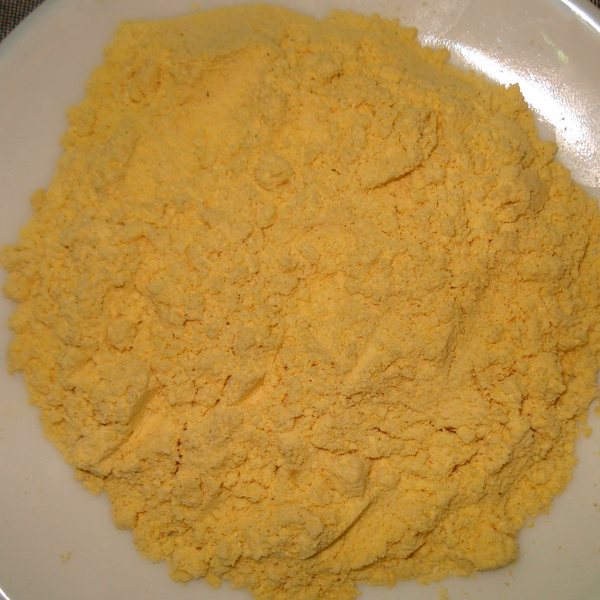
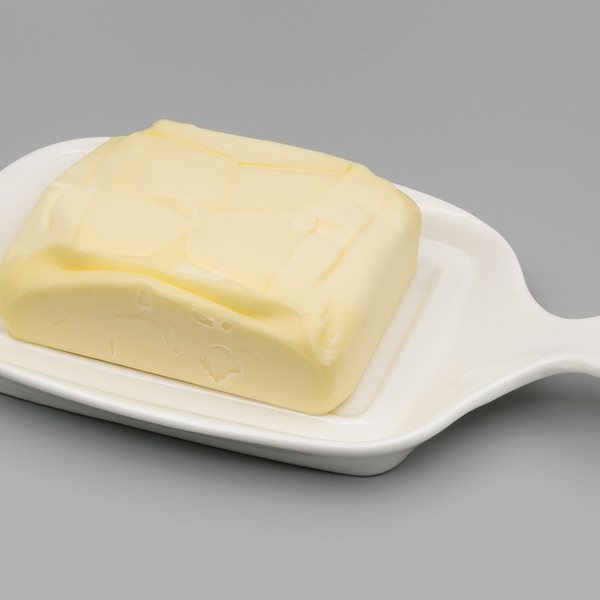
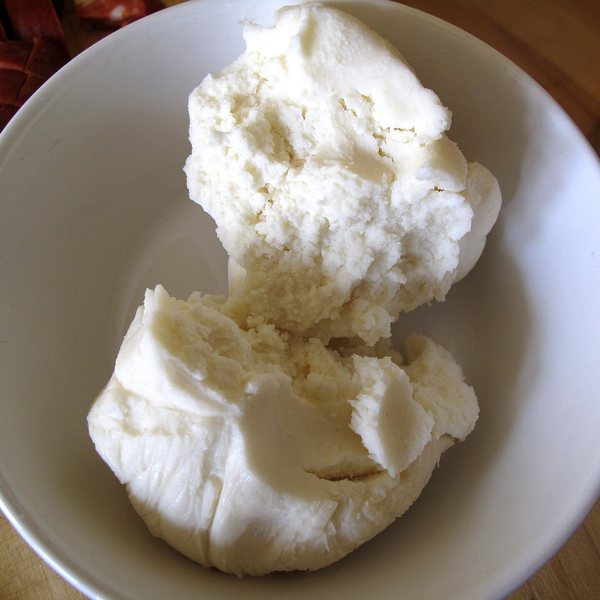
Also: water (3–4 cups)
Contains allergens: milk
Diet: vegetarian · gluten-free by ingredients; traces possible
Variant: with cracklings and onions
corn flour, water, pork cracklings, onion
Contains allergens: none of the 14 major allergens in the traditional recipe
Diet: gluten-free by ingredients; traces possible
Variant: lenten, with oil and onions
corn flour, water, sunflower oil, onion
Contains allergens: none of the 14 major allergens in the traditional recipe
Diet: lenten · vegan · gluten-free by ingredients; traces possible
Ingredients of the traditional recipe; every cook and every place may do it differently — please ask when ordering. We cannot guarantee the absence of allergens or traces.
How it is traditionally made
Serves: 3–4 servings
- Corn flour — 1 cup
- Water — 3–4 cups
- Butter — 30–50 g
- Bryndza (sheep cheese) — 100 g
- Bring salted water to a boil in a thick-walled pot. For 1 part of cornmeal or fine grits, take approximately 3–4 parts of water.
- Gradually add the flour in a thin stream, continuously stirring with a wooden spoon or stick to avoid lumps.
- Reduce the heat and cook, stirring and mashing the porridge against the walls, until it becomes very thick and starts to pull away from the pot (usually about 20 minutes).
- Let the kulesha rest on low heat or at the edge of the stove.
- Turn the pot over onto a wooden board so that the kulesha comes out whole.
- Cut it into slices using a thread and arrange on plates.
How it is served
On each slice, place a piece of butter and sprinkle with grated bryndza; alongside, serve cracklings, fried onions, mushrooms in sour cream, or a glass of sour milk or huslianka.
Variants
On Christmas Eve and during fasting, kulesha is eaten without dairy — with oil, onions, and mushrooms. Thinner kulesha is sometimes served in a bowl with hot milk.
The traditional method as described by our sources; every family does it its own way. We have not tested this recipe in a professional kitchen.
Video 2
 Гуцульська кулешаФАЙНОГОРА

Where it is eaten

The area is approximate and based on the sources below. The dish is cooked outside it too, and ethnographic borders are blurred.
Mountain and foothill villages of Hutsulshchyna, Boykivshchyna, Transcarpathia, and Bukovina. The names vary: 'kulesha' in Hutsulshchyna, 'mamalyha' and 'tokan' mainly in Bukovina and Transcarpathia. The area is approximate.
When it is eaten
| Jan | Feb | Mar | Apr | May | Jun | Jul | Aug | Sep | Oct | Nov | Dec |
|---|---|---|---|---|---|---|---|---|---|---|---|
Occasions: Everyday food · Christmas Eve · Lent · Polonyna (May — September)
In tradition
Kulesha was a staple food and often replaced bread. On Christmas Eve, it is served fasting, and on the polonyna, shepherds cooked kulesha in a cauldron over a fire and ate it with budz and bryndza.
FAQ
Is kulesha, mamalyha, and tokan the same dish?
Yes, these are regional names for thick corn porridge boiled in water. 'Mamalyha' and 'tokan' come from the Romanian language. The Hungarian tokány is a different dish, a meat stew.
Why is kulesha cut with a thread?
Thick porridge sticks to a knife, while a thread passes through it easily and gives even slices. This has been done for a long time in the Carpathians and in Romania.
How does kulesha differ from banosh?
Kulesha is cooked in water, while banosh is made with sour cream or cream. Kulesha is thicker and simpler, while banosh is heartier and was a festive dish.
Where to try and buy
 Koliby & Hutsul cuisineBabyna Koliba, KryvorivniaKryvorivniaBabyna Kolyba («Granny's Koliba») serves authentic Hutsul food in Kryvorivnia, a village sometimes called the ...
 Koliby & Hutsul cuisineZRUB Ethno Restaurant, IltsiIltsiZRUB Ethno Restaurant is a new log-built home of Hutsul cooking in the village of Iltsi, on the edge of Verkhovyna,...
Only our checked craft places. Ask on the spot what is on the menu or for sale today.
Similar dishes and products
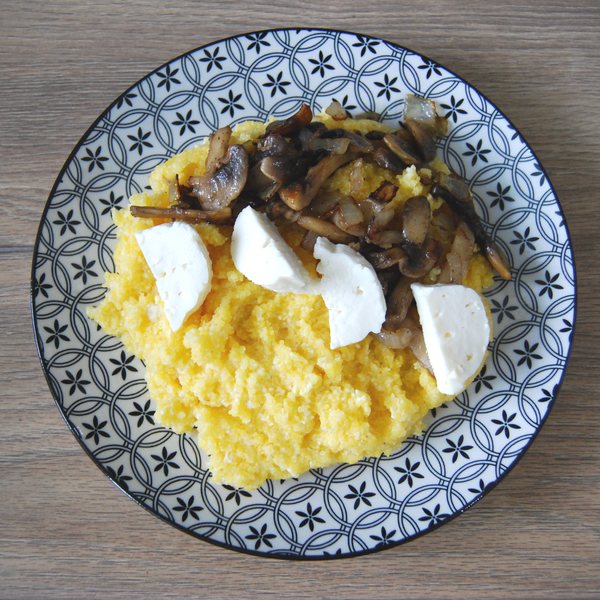
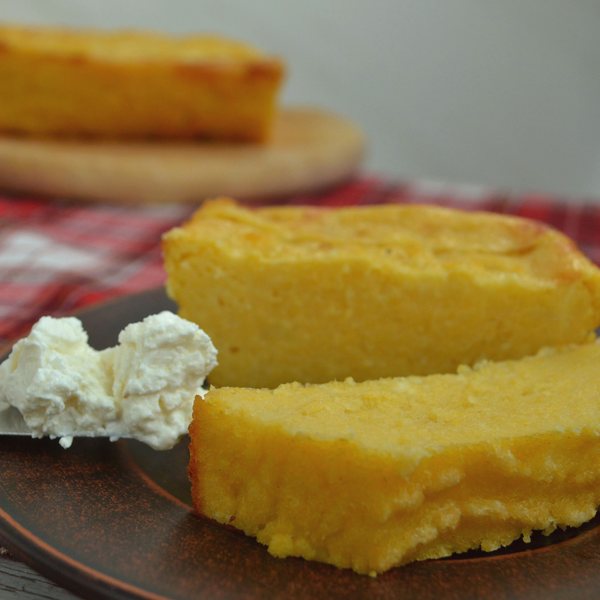
Relatives in the Carpathians and nearby
- mamalyha (mămăligă) · Romania
close tradition; national dish of Romanians and Moldovans - polenta
close tradition - banosh · Ukraine
corn porridge with sour cream
Sources
- Вікіпедія: Мамалиґа (кулеша, токан; етимологія, рецепт гуцульської кулеші)
- ZN.UA: Смачна Гуцульщина (за працею В. Шухевича)
- НПП «Верховинський»: Що і де поїсти
- Вікіпедія: Бануш (порівняння з кулешею)
Written by the Karpaty.rocks editors from the sources above. Checked 10.11.2026.
