Banosh
What it is
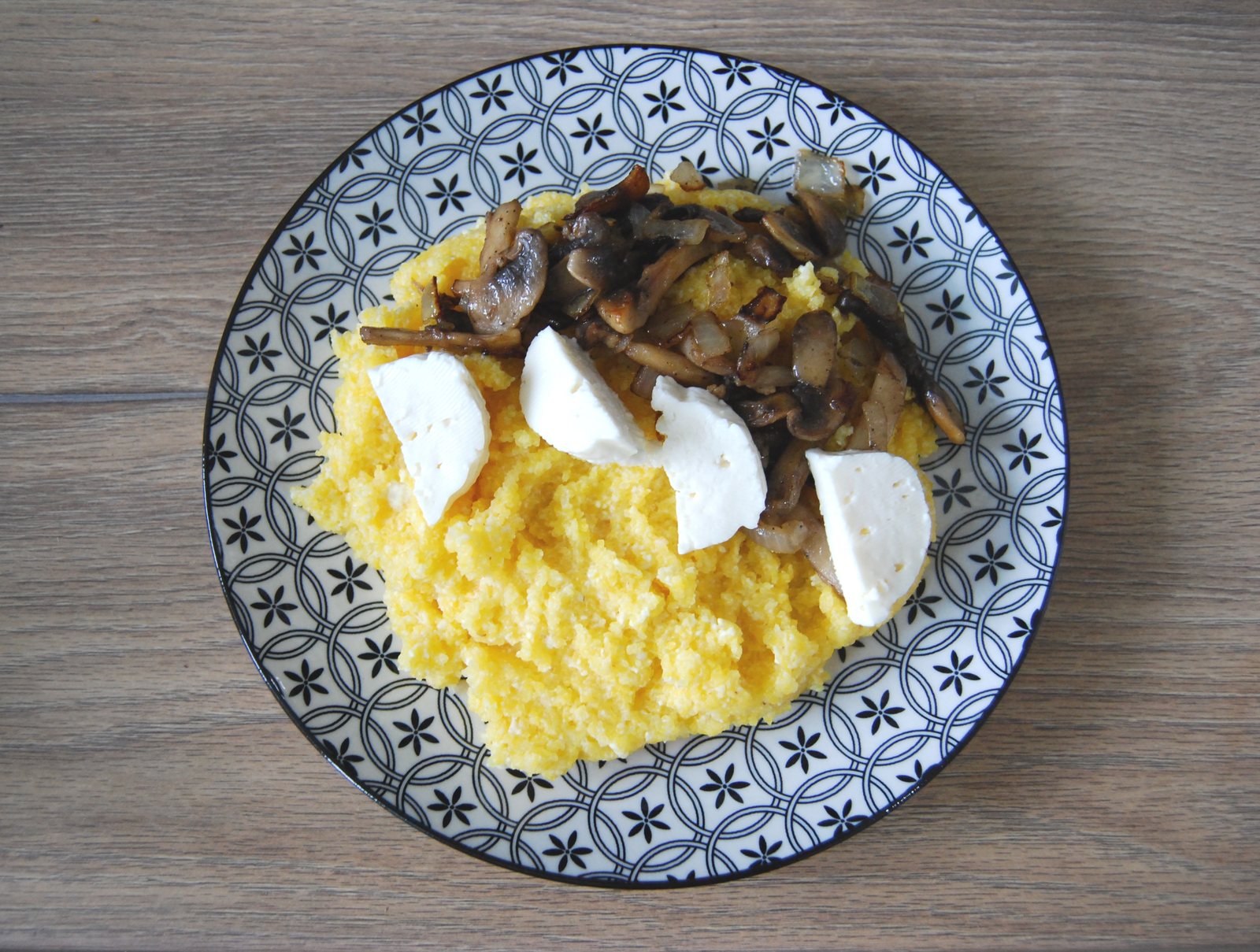
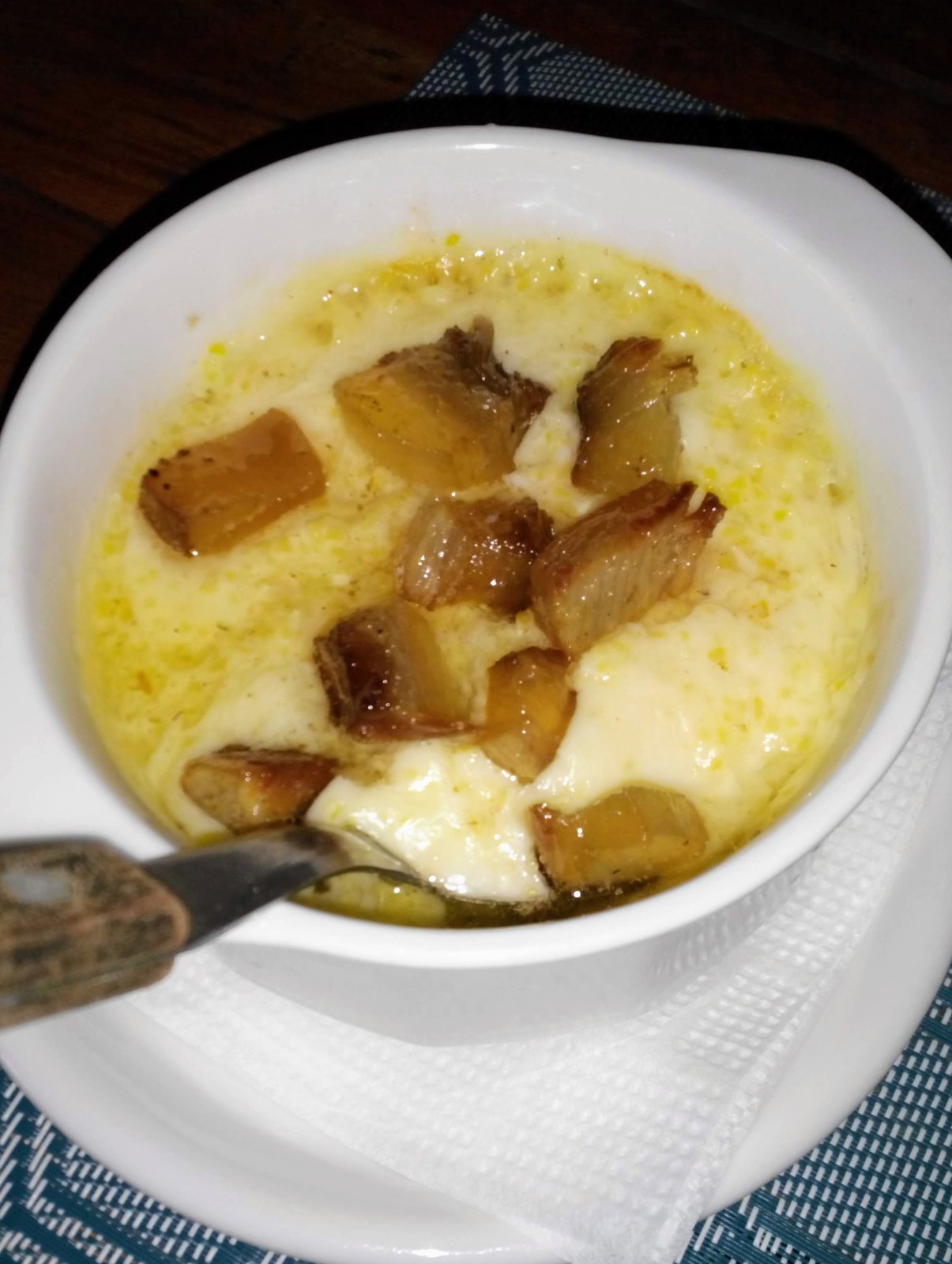
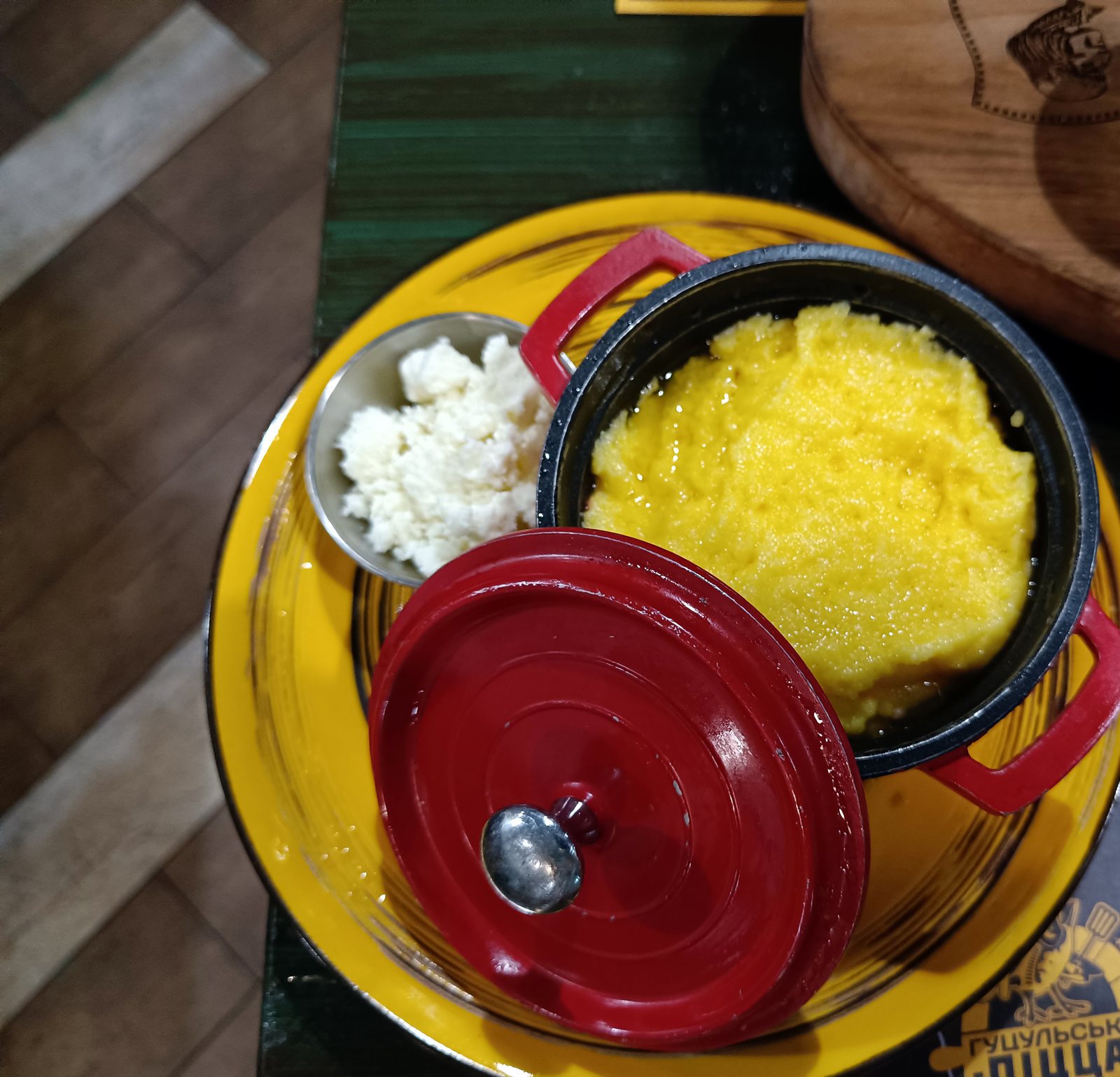
Banosh, or banush, is the most famous dish of Hutsul cuisine. It is corn grits cooked not in water, but in sour cream or cream. The porridge is continuously stirred with a wooden spoon until drops of butter appear on the surface: this is how housewives determine that the banosh is ready.
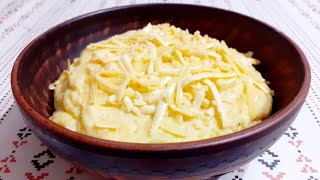
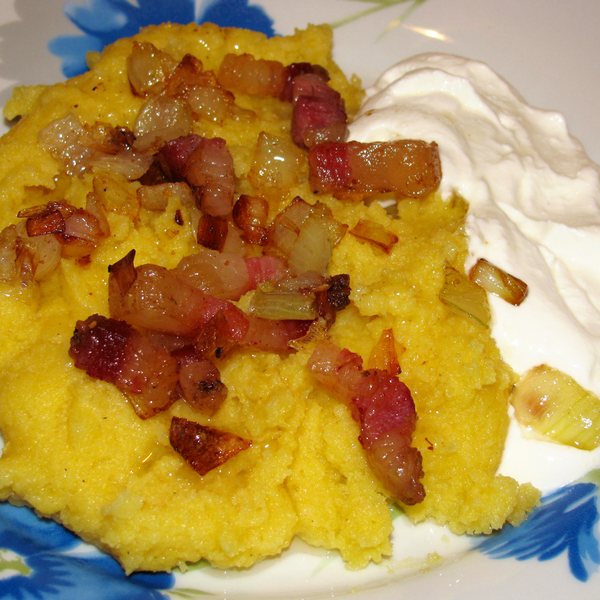
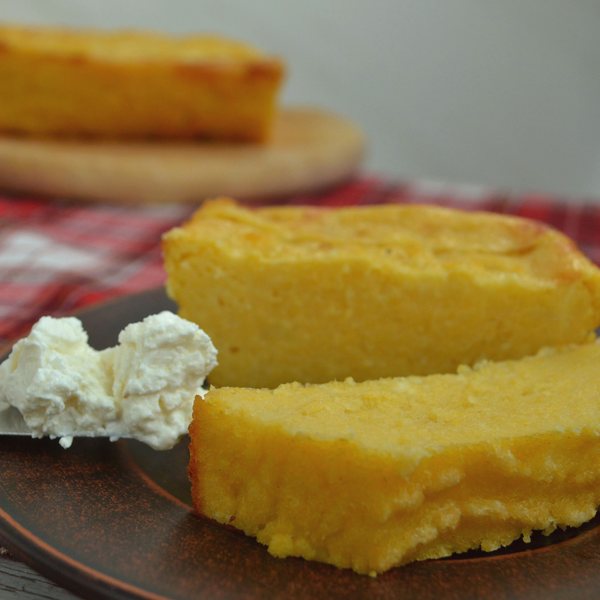
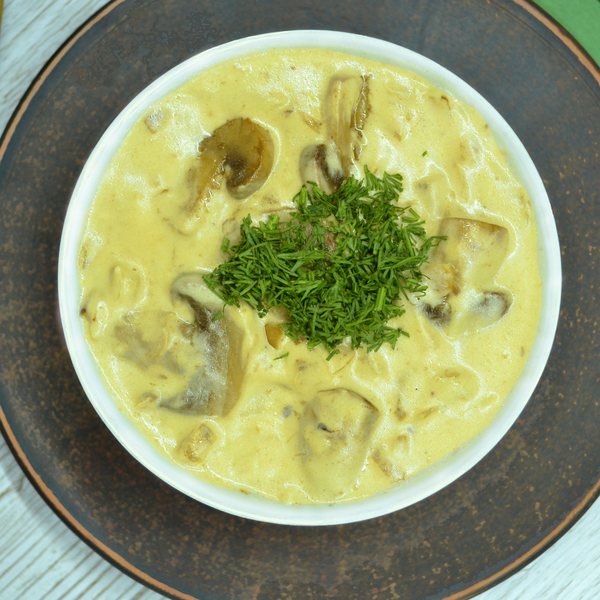
The finished dish has a yellow color, medium thickness, and a slight sourness from the sour cream. On the plate, banosh is almost always complemented with grated sheep Bryndza, crispy cracklings, or stewed forest mushrooms in sour cream. During fasting, a variant is made without dairy, with mushrooms in oil.
Banosh differs from Kulesha in its base: Kulesha is cooked in boiling water, while banosh is made with sour cream. Because of this, it is more filling and was historically considered a festive and hospitable dish, rather than an everyday one.
Today, banosh is served in almost every koliba in the Carpathians, and in the city of Ivano-Frankivsk on January 11, 2020, 1,420 liters of banosh were cooked — this is a national record for Ukraine.
History and name
Ethnographer Volodymyr Shukhevych described banosh in his work 'Hutsulshchyna' at the end of the 19th century: for three measures of boiling sour cream, one measure of corn grits was taken, cooked for a quarter of an hour, and then the porridge was divided into two parts and stirred until it released butter. In mountain villages, banosh was primarily prepared for holidays and guests.
The name comes from the Romanian language: banush, banosh, and balmuș are associated with the Romanian balmoș, which through the Bulgarian 'balmuș' originates from the Turkish bulamaç — 'flour porridge'. Similar dishes made from corn on a dairy base are known in Romania and Moldova.
Legend: Banosh was named after a Hutsul named Banosh, who was the first to cook porridge with sour cream.
In fact: This is a tourist tale. Linguists derive the name from the Romanian balmoș, which comes from the Turkish bulamaç ('flour porridge').
Legend: Only a man can cook real banosh, in a cast-iron cauldron over a fire.
In fact: In the past, banosh was indeed often cooked by male shepherds, and cast iron and wooden spoons are traditional utensils. However, this is a custom, not a rule: at home, women also cook banosh on a regular stove.
Ingredients and allergens
Variant: traditional, with sour cream


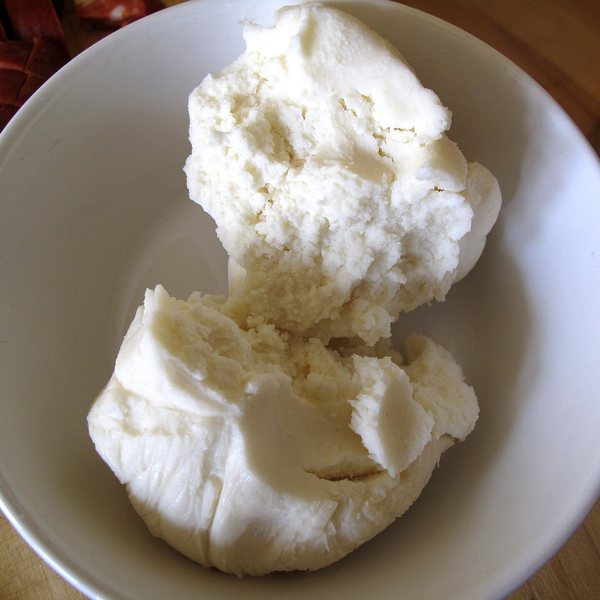
Also: pork cracklings (to taste, to serve)
Contains allergens: milk
Diet: gluten-free by ingredients; traces possible
Variant: with forest mushrooms in sour cream
corn grits, sour cream, forest mushrooms, onion
Contains allergens: milk
Diet: vegetarian · gluten-free by ingredients; traces possible
Variant: lenten, with mushrooms
corn grits, water, dried porcini, onion, sunflower oil
Contains allergens: none of the 14 major allergens in the traditional recipe
Diet: lenten · vegan · gluten-free by ingredients; traces possible
Ingredients of the traditional recipe; every cook and every place may do it differently — please ask when ordering. We cannot guarantee the absence of allergens or traces.
How it is traditionally made
Serves: 3–4 servings · Preparation: 5 min · Cooking: 20 min
- Corn grits — 1 cup
- Sour cream — 3 cups
- Bryndza (sheep cheese) — 100–150 g
- Pork cracklings — to taste
- Bring sour cream (or sour cream diluted halfway with cream or milk) to a boil in a thick-walled pot and lightly salt it.
- Gradually pour in the corn grits in a thin stream, constantly stirring with a wooden spoon to prevent lumps. For 1 part of grits, use 3–4 parts of sour cream.
- Reduce the heat and cook for 15–20 minutes, stirring continuously.
- When the porridge thickens and drops of butter appear on the surface and walls, the banosh is ready. It should pull away from the pot.
- While the porridge is cooking, render the cracklings and grate the Bryndza.
- Serve the banosh on plates, topped with Bryndza, and add cracklings or mushrooms.
How it is served
Hot, immediately after cooking: topped with grated Bryndza and cracklings, or stewed white mushrooms or chanterelles in sour cream. It is often served with sour milk or Huslianka.
Variants
During fasting, banosh is cooked in water with oil and served with dried porcini mushrooms sautéed with onions. In Transcarpathia, the name 'banush' is common, and each family determines the thickness and amount of sour cream differently.
The traditional method as described by our sources; every family does it its own way. We have not tested this recipe in a professional kitchen.
Video 2
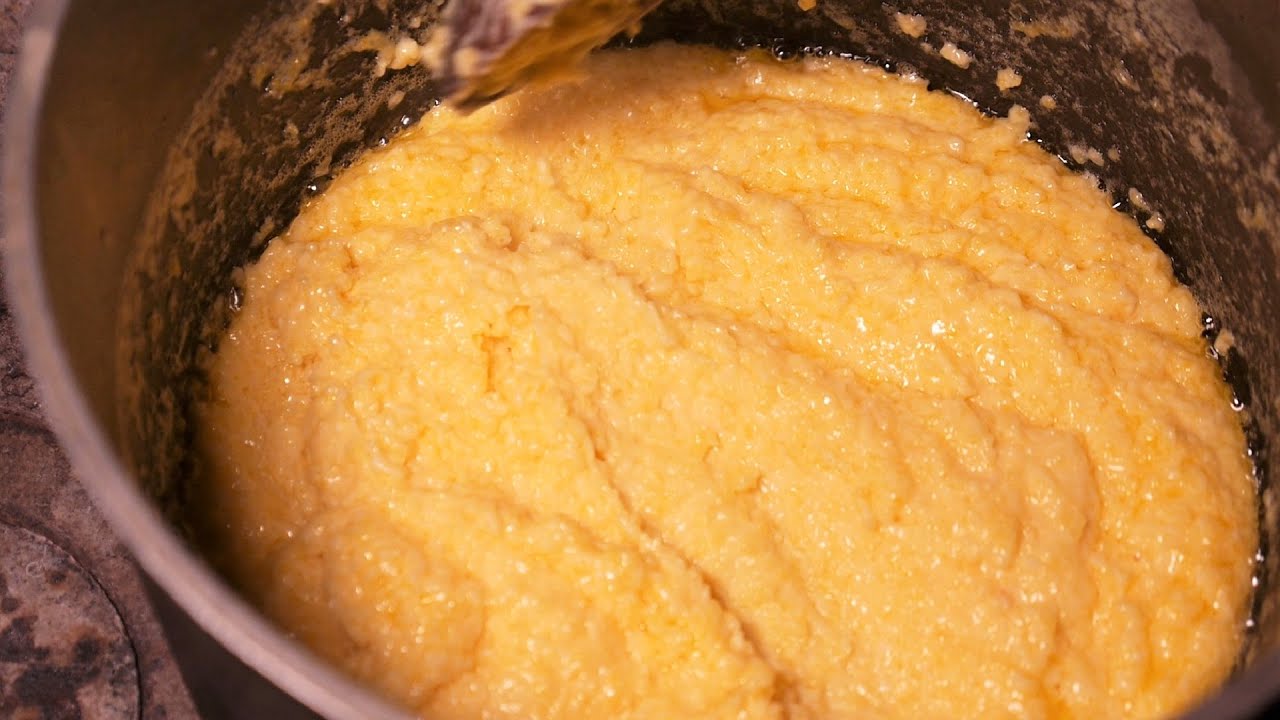 БАНОШ в гуцульському селі Космач від Параски Бойчук! Банош на сметані на вогні РЕЦЕПТНАШІ БЕСАГИ - їжа та рецепти
Where it is eaten

The area is approximate and based on the sources below. The dish is cooked outside it too, and ethnographic borders are blurred.
Mountain communities of ethnographic Hutsulshchyna: Verkhovyna, Kosiv, southern Nadvirna, Rakhiv, Bukovinian Hutsulshchyna; in Transcarpathia, the form 'banush' is widespread. The area is approximate; the dish is also prepared outside of it.
When it is eaten
| Jan | Feb | Mar | Apr | May | Jun | Jul | Aug | Sep | Oct | Nov | Dec |
|---|---|---|---|---|---|---|---|---|---|---|---|
Occasions: Everyday food · Polonyna (May — September) · Lent · Mushroom season
In tradition
Banosh was a festive and hospitable dish: it was cooked for guests, on holidays, and in the polonyna. Shepherds prepared it in a cauldron over a fire with sheep sour cream and Bryndza. Today, banosh is the main 'calling card' of Hutsul cuisine for tourists.
FAQ
What is the difference between banosh and kulesha?
The base. Banosh is cooked with sour cream or cream and stirred until butter appears, while kulesha is made with water, and it is thicker, cut with a string. Banosh is more filling and was traditionally a festive dish.
Which is correct: banosh or banush?
Both forms are correct. 'Banush' is more commonly used in Transcarpathia, while 'banosh' is used in Hutsulshchyna in Prykarpattia. The name 'balmuș' is also encountered.
How can you tell when banosh is ready?
When the porridge has thickened, pulls away from the walls of the pot, and drops of butter have appeared on the surface. This usually happens 15–20 minutes after adding the grits.
Is there a lenten version of banosh?
Yes. During fasting, it is cooked in water with oil and served with dried mushrooms and fried onions, without sour cream, Bryndza, and cracklings.
Where to try and buy
 Koliby & Hutsul cuisineBabyna Koliba, KryvorivniaKryvorivniaBabyna Kolyba («Granny's Koliba») serves authentic Hutsul food in Kryvorivnia, a village sometimes called the ...
 Koliby & Hutsul cuisineZRUB Ethno Restaurant, IltsiIltsiZRUB Ethno Restaurant is a new log-built home of Hutsul cooking in the village of Iltsi, on the edge of Verkhovyna,...
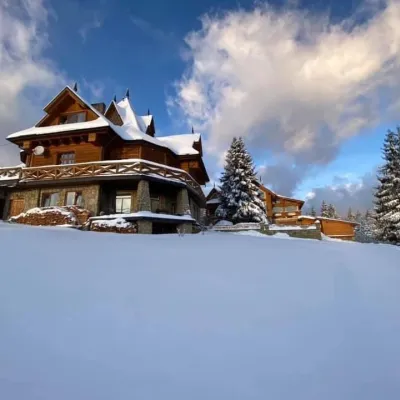 Koliby & Hutsul cuisineVysokyi Pereval Koliba, YablunytsiaYablunytsiaVysokyi Pereval Koliba ("High Pass") stands in Yablunytsia, on the new road to Bukovel, in the Horishkiv area.
Only our checked craft places. Ask on the spot what is on the menu or for sale today.
Similar dishes and products
Relatives in the Carpathians and nearby
- balmuș (balmoș) · Romania
a family name; corn porridge with a dairy base in the Romanian Carpathians - kulesha · Ukraine
a close tradition: corn porridge in water
Sources
- Вікіпедія: Бануш (етимологія, національний рекорд)
- ZN.UA: Смачна Гуцульщина (за працею В. Шухевича «Гуцульщина»)
- НПП «Верховинський»: Що і де поїсти (гуцульська кухня)
- Вікіпедія: Гуцульська кухня
Written by the Karpaty.rocks editors from the sources above. Checked 10.11.2026.
