Porcini
Never identify a mushroom from a photo alone. If in doubt, leave it. In case of poisoning call 112 (103 in Ukraine) at once.
About
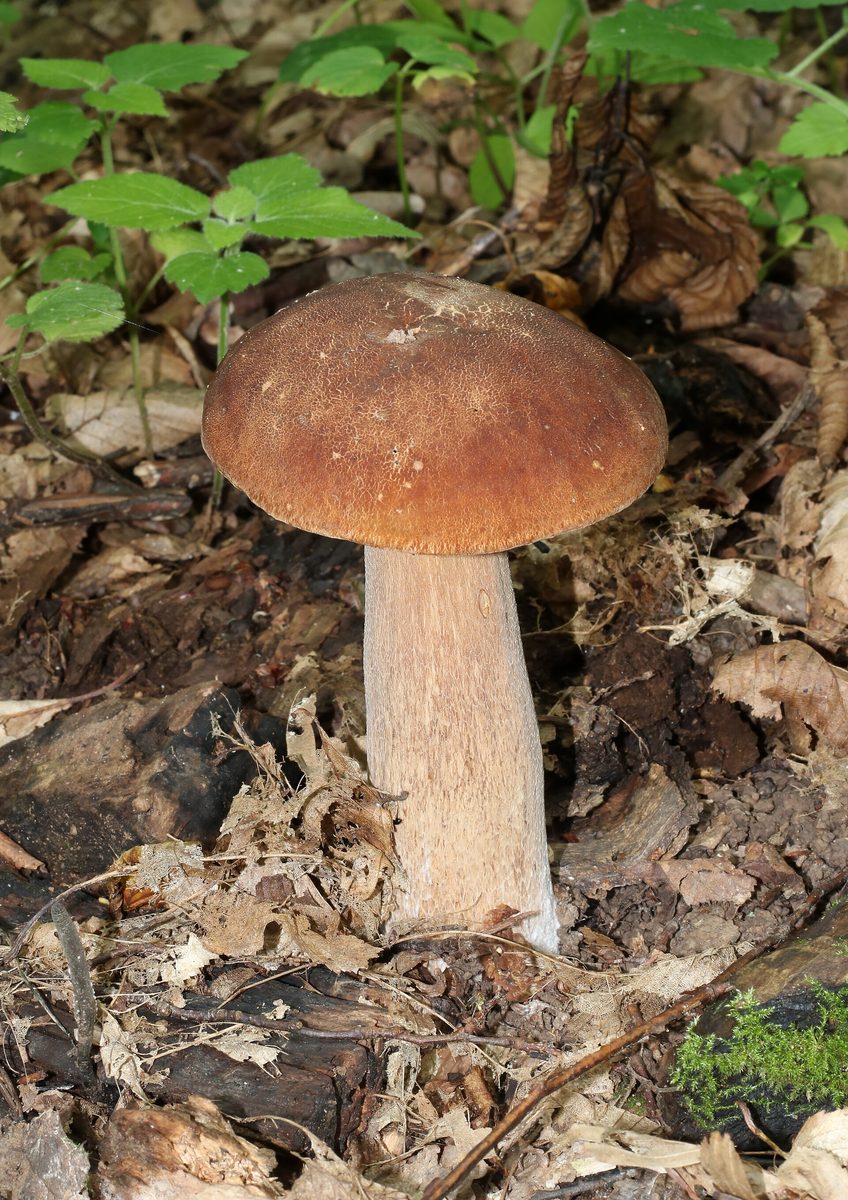
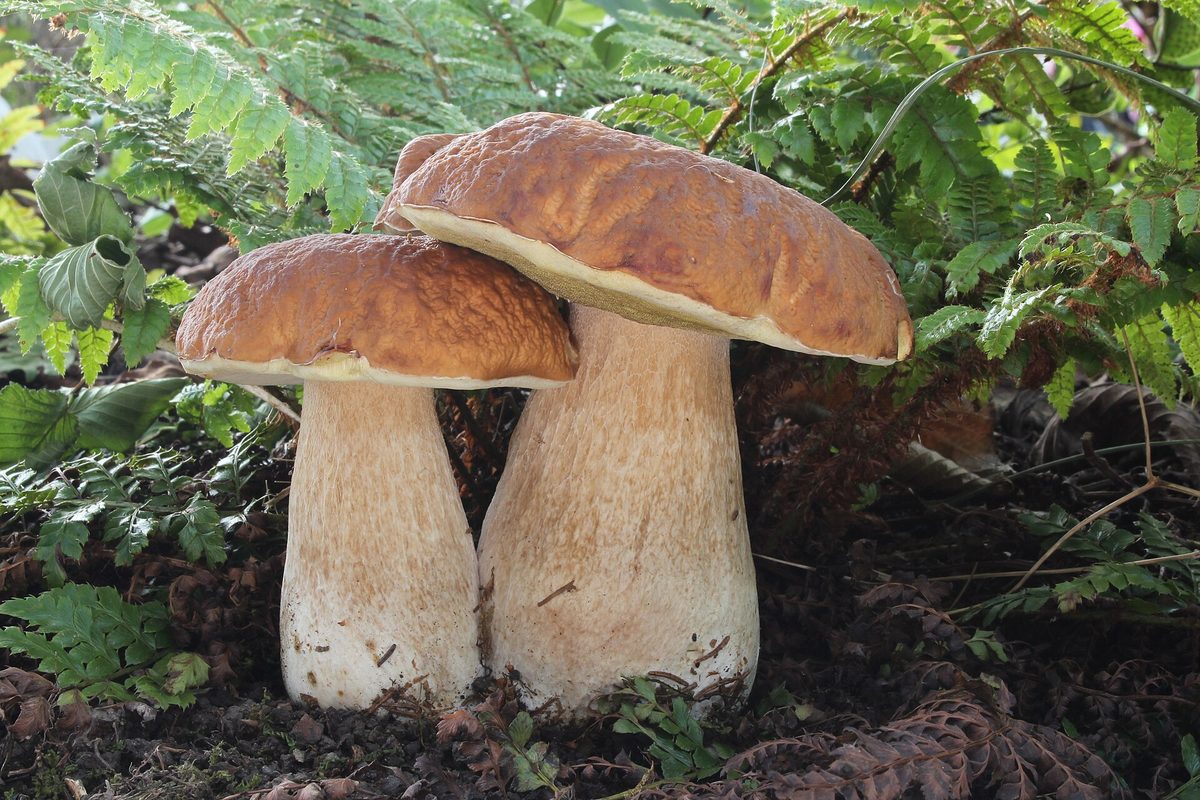
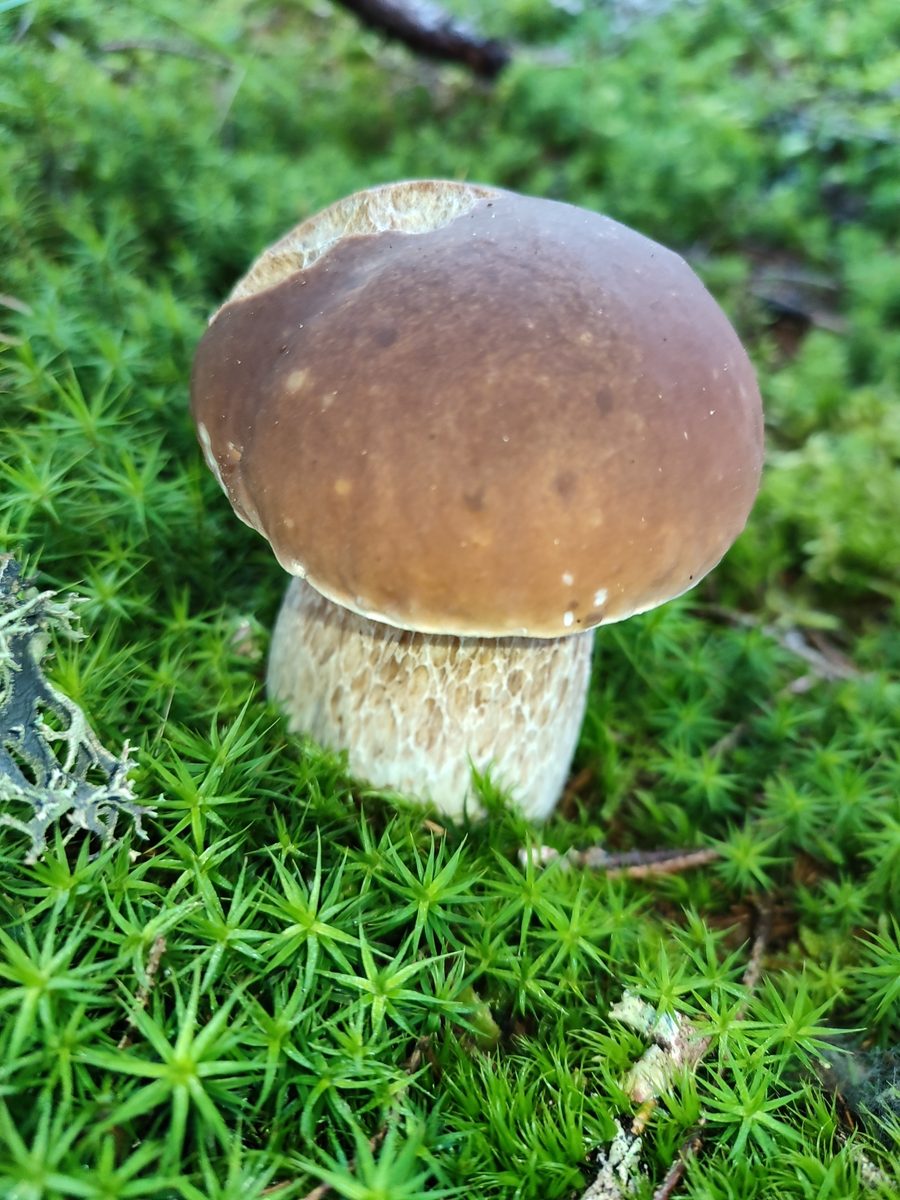
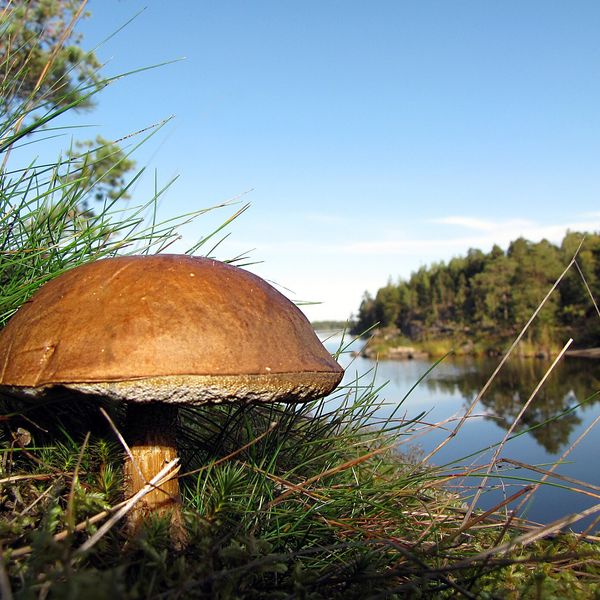
Porcini is the main target for most mushroom pickers in the Carpathians. It forms mycorrhiza, meaning it lives in partnership with the roots of trees, so it always grows near spruce, beech, oak, pine, or birch. In the mountains, it can be found from the foothill oak and beech forests to spruce forests near the upper tree line, often on mossy forest edges and along old forest roads.
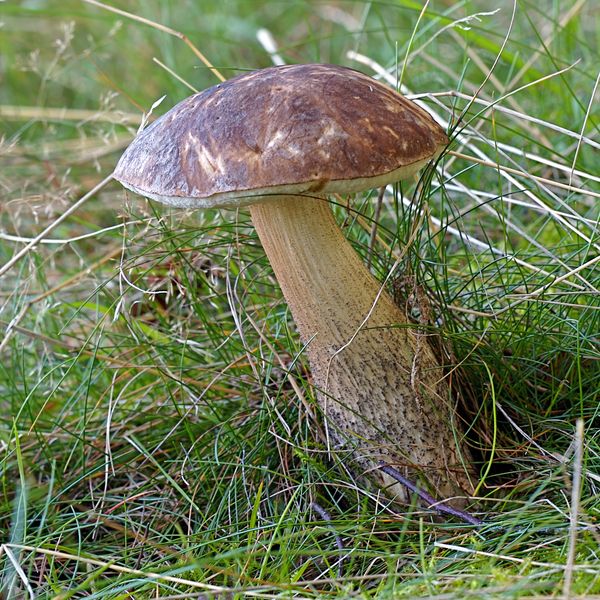
The cap is convex, flattened with age, ranging from light hazelnut to dark chestnut, matte in dry weather, and slightly sticky after rain. Under the cap, there are not gills but tubes: the young mushroom has white tubes, which later become yellowish and olive-green. The stem is thick, bulbous, and covered in a delicate light mesh at the top. The flesh is white, dense, with a pleasant nutty aroma, and does not change color when broken.
Under the name 'Porcini', mushroom pickers often group several closely related Boletus species. In the beech and oak forests of the foothills, one can find the netted bolete with a dry, velvety cap, and in warm oak forests - the bronze bolete with an almost black cap. The bronze bolete is listed in the Red Book of Ukraine with a status of 'vulnerable', so collecting it is prohibited. The common Porcini is not among the protected species.
The first Porcini mushrooms appear in June, but they are most abundant in the Carpathians in the second half of summer and early autumn, after warm rains. They grow singly or in small groups, often in the same places for years, as the mycelium is long-lived.
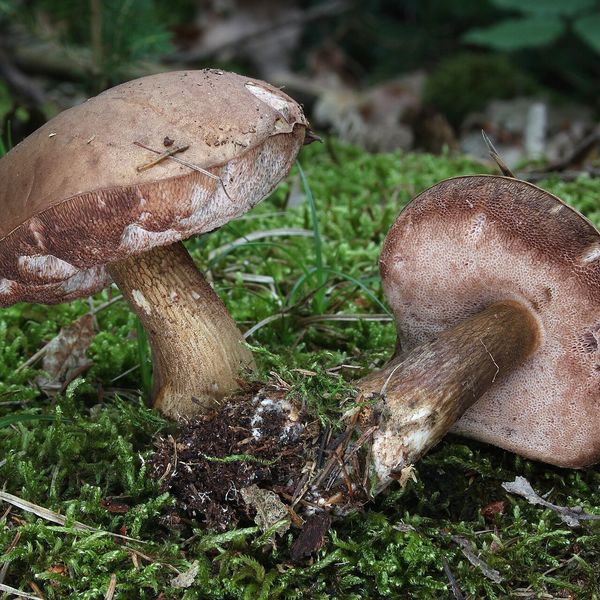
The main lookalike is the bitter bolete, or Tylopilus felleus. It is not poisonous, but it is so bitter that one specimen can spoil the entire dish. It is identified by its pink tubes and dark mesh on the stem. If in doubt, it is better to leave the mushroom in the forest. For personal use, mushrooms in state and communal forests can be collected without permission, but not in reserves and protected areas of national parks. It is better to carefully twist or cut the mushroom and cover the spot with litter to avoid damaging the mycelium.
Where in the Carpathians

The map shows where naturalists recorded the species (GBIF, CC0 and CC BY records), not every place it lives. The Ukrainian Carpathians are less studied, so a blank area does not mean the species is absent.
- Countries
- Poland · Slovakia · Ukraine · Romania · Czechia
- Mountain ranges
- Western Tatras, Maramureș Mountains, Gorgany, Low Tatras, Silesian Beskids, Sądecki Beskids, Island Beskids, Żywiec Beskids, Low Beskids, Făgăraș Mountains
- Altitude belts
- Foothills (below 600 m) · Beech forests (600–1200 m)
When to see it
| Jan | Feb | Mar | Apr | May | Jun | Jul | Aug | Sep | Oct | Nov | Dec | |
|---|---|---|---|---|---|---|---|---|---|---|---|---|
| Sightings |
From naturalists’ observations in the Carpathians (iNaturalist, research grade): the darker the cell, the more often the species is seen that month.
Safety
Collect only young, undamaged mushrooms that you can confidently identify. Do not taste raw mushrooms. Mushroom dishes are not recommended for children under 12, pregnant women, and the elderly (according to the Ministry of Health). If you feel nauseous, have stomach pain, or dizziness after eating mushrooms, call 103 and keep the leftovers for analysis.
Look-alikes — how to tell them apart
The tubes start white, then turn pink; the stem has a dark brown mesh; the flesh is very bitter. In Porcini, the tubes are white, yellowish, or olive, and the mesh on the stem is light.
Protection and rules
Not protected. Collecting mushrooms in reserves and protected areas of national parks is prohibited; in other forests for personal use - it is allowed.
FAQ
When to collect Porcini mushrooms in the Carpathians?
The first Porcini mushrooms appear in June, but they grow abundantly in the second half of summer and in September, after warm rains. In some years, the season lasts until October.
How to distinguish Porcini from the bitter bolete?
Look at the tubes and stem. In Porcini, the tubes are white, yellowish, or olive, and the mesh on the stem is light. In the bitter bolete, the tubes turn pink, and there is a noticeable dark mesh on the stem. The bitter bolete is very bitter.
What mushrooms grow in the Carpathians?
In the Carpathian forests, common mushrooms include Porcini, Polish mushroom, birch bolete, chanterelle, honey fungus, and parasol mushroom, alongside poisonous fly agarics and death cap. Therefore, only collect mushrooms that you are sure of.
Similar species
Where to meet it
Trails
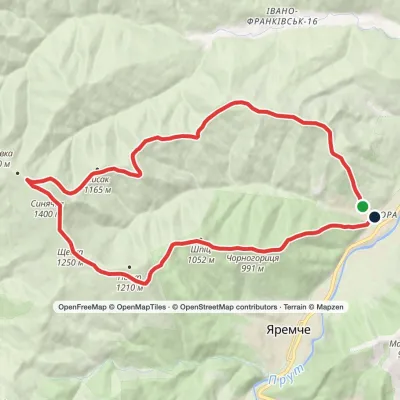 HardTwo-dayMarkedDora village loopvia Mount Bilyi Kamin, Mount SyniachkaElevation profile488–1 400 m23 kmascent 961 m≈ 7.5 h walking
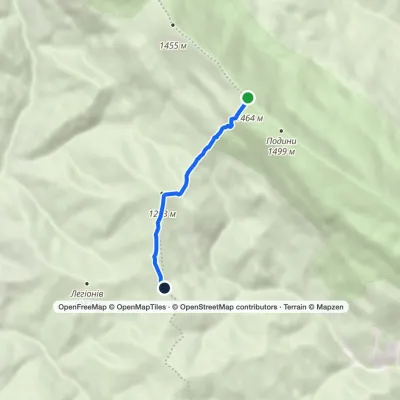 EasyOne-dayMarkedLegioniv Pass Tavpyshyrka ridgeElevation profile1 105–1 464 m3 kmascent 68 m≈ 60 min walking
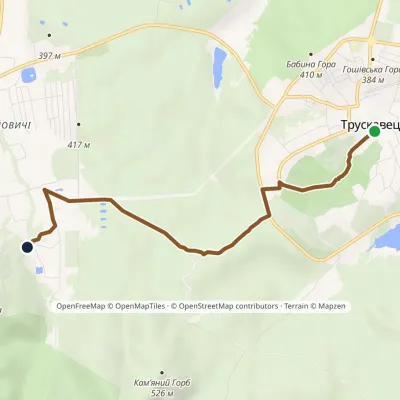 EasyOne-dayMarkedSalt Road: Truskavets Bukovytsia resortElevation profile351–438 m5.4 kmascent 101 m≈ 1.5 h walking
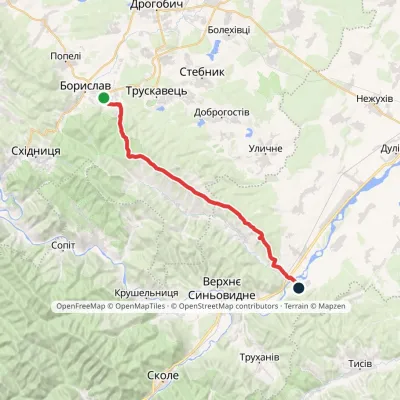 HardTwo-dayMarkedNo. 506 Boryslav RozghircheElevation profile347–808 m30.2 kmascent 557 m≈ 8.5 h walking
 ModerateTwo-dayMarkedYaremche loopvia Mount SyniachkaElevation profile633–1 400 m16.8 kmascent 797 m≈ 6 h walking
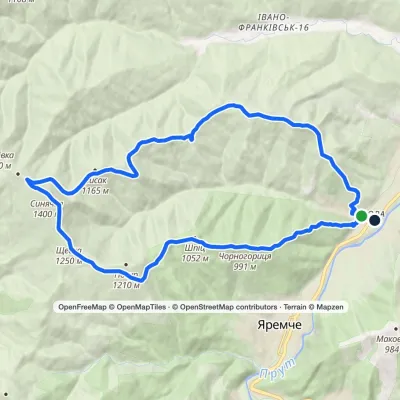 HardTwo-dayMarkedDora hamlet loopvia Bilyi Kamin rock, Mount Syniachka +1Elevation profile484–1 400 m23 kmascent 1 019 m≈ 8 h walking
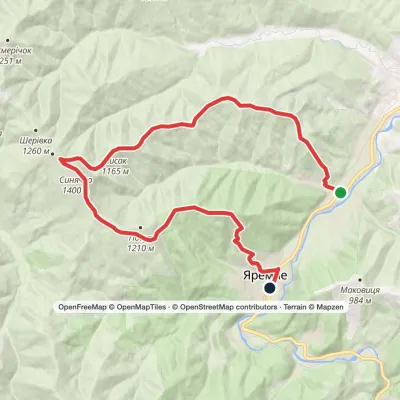 HardTwo-dayMarkedDora village to Yaremchevia Mount Syniachka, the Chornohorytsia ridgeElevation profile480–1 400 m22.5 kmascent 1 045 m≈ 7.5 h walking
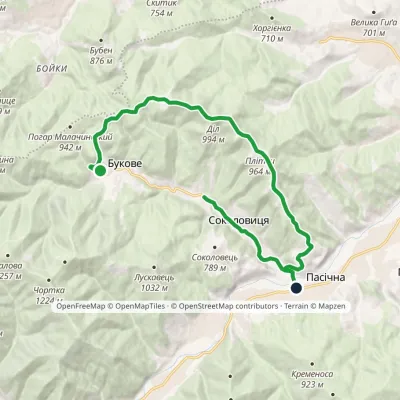 ModerateOne-dayMarkedBukove Bukhtivets-Bystrytsia waterfallElevation profile520–994 m15.5 kmascent 369 m≈ 4.5 h walking
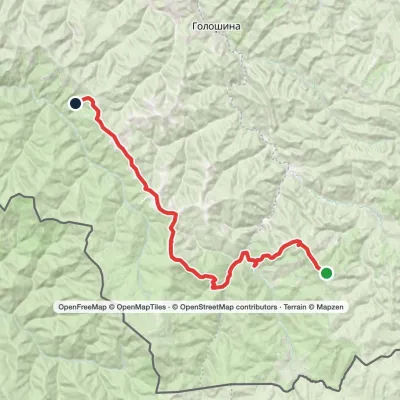 HardMulti-dayMarkedMount Yarovytsia to the Holy Trinity Monasteryvia the Pryluchnyi ridge, Mount PnivieElevation profile955–1 599 m32.5 kmascent 1 068 m≈ 10.5 h walking
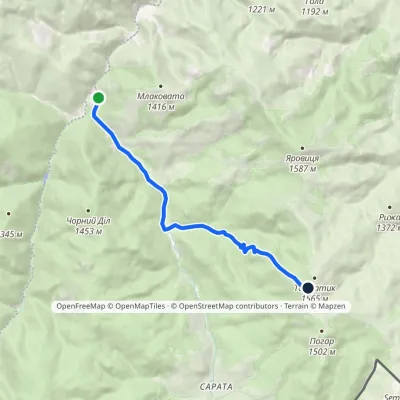 ModerateOne-dayMarkedPerkalaba Mount TomnatykElevation profile957–1 542 m8.7 kmascent 594 m≈ 3.5 h walking
 HardMulti-dayMarkedShepit village to Shybene villagevia Mount Yarovytsia, Mount Pnivie +1Elevation profile849–1 599 m73.4 kmascent 2 319 m
 HardMulti-dayMarkedShepit village to Probiinivka villagevia Mount Yarovytsia, Mount Pnivie +1Elevation profile797–1 599 m59.4 kmascent 1 949 m
Mountain ranges: Maramureș Mountains, Gorgany. In other countries: 🇸🇰 Western Tatras, 🇸🇰 Low Tatras, 🇵🇱 Silesian Beskids, 🇵🇱 Sądecki Beskids, 🇵🇱 Island Beskids, 🇵🇱 Żywiec Beskids, 🇵🇱 Low Beskids, 🇷🇴 Făgăraș Mountains, 🇵🇱 Little Beskids
Trails and peaks near which naturalists recorded the species (GBIF, iNaturalist), matched by altitude and habitat. Sightings are not guaranteed.
Sources
- Вікіпедія: Білий гриб
- Wikipedia (en): Boletus edulis
- Wikipedia (en): Tylopilus felleus
- Rozporządzenie Ministra Zdrowia z 17.05.2011, t.j. Dz.U. 2023 poz. 2237: wykaz grzybów dopuszczonych do obrotu (Польща)
- МОЗ України: отруєння грибами — профілактика та перша допомога
- Наказ Міндовкілля від 15.02.2021 № 111: Перелік видів рослин та грибів, що заносяться до Червоної книги України
- Лісовий кодекс України, ст. 69: загальне використання лісових ресурсів (збирання грибів і ягід для власних потреб)
GBIF · iNaturalist · Wikidata · Distribution data: GBIF.org (CC0 and CC BY records), iNaturalist; names and identifiers: Wikidata (CC0). Text: Karpaty.rocks, checked 09.11.2026.
