Bay bolete
Never identify a mushroom from a photo alone. If in doubt, leave it. In case of poisoning call 112 (103 in Ukraine) at once.
About
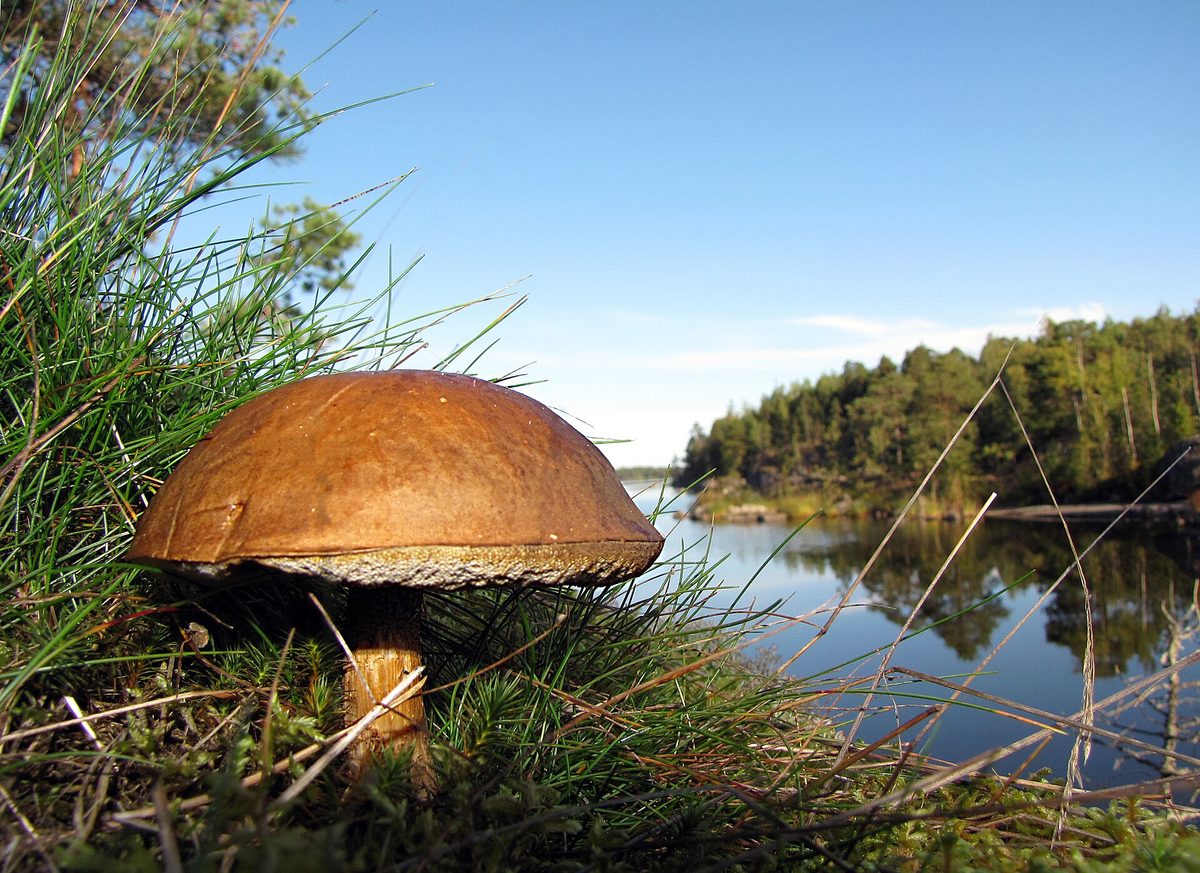
The Bay bolete is one of the most common tube mushrooms in the Carpathians. It most often grows in spruce and mixed forests, on acidic soils, among moss and needles, as well as near stumps. In the mountains, it is easy to find where blueberries grow and spruces thrive, that is, in the coniferous forest belt.
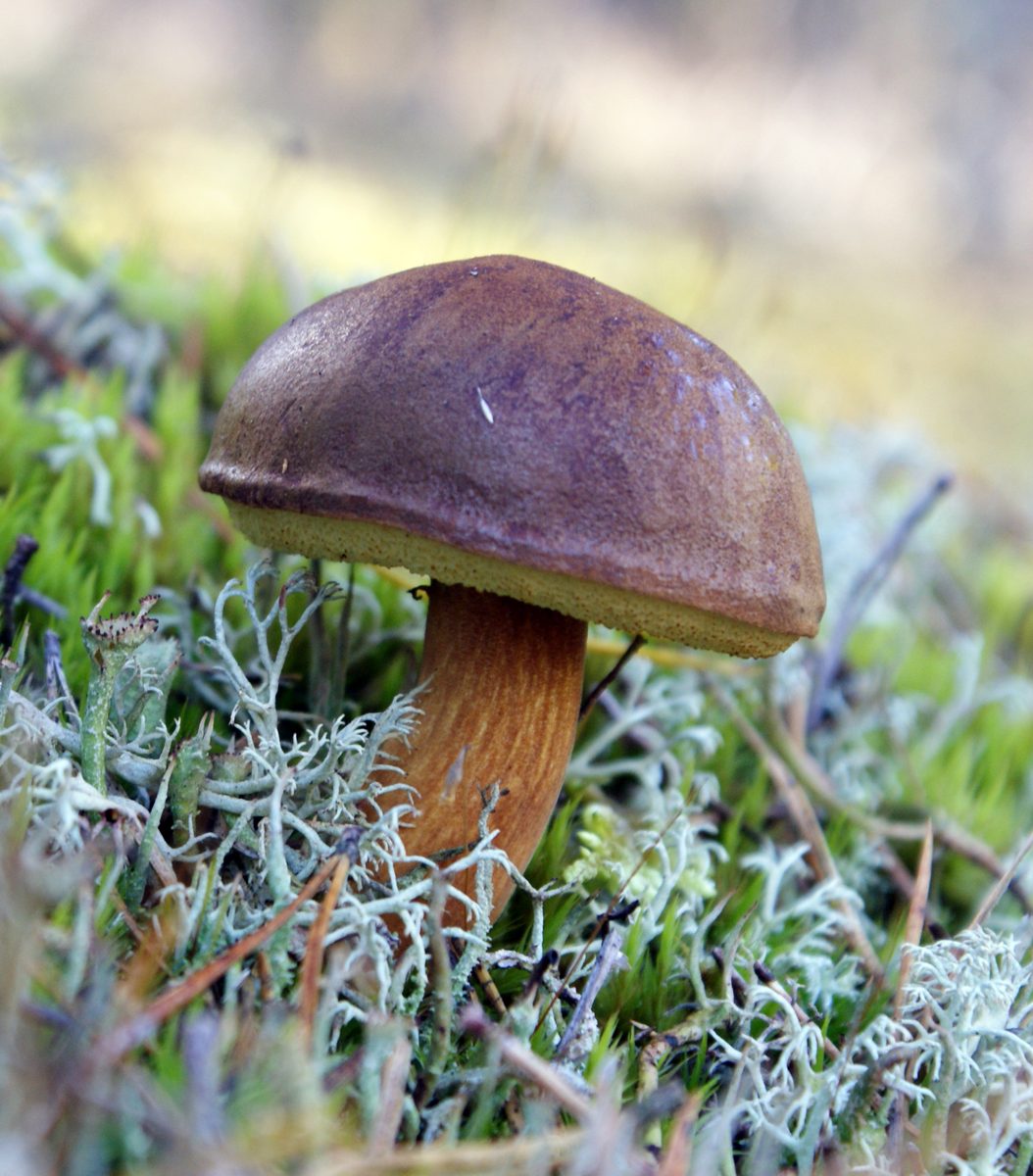
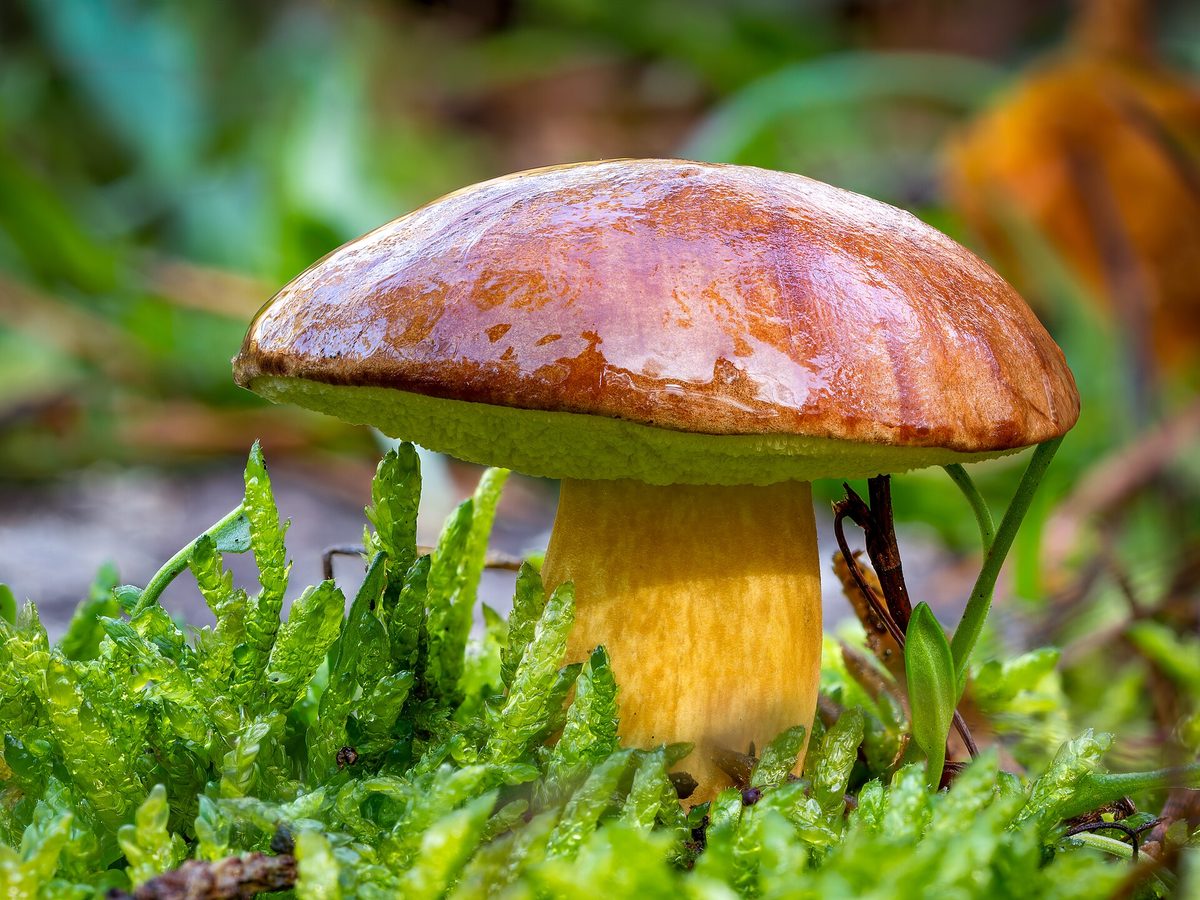
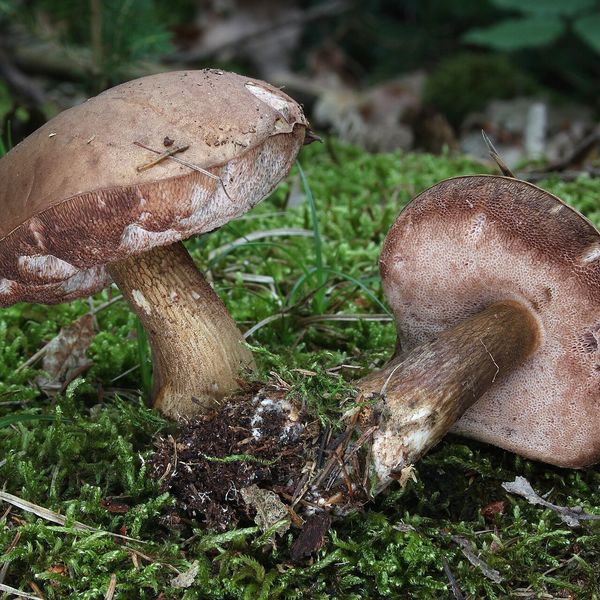
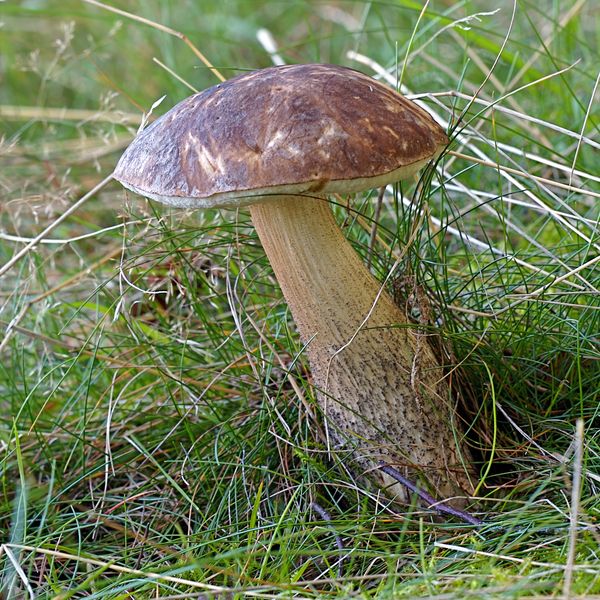
The cap is cushion-shaped, becoming flatter with age, chestnut or chocolate-brown, velvety in dry weather, and slippery and shiny in the rain. The tubes are pale yellow, later olive, and if pressed with a finger, they quickly turn blue. The stem is cylindrical, lighter than the cap, with brown longitudinal fibers, but without a net. The flesh is whitish or yellowish, slightly blue on the cut, with a pleasant mushroom smell.
Fruiting bodies appear from July, with the highest numbers in September and October. This mushroom finishes its season late: in a warm autumn, it can be collected in November when other tube mushrooms are almost gone.
The blueing of the flesh itself does not indicate danger: many edible tube mushrooms react this way to air. However, one should be cautious not to confuse the Bay bolete with the Bitter bolete, which has pink tubes and a dark net on the stem, as well as with the Pepper mushroom, which has a burning flesh and reddish tubes.
The Bay bolete tolerates acidic, poor soils well, so in the Gorgany, Beskids, and on the slopes of Chornohora, it is often more abundant than the White bolete. It also grows on old stumps and logs covered with moss. For personal use, mushrooms can be collected in state and communal forests without a permit, but not in reserves and protected areas of national parks.
Where in the Carpathians

The map shows where naturalists recorded the species (GBIF, CC0 and CC BY records), not every place it lives. The Ukrainian Carpathians are less studied, so a blank area does not mean the species is absent.
- Countries
- Ukraine · Poland · Slovakia · Romania · Czechia
- Mountain ranges
- Gorgany, Chornohora, Maramureș Mountains, Low Tatras, Poiana Ruscă Mountains, Sądecki Beskids, High Tatras, Little Beskids, Maków Beskids, Żywiec Beskids
- Altitude belts
- Foothills (below 600 m) · Beech forests (600–1200 m) · Conifer forests (1200–1600 m)
When to see it
| Jan | Feb | Mar | Apr | May | Jun | Jul | Aug | Sep | Oct | Nov | Dec | |
|---|---|---|---|---|---|---|---|---|---|---|---|---|
| Sightings |
From naturalists’ observations in the Carpathians (iNaturalist, research grade): the darker the cell, the more often the species is seen that month.
Safety
Only collect mushrooms that you can confidently identify. Leave old, wormy, and soft fruiting bodies in the forest. Mushroom dishes are not recommended for children under 12 years old. In case of the first signs of poisoning, call 112.
Look-alikes — how to tell them apart
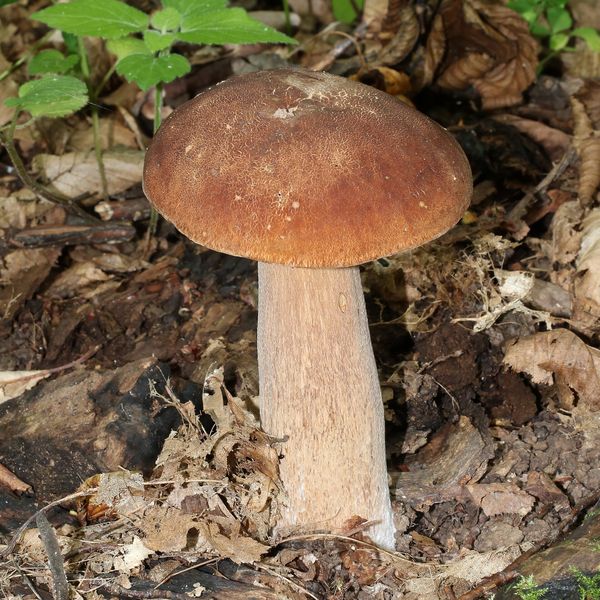
The tubes are initially white, then pink; the stem has a dark brown net; the flesh is very bitter. The White bolete has white, yellowish, or olive tubes, and the net on the stem is light.
Significantly smaller, with reddish or copper-red tubes, the flesh at the base of the stem is yellow and has a burning peppery taste.
Protection and rules
Not protected. Collecting mushrooms is prohibited in reserves and protected areas of national parks.
FAQ
Why does the Bay bolete turn blue when cut?
The pigments in the flesh and tubes oxidize in the air. This is a common property of many tube mushrooms and does not indicate toxicity by itself.
When is the best time to collect the Bay bolete in the Carpathians?
From July to October, and in a warm autumn, also in November. It is most abundant in spruce forests in September.
Similar species
Where to meet it
Trails
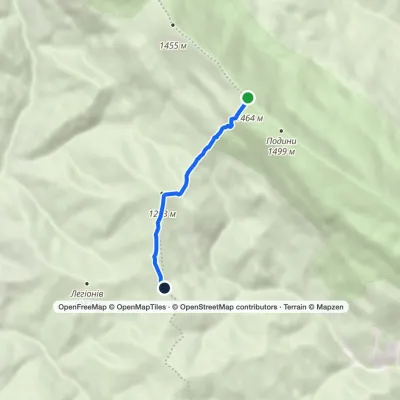 EasyOne-dayMarkedLegioniv Pass Tavpyshyrka ridgeElevation profile1 105–1 464 m3 kmascent 68 m≈ 60 min walking
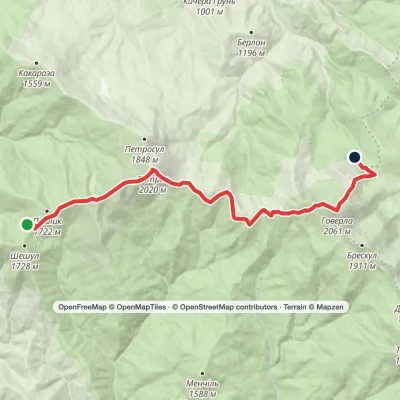 ModerateTwo-dayMarkedShumnieska polonyna to Kozneska polonynavia Mount Petros, Mount HoverlaElevation profile1 385–2 061 m15.3 kmascent 1 084 m≈ 6 h walking
 HardMulti-dayStara Huta village to Polianytsia villagevia Mount Syvulia, Legioniv Pass +4Elevation profile706–1 836 m67.5 kmascent 3 807 m
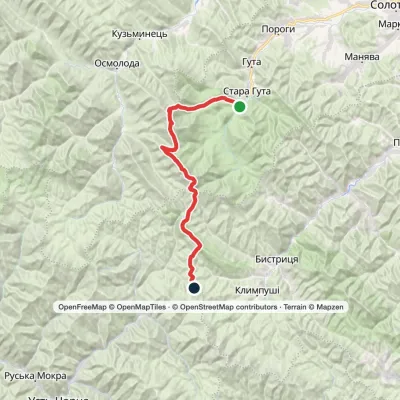 HardMulti-dayStara Huta village to the Mali Rohodzy Passvia Mount Vysoka, Mount Ihrovets +1Elevation profile705–1 836 m35.1 kmascent 2 444 m≈ 13.5 h walking
 HardMulti-dayMarkedStara Huta village to Bystrytsia villagevia Mount Vysoka, Mount Ihrovets +1Elevation profile665–1 836 m39.9 kmascent 1 918 m≈ 14 h walking
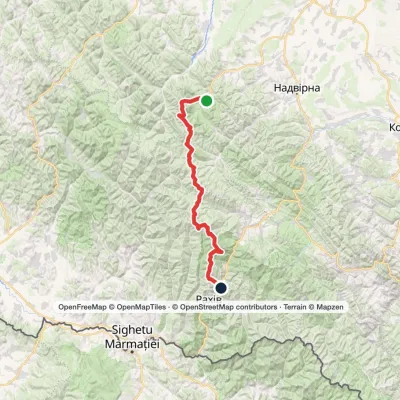 HardMulti-dayStara Huta village to Bilyn villagevia Mount Vysoka, Mount Syvulia +4Elevation profile484–1 883 m95.9 kmascent 5 352 m
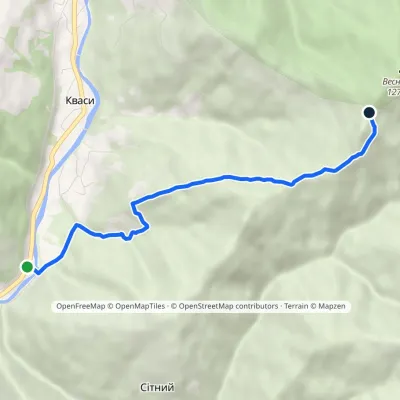 EasyOne-dayMarkedSitnyi Menchul (Kvasy village)Elevation profile509–1 216 m4.8 kmascent 707 m≈ 2.5 h walking
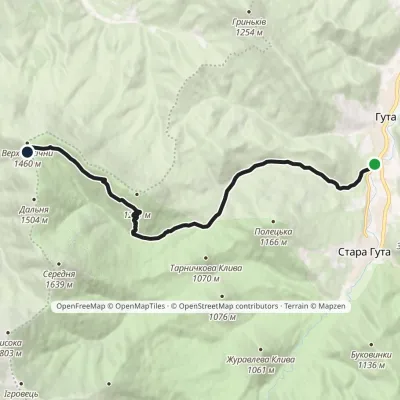 ModerateOne-dayMarkedHuta village Mount PasichnaElevation profile635–1 477 m11.4 kmascent 841 m≈ 4.5 h walking
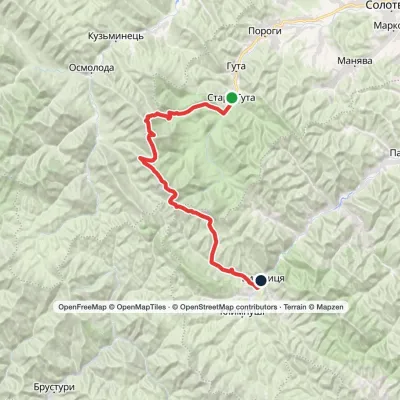 HardMulti-dayMarkedStara Huta village to Bystrytsia villagevia Mount Vysoka, Mount Ihrovets +1Elevation profile662–1 836 m41.7 kmascent 1 929 m
 HardMulti-dayMarkedKvasy village to Zaroslyak basevia Mount Petros, Mount Hoverla +2Elevation profile530–2 061 m46.2 kmascent 3 234 m
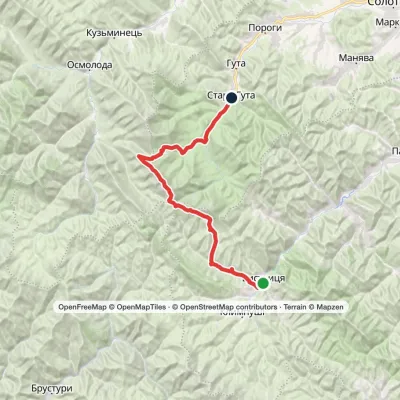 HardMulti-dayMarkedBystrytsia village to Stara Huta villagevia Mount Syvulia, Mount Lopushna +1Elevation profile659–1 836 m43.8 kmascent 1 289 m≈ 13.5 h walking
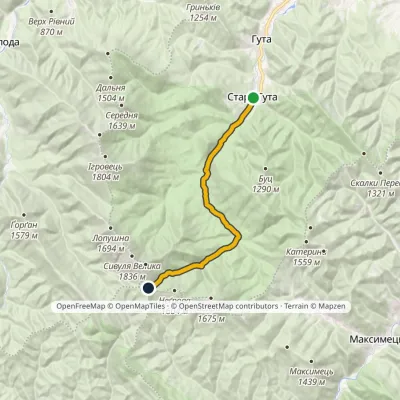 ModerateTwo-dayMarkedStara Huta village Rushchyna polonynaElevation profile669–1 398 m15.6 kmascent 749 m≈ 5.5 h walking
Mountain ranges: Gorgany, Chornohora, Maramureș Mountains. In other countries: 🇸🇰 Low Tatras, 🇷🇴 Poiana Ruscă Mountains, 🇵🇱 Sądecki Beskids, 🇸🇰 High Tatras, 🇵🇱 Little Beskids, 🇵🇱 Maków Beskids, 🇵🇱 Żywiec Beskids, 🇷🇴 Cindrel Mountains, 🇸🇰 Slovak Ore Mountains
Trails and peaks near which naturalists recorded the species (GBIF, iNaturalist), matched by altitude and habitat. Sightings are not guaranteed.
Sources
- Вікіпедія: Польський гриб
- Wikipedia (en): Imleria badia
- Wikipedia (pl): Podgrzyb brunatny
- Rozporządzenie Ministra Zdrowia z 17.05.2011, t.j. Dz.U. 2023 poz. 2237: wykaz grzybów dopuszczonych do obrotu (Польща)
- Лісовий кодекс України, ст. 69: загальне використання лісових ресурсів (збирання грибів і ягід для власних потреб)
GBIF · iNaturalist · Wikidata · Distribution data: GBIF.org (CC0 and CC BY records), iNaturalist; names and identifiers: Wikidata (CC0). Text: Karpaty.rocks, checked 09.11.2026.
