Birch bolete
Never identify a mushroom from a photo alone. If in doubt, leave it. In case of poisoning call 112 (103 in Ukraine) at once.
About
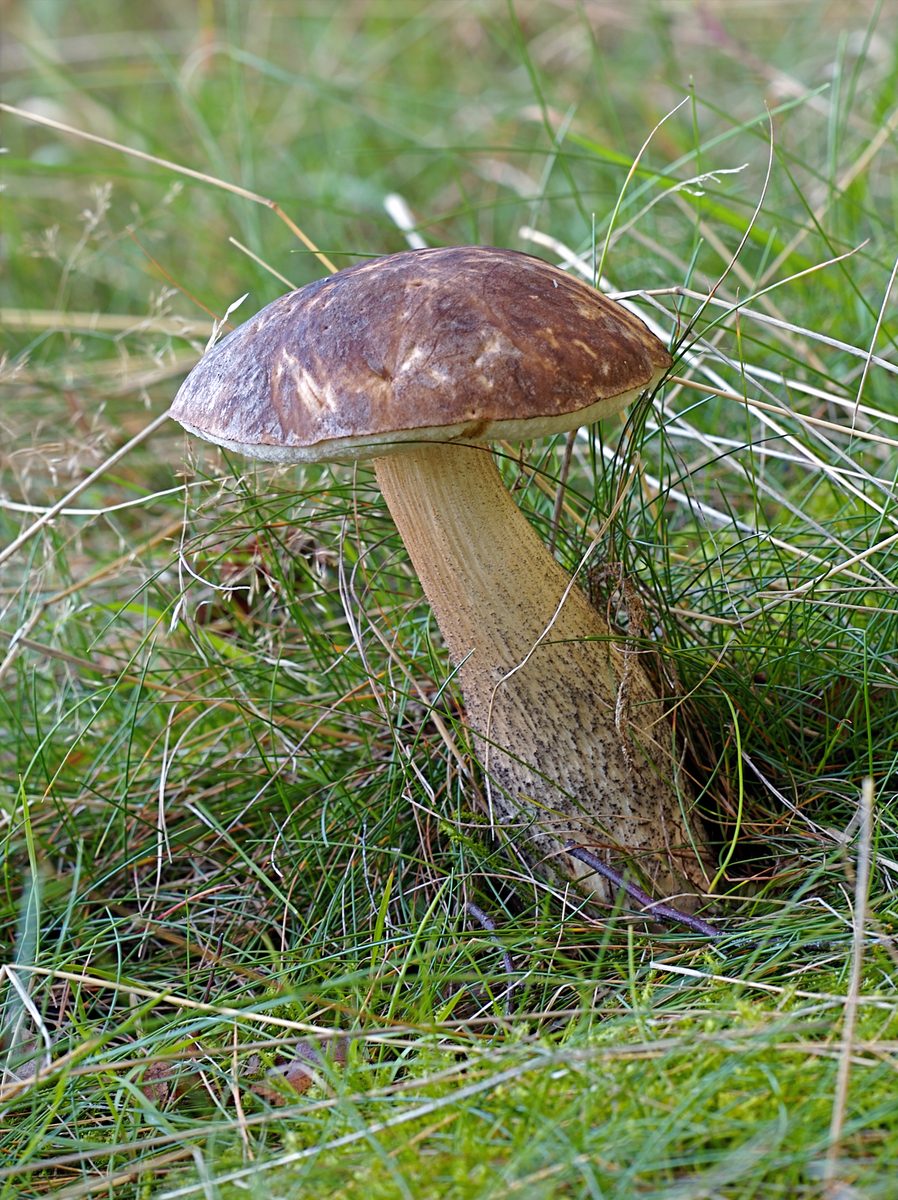
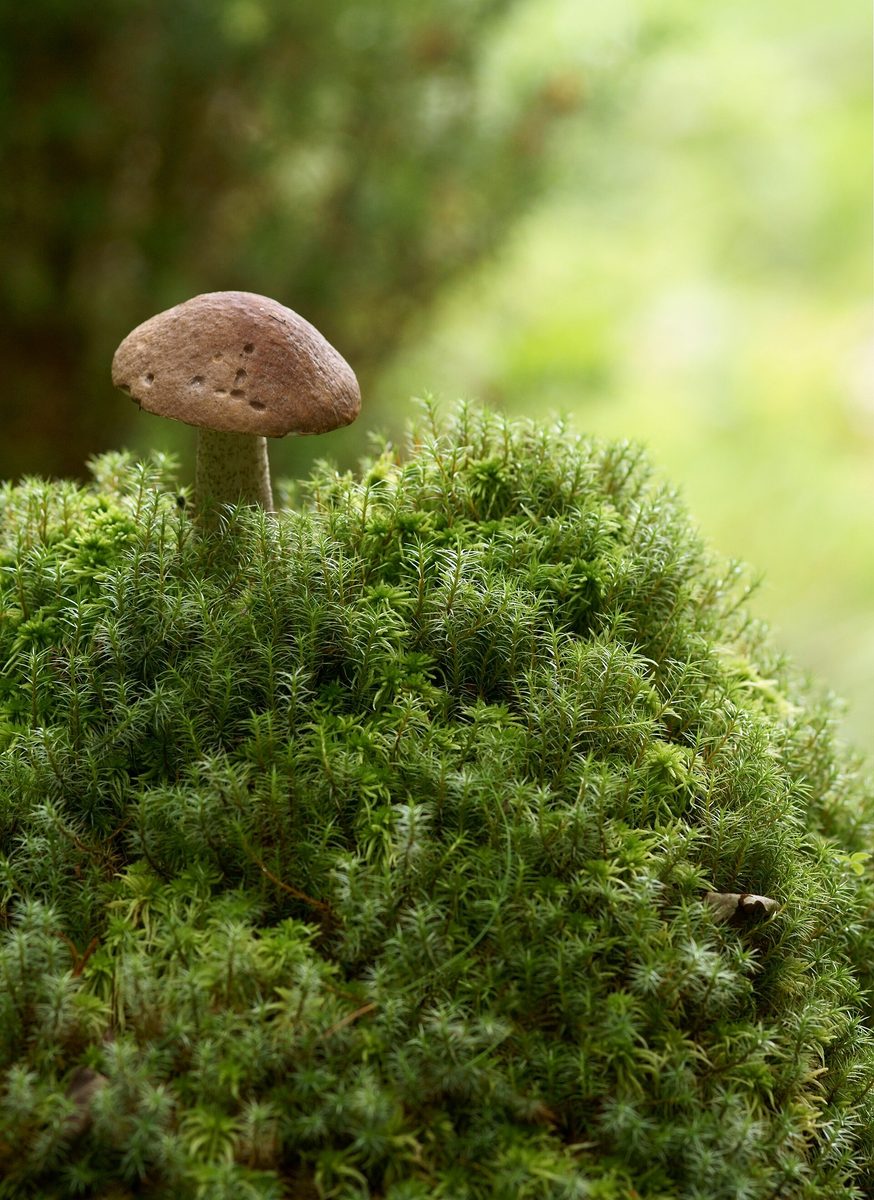
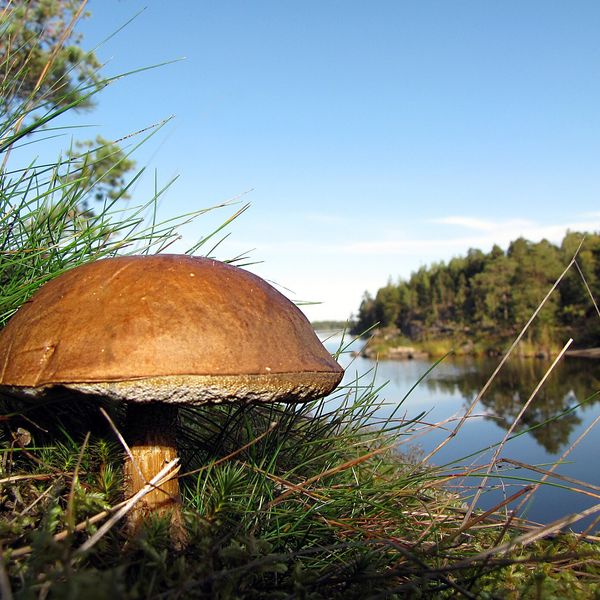
The Birch bolete got its name for a reason: it forms mycorrhiza only with birch. In the Carpathians, birch does not form large forests, so this mushroom is more often found in the foothills, on overgrown polonynas, clearings, near villages, and at forest edges where solitary birches or birch groves grow.
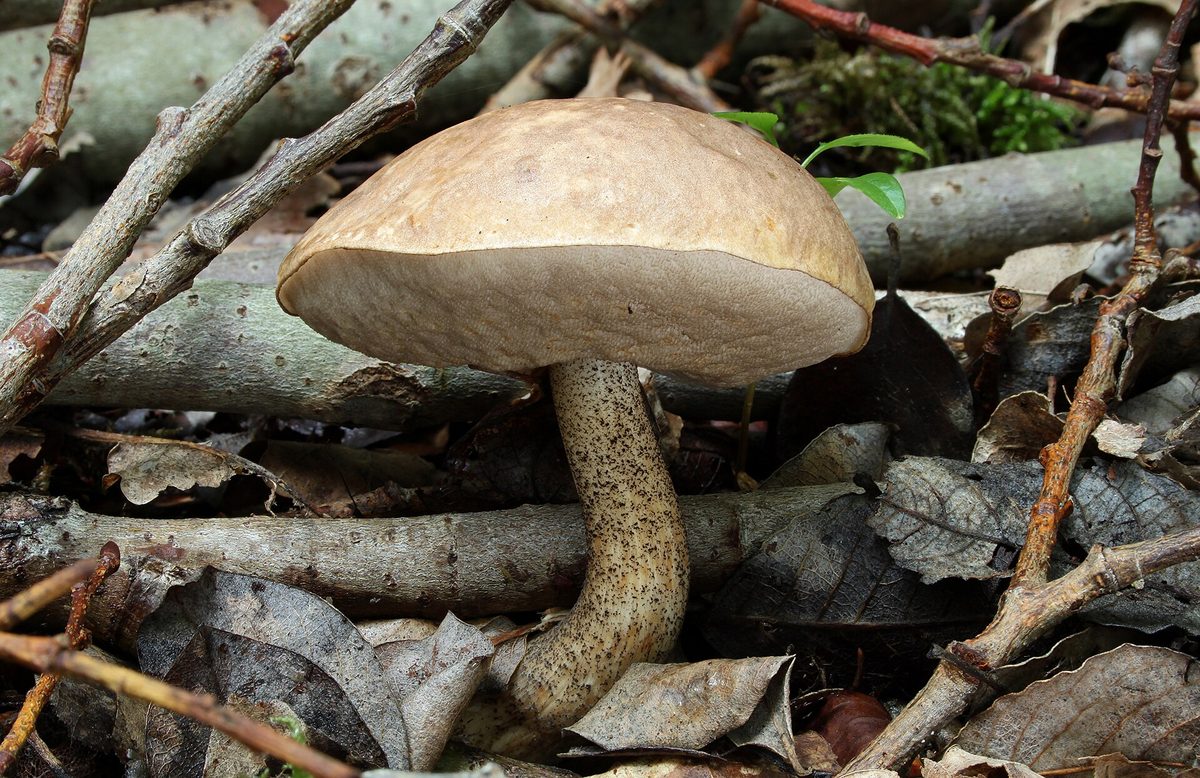
The cap is gray-brown, nutty, or dark brown, dry, and slightly sticky in wet weather. The tubes are whitish, later turning grayish. The stem is tall, whitish, densely covered with small dark, almost black scales. The flesh is white, firm in young mushrooms, and watery in older ones; when broken, it either does not change color or slightly turns pink.
In the mountains, birch mostly appears where the forest was once cut down or where polonynas have stopped being mowed and grazed: it is the first to colonize such areas. Therefore, Birch boletes should be sought in young overgrowths in places of former hayfields, along forest roads, and near villages. In swamps near birches, similar species with paler caps can be found, and under aspen, there are red-capped boletes with orange caps; they also belong to the genus Leccinum.
Season - from June to October. Birch boletes grow quickly and also age quickly, so it is better to pick young mushrooms with a firm cap and leave overripe ones.
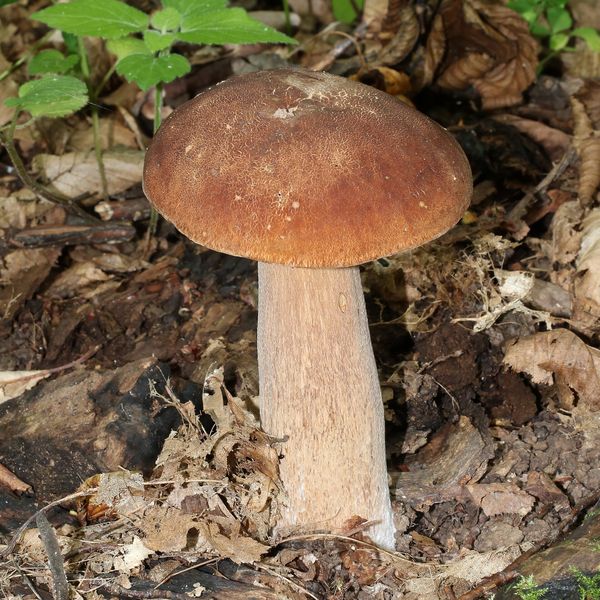
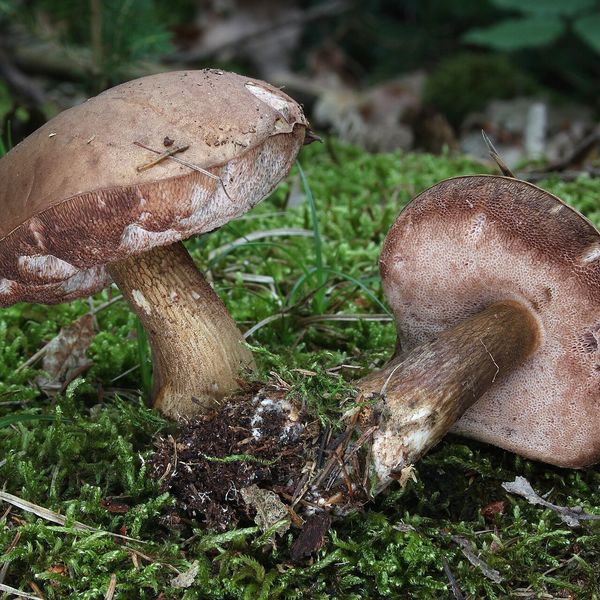
The Birch bolete is most often confused with the Bitter bolete, as both have similar caps. The difference is in the stem and tubes: the Bitter bolete has a dark mesh on the stem, not scales, the tubes turn pink, and the flesh is very bitter. For personal use, mushrooms in state and communal forests can be collected without permission. In reserves and protected areas of national parks, collecting mushrooms is prohibited.
Where in the Carpathians

The map shows where naturalists recorded the species (GBIF, CC0 and CC BY records), not every place it lives. The Ukrainian Carpathians are less studied, so a blank area does not mean the species is absent.
- Countries
- Slovakia · Poland · Czechia · Ukraine · Romania
- Mountain ranges
- Gorce, Pokuttia-Bukovina Carpathians, Low Tatras, Spiš Magura
- Altitude belts
- Foothills (below 600 m) · Beech forests (600–1200 m)
When to see it
| Jan | Feb | Mar | Apr | May | Jun | Jul | Aug | Sep | Oct | Nov | Dec | |
|---|---|---|---|---|---|---|---|---|---|---|---|---|
| Sightings |
From naturalists’ observations in the Carpathians (iNaturalist, research grade): the darker the cell, the more often the species is seen that month.
Safety
Pick young mushrooms that you can confidently identify. Mushroom dishes are not recommended for children under 12 years old. In case of poisoning, call 112.
Look-alikes — how to tell them apart
The tubes are initially white, then pink; the stem has a dark brown mesh; the flesh is very bitter. In the White bolete, the tubes are white, yellowish, or olive, and the mesh on the stem is light.
Protection and rules
Not protected. In reserves and protected areas of national parks, collecting mushrooms is prohibited.
FAQ
Where to look for Birch boletes in the Carpathians?
Only where there are birches: at forest edges, in birch groves, on clearings and overgrown polonynas, as well as near villages in the foothills.
How does the Birch bolete differ from the Bitter bolete?
The Birch bolete has dark scales on the stem, while the Bitter bolete has a dark mesh. Additionally, the tubes of the Bitter bolete turn pink, and the flesh is very bitter.
Similar species
Where to meet it
Mountain ranges: Pokuttia-Bukovina Carpathians. In other countries: 🇵🇱 Gorce, 🇸🇰 Low Tatras, 🇸🇰 Spiš Magura
Trails and peaks near which naturalists recorded the species (GBIF, iNaturalist), matched by altitude and habitat. Sightings are not guaranteed.
Sources
- Вікіпедія: Підберезник
- Wikipedia (en): Leccinum scabrum
- Wikipedia (en): Tylopilus felleus
- Rozporządzenie Ministra Zdrowia z 17.05.2011, t.j. Dz.U. 2023 poz. 2237: wykaz grzybów dopuszczonych do obrotu (Польща)
- Лісовий кодекс України, ст. 69: загальне використання лісових ресурсів (збирання грибів і ягід для власних потреб)
GBIF · iNaturalist · Wikidata · Distribution data: GBIF.org (CC0 and CC BY records), iNaturalist; names and identifiers: Wikidata (CC0). Text: Karpaty.rocks, checked 09.11.2026.
