Riplianka
What it is
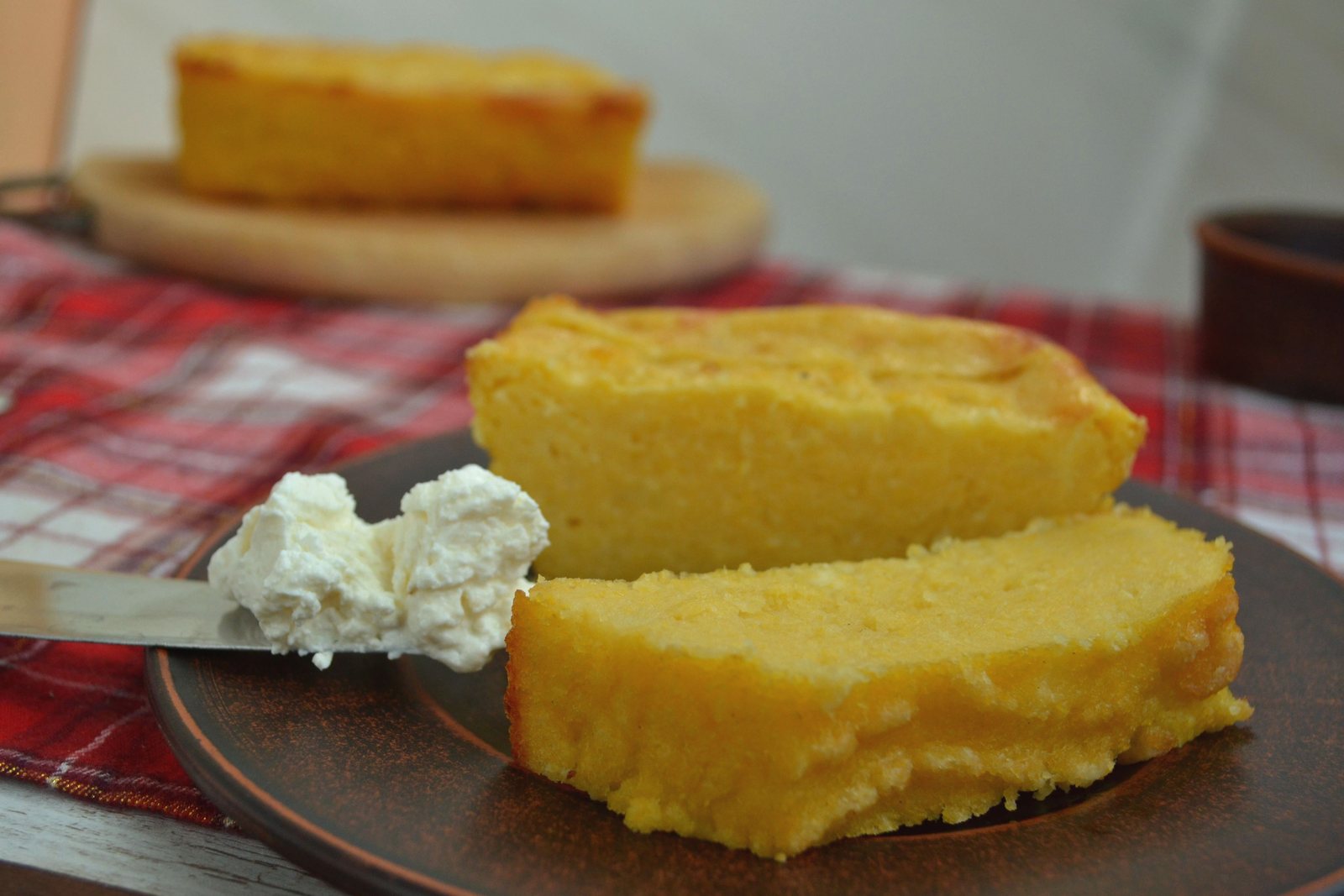
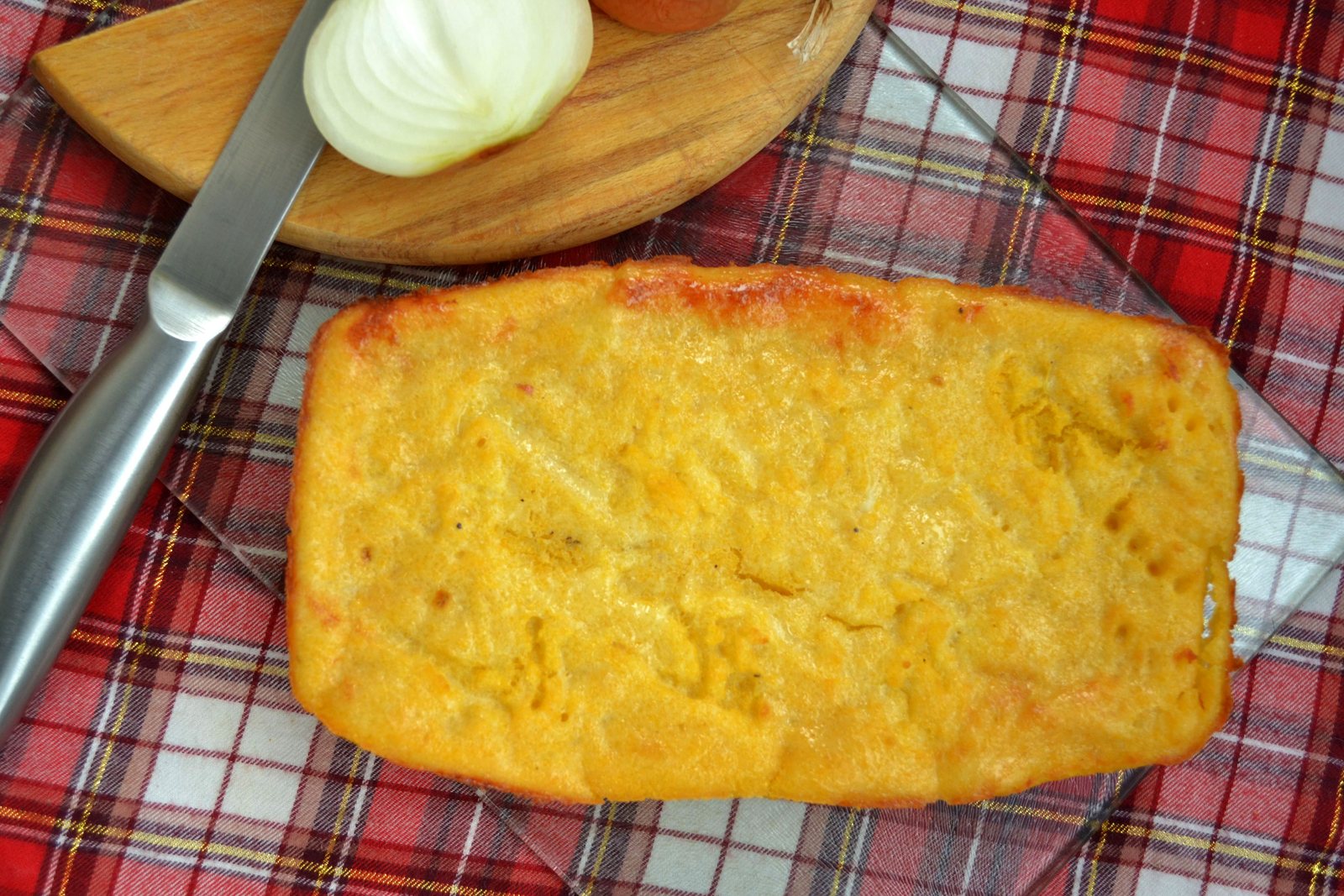
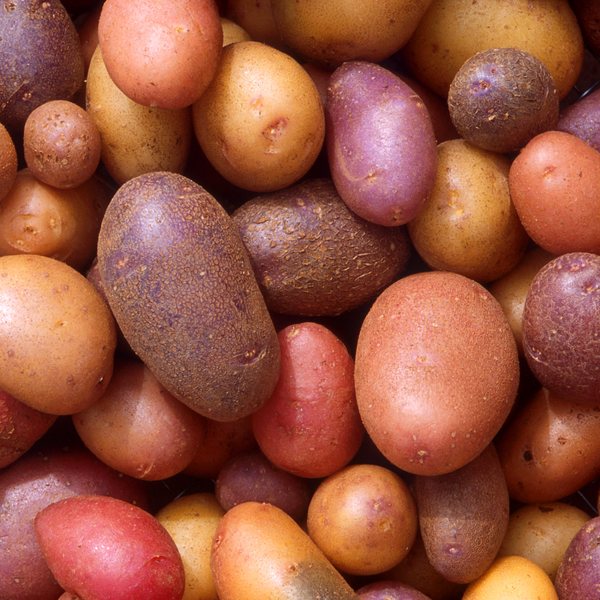
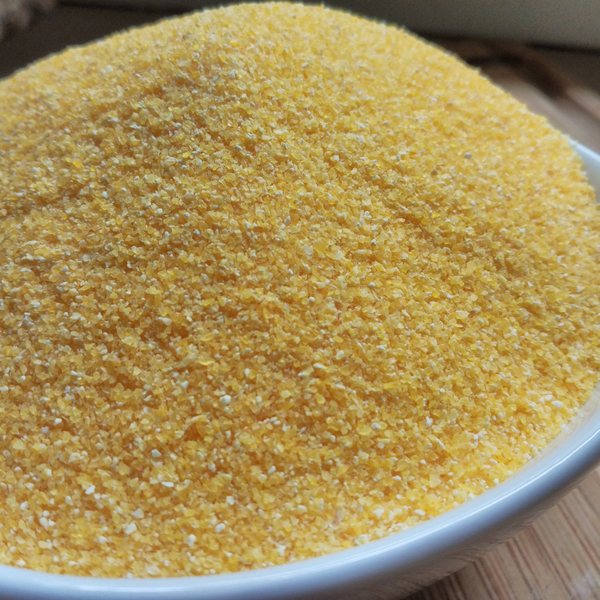
Riplianka is a traditional dish from the village of Kolochava in the Mizhhiria region. The name is explained by the local word: 'ripa' in the Kolochava dialect means potato. Potatoes are boiled in a small amount of water, corn grits are added, and the mixture is stirred for a long time until it becomes a homogeneous thick mass, like Kulesha.
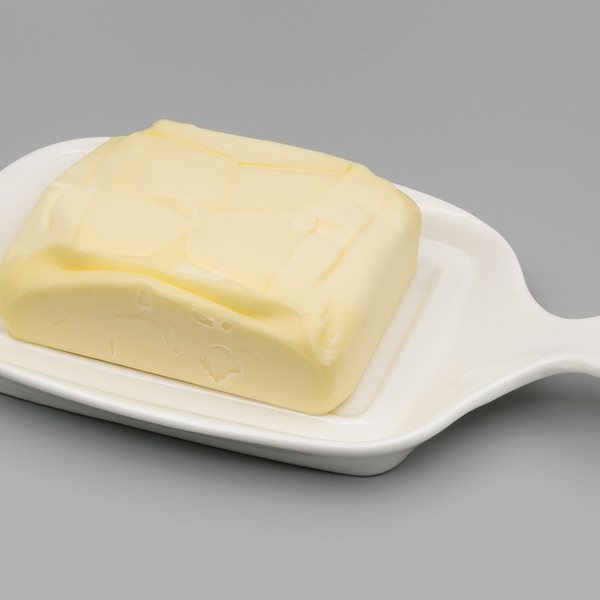
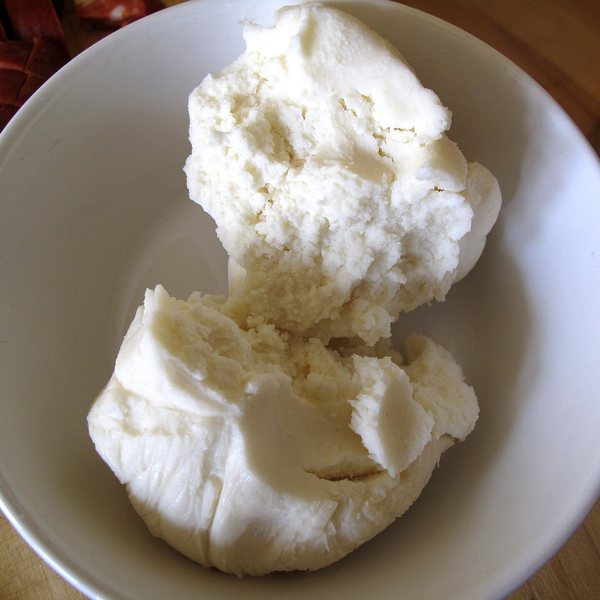
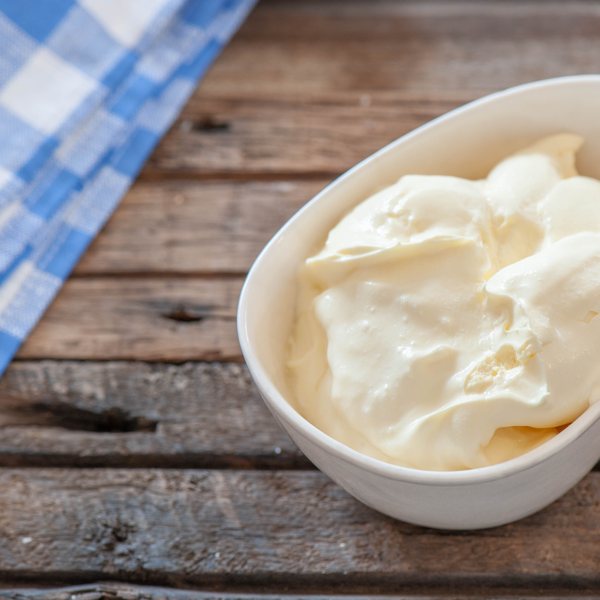
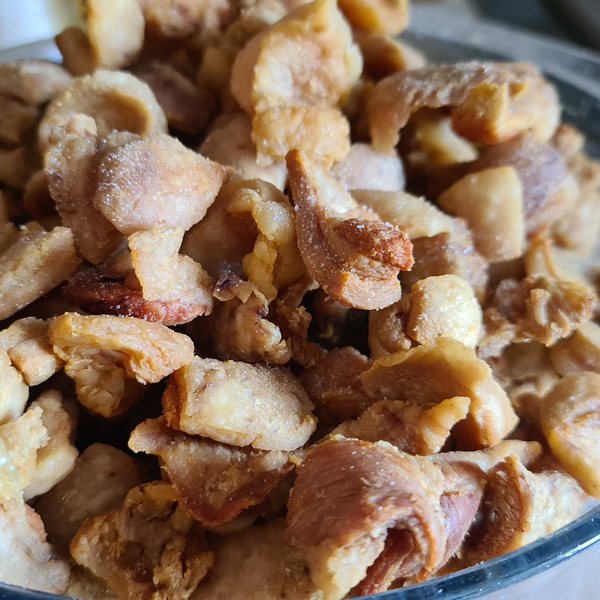
Then, the Riplianka is placed in a generously buttered dish, topped with butter, sprinkled with Bryndza, and baked until golden brown. It is served with sour cream, cracklings, or fried onions, and accompanied by sauerkraut or pickles.
In the village of Kolochava, due to the mountainous climate, wheat has historically yielded poorly, so potatoes and corn became the basis of the diet. Riplianka was rightly called 'the second bread': it was prepared daily, as well as for christenings, weddings, funerals, and church holidays.
The tradition of preparing Riplianka in the village of Kolochava was included in the Regional Register of Intangible Cultural Heritage of Transcarpathia in 2018; it was nominated for the National Register, but as of the last check, it is not included.
History and name
Riplianka is an example of how a dish was created from poor ingredients in a highland village. Potatoes and corn grits combine the heartiness of Kulesha and the softness of mashed potatoes.
According to the regional culture center, since 2013, a Riplianka festival has been held in the village of Kolochava, and in 2018, the tradition was included in the regional heritage list of Transcarpathia. The issue of including 'The Tradition of Preparing and Consuming Kolochava Riplianka' in the National Register was considered by the expert council at the Ministry of Culture.
Ingredients and allergens
Variant: baked with bryndza
Contains allergens: milk
Diet: gluten-free by ingredients; traces possible
Variant: lenten, with onions in oil
potato, corn grits, sunflower oil, onion
Contains allergens: none of the 14 major allergens in the traditional recipe
Diet: lenten · vegan · gluten-free by ingredients; traces possible
Ingredients of the traditional recipe; every cook and every place may do it differently — please ask when ordering. We cannot guarantee the absence of allergens or traces.
How it is traditionally made
Serves: 4–6 servings
- Potato — 1 kg
- Corn grits — 1–1.5 cups
- Butter — 50–80 g
- Bryndza (sheep cheese) — 100–150 g
- Sour cream — to taste
- Pork cracklings — to taste
- Soak medium-ground corn grits in warm water while peeling the potatoes.
- Boil the potatoes in a small amount of salted water.
- Without draining all the water, add the grits and stir with a wooden spoon for 15–20 minutes until a homogeneous thick mass is formed.
- Generously grease a dish or cast iron with butter, place the Riplianka, top with pieces of butter, and sprinkle with Bryndza.
- Bake in a hot oven (about 200–220 °C) for 30–40 minutes, until golden brown.
How it is served
Hot, with sour cream and cracklings or fried onions; it pairs well with sauerkraut and pickles.
Variants
At home, Riplianka is often not baked but served immediately after mixing, like potato Kulesha. During Lent — with oil and onions, without butter and Bryndza.
The traditional method as described by our sources; every family does it its own way. We have not tested this recipe in a professional kitchen.
Video 2
 Мій путівник. Закарпаття. Найкреативніше село Колочава та традиційна ріплянкаСніданок з 1+1

Where it is eaten

The area is approximate and based on the sources below. The dish is cooked outside it too, and ethnographic borders are blurred.
The village of Kolochava (Kolochava community of the Khust district) and neighboring mountain villages of Mizhhiria. The area is approximate.
When it is eaten
| Jan | Feb | Mar | Apr | May | Jun | Jul | Aug | Sep | Oct | Nov | Dec |
|---|---|---|---|---|---|---|---|---|---|---|---|
Occasions: Everyday food · Weddings · Festivals
In tradition
Riplianka was prepared daily and for holidays — christenings, weddings, funerals, church holidays. In the village of Kolochava, the dish is popularized at the local festival and cultural events.
FAQ
Why is the dish called Riplianka?
In the dialect of Kolochava, 'ripa' means potato. Riplianka is a dish made of potatoes and corn grits.
How does Riplianka differ from Kulesha?
In Riplianka, the base is boiled potatoes to which corn grits are added; Kulesha is only corn porridge made with water. Riplianka is also baked with butter and Bryndza.
Is Riplianka included in the intangible heritage?
Yes, it has been in the Regional Register of Intangible Cultural Heritage of Transcarpathia since 2018. It was nominated for the National Register, but as of our check, it is not included.
Where to try and buy
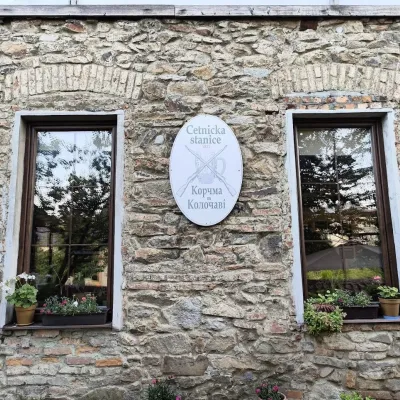
Only our checked craft places. Ask on the spot what is on the menu or for sale today.
Similar dishes and products
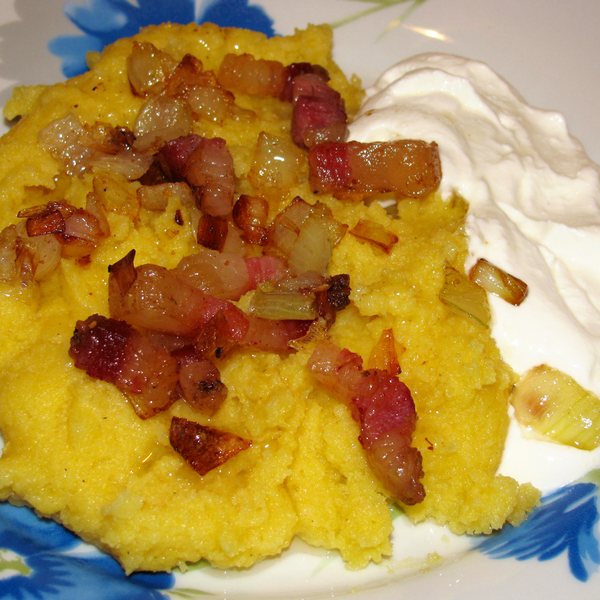
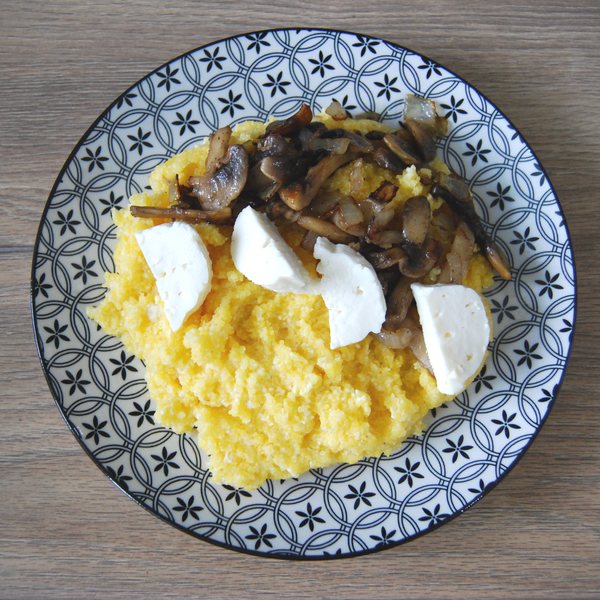
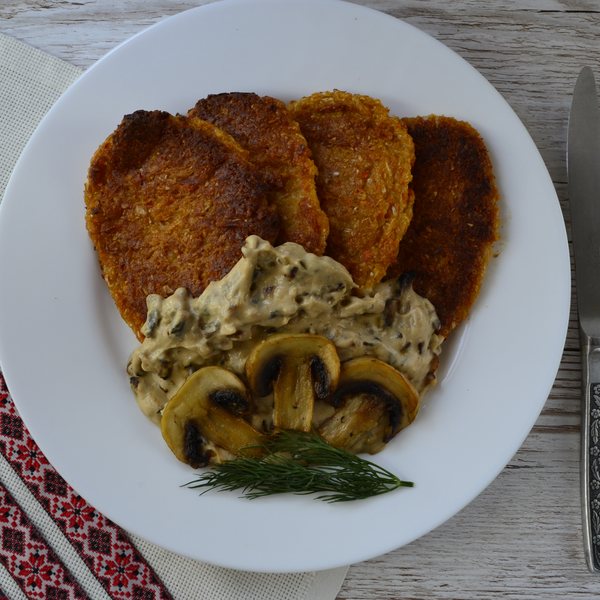
Relatives in the Carpathians and nearby
- Kulesha · Ukraine
a close tradition: corn porridge without potatoes - Banosh · Ukraine
corn porridge with sour cream
Sources
- Вікіпедія: Ріплянка
- Banosh.com.ua: Колочавська ріплянка претендує на національне визнання
- Varosh: Сливовий леквар внесли до переліку НКС (колочавська ріплянка в регіональному переліку)
- Вікіпедія: Закарпатська кухня (ріплянка — «другий хліб»)
Written by the Karpaty.rocks editors from the sources above. Checked 10.11.2026.
