Hutsul bryndza
What it is
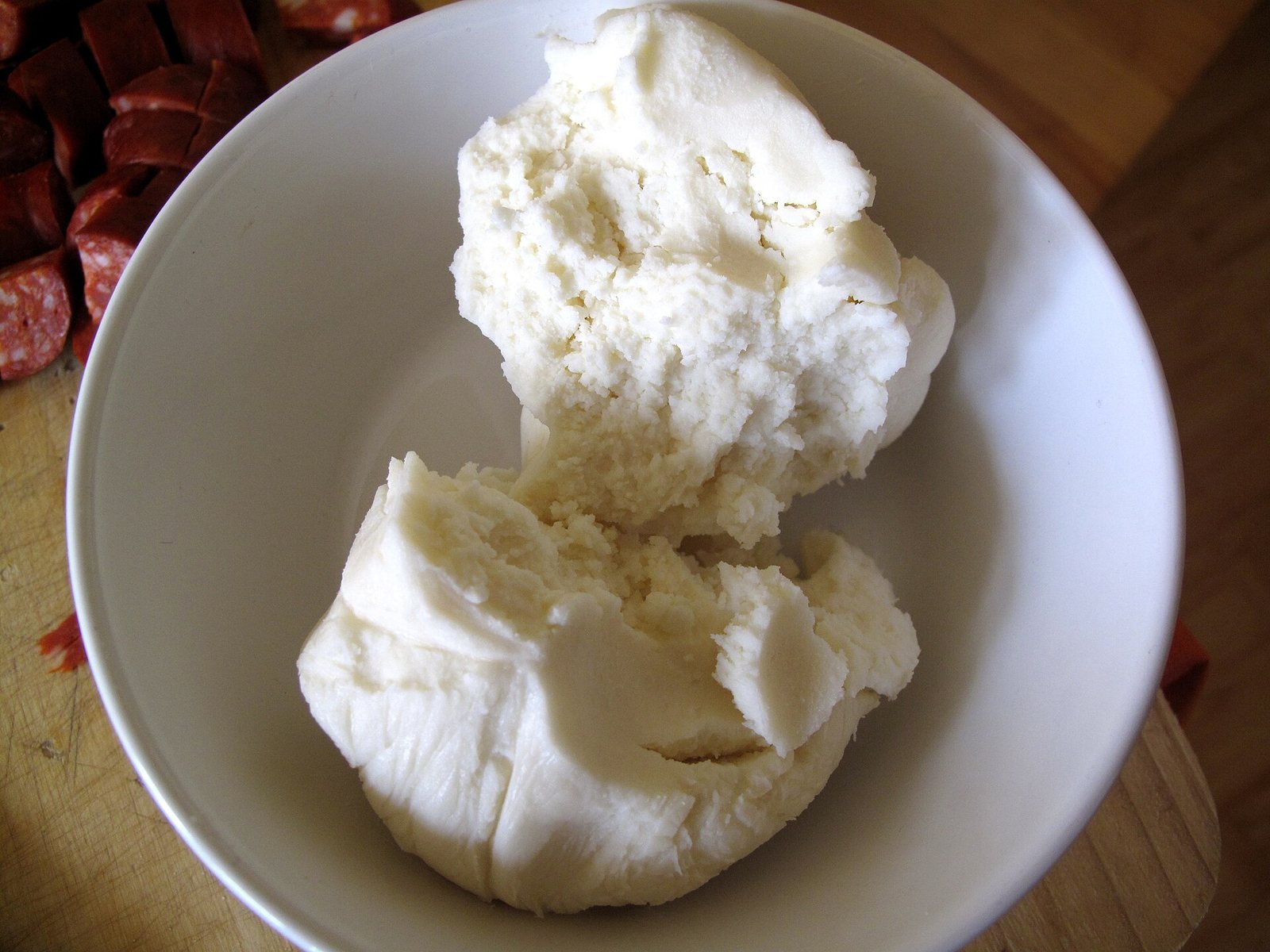
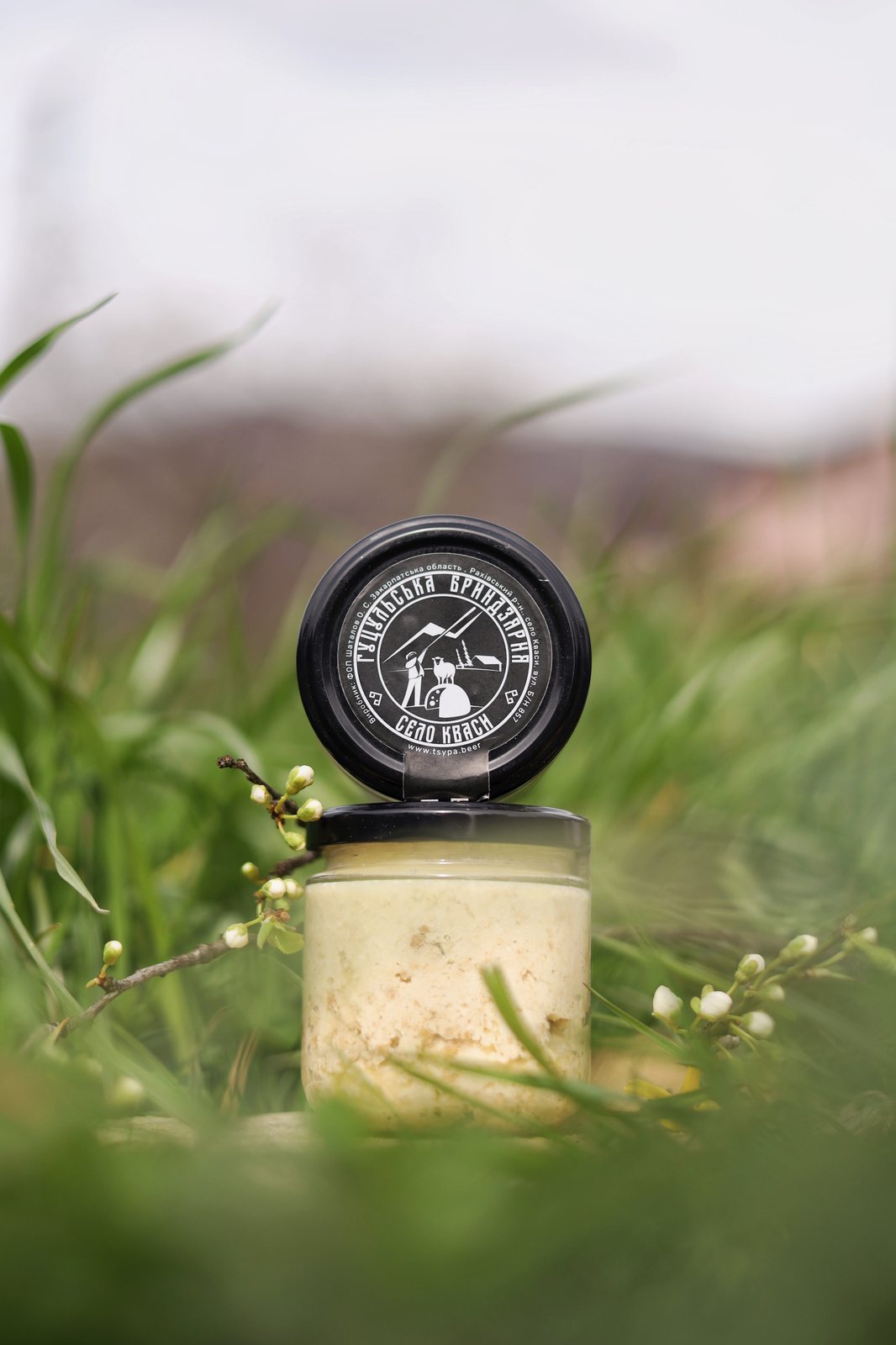
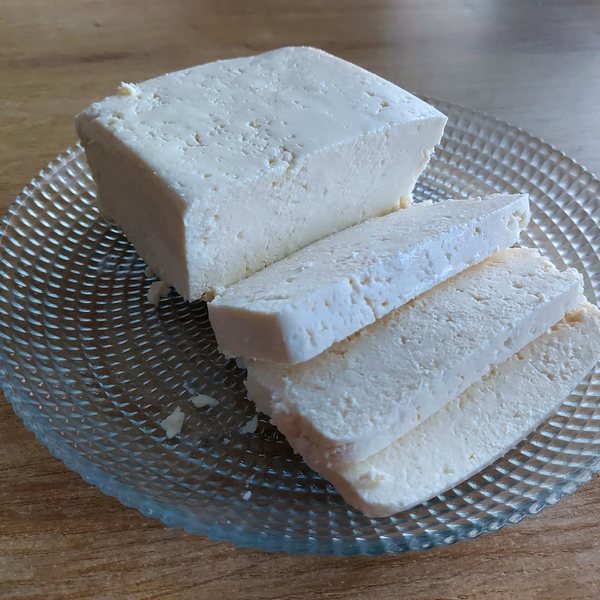
Hutsul bryndza (bryndza) is the main cheese of the Ukrainian Carpathians. It is made from the milk of sheep that graze in the polonynas at an altitude of 700 meters for about 120 days during the summer. First, the shepherds prepare fresh Budz cheese, let it mature, and then mix it with salt — this results in bryndza: crumbly, salty, with a sharp dairy flavor.
True Hutsul bryndza has nothing in common with the cheap 'bryndza' found in stores, which is often made from cow's or goat's milk. To protect the product, shepherds in the Rakhiv region united into an association, and in 2019 'Hutsul sheep bryndza' became the first registered geographical indication in Ukraine.
Bryndza is the basis of mountain cuisine: it is sprinkled on Banosh and Kulesha, added to dumplings with potatoes, draniki, and machanka, and eaten with bread.
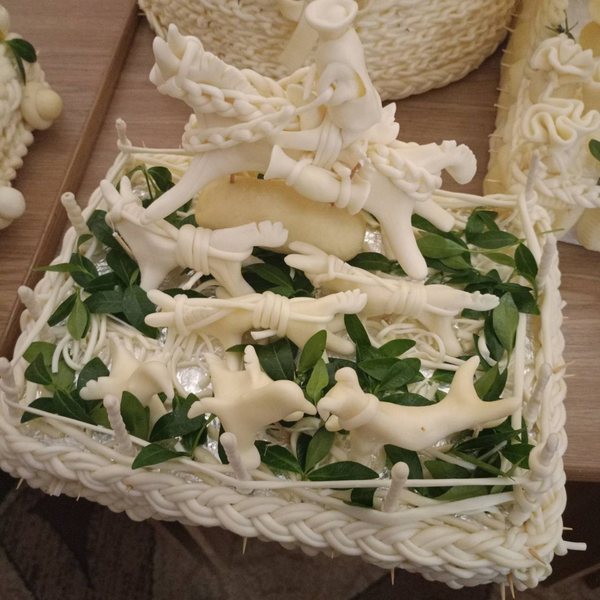
In 2022, the tradition of Hutsul bryndza was included in the National Register of Intangible Cultural Heritage of Ukraine, and every September, the 'Hutsul Bryndza' festival is held in the city of Rakhiv.
History and name
Sheep cheeses in the Carpathian polonynas have been made since at least the 15th century — this is when mentions of bryndza first appear. Budz and bryndza long served not only as food for the mountain people but also as a kind of currency: they were used to pay for grain and iron products.
Until 2018, sheep farming in the Rakhiv region was declining: the market was flooded with counterfeits, and flocks were shrinking. The unification of producers into an association, the revival of aging in wooden berbenytsia, and the registration of the geographical indication helped preserve the craft. The word 'bryndza' is associated with the Eastern Romance (Romanian) brânză — 'cheese.'
Intangible heritage of Ukraine. Element of the National Inventory of the Intangible Cultural Heritage of Ukraine: Гуцульська бриндзя (No. 044н.к.с., наказ Мінкульту № 228 від 06.07.2022). Sources
ГЗ України: «Гуцульська овеча бриндзя» (2019). Sources
Legend: Store-bought bryndza and Hutsul bryndza are the same thing.
In fact: No. Under the name 'bryndza,' industrial brined cheese made from cow's milk is sold. Only 'Hutsul sheep bryndza' — made from sheep's milk from the polonynas — has protected designation.
Ingredients and allergens
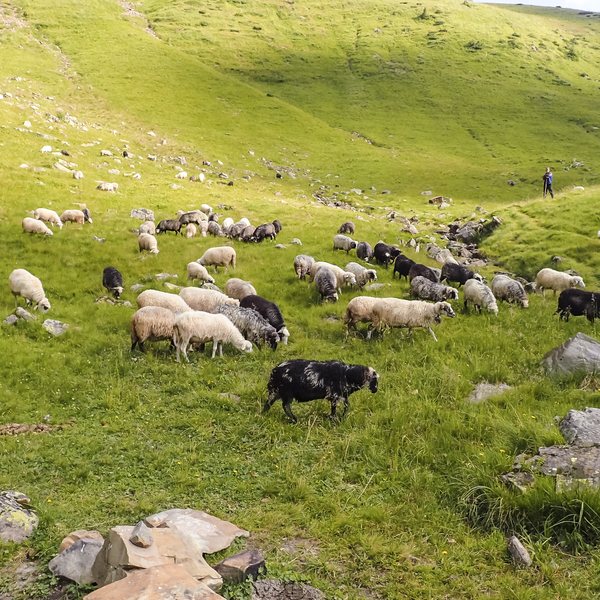
Also: salt (according to technology)
Contains allergens: milk
Diet: gluten-free · no cooking
Ingredients of the traditional recipe; every cook and every place may do it differently — please ask when ordering. We cannot guarantee the absence of allergens or traces.
How it is made
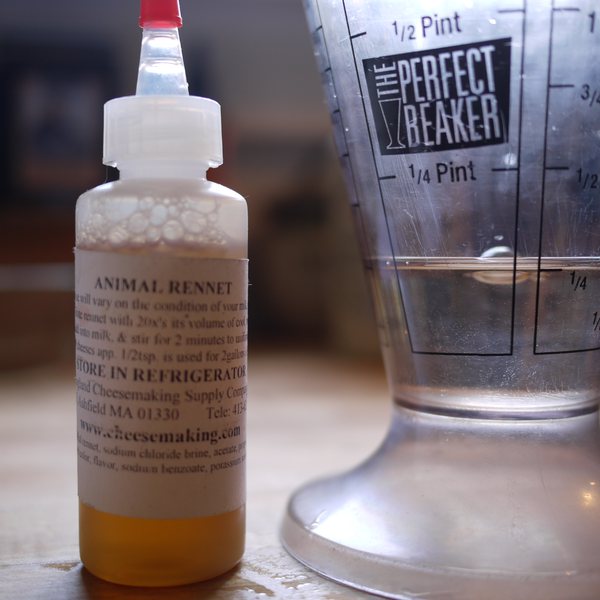
Fresh sheep's milk is strained — traditionally through cloth or gauze with sprigs of spruce to catch impurities. It is heated and rennet — a natural curd starter — is added. The milk curdles in a wooden tub; the curd is gathered into a lump of fresh cheese — Budz — and hung to drain and mature, often in a koliba by the fire.
The matured Budz is crushed, ground, and mixed with salt. This mass is tightly packed into wooden berbenytsia, where bryndza matures and is stored for a long time. All work is done manually. The combination of berbenytsia with modern cooling, according to the producers' association, has allowed extending the cheese's shelf life from 120 to over 360 days.
Video 2
 Народжене в Карпатах: хто і як виготовляє гуцульську бриндзюПерший Закарпатський

Where it is eaten

The area is approximate and based on the sources below. The dish is cooked outside it too, and ethnographic borders are blurred.
According to the description of the element in the National Register — Rakhiv district of the Transcarpathian region, part of Ivano-Frankivsk and Chernivtsi regions; polonynas at an altitude of 700 m.
When it is eaten
| Jan | Feb | Mar | Apr | May | Jun | Jul | Aug | Sep | Oct | Nov | Dec |
|---|---|---|---|---|---|---|---|---|---|---|---|
Occasions: Polonyna (May — September) · Everyday food · Festivals
In tradition
Bryndza is made during the polonyna season, from the time the flocks go to the mountains until their return in the fall. At the beginning of September, before the shepherds return, a festival-fair 'Hutsul Bryndza' is held in the city of Rakhiv. The shepherding cycle in the polonynas is also connected with the holiday 'Mira' — included in the National Register of Intangible Cultural Heritage.
Safety
Polonynska bryndza is often made from unpasteurized milk. Pregnant women, small children, and people with weakened immune systems should choose cheese made from pasteurized milk or consume bryndza in hot dishes.
FAQ
How does bryndza differ from store-bought bryndza?
Hutsul bryndza is cheese made from sheep's milk from the polonynas: matured Budz mixed with salt. Store-bought 'bryndza' is often industrial brined cheese made from cow's milk.
What does the geographical indication 'Hutsul sheep bryndza' mean?
The name can only be used by producers who make cheese in a defined area of the Carpathians from sheep's milk according to approved rules. This is the first geographical indication registered in Ukraine (2019).
When is the 'Hutsul Bryndza' festival?
Every year at the beginning of September in the city of Rakhiv, before the flocks return from the polonynas. The date should be confirmed with the organizers.
Is bryndza safe for pregnant women?
Cheese made from unpasteurized milk is not recommended for pregnant women. Choose bryndza made from pasteurized milk or add it to hot dishes.
Where to try and buy
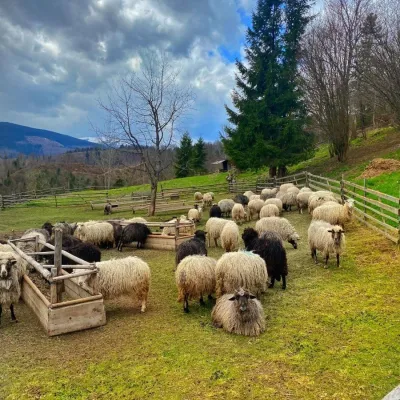 Cheese dairies & pasturesChorna Tysa Plus farm — Hutsul sheep brynza, Chorna TysaChorna TysaChorna Tysa Plus is a sheep farm in the village of Chorna Tysa, part of the Yasinia community, in the Poderei area.
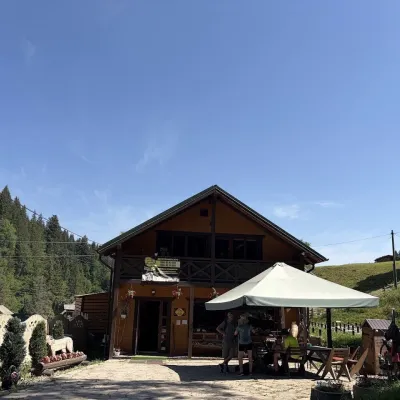 Craft shopsKopalnia Bryndzy cheese shop and tasting, VerkhovynaVerkhovynaKopalnia Bryndzy (“The Brynza Mine”) is a small farm cheese shop with a tasting room on the edge of Verkhovyna, in...
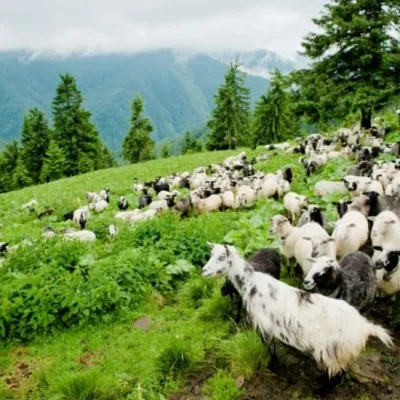 Cheese dairies & pasturesShepherding School on Mount Strymba, KolochavaKolochavaThe Kolochava Shepherding School is not a building with classrooms but a summer shepherds' camp (salash) on the...
Only our checked craft places. Ask on the spot what is on the menu or for sale today.
Festivals
- «Hutsul Bryndza» festival
Rakhiv · September
Organisers set the date every year — check before you travel.
Similar dishes and products
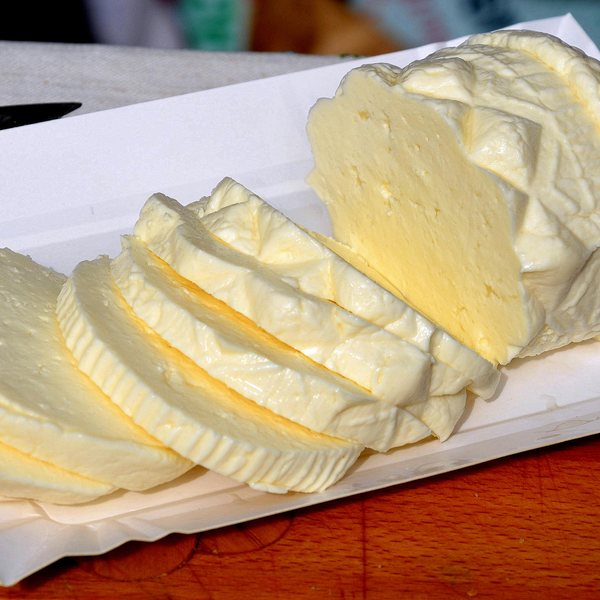
Relatives in the Carpathians and nearby
- bryndza podhalańska · Poland
similar tradition, protected EU designation - slovenská bryndza · Slovakia
similar tradition, protected EU designation - brânză de burduf · Romania
similar tradition
Sources
- Національний перелік елементів НКС України (станом на 16.07.2025), № 044н.к.с.
- GreenPost: Як гуцульські вівчарі врятували бриндзю і здобули перше в Україні ГЗ
- Вікіпедія: Гуцульська овеча бриндзя
- Вікіпедія: Будз (бриндзя як «валюта», технологія)
- Slow Food, Ark of Taste: Hutsul Bryndza
- Радіо Свобода: фестиваль «Гуцульська бриндзя» у місті Рахів
- Вікіпедія: Бринза (етимологія, розсільна «бринза»)
Written by the Karpaty.rocks editors from the sources above. Checked 10.11.2026.
