Hutsul cheese figurines
What it is
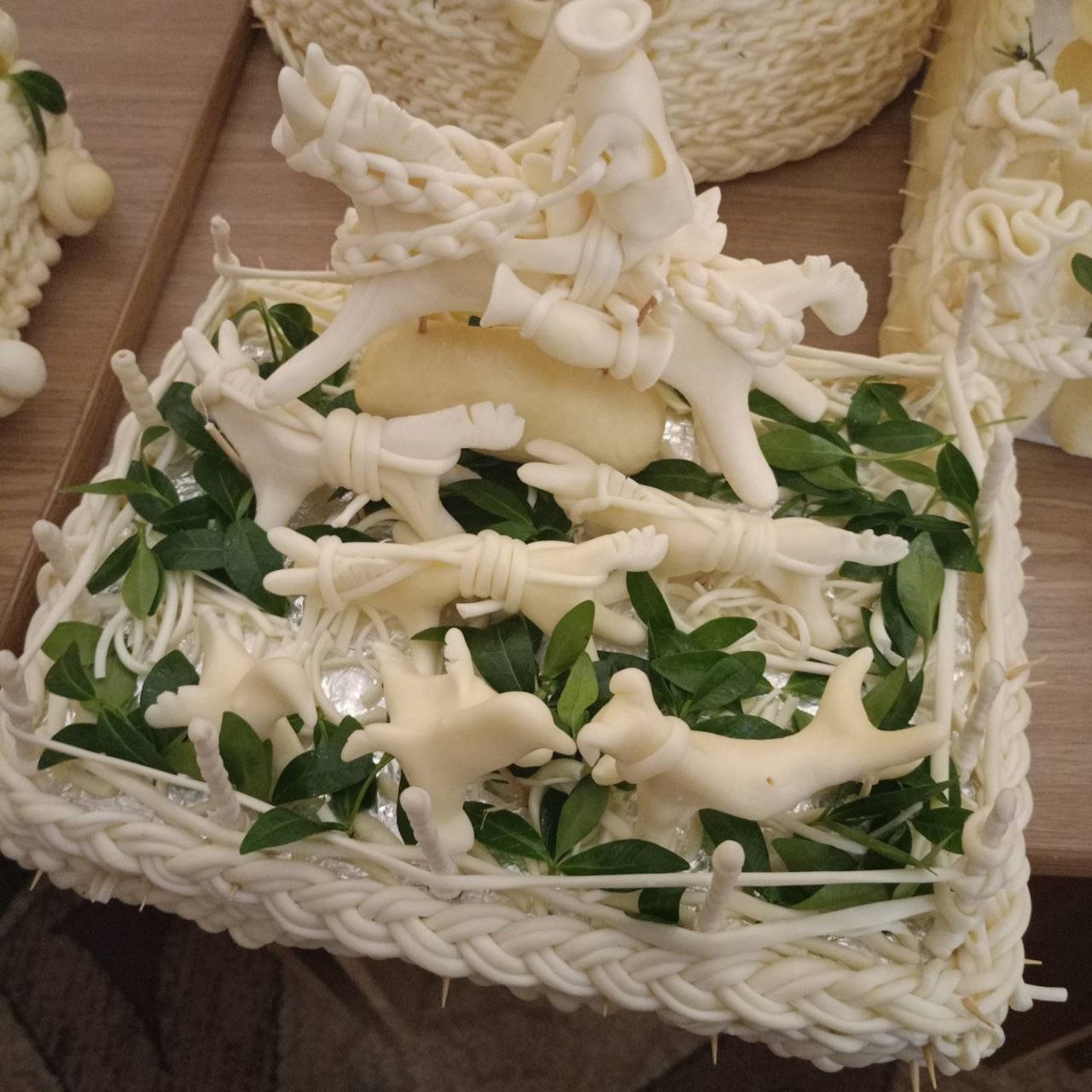
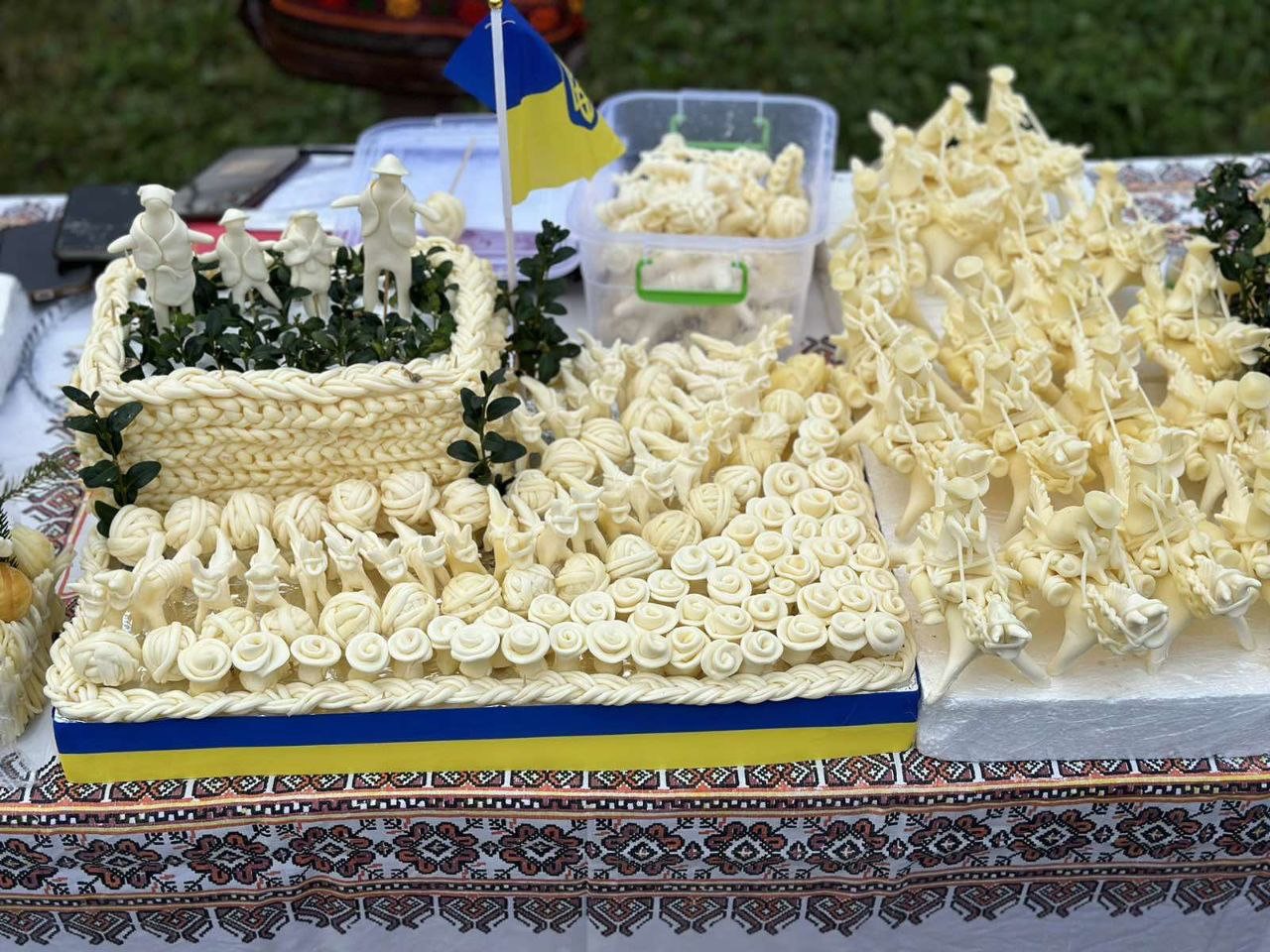
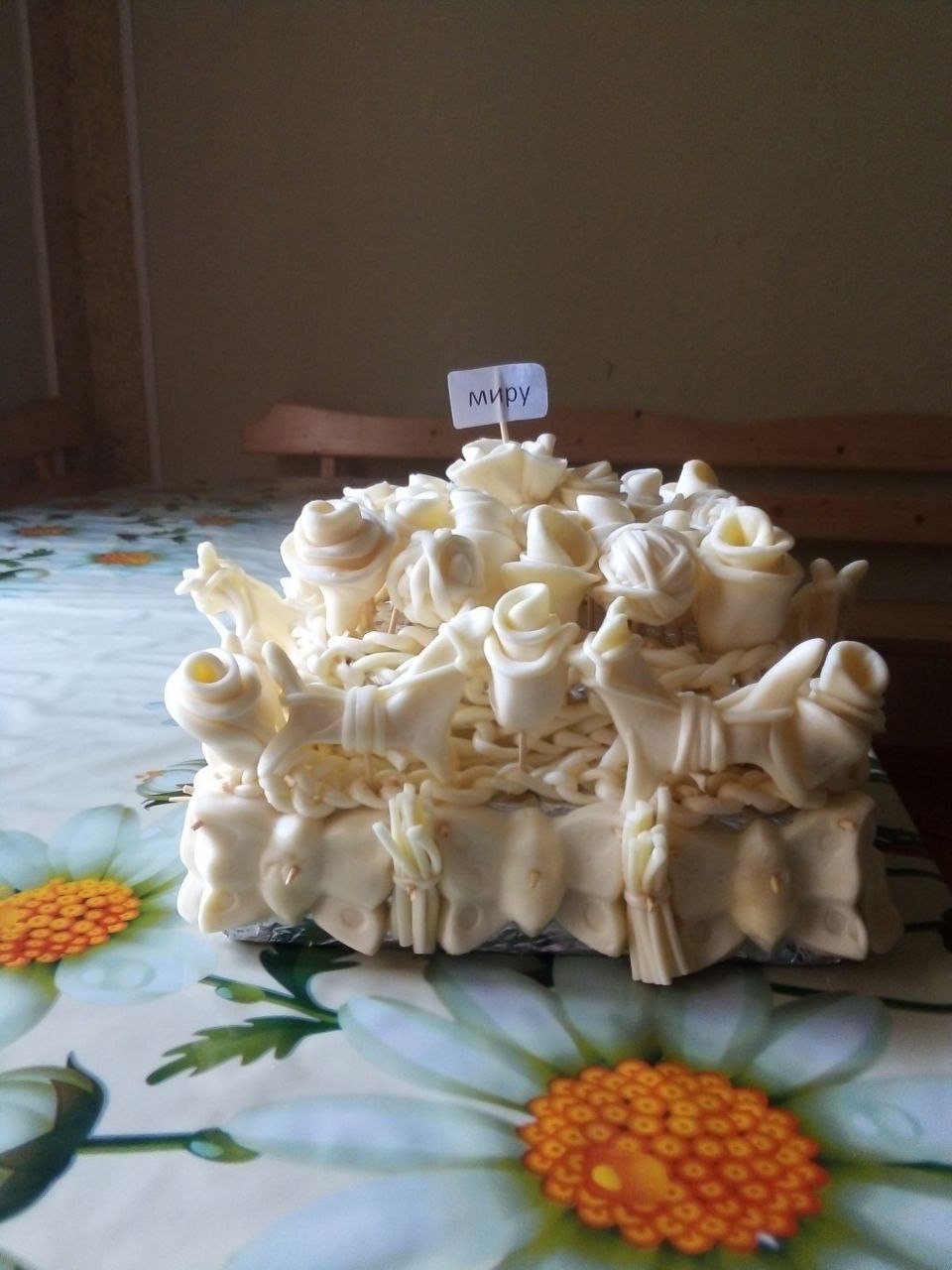
Cheese horses are edible figures made from boiled cheese. Fresh rennet cheese, like that used for Budz, is cut into pieces and immersed in boiling water: the cheese becomes soft and stretchy, like plasticine. The artisan quickly shapes it into a horse, lamb, deer, or bird, and then drops the finished figurine into salty water to set.
A separate type of cheese artistry is 'kolachy' made from spread cheese and 'firmaki': cheese pressed into carved wooden molds with patterns and crosses. Dried figurines can last for years and harden like bone; they are eaten fresh as a delicacy.
Once, cheese figurines were made by male shepherds on the polonyna and brought down to the valley in autumn. Now, it is mostly a female craft, and cow's milk cheese is more commonly used, as it is easier to shape.
The 'culture of traditional Hutsul cheese artistry' was included in the National Register of Intangible Cultural Heritage of Ukraine in 2024.
History and name
Ethnographer Volodymyr Shukhevych described in the late 19th century how shepherds on the polonyna boiled sour sheep cheese in whey to make it more pliable than wax, shaping it into lambs, kolachy, and firmaki with carved crosses.
According to the description of the element in the National Register, the tradition exists in the villages of Brustury, Kosmach, Prokurava, Shepit, Richka, Snidavka in the Kosiv district, and in the villages of Kryvorivnia, Chornyi Potik, Krasnyk in the Verkhovyna district. Similar products are known in other regions of the Carpathians, as well as in Poland and Slovakia.
Intangible heritage of Ukraine. Element of the National Inventory of the Intangible Cultural Heritage of Ukraine: Культура традиційної гуцульської сирної пластики (No. 096н.к.с., наказ Мінкульту № 378 від 27.05.2024). Sources
Legend: A shepherd on the polonyna pondered, dropped a lump of cheese into a pot of boiling water, pulled it out softened — and thus shaped the first horse.
In fact: This is a folk legend about the origin of the craft. The technology itself is real: cheese does indeed become pliable in hot water.
Ingredients and allergens
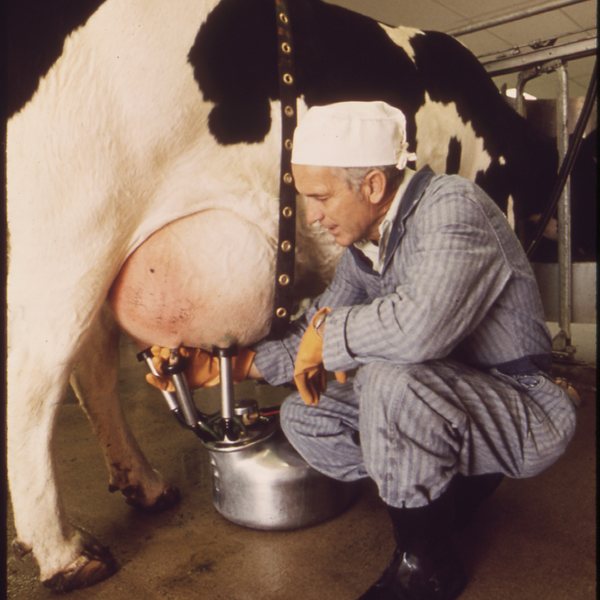
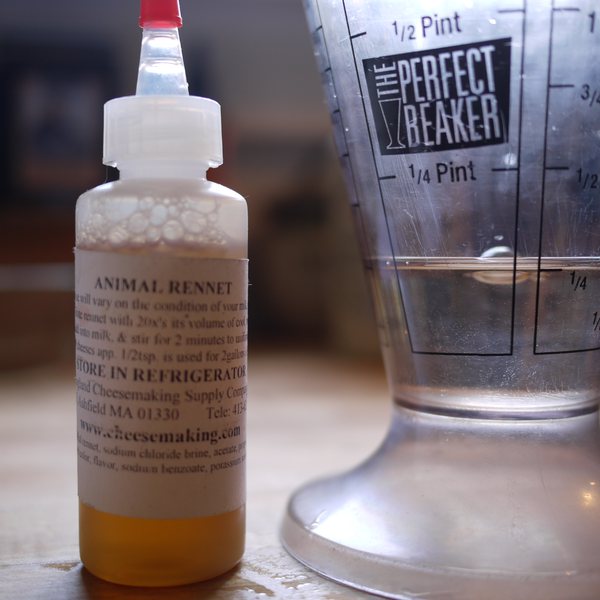
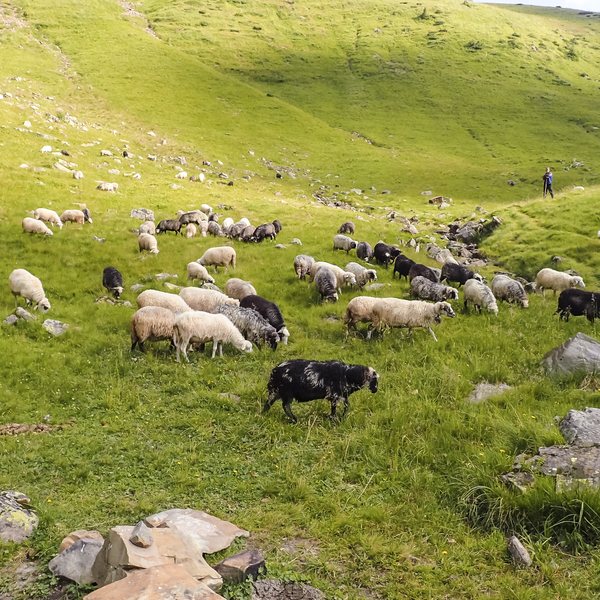
Also: salt (brine for setting)
Contains allergens: milk
Diet: gluten-free · no cooking
Ingredients of the traditional recipe; every cook and every place may do it differently — please ask when ordering. We cannot guarantee the absence of allergens or traces.
How it is made
Warm milk is mixed with a starter — klyah (hlyah), curdled milk from the stomach of a milk lamb or calf. The resulting fresh cheese, when it ripens a bit (from two days to a week), is cut into blocks.
A piece of cheese is dipped into boiling water, immediately taken out, and while it is hot and stretchy, the figurine is quickly shaped. The finished product is immersed in brine: the concentration of salt determines how strong the figurine will be. Firmaki are pressed into carved wooden molds. Dried figurines can be stored for a long time, while fresh ones last about a week in the refrigerator.
Video 2
 Гуцульські Сирні КоникиКостянтин Грубич: історії зі смаком

Where it is eaten

The area is approximate and based on the sources below. The dish is cooked outside it too, and ethnographic borders are blurred.
The villages of the Kosiv and Verkhovyna districts, mentioned in the description of the element in the National Register 096.
When it is eaten
| Jan | Feb | Mar | Apr | May | Jun | Jul | Aug | Sep | Oct | Nov | Dec |
|---|---|---|---|---|---|---|---|---|---|---|---|
Occasions: Easter · Weddings · Polonyna (May — September)
In tradition
Cheese figurines had ritual significance. Firmaki with crosses were blessed on Easter, and horses along with cheese paskha decorated the festive table. A girl would gift lambs to the matchmakers during engagement as a sign of consent; they were also given at weddings, and kolachy were distributed for the repose of the souls of the deceased. Kolachy were also used to decorate homes — strung under icons.
Safety
Fresh figurines are cheese: keep them cold and eat within a few days. Souvenir dried products are not meant for consumption.
FAQ
What are cheese horses made from?
From fresh rennet cheese made from cow's or sheep's milk. The cheese is softened in boiling water, shaped into a figurine, and set in brine.
Can you eat cheese horses?
Yes, fresh figurines are cheese, and they are eaten as a delicacy within a few days. Dried souvenir figurines are not meant for food.
Where are cheese horses made?
According to the description of the element in the National Register — in the villages of Brustury, Kosmach, Prokurava, Shepit, Richka, Snidavka (Kosiv region) and Kryvorivnia, Chornyi Potik, Krasnyk (Verkhovyna region).
Where to try and buy
 Markets & fairsKosiv Market (Smodnyansky Market), KosivKosivKosiv (Smodnyansky) Market in Ivano-Frankivsk region is a treasure trove of folk traditions, a corner of...
 Mountain meadow940 mPolonyna Pertsi Ethno Park, YablunytsiaYablunytsiaPolonyna Pertsi (“Pepper Meadow”) is an ethno park of Hutsul traditions in Yablunytsia, close to the Yablunytsia Pass.
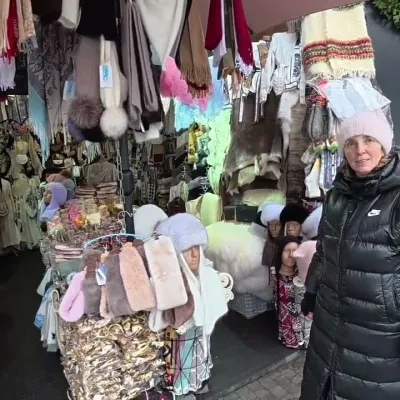 Markets & fairsBukovel Souvenir Market, PolianytsiaPolianytsia (Bukovel)Bukovel's souvenir market is a row of shops and stalls right in the centre of Ukraine's largest ski resort, on the...
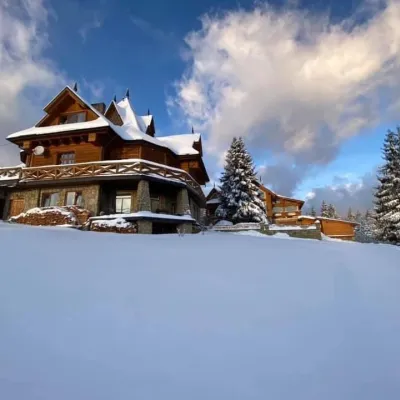 Koliby & Hutsul cuisineVysokyi Pereval Koliba, YablunytsiaYablunytsiaVysokyi Pereval Koliba ("High Pass") stands in Yablunytsia, on the new road to Bukovel, in the Horishkiv area.
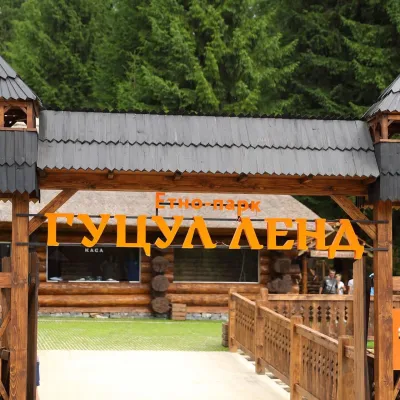 Ethno parks & homesteadsHutsul Land Ethno Park, PolianytsiaPolianytsia (Bukovel)Hutsul Land Ethno Park is a space at the Bukovel resort where the old ways of the Hutsuls, Boikos and Lemkos are...
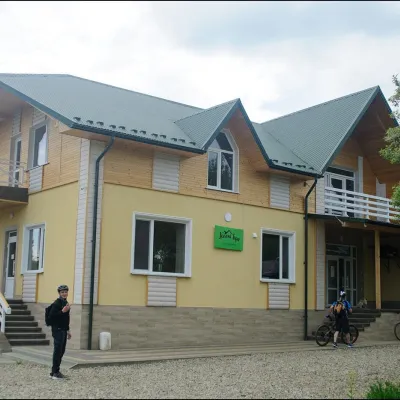 Cheese dairies & pasturesDaleki Hory Cheese Dairy, SnidavkaSnidavkaDaleki Hory (“Distant Mountains”) is one of the highest craft cheese dairies in Ukraine.
Craft places and restaurants whose menu or description mentions this dish. Menus change — please check availability.
Similar dishes and products
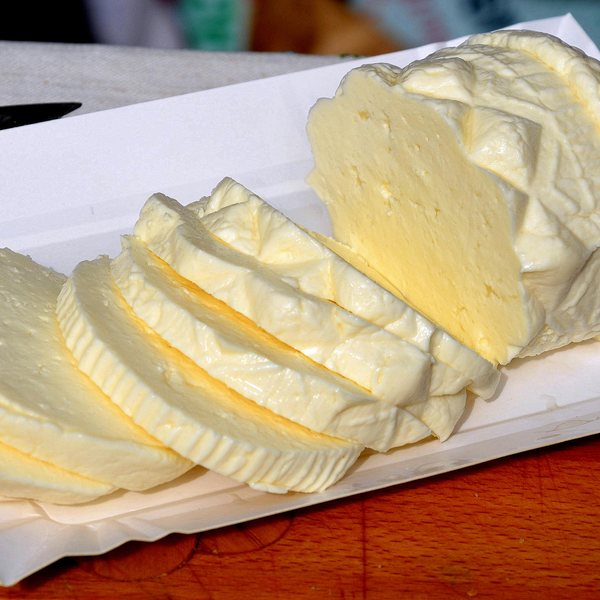
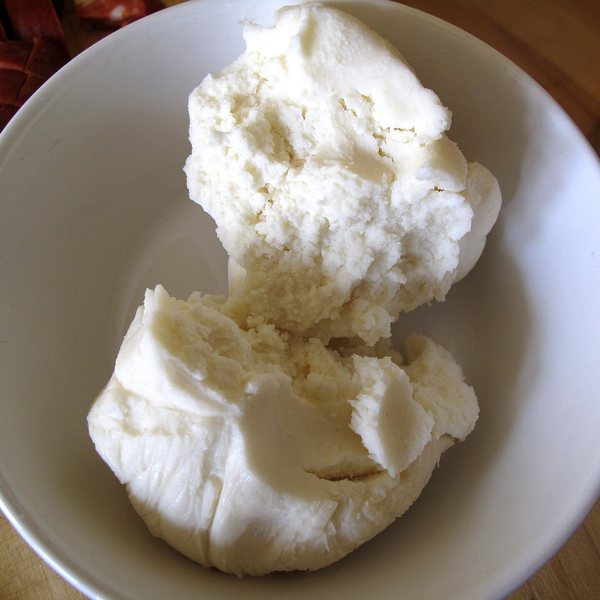
Relatives in the Carpathians and nearby
- oscypek / redykołka · Poland
a similar tradition: molded and smoked cheeses of Podhale - parenica / oštiepok · Slovakia
a similar tradition of boiled and molded cheeses
Sources
- Національний перелік елементів НКС України (станом на 16.07.2025), № 096н.к.с.
- Вікіпедія: Сирні коники
- ZAXID.NET: Гуцульські сирні коники додали до нематеріальної культурної спадщини України
- ZN.UA: Смачна Гуцульщина (сирні баранчики за В. Шухевичем)
- Радіо Свобода: Кулінарний туризм — ніша не заповнена (майстриня з села Шепіт)
Written by the Karpaty.rocks editors from the sources above. Checked 10.11.2026.
