Bukovynian paska (Easter bread)
What it is
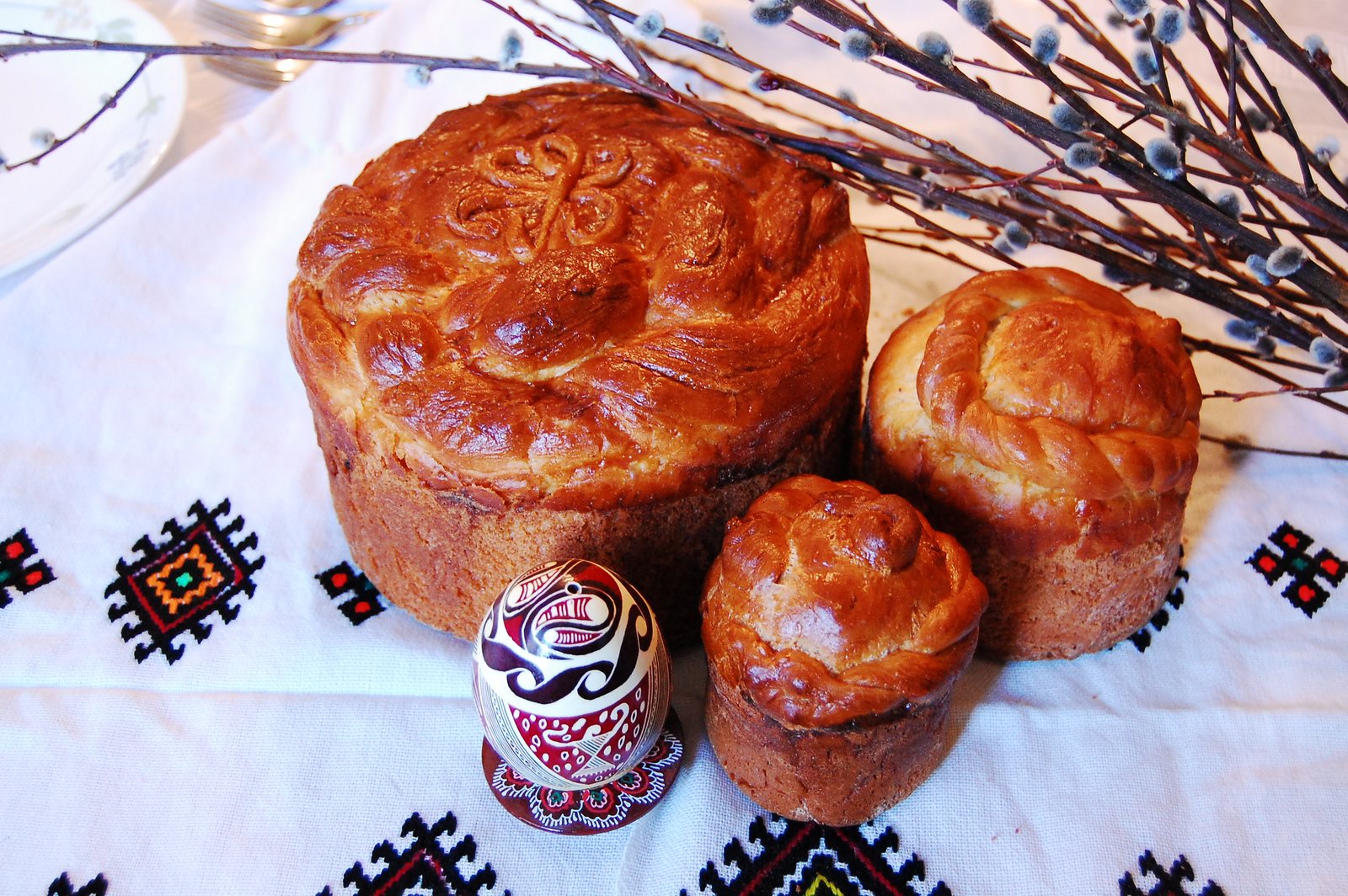
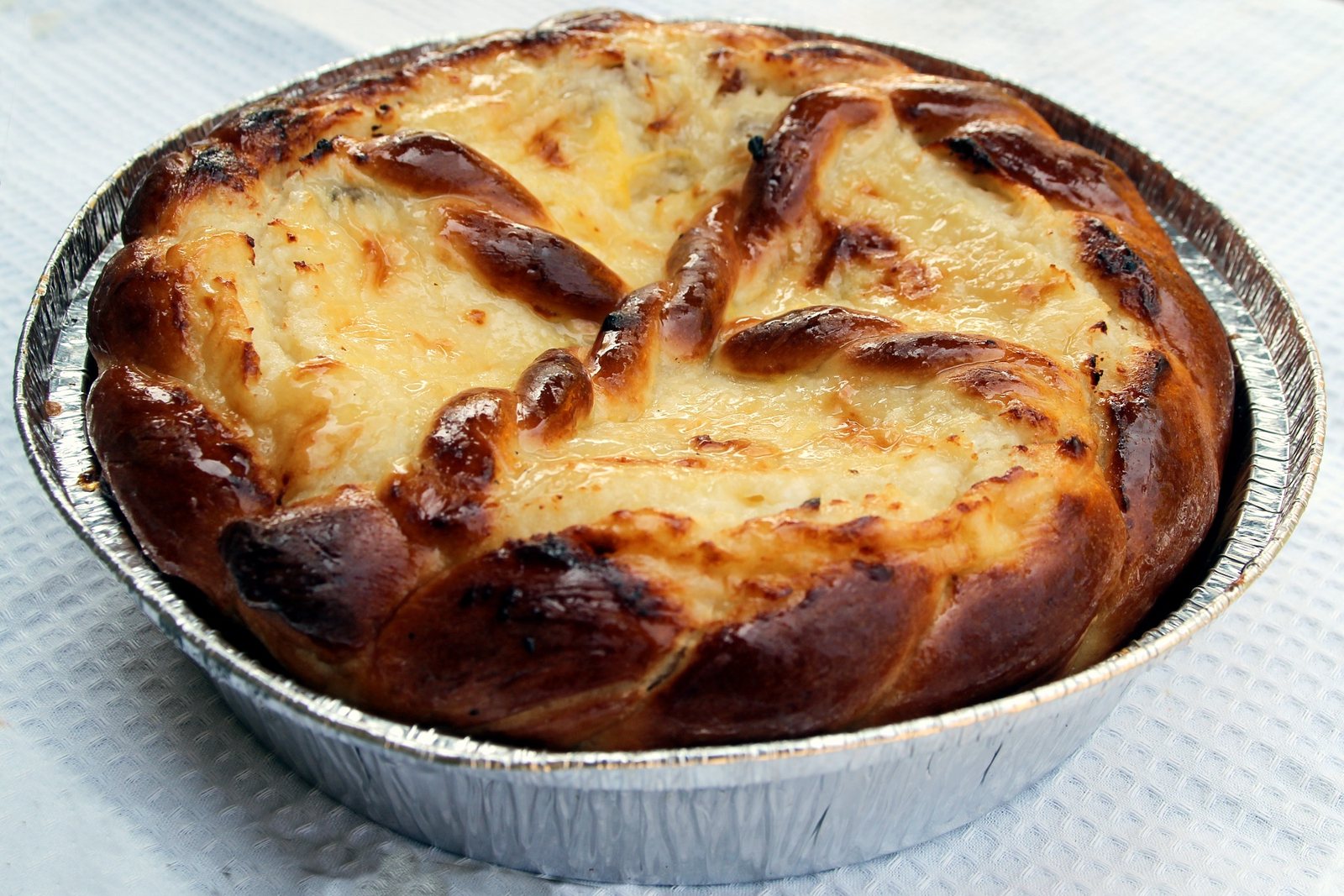
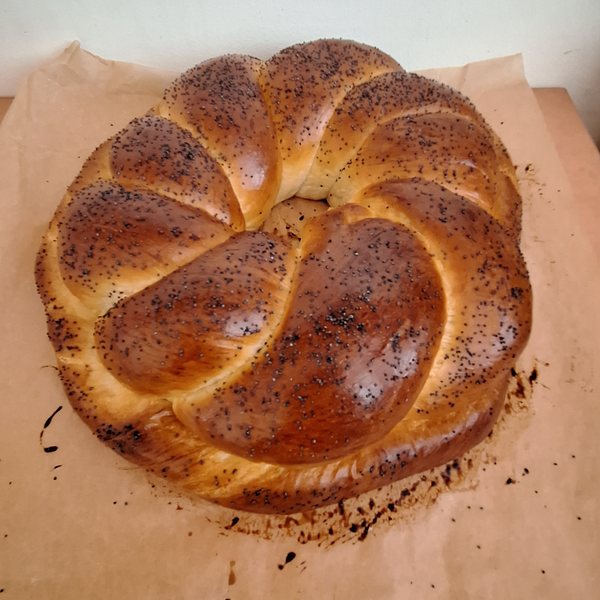
In Bukovyna, 'paska' is not just one bread, but a whole family of Easter pastries. The main one is the large festive paska, known here as 'dora': it is taken to be blessed at church. The particularly recognizable 'horned' paska is generously decorated on top with dough figures — horns, braids, birds, and crosses.
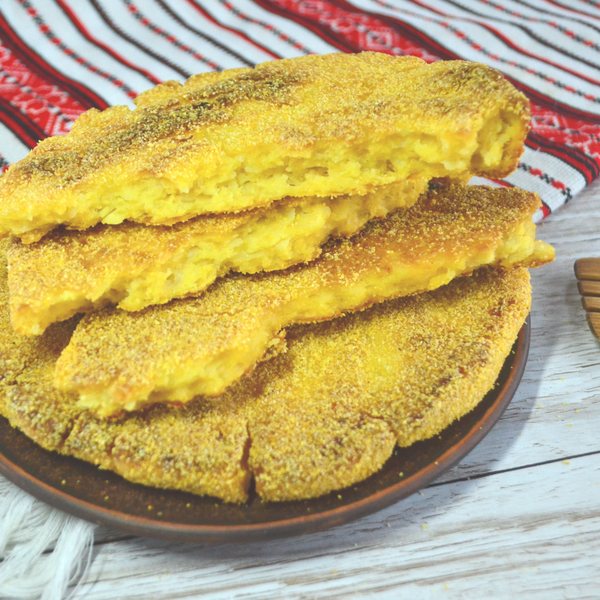
Alongside, high sweet babkas and simple unleavened cookies called 'kukutsi' are baked. Kukutsi are given to children on Clean Thursday when they go from house to house announcing the approach of Easter.
The dough for paskas is rich, yeast-based, made with eggs, butter, and milk; it is kneaded for a long time and allowed to rise several times. According to tradition, the success of the paska determined the family's well-being for the entire year, so baking was accompanied by signs and rituals.
In January 2026, 'Culture and traditions related to Easter ritual breads in Bukovyna' were included in the National List of Intangible Cultural Heritage of Ukraine.
History and name
Originally, paska was a white wheat bread decorated on top with dough figures; it became sweet later with the spread of sugar. Bukovyna, where Ukrainians, including Bukovinian Hutsuls, Romanians, Poles, and Germans historically lived side by side, has preserved a particularly rich variety of forms and names of Easter breads.
Ethnographer Volodymyr Shukhevych described how in neighboring Hutsulshchyna, the baking of paska was almost a magical act: the hostess would draw crosses with the dough, first placing a small bread 'vikhotnyk' in the oven, and a cracked paska was considered a bad omen.
Intangible heritage of Ukraine. Element of the National Inventory of the Intangible Cultural Heritage of Ukraine: Культура і традиції, пов'язані з Великодніми обрядовими хлібами на Буковині (внесено до Національного переліку НКС у січні 2026 року (за Вікіпедією — наказ від 05.01.2026 № 10; охоронний номер з офіційним текстом не звірено)). Sources
Ingredients and allergens
Variant: large paska 'dora'
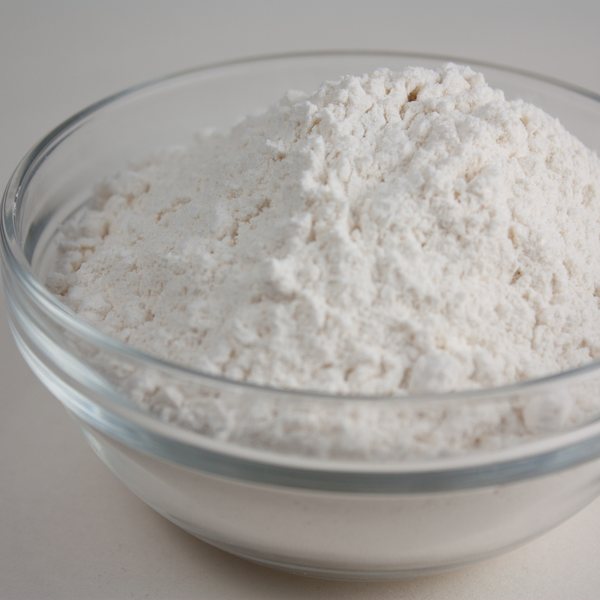
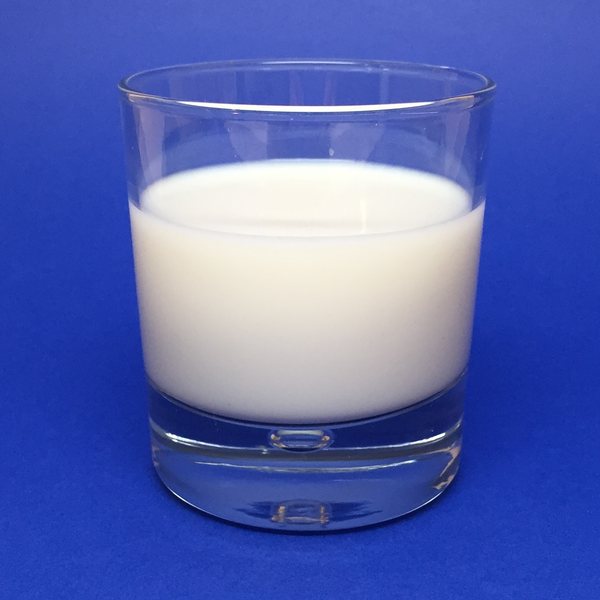
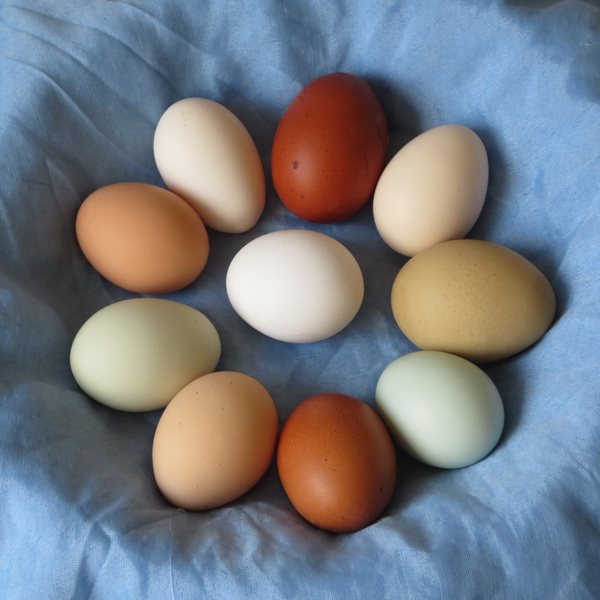
Also: butter (150–200 g), sugar (150–250 g), yeast (40–50 g fresh)
Contains allergens: gluten, milk, eggs
Diet: vegetarian
Variant: unleavened cookies 'kukutsi'
rye flour, water
Contains allergens: gluten
Diet: lenten · vegan
Ingredients of the traditional recipe; every cook and every place may do it differently — please ask when ordering. We cannot guarantee the absence of allergens or traces.
How it is traditionally made
Serves: 2–3 paskas
- Wheat flour — 1–1.2 kg
- Milk — 400–500 ml
- Eggs — 5–8 pcs.
- Butter — 150–200 g
- Sugar — 150–250 g
- Yeast — 40–50 g fresh
- In the evening, prepare the dough starter: dissolve the yeast in warm milk with a tablespoon of sugar and part of the flour, cover, and leave in a warm place until it rises.
- Beat the eggs with sugar and salt, then pour into the starter along with melted warm butter.
- Gradually add flour and knead the dough for a long time until it no longer sticks to your hands; place it in a warm place for 3–5 hours, kneading once or twice.
- Separate a portion of the dough for decoration. Place the rest in greased molds or on a baking sheet, filling no more than one-third to half.
- From the reserved dough, shape crosses, horns, braids, or birds and decorate the top; allow the paskas to rise again and brush with beaten egg.
- Bake in a preheated oven at moderate temperature until the paska is golden brown and a wooden skewer comes out dry; the time depends on the size — from 30–40 minutes for small ones to an hour or more for large ones.
How it is served
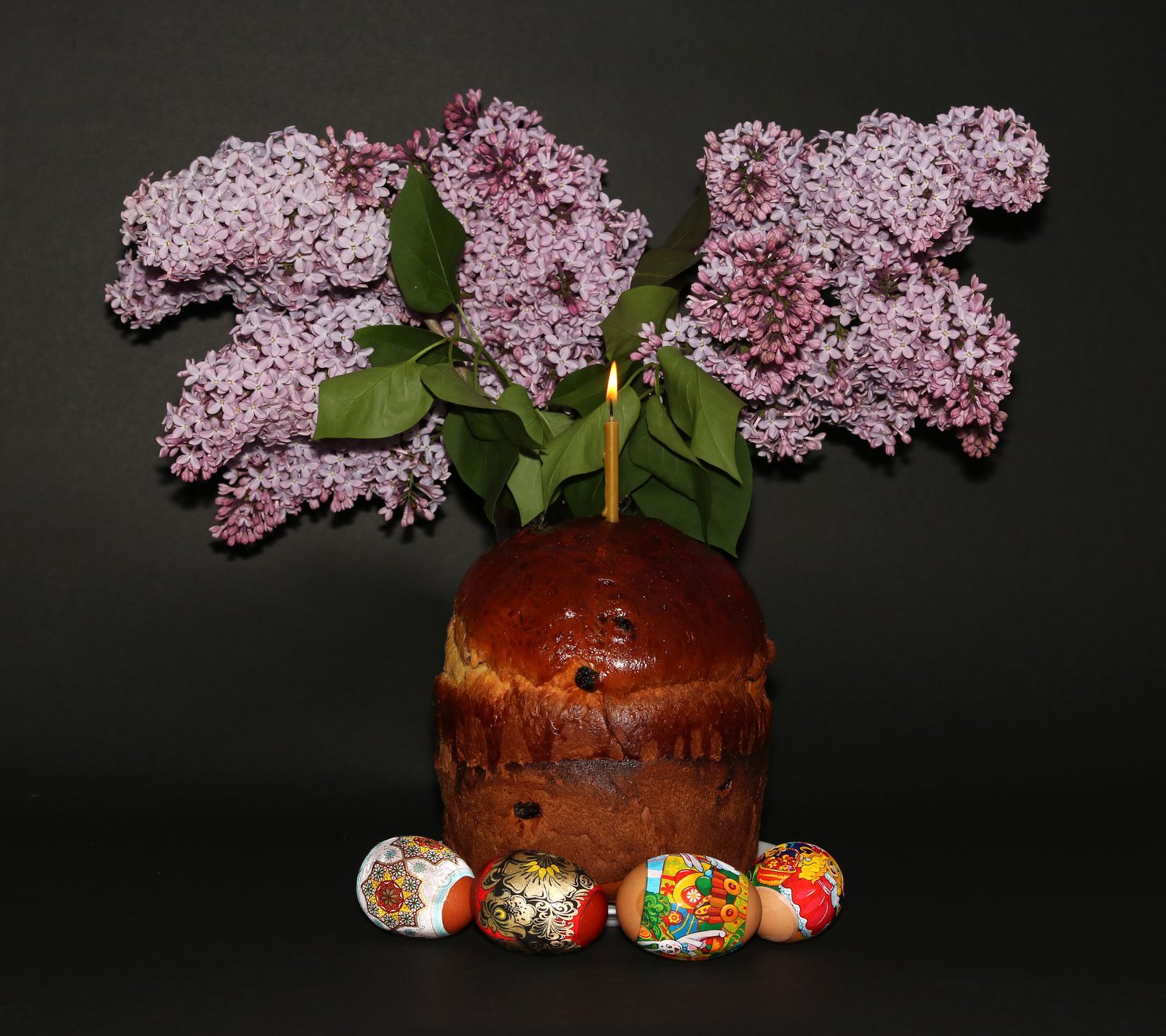
The paska is blessed on Easter night or morning in a basket along with cheese, butter, sausage, eggs, and pysanky, and is cut during the festive breakfast.
Variants
Proportions and decorations vary in each village and family; we provide a general method for sweet paska. Kukutsi are simple unleavened cookies made from rye or wheat dough.
The traditional method as described by our sources; every family does it its own way. We have not tested this recipe in a professional kitchen.
Where it is eaten
Chernivtsi Oblast — mountainous (Bukovinian Hutsulshchyna) and flat Bukovyna. The area is approximate, according to the description of the element of the National List.
When it is eaten
| Jan | Feb | Mar | Apr | May | Jun | Jul | Aug | Sep | Oct | Nov | Dec |
|---|---|---|---|---|---|---|---|---|---|---|---|
Occasions: Easter
In tradition
Paskas are baked on Clean Thursday or on the Saturday before Easter and are blessed in church. On Clean Thursday, children visit relatives and neighbors to receive kukutsi and pysanky. In neighboring Hutsulshchyna, a cracked paska was considered a bad omen, so when the paska was placed in the oven, the host made sure that no strangers entered the house.
FAQ
What is 'dora'?
This is how Bukovynians refer to the large main festive paska that is taken to be blessed at church.
What are kukutsi?
Simple unleavened cookies made from rye or wheat dough. They are given to children on Clean Thursday along with pysanky.
Has Bukovynian paska been included in the intangible heritage?
Yes. In January 2026, the element 'Culture and traditions related to Easter ritual breads in Bukovyna' was included in the National List of Intangible Cultural Heritage of Ukraine.
Similar dishes and products
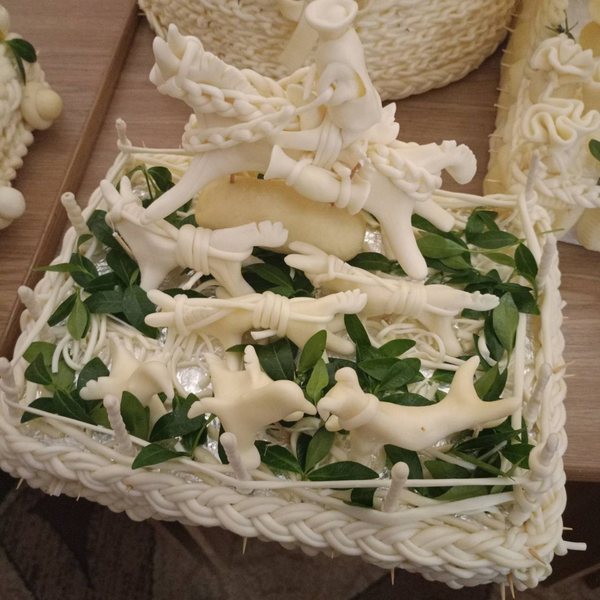
Relatives in the Carpathians and nearby
- pască · Romania
the family name for Easter bread in Romania - паска · Ukraine
a nationwide tradition; Bukovinian forms are a regional variant
Sources
- Інтерфакс-Україна: елементи, внесені до Національного переліку НКС у січні 2026 року
- Вікіпедія: Великодні обрядові хліби на Буковині
- Українська правда. Життя: Киселиця, кривулька та обрядові хліби Буковини — Мінкульт доповнив Нацперелік
- Вікіпедія: Паска (рецептура, регіональні особливості)
- ZN.UA: Смачна Гуцульщина (обряд випікання паски за В. Шухевичем)
Written by the Karpaty.rocks editors from the sources above. Checked 10.11.2026.
