Christmas kolach
What it is
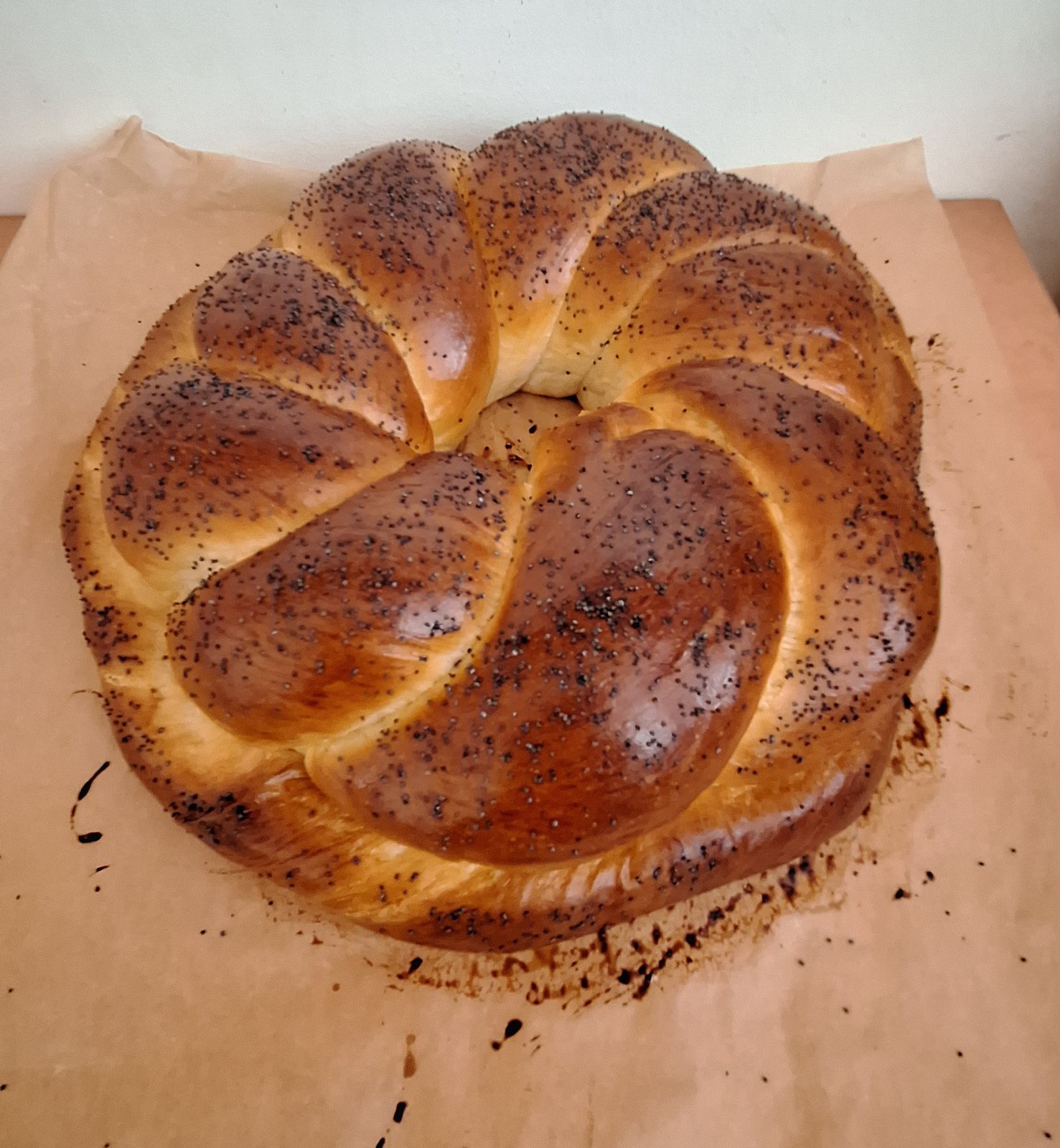
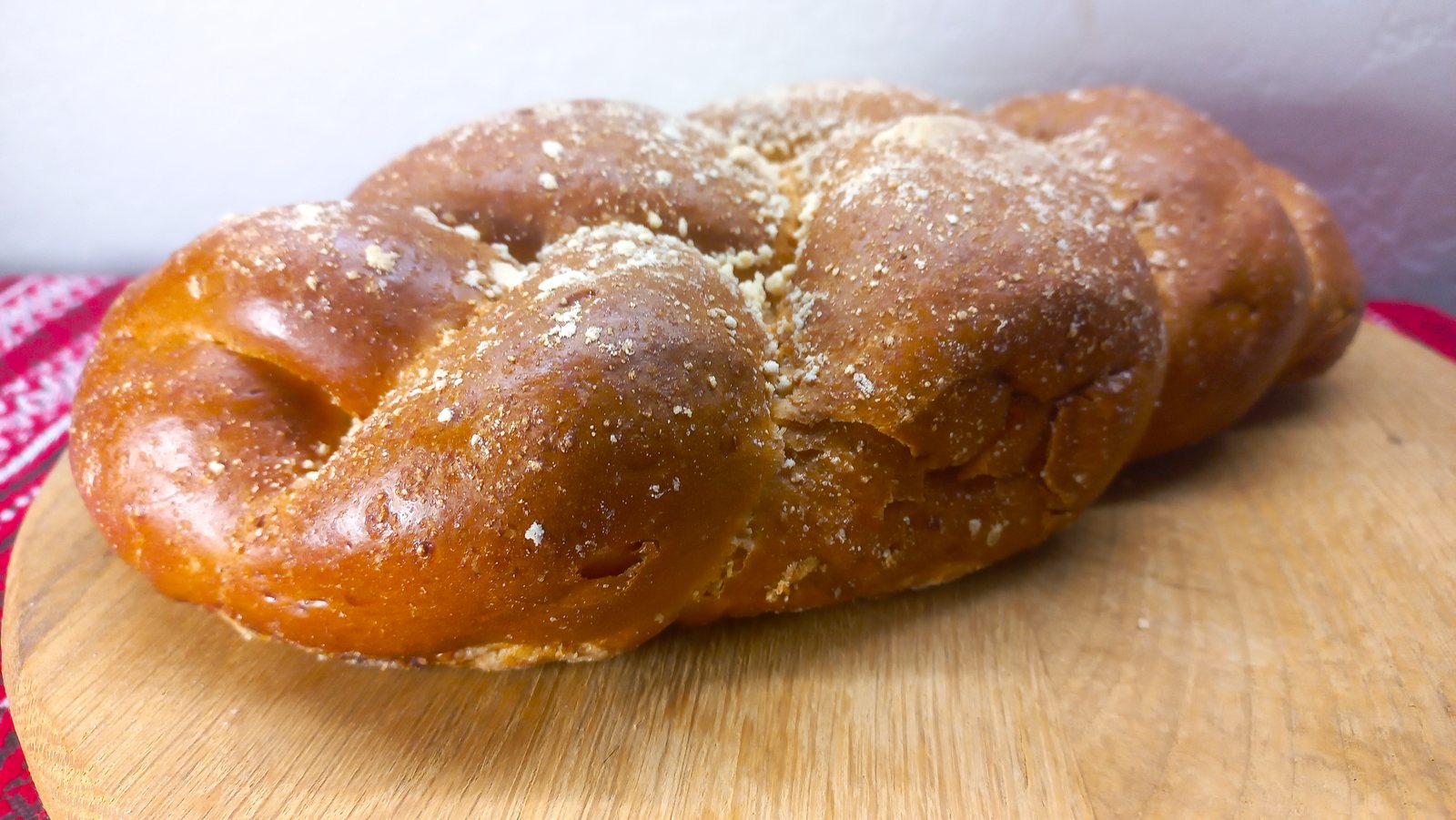
On Christmas Eve, every Carpathian home placed a special bread on the table. It was baked in the morning before Christmas from wheat, rye, or oat flour — larger and more beautiful than everyday bread.
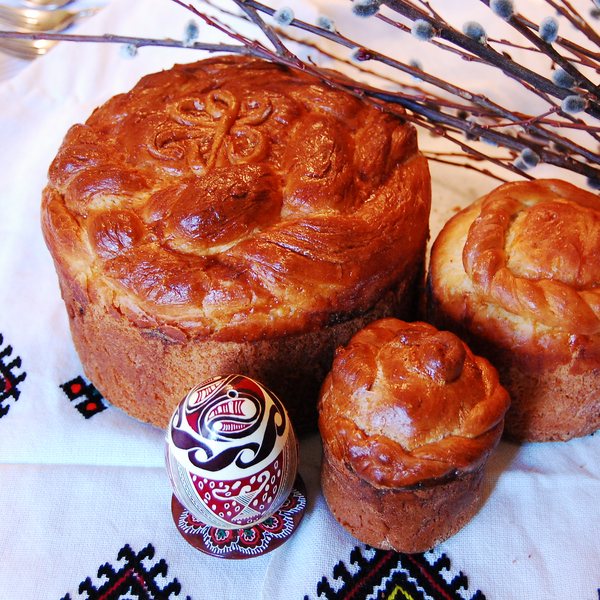
Names vary: kolach or kalač — braided, in a ring; in Boyko and Transcarpathia — 'krachun', 'krajchun', 'kerechun', 'korochun'; on New Year's — 'Vasyl', 'polaznyk'. On the large bread, 'circles' of dough were attached and it was brushed with egg; in the village of Husnyy in the Velikobereznyanskyi district, the krachun weighed 6–7 kg.
This bread was not just eaten. It was kept on the table throughout the holidays, used for divination about the harvest and weather, and in Boyko villages on Christmas, New Year, or Jordan, the host would take the krachun to a stream or well and 'dip' it to ensure the family was healthy and the bread would yield.
Among the Hutsuls, kolach is also a family ritual bread: at christenings, they would share the kolach (the custom of 'kalačyna'), and at weddings, the kolach was broken as a sign that the bride was leaving her family.
History and name
Ethnologist Olena Serebriakova (Institute of Ethnology of the National Academy of Sciences of Ukraine) collected field notes from Boyko villages in 2026, including Skole, Turka, Staryi Sambir, Dolyna, Mizhhiria, and Volovets: here, Christmas bread was baked according to special prescriptions — dressed in clean clothes, with prayer; in some places, the hostess wore gloves and a gunya.
The Encyclopedia of Modern Ukraine mentions 'kalačyna' among ancient Hutsul customs — a feast where the kolach is shared, and the breaking of the kolach at weddings.
Ingredients and allergens
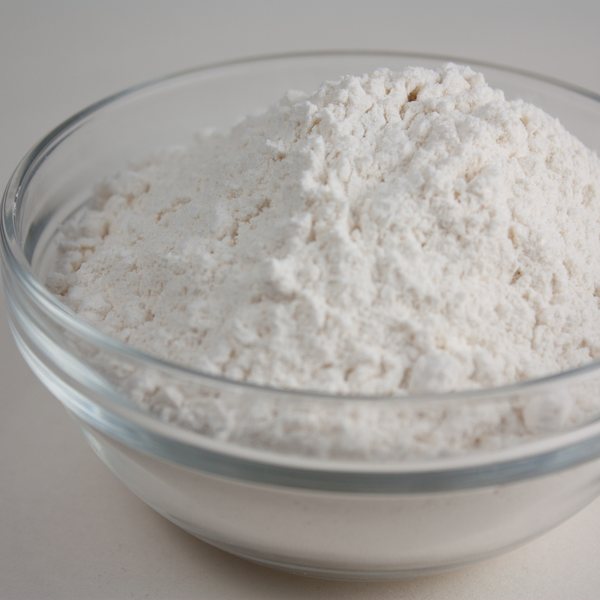
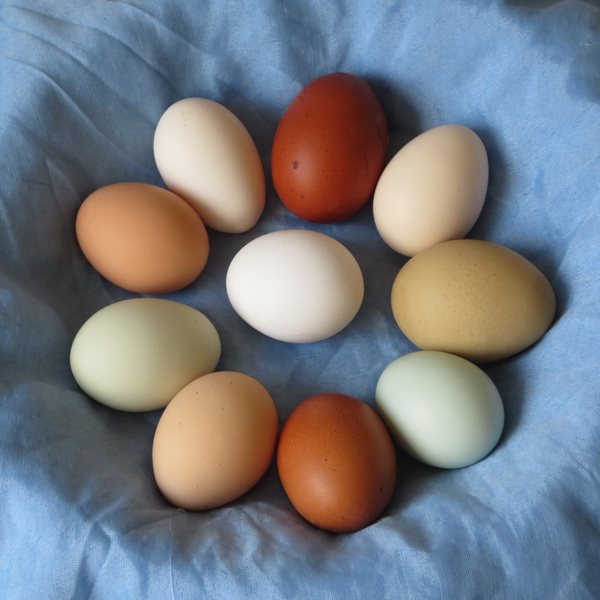
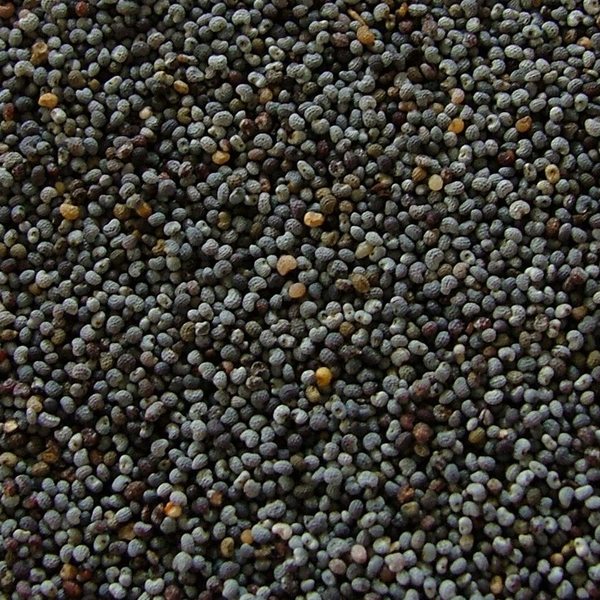
Also: yeast (25–40 g fresh), sunflower oil (3–5 tbsp), water (400–500 ml), salt (1 tsp)
Contains allergens: gluten, eggs
Diet: vegetarian
Ingredients of the traditional recipe; every cook and every place may do it differently — please ask when ordering. We cannot guarantee the absence of allergens or traces.
How it is made
Yeast dough made from flour, eggs, oil, and water is kneaded in the morning and allowed to rise. Then it is divided into three or four parts, rolled into long strands, and braided into a braid, often closing it into a ring. Before baking, the kolach is brushed with egg and sprinkled with poppy seeds or sesame; it is baked for about 30–35 minutes. The dough rises significantly, so leave space on the baking sheet.
The large round 'krachun' is baked in the oven and decorated with 'circles' of dough, brushed with egg on top. It was to be baked by the hostess, dressed in clean clothes and with prayer.
Video 2
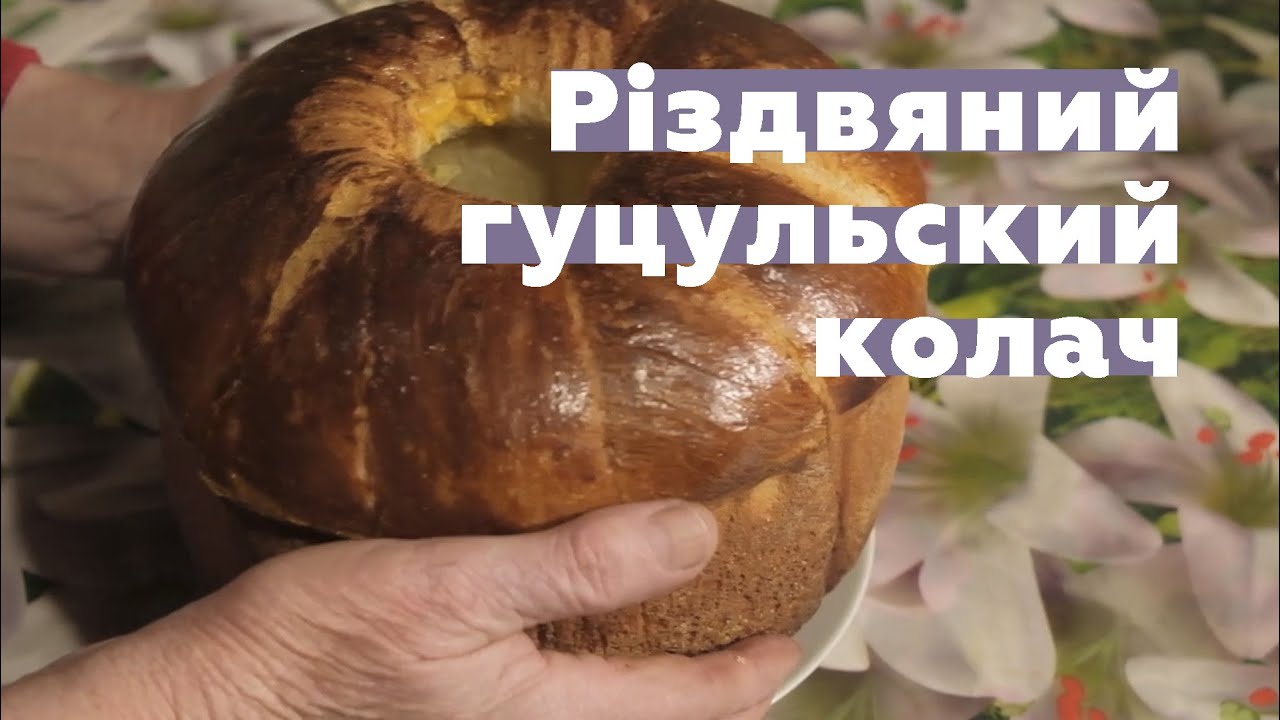 Різдвяний гуцульский колач. Марія Петричук. (гуцульский калач), (традиційна культура)KOZAMEDIA

Where it is eaten
The entire Ukrainian part of the Carpathians: among the Hutsuls — kolach, among the Boykos and in Transcarpathia — krachun, kerechun; the ritual 'dipping' of bread is recorded in Boyko villages of Lviv, Ivano-Frankivsk, and Transcarpathia. The area is approximate.
When it is eaten
| Jan | Feb | Mar | Apr | May | Jun | Jul | Aug | Sep | Oct | Nov | Dec |
|---|---|---|---|---|---|---|---|---|---|---|---|
Occasions: Christmas Eve · Christmas · Weddings
In tradition
Christmas bread was kept on the table throughout the holidays and used for divination about the weather and harvest. In many Boyko villages on Christmas, New Year, or Jordan, it was 'dipped' in a stream or well, and the water was later used for washing. Ritual breads 'Vasyl' and 'Melanka' were baked separately for New Year.
FAQ
What is the difference between kolach and krachun?
Kolach is a braided bread, often in a ring. Krachun (kerechun) is the name for the large round Christmas bread in Boyko and Transcarpathia. Both are ritual breads of Christmas Eve.
Why was the Christmas bread 'dipped' in water?
In Boyko villages, it was believed that this would ensure the family would be healthy and that there would be enough bread for the year. The water in which the bread was dipped was later used for washing.
Similar dishes and products

Relatives in the Carpathians and nearby
- kołacz · Poland
family name for ritual bread - colac, cozonac · Romania
similar tradition of festive kolaches - kerechun of Transcarpathian Rusyns · Ukraine
family name for Christmas bread
Sources
- О. Серебрякова. Обрядове купання різдвяного хліба та снопа на Бойківщині («Народознавчі зошити», 2026, № 2)
- Енциклопедія Сучасної України: Гуцульщина (калачини, розривання калача)
- ZAXID.NET: Дванадцять страв на різдвяному столі (плетений колач, 2022)
Written by the Karpaty.rocks editors from the sources above. Checked 10.11.2026.
