Malai
What it is
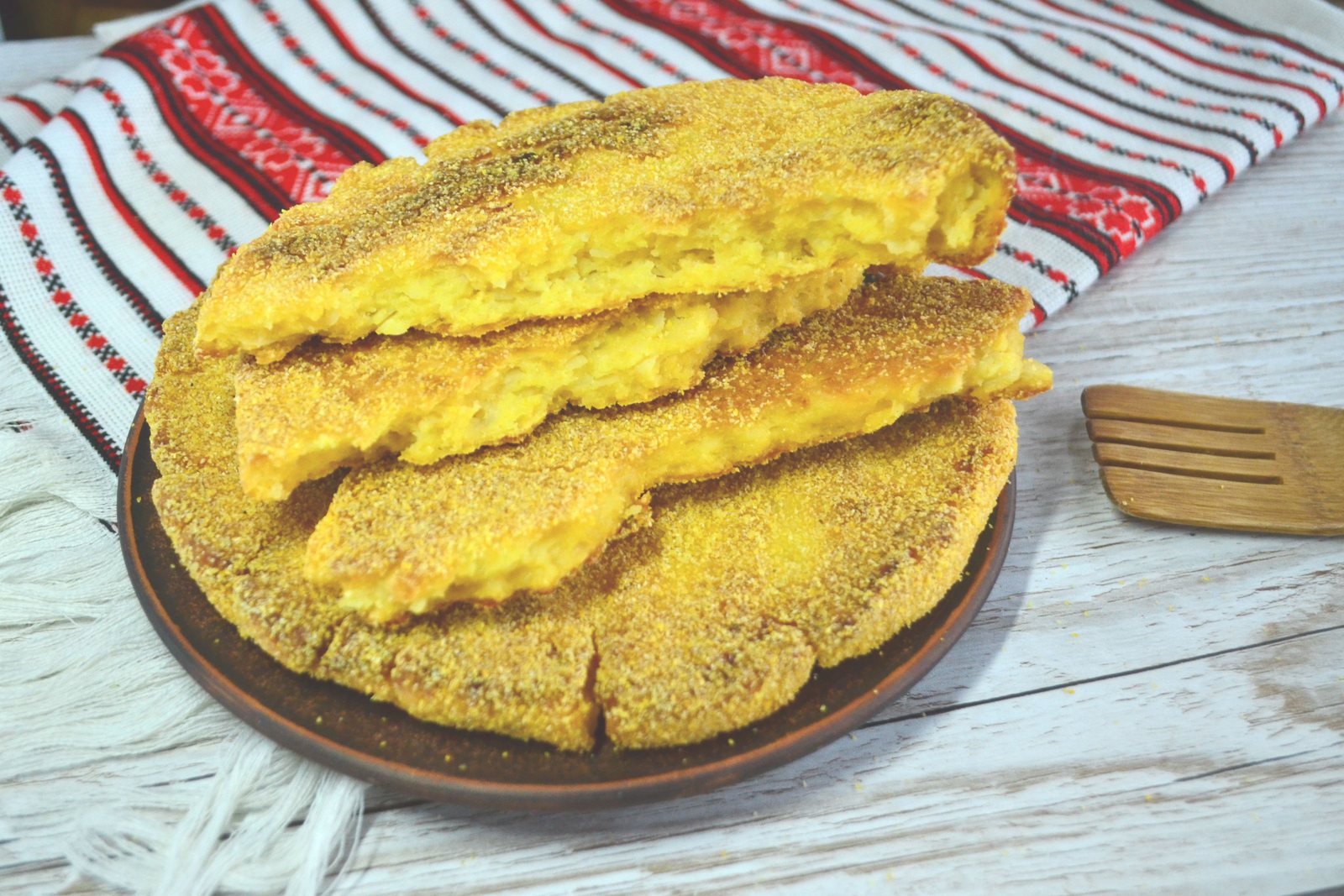
Malai is a corn bread or flatbread. In the mountains, wheat did not grow well, so the Hutsuls used corn flour daily: they cooked Kulesha with water, made Banosh with sour cream, and baked flatbreads called malaï in the oven.
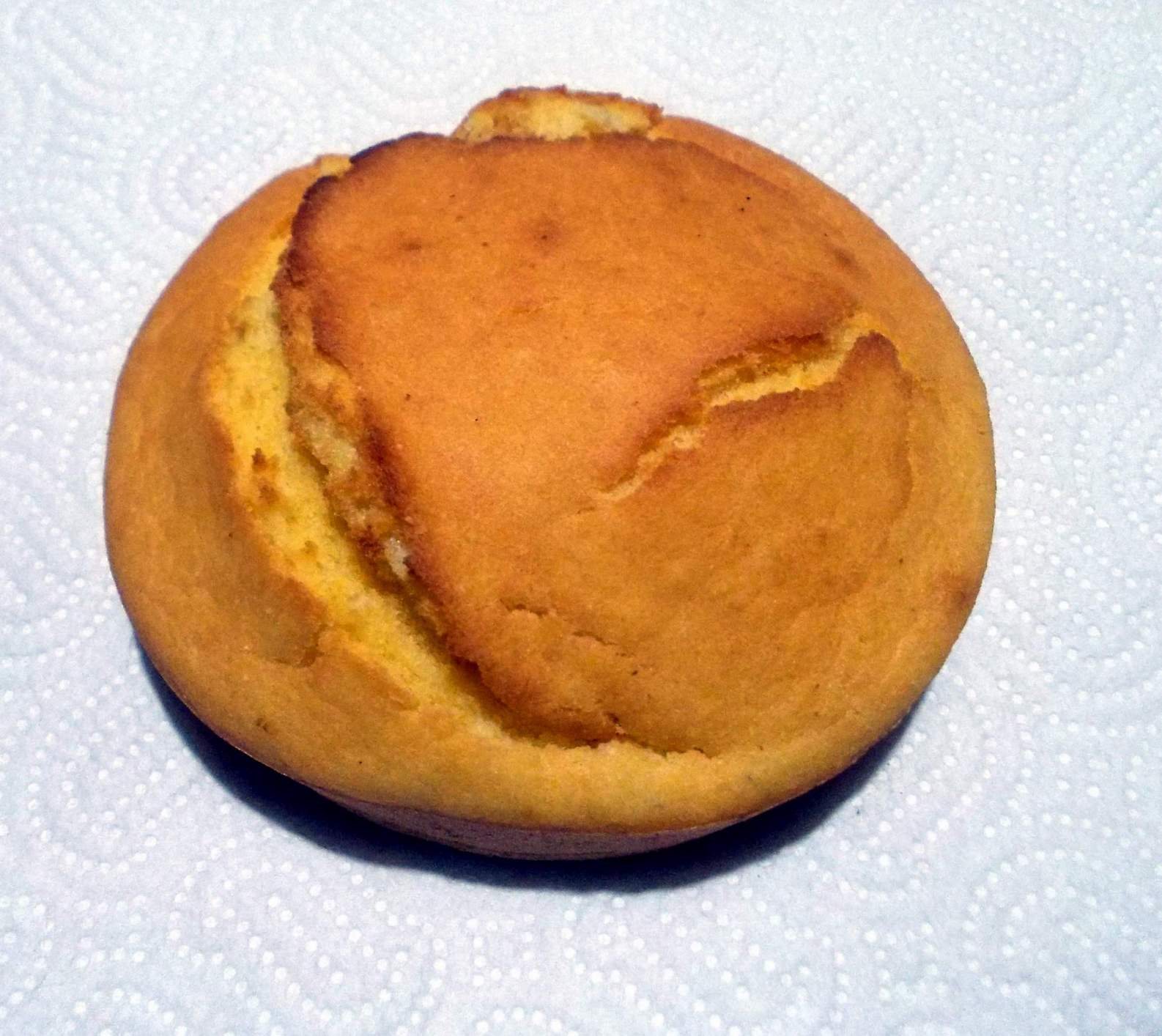
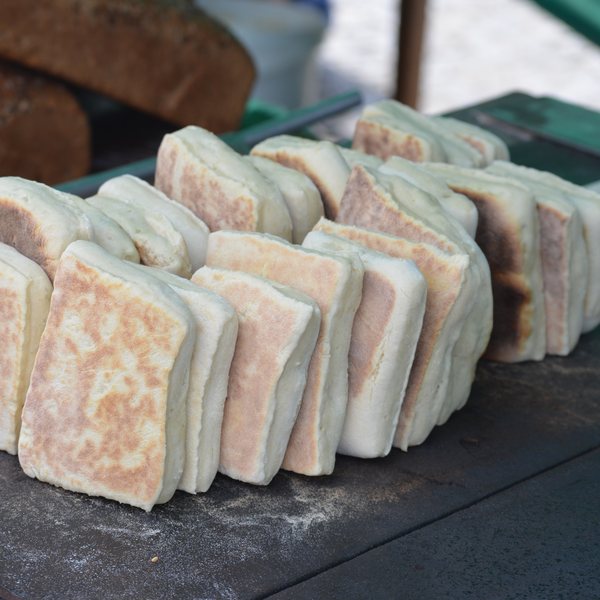
The simplest malai is a dough made from corn flour, water, and salt, shaped into a flatbread and baked in a hot oven. It is dense, yellow, with a crispy crust.
In the village of Yabluniv in the Kosiv region, they still bake malai using an old recipe with boiled potatoes: the potatoes are boiled in their skins, peeled, mashed, and mixed with corn flour and salt. Locals associate this bread with times of hunger, but even today it is eagerly ordered for weddings. A baker from Yabluniv says that the hardest part is peeling a mountain of boiled potatoes, and malai needs to be baked in a very hot oven for about an hour.
Malai is cut into pieces and eaten with lard or cheese.
History and name
Ethnographer Volodymyr Shukhevych wrote at the end of the 19th century that the Hutsuls consumed corn flour almost daily, and besides Kulesha and Banosh, they baked flatbreads called malaï.
The name is borrowed from Romanian: mălai means corn flour or a flatbread made from it. Before corn became widespread, Ukrainians baked malai from millet or pea flour — such a flatbread is mentioned by Zynoviya Klynovetska in her book 'Dishes and Drinks in Ukraine' (1913), and ethnographer Lydia Artyukh compares malai to mamalyga.
Ingredients and allergens
Variant: corn flatbread
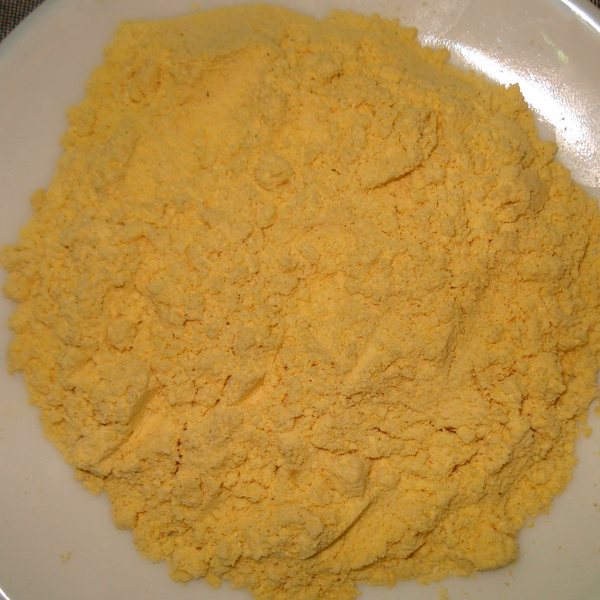
Also: water (300–400 ml, warm), salt (1 tsp)
Contains allergens: none of the 14 major allergens in the traditional recipe
Diet: lenten · vegan · gluten-free by ingredients; traces possible
Variant: potato, as in the village of yabluniv
potato, corn flour, salt
Contains allergens: none of the 14 major allergens in the traditional recipe
Diet: lenten · vegan · gluten-free by ingredients; traces possible
Ingredients of the traditional recipe; every cook and every place may do it differently — please ask when ordering. We cannot guarantee the absence of allergens or traces.
How it is traditionally made
Serves: 1–2 flatbreads
- Corn flour — 500 g
- Water — 300–400 ml, warm
- Salt — 1 tsp
- For potato malai, boil the potatoes in their skins, peel them, and mash while still warm.
- Mix corn flour with salt and gradually add warm water (or potato puree) until a dense dough forms that holds its shape.
- With wet hands, shape the dough into a flatbread about 3–4 cm thick or place the dough in a greased mold.
- Bake in a very hot oven or stove, heated as much as possible, for about an hour — until a dark golden crust forms.
- Let the malai cool slightly on a board so it doesn't crumble under the knife, and cut into pieces.
How it is served
Warm or cold, in pieces — with lard or cheese.
Variants
Simple malai is made only from corn flour, water, and salt, while in the village of Yabluniv — with boiled potatoes. In other regions, sweet corn pie is also called malai.
The traditional method as described by our sources; every family does it its own way. We have not tested this recipe in a professional kitchen.
Where it is eaten

The area is approximate and based on the sources below. The dish is cooked outside it too, and ethnographic borders are blurred.
Mountain communities of the ethnographic Hutsul region; potato malai is still baked in the village of Yabluniv in the Kosiv region. The area is approximate.
When it is eaten
| Jan | Feb | Mar | Apr | May | Jun | Jul | Aug | Sep | Oct | Nov | Dec |
|---|---|---|---|---|---|---|---|---|---|---|---|
Occasions: Everyday food · Weddings
In tradition
Malai was the everyday bread of the mountain household, where wheat flour was scarce. Today, potato malai from the village of Yabluniv is brought to relatives in cities like Kyiv, Lviv, and Ivano-Frankivsk, and it is most often ordered for weddings.
FAQ
What is malai?
Bread or flatbread made from corn flour. The Hutsuls baked it daily because wheat did not grow well in the mountains.
Where does the name 'malai' come from?
From Romanian: mălai — corn flour or a flatbread made from it. The etymological dictionary also records dialect forms 'melai', 'mylai'.
How does malai differ from Kulesha?
Kulesha is cooked like a thick porridge, while malai is baked in the oven like bread.
Where to try and buy
Craft places and restaurants whose menu or description mentions this dish. Menus change — please check availability.
Similar dishes and products
Relatives in the Carpathians and nearby
- mălai · Romania
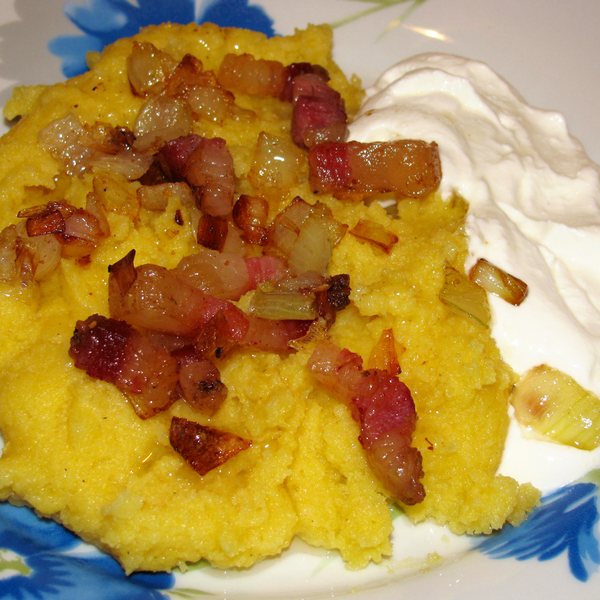
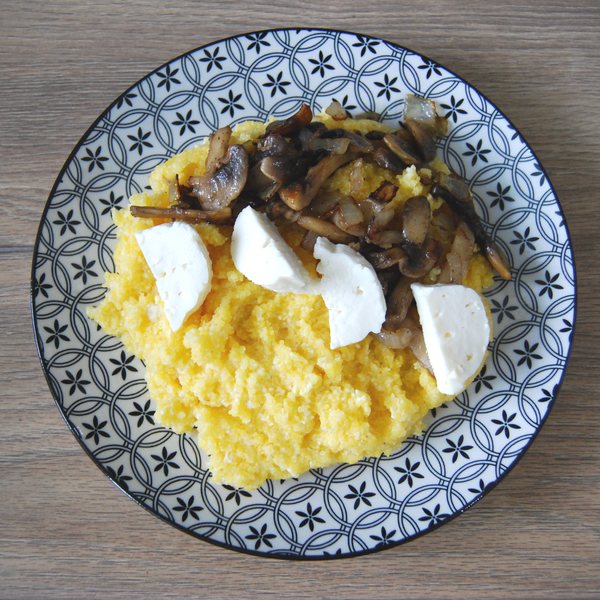
related name: Romanian corn bread - mamalyga (Kulesha) · Ukraine
close tradition: corn porridge, which is also cut into pieces
Sources
- ZN.UA: Смачна Гуцульщина (за працею В. Шухевича «Гуцульщина»)
- Вікіпедія: Малай (страва)
- Вікна: Гуцульський хліб малай і одна пекарня на десятки кілометрів (Яблунів, 2024)
- Вікіпедія: Гуцульська кухня (коржі, малай)
- A. O. Corona. The New Ukrainian Cookbook (2020): Hutsul Corn Bread
Written by the Karpaty.rocks editors from the sources above. Checked 10.11.2026.
