Adzymka
What it is
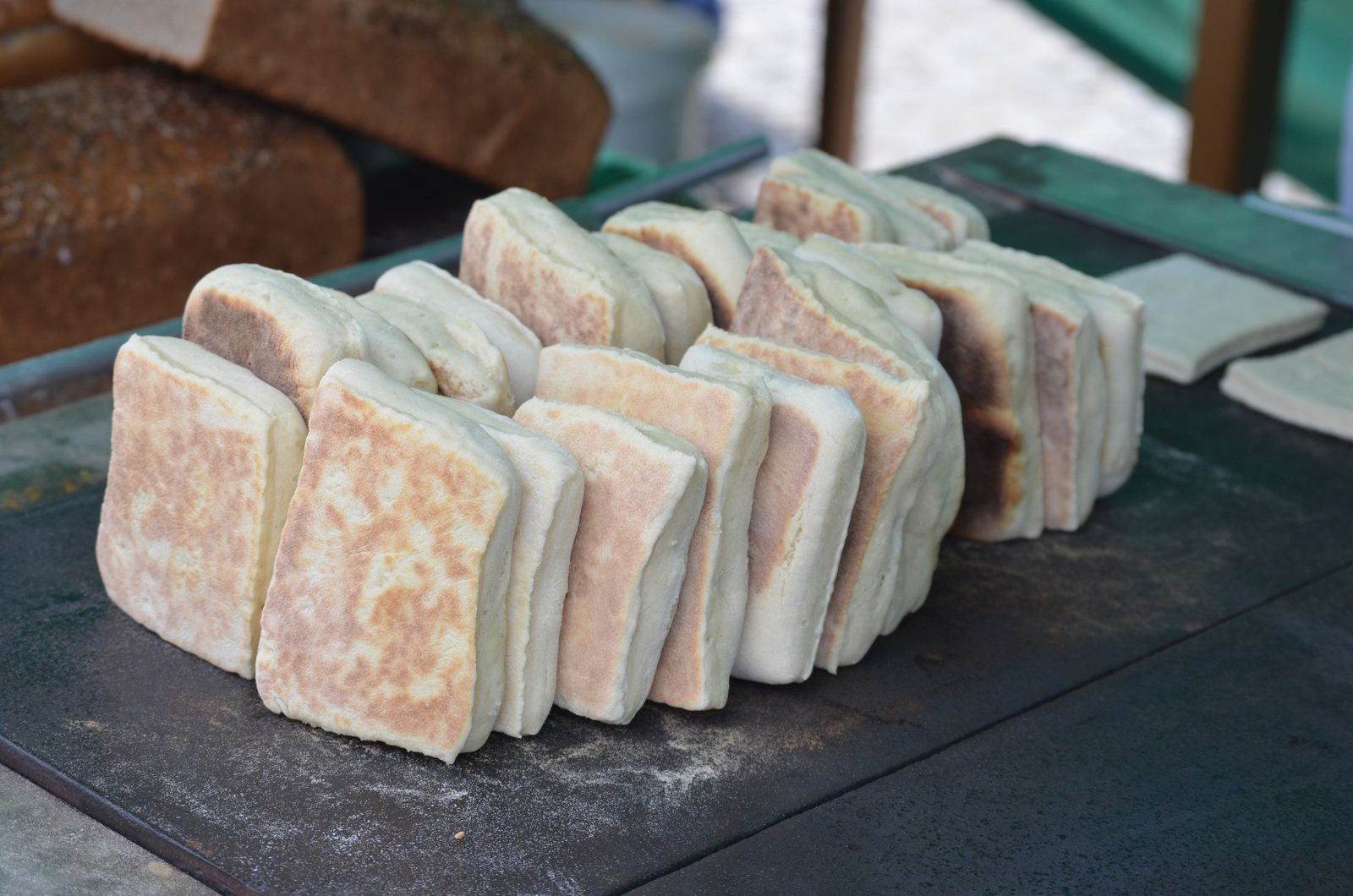
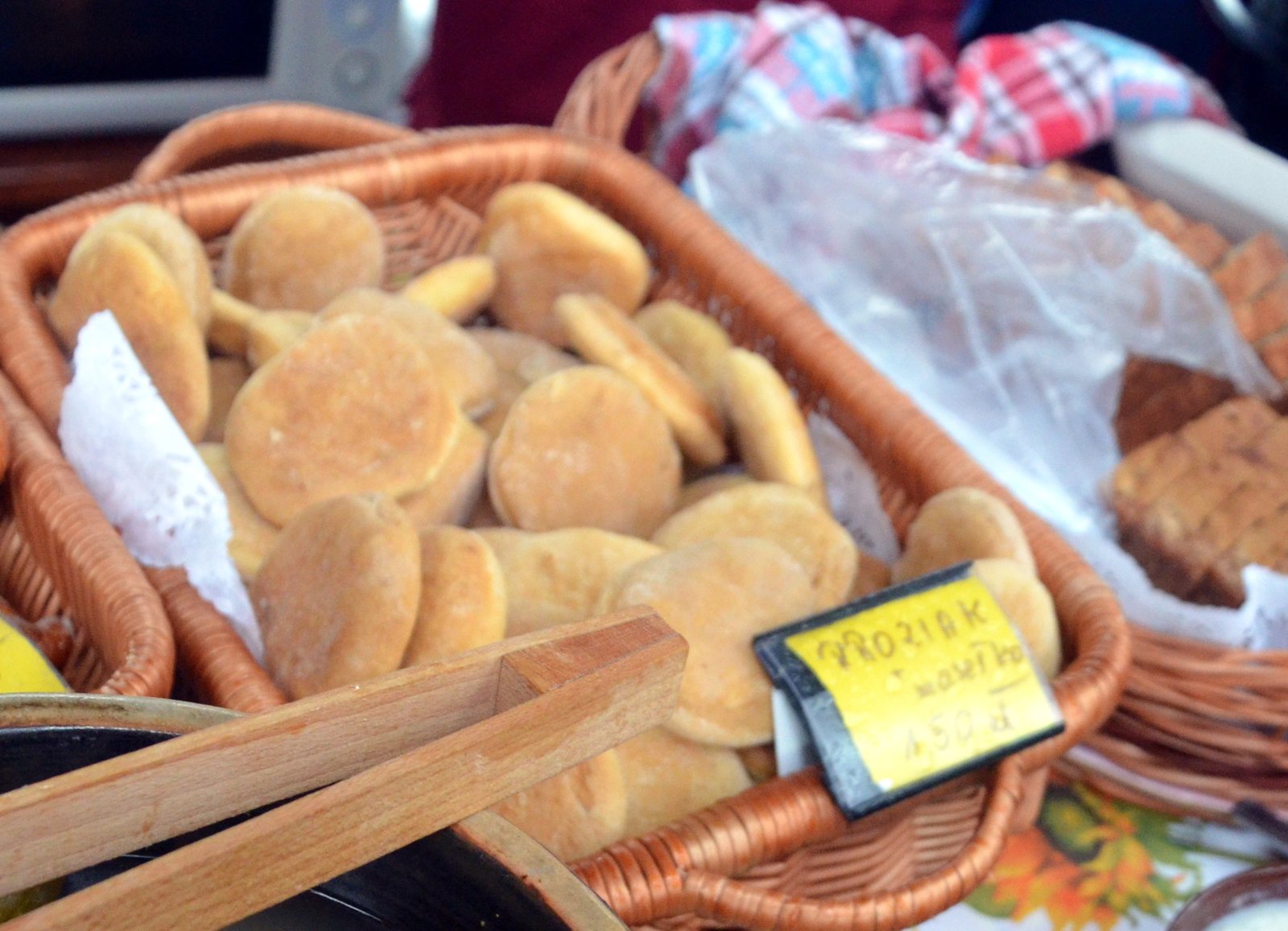
Adzymka is a plain flatbread of the Lemkos, baked without leavening, making it quick to prepare. The dough is mixed with sour milk, an egg, salt, and baking soda, rolled into cakes about a centimeter thick, and baked on both sides in a cast-iron skillet or directly on the stove. The dough is made similarly to that for dumplings.
In the highest mountain villages of Lemkivshchyna, where wheat and rye grew poorly, adzymka was made with oat flour. In the valleys below, wheat or rye was used: according to the memories of Lemkos, adzymka can be made from any flour.
It is eaten warm or cold with butter, honey, or 'mastylom' — a thick sauce made from flour in boiling water and milk with an egg.
In some Lemko families, adzymka also referred to cakes made from grated potatoes, which were baked in a bread oven on cabbage leaves.
History and name
According to the memories of Lemkos collected by John Madzelan, adzymka was also called palanta, opavok, or pidpavok. The oat flatbread was the bread of the highest mountain villages, where other grains were hardly sown, and oats were often exchanged for rye and wheat at fairs. The origin of the name is not explained in the sources available to us.
Adzymka is included in the international Slow Food catalog 'Ark of Taste' as a Lemko dish that is at risk of extinction: it is no longer sold in stores and is rarely baked at home. Lemkivshchyna is now mostly in Poland; after the deportations of 1944–1947, Lemkos who remember it live in Ukraine and in the west and north of Poland.
Ingredients and allergens
Variant: oat, made with sour milk
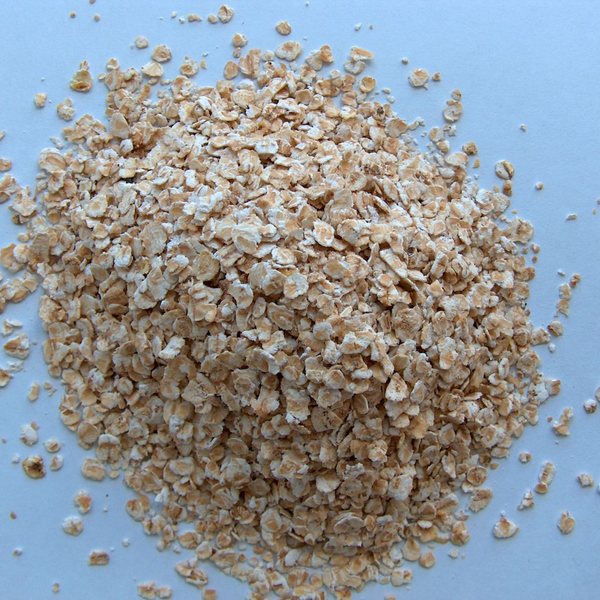
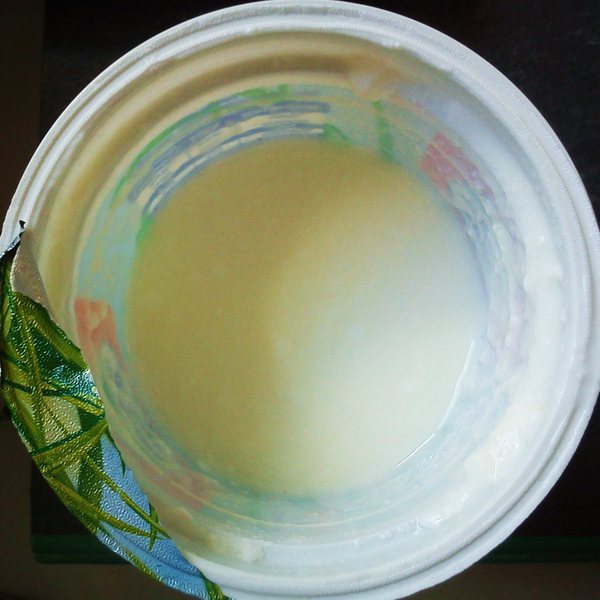
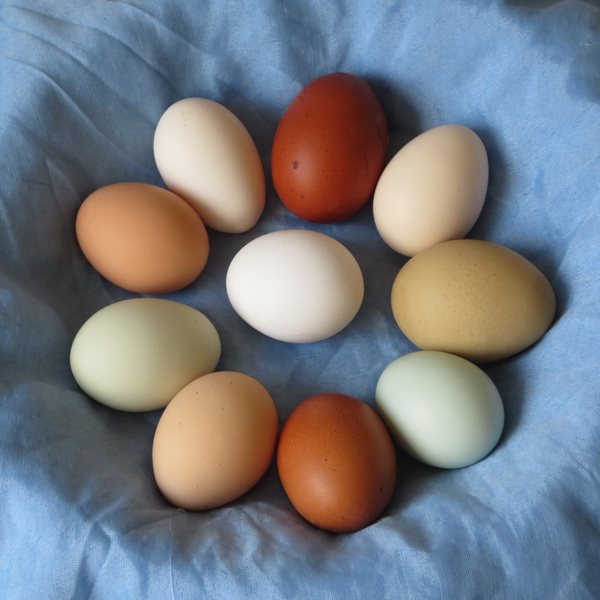
Also: butter (to taste, to serve), honey (to taste, optional), baking soda (½–1 tsp.), salt (½ tsp.)
Contains allergens: gluten, milk, eggs
Diet: vegetarian
Variant: wheat
wheat flour, soured milk, eggs, baking soda, salt, butter
Contains allergens: gluten, milk, eggs
Diet: vegetarian
Variant: potato, on cabbage leaves
potato, eggs, salt, black pepper, white cabbage (fresh leaves)
Contains allergens: eggs
Diet: vegetarian · gluten-free
Ingredients of the traditional recipe; every cook and every place may do it differently — please ask when ordering. We cannot guarantee the absence of allergens or traces.
How it is traditionally made
Serves: 4–8 flatbreads
- Oat flakes or oat flour — 500 g oat flour
- Soured milk — 250–400 ml, as needed for the dough
- Eggs — 1 pc.
- Baking soda — ½–1 tsp.
- Salt — ½ tsp.
- Butter — to taste
- Honey — to taste
- Mix the flour with salt and baking soda, and beat in the egg.
- Gradually pour in the sour milk and knead a soft but not sticky dough — similar to that for dumplings.
- Divide the dough into 4–8 parts and roll each into a cake about 1 cm thick.
- Bake on a dry, preheated cast-iron skillet or on the stove on both sides until the adzymka is browned and cooked through.
- For the potato variant, grate the potatoes, lightly squeeze them, add the egg, salt, and pepper, place the cakes on cabbage leaves, and bake in a hot oven until golden brown.
How it is served
Warm, with butter, honey, or mastyl; it pairs well with sour milk.
Variants
Oat adzymka was baked in high mountain villages, while wheat and rye versions were made in the valleys. Potato cakes on cabbage leaves are also called adzymka in some families.
The traditional method as described by our sources; every family does it its own way. We have not tested this recipe in a professional kitchen.
Where it is eaten
Historical Lemkivshchyna (now mostly in the Subcarpathian and Lesser Poland Voivodeships of Poland and Prešov Region in Slovakia) and places where Lemkos were resettled: Lviv Oblast, Ternopil Oblast, and in Poland — Warmia and Masuria. The area is approximate.
When it is eaten
| Jan | Feb | Mar | Apr | May | Jun | Jul | Aug | Sep | Oct | Nov | Dec |
|---|---|---|---|---|---|---|---|---|---|---|---|
Occasions: Everyday food
In tradition
Adzymka was a daily bread baked when there was no time to prepare leavened dough. Children eagerly awaited it hot, with butter, straight from the skillet.
FAQ
What is adzymka?
A plain Lemko flatbread without leavening: dough made with sour milk, baking soda, and an egg, baked on a skillet or stove. It was once made with oat flour.
What do you eat adzymka with?
Warm with butter, honey, or mastyl — a thick sauce made from flour in milk with an egg.
Why is adzymka in the 'Ark of Taste'?
Slow Food included it in the food heritage catalog that is at risk of extinction: adzymka is no longer sold in stores and is rarely baked at home.
Similar dishes and products
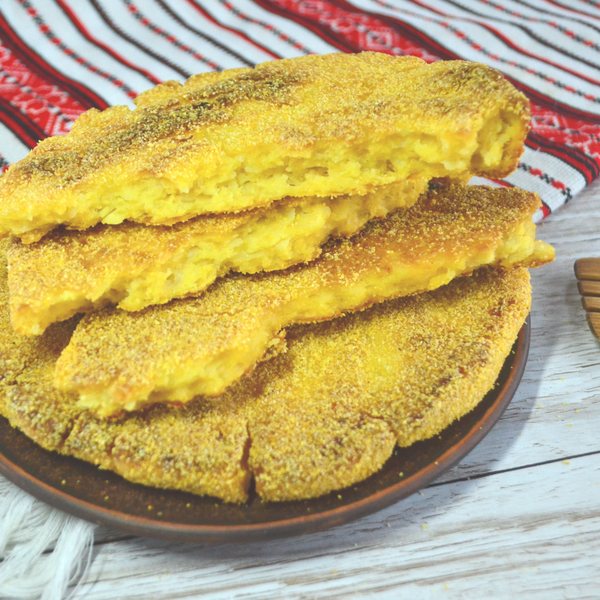
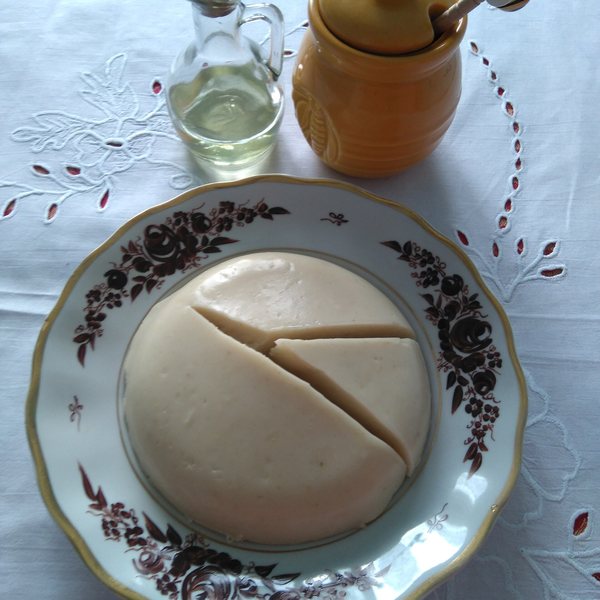
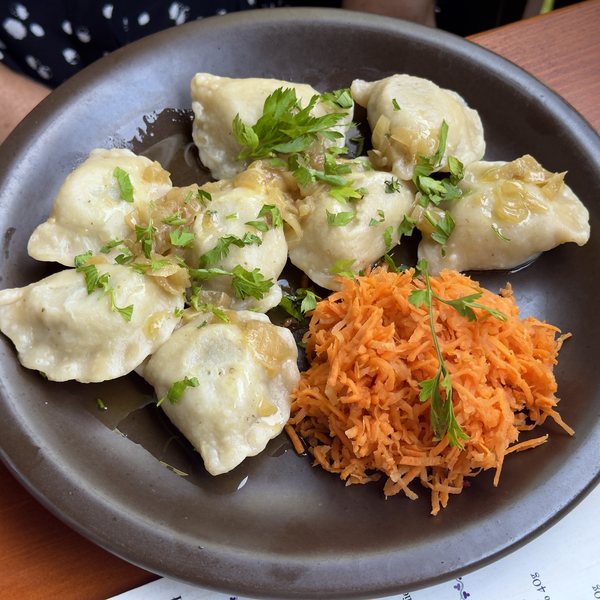
Relatives in the Carpathians and nearby
- podpłomyk, proziaki · Poland
a close tradition of plain flatbreads baked on the stove - малай · Ukraine
a close tradition: Hutsul corn flatbread
Sources
- Slow Food, Ark of Taste: Adzymka
- J. W. Madzelan. Our Daily Bread (лемківський хліб, lemko.org)
- Спадщина предків: Лемківські страви з гарячої кухні (Н. Кравчук, «Лемківська сторінка»)
Written by the Karpaty.rocks editors from the sources above. Checked 10.11.2026.
