Kysle moloko (soured milk)
What it is
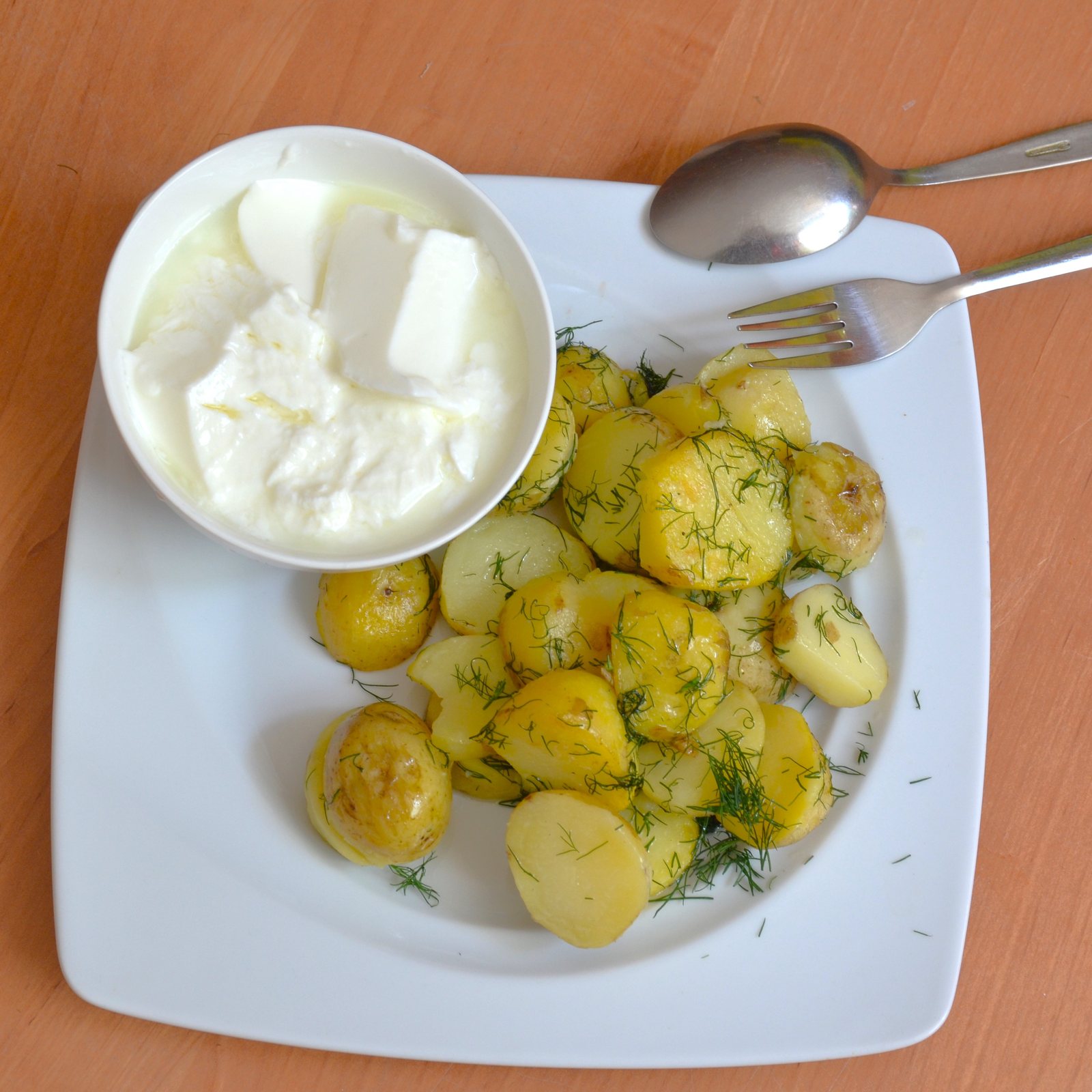
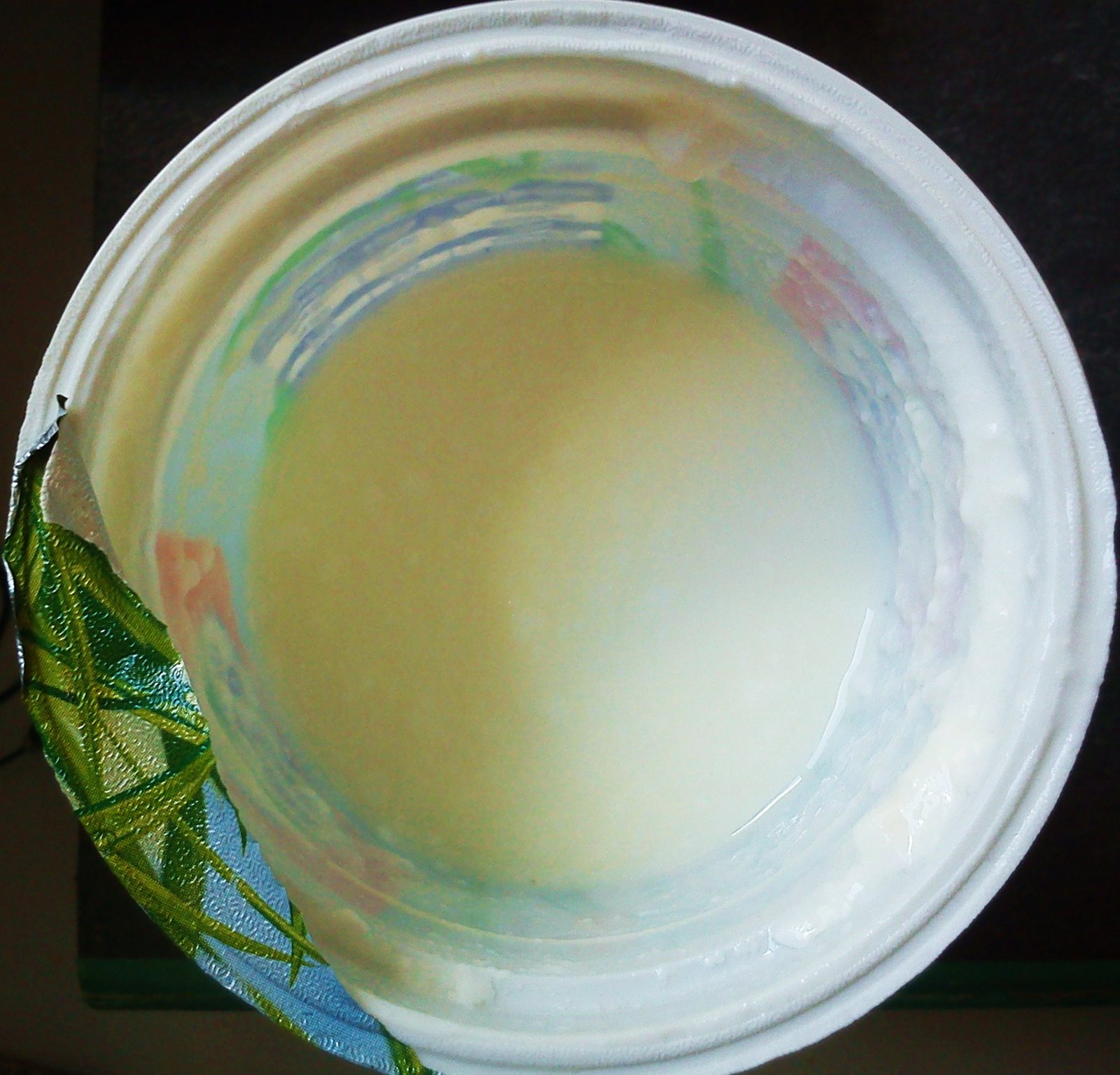
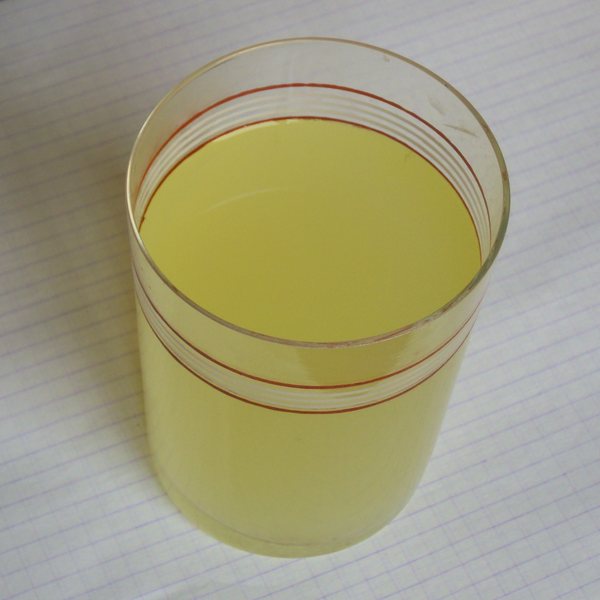
Kysle moloko, or kyslyak, is cow's milk that has soured on its own, without any separate starter culture: it becomes thick and sour due to lactic acid bacteria that are already present in the milk. Fresh milk is not boiled — the jug is simply left in a warm place.
In the book 'Boyko Cuisine' (Lviv, 2020), among ancient dishes, there is a mention of drucakana — mashed — potatoes, which were eaten hot 'with bread or with sour or sweet milk.' Sour, that is, kysle, milk is also included in Boyko recipes for dough and flatbreads.
The Hutsuls have their own sour milk product — huslianka: the milk for it is first boiled and then fermented. ZN.UA, describing Hutsul cuisine, notes that huslianka is similar to kysle moloko but has a distinctive taste. Thus, kyslyak and huslianka are relatives, but not the same.
History and name
Kyslyak is one of the oldest dairy products in Slavic cuisine; the Ukrainian Wikipedia lists its folk names: samokysh, samokys, sour milk. In the mountains, where cows were kept in almost every household, sour milk was a daily food, not a festive one.
Ingredients and allergens
Contains allergens: milk
Diet: vegetarian · gluten-free · no cooking
Ingredients of the traditional recipe; every cook and every place may do it differently — please ask when ordering. We cannot guarantee the absence of allergens or traces.
How it is made
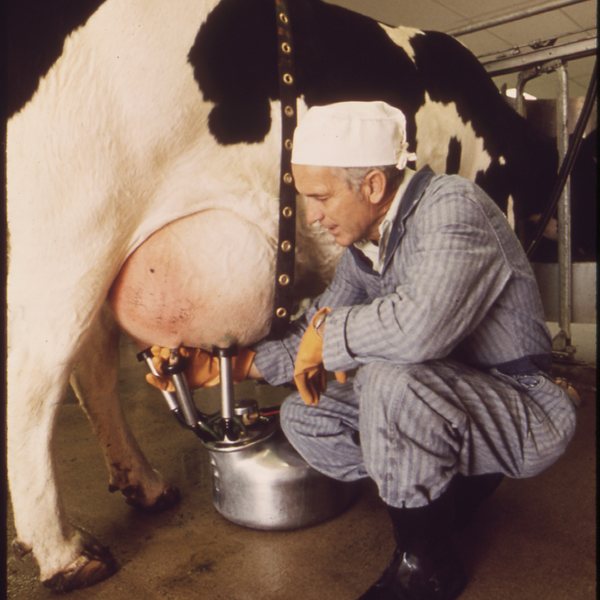
Fresh raw milk is poured into a clay jug or bowl and left in a warm place for one to two days until it thickens and becomes sour. Then, the kyslyak is placed in a cool environment.
Where it is eaten
All of Ukraine; in the Carpathians, the custom is recorded among the Boykos, while the Hutsuls more often make huslianka. The area is not limited to the mountains.
When it is eaten
| Jan | Feb | Mar | Apr | May | Jun | Jul | Aug | Sep | Oct | Nov | Dec |
|---|---|---|---|---|---|---|---|---|---|---|---|
Occasions: Everyday food
In tradition
Kysle moloko is a daily food for mountain families: it was drunk with potatoes, and used to knead dough for flatbreads.
Safety
Kyslyak made from raw milk is not recommended for pregnant women, small children, and people with weakened immune systems: raw milk may contain harmful bacteria. It contains milk (lactose).
FAQ
What is the difference between kysle moloko and huslianka?
Kyslyak is made from raw milk that has soured on its own. For huslianka, the milk is first boiled, cooled, and then fermented — it has a milder and distinctive taste.
What was kysle moloko eaten with in the Carpathians?
Among the Boykos, it was eaten with boiled mashed potatoes and bread; sour milk was also used to knead dough for flatbreads.
Similar dishes and products
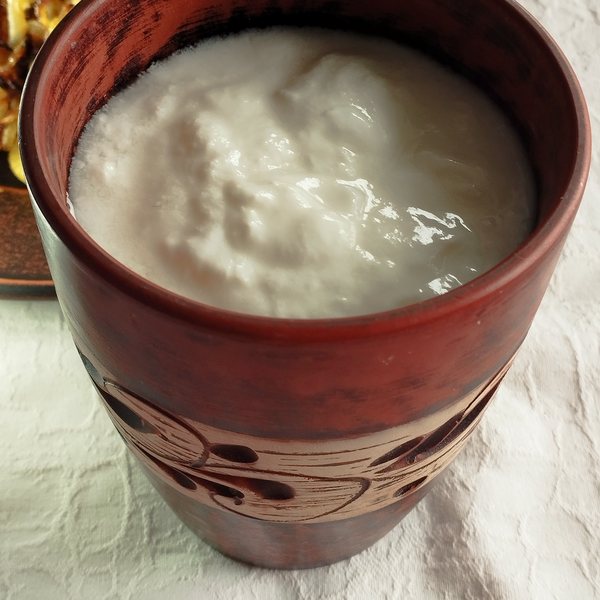
Relatives in the Carpathians and nearby
- zsiadłe mleko · Poland
similar tradition - kyslé mlieko · Slovakia
similar tradition - lapte acru · Romania
similar tradition
Sources
- «Бойківська кухня / Kuchnia Bojkowska» (Львів, 2020): книжка рецептів українсько-польського проєкту ГО «Асоціація гірських провідників “Ровінь”»
- Вікіпедія: Кисляк (молоко)
- ZN.UA: Смачна Гуцульщина (Т. Костенко, 15.04.2011)
Written by the Karpaty.rocks editors from the sources above. Checked 10.11.2026.
