Zhentytsia
What it is
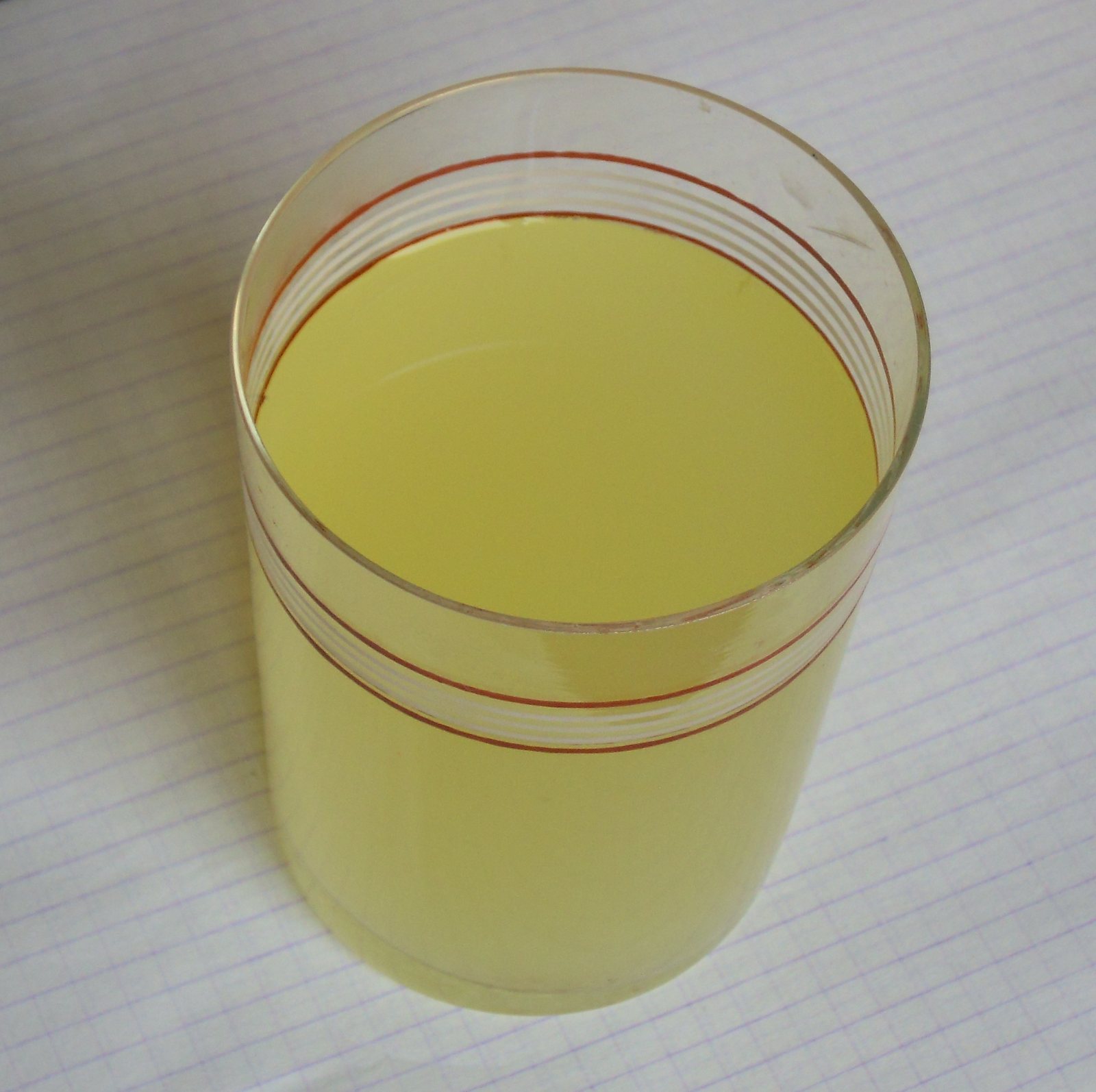
Zhentytsia is whey from sheep's milk, the liquid that remains when Budz is made on the polonyna. It still contains small traces of cheese. For one kilogram of Budz, 8–12 liters of milk are needed, so there is always plenty of whey on the polonyna.
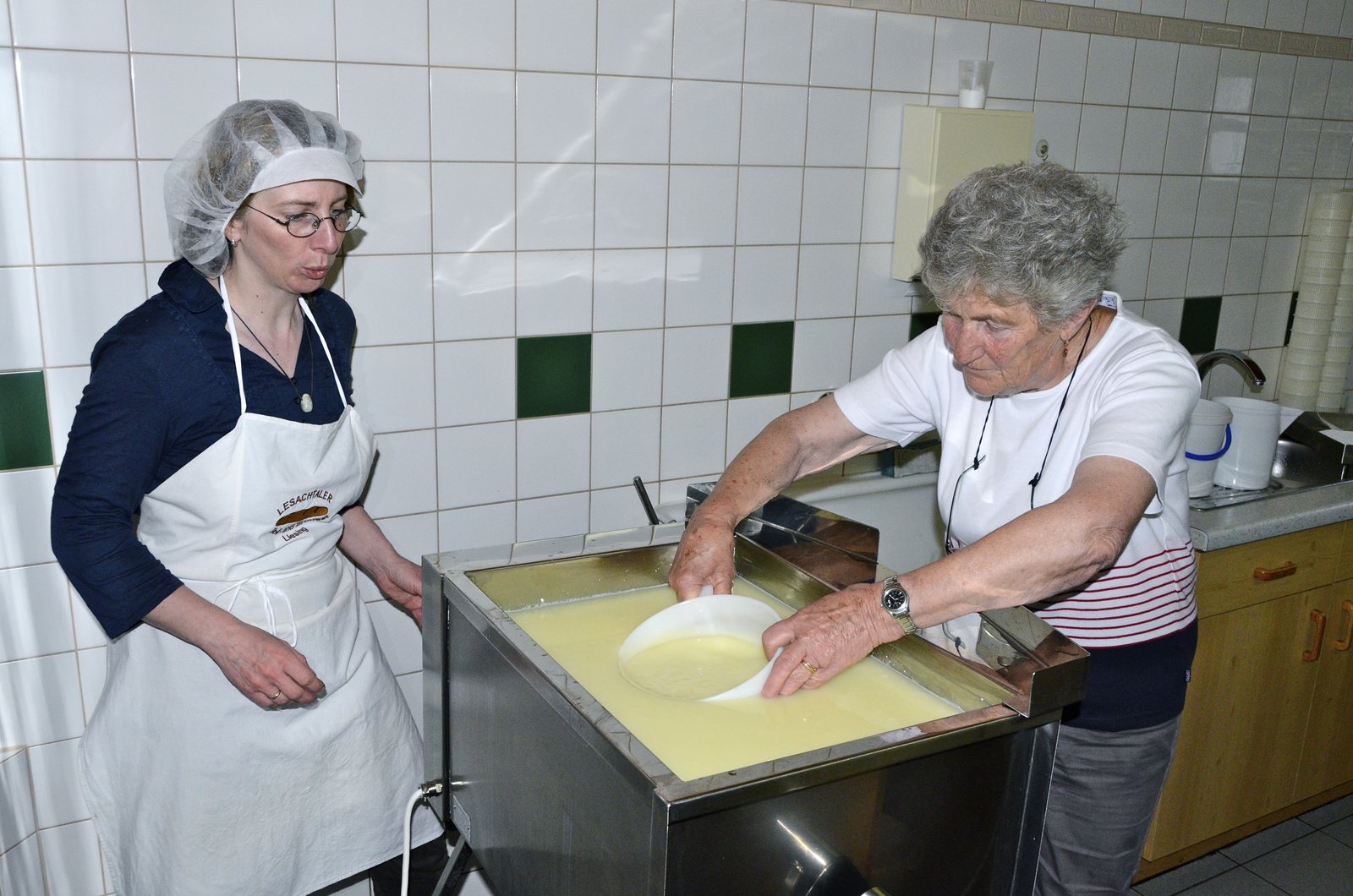
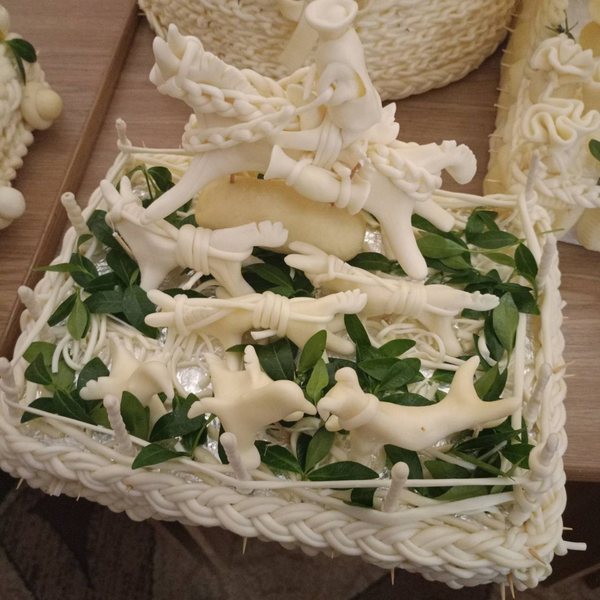
Nothing goes to waste on the polonyna: zhentytsia is heated, a little fresh milk is added, and delicate Vurda is made. In hot zhentytsia, sour cheese is boiled down to make it pliable — this is how Hutsuls shape cheese lambs, horses, and small cakes.
Zhentytsia is also drunk on its own — hot or chilled. Sheep zhentytsia is fattier than mixed cow-sheep whey.
The drink is known on both sides of the Carpathians: in the Polish mountains, it is called żentyca, and in Slovakia — žinčica.
History and name
The word 'zhentytsia' is recorded in the Dictionary of the Ukrainian Language by Borys Hrinchenko (1907–1909). Etymologists trace it, probably, from the Romanian jintiță — like many other shepherding words in the Carpathians.
Ethnographer Volodymyr Shukhevych described how shepherds boil cheese in zhentytsia to shape figurines. Today, zhentytsia is easiest to taste on active polonynas during the grazing season.
Ingredients and allergens
Contains allergens: milk
Diet: vegetarian · gluten-free · no cooking
Ingredients of the traditional recipe; every cook and every place may do it differently — please ask when ordering. We cannot guarantee the absence of allergens or traces.
How it is made
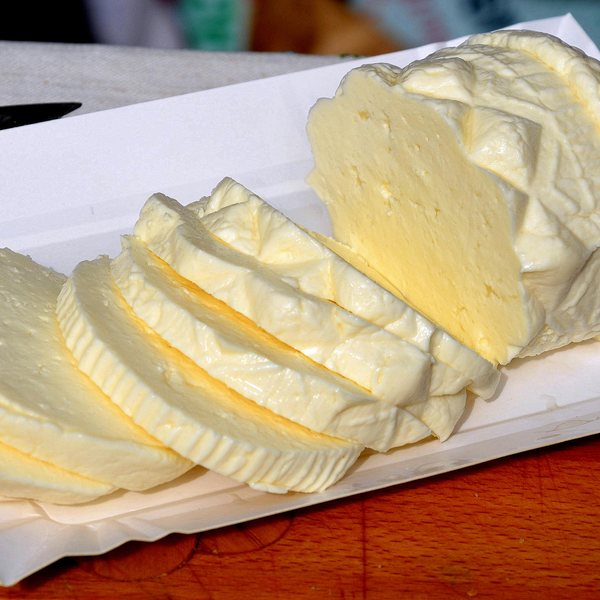
Sheep's milk is slightly warmed and curdled with rennet; the curd is collected in cloth — this is Budz, and the liquid that drains off is zhentytsia. Part of it is drunk fresh, while the rest is heated for Vurda: after making Vurda, almost clear whey remains.
Where it is eaten

The area is approximate and based on the sources below. The dish is cooked outside it too, and ethnographic borders are blurred.
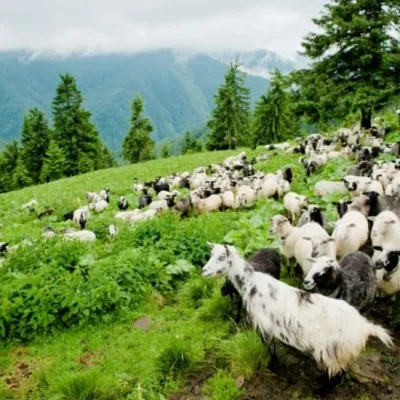
The polonynas of the Ukrainian Carpathians, where sheep are milked and Budz is made, are primarily in Rakhiv and the mountainous communities of Verkhovyna and Kosiv. The area is approximate.
When it is eaten
| Jan | Feb | Mar | Apr | May | Jun | Jul | Aug | Sep | Oct | Nov | Dec |
|---|---|---|---|---|---|---|---|---|---|---|---|
Occasions: Polonyna (May — September)
In tradition
Zhentytsia is part of the polonyna lifestyle: shepherds drink it, and it is used to prepare Vurda and cheese plastic.
Safety
Fresh zhentytsia from raw sheep's milk is unpasteurized: pregnant women, small children, and people with weak immune systems should preferably drink it only warmed.
FAQ
What is zhentytsia?
Sheep whey that remains after making Budz on the polonyna. It is used to make Vurda, and it is also drunk.
Is zhentytsia the same as Polish żentyca?
It is a related name for the same shepherding product on both sides of the Carpathians.
Where can I taste zhentytsia?
On active polonynas during the grazing season, from May to September — where sheep are milked and Budz is made.
Where to try and buy
Craft places and restaurants whose menu or description mentions this dish. Menus change — please check availability.
Similar dishes and products
Relatives in the Carpathians and nearby
- żentyca · Poland
related name: whey-drink of Polish shepherds from Podhale - žinčica · Slovakia
related name - jintiță · Romania
possible source of the name
Sources
- Вікіпедія: Жентиця
- ZN.UA: Смачна Гуцульщина (сир розварюють у жентиці — за В. Шухевичем)
- Вікіпедія: Будз (вурда із сироватки — жентиці)
Written by the Karpaty.rocks editors from the sources above. Checked 10.11.2026.
