Carpathian honey
What it is
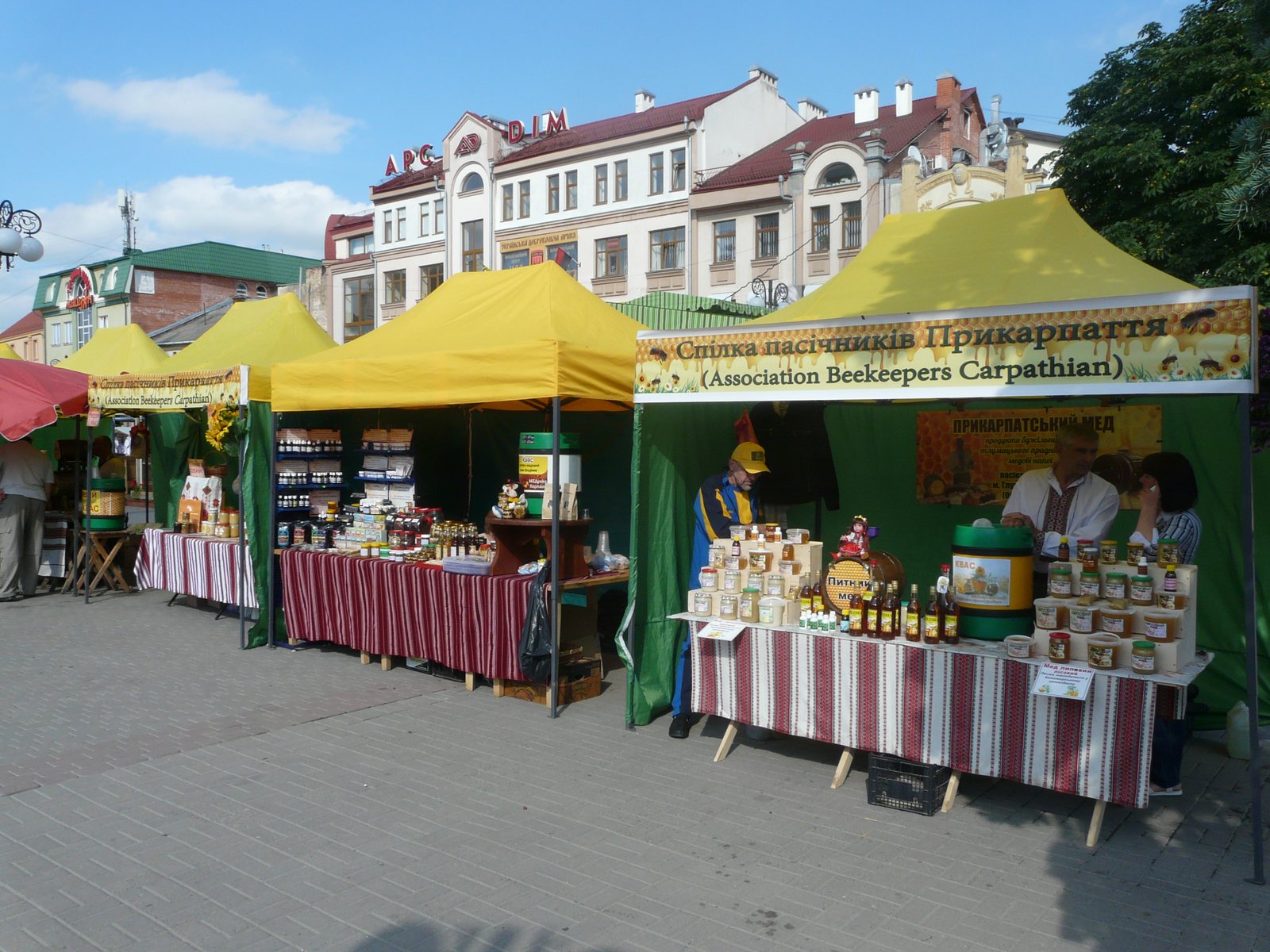
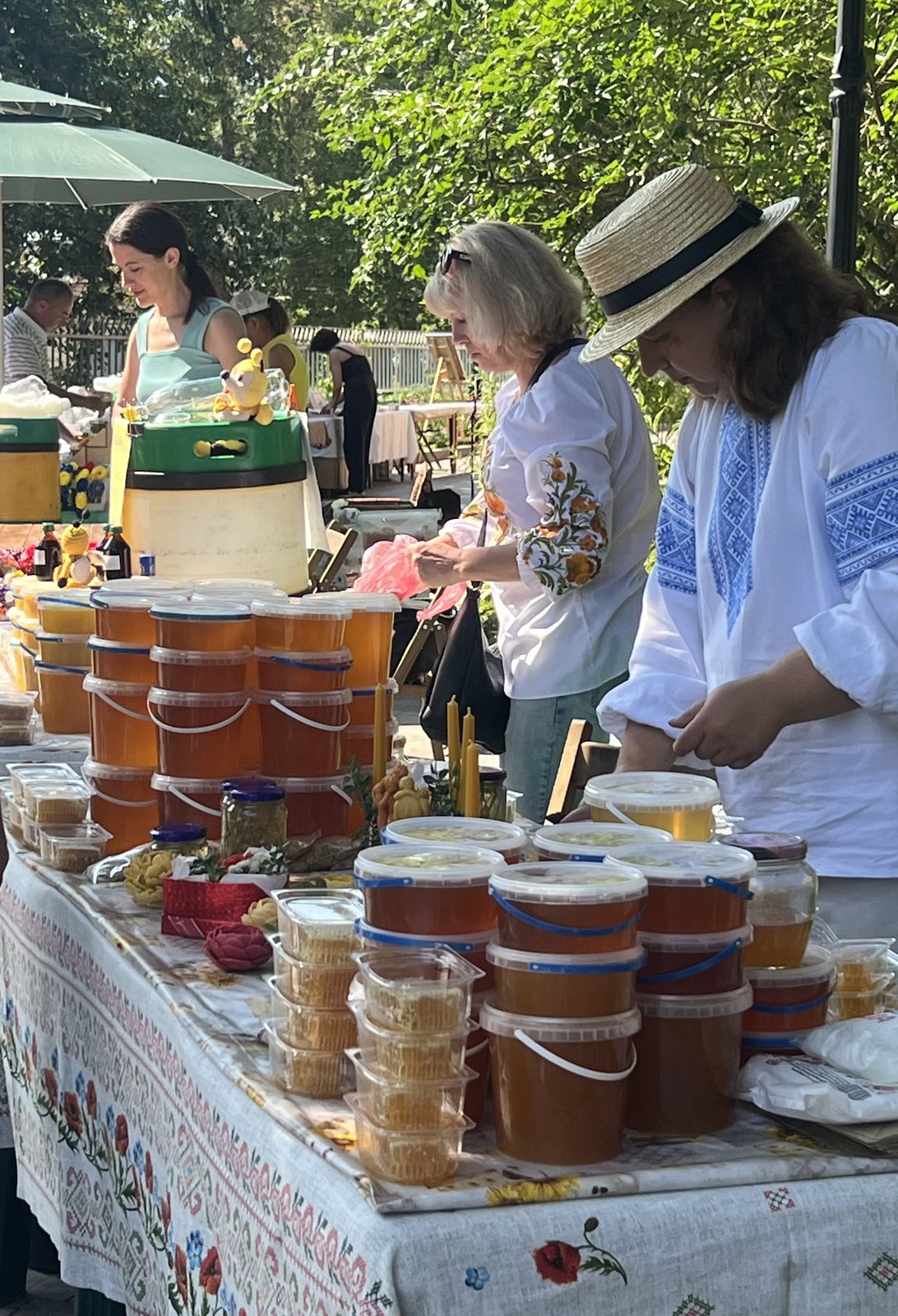
Carpathian honey is honey that bees collect from the flowers of mountain meadows, forest edges, gardens, and foothills of the Ukrainian Carpathians. It can be monofloral, when one plant predominates, or polyfloral, made from various herbs. Beekeepers distinguish between spring, summer, and autumn harvests: the color ranges from light amber to dark amber, and the aroma varies from floral to fruity.
A feature of the region is the Carpathian bee (Apis mellifera carpatica), a local breed adapted to harsh mountain winters and changeable weather. It is gentle, swarms infrequently, and works well during the early spring honey harvest.
Honey has long held a place on the Carpathian table: it is drizzled over festive bobalyky and kutia, served with varenyky and pancakes, and enjoyed with tea. During fasting, honey is permitted by church regulations.
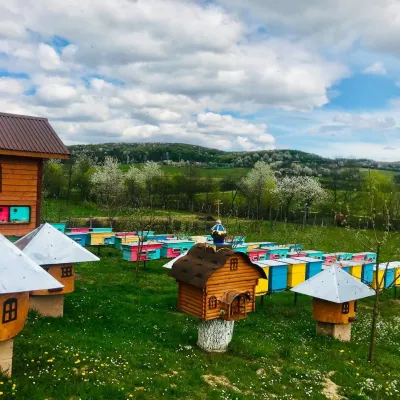
In Transcarpathia, beekeeping is particularly developed due to the mild climate, and many family apiaries are open to guests.
History and name
Beekeeping is an ancient craft in the Carpathians. The Carpathian bee has developed as an indigenous breed of mountainous areas and foothills; due to its qualities, it has been spread far beyond the Carpathians, while the local gene pool in the mountains suffers from crossbreeding with imported bees.
For the name 'Honey of Transcarpathia / Transcarpathian Honey', the Ministry of Economy prepared a specification for geographical indication back in 2021. We did not find final confirmation of registration in official sources, so we do not present honey as a product with protected designation.
Legend: Mountain honey cures all diseases.
In fact: Honey is a valuable food product, but not a medicine. We do not attribute medical properties to it.
Ingredients and allergens
Contains allergens: none of the 14 major allergens in the traditional recipe
Diet: lenten · vegetarian · gluten-free · no cooking
Ingredients of the traditional recipe; every cook and every place may do it differently — please ask when ordering. We cannot guarantee the absence of allergens or traces.
How it is made
Beekeepers place hives near gardens, meadows, and forests, and some families are taken to mountain pastures during flowering. Honey is extracted from sealed honeycombs using a honey extractor, filtered, and allowed to settle; it requires no thermal processing.
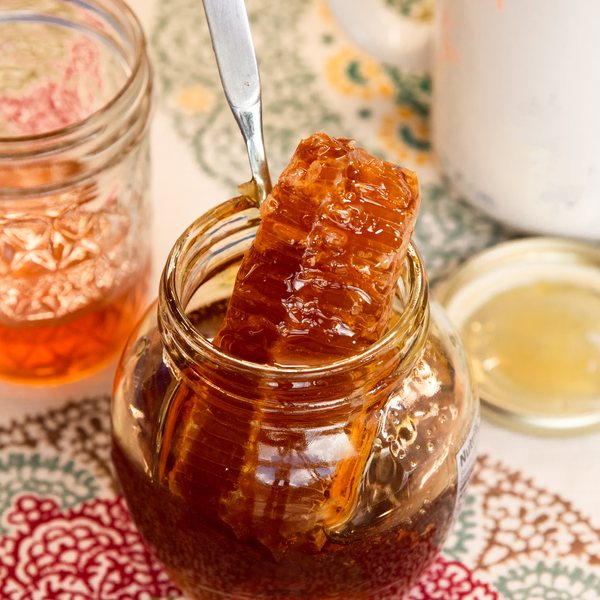
The color and taste depend on the season and plants: the spring harvest is early and light; the summer harvest comes from meadows and forest herbs; the autumn harvest is darker. Over time, natural honey crystallizes — this is a normal property of the product.
Video 2
 Звідки береться мед? Повний шлях карпатського медуСело і бджоли

Where it is eaten
All Ukrainian Carpathians and foothills; the most developed beekeeping is in Transcarpathia. The area is approximate.
When it is eaten
| Jan | Feb | Mar | Apr | May | Jun | Jul | Aug | Sep | Oct | Nov | Dec |
|---|---|---|---|---|---|---|---|---|---|---|---|
Occasions: Everyday food · Christmas Eve · Harvest
In tradition
Honey is a must on Christmas Eve: it is used to dress kutia and drizzled over bobalyky. Honey is given as a gift and placed on the festive table as a sign of abundance.
Safety
Honey should not be given to children under one year old. People with allergies to bee products should be cautious.
FAQ
What is the Carpathian bee?
A local breed of honey bee (Apis mellifera carpatica), adapted to mountain conditions: winter-hardy, gentle, and works well during the early honey harvest.
Does Transcarpathian honey have geographical indication?
For the name 'Honey of Transcarpathia / Transcarpathian Honey', registration for geographical indication was prepared, but we did not find confirmation of a registered certificate. Therefore, we do not apply such a designation.
Why does honey crystallize?
This is a natural property of natural honey; the speed depends on the nectar composition and storage temperature.
Where to try and buy
 Honey & meaderiesLendel family breeding apiary, ZahattiaTranscarpathian regionThe Lendel family apiary in Zahattia is a family breeding farm where Anatolii and Maria Lendel have been raising and...
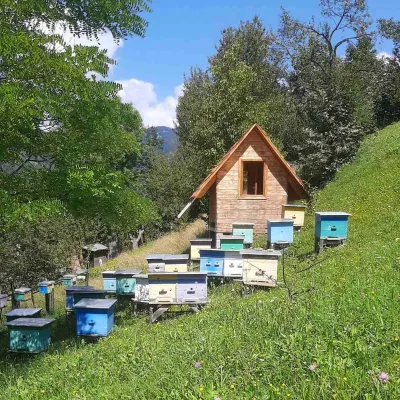 Craft producersRoman Boichuk's apiary, RakhivRakhivRoman Boichuk's apiary is a small mountain beekeeping business in Rakhiv, the heart of Transcarpathia's Hutsul country.
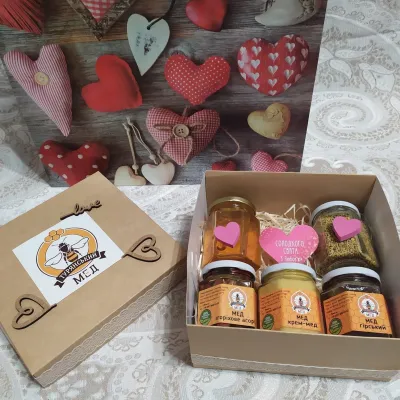 Honey & meaderiesTurianskyi Med Apiary, Turia RemetaTuri RemetyTurianskyi Med («Turia Honey») is the family apiary of Myroslava and Viktor Minkovych in Turia Remeta, a picturesque...
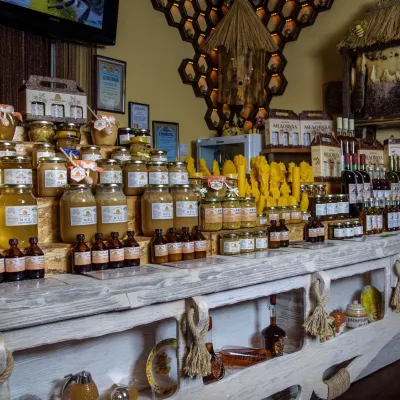 Honey & meaderiesHoney House Tasting Hall, MukachevoMukachevoThe Honey House (Medovyi Dim) is one of the first honey tasting halls in Zakarpattia.
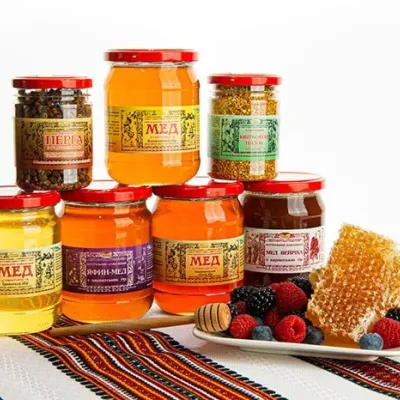 Craft producersMed Karpat apiary, KhustKhustMed Karpat is the Papp family's beekeeping business in Khust, with a history of more than forty years.
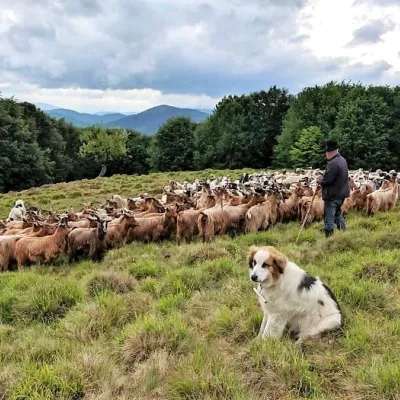 Cheese dairies & pasturesVivcharskyi Khutir Sheep Farm, Synevyrska PolianaSynevyrska Polyana"Vivcharskyi Khutir" ("Shepherd's Homestead") is an ethno-centre and sheep farm in Synevyrska Poliana, near Lake...
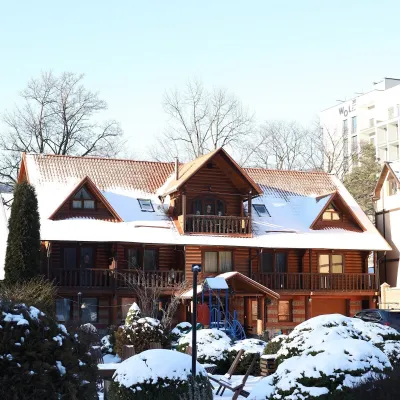 Koliby & Hutsul cuisineKrasna Sadyba Koliba, YaremcheYaremcheKrasna Sadyba in Yaremche is one of the town’s busiest places to eat: it has almost seven and a half thousand reviews...
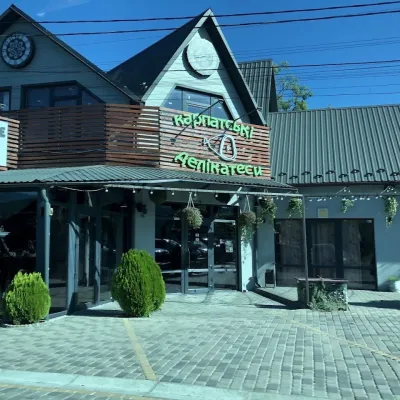 Craft shopsKarpatski Delikatesy farm shop, YaremcheYaremcheKarpatski Delikatesy (“Carpathian Delicacies”) is one of the largest shops of local products in Yaremche, right on...
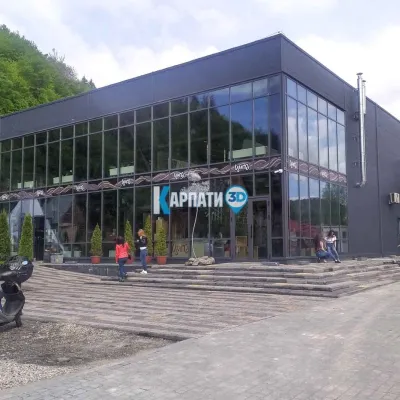 Craft beer & breweriesTsypa Brewery, KvasyKvasyThe Tsypa Hutsul craft brewery in Kvasy is probably the best-known brewery in the Ukrainian Carpathians.
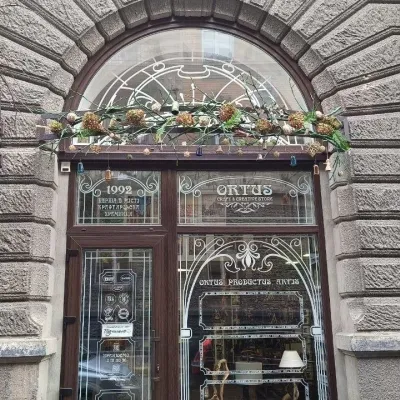 Craft shopsOrtus craft and souvenir shop, Ivano-FrankivskIvano-FrankivskOrtus is a small but densely packed shop of craft products and souvenirs in the very heart of Ivano-Frankivsk, at 9...
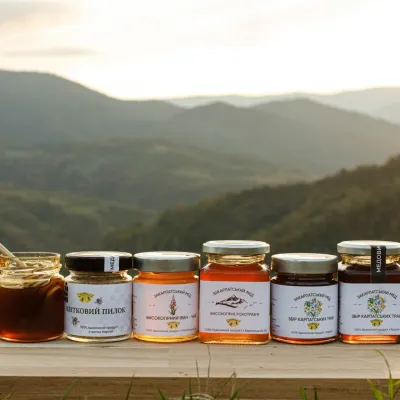 Craft producersMedovyi Krai bee-breeding farm, Velyki LuchkyUzhhorodMedovyi Krai (“Honey Land”) is a family honey brand from Zakarpattia and at the same time a breeding farm for the...
 HotelSlaviraSlavskeHot tubPoolSauna
Craft places and restaurants whose menu or description mentions this dish. Menus change — please check availability.
Similar dishes and products
Relatives in the Carpathians and nearby
- miód spadziowy z Beskidu Wyspowego · Poland
a close tradition of Carpathian beekeeping, protected EU designation
Sources
- Вікіпедія: Карпатська бджола
- Вікіпедія: Закарпатський мед
- Економічна правда: Мінекономіки готує до реєстрації географічні зазначення (2021)
- ZAXID.NET: Україна планує зробити карпатський мед географічним брендом
Written by the Karpaty.rocks editors from the sources above. Checked 10.11.2026.
