Plum lekvar
What it is
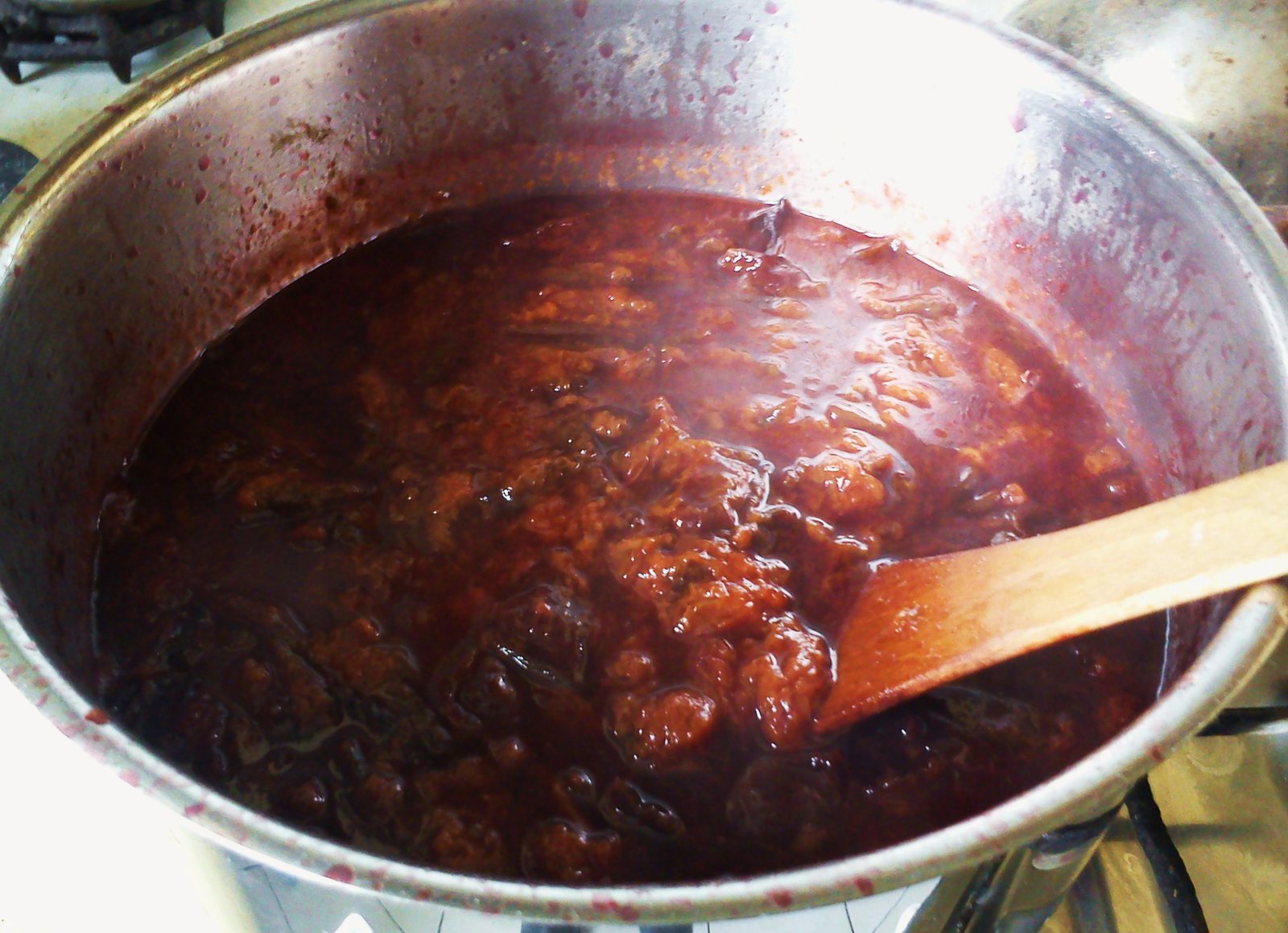
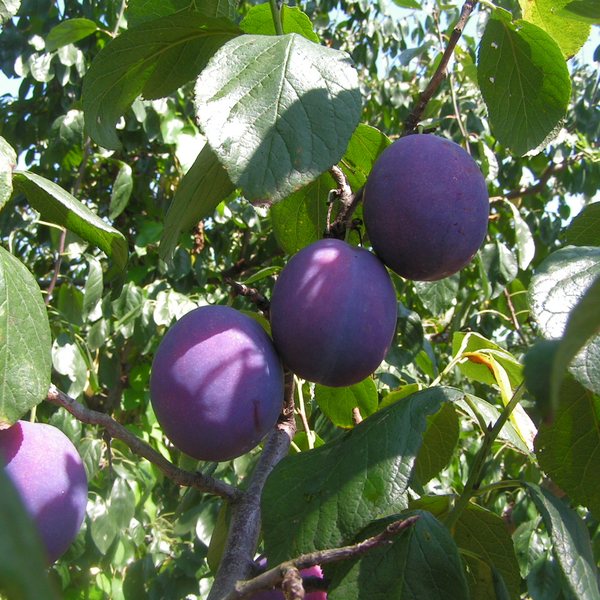
Lekvar is a Transcarpathian plum jam made without any sugar. Plums — mainly varieties 'Hungarian', 'Bistritsa' or the local 'Nemtudom' — are boiled for so long that even the skin dissolves, resulting in a homogeneous, very thick and dark, almost black mass with a prunes aroma. Depending on the variety, lekvar can be sweeter or more sour.
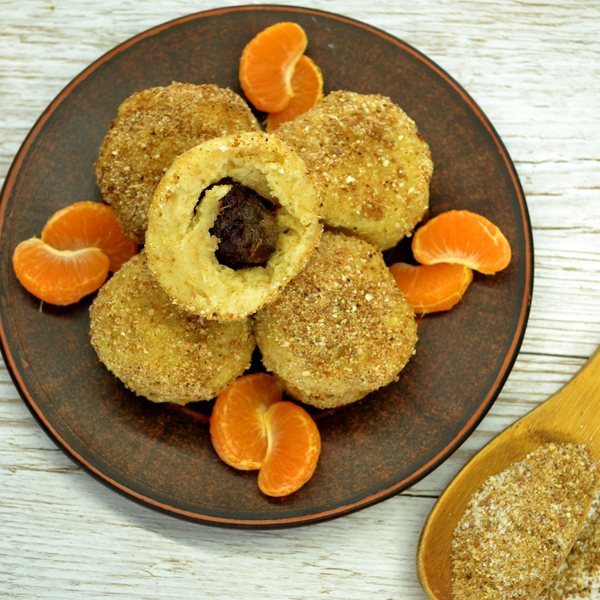
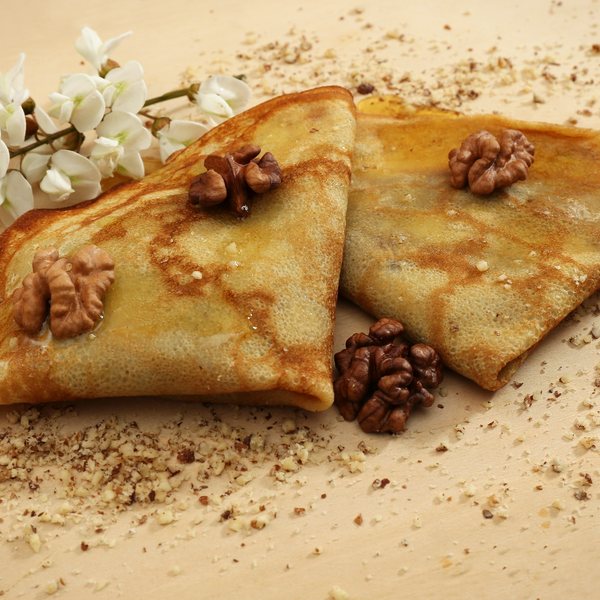
Lekvar can be stored for years, so it was eaten all year round: simply spread on homemade bread with tea or milk, in Hombovtsi, pancakes, pies, and rolls. It was even added to homemade sausage and meat dishes.
The tradition of making lekvar has best survived in the Hungarian villages of Transcarpathia, although it is known throughout the region — from the lowlands to the mountains. In 2022, not the product itself, but the 'tradition of preparation and culture of consumption' — a joint family effort around the cauldron — was included in the National Register of Intangible Cultural Heritage.
Lekvar is one of the few Carpathian products officially recognized as an element of heritage.
History and name
Lekvar has been known in Transcarpathia since the early 19th century when fruit orchards spread in peasant households and plums grew in almost every yard. The name comes from the Hungarian lekvár — 'jam, preserve'.
Lekvar has also entered folk sayings: 'fell into lekvar' refers to a person who has disappeared or is bogged down in work, and 'stretches like lekvar in the cold' describes slow people. Until 2019, a lekvar festival was held in the village of Hecha in Berehove district, where the Hungarian community lives compactly.
Intangible heritage of Ukraine. Element of the National Inventory of the Intangible Cultural Heritage of Ukraine: Сливовий леквар – традиція приготування та культура споживання на Закарпатті (No. 050н.к.с., наказ Мінкульту № 269 від 25.07.2022). Sources
Ingredients and allergens
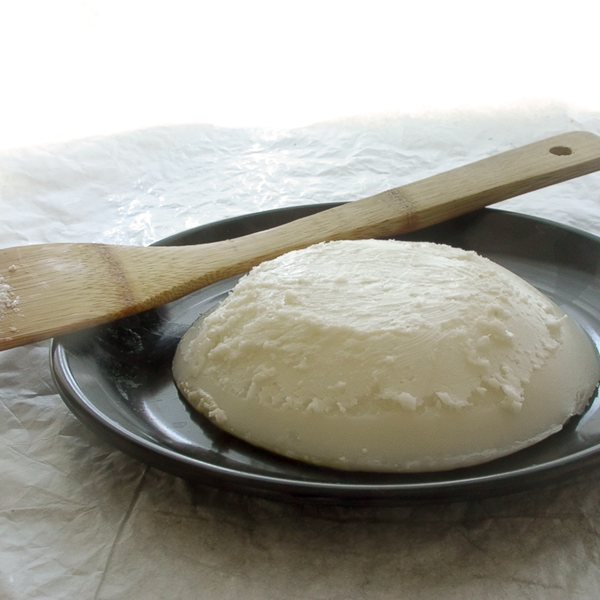
Contains allergens: none of the 14 major allergens in the traditional recipe
Diet: vegan · gluten-free · no cooking
Ingredients of the traditional recipe; every cook and every place may do it differently — please ask when ordering. We cannot guarantee the absence of allergens or traces.
How it is made
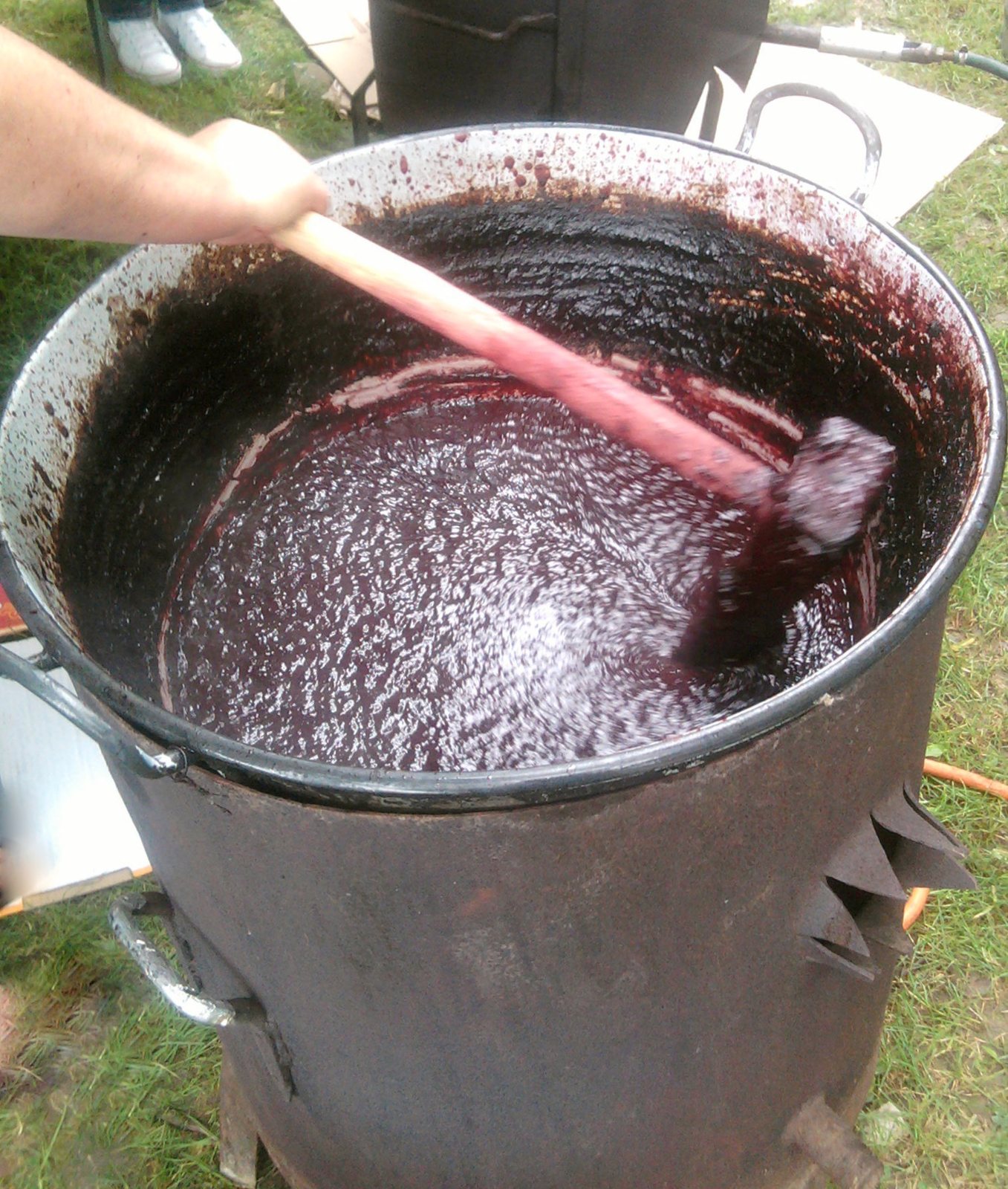
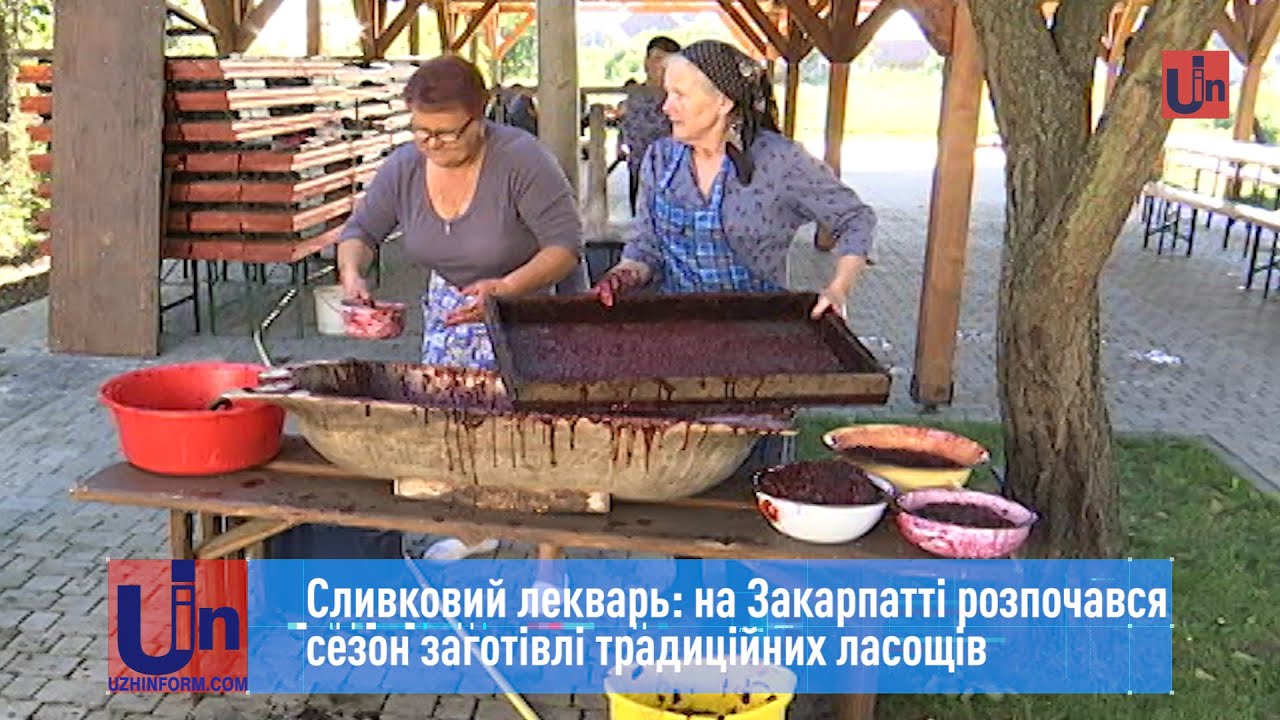
Plums are shaken onto a spread cloth, washed, and pitted — usually, women and children do this. Meanwhile, men set up a 'sersama' (from Hungarian — 'device') in the garden: a stove with a large copper cauldron and a stirring paddle. The walls of the cauldron are traditionally greased with lard to prevent the first batch from sticking.
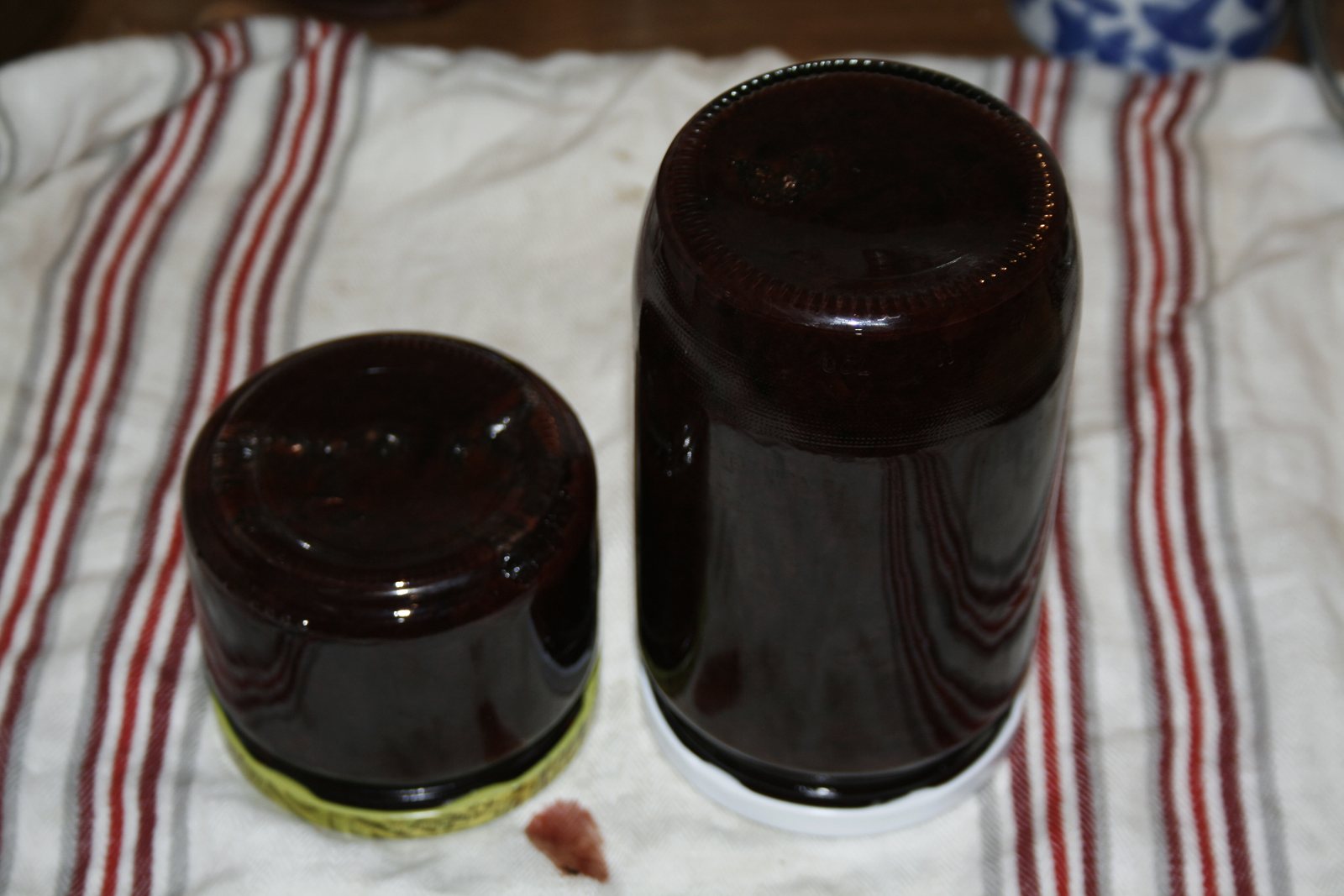
Plums are boiled over an open fire, continuously stirring until the mass thickens. Depending on the amount of plums, this takes from eight hours to a day and a half. The thicker the lekvar, the better it is considered. The finished lekvar is poured into jars and baked in the oven until a skin forms, then covered with a cloth and stored in a cellar or attic for several years.
Video 2
 Сливковий лекварь: на Закарпатті розпочався сезон заготівлі традиційних ласощівPro Zahid

Where it is eaten

The area is approximate and based on the sources below. The dish is cooked outside it too, and ethnographic borders are blurred.
According to the description of the element of the ICH — the villages of Bene, Hecha, Botar, and other settlements in the Transcarpathian region; the tradition has best survived in the Hungarian villages of Berehove district. The area is approximate.
When it is eaten
| Jan | Feb | Mar | Apr | May | Jun | Jul | Aug | Sep | Oct | Nov | Dec |
|---|---|---|---|---|---|---|---|---|---|---|---|
Occasions: Harvest · Festivals · Everyday food
In tradition
Making lekvar is an autumn event that brings together the whole family and neighbors: someone shakes the plums, someone cleans them, and someone stirs for hours. Today, public lekvar-making events are also held in Transcarpathia for volunteer fundraising.
FAQ
What is lekvar?
Thick plum jam without sugar, which is boiled in a cauldron outdoors in Transcarpathia for eight hours to a day and a half.
How does lekvar differ from regular jam?
It contains no sugar, and the plums are boiled so long that the mass becomes almost black and very thick. Because of this, lekvar can be stored for years.
Is lekvar included in the intangible heritage?
Yes, in 2022: 'Plum lekvar – tradition of preparation and culture of consumption in Transcarpathia', protection number 050n.k.s.
What is lekvar eaten with?
Spread on bread, in Hombovtsi, pancakes, pies, and rolls, as well as with meat.
Where to try and buy
 Wine & tastingsUhochanskyi Smak Lekvar Tasting Hall, BotarBotarIn the village of Botar in the Berehove area, close to the Hungarian border, the Uhochanskyi Smak tasting hall is the...
 Cheese dairies & pasturesMilki Way cheese shop & café, MukachevoMukachevoMilki Way is a cheese shop with a small café in Mukachevo, at 15 Uzhhorodska Street.
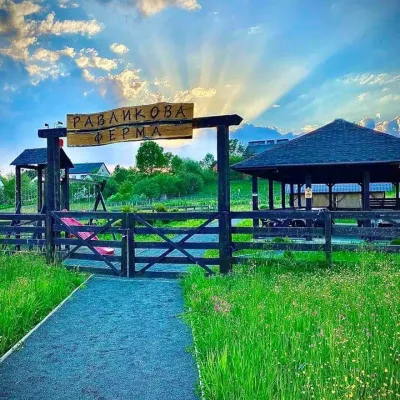 Eco farmsSnail Farm, Nyzhnie SelyshcheNyzhnie SelyshcheThe snail farm in Nyzhnie Selyshche is one of the first snail farms in Ukraine and the first in Zakarpattia.
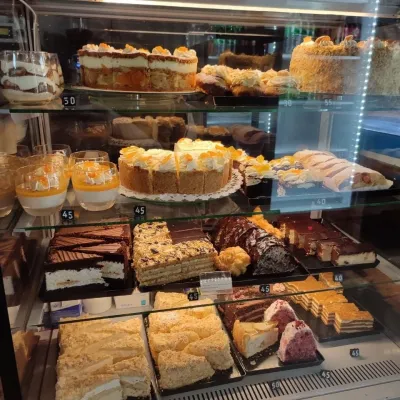 Craft producersMirella confectionery, SvaliavaSvalyavaMirella is a café-patisserie in Svaliava founded by pastry chef Myroslava Holonych.
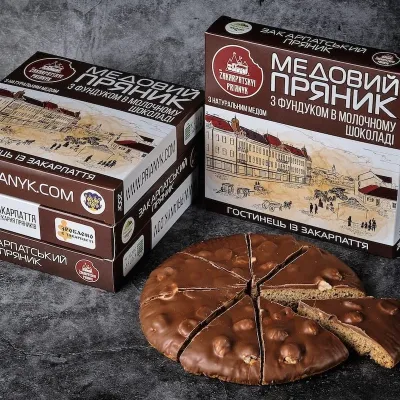 Craft producersZakarpatskyi Prianyk gingerbread, UzhhorodUzhhorodZakarpatskyi Prianyk (“Transcarpathian gingerbread”) is a family bakery in Uzhhorod that has been baking honey-ginger...
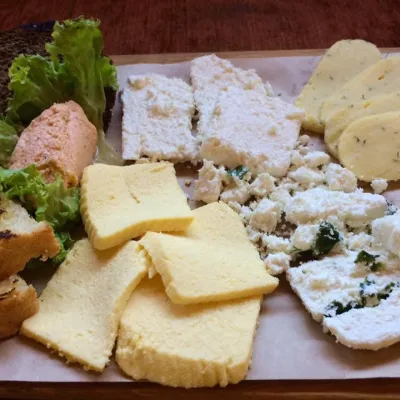 Eco farmsCsiga-Biga “Merry Stable” Farm, Velykyi BereznyiVelykyi BereznyiVesela Stainia Csiga-Biga (“The Merry Stable”) is a small family farm in the town of Velykyi Bereznyi in the Uzh valley.
Craft places and restaurants whose menu or description mentions this dish. Menus change — please check availability.
Similar dishes and products
Relatives in the Carpathians and nearby
- szilvalekvár · Hungary
family name - magiun de prune (Topoloveni) · Romania
similar tradition, protected EU designation - povidla · Czechia
similar tradition
Sources
- Національний перелік елементів НКС України (станом на 16.07.2025), № 050н.к.с.
- Укрінформ: Закарпатський леквар допомагає збирати на дрони
- Вікіпедія: Леквар
- Varosh: Сливовий леквар внесли до переліку НКС України
Written by the Karpaty.rocks editors from the sources above. Checked 10.11.2026.
