Slyvovytsia and palenka (fruit brandy)
18+Excessive alcohol consumption is harmful to your health
Strong spirits are part of the tradition, so we tell their history, not how to make them. Adults only (18+).
What it is
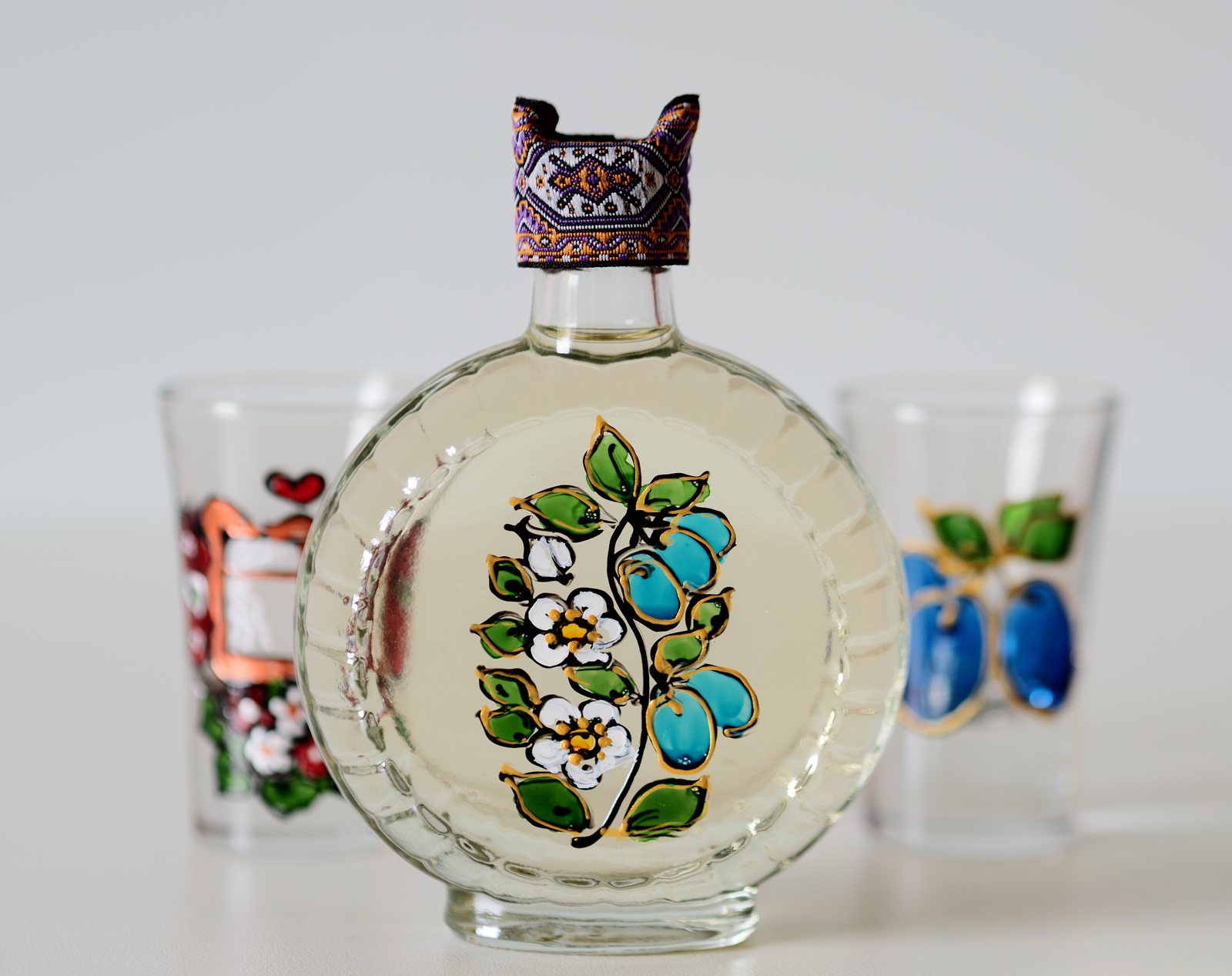
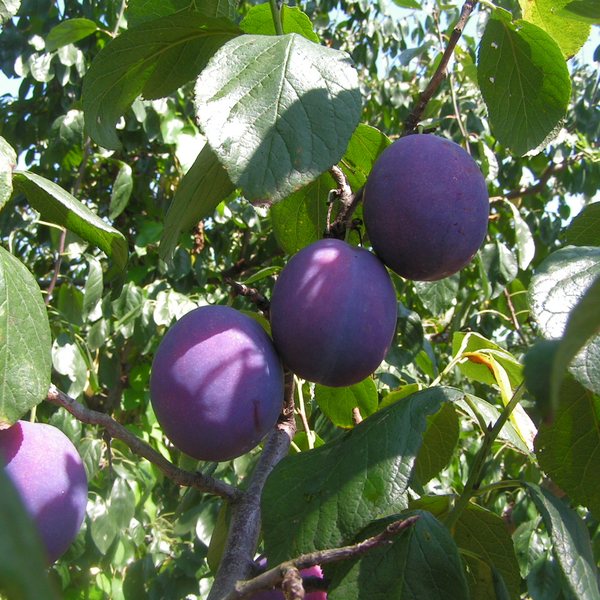
Palenka (palinka) — this is how strong fruit brandy is called in Transcarpathia, traditionally distilled from plums, pears, apples, apricots, or grapes. The most famous variety is Slyvovytsia, or Sliwowica, made from fermented plum juice and pulp.
The tradition of palenka is common throughout the Carpathian-Danube region: Hungarian pálinka, Slovak and Czech slivovica, Serbian and Bosnian rakija-šljivovica, Romanian țuică and pălincă. In Transcarpathia, it is connected with the culture of gardening: every yard had plums, and from the harvest, both lekvar and palenka were made.
Palencharchstvo — distillation — researchers from Uzhhorod University consider it part of the festive life of the region: guests were treated with palenka, it was placed on wedding tables, and offered during autumn work.
This page tells only about the history and tradition. We do not provide recipes, do not suggest where to buy, and do not encourage alcohol consumption. Content for adults.
History and name
The name 'palinka' in Hungary is associated with the Slavic root 'paliti' — meaning 'to burn', to distill; initially, it referred to grain brandy, later to fruit brandy. The first Hungarian mentions of palinka date back to the early 14th century. In 2004, the EU secured the name pálinka for Hungary and four provinces of Austria.
In Transcarpathia, the words 'palenka' and 'slyvovytsia' have been used for a long time; Wikipedia directly names Transcarpathia among the regions where palinka is prevalent.
Legend: Slyvovytsia and palenka cure colds and 'cleanse' the body.
In fact: There are no medical grounds for this. Alcohol is not medicine.
Ingredients and allergens
Contains allergens: none of the 14 major allergens in the traditional recipe
Ingredients of the traditional recipe; every cook and every place may do it differently — please ask when ordering. We cannot guarantee the absence of allergens or traces.
How it is made
Slyvovytsia and other palenki are obtained by distilling fermented fruit juice with pulp. We consciously do not provide the production technology: the manufacture and sale of alcoholic beverages are regulated by law.
Where it is eaten
Transcarpathia — particularly horticultural lowland and foothill communities with Hungarian, Rusyn, Slovak, and Ukrainian populations. The area is approximate.
When it is eaten
| Jan | Feb | Mar | Apr | May | Jun | Jul | Aug | Sep | Oct | Nov | Dec |
|---|---|---|---|---|---|---|---|---|---|---|---|
Occasions: Harvest · Weddings · Christmas
In tradition
Palenka was part of Transcarpathian hospitality and ceremonial tables — weddings, christenings, harvest festivals. In Ukraine, the production and sale of alcoholic beverages are regulated by law.
Safety
18+. Alcohol is harmful to health. Do not consume while driving, during pregnancy, and breastfeeding. Do not buy alcohol of unknown origin: homemade drinks may contain dangerous impurities, including methanol.
FAQ
What is the difference between palenka and slyvovytsia?
Palenka (palinka) is a general name for fruit brandy made from various fruits; slyvovytsia is palenka made specifically from plums.
What is the origin of the word 'palinka'?
In Hungarian, it is associated with the Slavic root 'paliti' — to burn, to distill.
Is there a recipe for slyvovytsia on the site?
No. We only tell the history and tradition of alcoholic beverages, without recipes or advice on where to buy.
Where to taste: tasting rooms and wineries
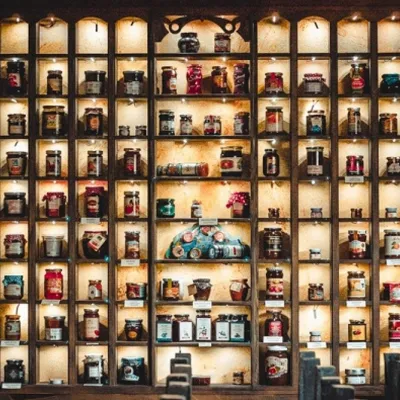
Only our checked craft tasting rooms and wineries. 18+ · Drink responsibly. Excessive alcohol consumption is harmful to your health.
Similar dishes and products

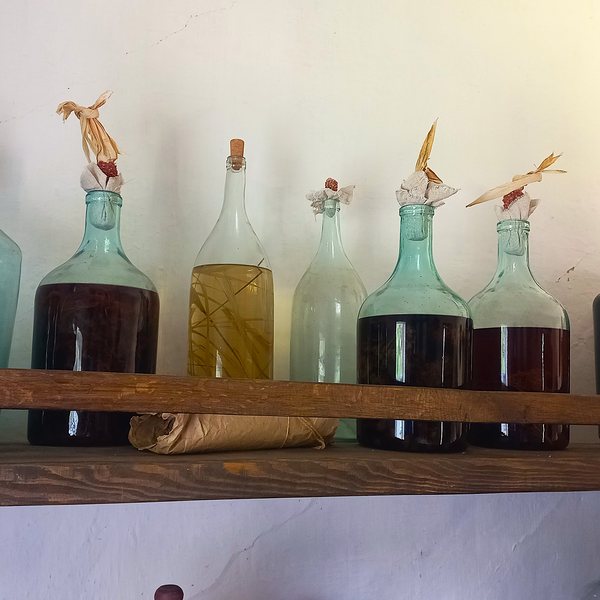
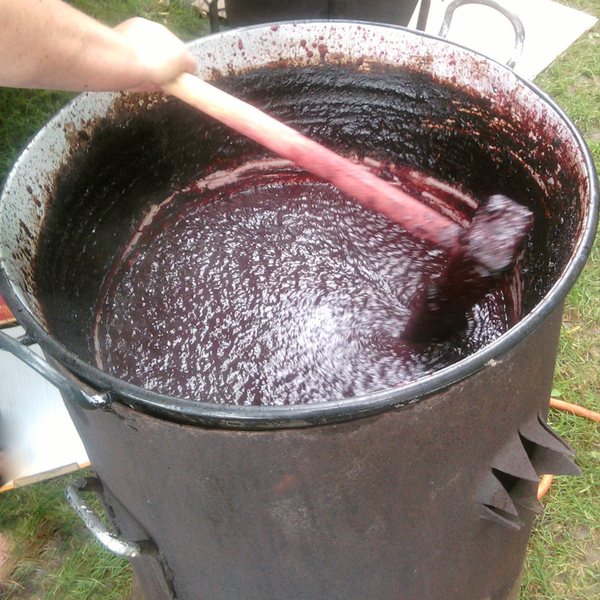
Relatives in the Carpathians and nearby
- pálinka · Hungary
family name; protected designation in the EU - slivovica · Slovakia
close tradition - țuică / pălincă · Romania
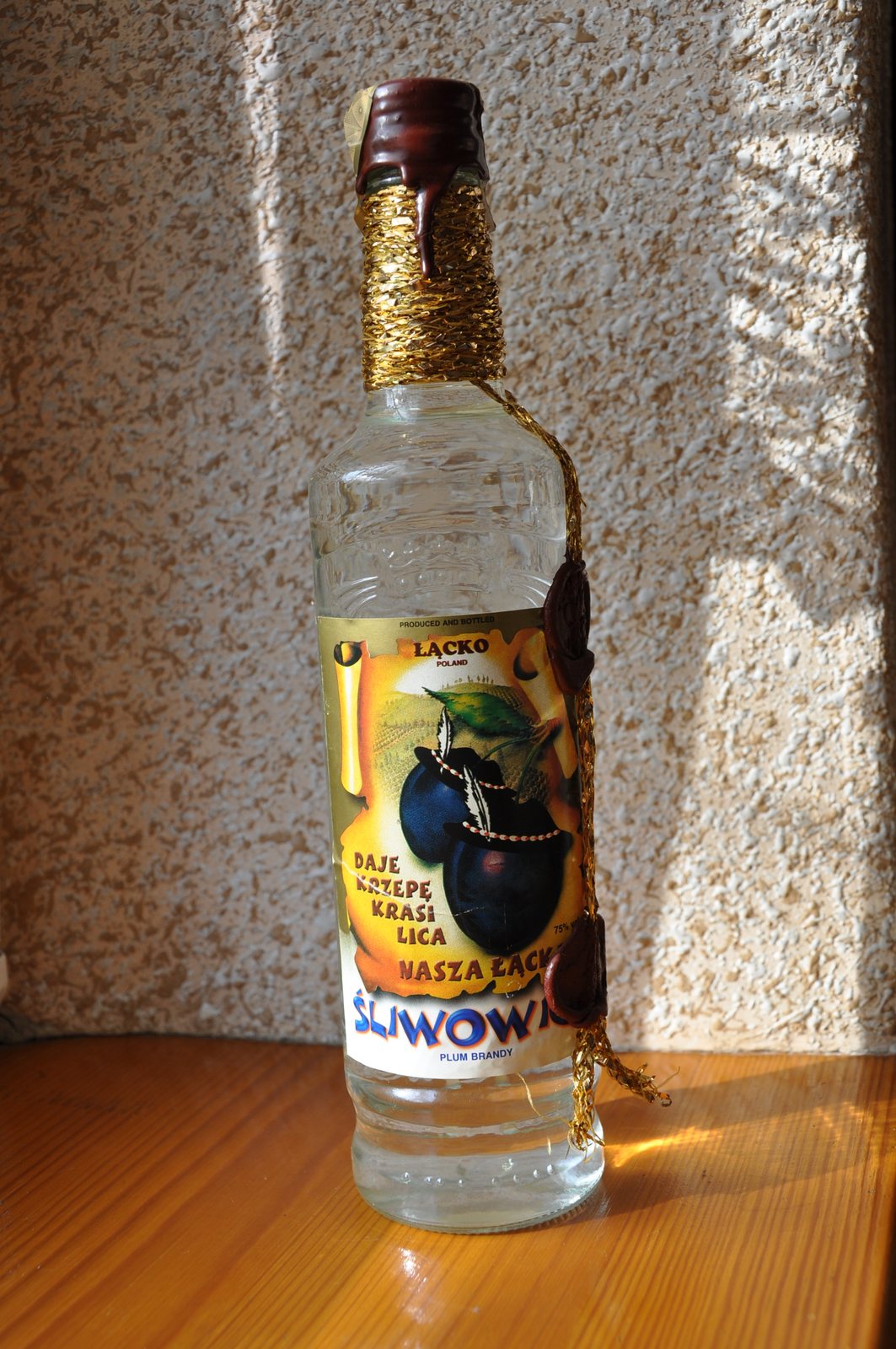
close tradition - śliwowica łącka · Poland
close tradition of the Polish Beskids
Sources
- Вікіпедія: Палінка
- Вікіпедія: Сливовиця
- П. Леньо. Палинчарство на Закарпатті (Ужгородський національний університет, 2022)
- Wikipedia (en): Pálinka
Written by the Karpaty.rocks editors from the sources above. Checked 10.11.2026.
