Palachinta
What it is
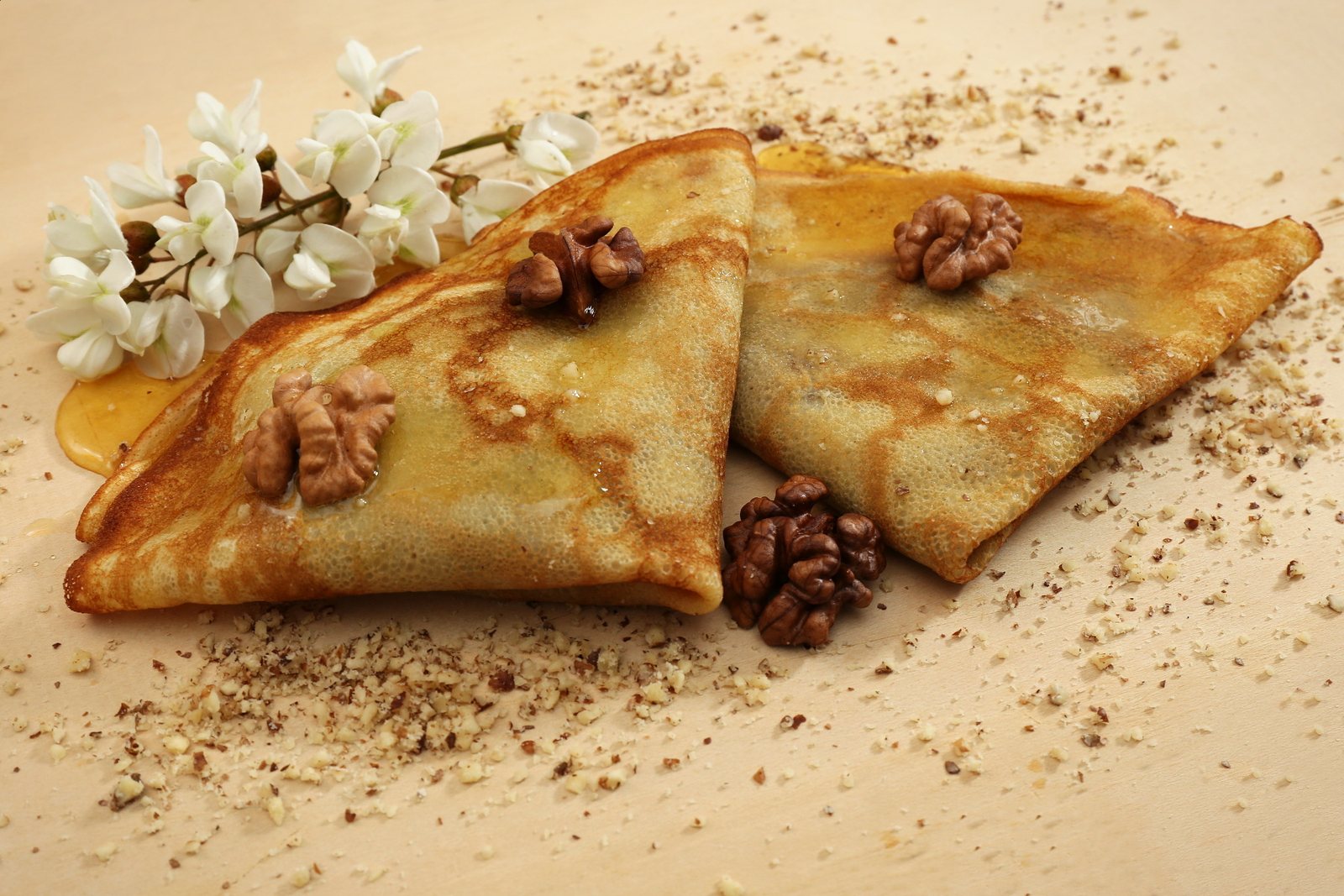
In Transcarpathia, a Palachinta is a thin pancake made from a liquid batter of milk, eggs, and flour. The batter is made very runny, and the pancakes are cooked on a hot, lightly greased pan for just a few seconds on each side — this makes them as thin as paper, with crispy edges.
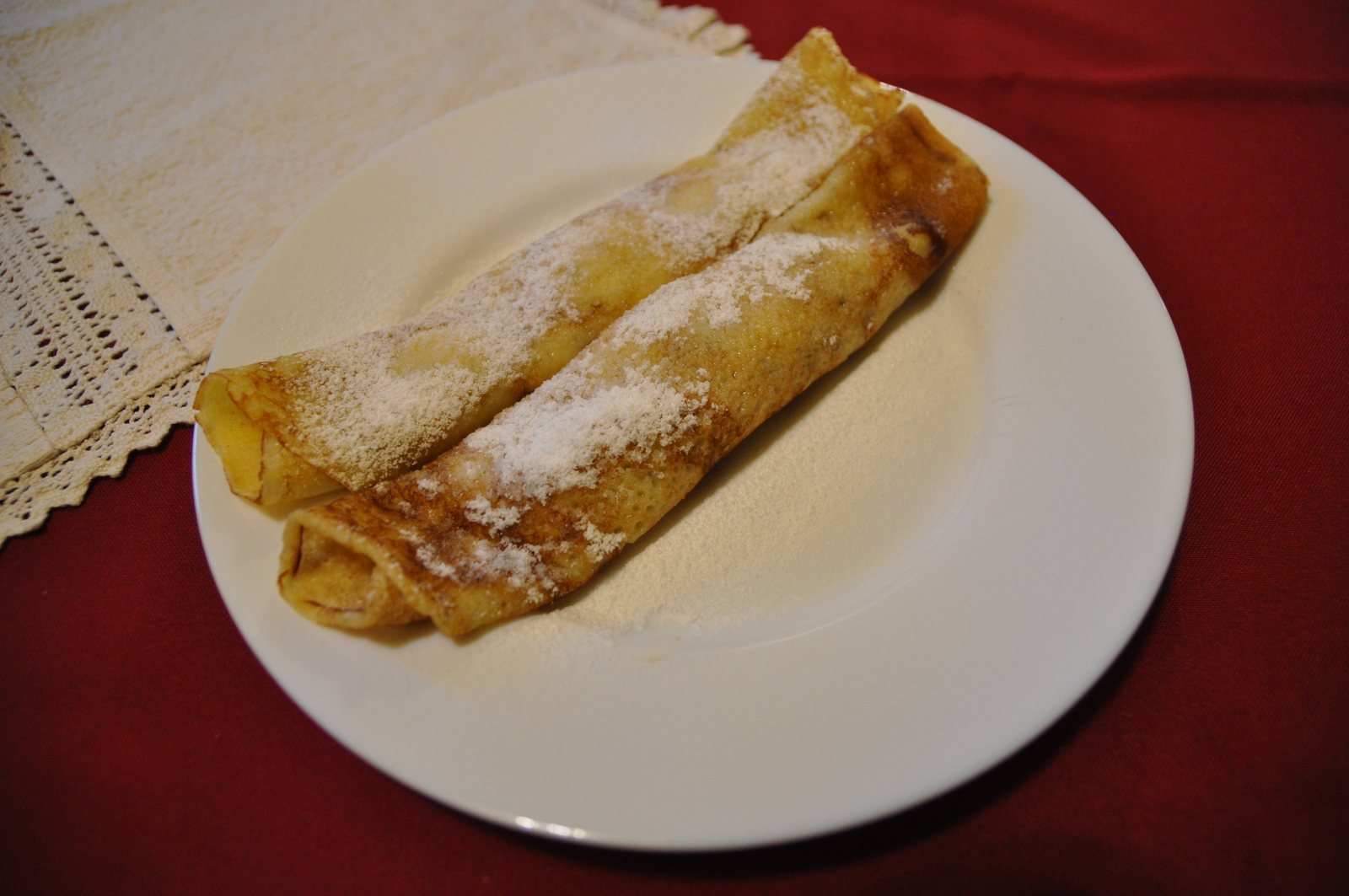
The most common Palachintas are sweet: filled with cottage cheese mixed with sour cream and sugar, or with lekvar — thick plum jam. They are rolled into a tube or envelope shape and served warm, dusted with powdered sugar. There are also savory Palachintas — with meat under mushroom sauce, or with mushrooms.
Palachinta is an example of how Transcarpathian cuisine combines Hungarian, Slovak, and local traditions. In Hungary, palacsinta is one of the most beloved dishes, and in Transcarpathia, it is made at home and during gastronomic festivals. At home, Palachintas are cooked in stacks and immediately filled, while at gastronomic festivals, there are competitions to see who can make the thinnest and tastiest.
History and name
The name comes from Hungarian: palacsinta — 'pancake'. The Hungarian word, according to a common version, originates from the Romanian plăcintă ('pie'), which in turn comes from the Latin placenta, the name for a flat cake. Through the Habsburg monarchy, the dish spread to Austria (Palatschinke), the Czech Republic, Slovakia, and the Balkans.
In Transcarpathia, Palachintas became a common and festive dish; gastronomic festivals dedicated to Palachinta were held in the cities of Uzhhorod and Mukachevo.
Ingredients and allergens
Variant: with sweet cheese
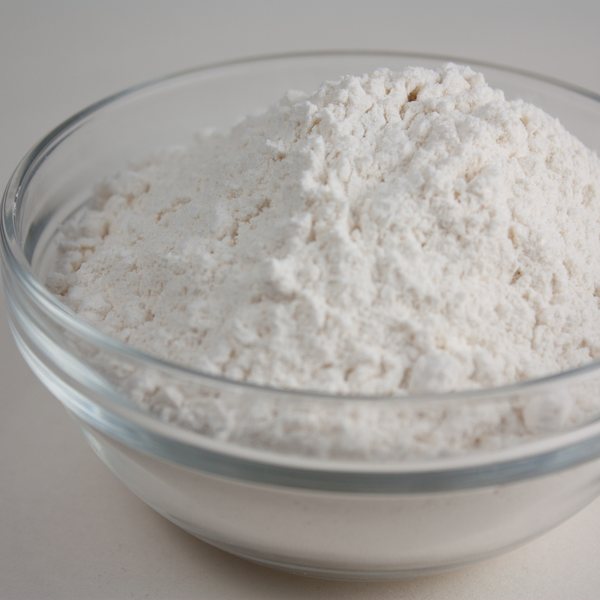
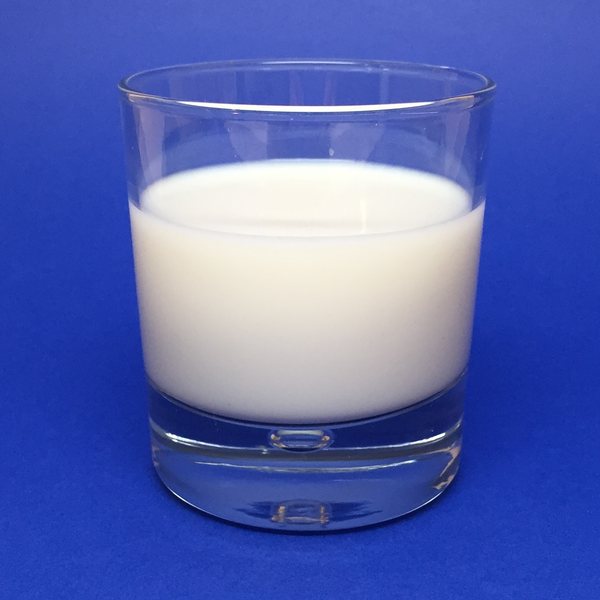
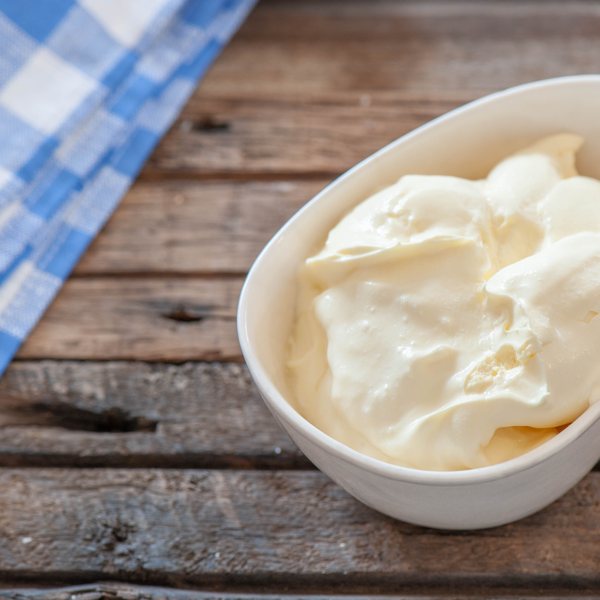
Contains allergens: gluten, milk, eggs
Diet: vegetarian
Variant: with lekvar
wheat flour, milk, eggs, plum lekvar, walnuts
Contains allergens: gluten, milk, eggs
Depending on how it is served, may contain: tree nuts
Diet: vegetarian
Ingredients of the traditional recipe; every cook and every place may do it differently — please ask when ordering. We cannot guarantee the absence of allergens or traces.
How it is traditionally made
Serves: 12–16 Palachintas
- Wheat flour — 200–250 g
- Milk — 400–500 ml
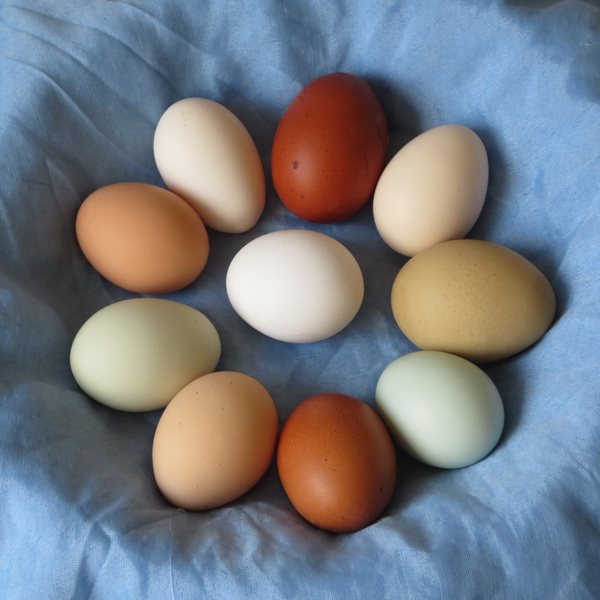
- Eggs — 2–3 pcs.
- Sugar — 1–2 tbsp.
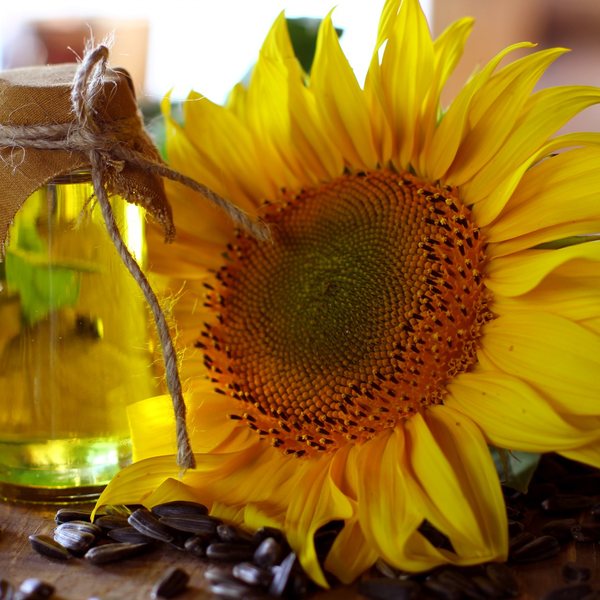
- Sunflower oil — for the pan
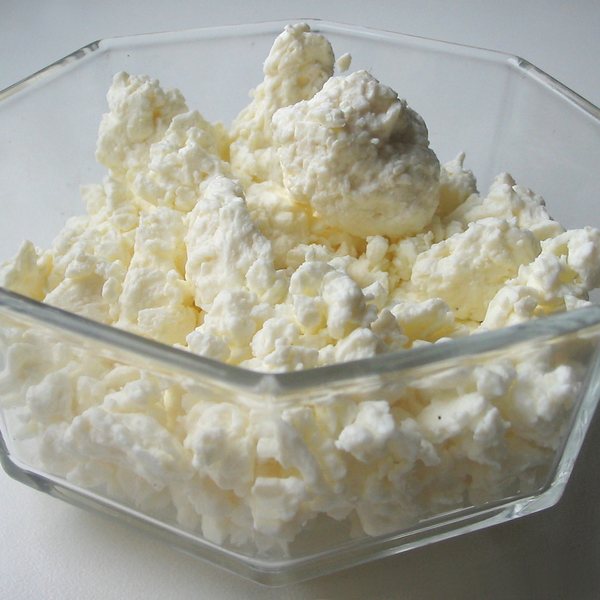
- Curd cheese (tvaroh) — 300–400 g
- Sour cream — 1–2 tbsp.
- Beat the eggs with a pinch of salt and sugar, add part of the milk, then gradually sift in the flour to avoid lumps.
- Add the remaining milk: the batter should be very runny, about the consistency of cream. Let it rest for 15–30 minutes.
- Heat the pan and lightly grease it with oil; pour a thin layer of batter, tilting the pan to spread it across the bottom.
- Cook for a few dozen seconds until the edges brown, flip, and cook the other side.
- For the filling, mix the cottage cheese with sour cream and sugar or take thick lekvar.
- Place the filling on the Palachinta, roll it up into a tube or envelope shape, and serve warm.
How it is served
Warm, dusted with powdered sugar; savory ones with a meat filling under mushroom sauce.
Variants
Part of the milk is sometimes replaced with sparkling water to make the batter lighter. In Hungary, Palachintas are known to be stacked with fillings between the layers.
The traditional method as described by our sources; every family does it its own way. We have not tested this recipe in a professional kitchen.
Where it is eaten

The area is approximate and based on the sources below. The dish is cooked outside it too, and ethnographic borders are blurred.
Transcarpathia, primarily in cities and lowland communities with Hungarian and Slovak heritage (Uzhhorod region, Mukachevo region, Berehove region). The area is approximate.
When it is eaten
| Jan | Feb | Mar | Apr | May | Jun | Jul | Aug | Sep | Oct | Nov | Dec |
|---|---|---|---|---|---|---|---|---|---|---|---|
Occasions: Everyday food · Festivals
In tradition
Palachinta is a daily and Sunday dish for Transcarpathian families and a frequent guest at gastronomic festivals in the cities of Uzhhorod and Mukachevo.
FAQ
What is a Palachinta?
The Transcarpathian name for a thin pancake made with milk. The word comes from Hungarian (palacsinta).
What do people eat with Palachintas?
Most often with sweet cottage cheese or lekvar, rolled into a tube; also with a meat filling under mushroom sauce.
How does a Palachinta differ from a regular pancake?
The batter is thinner, and the pancakes are thinner with crispy edges; they are always rolled with a filling.
Similar dishes and products
Relatives in the Carpathians and nearby
- palacsinta · Hungary
family name; from which the Transcarpathian Palachinta originates - palacinka · Slovakia
family name - Palatschinke
family name
Sources
- Турінформ Закарпаття: Ужгород запрошує на кращі млинці та палачінти
- Колиба: Палачінти по-закарпатськи
- Санаторій «Сонячний»: Супертонкі закарпатські палачінти
- Wikipédia (hu): Palacsinta
- Суспільне Ужгород: фестиваль млинців «Варошська палачінта» у місті Мукачево
Written by the Karpaty.rocks editors from the sources above. Checked 10.11.2026.
