Bograch
What it is
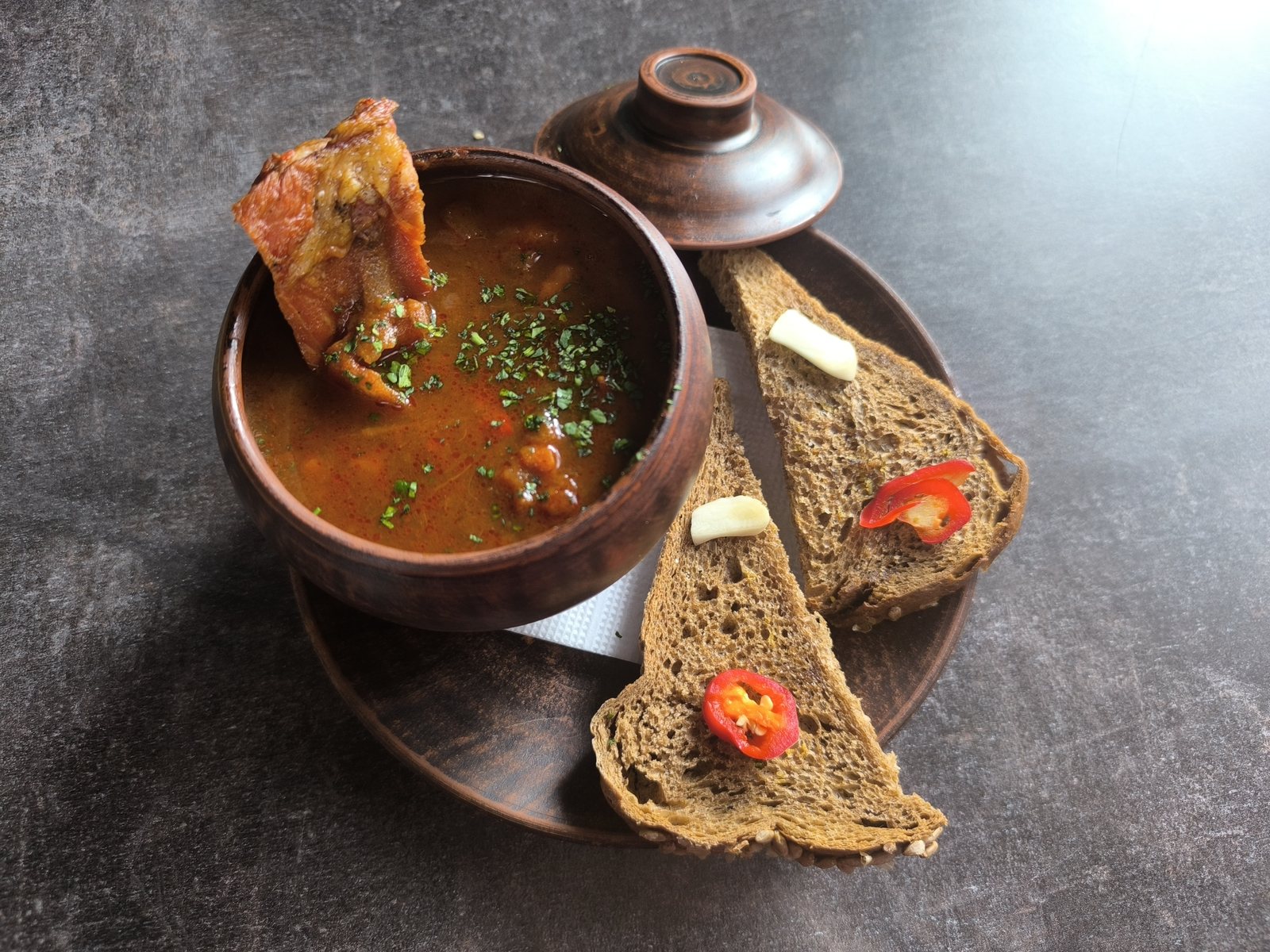
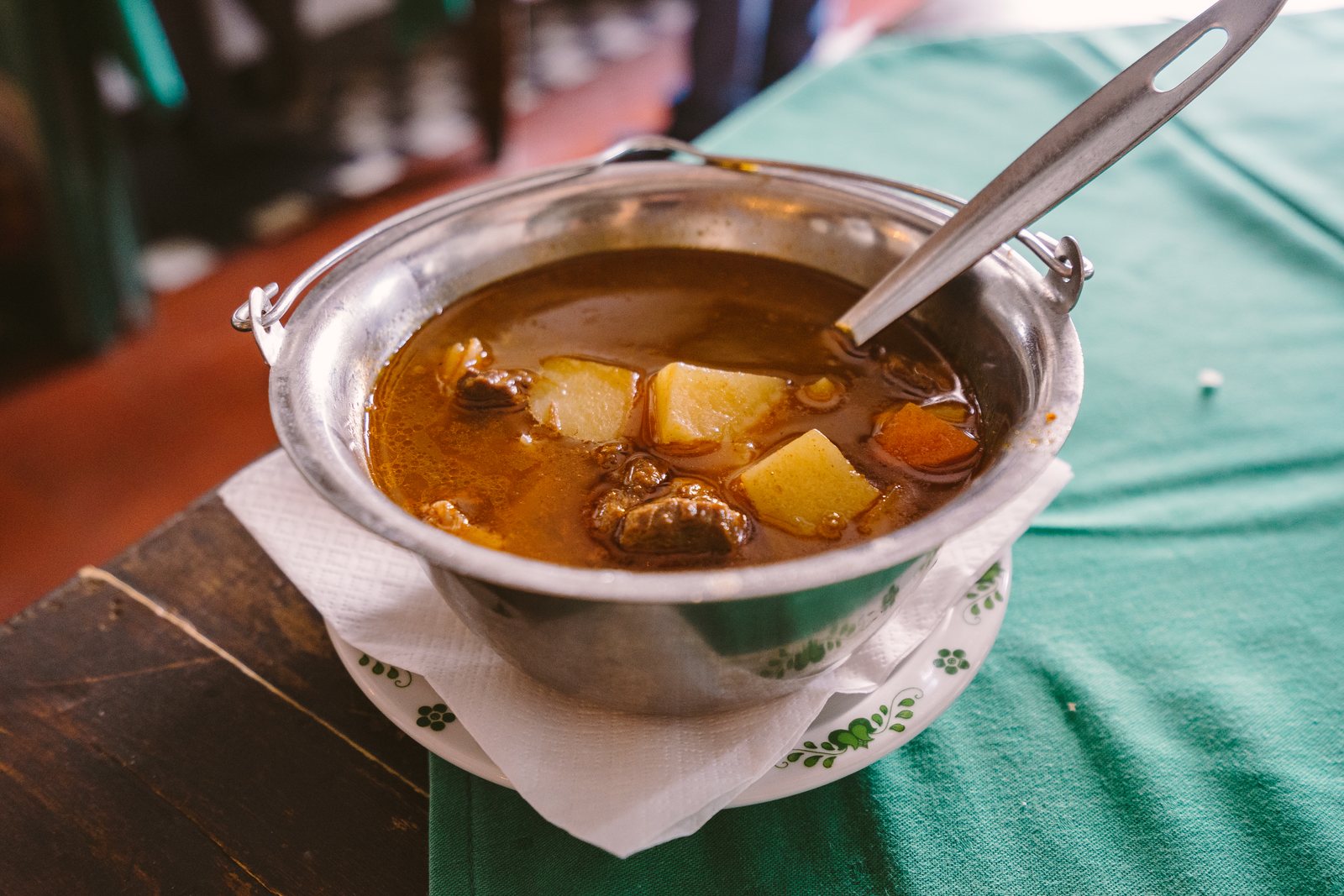
Bograch is a thick meat soup that is cooked in a cauldron over an open fire in Transcarpathia. The base is beef or pork, sautéed with onions and ground paprika, to which potatoes, sweet peppers, tomatoes, cumin, and garlic are added. Sometimes, small pieces of dough called csipetke are included.
The color and flavor of bograch come from the paprika. The spiciness is adjusted separately: a hot pepper sauce is often served at the table so that everyone can add it to their taste. The dish is a cross between a soup and a stew—hearty, rich, with a thick red broth.
Bograch is a dish of Hungarian origin. It is most closely associated with the Hungarian community of Berehove and the lowland regions of Transcarpathia, from where it spread throughout the region. In the Hutsul region of Prykarpattia, bograch appeared later, primarily on the menus of establishments for tourists, so it should not be considered a Hutsul dish.
Bograch is cooked outdoors, in large company—during holidays, fairs, and family gatherings.
History and name
The Hungarian word bogrács means 'cauldron'—a vessel in which shepherds and nomadic tribes cooked food over an open fire. The name of the dish comes from the name of the cauldron; the word itself is likely related to the Turkish bakraç ('ladle') through Hungarian.
In Hungary, a similar dish is called bográcsgulyás—'goulash from a cauldron.' The classic Hungarian recipe (notably in the cookbook by Károly Gundel) consists of beef with onions, paprika, potatoes, peppers, and tomatoes. In Transcarpathia, bograch has become one of the most famous regional dishes.
Legend: Bograch is an ancient Hutsul dish.
In fact: Bograch came from Hungarian cuisine and has long been prevalent in Transcarpathia, especially among the Hungarian community. In the kolibas of Prykarpattia, it is a late borrowing.
Ingredients and allergens
Variant: transcarpathian, with beef
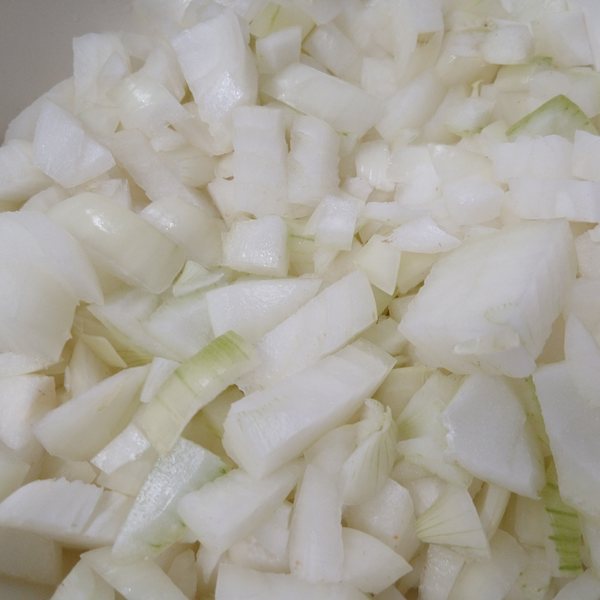
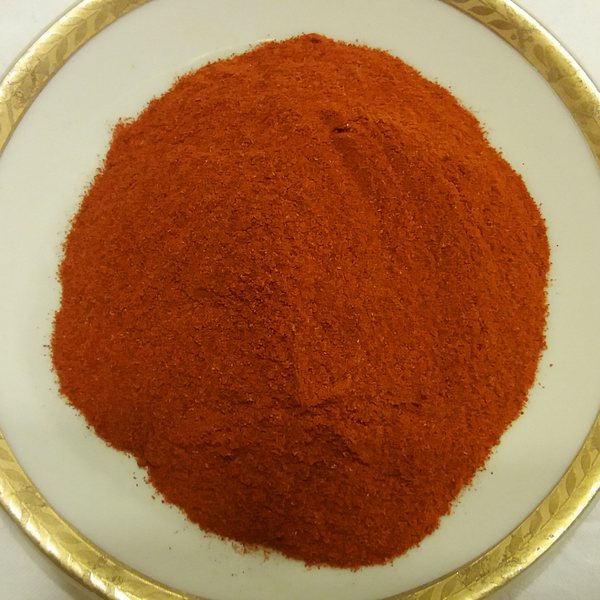
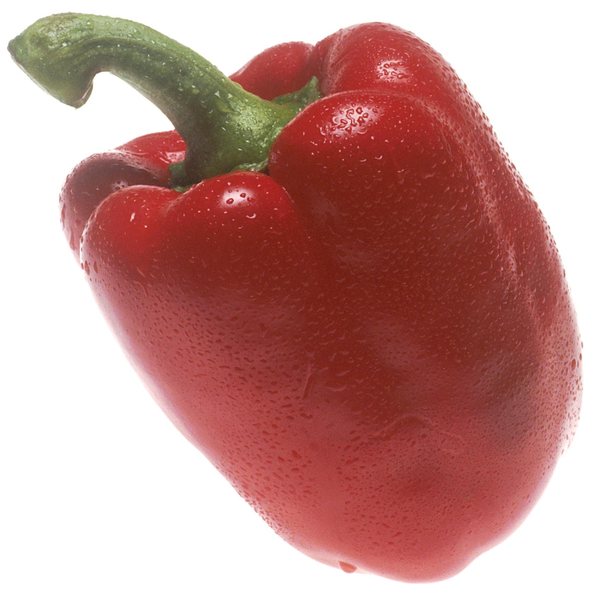
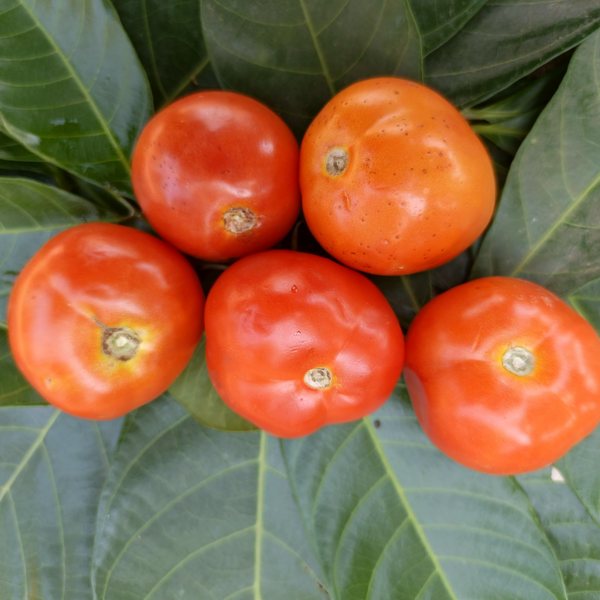
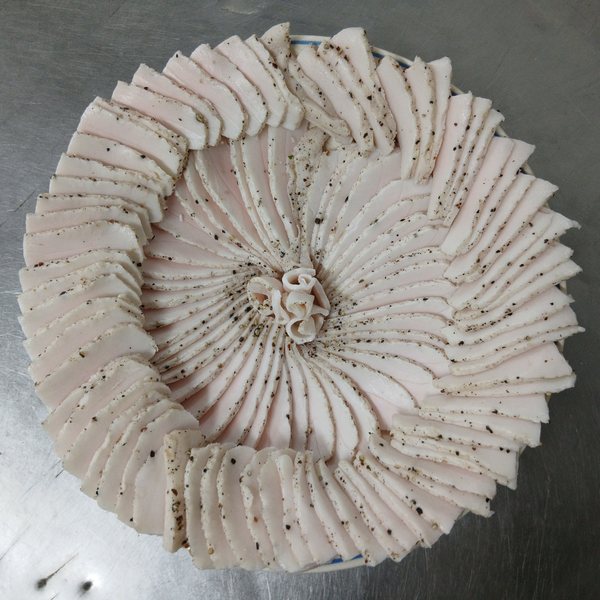
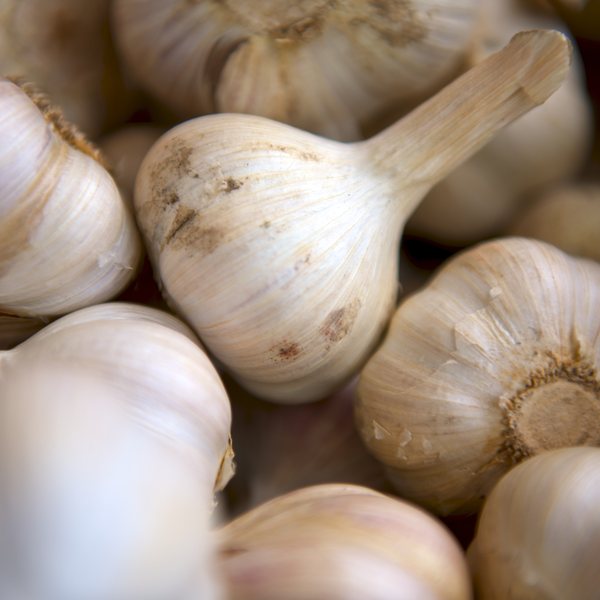
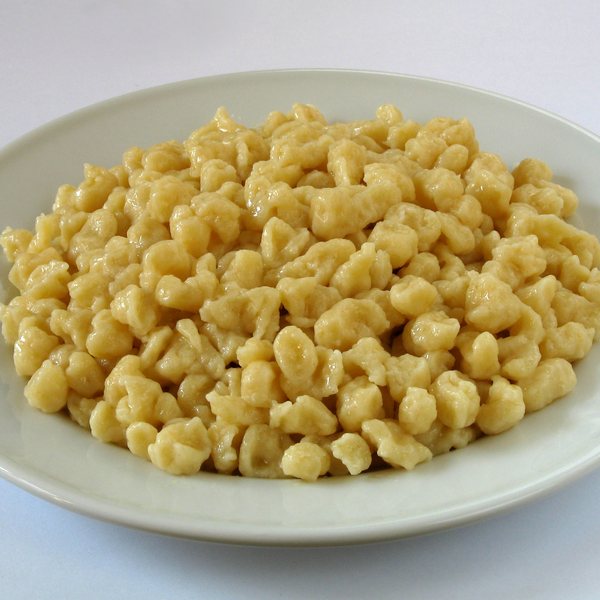
Also: caraway (0.5 tsp., optional)
Contains allergens: none of the 14 major allergens in the traditional recipe
Depending on how it is served, may contain: gluten, eggs
Diet: gluten-free
Variant: with pork
pork, potato, onion, ground paprika, bell pepper, tomatoes, garlic
Contains allergens: none of the 14 major allergens in the traditional recipe
Diet: gluten-free
Ingredients of the traditional recipe; every cook and every place may do it differently — please ask when ordering. We cannot guarantee the absence of allergens or traces.
How it is traditionally made
Serves: 6–8 servings
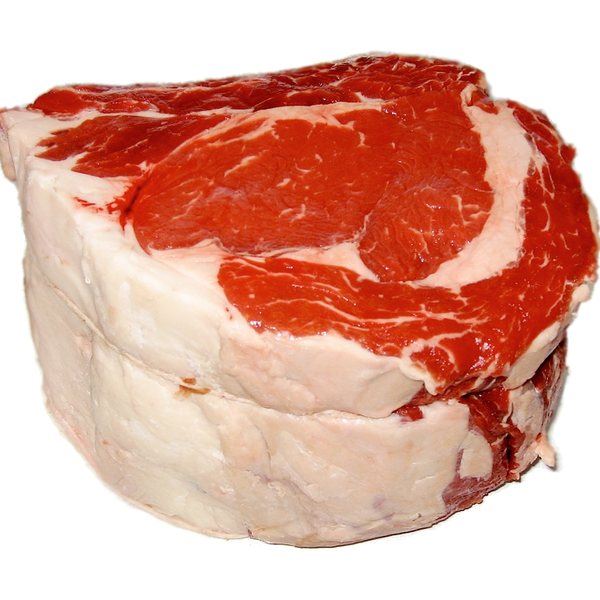
- Beef — 1 kg
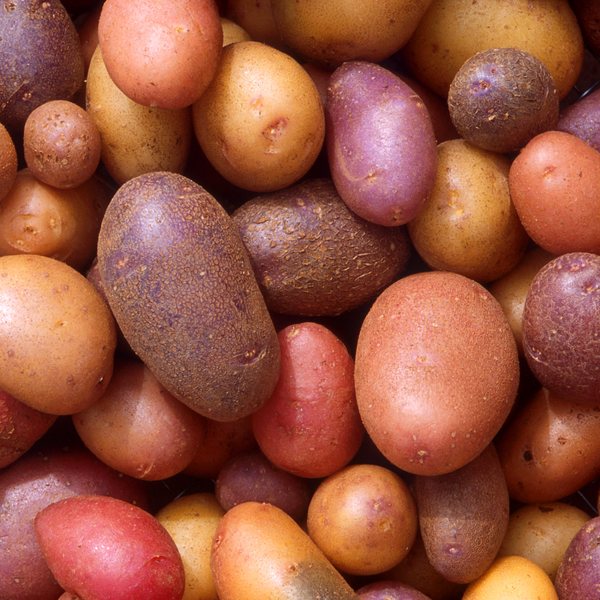
- Potato — 700 g – 1 kg
- Onion — 2–3 pcs.
- Ground paprika — 2–3 tbsp.
- Bell pepper — 1–2 pcs.
- Tomatoes — 1–2 pcs.
- Pork fat (salo) — 50–80 g
- Garlic — 2–3 cloves
- Caraway — 0.5 tsp.
- Csipetke (pinched noodles) — a handful
- Cut the meat into 1.5–2 cm cubes; the best parts are those with tendons—shoulder or shank.
- In a cauldron over the fire, melt the lard or heat the fat and sauté the finely chopped onions until golden.
- Remove the cauldron from the highest heat, add the ground paprika, stir quickly, and immediately add the meat to prevent the paprika from burning and becoming bitter.
- Add garlic and cumin, pour in a little water, and simmer the meat over low heat, adding water in small portions.
- When the meat is almost ready, add the cubes of potatoes, sweet peppers, and tomatoes, and pour in water or broth to the desired thickness.
- Cook until the potatoes are soft; if desired, add csipetke at the end. Salt and let the bograch sit for a few minutes.
How it is served
Hot, in bowls, with bread; hot pepper sauce is served separately.
Variants
At home, bograch is cooked in a pot on the stove, but traditionally—in a cauldron over the fire. The ratio of meat, potatoes, and spiciness varies in each family.
The traditional method as described by our sources; every family does it its own way. We have not tested this recipe in a professional kitchen.
Video 2
 🔥Закарпатський БОҐРАЧ зварений на відкритому вогні🔥 Венгерська страва🔥 Закарпатський діалект🔥Закарпатська Господиня

Where it is eaten

The area is approximate and based on the sources below. The dish is cooked outside it too, and ethnographic borders are blurred.
Transcarpathia, primarily the Hungarian community of Berehove and the lowland and foothill communities of Berehove, Mukachevo, Uzhhorod, and Vynohradiv regions. In Prykarpattia—mainly in establishments for tourists. The area is approximate.
When it is eaten
| Jan | Feb | Mar | Apr | May | Jun | Jul | Aug | Sep | Oct | Nov | Dec |
|---|---|---|---|---|---|---|---|---|---|---|---|
Occasions: Everyday food · Festivals · Weddings
In tradition
Bograch is a dish for a large company: it is cooked outdoors during holidays, weddings, fairs, and gastronomic festivals in Transcarpathia. The cauldron over the fire is part of the event, as is the soup itself.
FAQ
What does the word 'bograch' mean?
The Hungarian word bogrács means cauldron. The name of the dish comes from the vessel in which the soup is cooked over the fire.
Is bograch a Hutsul dish?
No. Bograch has Hungarian origins and has long been prevalent in Transcarpathia. In Hutsul kolibas, it is prepared for tourists.
How does bograch differ from goulash?
In Hungary, bograch is called bográcsgulyás—'goulash from a cauldron.' It is a thick soup, not a thick sauce for a side dish; it is cooked over the fire with potatoes and vegetables.
Where to try and buy
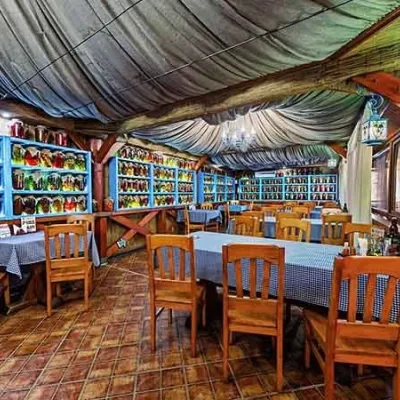 Koliby & Hutsul cuisinePoriadnyi Gazda Restaurant, MukachevoMukachevoPoriadnyi Gazda (“The Proper Host”) is a Zakarpattia-cuisine restaurant in Mukachevo, at 36A Erdeli Street, right...
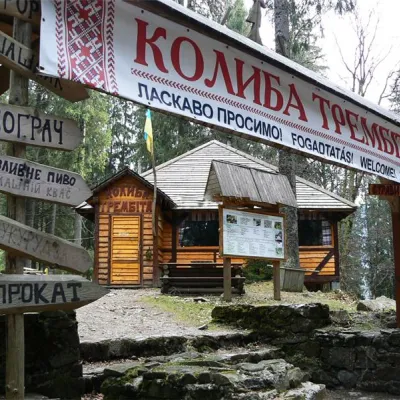 KolibaКолиба "Трембіта"Synevyrska PolyanaКафе «Трембіта» зручно розташувалася на березі мальовничого озера в Синевирській Поляні, що на висоті тисячу метрів...
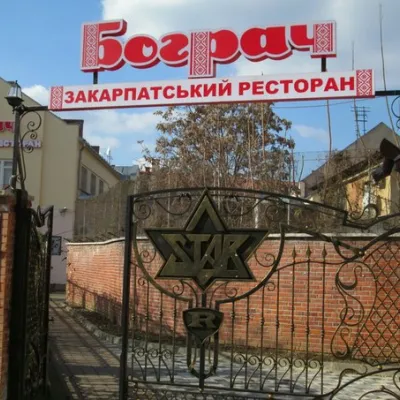 RestaurantРесторан "Бограч"Ресторан "Бограч" знаходиться в центрі міста. Займає велику територію, має декілька великих банкетних зал, дві тераси.
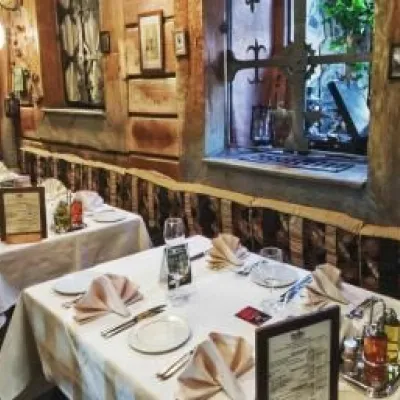 RestaurantРесторан-шинок "Первак"Ресторан-шинок «Первак» називають візитівкою стародавнього міста над Латорицею.
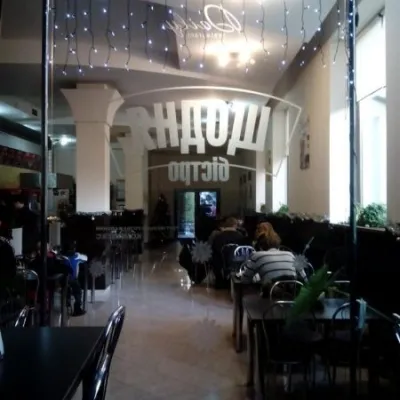 Fast foodФаст-фуд ЩодняФаст-фуд "Щодня" розташований у пішохідній зоні центру Мукачева (на місці колишнього ресторану "Poisson").
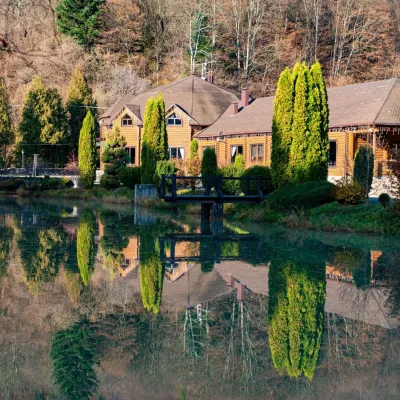 Koliby & Hutsul cuisineZolota Forel restaurant, KorostivKorostivZolota Forel (“Golden Trout”) is a restaurant and hotel complex in the village of Korostiv near Skole, right beside...
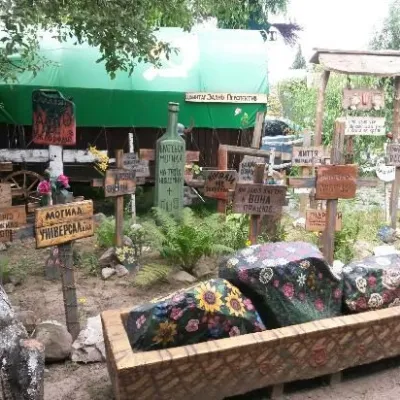 TavernКорчма-музей "Деца у нотаря"Uzhhorod«Деца у нотаря» —один із найколоритніших закладів ресторанного типу в Ужгороді та, мабуть, в усьому Закарпатті.
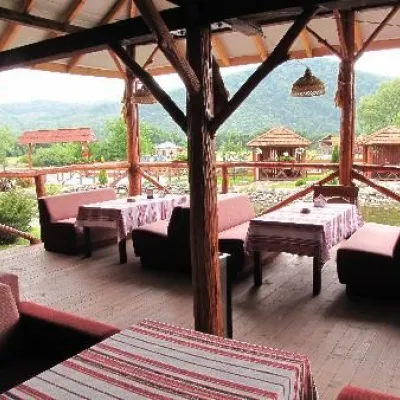 RestaurantРесторан "Козачок" МукачевоChynadiiovoДвоповерховий ресторан на 85 місць, літня тераса на 150 місць, альтанки, дитячий майданчик.
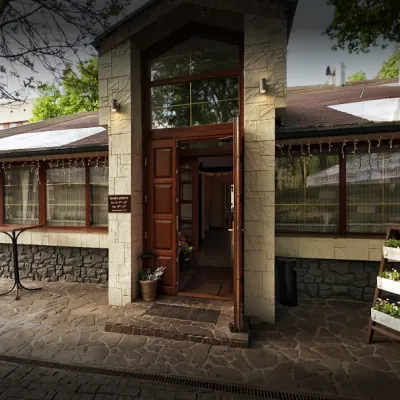 RestaurantРесторан "Грант"UzhhorodУ ресторані «Грант», який розташований в самісінькому центрі мальовничого Ужгорода, Ви відчуєте справжній колорит...
Craft places and restaurants whose menu or description mentions this dish. Menus change — please check availability. Places with Hutsul, Carpathian or Galician cuisine often have it on the menu.
Similar dishes and products
Relatives in the Carpathians and nearby
- bográcsgulyás (goulash from a cauldron) · Hungary
a close tradition from which bograch originates - goulash · Hungary
a related name
Sources
- Вікіпедія: Бограч
- Вікіпедія: Закарпатська кухня
- Karpatium: Бограч — рецепт традиційної закарпатської страви
Written by the Karpaty.rocks editors from the sources above. Checked 10.11.2026.
