Bob leves (bean soup)
What it is
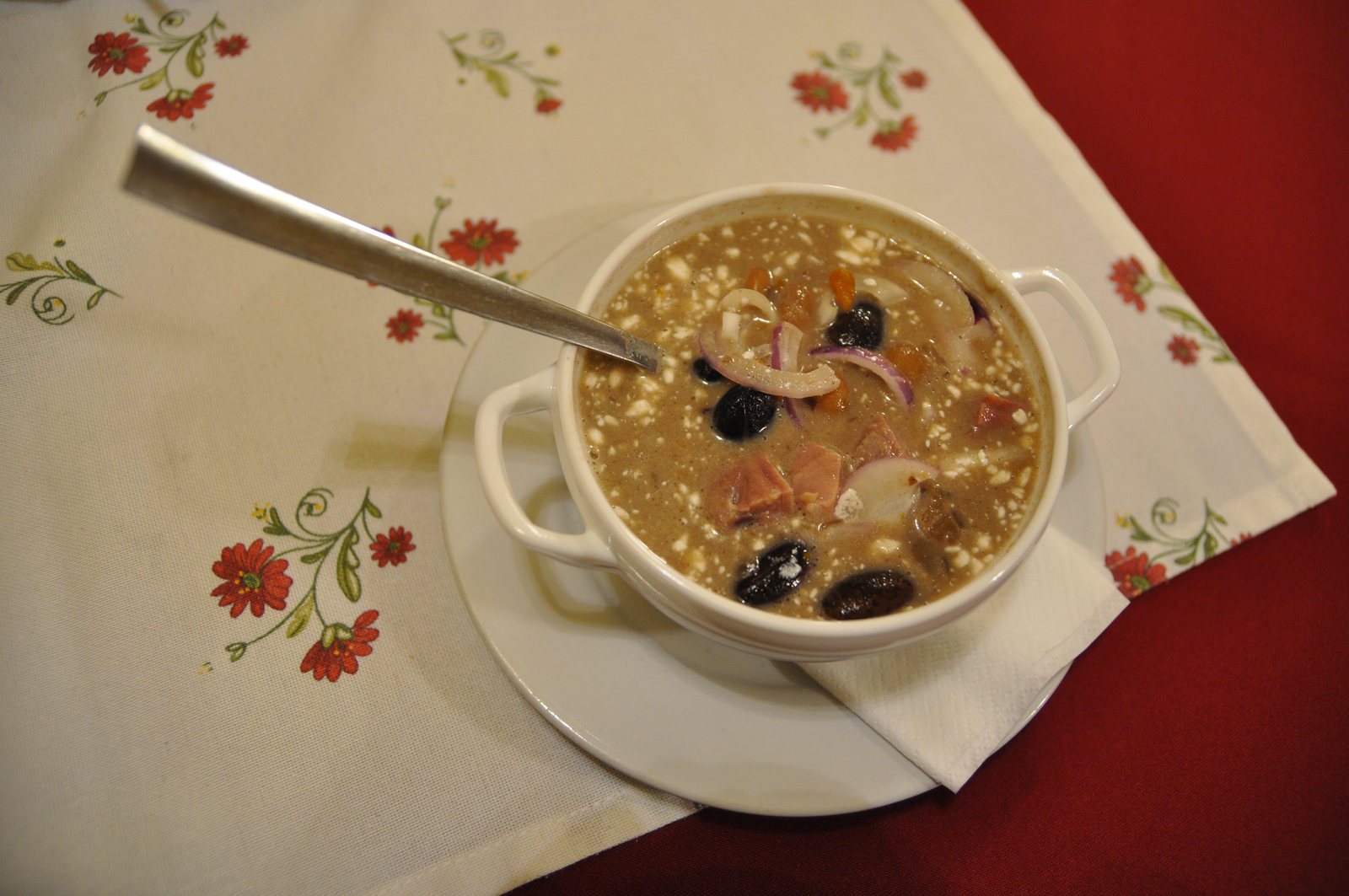
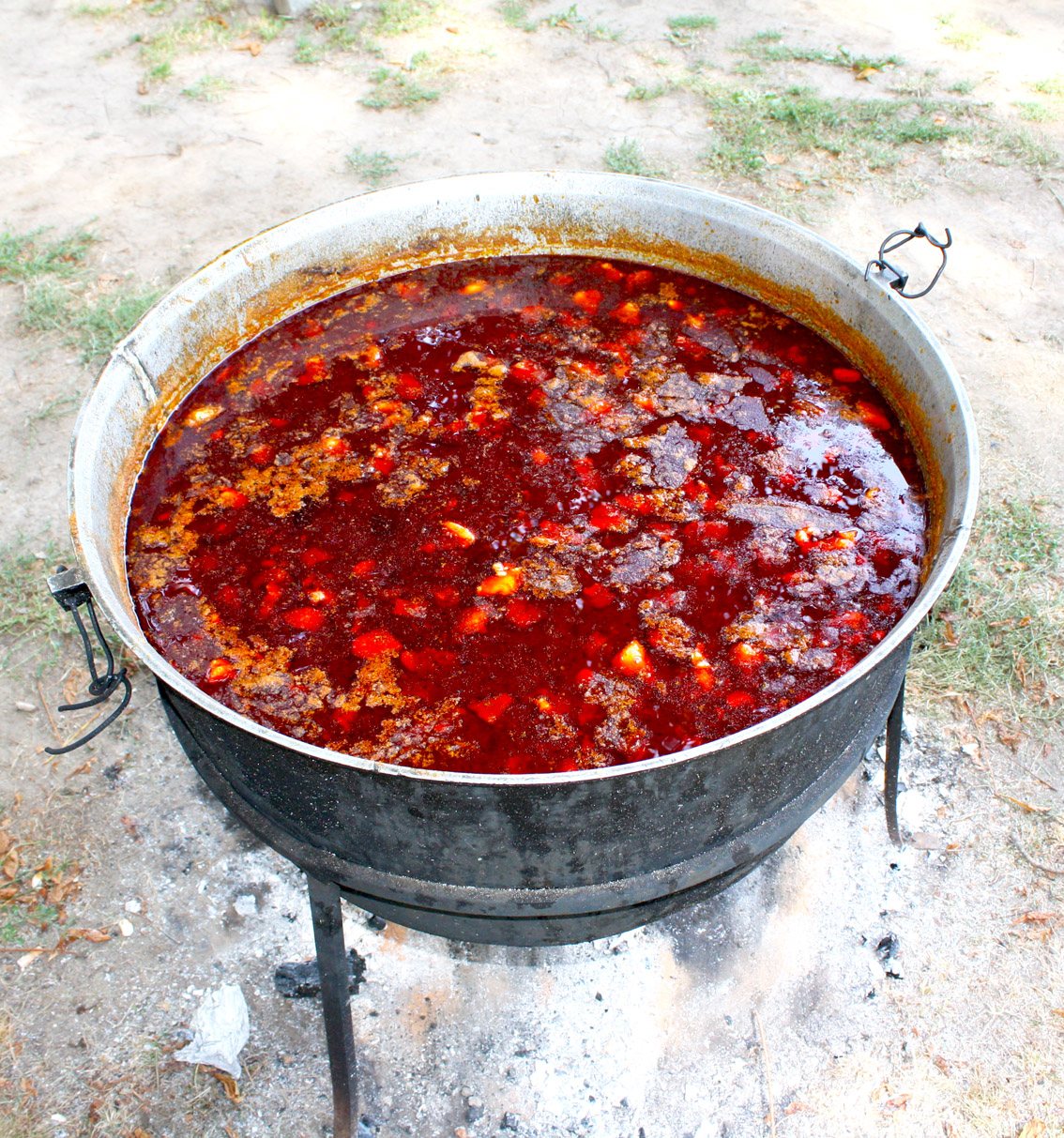
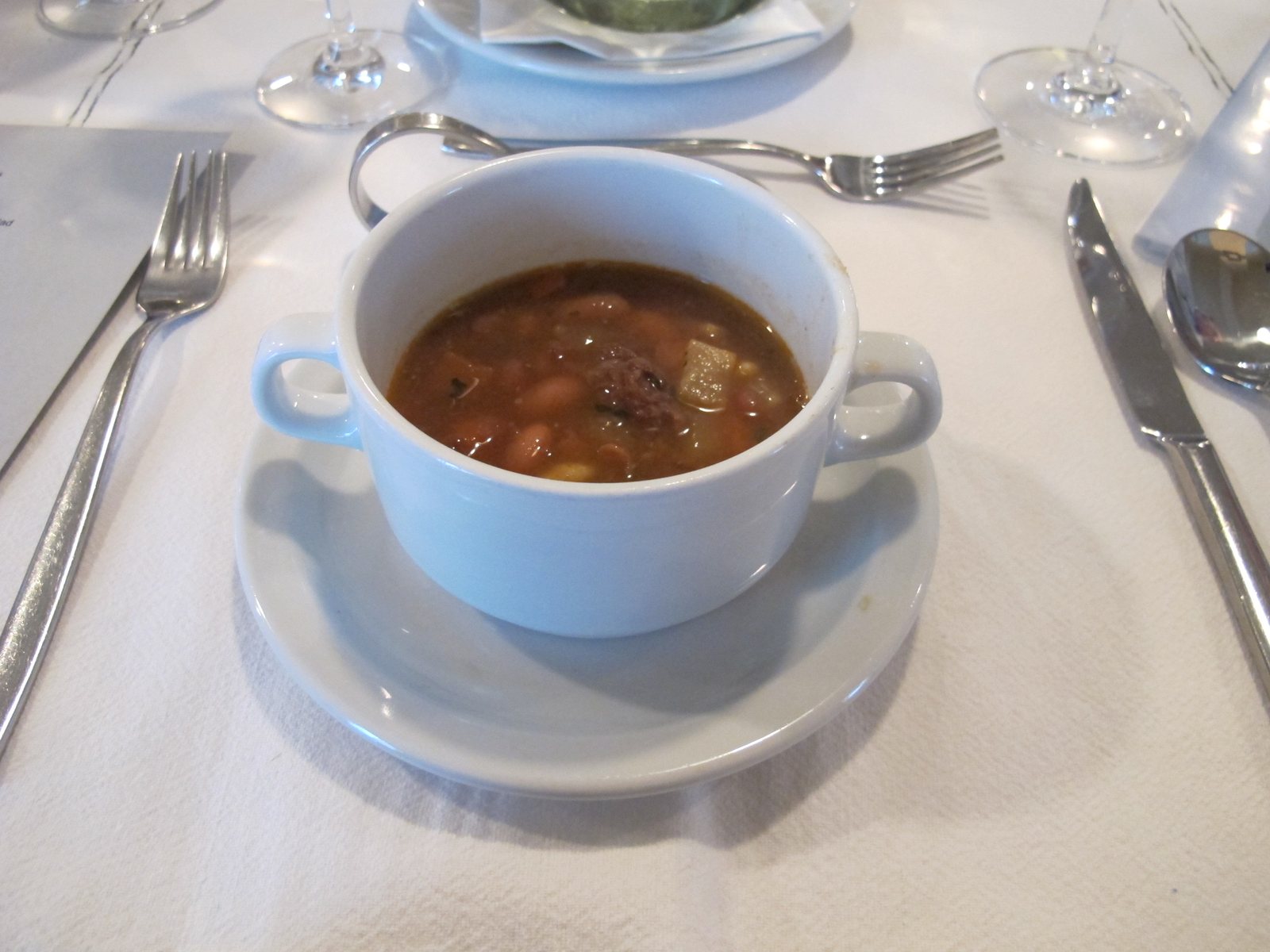
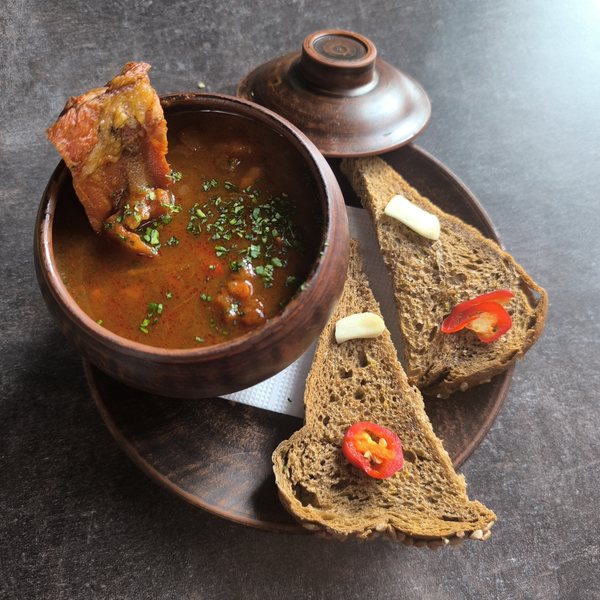
Bob leves (Hungarian: bableves — "bean soup") is a thick reddish soup from the Hungarian cuisine of Transcarpathia. Beans are boiled together with smoked ribs or hock, root vegetables, and bay leaves, and at the end, it is thickened with flour fried in lard with onions and sweet paprika. Slices of homemade smoked sausage and small dumplings are often added.
The soup is hearty, almost like a main dish: with a smoky aroma from the smoked meats, the sweetness of paprika, and a slight sourness from the sour cream added to the bowl or pot at the end.
In restaurants in Berehove and the villages of the Berehiv region, it is usually served as "Jókai bableves" — a soup named after the Hungarian writer Mór Jókai. Studies of the gastronomy of the Berehiv district name this soup as one of the most popular dishes among the city's guests.
History and name
Bean soups with smoked meat are an ancient part of Hungarian peasant cuisine. The name "Jókai" is associated with the writer Mór Jókai (1825–1904): according to legend, in a restaurant in Balatonfüred, he loved the bean soup with smoked pork legs so much that he demanded only that kind from then on. The later restaurant version with hock, vegetables, and pinched dumplings received his name.
In Transcarpathia, the soup is primarily prepared in the Hungarian communities of the Berehiv region and border villages; this is the lowland and foothill part of the region, not the mountain cuisine.
Legend: Mór Jókai invented the recipe for his soup.
In fact: No. The writer simply loved bean soup with smoked pork legs; the recipe with his name appeared in cookbooks later and has since been enriched with vegetables, hock, and dumplings.
Ingredients and allergens

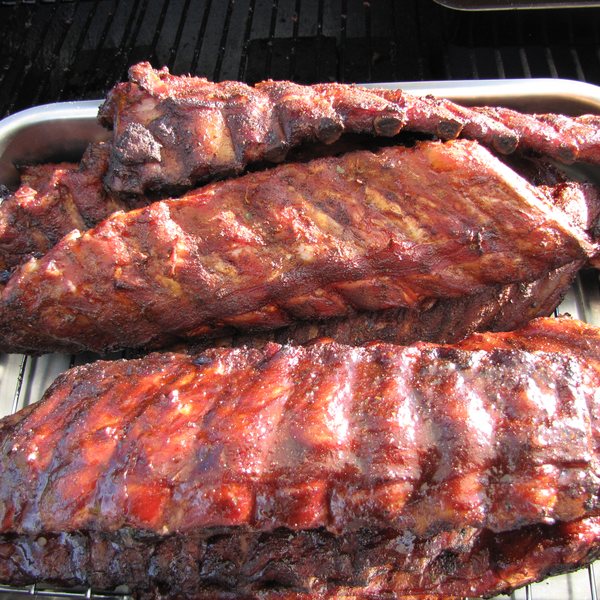
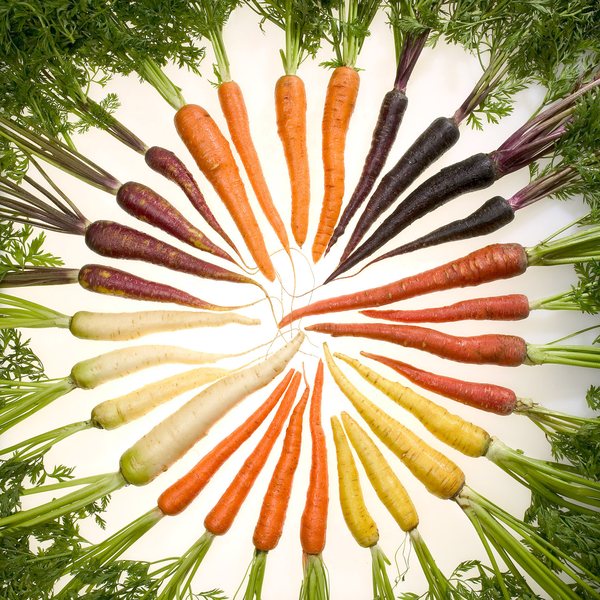
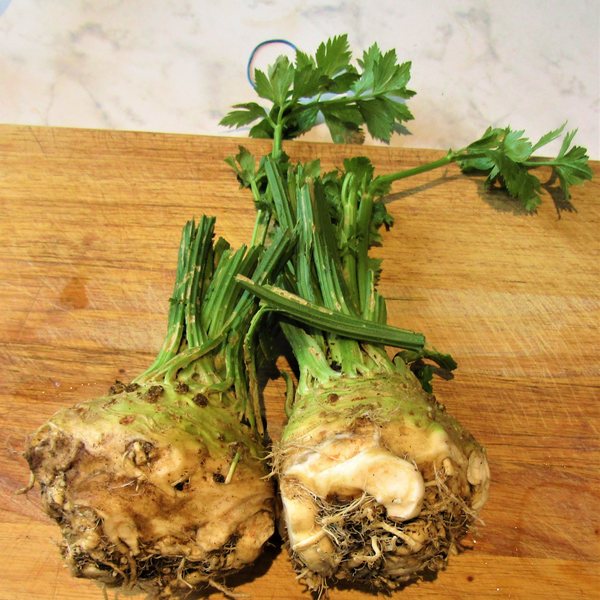
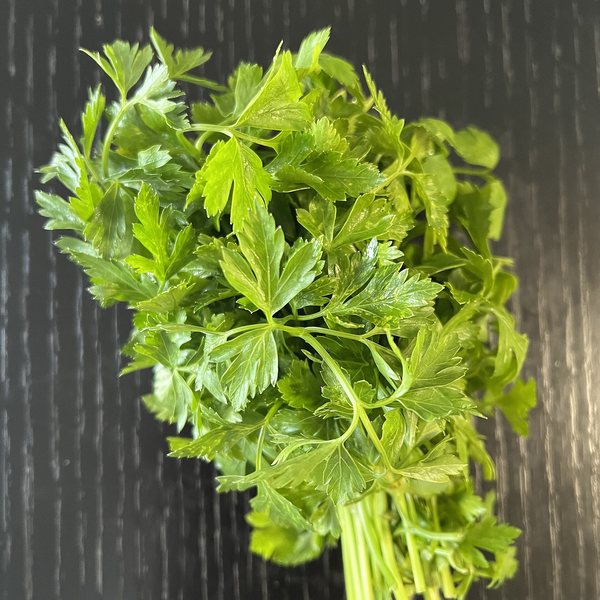
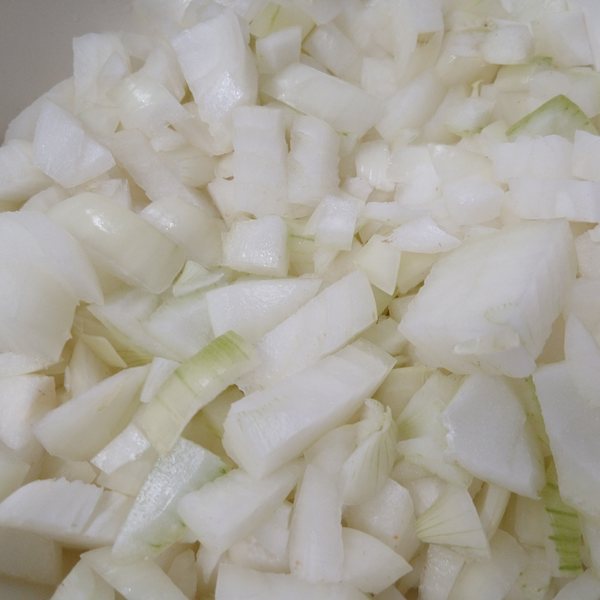
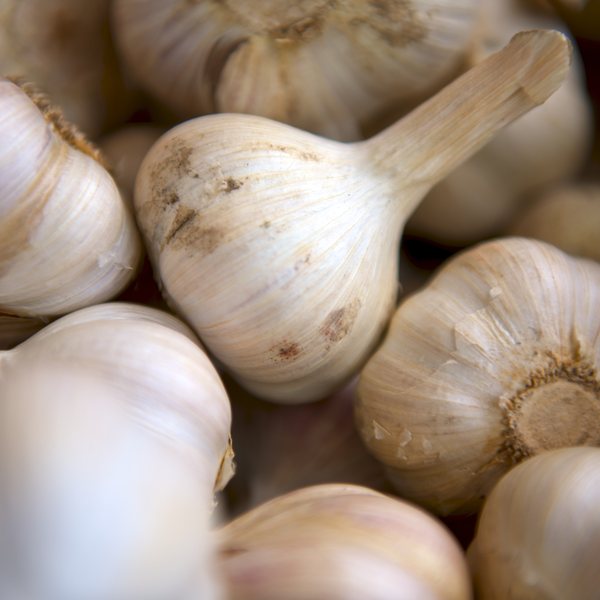
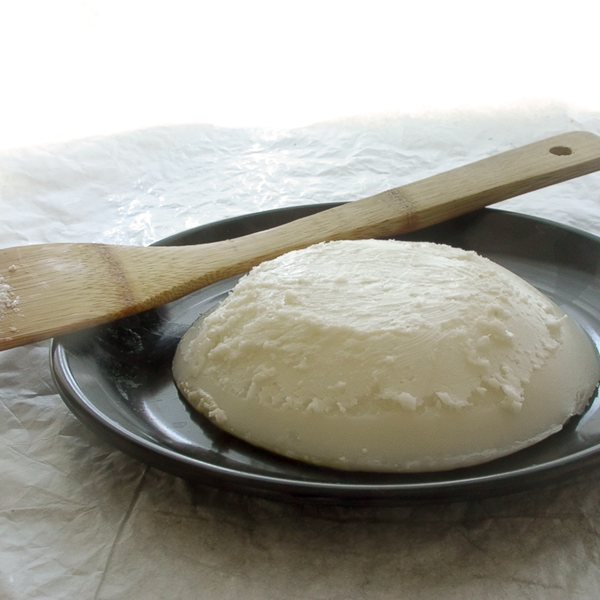
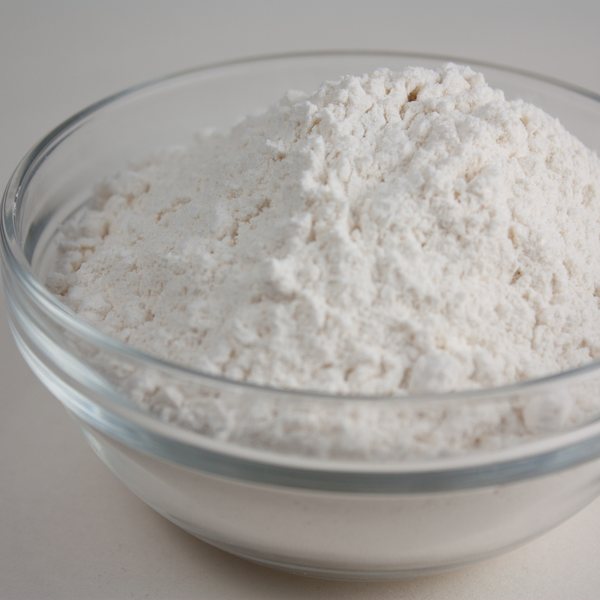
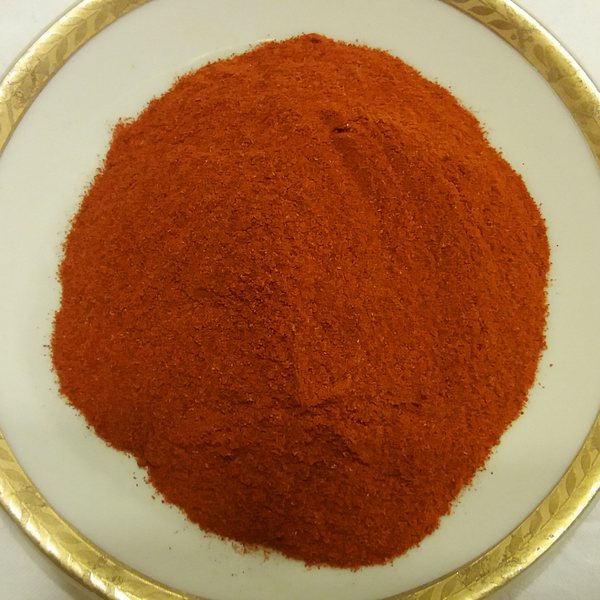

Also: tomatoes (2–3 pcs., optional), csipetke (pinched noodles) (a handful, optional), bay leaf (2–3 leaves)
Contains allergens: gluten, milk, celery
Depending on how it is served, may contain: eggs
Ingredients of the traditional recipe; every cook and every place may do it differently — please ask when ordering. We cannot guarantee the absence of allergens or traces.
How it is traditionally made
Serves: 6–8 servings · Cooking: 120 min
- Dry beans — 300–400 g
- Smoked pork (ribs, hock) — 500–700 g
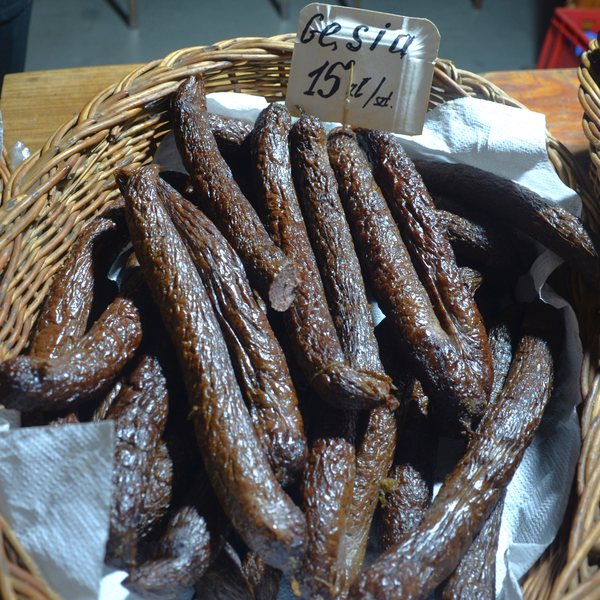
- Smoked homemade sausage — 150–200 g
- Carrot — 1–2 pcs.
- Celery root — piece
- Parsley (root and leaves) — root and greens
- Onion — 1–2 pcs.
- Garlic — 3–6 cloves
- Bay leaf — 2–3 leaves
- Lard — 1–2 tbsp.
- Wheat flour — 1–2 tbsp.
- Ground paprika — 1–3 tbsp.
- Tomatoes — 2–3 pcs.
- Csipetke (pinched noodles) — a handful
- Sour cream — to taste
- Soak the old beans overnight; young beans can be used without soaking.
- Cover the smoked ribs or hock with cold water and boil for 30–40 minutes, then add a whole onion, bay leaves, peppercorns, and a piece of celery root.
- Add the beans and diced carrots, and cook until the beans are soft (1–1.5 hours). Remove the meat, separate it from the bones, chop it, and return it to the soup.
- For the thickening, fry finely chopped onions and slices of smoked sausage in lard, add 1–2 tablespoons of flour, remove from heat, and stir in paprika to prevent burning. Dilute the thickening with a ladle of hot broth.
- Pour the thickening into the pot, add garlic, parsley, and, if desired, crushed tomatoes; cook for a few more minutes.
- Finally, add small dumplings (flour with water or egg) and cook until they float. Serve with sour cream.
How it is served
Hot, in deep bowls, with a spoonful of sour cream and a slice of white bread; add spiciness with chili peppers.
Variants
The restaurant version "Jókai bableves" must include smoked hock, carrots, and pinched dumplings. At home, simpler versions occur — without sausage, just with smoked ribs.
The traditional method as described by our sources; every family does it its own way. We have not tested this recipe in a professional kitchen.
Video 2
 ЗАКАРПАТСЬКИЙ ЙОКАЇ БОБ-ЛЕВЕШ! МІЙ ЕКСКЛЮЗИВНИЙ РЕЦЕПТ!СМАЧНА МАМА🌶️

Where it is eaten

The area is approximate and based on the sources below. The dish is cooked outside it too, and ethnographic borders are blurred.
Hungarian communities of Transcarpathia, primarily Berehove and the Berehiv region; lowland and foothill areas, not mountain villages.
When it is eaten
| Jan | Feb | Mar | Apr | May | Jun | Jul | Aug | Sep | Oct | Nov | Dec |
|---|---|---|---|---|---|---|---|---|---|---|---|
Occasions: Everyday food
In tradition
Bob leves is a hearty everyday and hospitable dish of Hungarian families in Transcarpathia, especially in cold weather. Today, it is eagerly ordered by guests in Berehove at Hungarian cuisine establishments.
FAQ
What does "bob leves" mean?
It is the Hungarian name bableves — "bean soup". In Transcarpathia, people often say "bob leves" or simply "bean soup with smoked meats."
How does bob leves differ from bograch?
The base of bograch is meat with potatoes and paprika, while bob leves is primarily beans with smoked meats. Both are seasoned with paprika, but bob leves is thicker and has a smoky flavor.
Why is the soup called "Jókai"?
In honor of the Hungarian writer Mór Jókai, who loved bean soup with smoked pork legs. His name became associated with the restaurant version.
Similar dishes and products
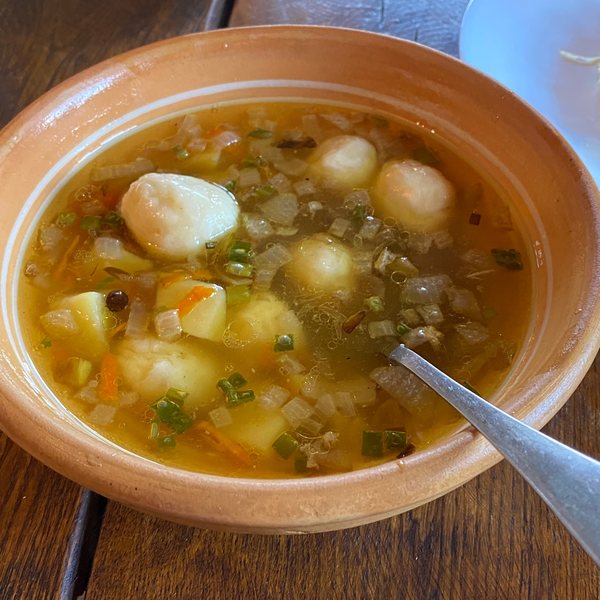
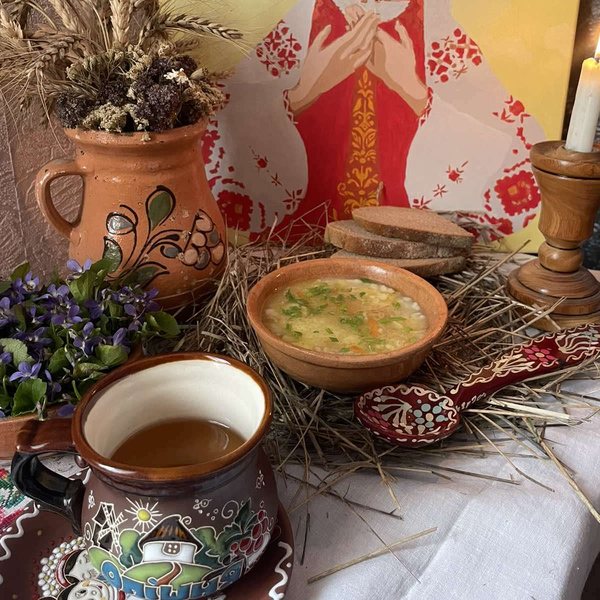
Relatives in the Carpathians and nearby
- Jókai bableves · Hungary
family name; Hungarian classic - fasolówka · Poland
close tradition: bean soup with smoked meats
Sources
- Gál M. A beregszászi járás gasztronómiájának kutatása (ЗУІ ім. Ф. Ракоці II, 2022)
- Wikipédia: Jókai-bableves
- Новини.live: Боб левеш з квасолею та копченостями із Закарпаття
Written by the Karpaty.rocks editors from the sources above. Checked 10.11.2026.
