Hutsul holubtsi
What it is
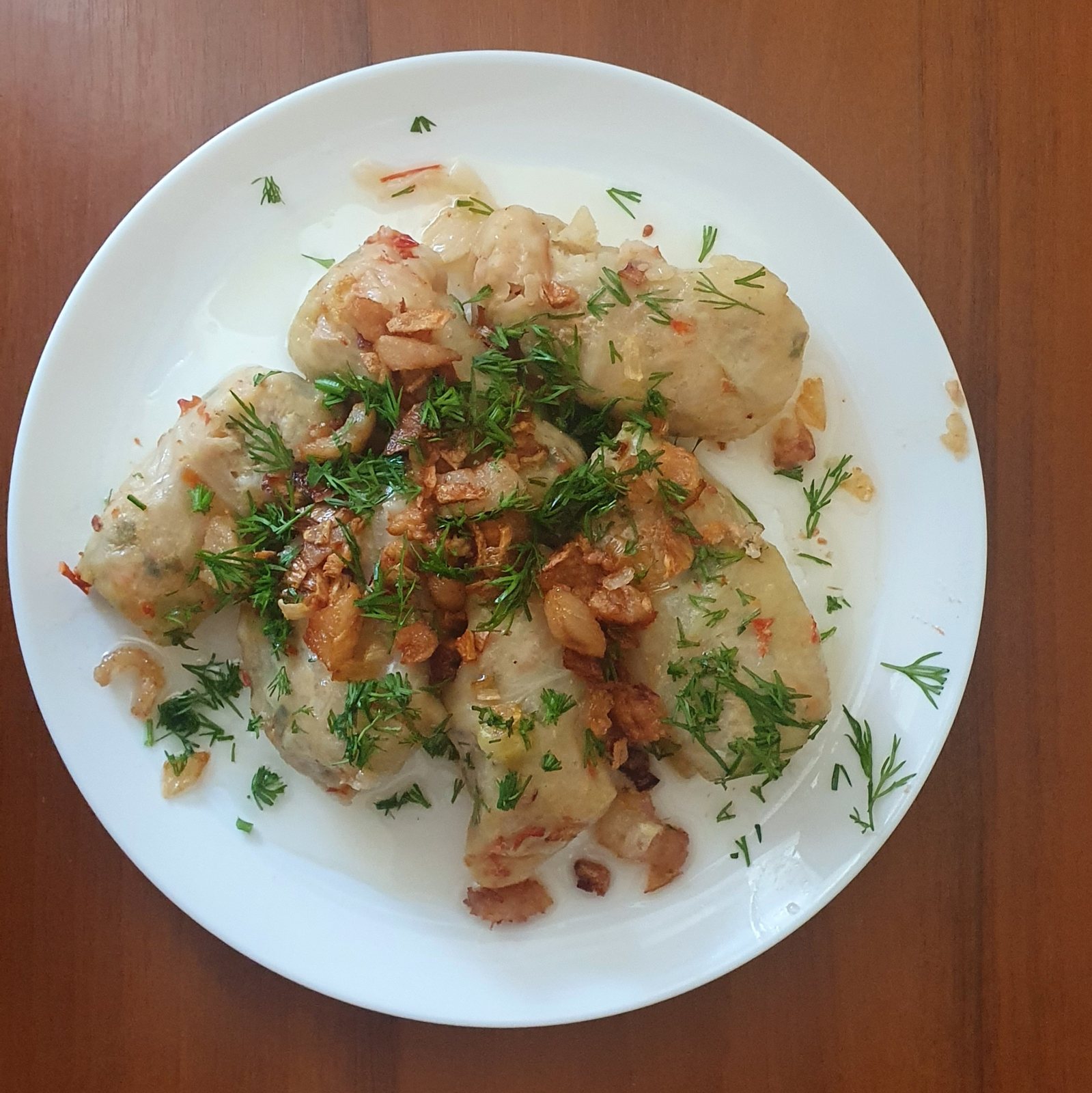
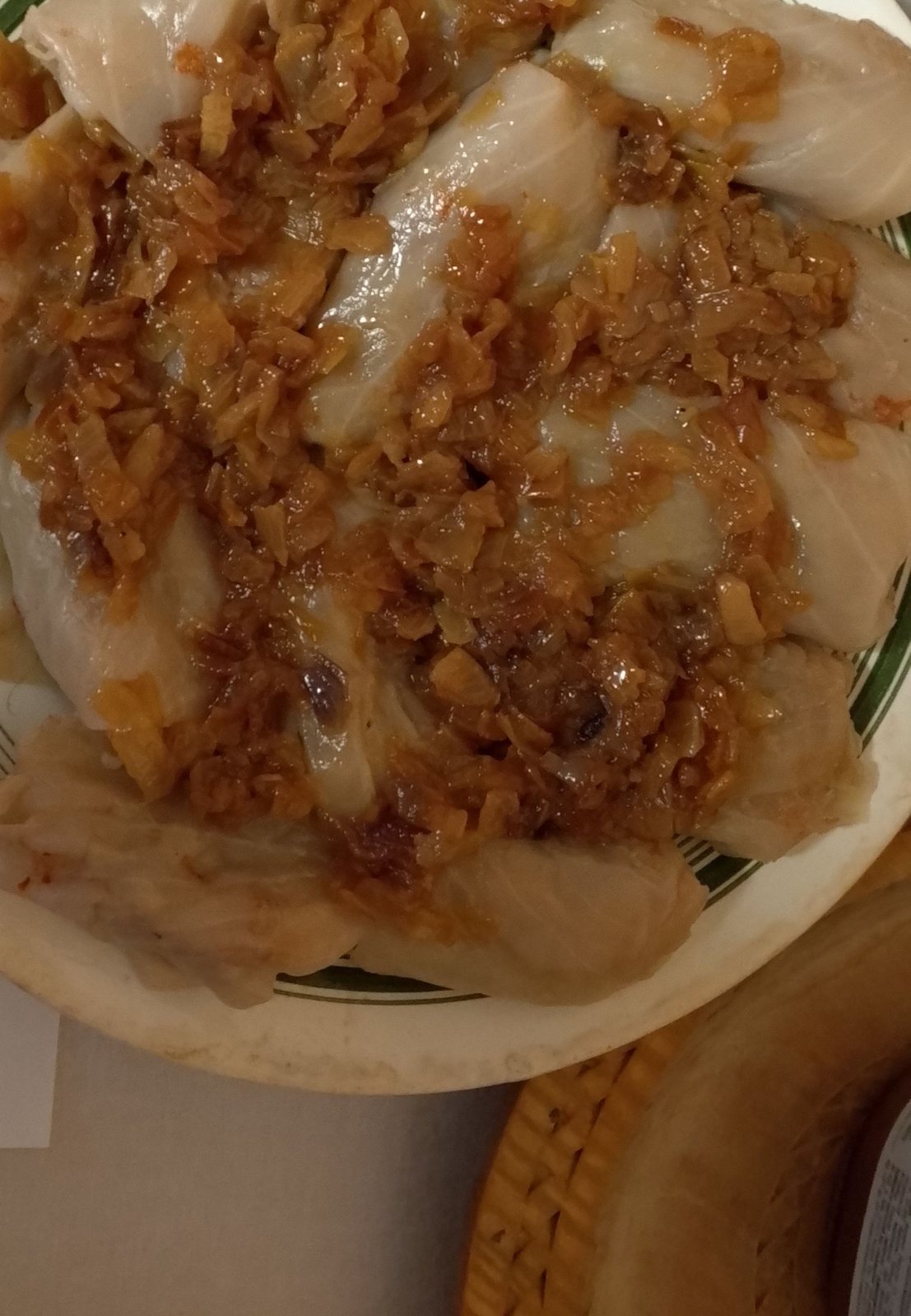
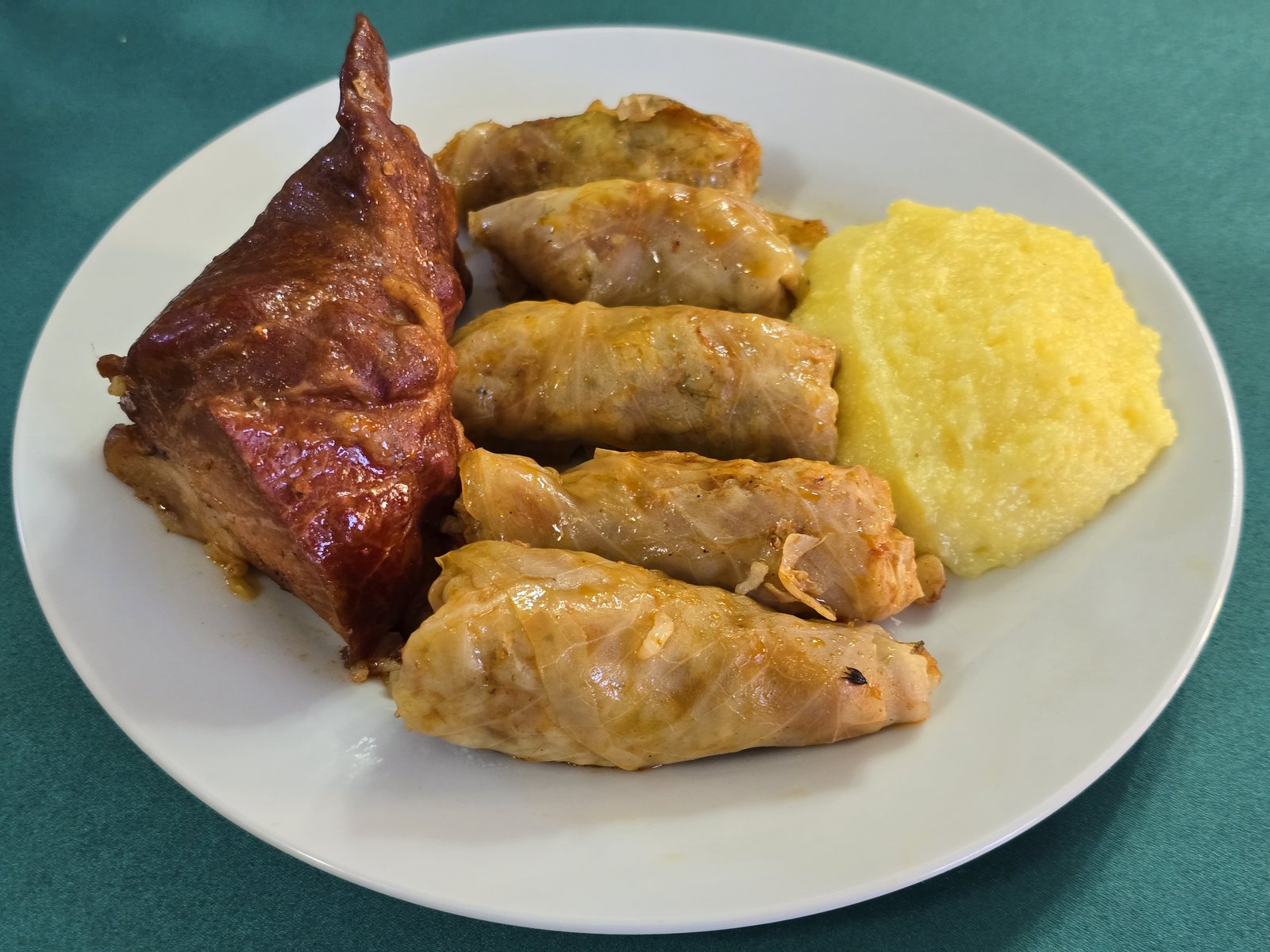
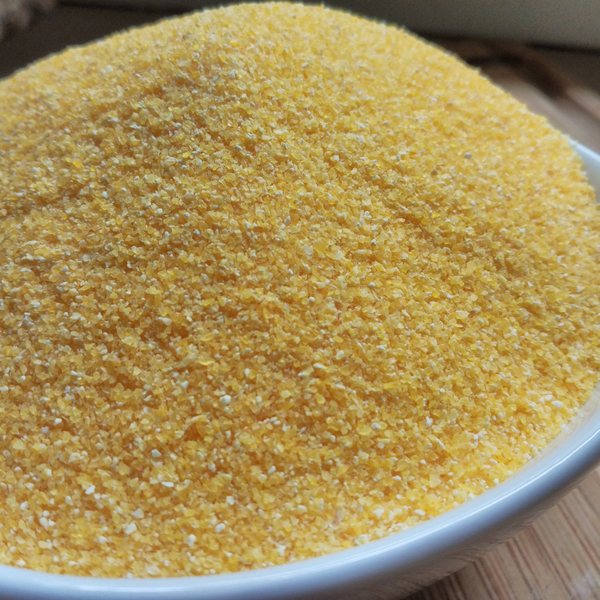
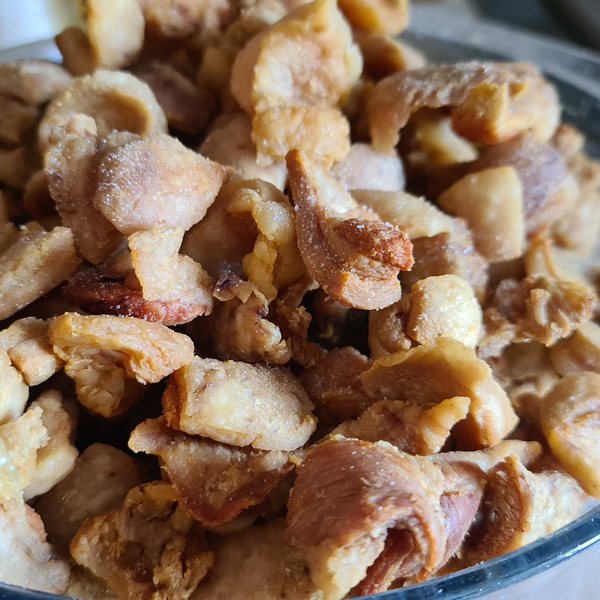
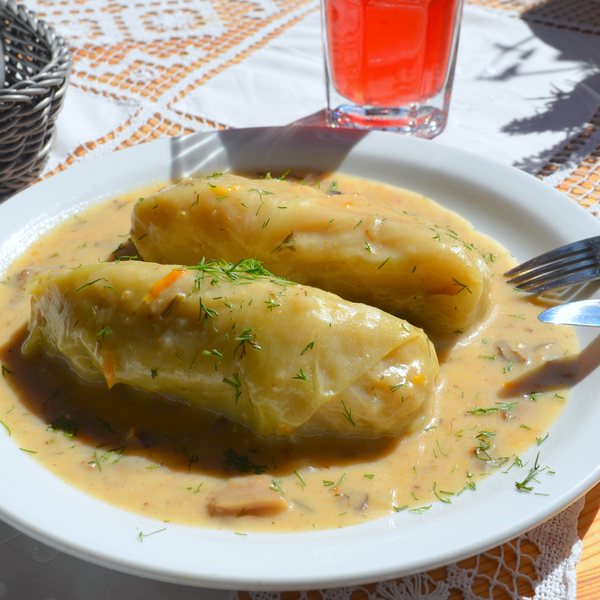
Hutsul holubtsi are wrapped not in fresh, but in fermented cabbage leaves. In Hutsul region, whole fermented heads of cabbage are called "kryzhivky"; the leaves are separated and boiled to soften the acidity. The filling consists of coarsely ground corn grits, often with onions, cracklings, lard, or meat; during fasting — with mushrooms in oil.
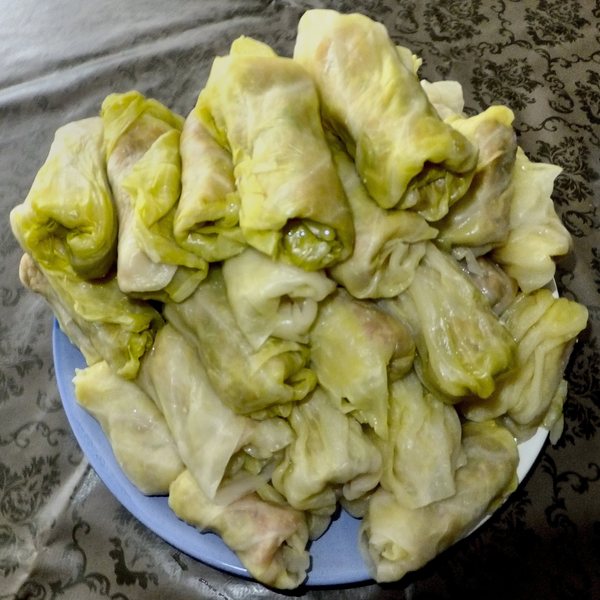
True Hutsul holubtsi are small, about the size of a finger. They are tightly packed in a cast-iron pot, layered with leaves or lard, covered with water, and slowly simmered in the oven. The long baking process causes the grits to swell, while the fermented leaves become soft and impart their sourness to the filling.
Previously, before rice became widespread, the filling was made only from corn grits. Now it is often mixed with rice, and in some villages in Transcarpathia, there are also holubtsi made with grated potatoes.
Holubtsi are generally an element of Ukraine's intangible cultural heritage; the Hutsul variant is one of the most distinctive regional types.
History and name
Holubtsi are known throughout Ukraine, and in 2023, the tradition of their preparation was included in the National Register of Intangible Cultural Heritage (protection No. 066n.k.s.). In the Carpathians, the dish has a mountain base: corn grits instead of millet or rice and fermented leaves instead of fresh ones. Ethnographer Volodymyr Shukhevych described Hutsul holubtsi made from corn grits wrapped in fermented cabbage leaves or in beet leaves that were dried in the sun.
In Transcarpathia, holubtsi are made very small and served at the end of hospitality events or weddings — as a sign that the celebration is coming to an end.
Intangible heritage of Ukraine. Element of the National Inventory of the Intangible Cultural Heritage of Ukraine: Приготування української традиційної страви «Голубці» (елемент для всієї України; гуцульські голубці — регіональний варіант) (No. 066н.к.с., наказ Мінкульту № 234 від 04.05.2023). Sources
Ingredients and allergens
Variant: with cracklings or lard
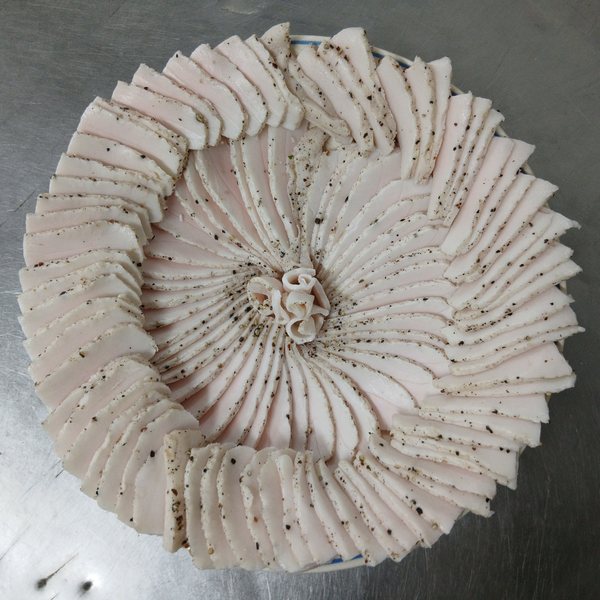
Also: rice (part of the grits, optional)
Contains allergens: milk
Diet: gluten-free by ingredients; traces possible
Variant: with meat
sour cabbage leaves (kryzhivky), corn grits, pork, onion, sour cream
Contains allergens: milk
Diet: gluten-free by ingredients; traces possible
Variant: vegetarian, with mushrooms
sour cabbage leaves (kryzhivky), corn grits, dried porcini, onion, sunflower oil
Contains allergens: none of the 14 major allergens in the traditional recipe
Diet: lenten · vegan · gluten-free by ingredients; traces possible
Ingredients of the traditional recipe; every cook and every place may do it differently — please ask when ordering. We cannot guarantee the absence of allergens or traces.
How it is traditionally made
Serves: 6–8 servings
- Sour cabbage leaves (kryzhivky) — 1 head (20–30 leaves)
- Corn grits — 2–3 cups
- Pork cracklings — 100–150 g
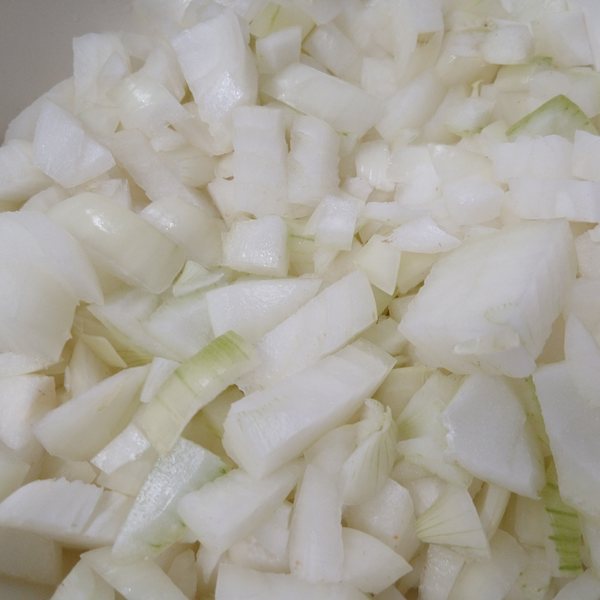
- Onion — 2–3 pcs.
- Pork fat (salo) — a few slices on top
- Rice — part of the grits
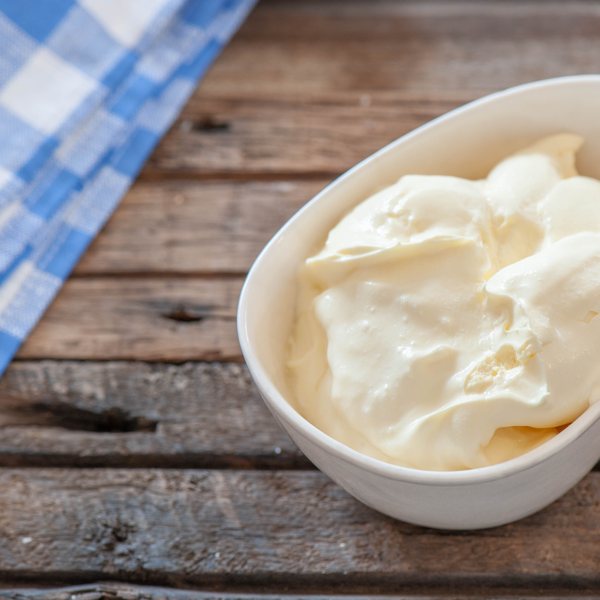
- Sour cream — to taste
- Separate the fermented head into leaves. If the cabbage is very sour, rinse the leaves or boil them for a few minutes; cut off the thick veins.
- Soak the coarsely ground corn grits in boiling water and let them swell over low heat.
- Fry the onions (in lard with cracklings or, for vegetarian, in oil with soaked and chopped dried mushrooms) and mix with the grits; season with salt and pepper.
- Wrap small holubtsi, placing a spoonful of filling on each leaf.
- Line the bottom of a cast-iron pot or roasting pan with scraps of leaves, tightly layer the holubtsi; between layers or on top, you can place slices of lard. Cover with cabbage leaves.
- Pour hot salted water to about one-third full, bring to a boil, and simmer in the oven for 1.5–2 hours or longer, until the grits are soft.
How it is served
Hot, drizzled with fried onions and lard or homemade sour cream; vegetarian — with oil and fried onions.
Variants
On Christmas Eve, holubtsi are vegetarian, with mushrooms. In some villages, the filling is mixed half-and-half with rice or made with grated potatoes; the simmering time varies in sources — from 1.5 to 4–5 hours.
The traditional method as described by our sources; every family does it its own way. We have not tested this recipe in a professional kitchen.
Video
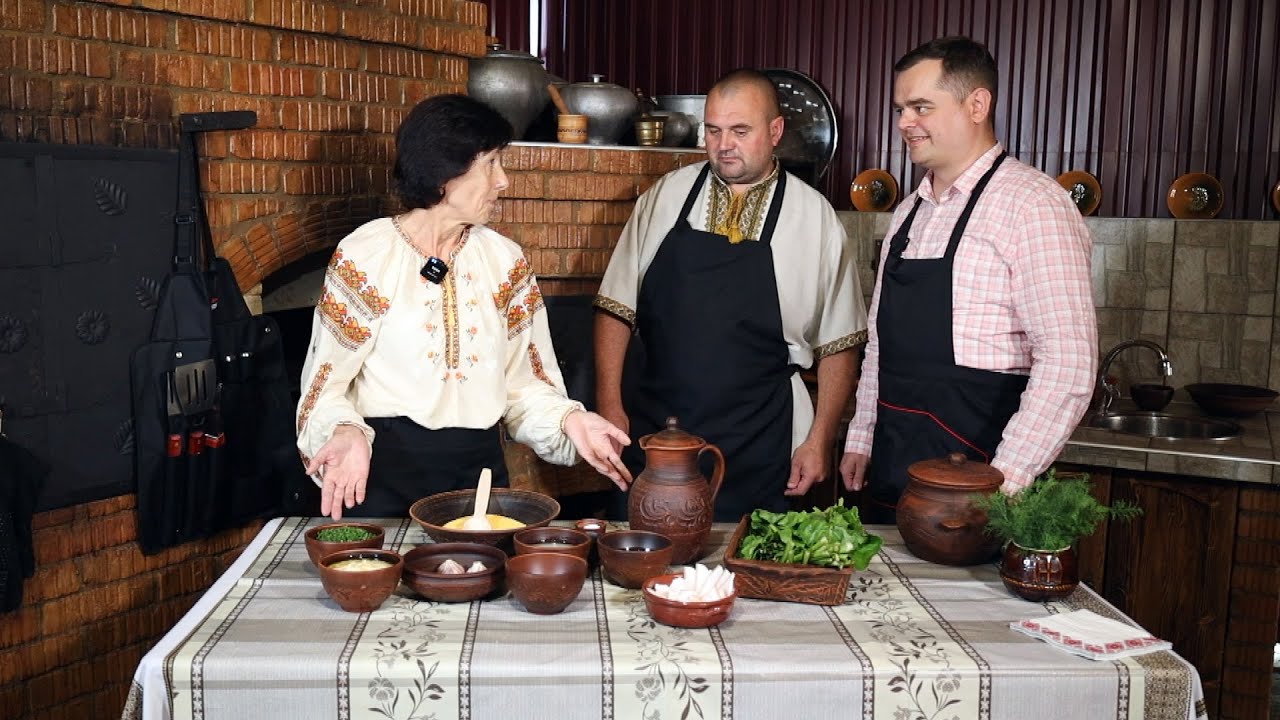 Рецепт смачних голубців, яких ви ще не їли! Програма «Ресторація» у селі ТулуківПриватне підприємство Телерадіокомпанія НТК
Where it is eaten

The area is approximate and based on the sources below. The dish is cooked outside it too, and ethnographic borders are blurred.
Ethnographic Hutsul region (Verkhovyna, Kosiv, Rakhiv, Bukovynian Hutsul region) and mountainous Transcarpathia. Holubtsi are generally prepared throughout Ukraine; the area specifically refers to the variant with fermented leaves and corn grits.
When it is eaten
| Jan | Feb | Mar | Apr | May | Jun | Jul | Aug | Sep | Oct | Nov | Dec |
|---|---|---|---|---|---|---|---|---|---|---|---|
Occasions: Christmas Eve · Christmas · Weddings · Lent · Everyday food
In tradition
Holubtsi are a must-have dish for celebrations: vegetarian — on Christmas Eve, with meat and cracklings — on Christmas, weddings, and church holidays. In Transcarpathia, small holubtsi are served last, at the end of hospitality events.
FAQ
What are kryzhivky?
This is how fermented whole heads of cabbage are called in Hutsul region. Holubtsi are wrapped in their leaves: they are soft, flexible, and give the filling a pleasant sourness.
How do Hutsul holubtsi differ from regular ones?
With fermented leaves instead of fresh, corn grits instead of rice, and small size. They are simmered for a long time in cast iron, often with lard or cracklings.
Are there vegetarian Hutsul holubtsi?
Yes. On Christmas Eve, the filling is made from corn grits, mushrooms, and onions in oil, without lard and sour cream.
Where to try and buy
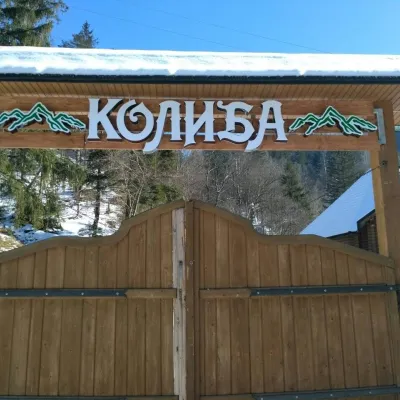 Koliby & Hutsul cuisineKoliba Restaurant, SokolivkaSokolivkaKolyba Restaurant in Sokolivka is a genuine Hutsul koliba by the main Kosiv–Verkhovyna road, above the mountain river...
 Koliby & Hutsul cuisineBabai Restaurant, YavorivYavorivBabai Restaurant is one of the best-known roadside eateries of the Hutsul region.
 Koliby & Hutsul cuisineZRUB Ethno Restaurant, IltsiIltsiZRUB Ethno Restaurant is a new log-built home of Hutsul cooking in the village of Iltsi, on the edge of Verkhovyna,...
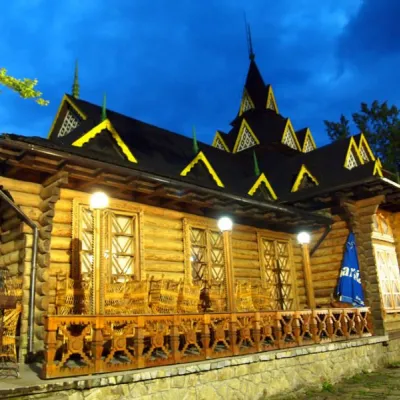 Koliby & Hutsul cuisineРесторан Гуцульщина, ЯремчеYaremcheРесторан «Гуцульщина» - один з найвідоміших ресторанів Карпатського краю України.
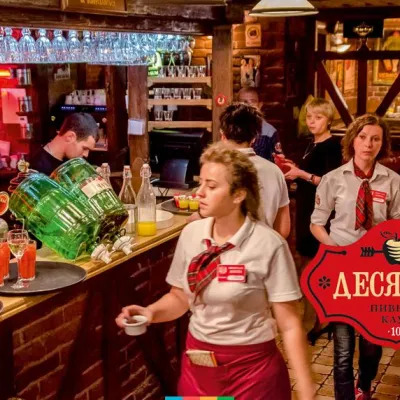 Koliby & Hutsul cuisineПивний клуб та Бістро "Десятка"Ivano-Frankivsk«Десятка» — це два заклади під одним дахом: пивний клуб і бістро в сецесійному будинку початку ХХ століття на розі...
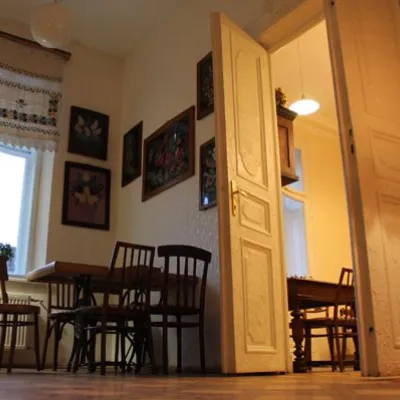 RestaurantСімейна ресторація МуляровихIvano-Frankivsk regionПереступивши поріг приміщення старого відреставрованого будинку в цетрі Франківська, де зручно розмістилася Сімейна...
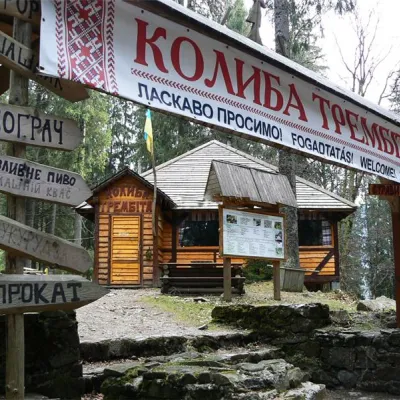 KolibaКолиба "Трембіта"Synevyrska PolyanaКафе «Трембіта» зручно розташувалася на березі мальовничого озера в Синевирській Поляні, що на висоті тисячу метрів...
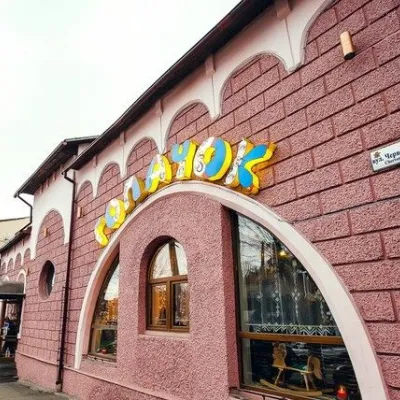 RestaurantРесторан "Гопачок"ChernivtsiРесторан "Гопачок" - один із кращих у Чернівцях закладів у національному стилі, де готують страви традиційної...
 Koliby & Hutsul cuisineKrasna Sadyba Koliba, YaremcheYaremcheKrasna Sadyba in Yaremche is one of the town’s busiest places to eat: it has almost seven and a half thousand reviews...
Craft places and restaurants whose menu or description mentions this dish. Menus change — please check availability. Places with Hutsul, Carpathian or Galician cuisine often have it on the menu.
Similar dishes and products
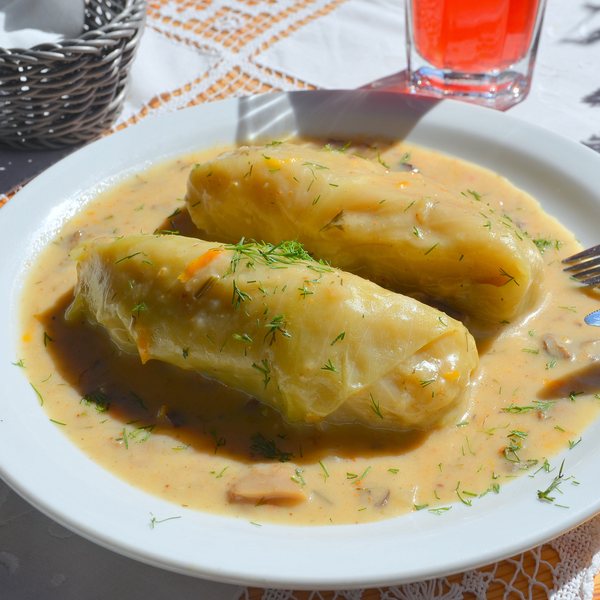
Relatives in the Carpathians and nearby
- sarmale · Romania
a close tradition: holubtsi made from fermented leaves, often with corn grits - gołąbki · Poland
a related name - töltött káposzta · Hungary
a close tradition
Sources
- Національний перелік елементів НКС України (станом на 16.07.2025), № 066н.к.с.
- НПП «Верховинський»: Що і де поїсти (голубці з «крижівок»)
- ZN.UA: Смачна Гуцульщина (за працею В. Шухевича)
- Санаторій «Сонячний»: Гуцульські голубці
- Вікіпедія: Закарпатська кухня (закарпатські голубці)
Written by the Karpaty.rocks editors from the sources above. Checked 10.11.2026.
