Lemko potato holubtsi
What it is
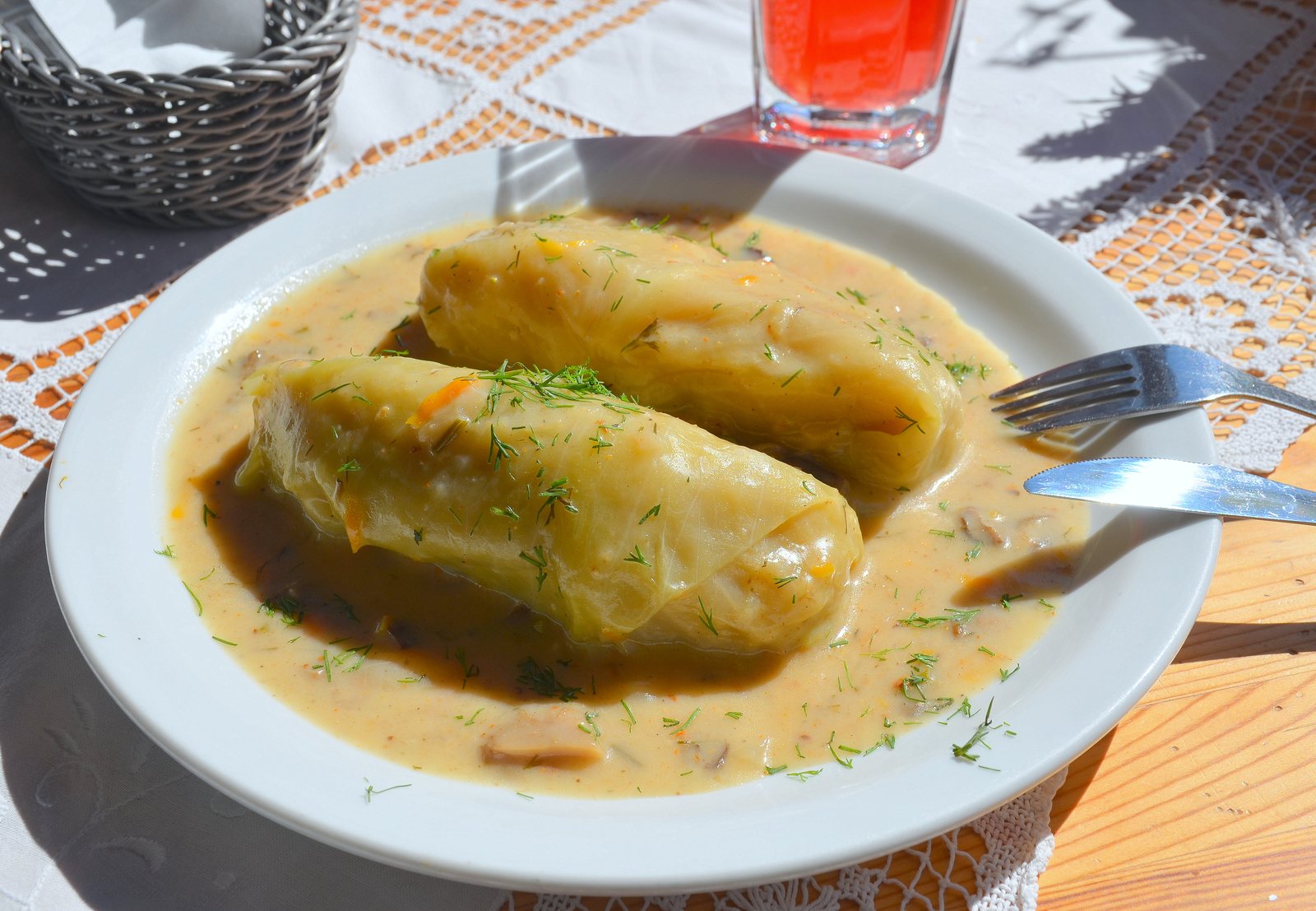
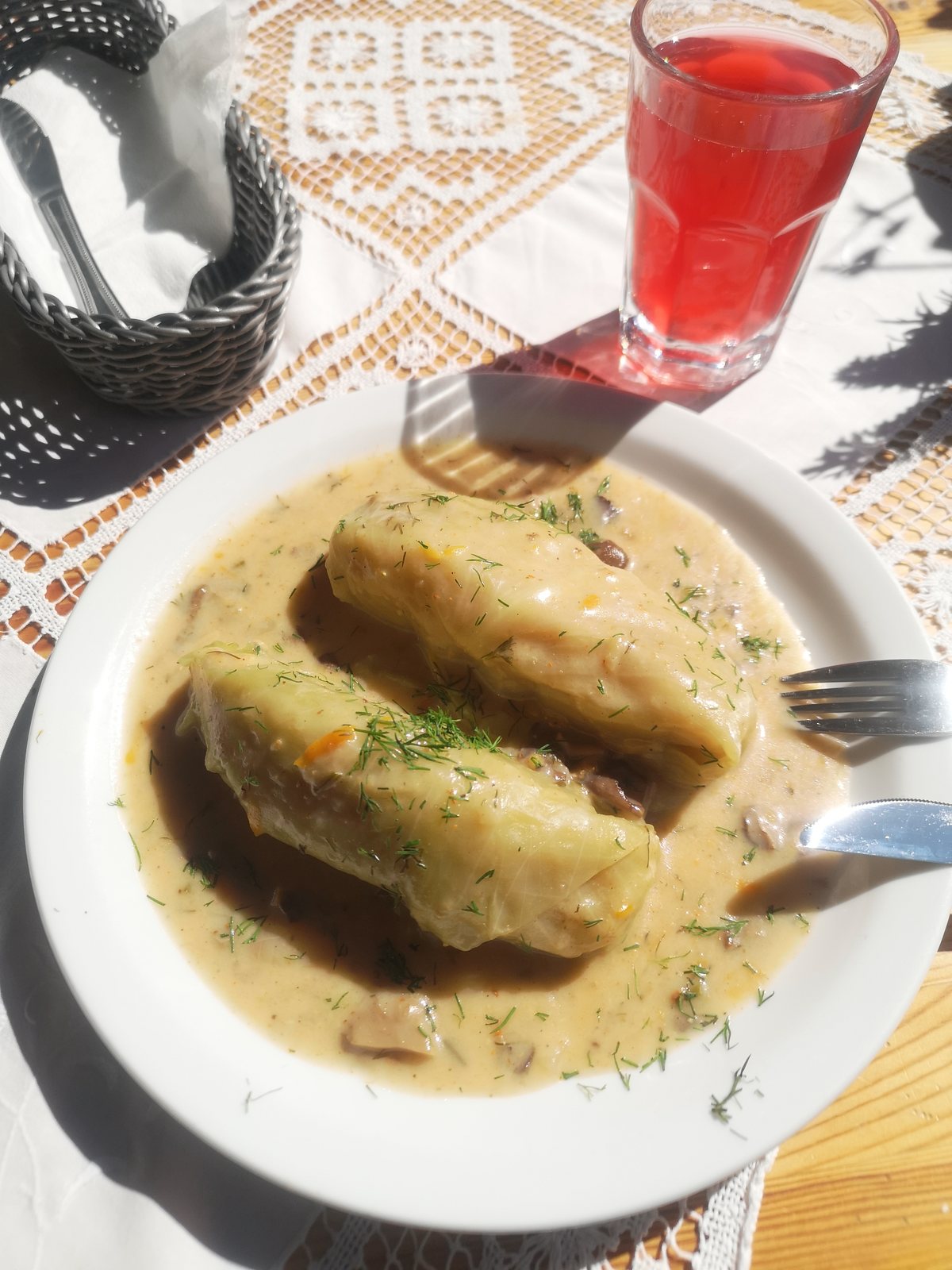
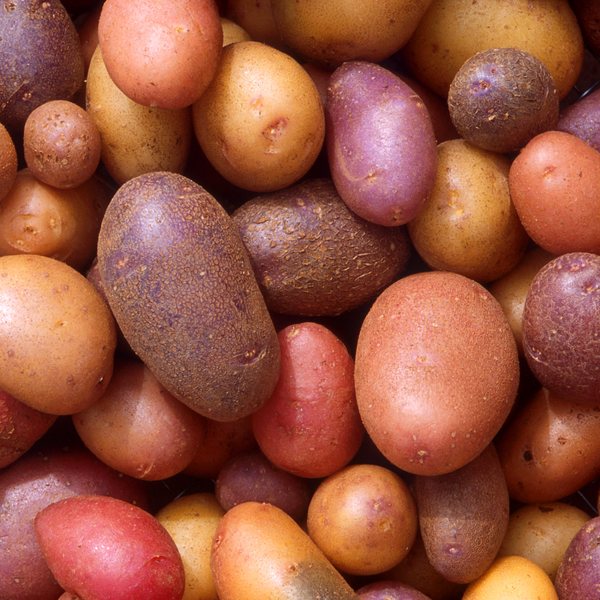
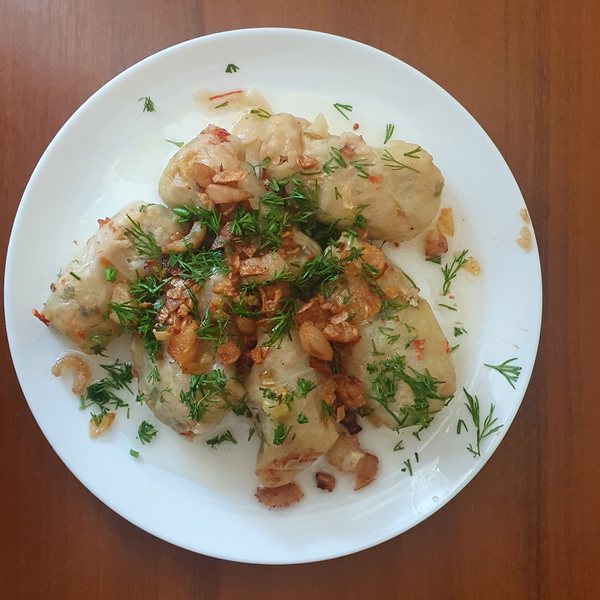
Lemko potato holubtsi are called 'tyrchani' by the Lemkos — meaning made from grated potatoes. The filling is not made from rice or grains, but from two types of potatoes: boiled, mashed into puree, and raw, grated on a fine grater. The raw potato becomes crumbly after stewing and resembles rice.
In the lean version, dried mushrooms and sauté made from onions and carrots in oil are added to the holubtsi. The holubtsi are placed in a small pot, covered with boiling water, and stewed in the oven, and at the end, they are topped with sauté with tomato. Folklorist Iryna Kryuchenko, to whom the recipe was shown by her Lemko grandmother, says that the more sauté and mushrooms, the tastier it is.
The rich version is prepared with meat, most often pork, instead of mushrooms and stewed in sour cream. The filling here is also potato-based, without rice.
The tradition of preparing lean holubtsi with potatoes has been included in the National Register of Intangible Cultural Heritage of Ukraine. Its bearers are the descendants of Lemkos in the village of Soniashne in Donetsk region.
History and name
Lemkivshchyna is the western part of the Ukrainian Carpathians, which now mostly belongs to Poland. Between 1944 and 1951, most Ukrainian Lemkos were forcibly resettled: some to Ukraine, and some to the west and north of Poland during the 'Vistula' action. According to folklorist Iryna Kryuchenko, in 1951, 115 Lemko families from the villages of Riabe and Liskovate were resettled to the village of Krasna (since 2016 — Soniashne) in the Volnovakha district.
The resettlers preserved their cuisine and rituals. Lean holubtsi with potatoes became the first Lemko culinary element in the National Register of Intangible Cultural Heritage (order No. 695 dated 12.12.2023). Currently, the village of Soniashne is under temporary occupation, and some bearers of the tradition have left and prepare holubtsi in other cities.
Intangible heritage of Ukraine. Element of the National Inventory of the Intangible Cultural Heritage of Ukraine: Пісні голубці з картоплею, традиція приготування та споживання (No. 082н.к.с., наказ Мінкульту № 695 від 12.12.2023). Sources
Ingredients and allergens
Variant: lean, with mushrooms (for viliya)
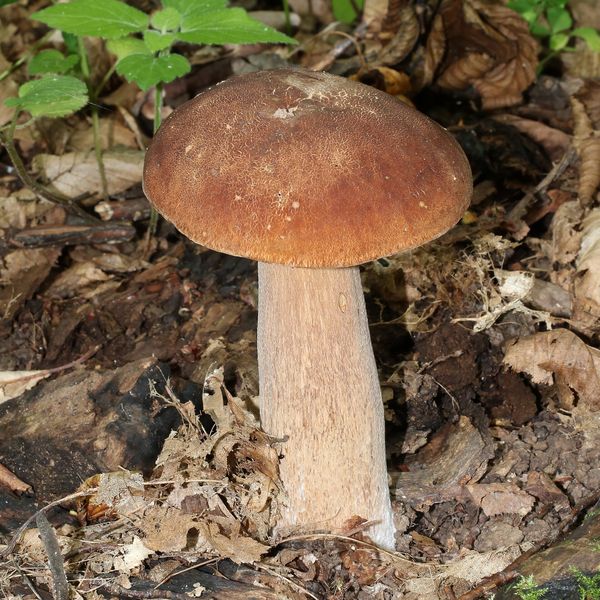
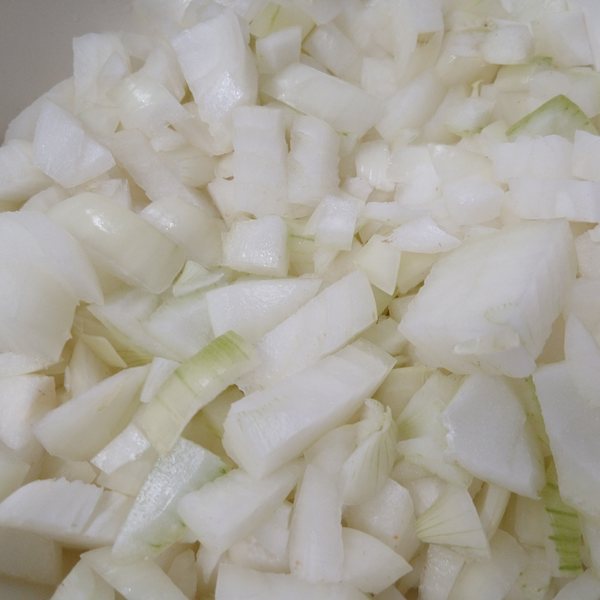
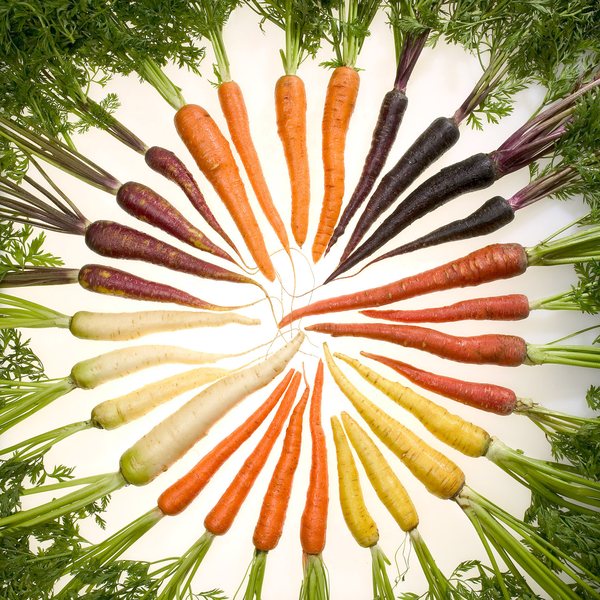
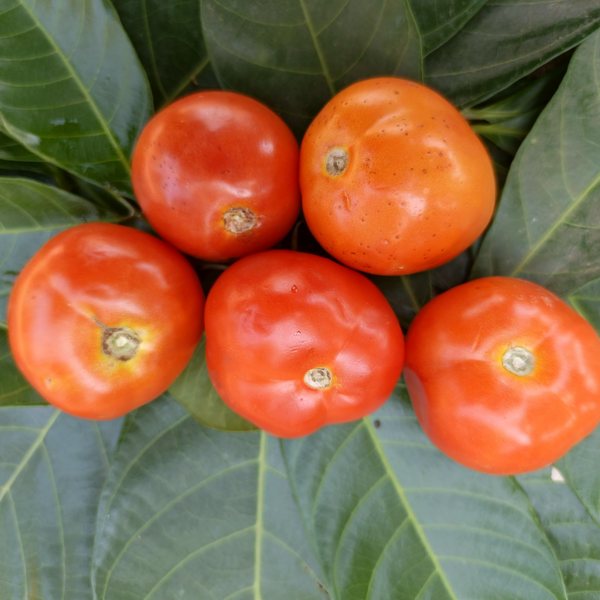
Also: sunflower oil (4–6 tbsp.), salt (to taste), black pepper (to taste, optional)
Contains allergens: none of the 14 major allergens in the traditional recipe
Diet: lenten · vegan · gluten-free
Variant: rich, with meat in sour cream
potato, white cabbage (fresh leaves), pork, onion, sour cream, salt
Contains allergens: milk
Diet: gluten-free
Ingredients of the traditional recipe; every cook and every place may do it differently — please ask when ordering. We cannot guarantee the absence of allergens or traces.
How it is traditionally made
Serves: 6–8 servings
- Potato — 1.5–2 kg (half boiled, half raw)
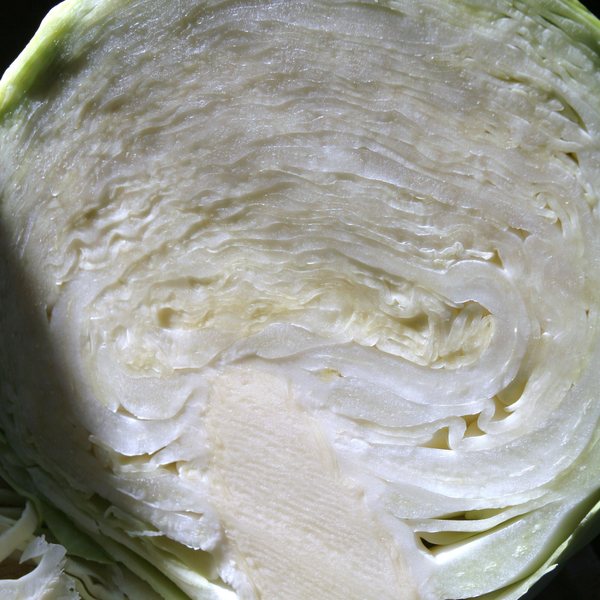
- White cabbage (fresh leaves) — 1 head
- Dried porcini — 30–50 g
- Onion — 2–3 pcs.
- Carrot — 1–2 pcs.
- Sunflower oil — 4–6 tbsp.
- Tomatoes — 2–3 pcs. or 2 tbsp. tomato paste
- Salt — to taste
- Black pepper — to taste
- Cut out the hard core from the cabbage head and immerse the cabbage in boiling water; remove the leaves as soon as they become soft and cut off the thick veins.
- Soak the dried mushrooms in boiling water for 1–2 hours, boil, and finely chop.
- Boil half of the potatoes and mash them, grate the other half raw on a fine grater and lightly squeeze out.
- Sauté the onions and carrots in oil. Mix both types of potatoes, mushrooms, and most of the sauté, season with salt and pepper.
- Place 1–2 tablespoons of filling on a leaf and tightly roll it up. Line the bottom of the pot with the trimmed leaves, arrange the holubtsi in layers, and pour in boiling water so that it barely covers them.
- Stew in the oven or on low heat for 1–1.5 hours. When most of the water has evaporated, pour the remaining sauté with tomato over the holubtsi and finish cooking.
How it is served
Hot, drizzled with sauté or mushroom sauce. They are served immediately after kutia on Viliya.
Variants
Rich tyrchani holubtsi are made with pork instead of mushrooms and stewed in sour cream. Families that preserve the recipe divide the potatoes differently: some use only grated raw, while others use half boiled.
The traditional method as described by our sources; every family does it its own way. We have not tested this recipe in a professional kitchen.
Video
 ГОЛУБЦІ З КАРТОПЛЕЮ! Є секрет! Від такої смакоти важко відмовитись. Пісні голубці з тертої бульбиНАШІ БЕСАГИ - їжа та рецепти
Where it is eaten
Historical Lemkivshchyna (now mostly in Poland) and the places where the Lemkos were resettled. The element of intangible heritage is recorded in the village of Soniashne in the Volnovakha district of Donetsk region — this is far from the Carpathians, and currently, the village is under occupation. Potato holubtsi are also prepared by Lemko families in Lviv and Ternopil regions. The area is approximate.
When it is eaten
| Jan | Feb | Mar | Apr | May | Jun | Jul | Aug | Sep | Oct | Nov | Dec |
|---|---|---|---|---|---|---|---|---|---|---|---|
Occasions: Christmas Eve · Christmas · Lent · Everyday food
In tradition
On Lemko Viliya (Holy Evening), 12 lean dishes were served, and lean holubtsi with potatoes ranked second in significance after kutia. Rich holubtsi with meat were prepared at any time, most often at Christmas.
FAQ
What are tyrchani holubtsi?
This is how the Lemkos refer to holubtsi made from grated potatoes. The filling is made from raw grated and boiled potatoes with mushrooms and sauté, without rice.
Are Lemko holubtsi included in the intangible heritage list?
Yes. 'Lean holubtsi with potatoes, the tradition of preparation and consumption' has been included in the National Register of Intangible Cultural Heritage of Ukraine (082n.k.s., order No. 695 dated 12.12.2023). The bearers of the tradition are the Lemkos resettled to the village of Soniashne in Donetsk region.
How do they differ from regular holubtsi?
Instead of rice or grains, there is potato, part of which is raw. After stewing, the grated potato becomes crumbly, similar to rice.
Similar dishes and products
Relatives in the Carpathians and nearby
- potato holubtsi of Galicia and Subcarpathia · Poland
a similar tradition: holubtsi with grated potatoes are also known on the Polish side of the border - Hutsul holubtsi · Ukraine
a similar tradition: in the Carpathians, the filling is made from corn grits
Sources
- Національний перелік елементів НКС України (082н.к.с.)
- Укрінформ: Голубці з картоплею від лемків із Донеччини (2024)
- Вікіпедія: Пісні голубці з картоплею
- ZAXID.NET: Пісні голубці на Святвечір — 4 рецепти (голубці з картоплею)
Written by the Karpaty.rocks editors from the sources above. Checked 10.11.2026.
