Zakarpattia holubtsi
What it is
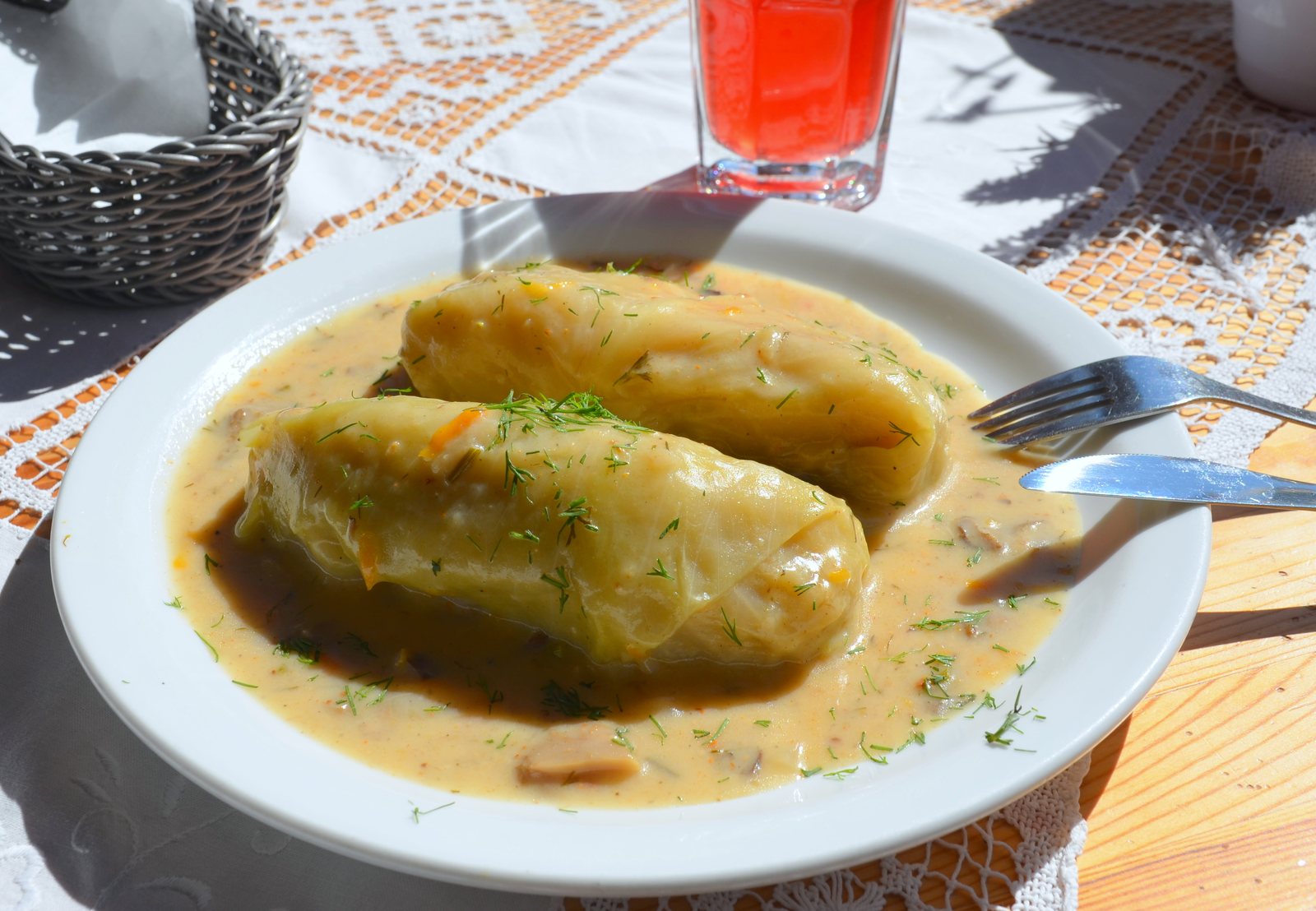
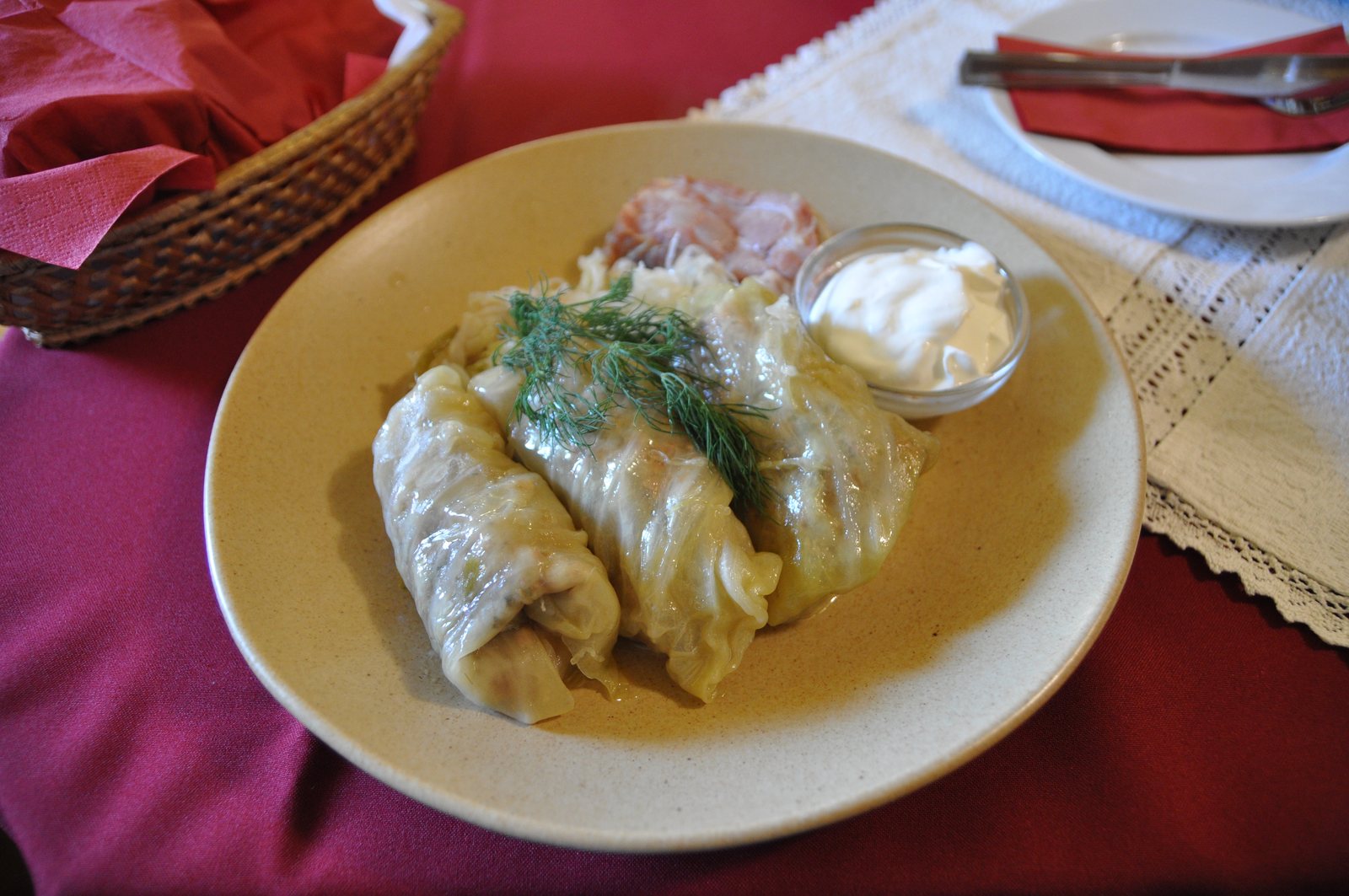
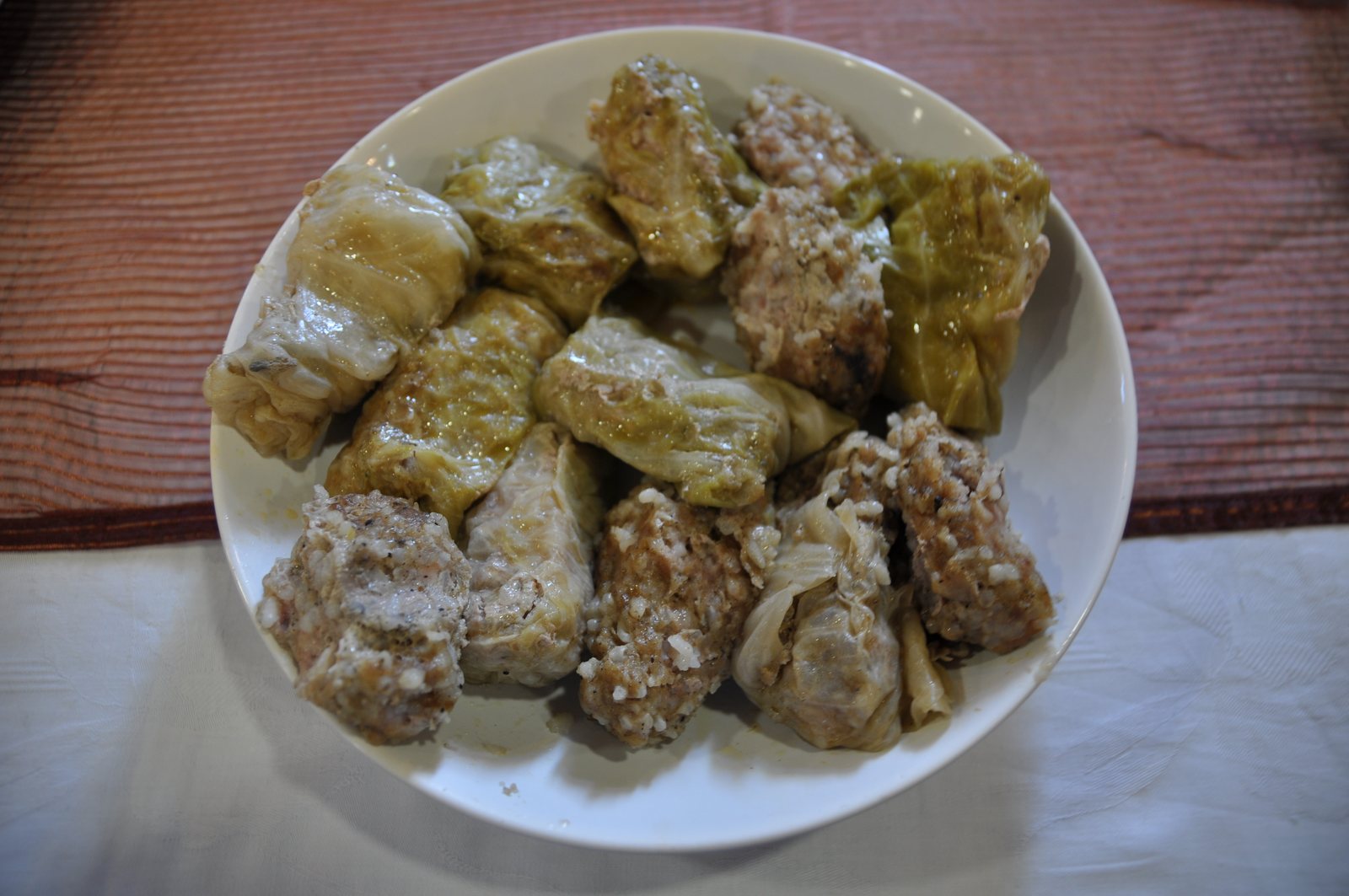
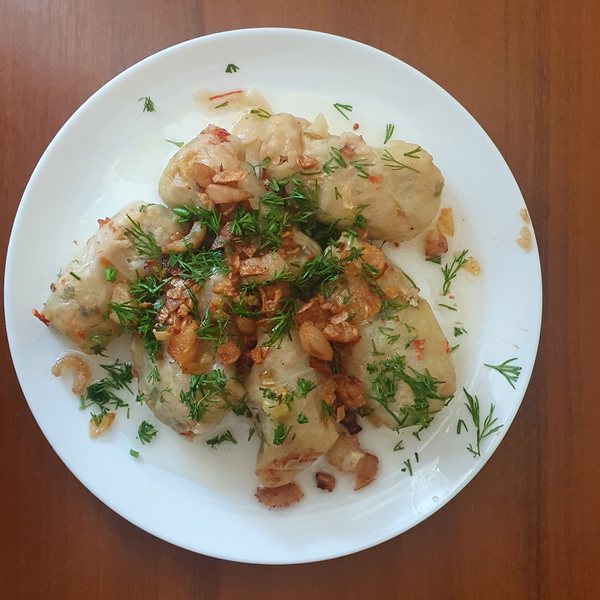
In Zakarpattia, holubtsi are not just one dish, but a whole family of local recipes. The filling can include rice, corn grits (melai), millet, grated raw potatoes, gombovda — dry grated dough, as well as pork mince, cracklings, walnuts, and during fasting — dried mushrooms. They are wrapped in fresh or pickled cabbage leaves, as well as in grape, beet, or even horseradish leaves.
The regional center for culture, which maintains the regional list of intangible heritage, describes several village varieties: small, tightly rolled Bichkiv holubtsi with rice from the village of Velykyi Bychkov; walnut holubtsi, or kashanyky, in grape leaves with corn grits and nuts from the village of Cherna; holubtsi with gombovda from the village of Kholmok; with corn grits and mushrooms from the village of Makaryovo; wedding 'Svalbuvski' with cracklings and rice from the village of Ternovo; holubtsi with grated potatoes from the village of Polyanska Huta; Christmas Eve ones with millet and mushrooms, baked in the oven, from the town of Rakhiv and the village of Kostylivka.
Holubtsi are eaten both on weekdays and on holidays: on Christmas Eve, weddings, christenings, memorial lunches, and church holidays. They are considered a sign of abundance and hospitality, and Zakarpattia holubtsi are often made quite small, for one or two bites.
History and name
Holubtsi as a nationwide dish have been included in the National List of Intangible Cultural Heritage (element 066n.k.s., 2023). The Zakarpattia tradition with its village variants has been separately included in the regional list of the region. Researchers explain the diversity by the nature of the region: grapes and corn in the lowlands and foothills, millet and potatoes in the mountains, leaves that are available at certain times of the year.
The village of Velykyi Bychkov in Rakhiv district is called the 'capital of holubtsi': here they held the gastronomic festival 'Bichkiv Holubtsi', and locals say that a holiday without holubtsi is a hungry holiday.
Regional intangible heritage. Element of a regional intangible heritage list: Традиція приготування голубців на Закарпатті (елемент Регіонального переліку НКС Закарпаття (Обласний організаційно-методичний центр культури); номер і дату рішення на сторінці елемента не наведено). Sources
Legend: True Zakarpattia holubtsi should not be larger than a pinky finger.
In fact: Small holubtsi are indeed characteristic of the village of Velykyi Bychkov and several other villages, but in other communities, they make regular-sized ones — the size is determined by local custom, not a general rule.
Ingredients and allergens
Variant: bichkiv, with rice and meat
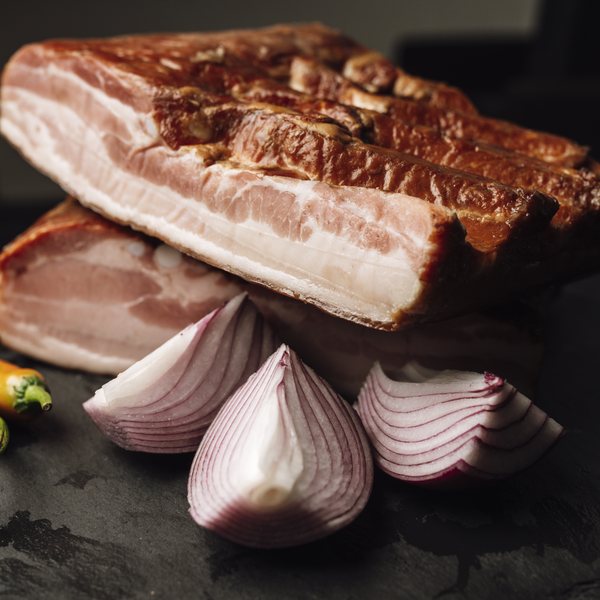
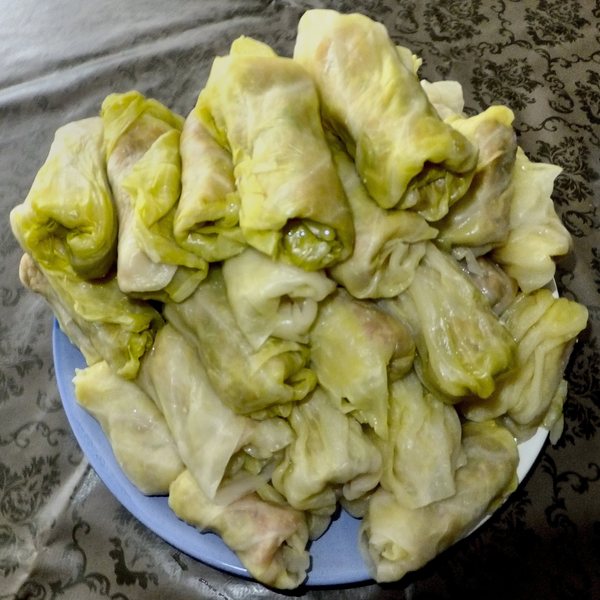
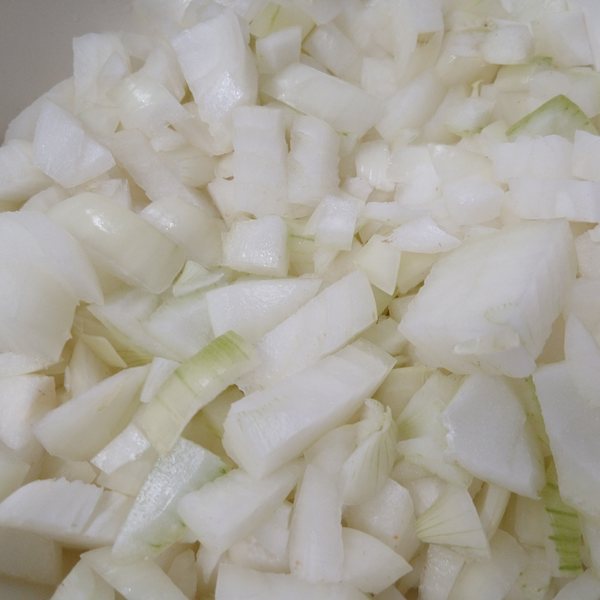
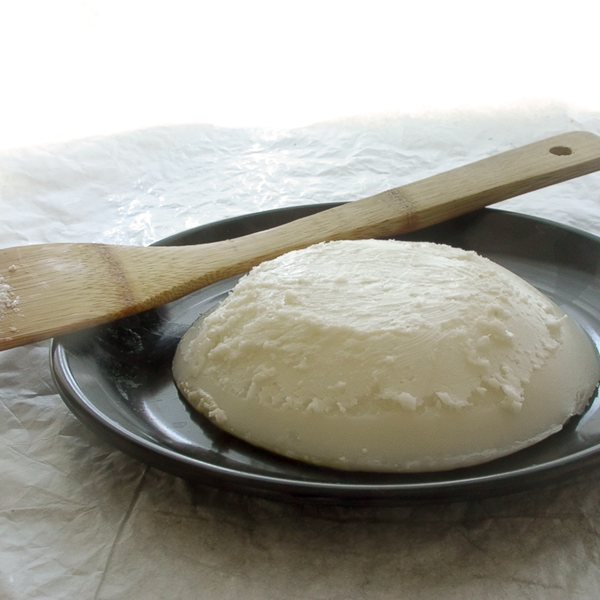
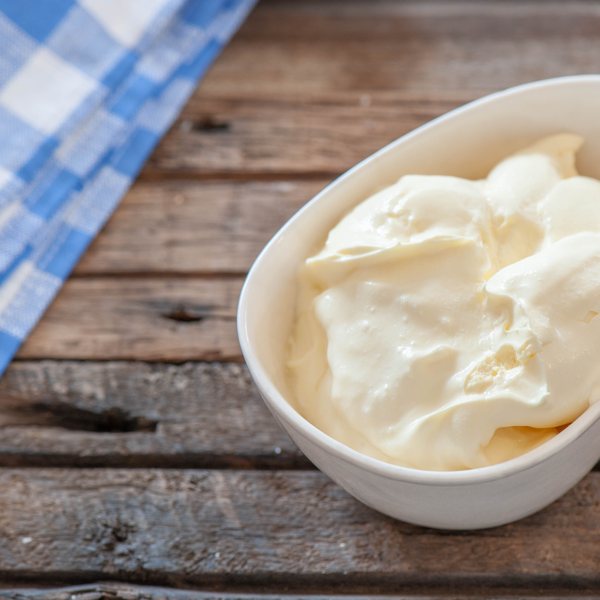
Also: ground paprika (1 tsp., optional)
Contains allergens: milk
Diet: gluten-free
Variant: kashanyky in grape leaves (cherna)
grape leaves, corn grits, walnuts, onion, lard
Contains allergens: tree nuts
Diet: vegan · gluten-free by ingredients; traces possible
Variant: christmas eve, with millet and mushrooms (rakhiv region)
white cabbage (fresh leaves), millet, dried porcini, onion, sunflower oil
Contains allergens: none of the 14 major allergens in the traditional recipe
Diet: lenten · vegan · gluten-free
Variant: with grated potatoes (polyanska huta)
sour cabbage leaves (kryzhivky), potato, onion, sunflower oil
Contains allergens: none of the 14 major allergens in the traditional recipe
Diet: lenten · vegan · gluten-free
Variant: seasonal, in beet or grape leaves (sokyrnytsia)
beet leaves, corn grits, onion, sunflower oil
Contains allergens: none of the 14 major allergens in the traditional recipe
Diet: lenten · vegan · gluten-free by ingredients; traces possible
Ingredients of the traditional recipe; every cook and every place may do it differently — please ask when ordering. We cannot guarantee the absence of allergens or traces.
How it is traditionally made
Serves: 6–8 servings
- Sour cabbage leaves (kryzhivky) — 1 head (or fresh leaves)
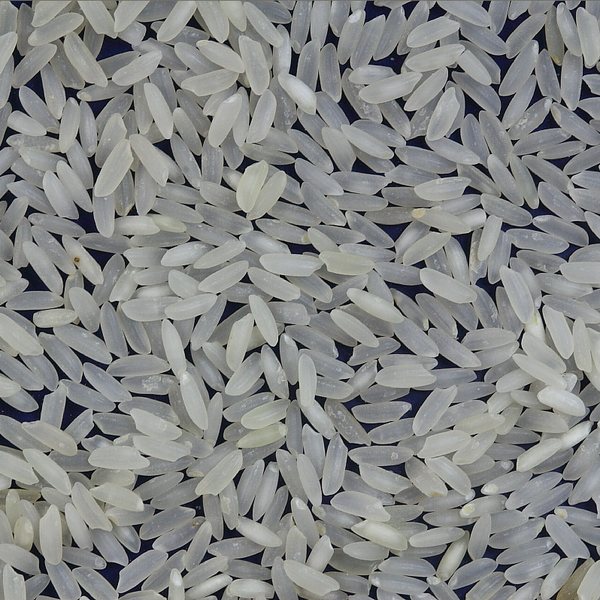
- Rice — 1–1.5 cups
- Pork — 400–600 g minced meat
- Onion — 1–2 pcs.
- Lard — 2–3 tbsp.
- Ground paprika — 1 tsp.
- Sour cream — to taste
- Prepare the leaves: separate the pickled ones and rinse them if they are too sour; blanch the fresh head in boiling water and remove the soft leaves; scald the grape or beet leaves to make them flexible.
- Rinse the rice (or millet, corn grits) and bring it to semi-cooked or simply pour boiling water over it for 10–15 minutes.
- Finely chop the onion and fry it in lard or oil; mix with the grits, minced meat, or soaked and chopped mushrooms, season with salt and pepper.
- Place 1–2 tablespoons of filling on a leaf and roll tightly. For Bichkiv holubtsi, a very small amount of filling is used to make small tight rolls.
- Line the bottom of a pot with scraps of leaves or pieces of lard, and arrange the holubtsi tightly in rows.
- Pour in water or broth just to cover, cover with leaves, and simmer on low heat or in the oven for 1.5–2 hours until the grits are soft.
How it is served
Hot, with sour cream or with sauce from the pot; on Christmas Eve — fasting, with oil and fried onions. At gatherings, Zakarpattia holubtsi are often served at the end of the meal.
Variants
Each community has its own variant: in the village of Cherna they use grape leaves and corn grits with nuts, in the village of Kholmok — gombovda, in the village of Ternovo for weddings — cracklings with rice, in the village of Sokyrnytsia in summer — beet leaves.
The traditional method as described by our sources; every family does it its own way. We have not tested this recipe in a professional kitchen.
Video 2
 🇺🇦🥬 ГОЛУБЦІ ЗА СТАРОВИННИМ РЕЦЕПТОМ ЗАКАРПАТТЯ.ЗАКАРПАТСЬКІ ГОЛУБЦІ ЗІ СМЕТАНОЮ🥬🥬Мамина Помічниця

Where it is eaten

The area is approximate and based on the sources below. The dish is cooked outside it too, and ethnographic borders are blurred.
The entire Zakarpattia region consists of mountainous, foothill, and plain communities. Points on the map are villages mentioned in the description of the regional element; coordinates are centers of settlements, approximately.
When it is eaten
| Jan | Feb | Mar | Apr | May | Jun | Jul | Aug | Sep | Oct | Nov | Dec |
|---|---|---|---|---|---|---|---|---|---|---|---|
Occasions: Christmas Eve · Weddings · Everyday food · Lent · Festivals
In tradition
Holubtsi are a mandatory dish on the Christmas Eve table (then fasting, with grits and mushrooms) and at wedding feasts. In the village of Velykyi Bychkov, they say that if the hostess does not make holubtsi for the holiday, the family will remain hungry. Holubtsi are also almost always served at memorial lunches and christenings.
Safety
Fasting variants with mushrooms are prepared only with purchased or checked dried mushrooms.
FAQ
How do Zakarpattia holubtsi differ from Hutsul ones?
Hutsul ones are mostly made with pickled leaves and corn grits. In Zakarpattia, the choice is broader: rice, millet, grated potatoes, gombovda, nuts, and they are also wrapped in grape or beet leaves.
Are Zakarpattia holubtsi an element of intangible heritage?
Yes. 'The tradition of preparing holubtsi in Zakarpattia' has been included in the regional list of intangible cultural heritage of Zakarpattia region. Holubtsi in general are also in the National List (066n.k.s.).
What are kashanyky?
This is what they call walnut holubtsi in the village of Cherna: corn grits with walnuts wrapped in grape leaves.
Why are Bichkiv holubtsi so small?
This is a local custom of the village of Velykyi Bychkov: a small amount of filling is used and they are rolled very tightly. Such holubtsi are considered a sign of a skillful hostess.
Where to try and buy
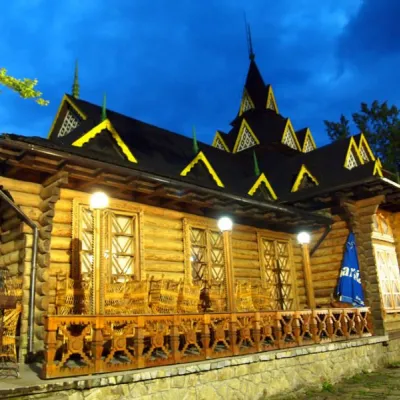 Koliby & Hutsul cuisineРесторан Гуцульщина, ЯремчеYaremcheРесторан «Гуцульщина» - один з найвідоміших ресторанів Карпатського краю України.
 Koliby & Hutsul cuisineПивний клуб та Бістро "Десятка"Ivano-Frankivsk«Десятка» — це два заклади під одним дахом: пивний клуб і бістро в сецесійному будинку початку ХХ століття на розі...
 RestaurantСімейна ресторація МуляровихIvano-Frankivsk regionПереступивши поріг приміщення старого відреставрованого будинку в цетрі Франківська, де зручно розмістилася Сімейна...
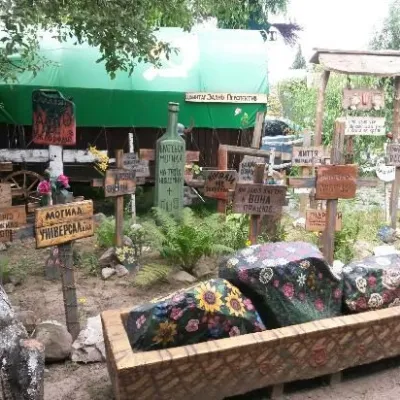 TavernКорчма-музей "Деца у нотаря"Uzhhorod«Деца у нотаря» —один із найколоритніших закладів ресторанного типу в Ужгороді та, мабуть, в усьому Закарпатті.
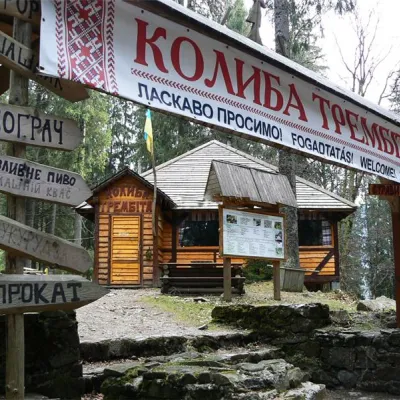 KolibaКолиба "Трембіта"Synevyrska PolyanaКафе «Трембіта» зручно розташувалася на березі мальовничого озера в Синевирській Поляні, що на висоті тисячу метрів...
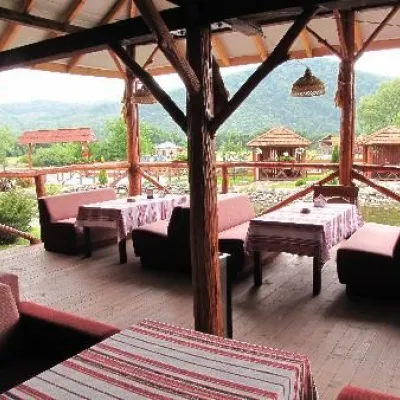 RestaurantРесторан "Козачок" МукачевоChynadiiovoДвоповерховий ресторан на 85 місць, літня тераса на 150 місць, альтанки, дитячий майданчик.
Craft places and restaurants whose menu or description mentions this dish. Menus change — please check availability. Places with Hutsul, Carpathian or Galician cuisine often have it on the menu.
Similar dishes and products
Relatives in the Carpathians and nearby
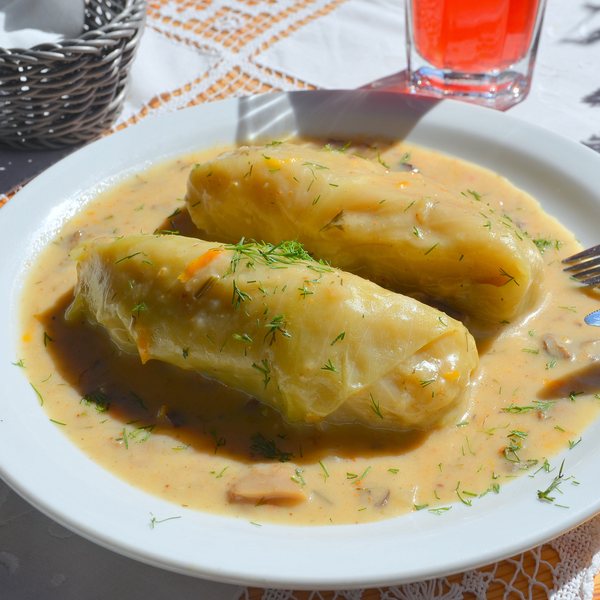
- Hutsul holubtsi from khrizivok · Ukraine
a close tradition: pickled leaves and corn grits - töltött káposzta · Hungary
a family dish of Hungarian cuisine - sarmale · Romania
a close tradition, especially in grape leaves
Sources
- ООМЦК Закарпаття: Традиція приготування голубців на Закарпатті (регіональний перелік НКС)
- Мінкульт: Національний перелік елементів НКС (066н.к.с., «Голубці»)
- ТСН: Готуємо голубці зі столиці голубців — Великого Бичкова
- Укрінформ: У пошуках великого бичка (бичківські голубці, фестиваль)
- Вікіпедія: Закарпатська кухня
Written by the Karpaty.rocks editors from the sources above. Checked 10.11.2026.
