Willow gentian
About
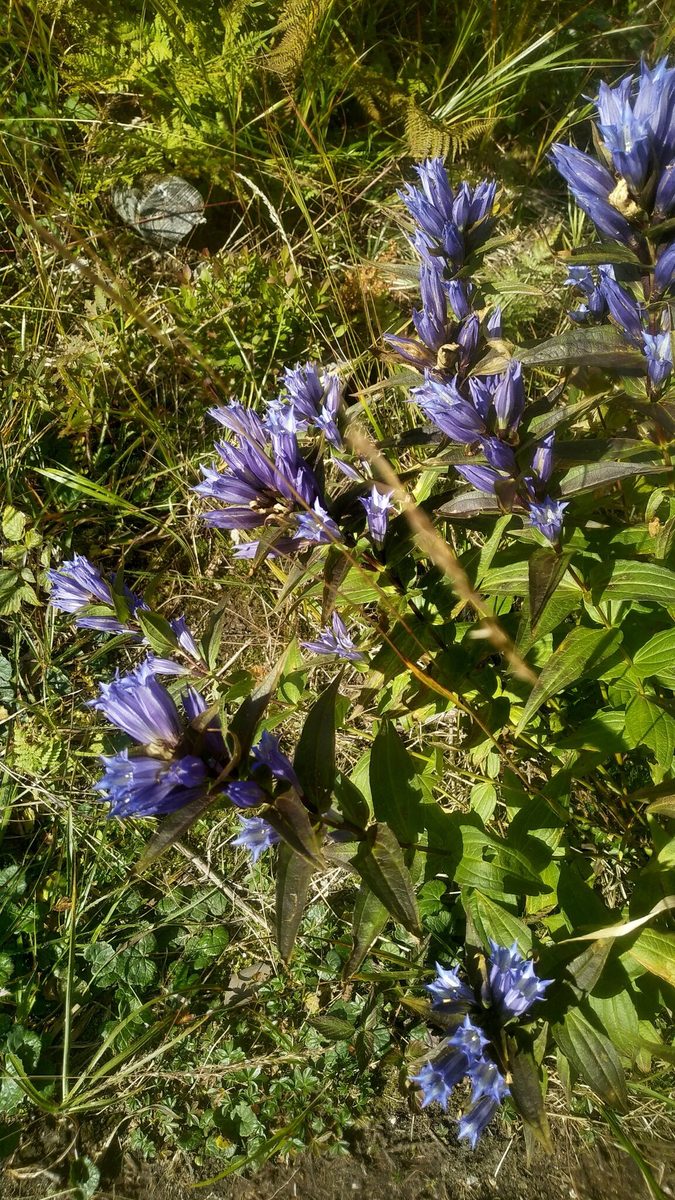
Willow gentian is the most frequently seen gentian in the Carpathians. It is native to the mountains of Central and Eastern Europe and primarily grows in mountain forests, but also appears in meadows, clearings, glades, and shrubs. In Ukraine, it is known in the Carpathians and occasionally in Roztocze and Opillia. In late summer, its blue flowers adorn forest roads and paths when most other plants have already faded.
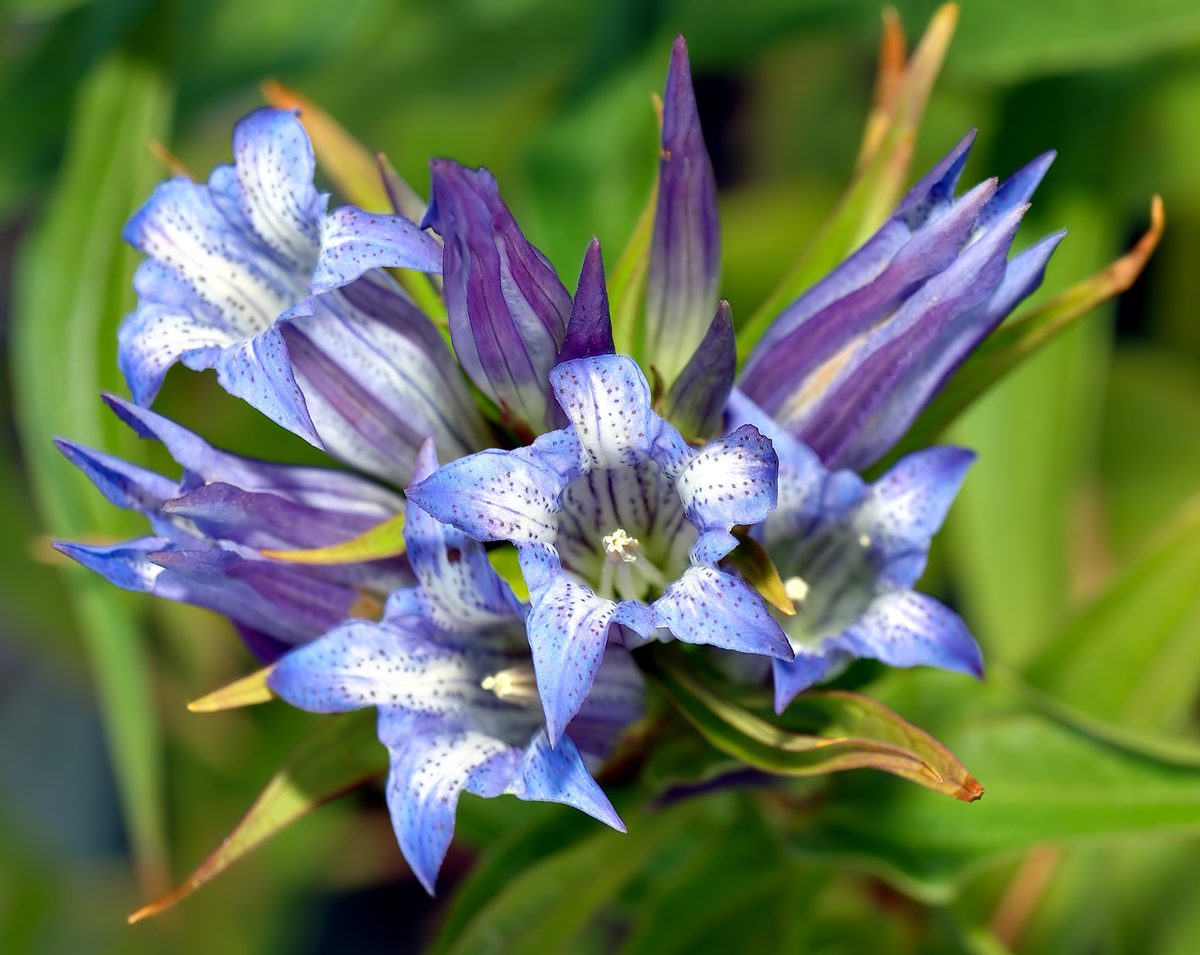
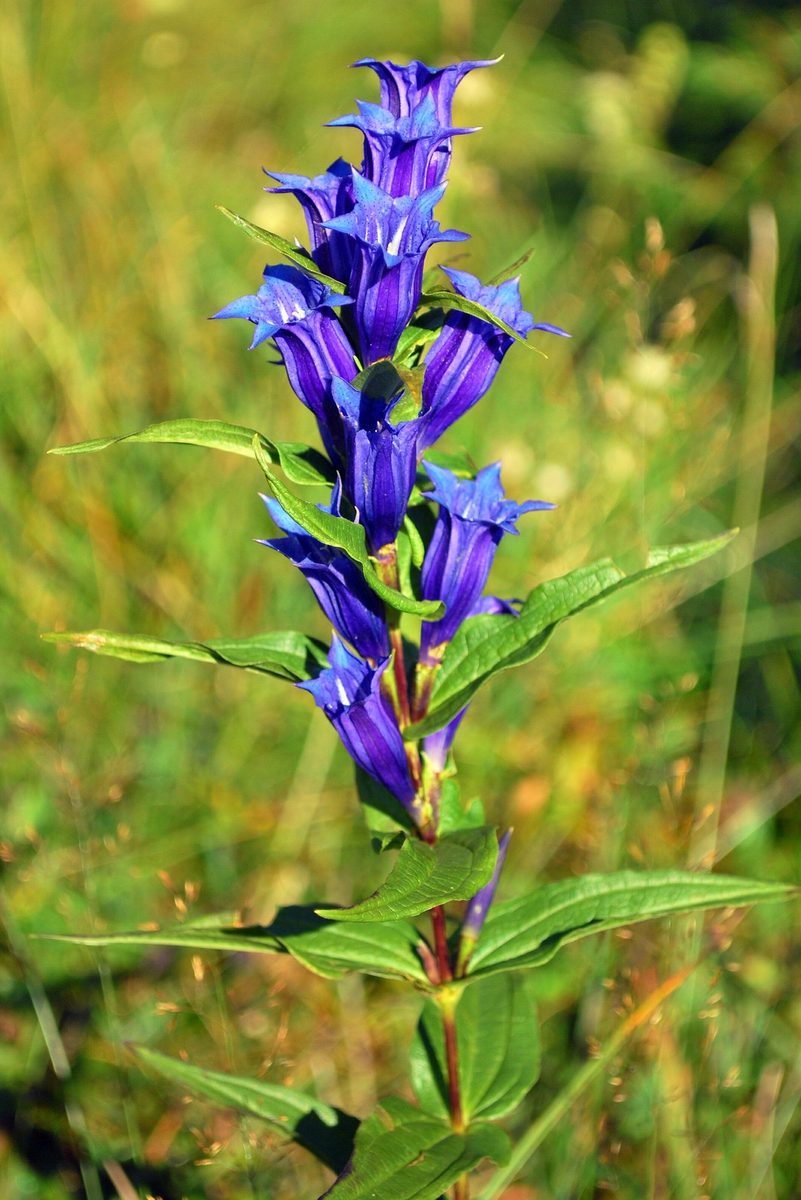
The stems are 30–60 cm long, straight or arching, densely covered with opposite ovate-lanceolate leaves with five to seven longitudinal veins. The flowers are large, 3.5–5 cm, bell-shaped, deep blue, with darker spots inside, sitting one to three in the axils of the upper leaves. The flowering stem with a row of blue 'lights' resembles a candlestick. It blooms in August and September.
Like many gentians, the roots of the willow gentian live in close association with soil fungi. The willow gentian is not listed in the Red Book of Ukraine, unlike its high-altitude relatives — yellow, spotted, and stemless gentians. In Poland, it is under partial protection.
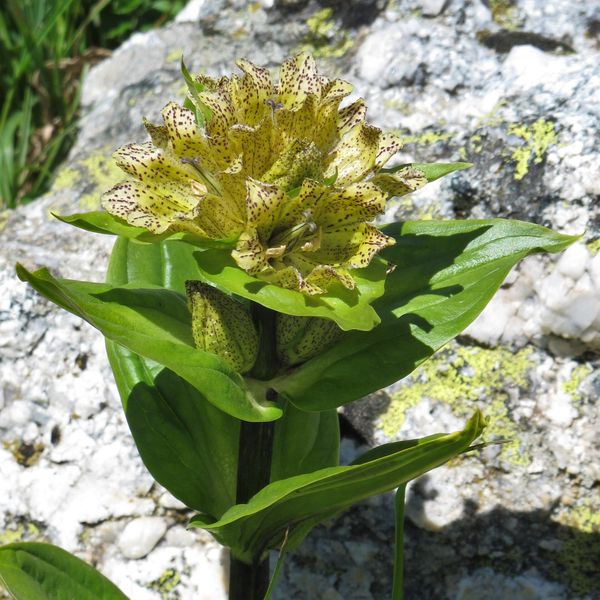
Willow gentian is easily distinguished from other gentians in the Carpathians: the stemless gentian has one large flower almost without a stem on the rocks, while the yellow and spotted gentians have yellow flowers. The poisonous white hellebore, which is confused with yellow gentian, does not resemble willow gentian. On the trail, simply admire it: picking plants is prohibited in reserves and national parks.
Where in the Carpathians

The map shows where naturalists recorded the species (GBIF, CC0 and CC BY records), not every place it lives. The Ukrainian Carpathians are less studied, so a blank area does not mean the species is absent.
- Countries
- Slovakia · Poland · Czechia · Ukraine · Romania
- Mountain ranges
- Lesser Fatra, Low Tatras, Western Tatras, Greater Fatra, High Tatras, Slovak Ore Mountains, Żywiec Beskids, Bieszczady, Volovec Mountains, Belianske Tatras
- Altitude belts
- Beech forests (600–1200 m) · Conifer forests (1200–1600 m)
When to see it
| Jan | Feb | Mar | Apr | May | Jun | Jul | Aug | Sep | Oct | Nov | Dec | |
|---|---|---|---|---|---|---|---|---|---|---|---|---|
| Flowering | ||||||||||||
| Fruit |
From naturalists’ observations in the Carpathians (iNaturalist, research grade): the darker the cell, the more often the species is seen that month.
Look-alikes — how to tell them apart
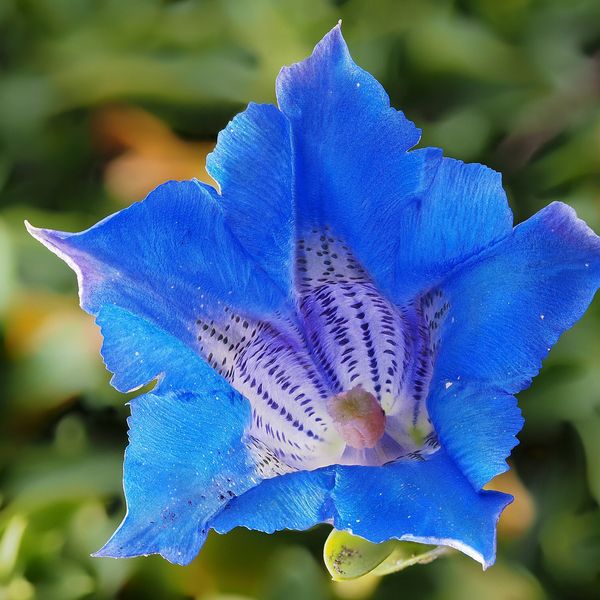
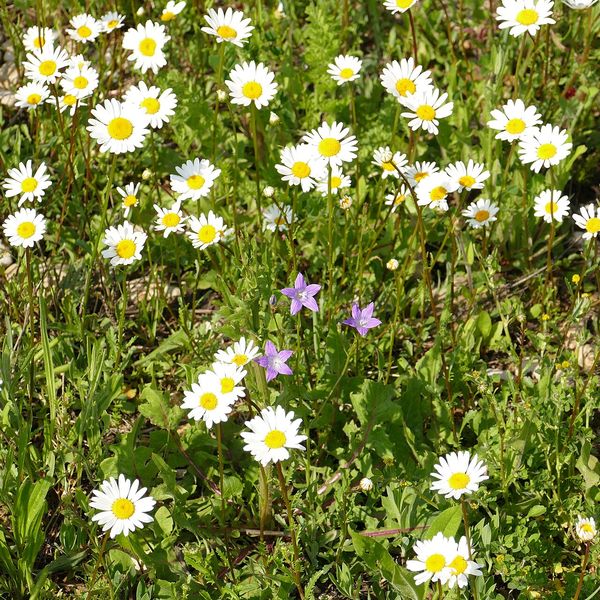
One large blue flower almost without a stem above the rosette of leaves; grows on rocks and screes in the high mountains, blooms in June — July. A species of the Red Book of Ukraine.
Protection and rules
Not listed in the Red Book of Ukraine; in Poland, it is under partial protection. Picking plants is prohibited in reserves and protected areas of national parks.
FAQ
What blue flowers bloom in the Carpathians in autumn?
The most noticeable is the willow gentian: arching stems with blue bells in the leaf axils. It blooms in August — September in forests, clearings, and glades.
Is the willow gentian protected?
It is not listed in the Red Book of Ukraine, unlike yellow, spotted, and stemless gentians. However, picking any plants is prohibited in reserves and protected areas of national parks.
Similar species
Where to meet it
Trails
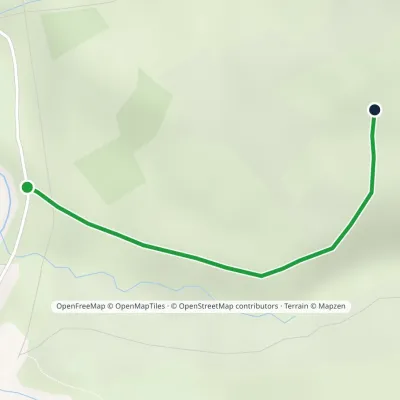 EasyOne-dayMarkedTrail to the UPA hut museum in Yala tractElevation profile815–969 m1.2 kmascent 154 m≈ 30 min walking
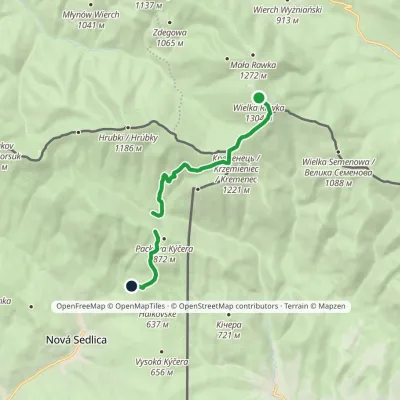 EasyOne-dayMarkedCross-border trail «Brown Bear»: Mount Velyka Ravka Nova SedlytsiaElevation profile586–1 303 m7.9 kmascent 226 m≈ 2.5 h walking
 ModerateTwo-dayStuzhytsia village loopvia Mount KremenetsElevation profile423–1 299 m17 kmascent 1 013 m≈ 6.5 h walking
 ModerateOne-dayMarkedStuzhytsia village Mount KremenetsElevation profile450–1 144 m7.4 kmascent 694 m≈ 3 h walking
 ModerateTwo-dayMarkedStuzhytsia village Mount KremenetsElevation profile352–1 221 m16.1 kmascent 869 m≈ 6 h walking
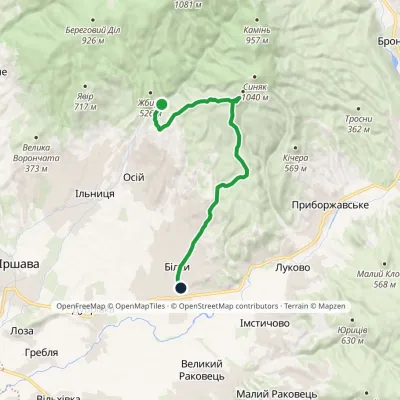 ModerateOne-dayMarkedKamianka tract Bilky villagevia Mount BerdoElevation profile150–928 m16 kmascent 565 m≈ 5 h walking
Peaks and meadows
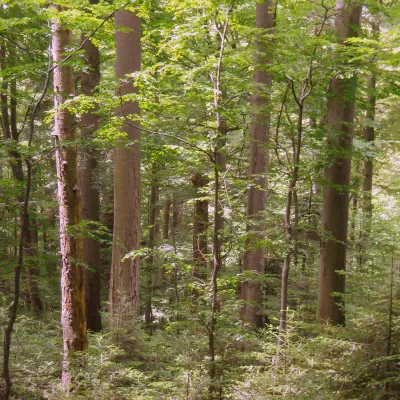 PeakMount KalnytsiaStuzhytsiaaltitude 1 004 mKalnytsia (Slovak: Kalnica) is a 1,004 m mountain on the state border between Ukraine and Slovakia, in the Bukovské...
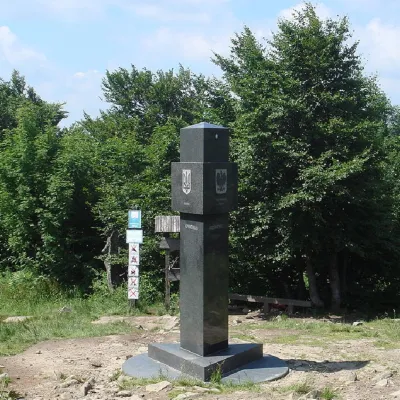 PeakMount KremenetsStuzhytsiaaltitude 1 221 m4 trails to the topKremenets (also known as Kreminets) is a mountain in the Ukrainian Carpathians, one of the highest peaks of the...
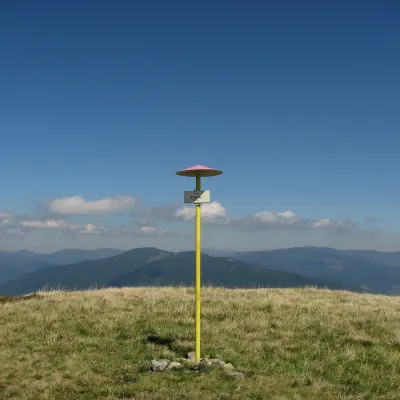 PeakMount KlymovaKolochavaaltitude 1 492 mKlymova is a 1,492 m summit of the Polonyna Krasna range. It lies in the Tiachiv district of Zakarpattia Oblast,...
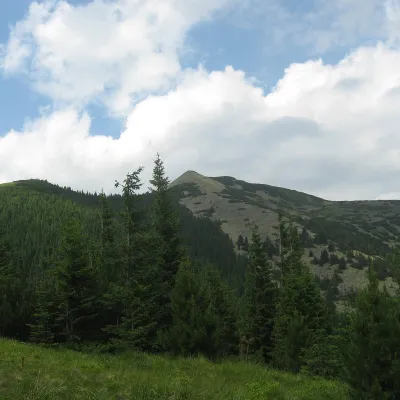 PeakSrednya MountainOsmolodaaltitude 1 639 m · Gorgany range12 trails to the topSerednya is a 1,639-meter peak of the Ukrainian Carpathians, which is located within the Gorgan mountain range.
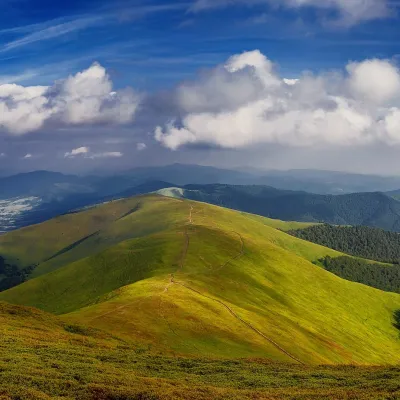 PeakMount HrabPotikaltitude 1 374 m · Borzhava rangeHrab is a summit in the Polonyna Borzhava massif (Ukrainian Carpathians) on the border of the Svaliava and Mizhhiria...
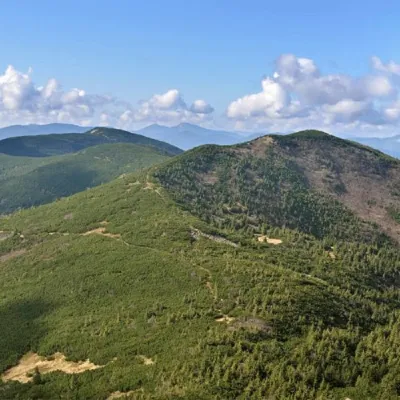 PeakMount Yayko-PereginskeOsmolodaaltitude 1 595 m · Gorgany range8 trails to the topYayko-Perehinske (the mountain got its name because of its characteristic shape, which resembles an egg from a...
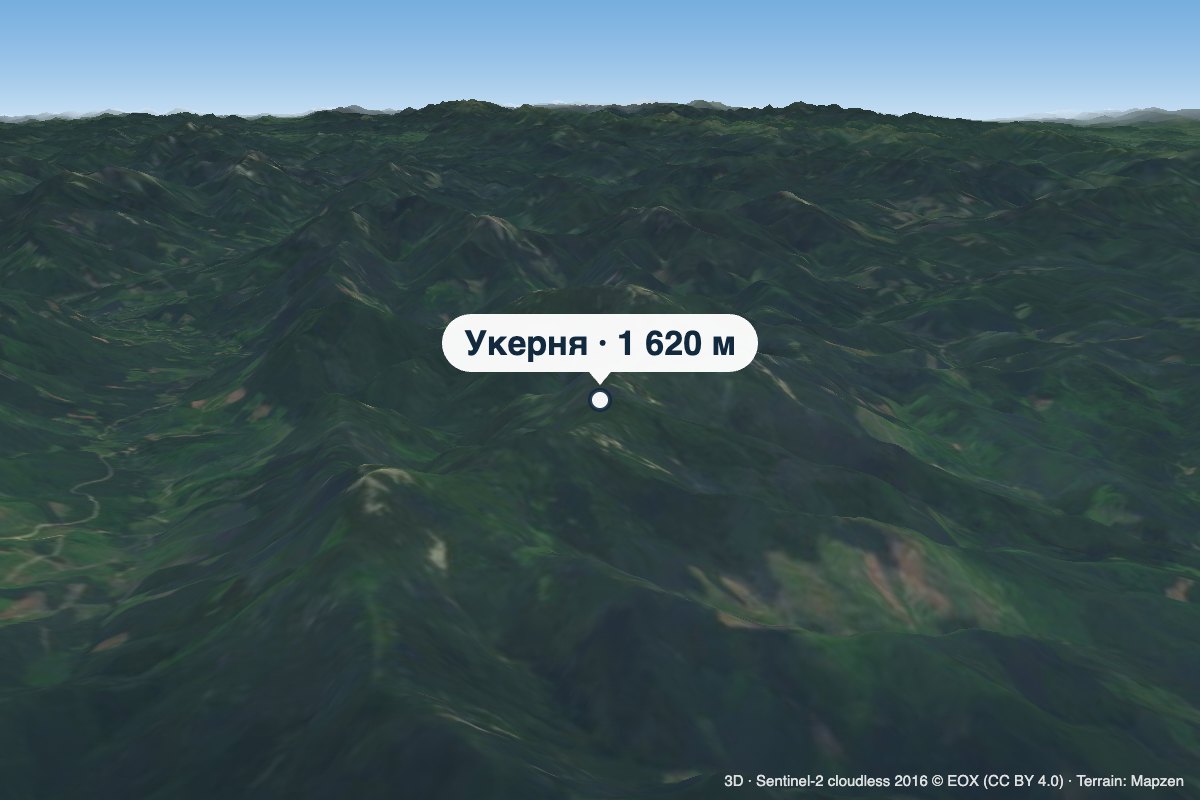 PeakMount UkerniaMyslivkaaltitude 1 620 m · Gorgany rangeUkernia is a 1,620 m summit in the western Gorgany, in Ivano-Frankivsk Oblast, on the ridge between the Svicha and...
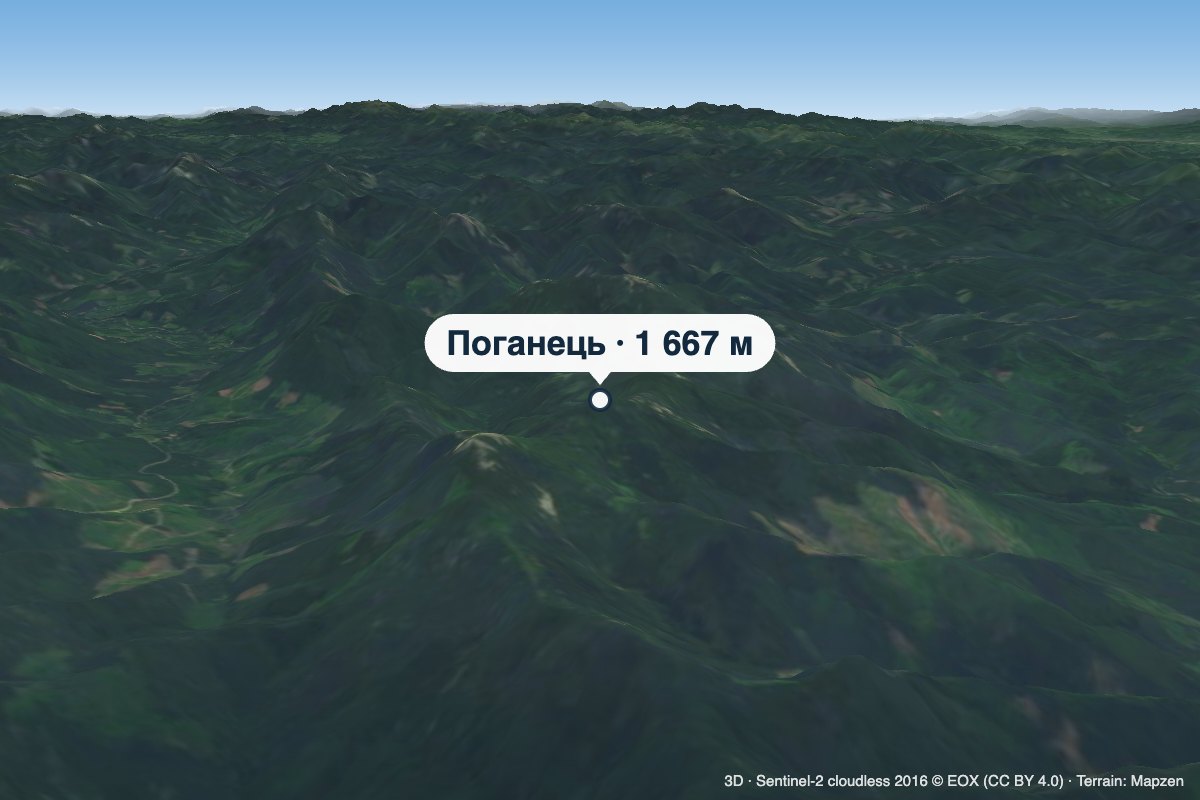 PeakMount PohanetsMyslivkaaltitude 1 667 m1 trail to the topPohanets is a 1,667 m summit in the western Gorgany, in the Kalush district of Ivano-Frankivsk Oblast (formerly...
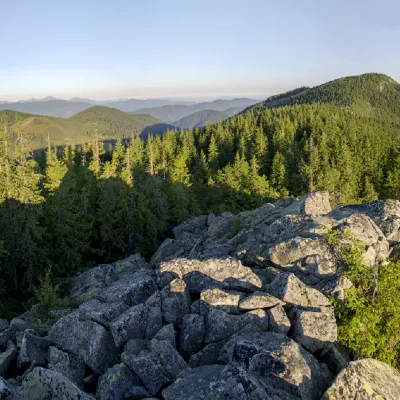 PeakMount Bila KobylaVerkhovynaaltitude 1 477 m · Pokuttia-Bukovyna Carpathians range5 trails to the topMount Bila Kobyla is a peak in the Ukrainian Carpathians, which is located within the Pokutsko-Bukovyna mountain range.
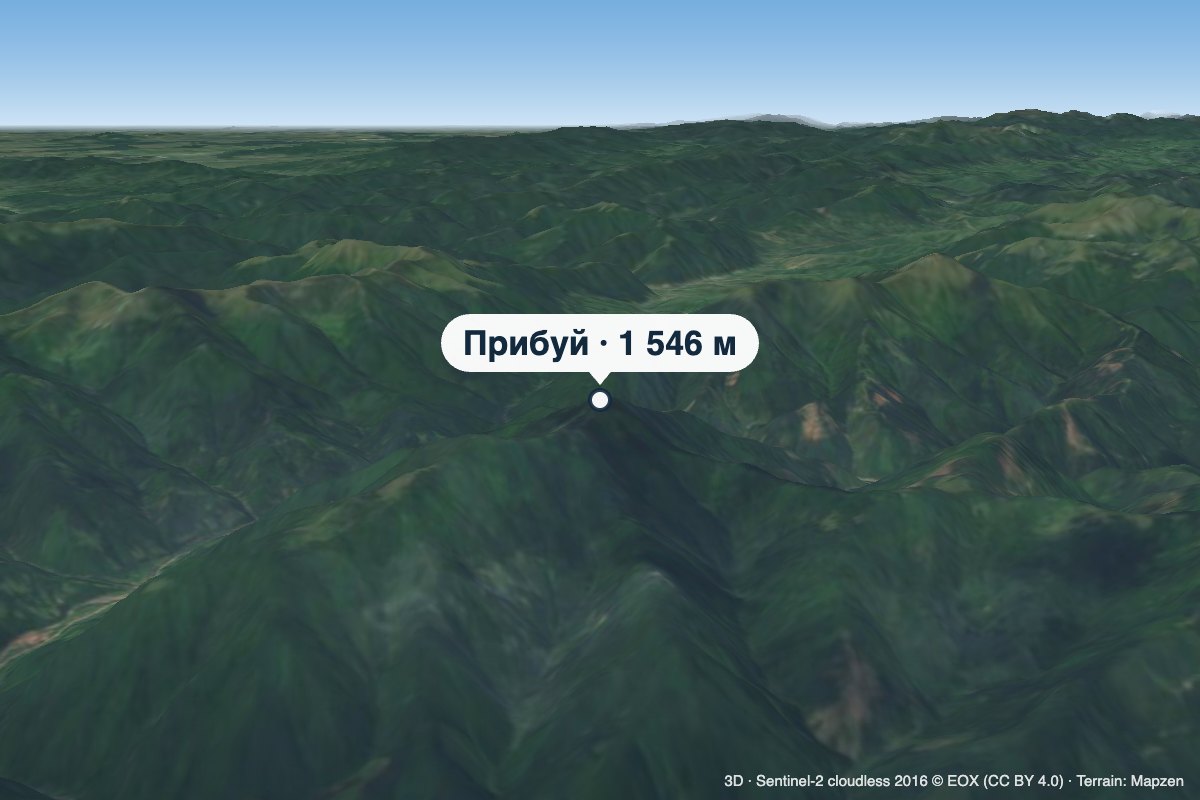 PeakMount PrybuiKomsomolskaltitude 1 546 m · Gorgany rangePrybui is a 1,546 m summit in the south-western Gorgany, in the Tiachiv district of Zakarpattia Oblast.
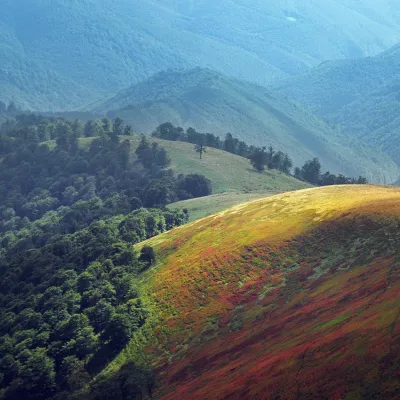 PeakMount Biletsky VerkhPodobovetsaltitude 1 146 m · Borzhava range1 trail to the topBiletsky Verkh is a mountain 1146 m above sea level on the Borzhava ridge.
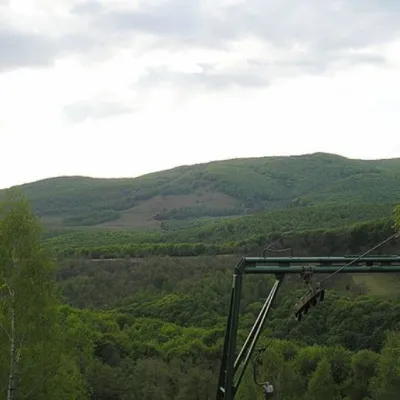 PeakMount BuzhoraOsiialtitude 1 085 m · Volcanic Carpathians range1 trail to the topMount Buzhora is the highest peak of the Volcanic Ridge of Ukrainian Carpathians.
Waters and waterfalls
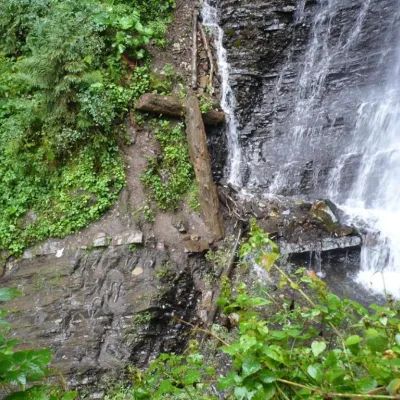 WaterfallZhenetsky Hook waterfallMykulychynZhenetskyi Huk is one of the most convenient Carpathian waterfalls for tourists, as it is accessible by a direct,...
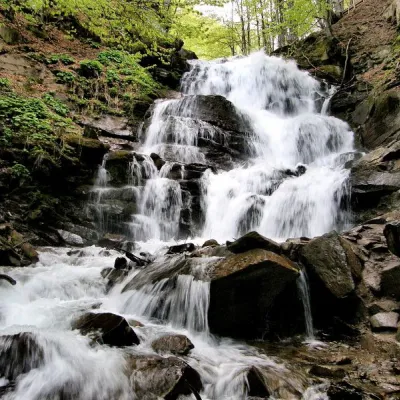 Waterfall"Shypit Waterfall" PylypetsPylypetsIn a cozy corner of the Carpathian Mountains, among the evergreen mountain forests and steep, sharp cliffs, lies the...
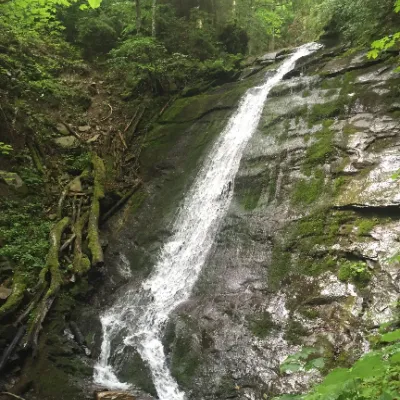 WaterfallNarinetskyi waterfall, MykulychynMykulychynNarinetskyi Waterfall is a waterfall in the Ukrainian Carpathians, on the Noretskyi Stream (a left tributary of the...
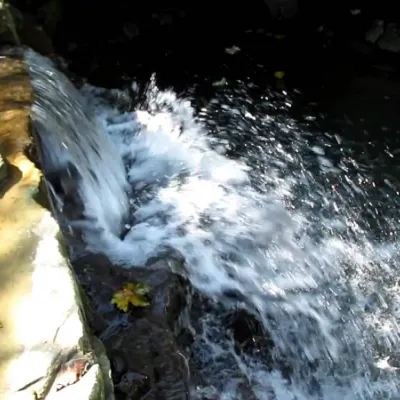 WaterfallBagrovetsky waterfallYaremcheBagrovetsky Waterfall is one of the most famous waterfalls in the Yaremche region, located in the city of Yaremche.
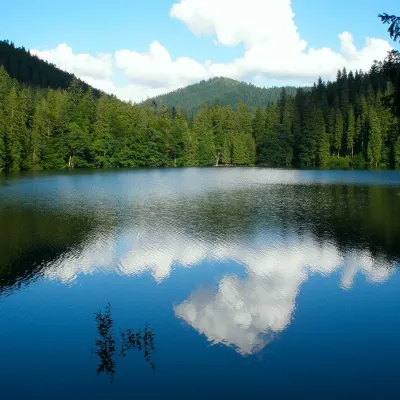 LakeSynevyr Lake Synevyrska PolyanaSynevyrska PolyanaLake Synevyr, located on the territory of the National Nature Park of the same name in Mizhhirya district of...
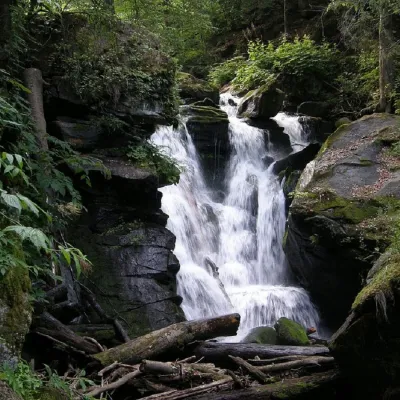 WaterfallVojvodyn waterfallPolianska HutaThe Voyevodyn Waterfall is located on the stream of the same name near the village of Zhdeniyevo in Zakarpattia...
Mountain ranges: Bieszczady. In other countries: 🇸🇰 Lesser Fatra, 🇸🇰 Low Tatras, 🇸🇰 Western Tatras, 🇸🇰 Greater Fatra, 🇸🇰 High Tatras, 🇸🇰 Slovak Ore Mountains, 🇵🇱 Żywiec Beskids, 🇸🇰 Volovec Mountains, 🇸🇰 Belianske Tatras, 🇨🇿 Moravian-Silesian Beskids, 🇸🇰 Skorušina Mountains, 🇸🇰 Slovak Paradise, 🇸🇰 Spiš Magura
Trails and peaks near which naturalists recorded the species (GBIF, iNaturalist), matched by altitude and habitat. Sightings are not guaranteed.
Sources
- Вікіпедія: Тирлич-свічурник
- Wikipedia (en): Gentiana asclepiadea
- Наказ Міндовкілля від 15.02.2021 № 111: Перелік видів рослин та грибів, що заносяться до Червоної книги України
- GBIF: список рослин і грибів Червоної книги України за наказом № 111 (з категоріями)
- Rozporządzenie Ministra Środowiska z 9.10.2014 w sprawie ochrony gatunkowej roślin, Dz.U. 2014 poz. 1409 (Польща)
- iNaturalist: Gentiana asclepiadea (спостереження в Карпатах)
GBIF · iNaturalist · Wikidata · Distribution data: GBIF.org (CC0 and CC BY records), iNaturalist; names and identifiers: Wikidata (CC0). Text: Karpaty.rocks, checked 09.11.2026.
