Spreading bellflower
About
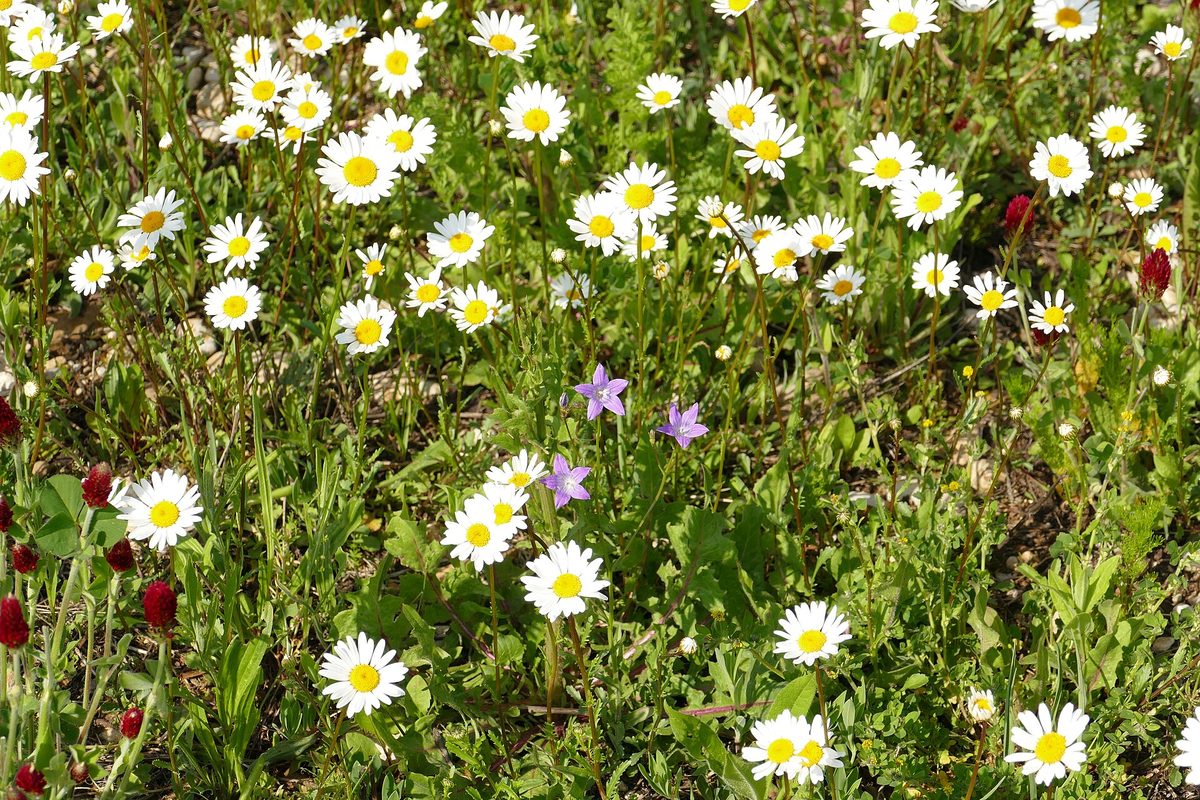
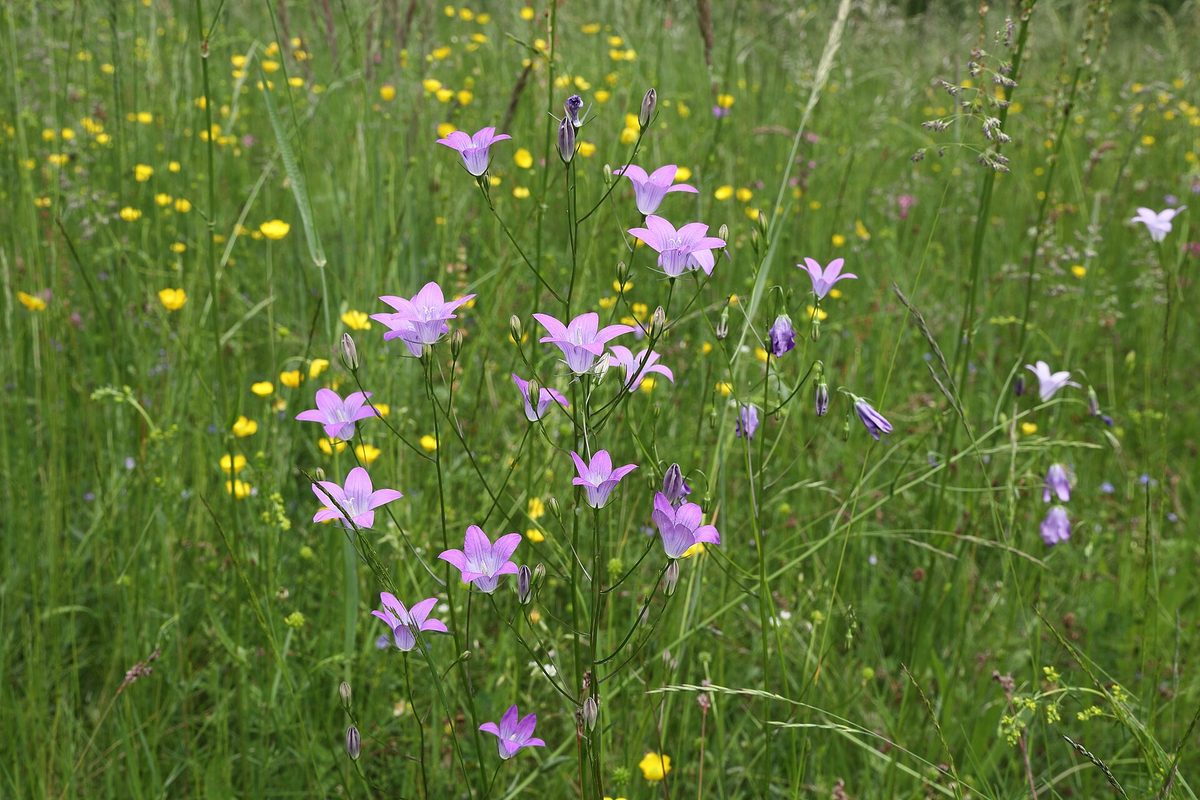
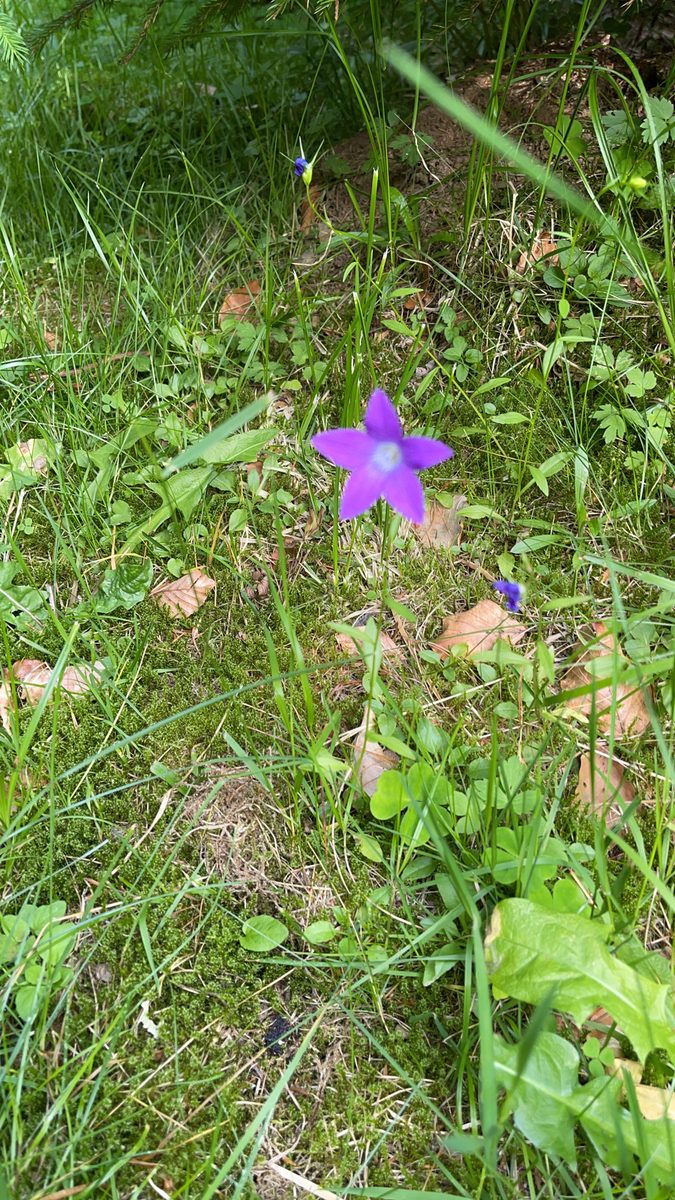
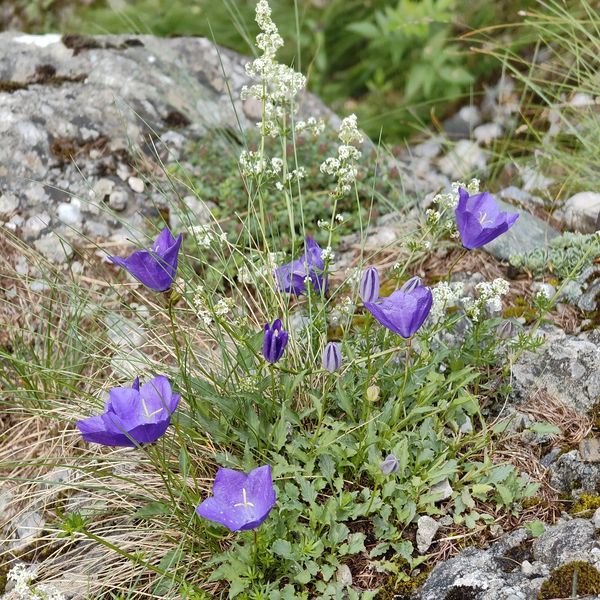
Spreading bellflower is one of the most common flowers of the meadows of temperate Europe, including Ukraine. They can be seen in meadows, forest edges, clearings, pastures, abandoned fields, and even wastelands. In the Carpathians, they occur in meadows in valleys and on slopes, where thin stems with light bells sway above the grass.
This biennial herbaceous plant grows 20–80 cm tall. In the first year, only a rosette of small lobed leaves is formed, and in the second year, a straight, thin, branched stem, often reddish at the base, develops. The lateral branches spread widely to the sides, hence the name 'spreading'. The flowers are on long pedicels, purple or lilac, sometimes almost white, widely open, up to 3 cm in diameter. They bloom from mid-May to the end of July. The root of the plant is small, thin, and branched, and the regeneration buds winter near the soil surface. The range of the species covers temperate Europe and Western Siberia.
The plant is light-loving, frost-resistant, and prefers fresh, mineral-rich soils. It is pollinated by insects, mainly bees, so a buzzing sound is always present near the blooming bells.
Spreading bellflower has no conservation status. It is very limitedly cultivated as an ornamental plant. Cut flowers wilt quickly, so it is better to leave them for the bees and enjoy them in the meadow.
Where in the Carpathians

The map shows where naturalists recorded the species (GBIF, CC0 and CC BY records), not every place it lives. The Ukrainian Carpathians are less studied, so a blank area does not mean the species is absent.
- Countries
- Slovakia · Czechia · Ukraine · Romania · Poland · Hungary · Austria
- Mountain ranges
- Slovak Ore Mountains, Strážov Mountains, Slovak Central Mountains, White Carpathians, Low Tatras, Kysuce Beskids, Štiavnica Mountains, Volovec Mountains, Javorníky, Lesser Fatra
- Altitude belts
- Foothills (below 600 m) · Beech forests (600–1200 m)
When to see it
| Jan | Feb | Mar | Apr | May | Jun | Jul | Aug | Sep | Oct | Nov | Dec | |
|---|---|---|---|---|---|---|---|---|---|---|---|---|
| Flowering | ||||||||||||
| Fruit |
From naturalists’ observations in the Carpathians (iNaturalist, research grade): the darker the cell, the more often the species is seen that month.
Protection and rules
Not protected.
FAQ
When do spreading bellflowers bloom?
From mid-May to the end of July, in meadows, forest edges, and clearings.
Why are they called spreading bellflowers?
The lateral branches of the stem spread widely to the sides, giving the plant a light spreading form.
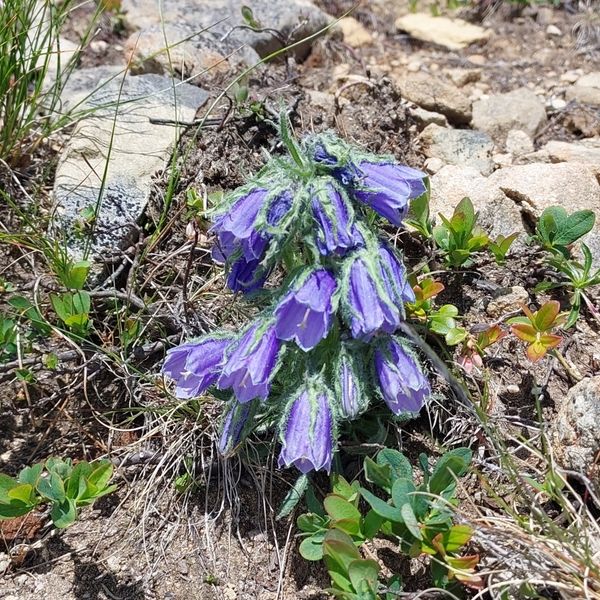
Similar species
Where to meet it
Peaks and meadows
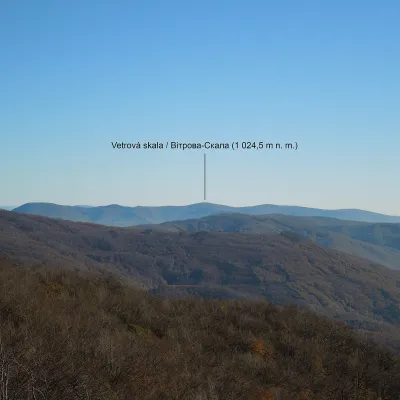 PeakMount Vitrova-SkalaMyrchaaltitude 1 025 m · Volcanic Carpathians rangeVitrova-Skala (Slovak: Vetrová skala) is a 1,025 m (more precisely 1,024.5 m) mountain in the volcanic Vihorlat massif.
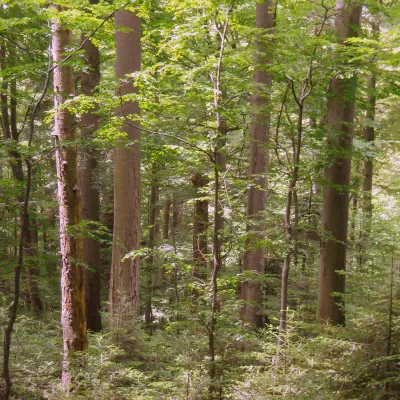 PeakMount KalnytsiaStuzhytsiaaltitude 1 004 mKalnytsia (Slovak: Kalnica) is a 1,004 m mountain on the state border between Ukraine and Slovakia, in the Bukovské...
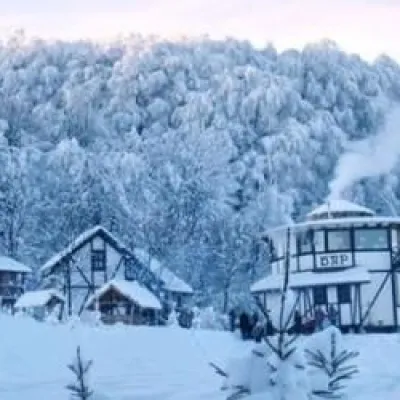 PeakMount TsetsynoChernivtsialtitude 537 mTsetsyno is the highest hill of the Chernivtsi Upland, 537 m high (538 m according to other data).
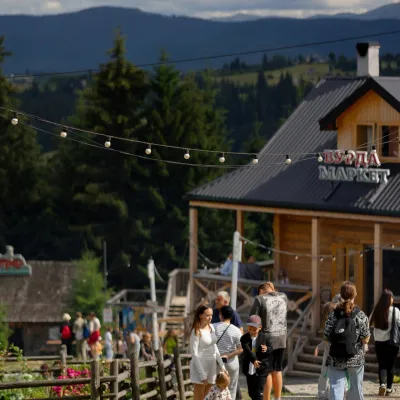 Mountain meadow940 mPolonyna Pertsi Ethno Park, YablunytsiaYablunytsiaPolonyna Pertsi (“Pepper Meadow”) is an ethno park of Hutsul traditions in Yablunytsia, close to the Yablunytsia Pass.
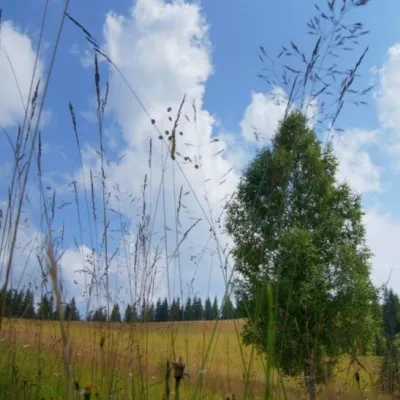 Mountain meadow1 184 mPolonyna ShuvarenkoNadvirna districtShuvarenko Polonyna is a high mountain meadow in the Ukrainian Carpathians, located in Ivano-Frankivsk region near...
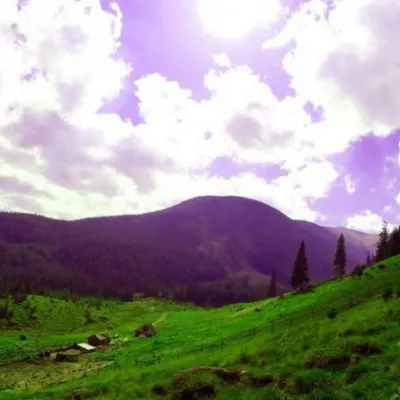 Mountain meadowPolonyna GadzhinaBystretsIt seemed that the Chornohora massif was literally crowded with people, but sometimes you can come across places that...
Waters and waterfalls
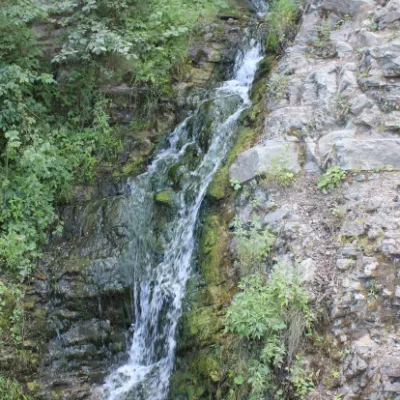 WaterfallSykavka waterfallVelykyi RozhynSykavka Waterfall is a waterfall located near the Sokilsky Rocks, also between the villages of Tyudiv and Velykyi...
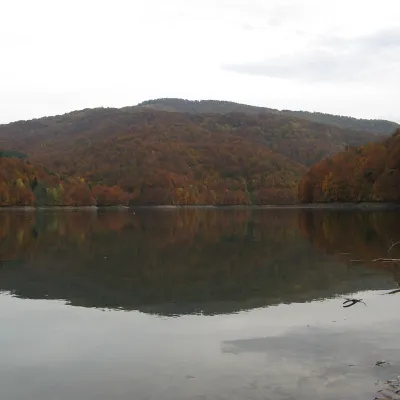 LakeVilshany ReservoirVilshanyThe Vilshany Reservoir, also called the Tereblia-Rika Reservoir, is a narrow mountain lake in the Tereblia valley...
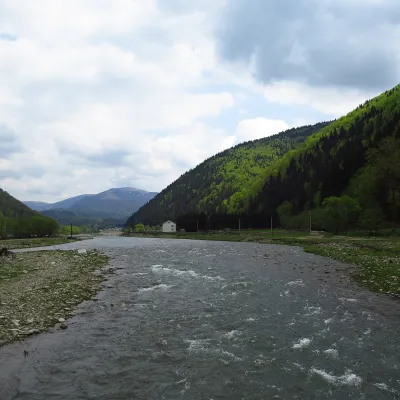 RiverTereblia RiverKolochavaThe Tereblia begins in the Inner Gorgany, where the Roztoka and Sloboda streams meet, and flows through Synevyrska...
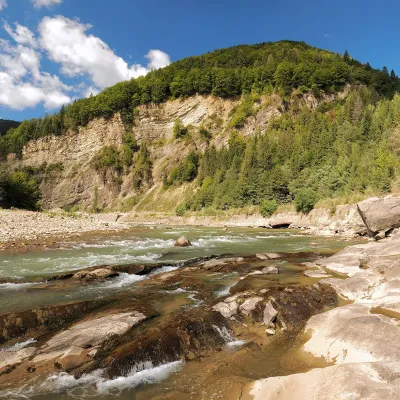 RiverCheremosh RiverVyzhnytsiaThe Cheremosh is born near Usteriky, where the Chornyi Cheremosh and the Bilyi Cheremosh meet.
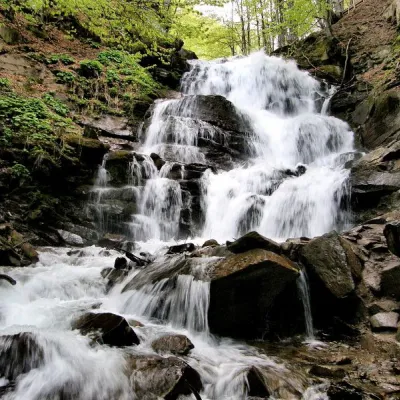 Waterfall"Shypit Waterfall" PylypetsPylypetsIn a cozy corner of the Carpathian Mountains, among the evergreen mountain forests and steep, sharp cliffs, lies the...
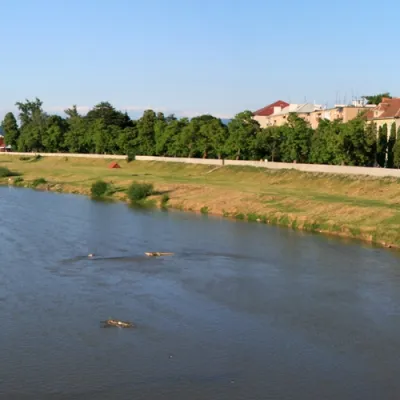 RiverLatorytsiaRoztokaLatorytsia River - Latorytsia and its surroundings are a popular destination for eco-tourism.
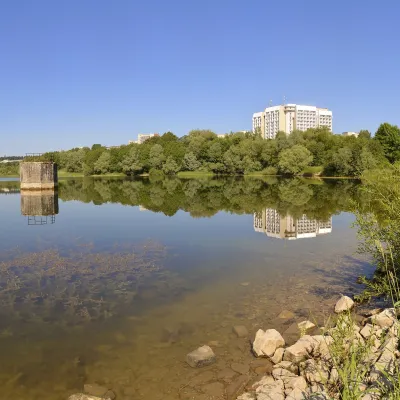 LakeTruskavets ReservoirTruskavetsTruskavets Reservoir, known locally as Lake Solonytsia, lies on the south-eastern edge of Truskavets, next to the...
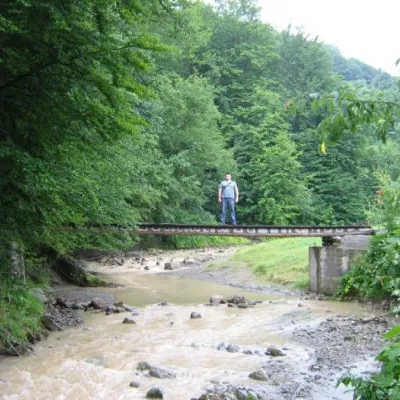 WaterfallMikva waterfallVyzhenkaThe Mykva Waterfall is a small but very picturesque waterfall located in the village of Vyzhenka, Chernivtsi region.
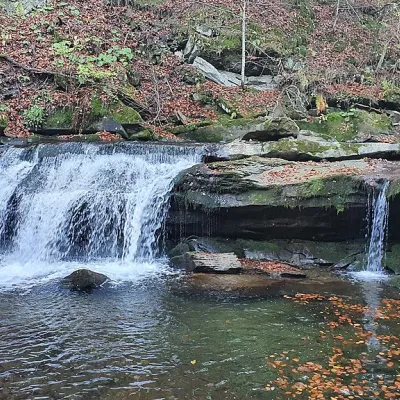 WaterfallKrushelnytskyi waterfallKrushelnytsiaThe real decoration of the mighty Carpathian Mountains is its numerous picturesque waterfalls.
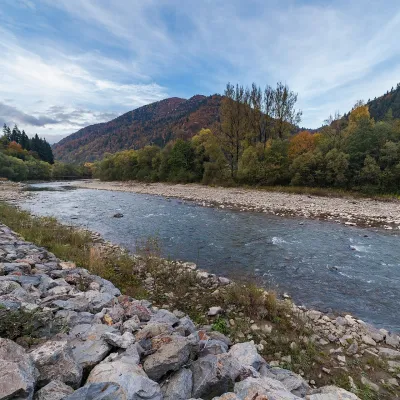 RiverTeresva RiverUst-ChornaThe Teresva forms in Ust-Chorna, where the Mokrianka and Brusturianka meet, and flows south through Dubove, Kalyny,...
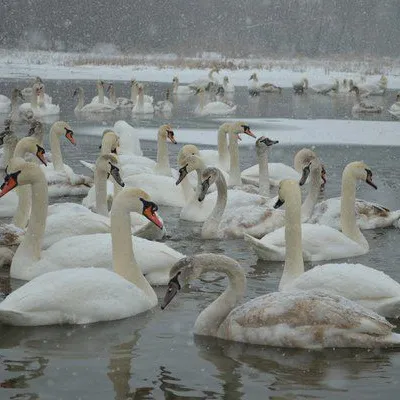 LakeSwan Lake, ChortoryaChortoriaHe is associated with a story about swans on the lake that come here with the onset of cold weather.
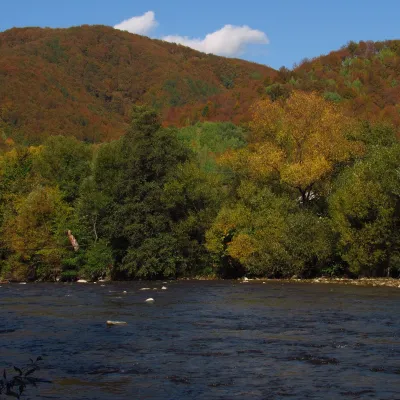 RiverUzh RiverVelykyi BereznyiAbove the Uzh near Kamianytsia stand the ruins of Nevytsky Castle, and in Uzhhorod the Masaryk Bridge offers a good...
Mountain ranges: Bieszczady. In other countries: 🇸🇰 Slovak Ore Mountains, 🇸🇰 Strážov Mountains, 🇸🇰 Slovak Central Mountains, 🇨🇿 White Carpathians, 🇸🇰 Low Tatras, 🇸🇰 Kysuce Beskids, 🇸🇰 Štiavnica Mountains, 🇸🇰 Volovec Mountains, 🇸🇰 Javorníky, 🇸🇰 Lesser Fatra, 🇵🇱 Low Beskids, 🇸🇰 Slovak Paradise, 🇸🇰 Greater Fatra
Trails and peaks near which naturalists recorded the species (GBIF, iNaturalist), matched by altitude and habitat. Sightings are not guaranteed.
Sources
- Вікіпедія: Дзвоники розлогі
- Wikipedia (en): Campanula patula
- iNaturalist: Campanula patula (спостереження в Карпатах)
GBIF · iNaturalist · Wikidata · Distribution data: GBIF.org (CC0 and CC BY records), iNaturalist; names and identifiers: Wikidata (CC0). Text: Karpaty.rocks, checked 09.11.2026.
