Carpathian bellflower
About
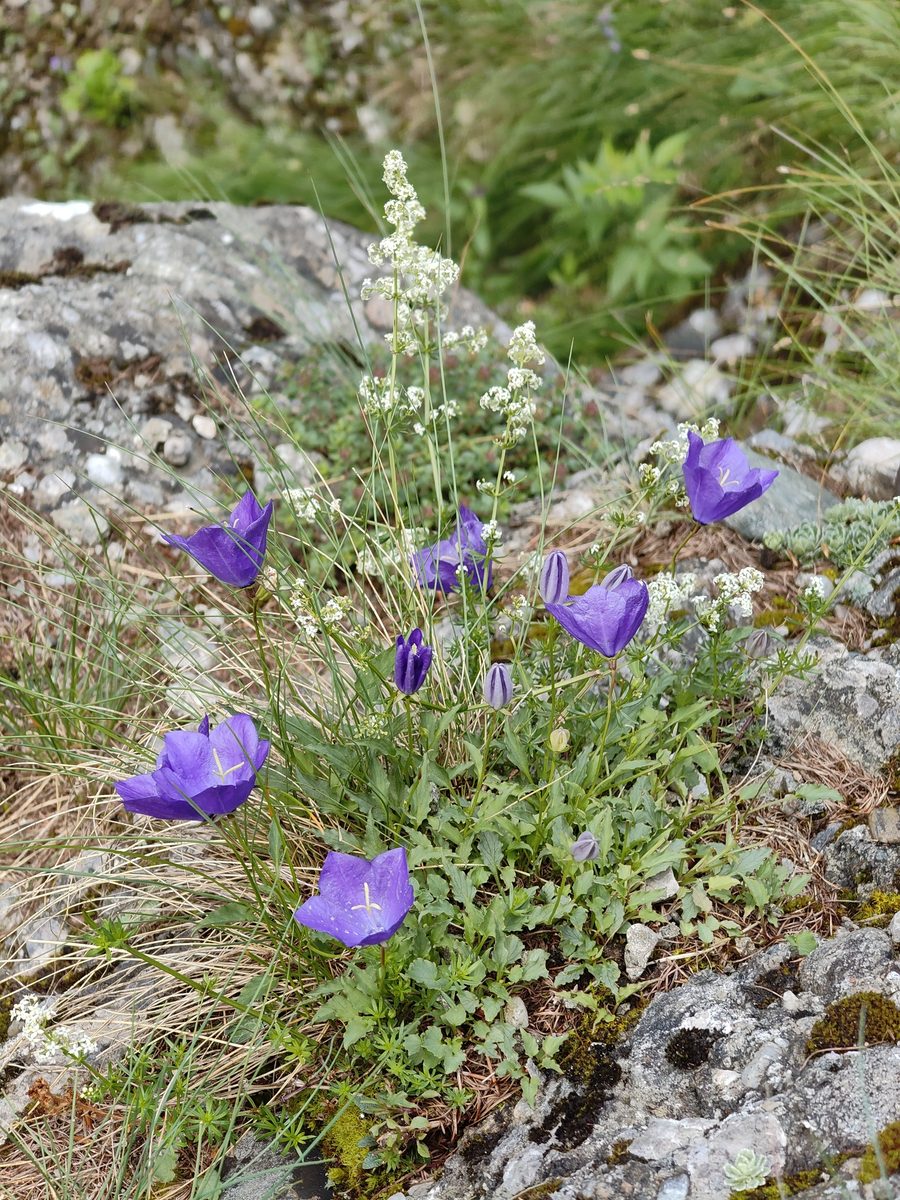
The Carpathian bellflower is one of the most beautiful endemics of the Carpathians, meaning it grows naturally only in these mountains. They are found in the Western, Eastern, and Southern Carpathians, and in Ukraine — on Świdowiec, Chornohora, and in the Maramureș.
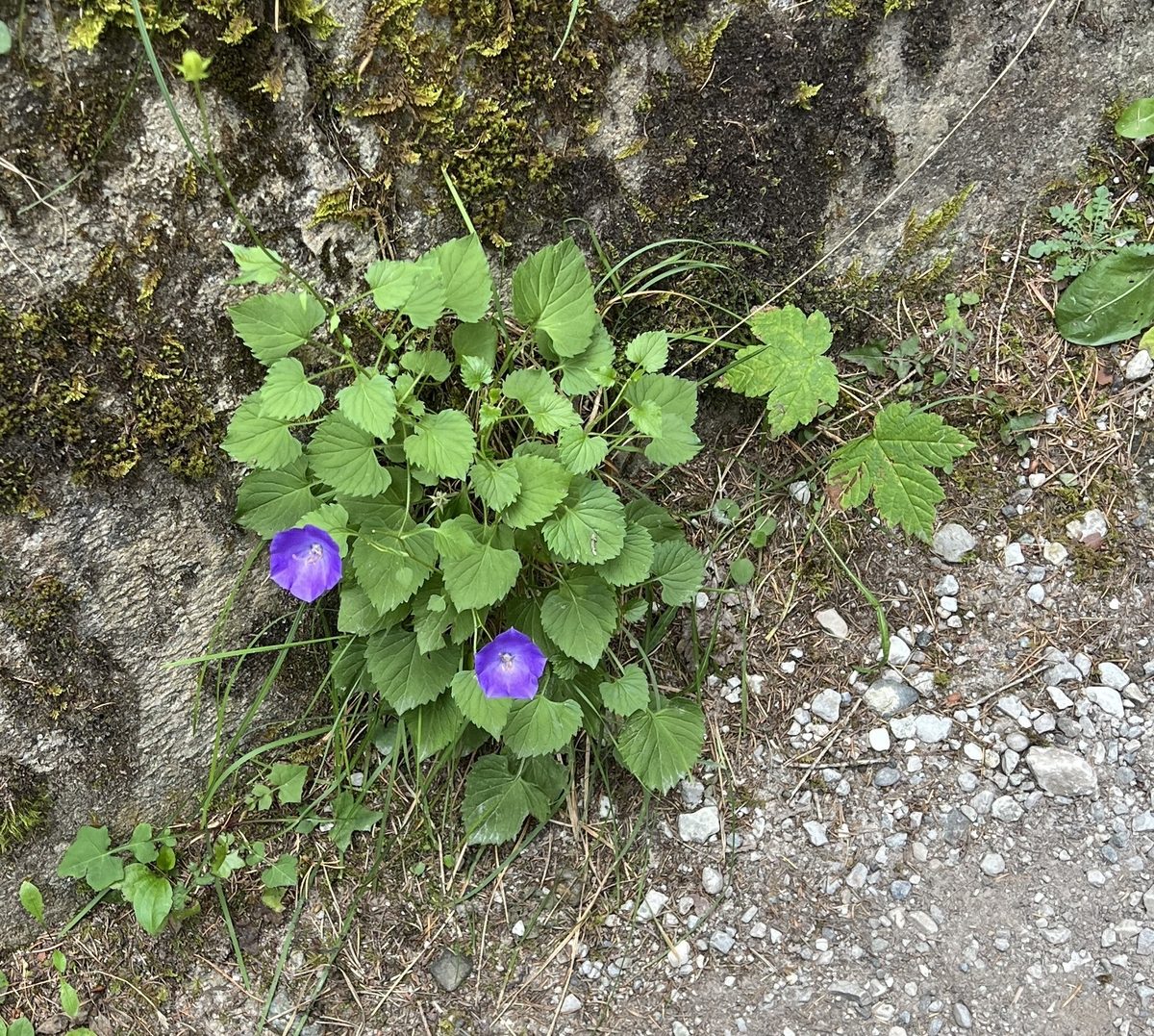
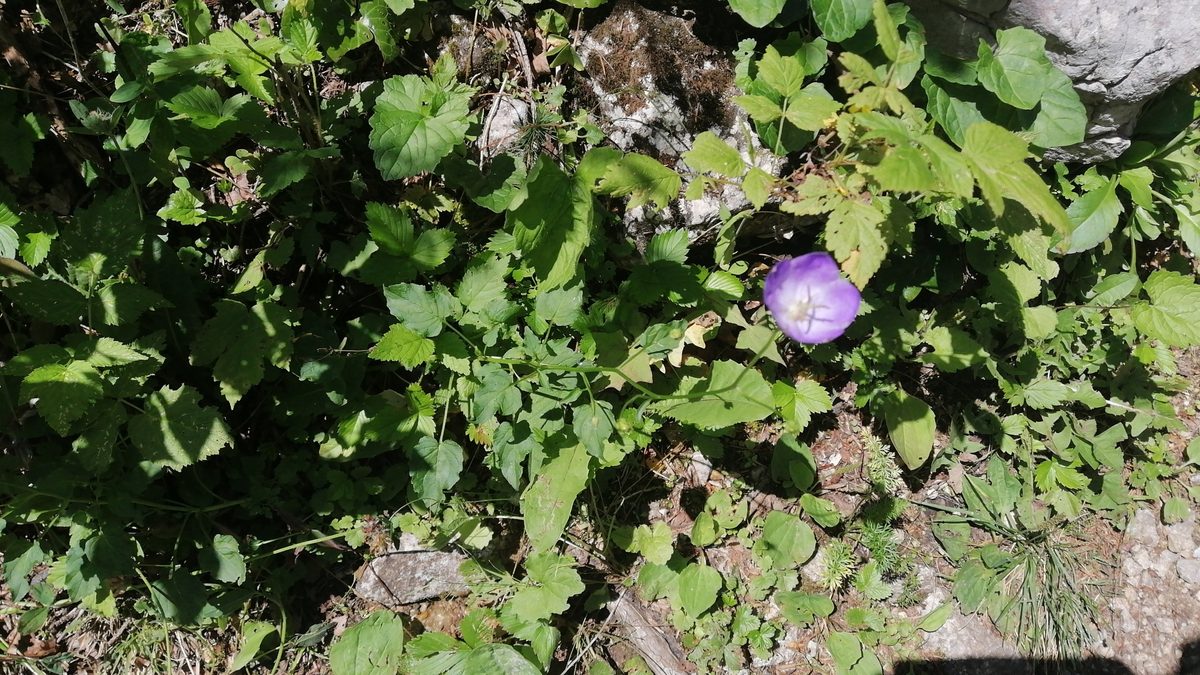
This perennial plant is 15–40 cm tall with an upright stem. The basal leaves are heart-shaped to egg-shaped, on long petioles, with a serrated edge. The flowers are large, 2–3 cm in diameter, blue or blue-violet, widely open like cups, and face upwards. It blooms in June — July, and the seeds ripen in August.
Unlike many alpine species, the Carpathian bellflower primarily grows in the forest belt, on carbonate cliffs, rocky and gravelly places with thin soil. Its affinity for limestone makes it rare in the Ukrainian Carpathians, where such rocks are scarce.
This plant has long been popular in gardens and alpine gardens, and in nature, it is harmed by digging for transplantation, as well as by livestock grazing. The Carpathian bellflower is listed in the Red Data Book of Ukraine with the status of 'rare', so collecting and digging them up is prohibited. Garden varieties are easily available at nurseries — wild plants should remain on the cliffs.
Where in the Carpathians

The map shows where naturalists recorded the species (GBIF, CC0 and CC BY records), not every place it lives. The Ukrainian Carpathians are less studied, so a blank area does not mean the species is absent.
- Countries
- Slovakia · Romania · Ukraine · Poland · Hungary · Czechia
- Mountain ranges
- Slovak Paradise, Slovak Ore Mountains, Low Tatras, Volovec Mountains, Maramureș Mountains, Greater Fatra, Piatra Craiului, Spiš Magura, Branisko, Lesser Fatra
- Altitude belts
- Foothills (below 600 m) · Beech forests (600–1200 m)
When to see it
| Jan | Feb | Mar | Apr | May | Jun | Jul | Aug | Sep | Oct | Nov | Dec | |
|---|---|---|---|---|---|---|---|---|---|---|---|---|
| Flowering | ||||||||||||
| Fruit |
From naturalists’ observations in the Carpathians (iNaturalist, research grade): the darker the cell, the more often the species is seen that month.
Protection and rules
Listed in the Red Data Book of Ukraine. Enjoy, collecting, digging up, and selling is prohibited.
Admire, don’t pick: plants listed in the Red Data Book of Ukraine — and any plants in nature reserves and strictly protected zones of national parks — must not be collected.
FAQ
Where do Carpathian bellflowers grow in Ukraine?
On the limestone cliffs of Świdowiec, Chornohora, and Maramureș, primarily in the forest belt.
Are Carpathian bellflowers listed in the Red Data Book?
Yes, in the current list of the Red Data Book of Ukraine, they have the status of 'rare'.
Similar species
Where to meet it
Trails
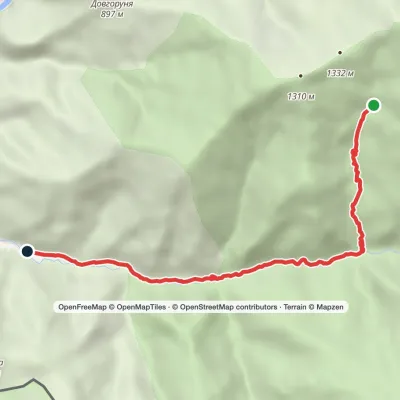 EasyOne-dayMarkedYalynskyi Waterfall Dilove villageElevation profile393–1 030 m8.2 kmascent 7 m≈ 2 h walking
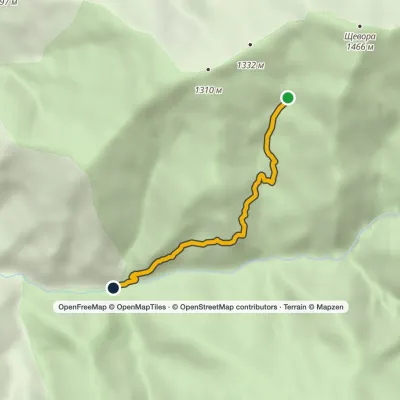 EasyOne-dayMarkedTo Yalynskyi WaterfallElevation profile453–1 047 m4.6 km≈ 1 h walking
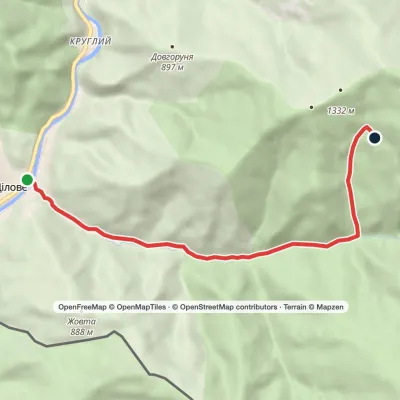 ModerateOne-dayMarkedDilove village Yalynskyi WaterfallElevation profile346–1 063 m7.6 kmascent 716 m≈ 3.5 h walking
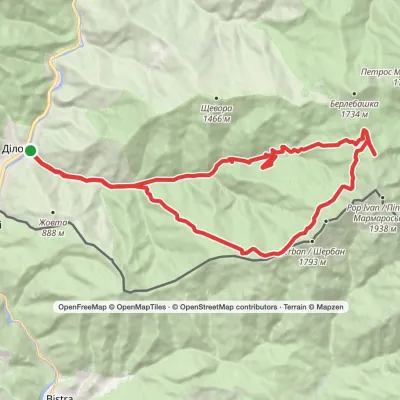 HardMulti-dayDilove village loopvia Mount Pip Ivan MarmaroskyiElevation profile346–1 655 m32.2 kmascent 1 516 m≈ 11 h walking
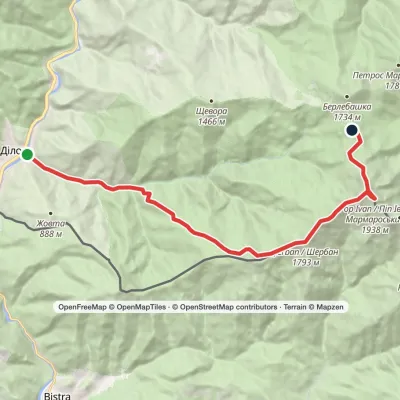 HardTwo-dayDilove village to Lysycha polonynavia Mount Zherban, Mount Pip Ivan MarmaroskyiElevation profile358–1 936 m16.7 kmascent 1 707 m≈ 7.5 h walking
 HardMulti-dayMarkedDilove village loopvia Mount Pip Ivan Marmaroskyi, Mount ZherbanElevation profile346–1 936 m50.5 kmascent 1 783 m
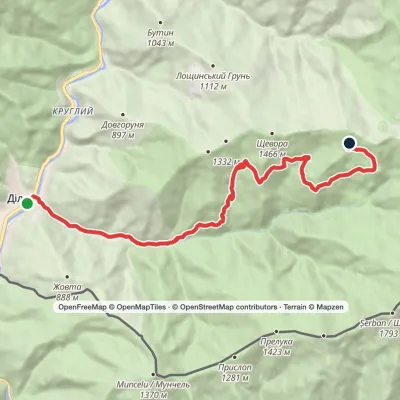 ModerateTwo-dayDilove village to Shchavora polonynavia Yalynskyi WaterfallElevation profile346–1 338 m16.3 kmascent 1 042 m≈ 6 h walking
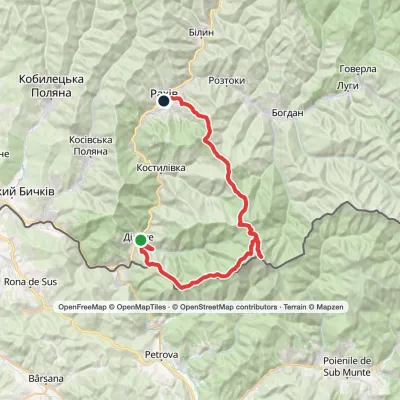 HardMulti-dayDilove village to Rakhivvia Mount Zherban, Mount Pip Ivan MarmaroskyiElevation profile346–1 936 m44.9 kmascent 1 990 m
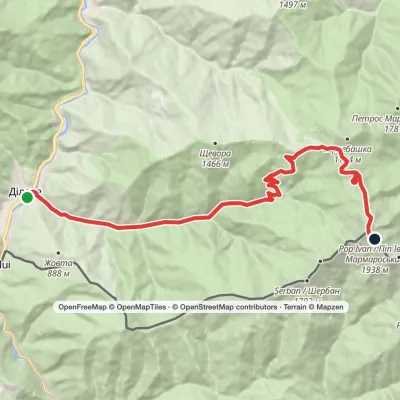 HardTwo-dayMarkedDilove village to Mount Pip Ivan Marmaroskyivia Lysycha polonynaElevation profile346–1 936 m19.4 kmascent 1 663 m≈ 8 h walking
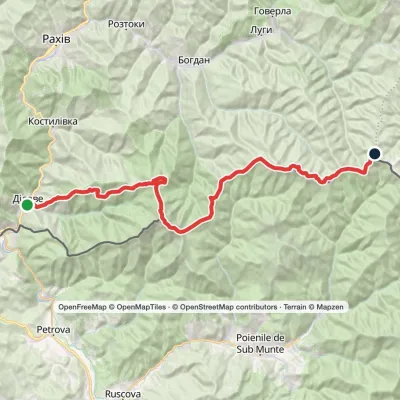 HardMulti-dayDilove village to Mount Stihvia Mount Pip Ivan Marmaroskyi, Mount Mika-Mare +1Elevation profile346–1 936 m45.1 kmascent 3 322 m
 HardMulti-dayMarkedDilove village to Dzembronia villagevia Mount Pip Ivan Marmaroskyi, Mount Pip Ivan ChornohirskyiElevation profile346–2 028 m85.6 kmascent 3 816 m
 HardMulti-dayDilove village to Kostylivka villagevia Mount Pip Ivan MarmaroskyiElevation profile346–1 521 m37.9 kmascent 1 570 m≈ 12.5 h walking
Mountain ranges: Maramureș Mountains. In other countries: 🇸🇰 Slovak Paradise, 🇸🇰 Slovak Ore Mountains, 🇸🇰 Low Tatras, 🇸🇰 Volovec Mountains, 🇸🇰 Greater Fatra, 🇷🇴 Piatra Craiului, 🇸🇰 Spiš Magura, 🇸🇰 Branisko, 🇸🇰 Lesser Fatra, 🇸🇰 Choč Mountains, 🇷🇴 Bucegi Mountains, 🇷🇴 Hășmaș Mountains, 🇵🇱 Pieniny
Trails and peaks near which naturalists recorded the species (GBIF, iNaturalist), matched by altitude and habitat. Sightings are not guaranteed.
Sources
- Вікіпедія: Дзвоники карпатські
- Wikipedia (en): Campanula carpatica
- Wikipedia (pl): Dzwonek karpacki
- Наказ Міндовкілля від 15.02.2021 № 111: Перелік видів рослин та грибів, що заносяться до Червоної книги України
- GBIF: список рослин і грибів Червоної книги України за наказом № 111 (з категоріями)
- Kobiv Y. et al. Distribution and population status of rare plant species in the Marmarosh Mountains. Ukr. Bot. J., 2017, 74(2): 163–176
GBIF · iNaturalist · Wikidata · Distribution data: GBIF.org (CC0 and CC BY records), iNaturalist; names and identifiers: Wikidata (CC0). Text: Karpaty.rocks, checked 09.11.2026.
