White stork
About
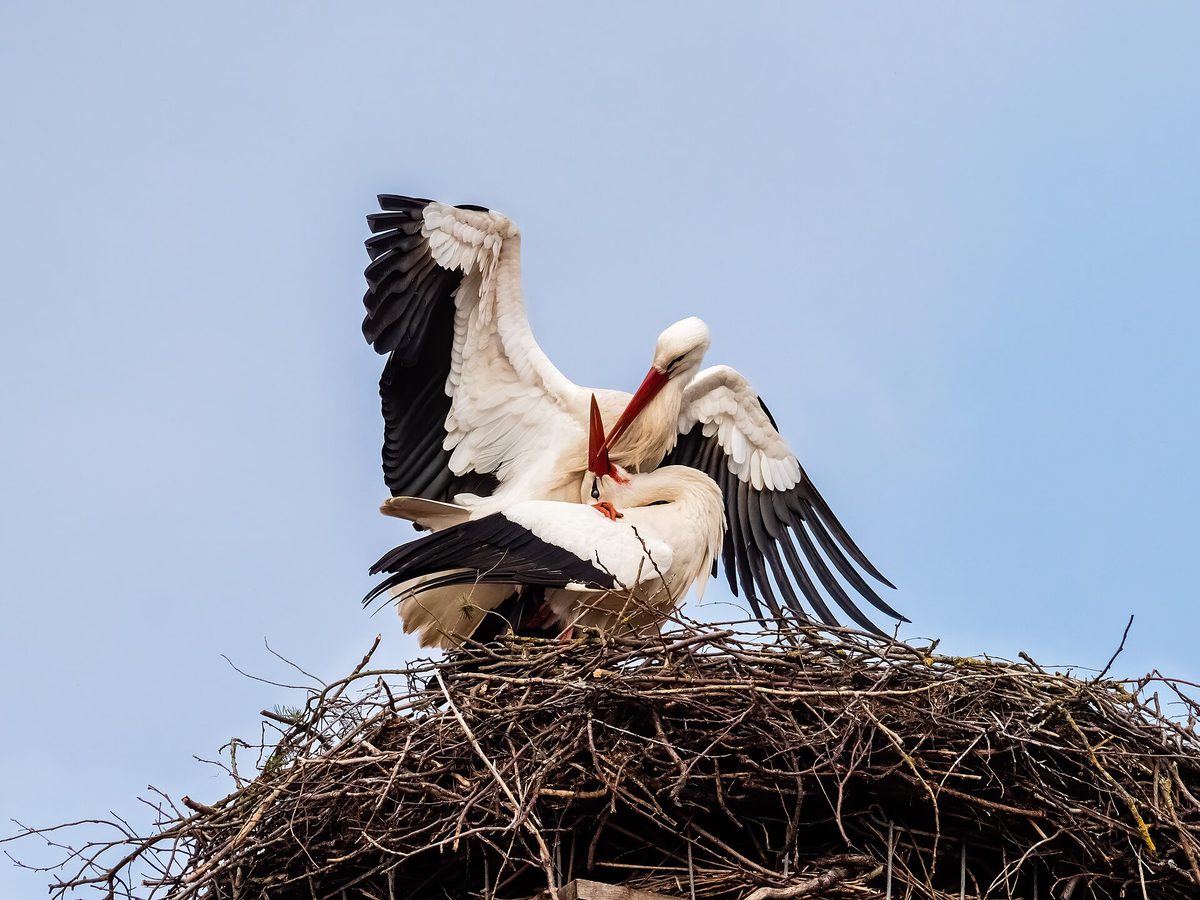
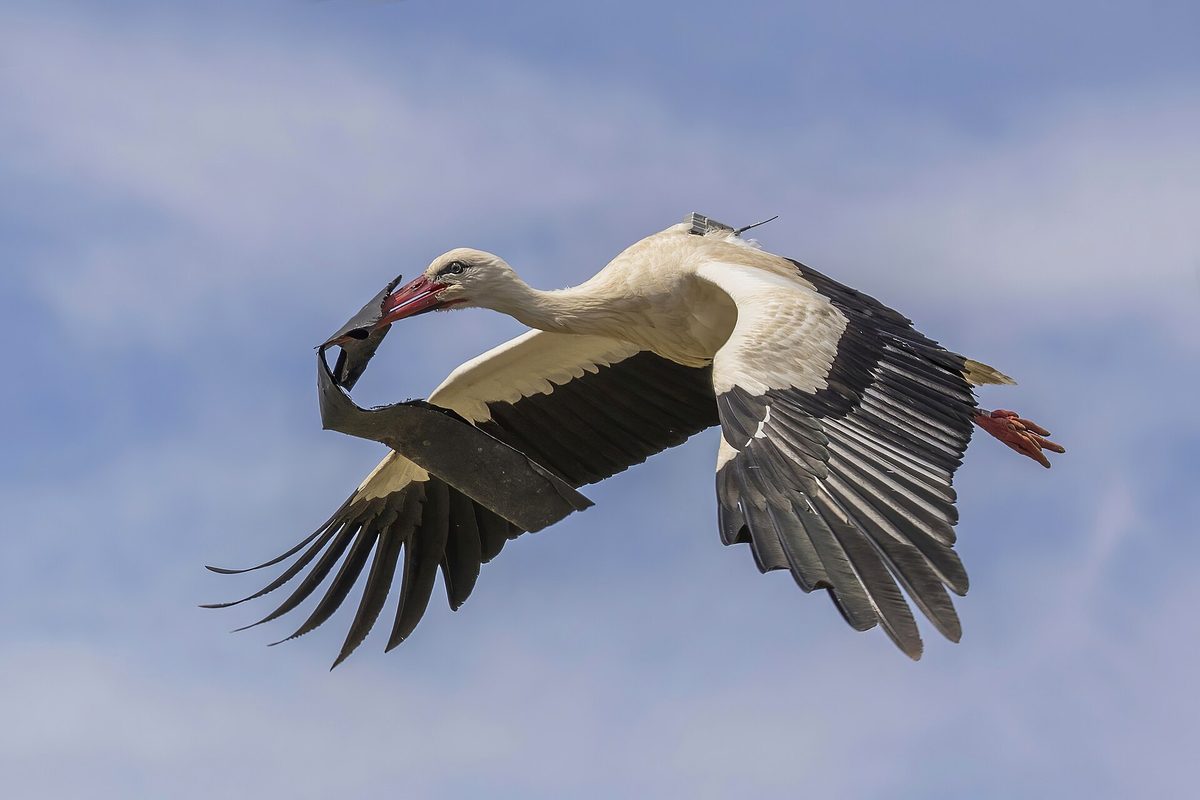
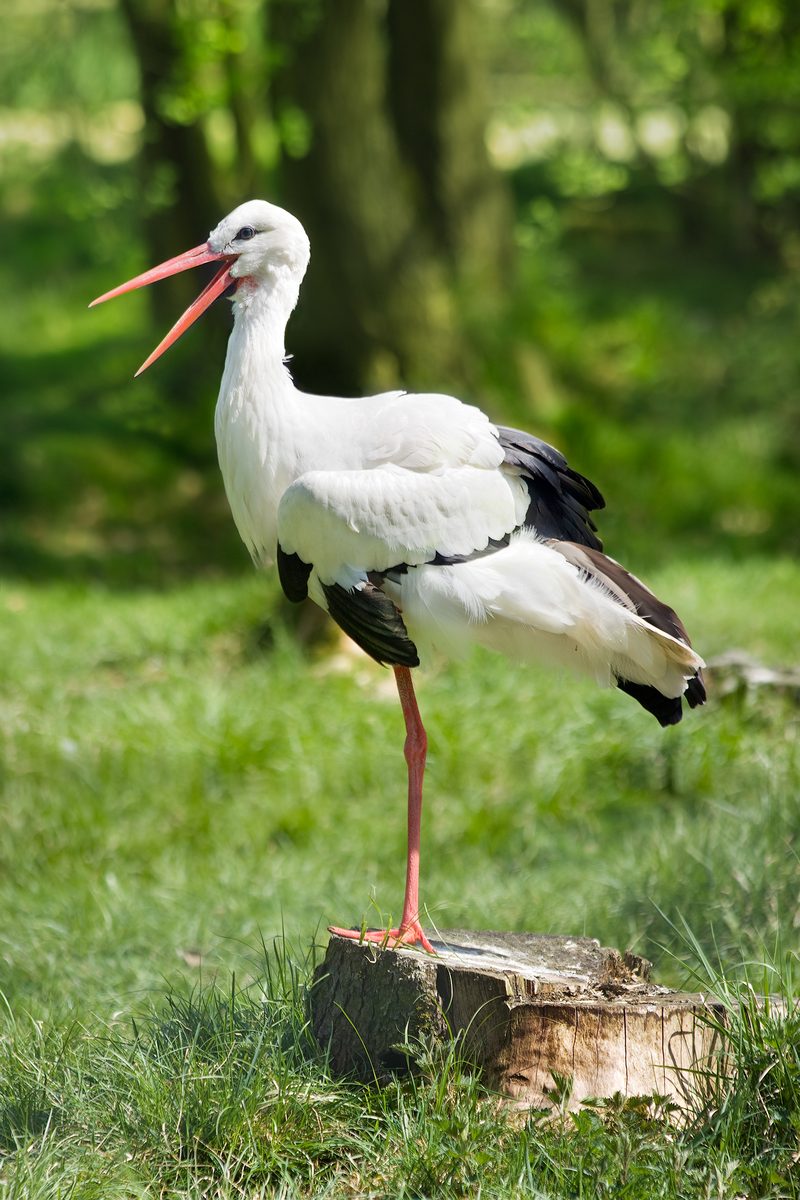
The White stork is recognizable by everyone: white plumage, black flight feathers, long red legs and beak. Its body length is 100–115 cm, and its wingspan reaches two meters. An adult bird has almost no voice, so storks 'talk' by clattering their beaks, throwing their heads back.
In the Carpathians, this bird inhabits the valleys and foothills. The nests — large piles of twigs — are built by storks on electric poles, water towers, roofs, and old trees in the villages of Transcarpathia, Prykarpattia, and Bukovina, and they use them for many years. The white stork does not go high into the mountains or dense forests: it needs open meadows, pastures, and floodplains where it gathers food.
The stork feeds on frogs, rodents, large insects, earthworms, and occasionally fish and snakes. There are usually four eggs in a clutch, and both parents feed the chicks.
This is a migratory bird. Storks return to Ukraine in March — early April, and they leave at the end of August and in September for wintering in Africa. Before departure, they gather in flocks on mown meadows — at that time, dozens of birds can be seen together in the valleys.
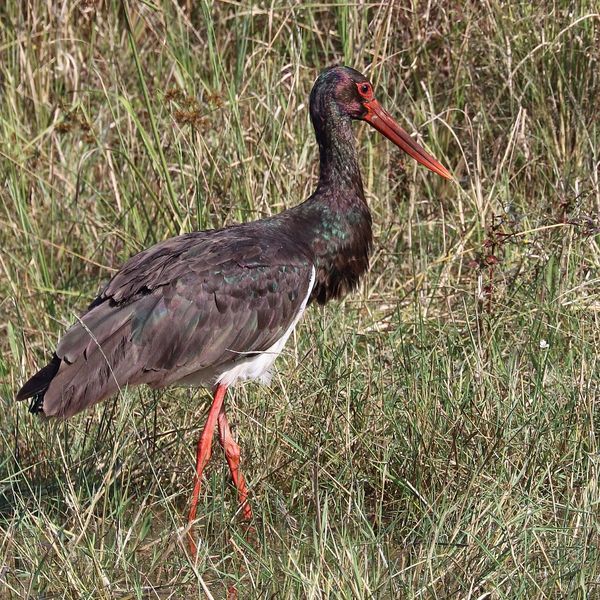
Do not confuse it with the Black stork — a secretive forest bird listed in the Red Book of Ukraine, which has only a white belly. The nests of the white stork must not be destroyed, and it is better not to approach the birds at the nest closely.
Where in the Carpathians

The map shows where naturalists recorded the species (GBIF, CC0 and CC BY records), not every place it lives. The Ukrainian Carpathians are less studied, so a blank area does not mean the species is absent.
- Countries
- Czechia · Slovakia · Poland · Romania · Hungary · Ukraine · Austria · Serbia · BG
- Mountain ranges
- Piatra Craiului, Bieszczady, Slovak Ore Mountains, Gorgany, Skole Beskids, Bucegi Mountains, Low Beskids, Zemplén Mountains, Pieniny, Żywiec Beskids
- Altitude belts
- Foothills (below 600 m)
When to see it
| Jan | Feb | Mar | Apr | May | Jun | Jul | Aug | Sep | Oct | Nov | Dec | |
|---|---|---|---|---|---|---|---|---|---|---|---|---|
| Sightings |
From naturalists’ observations in the Carpathians (iNaturalist, research grade): the darker the cell, the more often the species is seen that month.
Protection and rules
Not listed in the Red Book of Ukraine. Annex I species of the EU Birds Directive; destroying nests is prohibited.
FAQ
When do storks arrive in the Carpathians?
The first birds appear at the nests in March — early April. Storks leave at the end of August and in September.
Where in the Carpathians can you see a stork?
In the villages of the valleys and foothills: nests are found on poles, towers, and roofs right by the roads. The white stork does not nest high in the mountains among dense forests.
How does the white stork differ from the black stork?
The white stork is white with black wing tips and lives near people. The black stork is mostly black with a white belly, nests in remote forests, and avoids humans.
Similar species
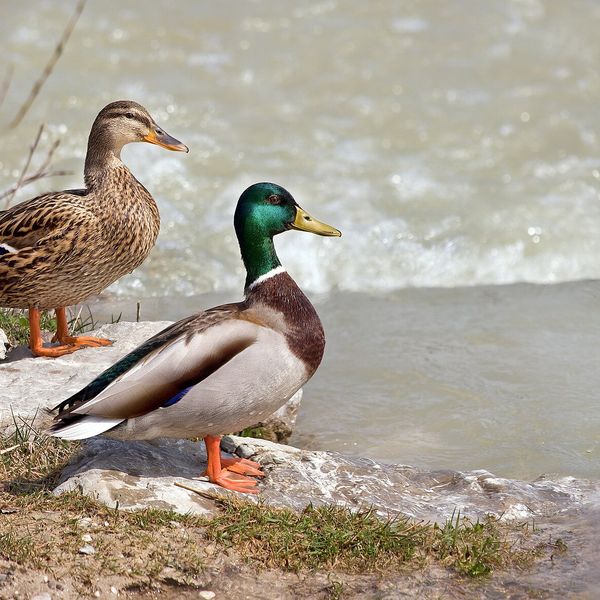
Where to meet it
Trails
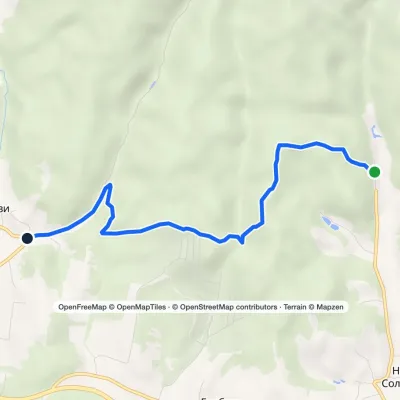 EasyOne-dayMarkedCarpathian Metro hiking routeElevation profile124–248 m5.4 kmascent 173 m≈ 1.5 h walking
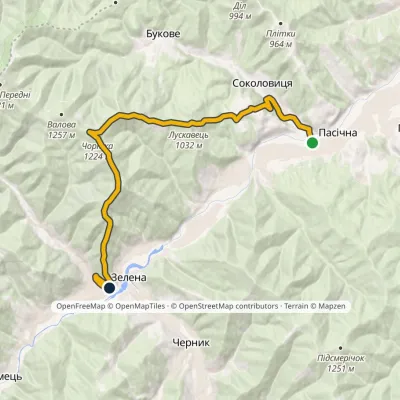 ModerateOne-dayMarkedPasichna village Zelena villagevia Mount ChortkaElevation profile520–1 224 m15.8 kmascent 759 m≈ 5 h walking
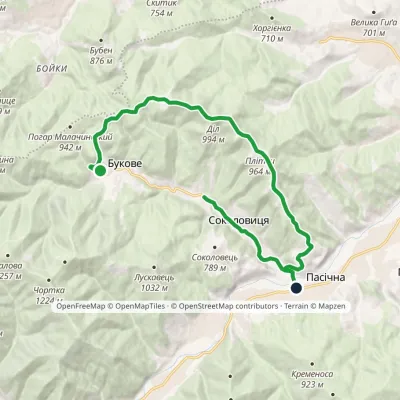 ModerateOne-dayMarkedBukove Bukhtivets-Bystrytsia waterfallElevation profile520–994 m15.5 kmascent 369 m≈ 4.5 h walking
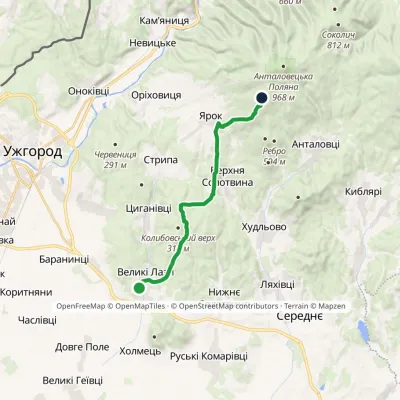 ModerateOne-dayMarkedPlotenia Trail: Velyki Lazy village Mount Dil YarotskyiElevation profile120–796 m16.3 kmascent 748 m≈ 5.5 h walking
 ModerateOne-daySopit village loopvia the Sopit polonynasElevation profile440–1 178 m19.7 kmascent 825 m≈ 6.5 h walking
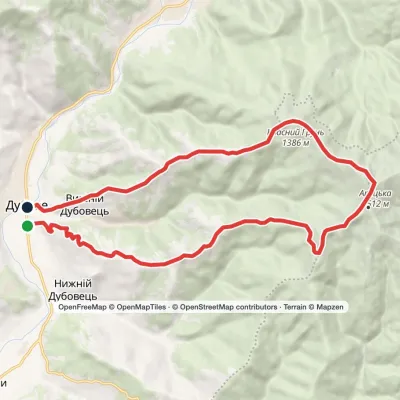 HardOne-dayDubove village loopvia Mount ApetskaElevation profile386–1 512 m21.2 kmascent 1 213 m≈ 7.5 h walking
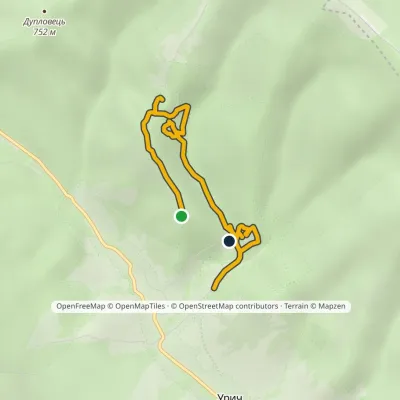 EasyOne-dayMarkedNo. 5048 «In the Footsteps of Legendary Tustan»Elevation profile551–712 m4.1 kmascent 139 m≈ 1.5 h walking
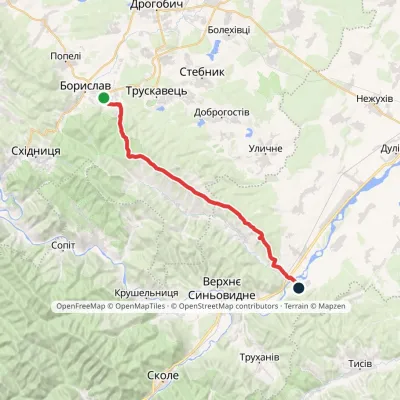 HardOne-dayMarkedNo. 506 Boryslav RozghircheElevation profile347–808 m30.2 kmascent 557 m≈ 8.5 h walking
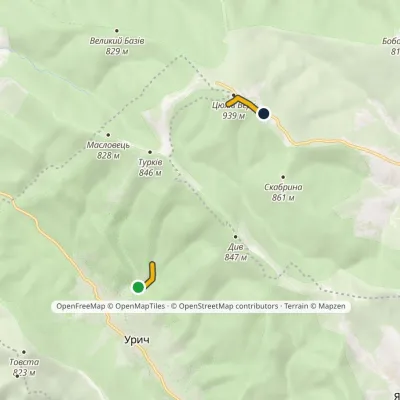 EasyOne-dayMarkedNo. 5050 Tustan Carpathian polonynyElevation profile554–939 m1.3 kmascent 410 m≈ 1 h walking
Peaks and meadows
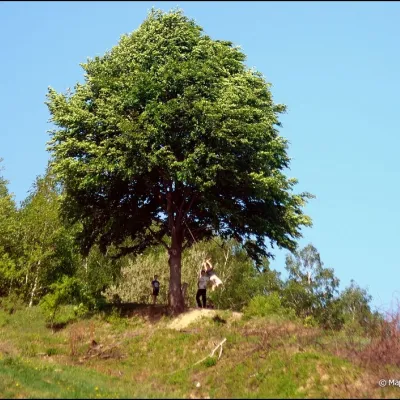 PeakMount KicheraKosivaltitude 567 mThe march to Kichera is an easy walk that all tourists can do. The small length of the march allows you to take your...
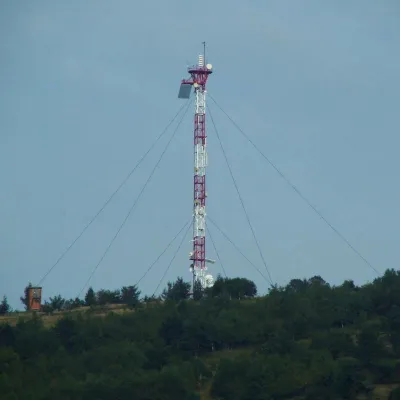 PeakMount Horodyshche (Boryslav)Boryslavaltitude 646 mHorodyshche (646 m; other sources give 641.8 m) is a hill in the Upper Dniester Beskids and the highest point of the...
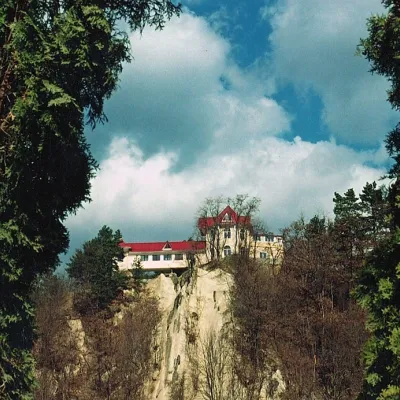 PeakCastle Hill (City)Kosivaltitude 450 mThe top offers a panoramic view of the city. The mountain is home to unique black alpine pines, as well as deciduous...
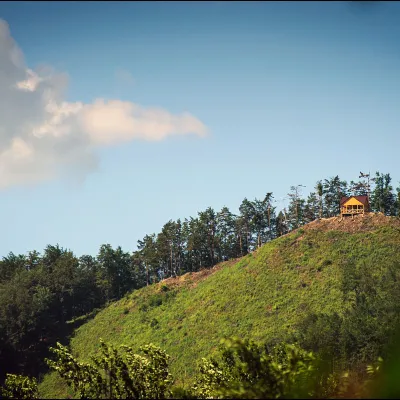 PeakMount Ostry (Ostra)Kosivaltitude 584 m2 trails to the topThe mountain offers wonderful views of the entire Kosiv. The descent is steep, and autumn is magical here.
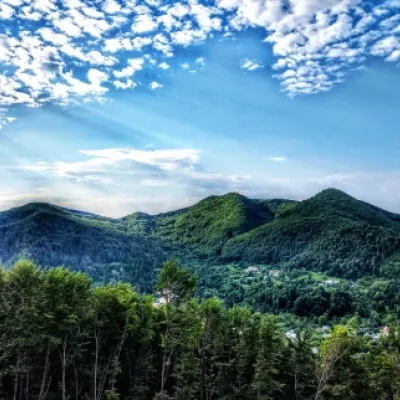 PeakMount Sopka (Stizhky, Zinyakov top).Kosivaltitude 620 m2 trails to the topStizhki (620 meters) offers a panoramic view of the city of Kosiv. The mountain is covered with forests - beech,...
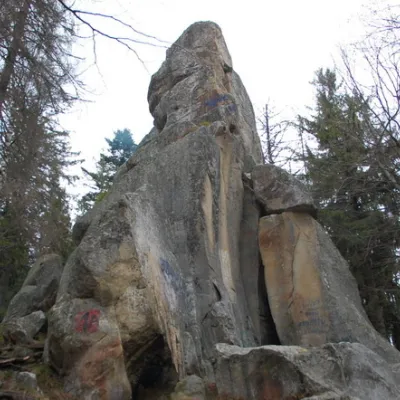 PeakWhite Stone RockDoraaltitude 538 m7 trails to the topThe White Stone Rock is located in the village of Dora in the Carpathians and is one of the most prominent natural...
Waters and waterfalls
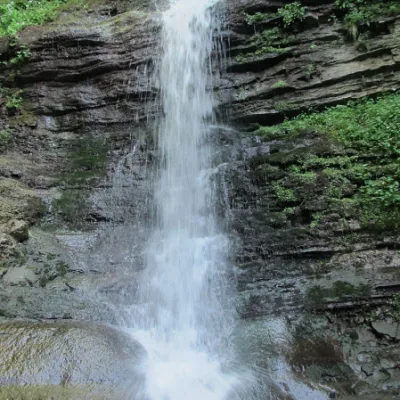 WaterfallLazny waterfallDrohobych districtLaznyi is a waterfall in the Ukrainian Carpathians (in the Skole Beskydy massif), a hydrological natural monument of...
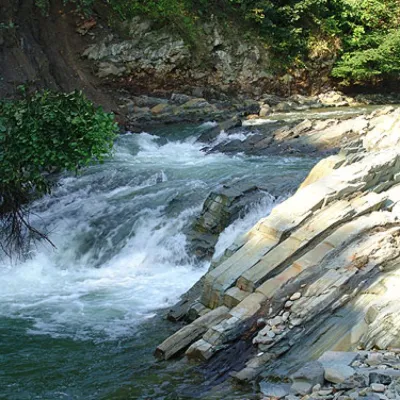 WaterfallKosivskyi Huk WaterfallKosivKosivskyi Huk - one of the most beautiful waterfalls in the Ukrainian Carpathians (in the Pokuttya-Bukovyna...
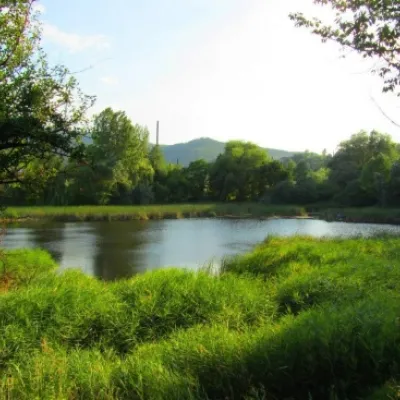 LakeCity Banske Lake (Kosiv)KosivThere are lakes of technogenic origin in the Hutsul mountains. One such lake is Banske Lake (near the former factory ...
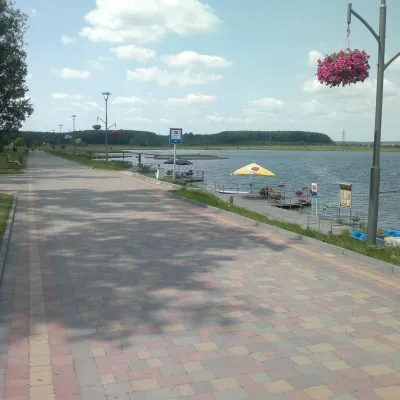 LakeUniatychi ReservoirUniatychiUniatychi Reservoir lies by the village of Uniatychi in Drohobych district, not far from Drohobych.
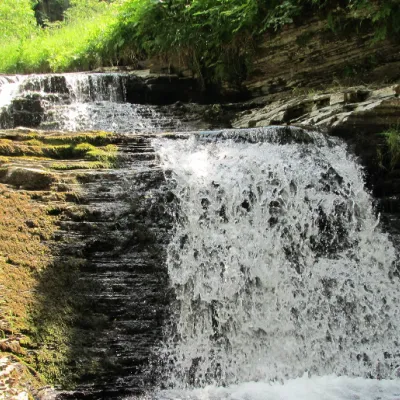 WaterfallSukil WaterfallsSukilNear the village of Sukil in the Bohorodchany urban hromada, the Sukil Waterfalls are truly a paradise for tourists...
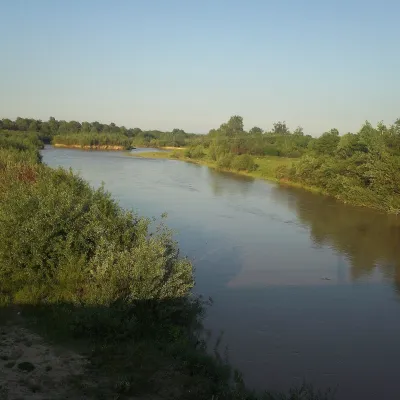 RiverSiret RiverBerehometThe Siret is a major Danube tributary 682 km long, but only its first 123 km lie in Ukraine.
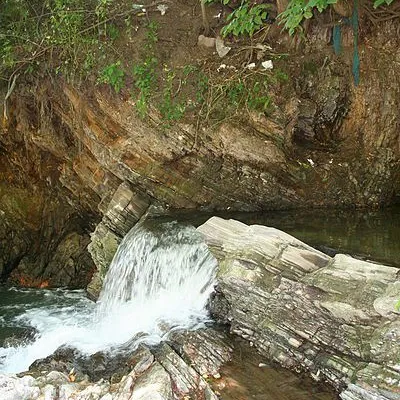 WaterfallBoryslav waterfallBoryslavThe Young Boryslav Waterfall is a small waterfall (falling height is about two meters).
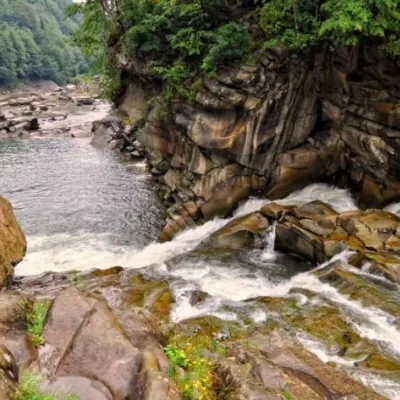 WaterfallProbiy waterfall, YaremcheYaremcheProbiy Waterfall is located in the heart of the Carpathian Mountains, in the city of Yaremche.
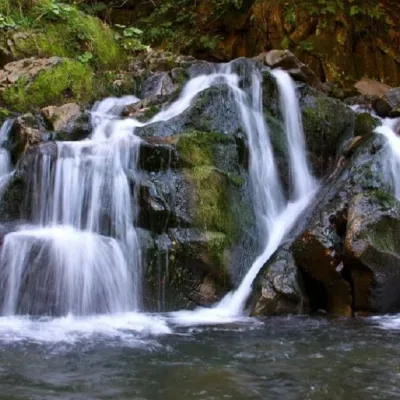 WaterfallKamianka waterfallDubyna"Kamianka Waterfall or Kamianka Waterfall is the most famous waterfall located on the mountain river of the same name...
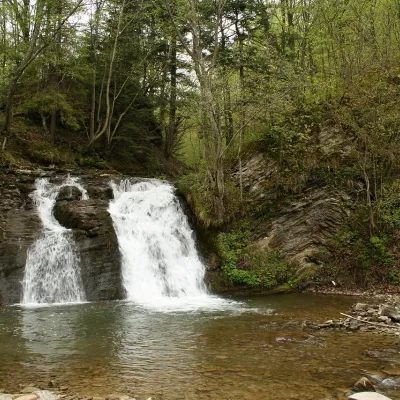 WaterfallGurkalo waterfallKorchynGurkal, located on the Velyka Richka River, has a very eloquent name! You can't argue with it, especially when the...
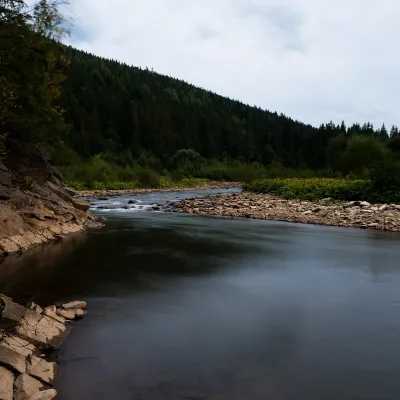 RiverSvicha RiverVyhodaThe Svicha is a 107-km right-bank tributary of the Dniester. It rises on the northern slopes of the main Gorgany...
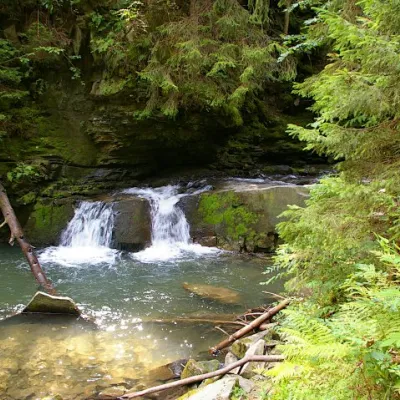 WaterfallWaterfall Maiden's Tears, YaremcheYaremcheMaiden's Tears is a waterfall in the Ukrainian Carpathians (Gorgany massif).
Mountain ranges: Bieszczady, Gorgany, Skole Beskids, Pokuttia-Bukovina Carpathians. In other countries: 🇷🇴 Piatra Craiului, 🇸🇰 Slovak Ore Mountains, 🇷🇴 Bucegi Mountains, 🇵🇱 Low Beskids, 🇭🇺 Zemplén Mountains, 🇵🇱 Pieniny, 🇵🇱 Żywiec Beskids, 🇸🇰 Western Tatras, 🇨🇿 Moravian-Silesian Beskids, 🇷🇴 Bihor-Vlădeasa Mountains
Trails and peaks near which naturalists recorded the species (GBIF, iNaturalist), matched by altitude and habitat. Sightings are not guaranteed.
Sources
- Вікіпедія: Лелека білий
- Wikipedia (en): White stork
- Директива 2009/147/ЄС про охорону диких птахів (додаток I)
- Наказ Міндовкілля від 19.01.2021 № 29: Перелік видів тварин, що заносяться до Червоної книги України
- iNaturalist: Ciconia ciconia (спостереження в Карпатах)
GBIF · iNaturalist · Wikidata · Distribution data: GBIF.org (CC0 and CC BY records), iNaturalist; names and identifiers: Wikidata (CC0). Text: Karpaty.rocks, checked 11.11.2026.
