Male fern
For information only, not medical advice. Do not self-medicate — consult a doctor. Many Carpathian medicinal plants are protected and must not be collected.
About
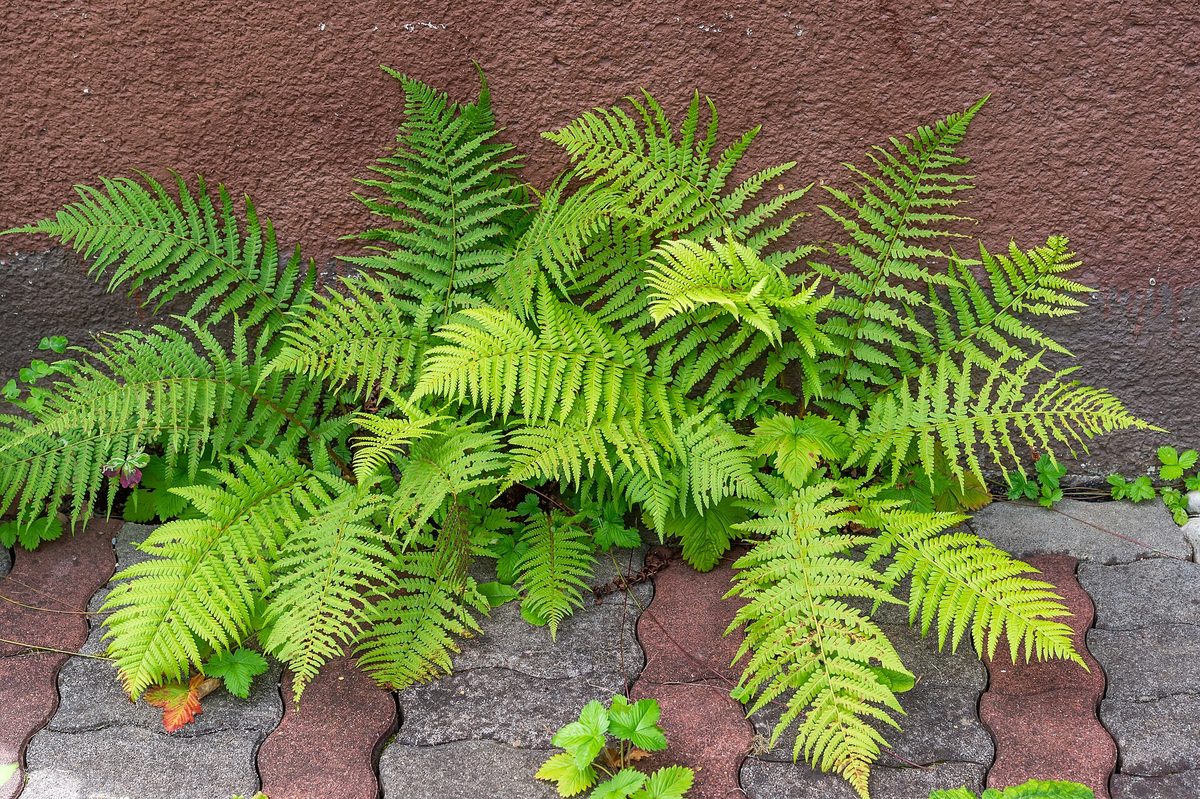
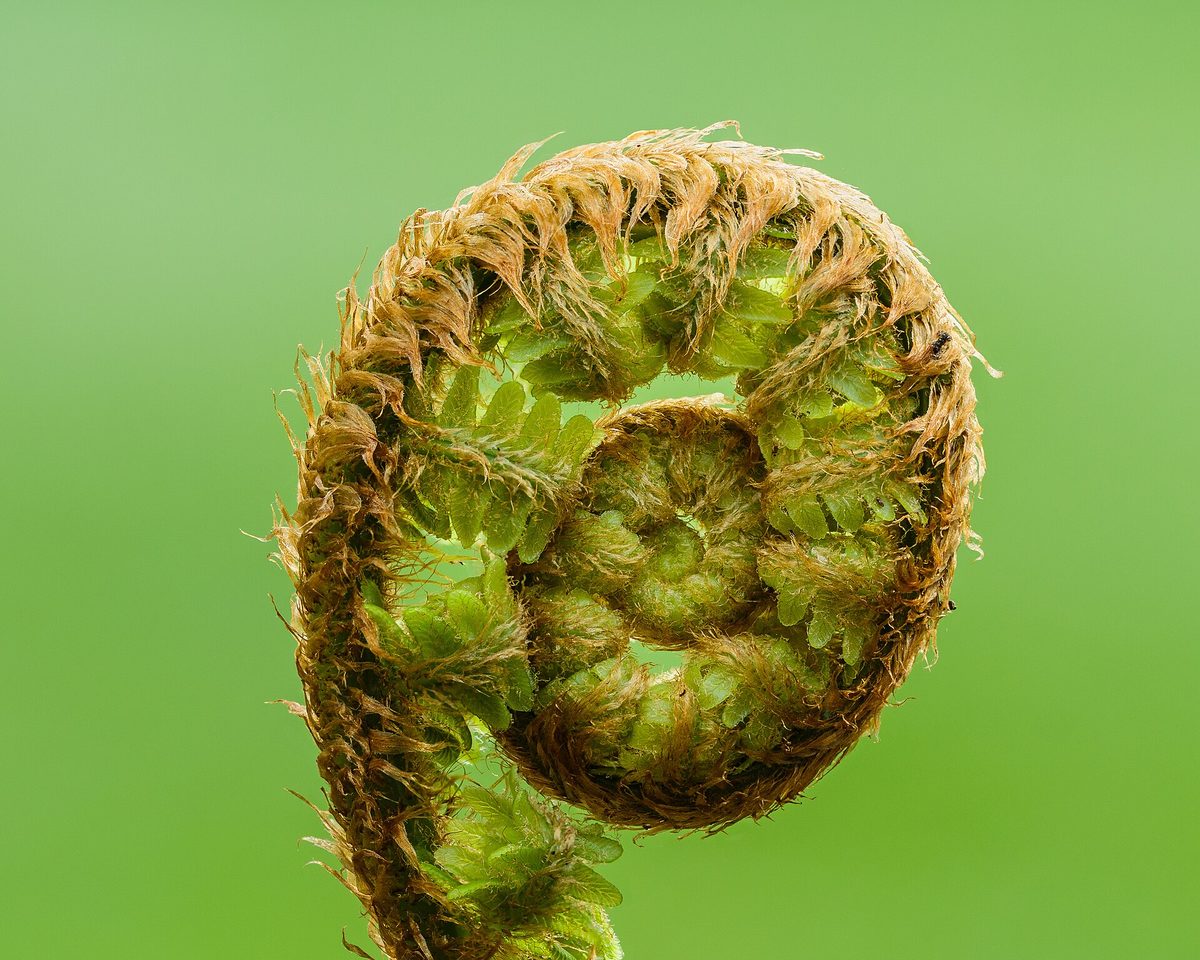
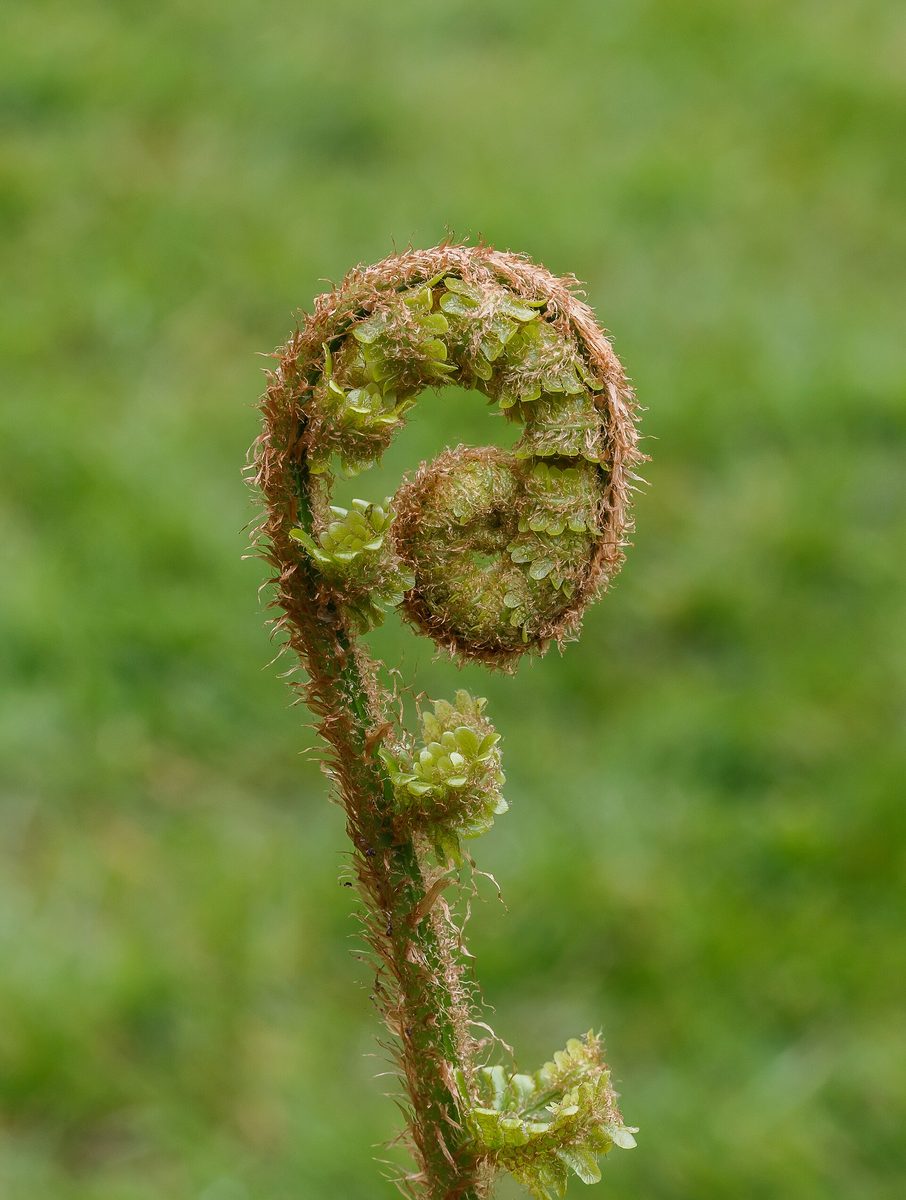
The Male fern is one of the largest and most common ferns in the Carpathian forests. The leaves are 50–150 cm long, arranged at the top of a thick rhizome in a proper funnel shape. The leaf blade is twice pinnately divided, with a short petiole densely covered in brown scales.
In summer, two rows of round brown clusters — sori — appear on the underside of the leaves. Each is covered by a kidney-shaped indusium, resembling a small shield; hence the name of the genus. Spores mature in the sori, which the fern uses for reproduction.
Ferns do not flower. The legendary "fern flower" sought after on Ivan Kupala night is merely a beautiful fiction: these plants have neither flowers nor seeds.
In the Carpathians, the Male fern grows in shady beech, mixed, and spruce forests, in ravines and on rocky slopes — from the foothills to the upper forest limit. The Lady fern often grows nearby: its leaves are more delicate, thrice divided, "lace-like," and its sori are elongated, curved like a comma.
The rhizome of the Male fern is poisonous. It was once used to make a remedy for worms, but due to severe poisoning — even leading to loss of vision — this treatment has been abandoned. It is prohibited to dig up and use the rhizome.
It is also not advisable to dig up ferns for gardens in the forest: this is prohibited in national parks and reserves.
Where in the Carpathians

Teal — roughly where the species can occur, by elevation and habitat; orange — where naturalists recorded it (GBIF, CC0/CC BY).
Range: elevation belt and forests — our model (AWS Terrain Tiles; © OpenStreetMap)
- Countries
- Ukraine · Slovakia · Czechia · Poland · Hungary · Romania
- Mountain ranges
- nearly all Carpathian ranges, in the forest belt
- Altitude belts
- Foothills (below 600 m) · Beech forests (600–1200 m)
When to see it
| Jan | Feb | Mar | Apr | May | Jun | Jul | Aug | Sep | Oct | Nov | Dec | |
|---|---|---|---|---|---|---|---|---|---|---|---|---|
| Flowering |
From naturalists’ observations in the Carpathians (iNaturalist, research grade): the darker the cell, the more often the species is seen that month.
Safety
The rhizome is poisonous: preparations from it have caused severe poisoning and vision impairment. Do not dig up or consume. In case of suspected poisoning, call 103 (or 112).
Look-alikes — how to tell them apart
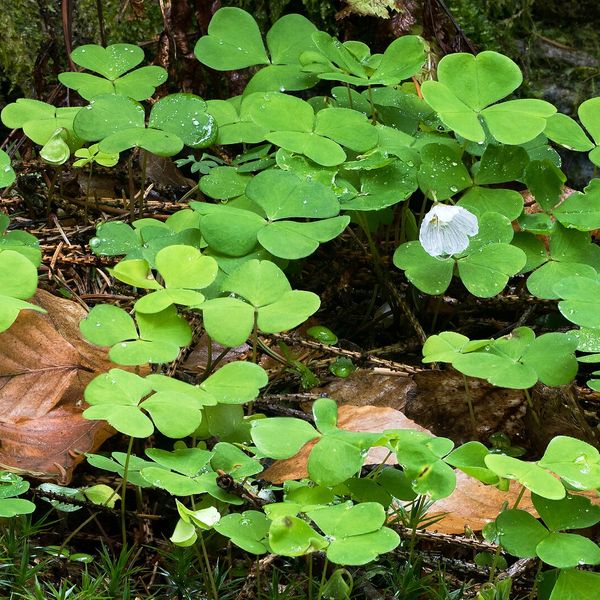
The leaves are more delicate, thrice divided, "lace-like"; the sori are elongated, curved like a comma, not round.
In folk tradition
The rhizome was once used as a medicinal raw material; due to its toxicity, this use has been discontinued.
Protection and rules
Not listed in the Red Book of Ukraine.
FAQ
Does the fern flower?
No. Ferns reproduce by spores and do not have flowers. The "fern flower" is an image from Kupala legends.
Is the Male fern poisonous?
Its rhizome is poisonous. Preparations from it once caused severe poisoning, so it should not be consumed.
Comments
Travellers’ experience: reports, tips, questions.
No one has written here yet. Be the first — your experience helps others.
Similar species
Where to meet it
Trails
 EasyOne-dayMarkedHoverla village Mount BrebeneskulElevation profile764–833 m10.5 kmascent 3 m≈ 2.5 h walking
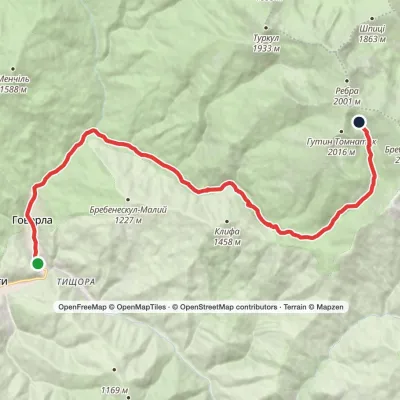 ModerateOne-dayMarkedLuhy village Lake BrebeneskulElevation profile653–1 793 m16.4 kmascent 1 155 m≈ 6 h walking
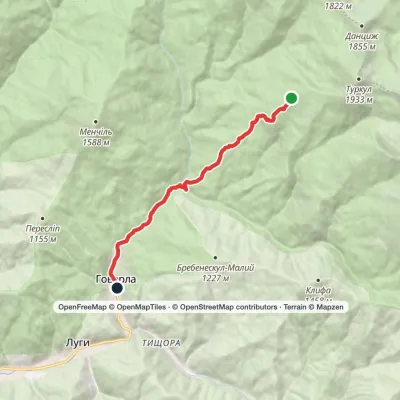 EasyOne-dayMarkedTurkulska polonyna Hoverla villageElevation profile672–1 541 m8.5 kmascent 17 m≈ 2 h walking
 ModerateOne-dayHadzhyna polonyna to Turkulska polonynavia Mount Rebra, Lake BrebeneskulElevation profile1 210–2 001 m14 kmascent 1 050 m≈ 5.5 h walking
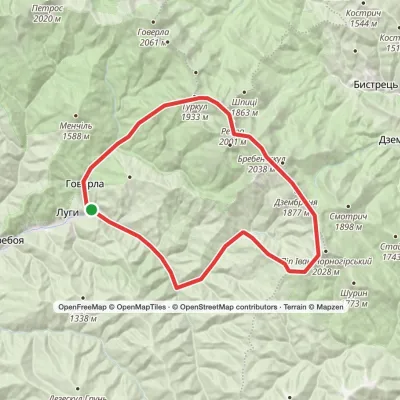 HardTwo-dayLuhy village to Hoverla villagevia Mount Pip Ivan Chornohirskyi, Mount Dzembronia +2Elevation profile646–2 035 m38.9 kmascent 2 326 m≈ 13.5 h walking
 HardOne-dayMarkedZaroslyak base to Luhy villagevia Lake Nesamovyte, Mount Rebra +1Elevation profile673–1 967 m27.7 kmascent 741 m≈ 8 h walking
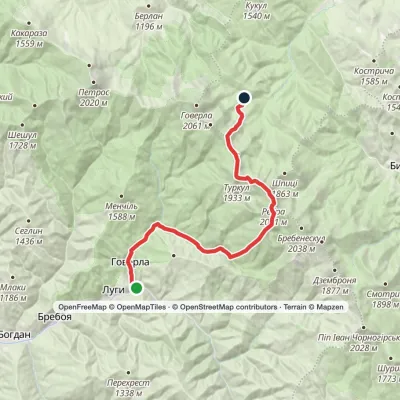 HardOne-dayLuhy village to Zaroslyak basevia Mount Hutyn Tomnatyk, Mount Rebra +2Elevation profile647–2 016 m22.4 kmascent 1 721 m≈ 8.5 h walking
 HardTwo-dayLuhy village loopvia Mount Hutyn Tomnatyk, Lake Brebeneskul +2Elevation profile647–2 061 m45.4 kmascent 3 268 m
 HardOne-dayLuhy village to Zaroslyak basevia Mount HoverlaElevation profile672–2 061 m23.7 kmascent 1 417 m≈ 8.5 h walking
Peaks and meadows
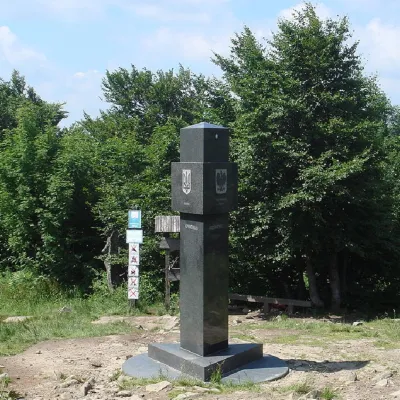 PeakMount KremenetsStuzhytsiaaltitude 1 221 m4 trails to the topKremenets (also known as Kreminets) is a mountain in the Ukrainian Carpathians, one of the highest peaks of the...
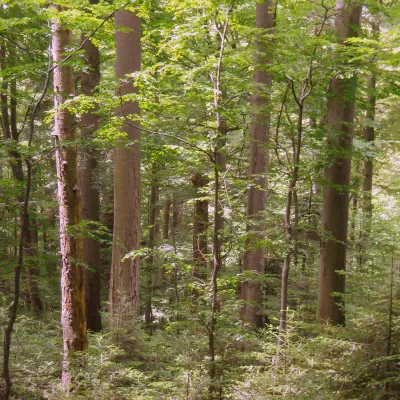 PeakMount KalnytsiaStuzhytsiaaltitude 1 004 mKalnytsia (Slovak: Kalnica) is a 1,004 m mountain on the state border between Ukraine and Slovakia, in the Bukovské...
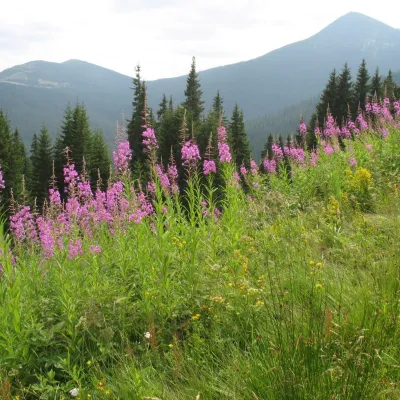 Mountain meadow1 290 mPolonyna MaryshevskaBystretsMaryshevska Polonyna is a small mountain pasture on a north-eastern spur of Chornohora, in the group of Velyka (1,567...
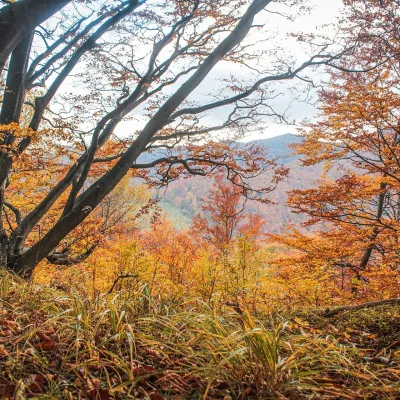 PeakMount Dil (Krushelnytsia)Krushelnytsiaaltitude 899 m · Skole Beskids rangeIt lies north-east of the Parashka ridge, about 2.6 km from Parashka itself (1,268 m), and rises above the village of...
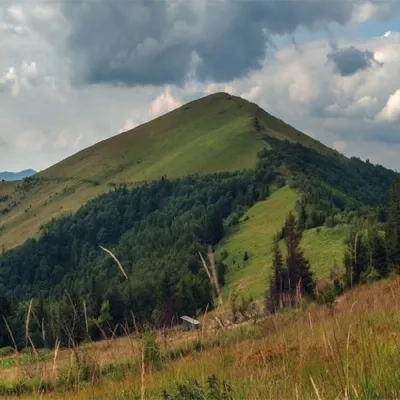 PeakMount ParashkaSkolealtitude 1 268 m · Skole Beskids range17 trails to the topParashka (1268 m) is the highest peak of the ridge of the same name in the Skole Beskids, 8 km north-west of Skole; a...
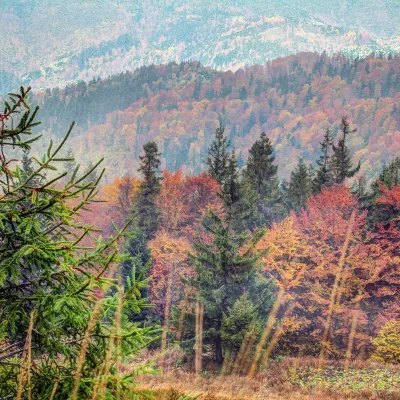 PeakMount Tymkiv VerkhKorostivaltitude 1 227 m · Skole Beskids range1 trail to the topTymkiv Verkh (also spelled Tymkyn Verkh) is a 1,227 m summit on the Parashka ridge in the Skole Beskids, Lviv Oblast.
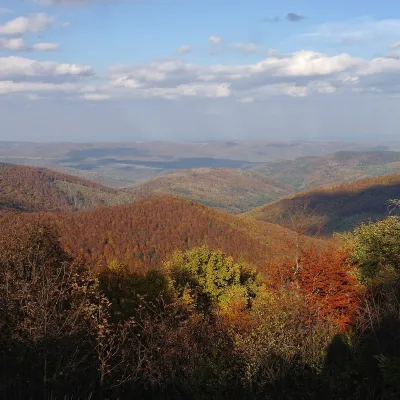 PeakMount Obroslyi VerkhSkolealtitude 1 177 m · Skole Beskids range1 trail to the topObroslyi Verkh is a 1,177 m summit in the south-eastern part of the Parashka ridge in the Skole Beskids (Lviv Oblast).
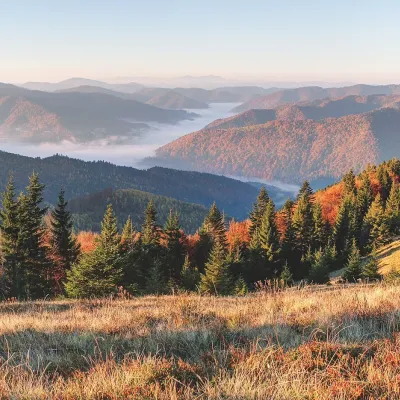 PeakMount ZelenaKorostivaltitude 1 217 m · Skole Beskids range1 trail to the topZelena is a 1,217 m summit on the Parashka ridge in the Skole Beskids, Lviv Oblast.
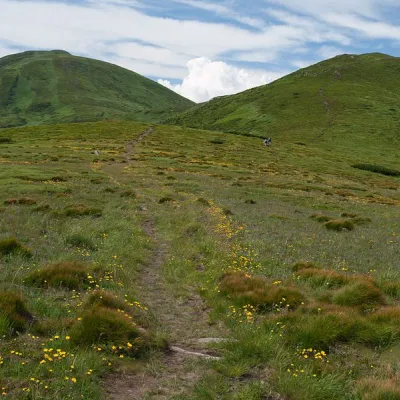 Mountain meadow1 500 mPolonyna Pozhizhevska (Pozhizhevskaya)Nadvirna districtPolonyna lies at an altitude of 1382-1822 meters. The Pozhyzhevska meadow lies at the foot of the mountain of the...
Waters and waterfalls
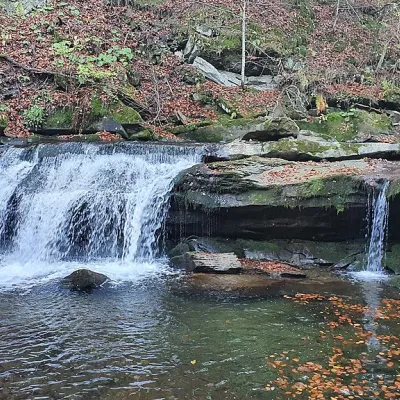 WaterfallKrushelnytskyi waterfallKrushelnytsiaThe real decoration of the mighty Carpathian Mountains is its numerous picturesque waterfalls.
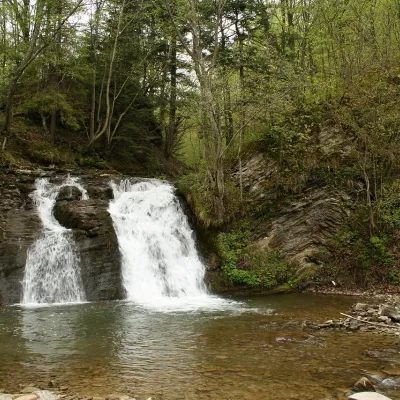 WaterfallGurkalo waterfallKorchynGurkal, located on the Velyka Richka River, has a very eloquent name! You can't argue with it, especially when the...
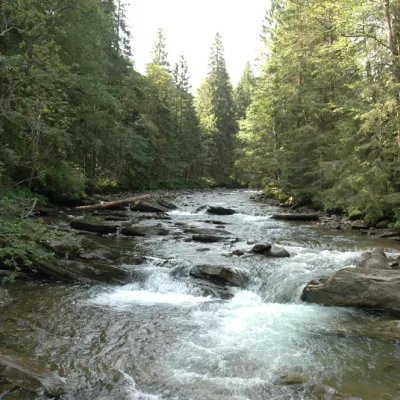 RiverPrutKryvopilliaThe Prut River is a river that connects several countries and is of great natural, historical and cultural importance.
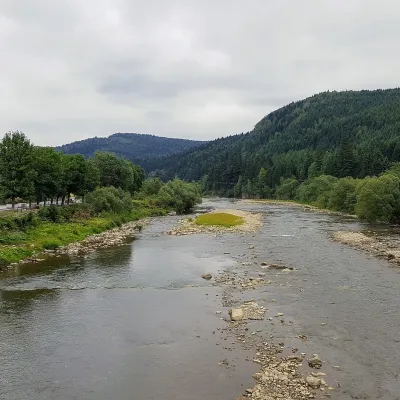 RiverOpir RiverSkoleThe Opir is a 58-km mountain river of the Skole Beskids. It rises on the eastern slope of Mount Velykyi Yavirnyk,...
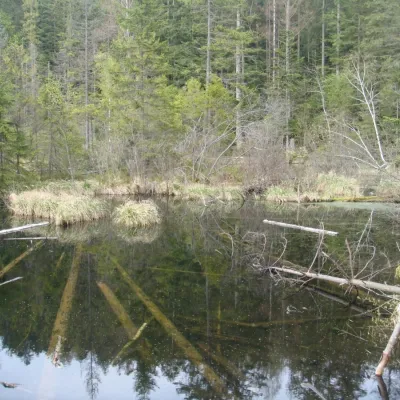 LakeLake Zhuravlyne (Dead Lake)KamiankaThere is one mysterious place in the Skole Beskydy National Nature Park - Zhuravlyne Lake, also called Dead Lake.
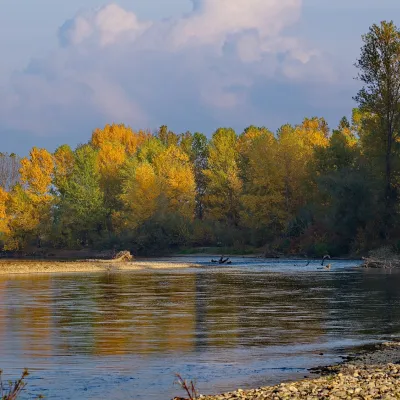 RiverTysa River (Tisza)RakhivThe Tysa (Tisza) is the main river of Zakarpattia. It begins on the north-eastern edge of Rakhiv, where the Chorna...
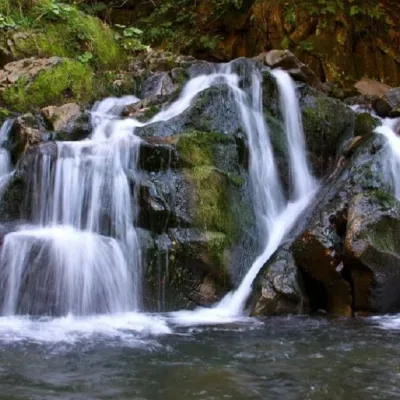 WaterfallKamianka waterfallDubyna"Kamianka Waterfall or Kamianka Waterfall is the most famous waterfall located on the mountain river of the same name...
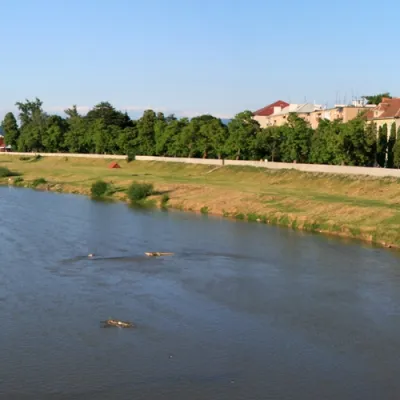 RiverLatorytsiaRoztokaLatorytsia River - Latorytsia and its surroundings are a popular destination for eco-tourism.
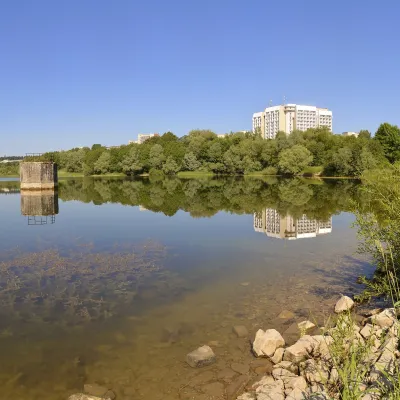 LakeTruskavets ReservoirTruskavetsTruskavets Reservoir, known locally as Lake Solonytsia, lies on the south-eastern edge of Truskavets, next to the...
Mountain ranges: Bieszczady. In other countries: 🇸🇰 Slovak Ore Mountains, 🇸🇰 Strážov Mountains, 🇸🇰 Greater Fatra, 🇨🇿 Moravian-Silesian Beskids, 🇸🇰 Lesser Fatra, 🇸🇰 Low Tatras, 🇸🇰 Volovec Mountains, 🇸🇰 Slovak Central Mountains, 🇸🇰 Štiavnica Mountains, 🇸🇰 Western Tatras, 🇸🇰 Kremnica Mountains, 🇸🇰 Belianske Tatras, 🇸🇰 High Tatras
Trails and peaks near which naturalists recorded the species (GBIF, iNaturalist), matched by altitude and habitat. Sightings are not guaranteed.
Sources
- Вікіпедія: Щитник чоловічий
- Wikipedia (en): Dryopteris filix-mas
- iNaturalist: Dryopteris filix-mas (спостереження в Карпатах)
GBIF · iNaturalist · Wikidata · Distribution data: GBIF.org (CC0 and CC BY records), iNaturalist; names and identifiers: Wikidata (CC0). Text: Karpaty.rocks, checked 11.11.2026.
