Oxlip
About
Oxlip is one of the harbingers of spring in the Carpathians. In Ukraine, it is common in forests, at forest edges, and among shrubs in Prykarpattia and the Carpathians, while in the western part of the Forest-Steppe, it occurs rarely. In several regions outside the Carpathians, it has been included in regional lists of species threatened with extinction.
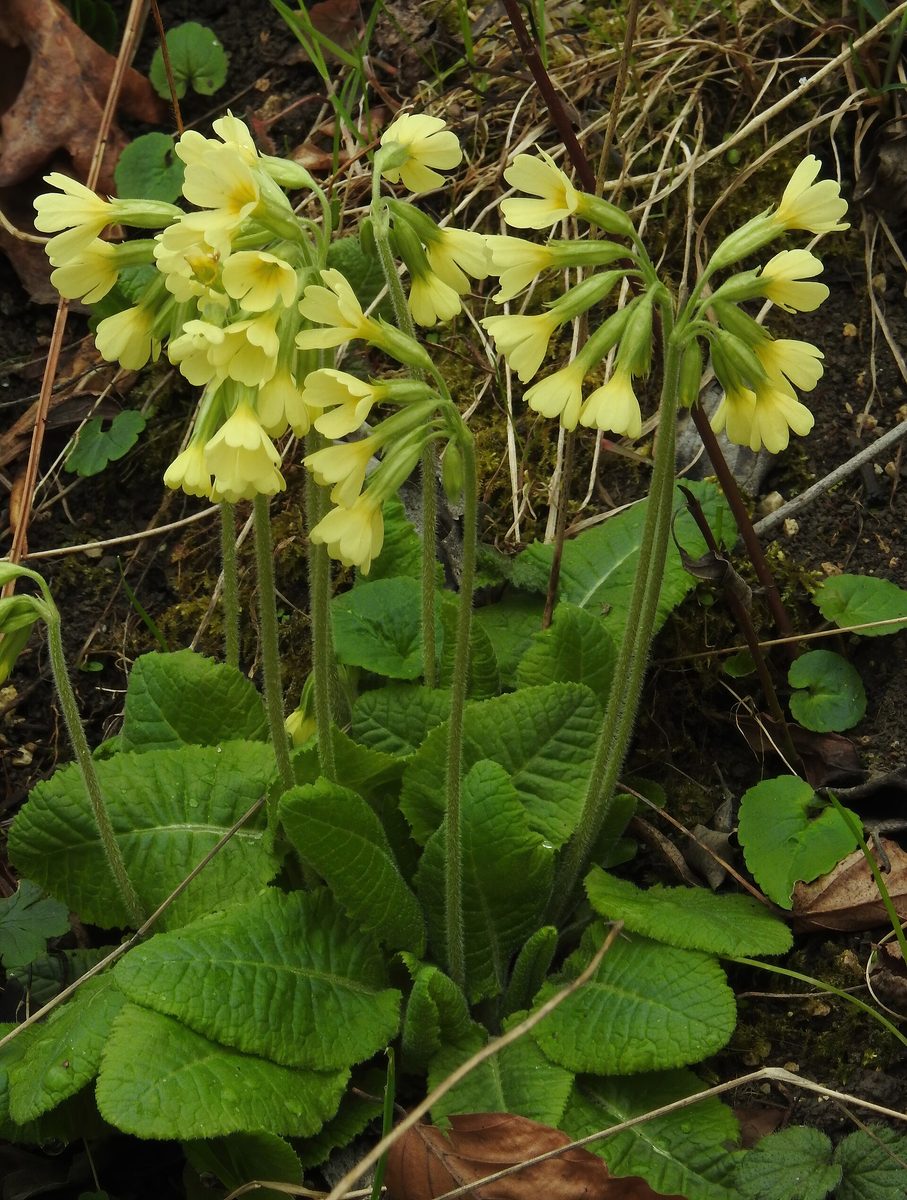
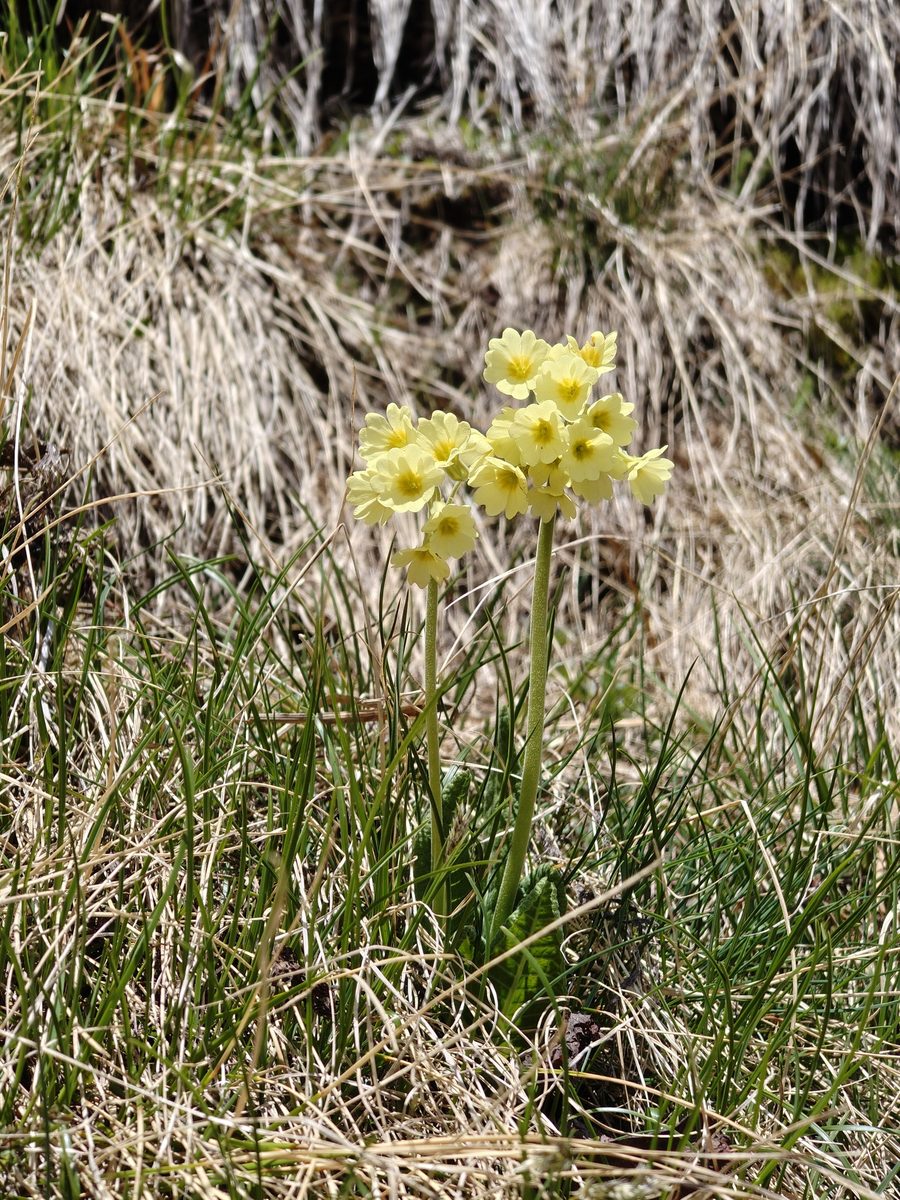
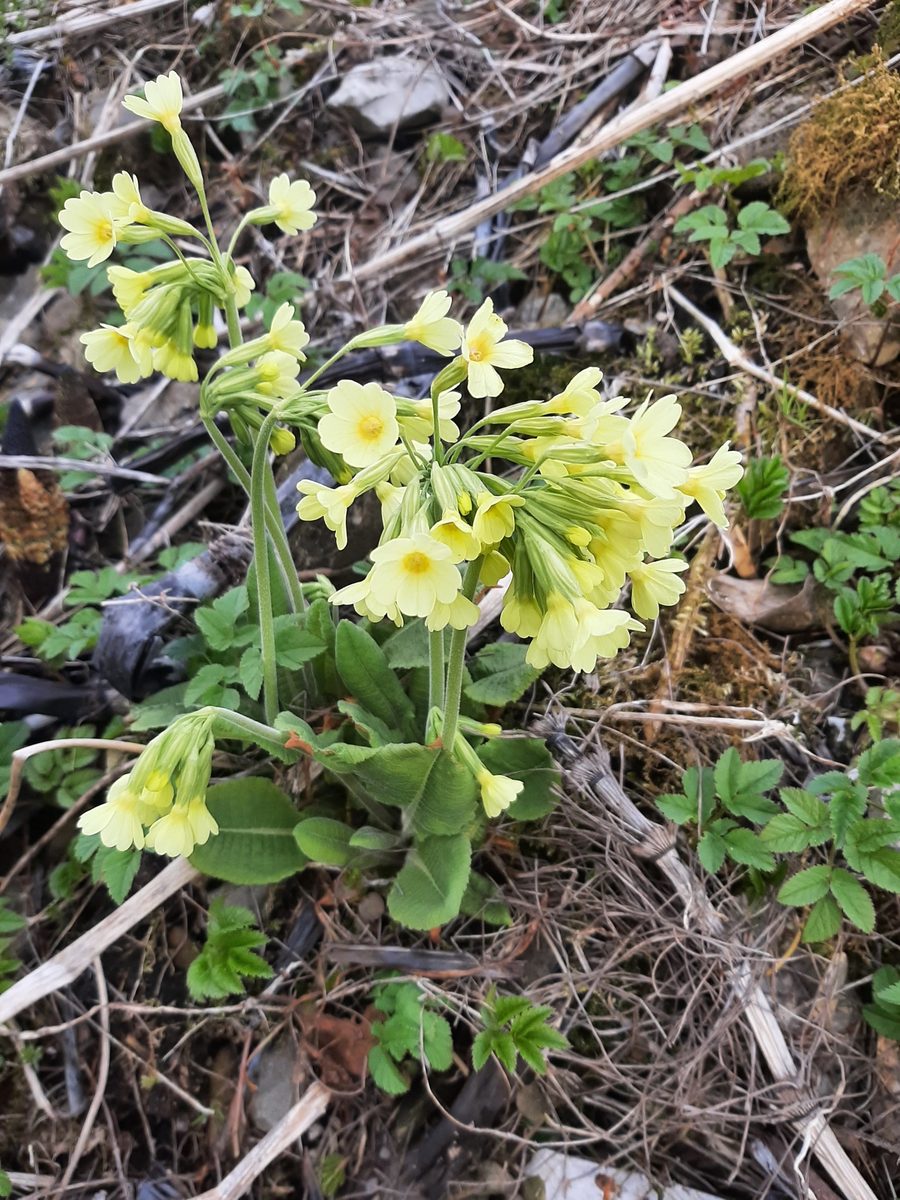
The plant is 15–40 cm tall. At the base, there is a rosette of ovate, elliptical, or elongated leaves 5–20 cm long, sharply narrowing into a winged petiole, with small teeth along the edge; underneath, they are more noticeably hairy than on top. Above the rosette rises a leafless hairy stem with a one-sided umbel of 10–30 light yellow flowers 9–15 mm in diameter. It blooms in early spring: in Carpathian photos, flowering oxlip can be seen from March to May.
The species name elatior in Latin means 'higher': the flower stalk of the oxlip indeed noticeably rises above the rosette. The English name oxlip may be related to the fact that such primroses often grow in moist pastures where livestock graze.
Oxlip is most often confused with the common primrose, or medicinal primrose. Its flowers are bright yellow, smaller, bell-shaped, with orange spots in the throat and a swollen calyx, and it grows in drier meadows. The oxlip is not listed in the Red Book of Ukraine, but it is under partial protection in Poland. Do not dig up plants for the garden: garden primroses are sold in nurseries.
Where in the Carpathians

The map shows where naturalists recorded the species (GBIF, CC0 and CC BY records), not every place it lives. The Ukrainian Carpathians are less studied, so a blank area does not mean the species is absent.
- Countries
- Slovakia · Czechia · Poland · Ukraine · Romania · Hungary · Austria
- Mountain ranges
- Greater Fatra, Lesser Fatra, Slovak Ore Mountains, Low Tatras, Strážov Mountains, Slovak Paradise, Moravian-Silesian Beskids, Western Tatras, Belianske Tatras, Slovak Central Mountains
- Altitude belts
- Foothills (below 600 m) · Beech forests (600–1200 m) · Conifer forests (1200–1600 m)
When to see it
| Jan | Feb | Mar | Apr | May | Jun | Jul | Aug | Sep | Oct | Nov | Dec | |
|---|---|---|---|---|---|---|---|---|---|---|---|---|
| Flowering | ||||||||||||
| Fruit |
From naturalists’ observations in the Carpathians (iNaturalist, research grade): the darker the cell, the more often the species is seen that month.
Look-alikes — how to tell them apart
Flowers are bright yellow, smaller, bell-shaped, with orange spots in the throat and a swollen calyx; grows in drier meadows.
Protection and rules
Not listed in the Red Book of Ukraine, but included in regional lists in several regions; in Poland — under partial protection. Do not dig up plants.
FAQ
When does oxlip bloom in the Carpathians?
In early spring: flowering oxlip can be seen from March to May.
How does oxlip differ from common primrose?
Oxlip has larger, light yellow, widely opened flowers without orange spots. Common primrose has bright yellow, bell-shaped flowers with orange spots and a swollen calyx.
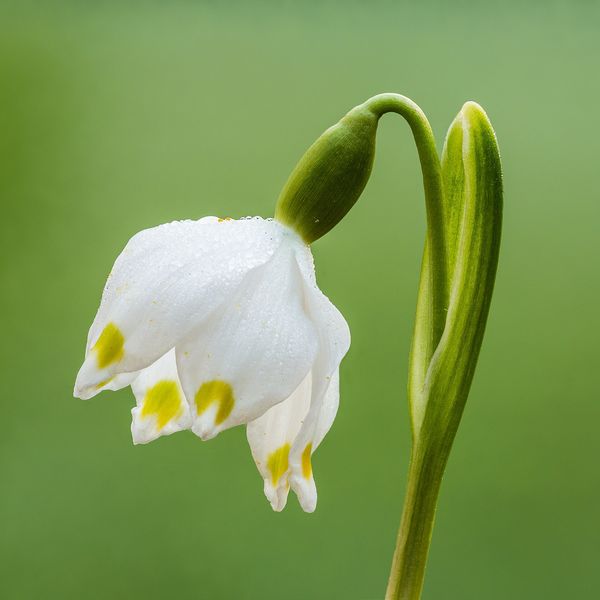
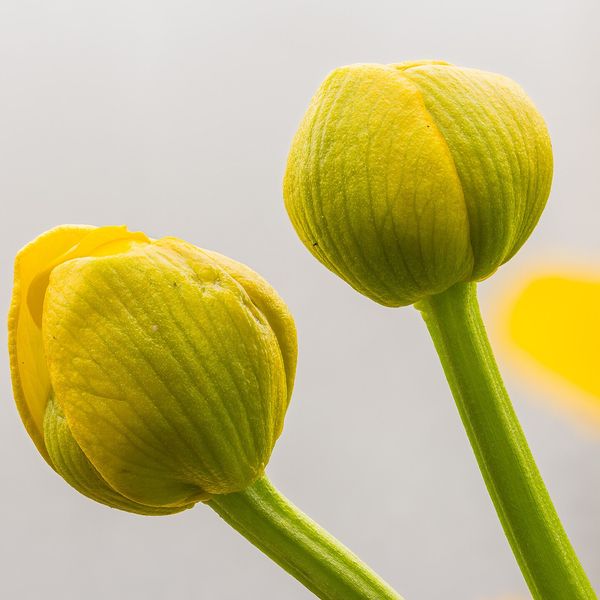
Similar species
Where to meet it
Peaks and meadows
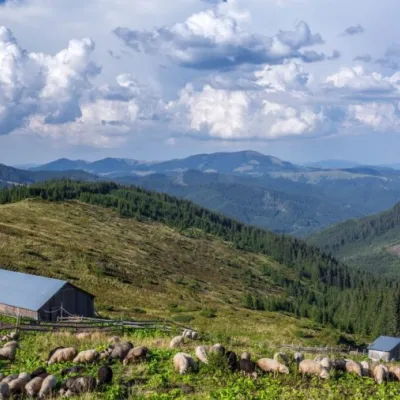 Mountain meadow1 477 mPolonyna LukovytsiaVerkhovyna districtThe height of the meadow is more than 1300 meters above sea level. Incredible landscapes that take your breath away.
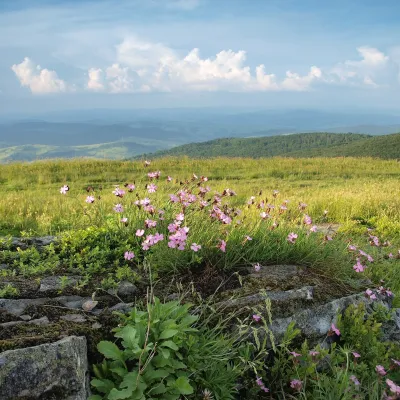 PeakMount LystkovaniaPerekhresnyialtitude 1 248 m · Watershed Ridge range1 trail to the topLystkovania (also spelled Lystkovannia) is a 1,248 m summit on the Vododilnyi (Verkhovyna Watershed) Ridge, on the...
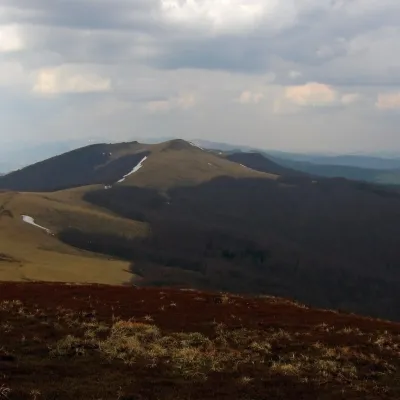 PeakMount StarostynaLybokhoraaltitude 1 229 m · Watershed Ridge range1 trail to the topStarostyna is a 1,229 m mountain on the Vododilnyi (Verkhovyna Watershed) Ridge of the Eastern Beskids.
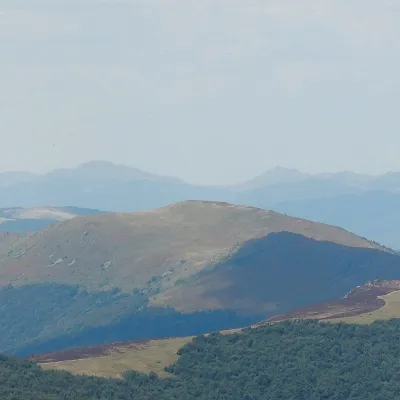 PeakMount Velykyi Verkh (Vododilnyi Ridge)Perekhresnyialtitude 1 309 m1 trail to the topVelykyi Verkh is a 1,309 m summit on the Vododilnyi (Verkhovyna Watershed) Ridge, on the border of Lviv and...
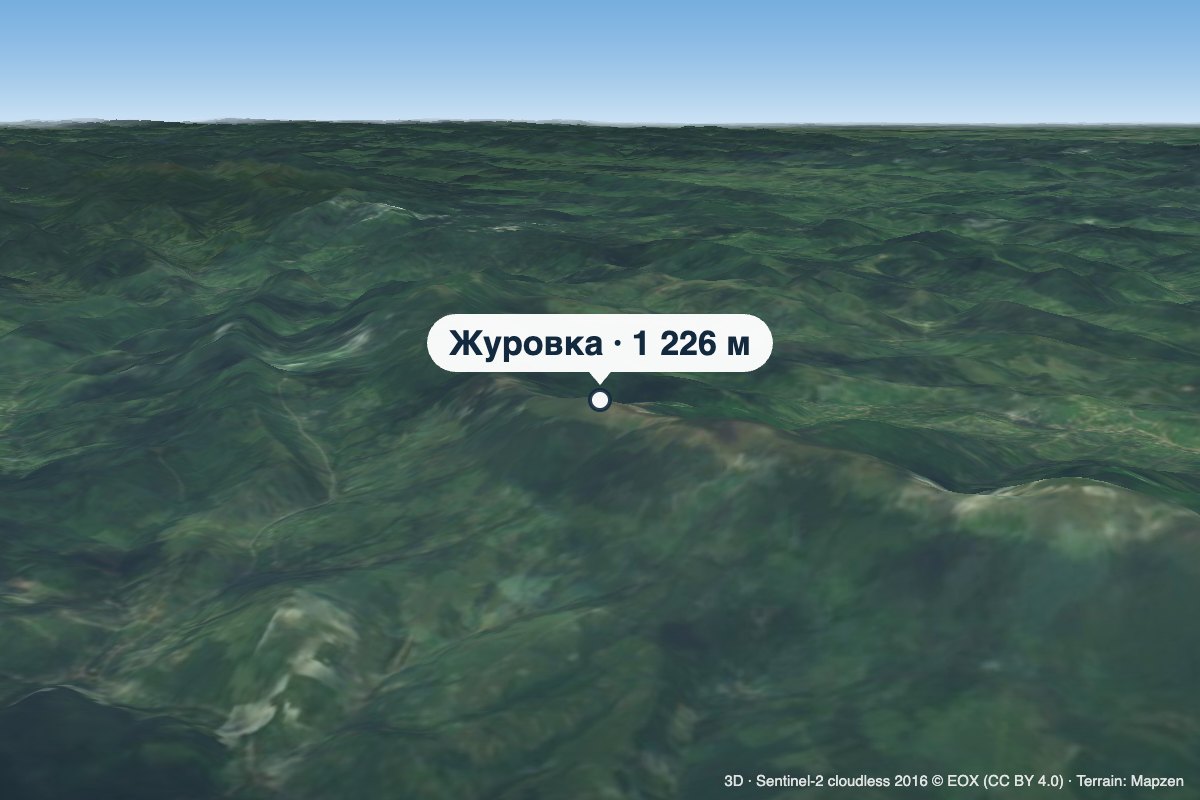 PeakMount ZhurovkaLybokhoraaltitude 1 226 m · Watershed Ridge range1 trail to the topZhurovka (Zhurivka in encyclopedic sources) is a 1,226 m summit on the Vododilnyi (Verkhovyna Watershed) Ridge, on...
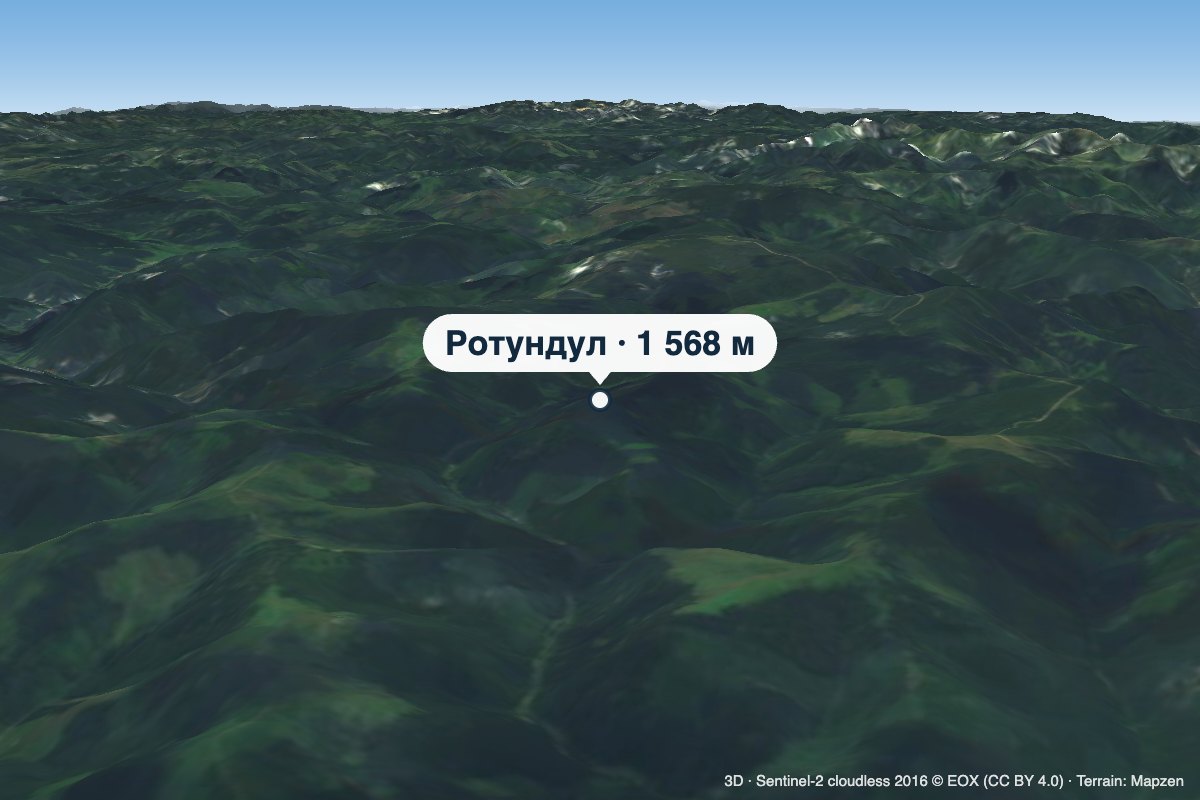 PeakMount RotundulHoloshynaaltitude 1 568 m · Chyvchyny rangeRotundul is a 1,568 m mountain in the Chyvchyn Mountains, part of the Marmarosh Massif.
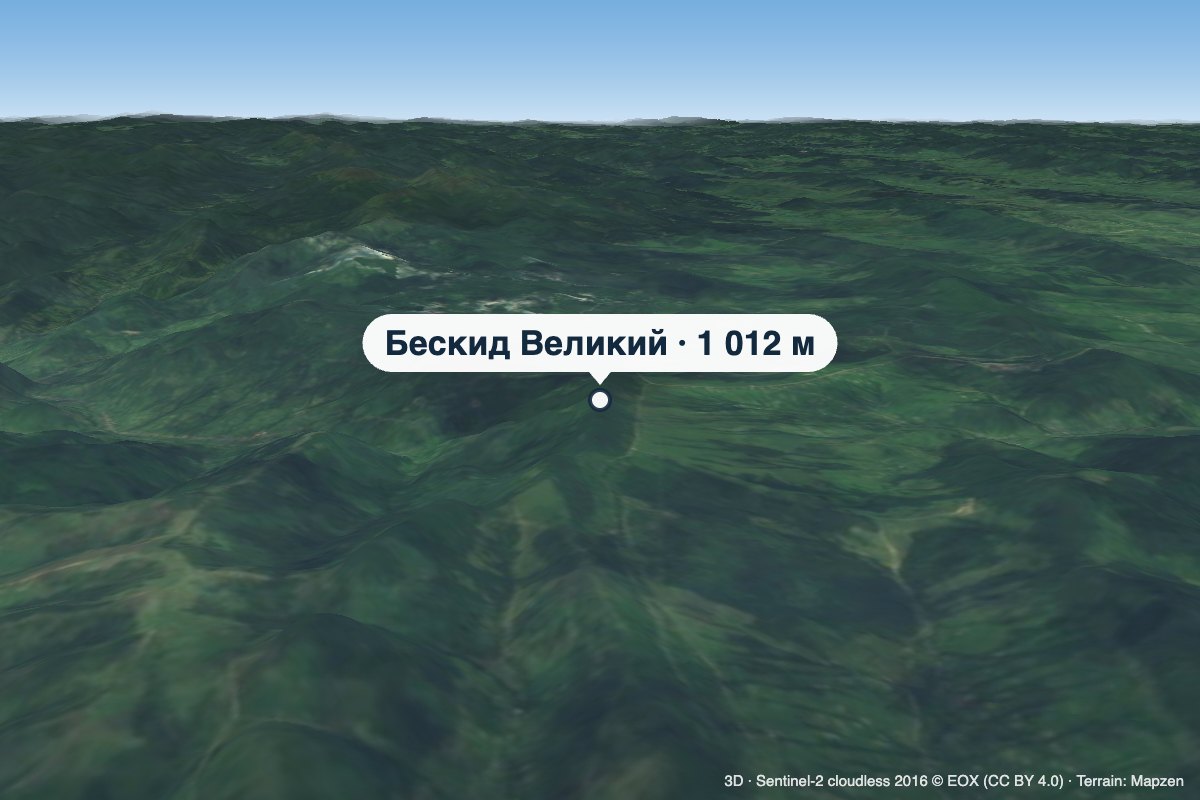 PeakMount Beskyd VelykyiSiankyaltitude 1 012 m · Watershed Ridge range1 trail to the topBeskyd Velykyi is a 1,012 m summit on the border of Lviv and Zakarpattia oblasts.
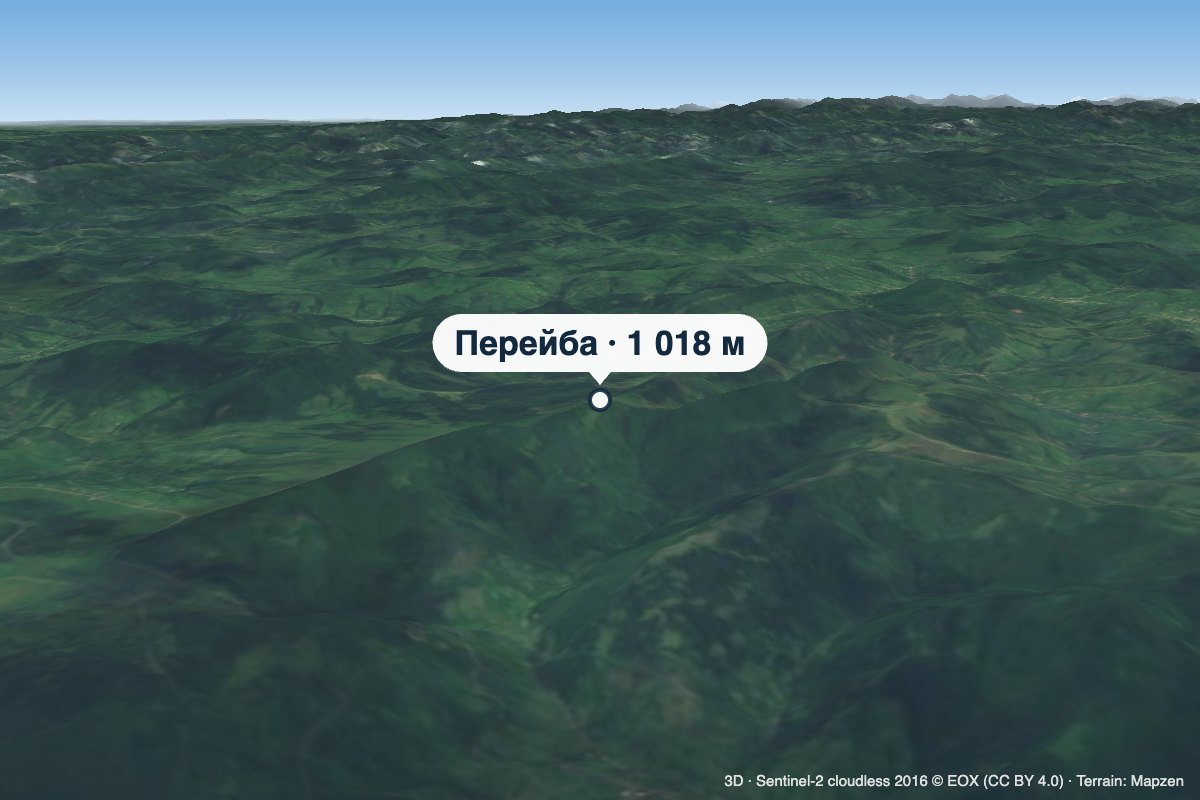 PeakMount PereibaSyhlovatealtitude 1 018 m · Watershed Ridge range1 trail to the topPereiba is a 1,018 m summit on the Vododilnyi (Verkhovyna Watershed) Ridge, not far from the Uzhok Pass, on the...
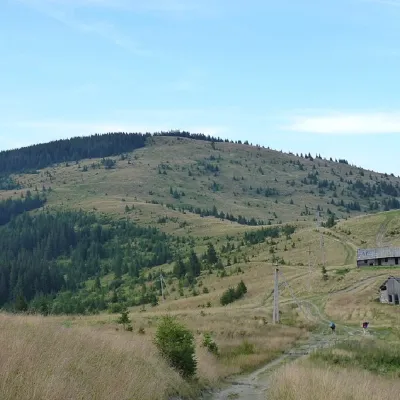 PeakMount YarovytsiaVerkhnyi Yalovetsaltitude 1 574 m8 trails to the topYarovytsia is the peak of the Yalovychora Mountains in the Ukrainian Carpathians, located on the Yarovets Ridge ,...
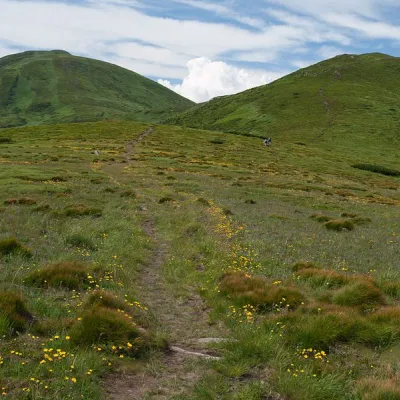 Mountain meadow1 500 mPolonyna Pozhizhevska (Pozhizhevskaya)Nadvirna districtPolonyna lies at an altitude of 1382-1822 meters. The Pozhyzhevska meadow lies at the foot of the mountain of the...
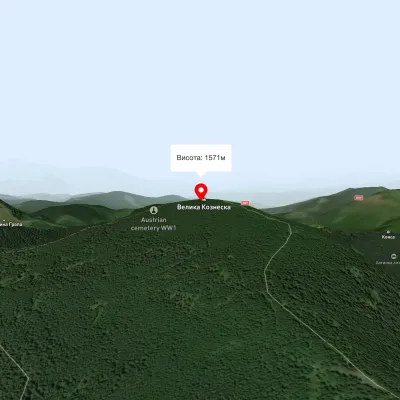 PeakMount Velyka KozmeskaVoronenkoaltitude 1 571 mMount Wielkie Kozmeska is a peak with an altitude of 1571.7 meters above sea level.
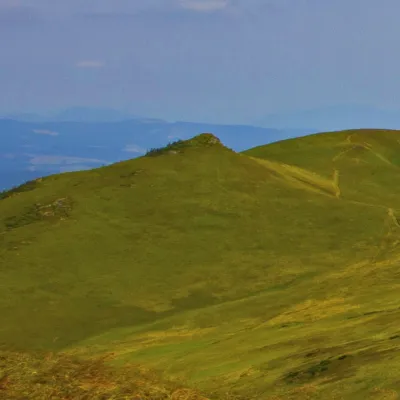 PeakMount Hostryi VerkhLybokhoraaltitude 1 294 m · Watershed Ridge range1 trail to the topHostryi Verkh (also Ostryi Verkh) is a 1,294 m summit on the Vododilnyi (Verkhovyna Watershed) Ridge.
Waters and waterfalls
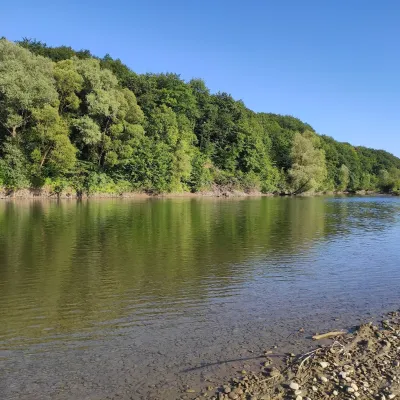 RiverBystrytsia Solotvynska RiverSolotvynThe Bystrytsia Solotvynska rises at about 1,390 m at the foot of Mala Syvulia and Bystryk, near the Peklo cliffs in...
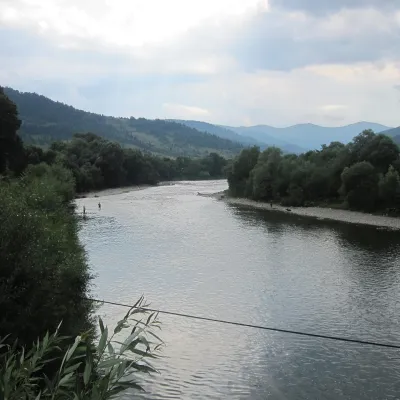 RiverStryi RiverTurkaThe Stryi is one of the largest Carpathian tributaries of the Dniester: 232 km from its source between Mount Yavirnyk...
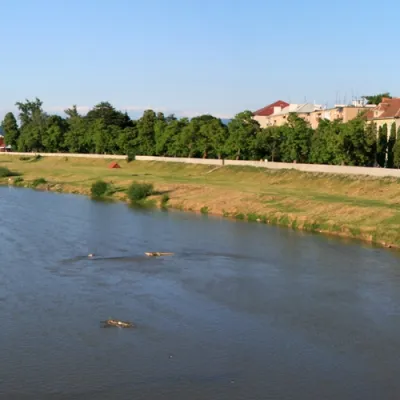 RiverLatorytsiaRoztokaLatorytsia River - Latorytsia and its surroundings are a popular destination for eco-tourism.
Mountain ranges: In other countries: 🇸🇰 Greater Fatra, 🇸🇰 Lesser Fatra, 🇸🇰 Slovak Ore Mountains, 🇸🇰 Low Tatras, 🇸🇰 Strážov Mountains, 🇸🇰 Slovak Paradise, 🇨🇿 Moravian-Silesian Beskids, 🇸🇰 Western Tatras, 🇸🇰 Belianske Tatras, 🇸🇰 Slovak Central Mountains, 🇸🇰 Volovec Mountains, 🇸🇰 Kysuce Beskids, 🇸🇰 Spiš Magura, 🇵🇱 Pieniny
Trails and peaks near which naturalists recorded the species (GBIF, iNaturalist), matched by altitude and habitat. Sightings are not guaranteed.
Sources
- Вікіпедія: Первоцвіт високий
- Wikipedia (en): Primula elatior
- Rozporządzenie Ministra Środowiska z 9.10.2014 w sprawie ochrony gatunkowej roślin, Dz.U. 2014 poz. 1409 (Польща)
- iNaturalist: Primula elatior (спостереження в Карпатах)
GBIF · iNaturalist · Wikidata · Distribution data: GBIF.org (CC0 and CC BY records), iNaturalist; names and identifiers: Wikidata (CC0). Text: Karpaty.rocks, checked 09.11.2026.
