Marsh marigold
This plant is poisonous: do not taste or pick it, and wash your hands after touching it. In case of poisoning call 112 (103 in Ukraine).
About
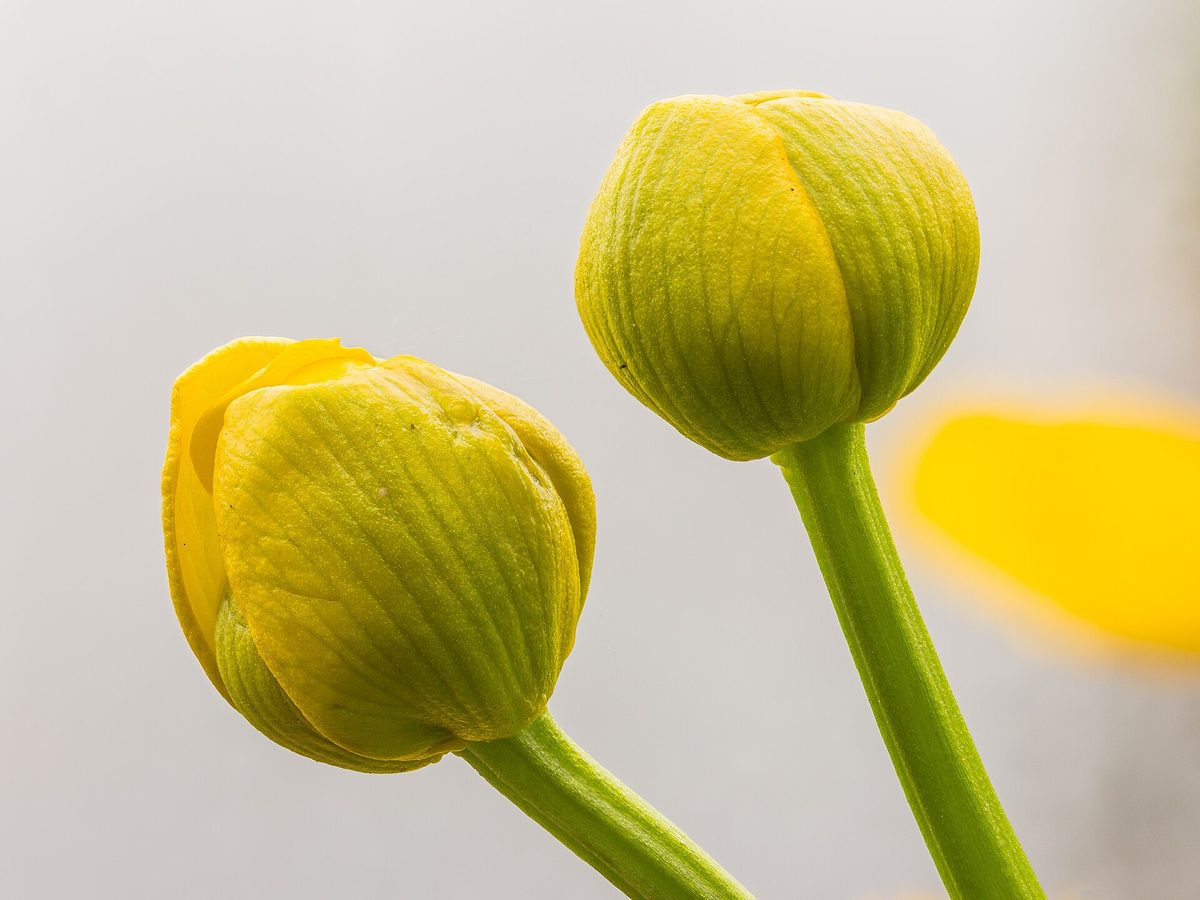
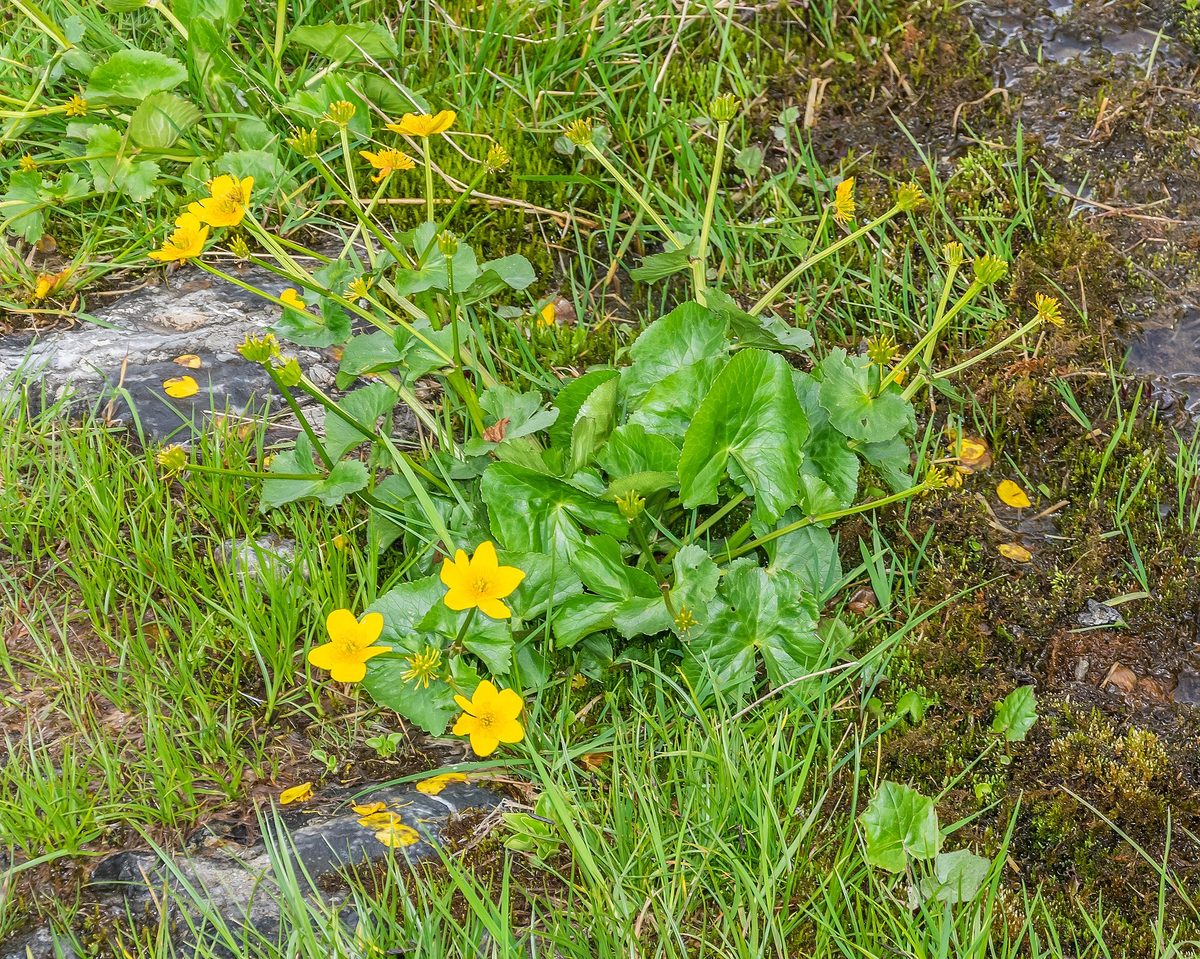
Marsh marigold is one of the first bright flowers of spring in wet places. Its bushes grow in swamps and marshy meadows, along the banks of streams and rivers, near springs and in marshes, where water is close to the surface. It blooms later the higher up in the mountains: depending on altitude and latitude, flowering lasts from April to August.
The plant is 10–40 cm tall, completely bare, with thick cord-like roots and fleshy stems. The leaves are dark green, shiny, heart-shaped or kidney-shaped, with the lower ones on long petioles. The flowers are large, golden-yellow, on long pedicels, with five shiny tepals resembling a large yellow 'eye' above the water. Due to its abundant flowering, marsh marigold is cultivated in parks near water bodies, where it forms a golden border; many decorative varieties have been developed.
Marsh marigold is poisonous. All its parts contain protoanemonin, saponins, and a small amount of alkaloids. The fresh juice irritates the skin and mucous membranes, and if consumed in large quantities, the plant causes burning in the throat, vomiting, diarrhea, dizziness, and convulsions.
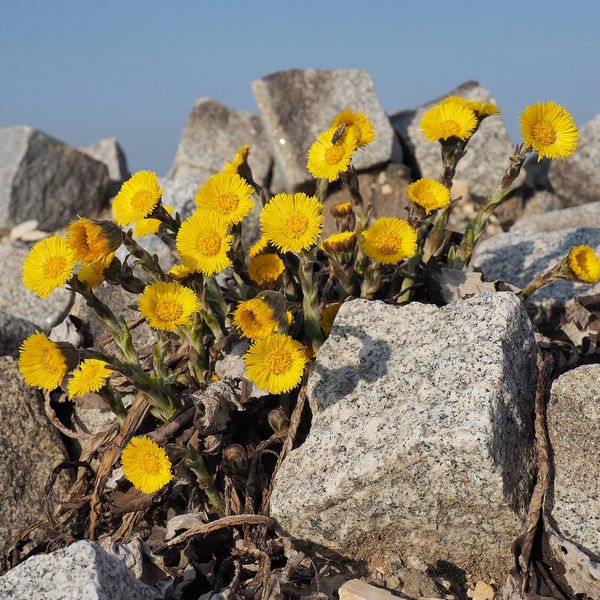
Do not confuse marsh marigold with Ficaria verna — a smaller plant with narrow shiny petals that covers wet forests and forest edges. Both are from the buttercup family and are equally inedible. Enjoy the golden carpets of marsh marigold in spring — it is one of the best spring scenes in the mountains.
Where in the Carpathians

The map shows where naturalists recorded the species (GBIF, CC0 and CC BY records), not every place it lives. The Ukrainian Carpathians are less studied, so a blank area does not mean the species is absent.
- Countries
- Slovakia · Czechia · Poland · Ukraine · Romania · Hungary
- Mountain ranges
- Slovak Ore Mountains, High Tatras, Moravian-Silesian Beskids, Low Tatras, Greater Fatra, Strážov Mountains, Western Tatras, Lesser Fatra, Kysuce Beskids, Slovak Central Mountains
- Altitude belts
- Foothills (below 600 m) · Beech forests (600–1200 m)
When to see it
| Jan | Feb | Mar | Apr | May | Jun | Jul | Aug | Sep | Oct | Nov | Dec | |
|---|---|---|---|---|---|---|---|---|---|---|---|---|
| Flowering | ||||||||||||
| Fruit |
From naturalists’ observations in the Carpathians (iNaturalist, research grade): the darker the cell, the more often the species is seen that month.
Safety
All parts of the plant are poisonous (protoanemonin); the juice irritates the skin. Do not taste or give to children. In case of suspected poisoning, call 103 (or 112).
Look-alikes — how to tell them apart
A smaller plant with eight to twelve narrow shiny petals; forms carpets in wet forests. Also poisonous.
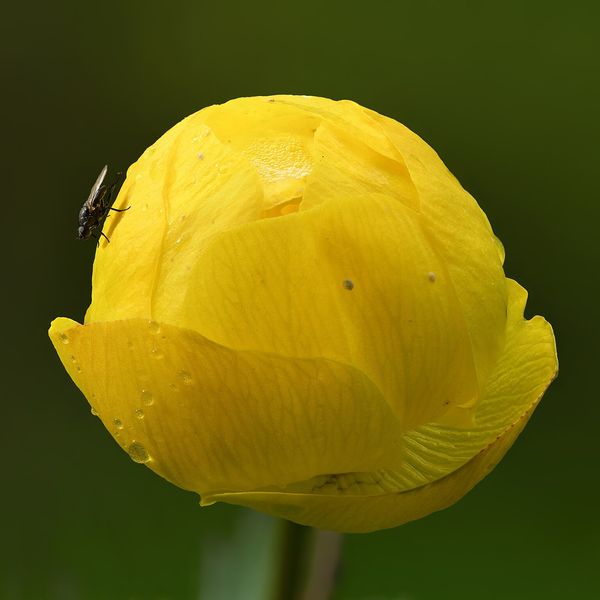
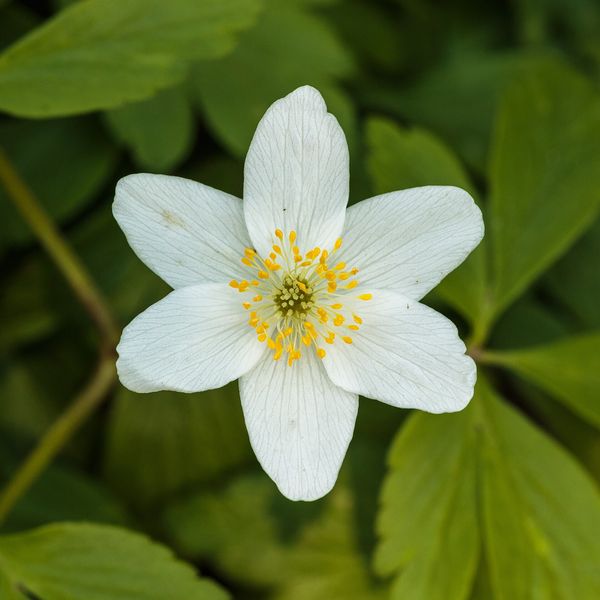
Flowers are globular, with many inward-curving tepals; leaves are palmately lobed; grows in wet meadows higher in the mountains.
Protection and rules
Not protected.
FAQ
Is marsh marigold poisonous?
Yes. All parts of the plant contain protoanemonin; fresh juice irritates the skin, and the consumed plant causes vomiting, diarrhea, and dizziness.
When does marsh marigold bloom in the mountains?
Depending on altitude — from April to August: in the valleys in spring, in the high mountains — in summer.
Similar species
Where to meet it
Peaks and meadows
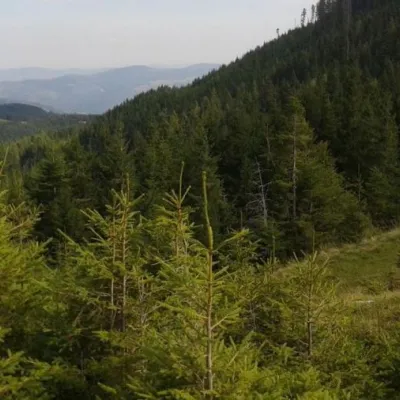 Mountain meadow1 260 mPolonyna LazokNadvirna districtThe Lazok meadow near the city of Yaremche is quite popular among tourists.
 PeakMount MakovytsiaTurya Pasikaaltitude 978 m · Volcanic Carpathians rangeMount Makovytsia is a gem of the western lands, with amazing landscapes, fairy-tale views, nature, air, and...
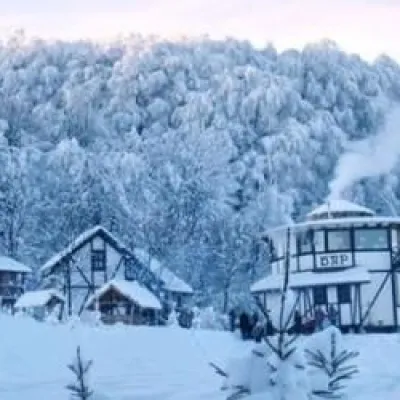 PeakMount TsetsynoChernivtsialtitude 537 mTsetsyno is the highest hill of the Chernivtsi Upland, 537 m high (538 m according to other data).
Waters and waterfalls
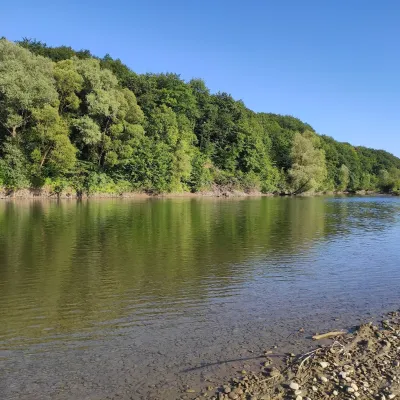 RiverBystrytsia Solotvynska RiverSolotvynThe Bystrytsia Solotvynska rises at about 1,390 m at the foot of Mala Syvulia and Bystryk, near the Peklo cliffs in...
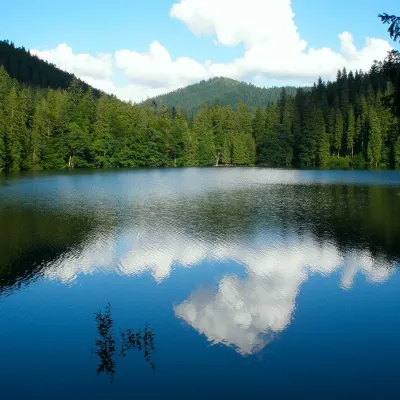 LakeSynevyr Lake Synevyrska PolyanaSynevyrska PolyanaLake Synevyr, located on the territory of the National Nature Park of the same name in Mizhhirya district of...
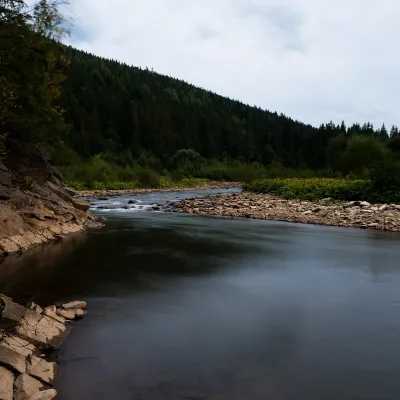 RiverSvicha RiverVyhodaThe Svicha is a 107-km right-bank tributary of the Dniester. It rises on the northern slopes of the main Gorgany...
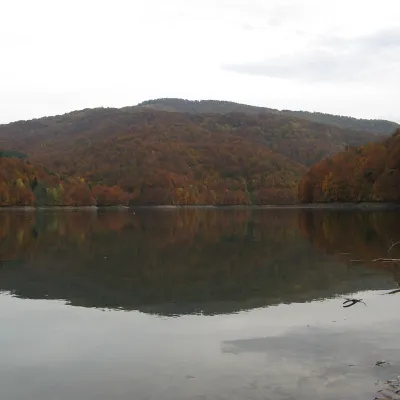 LakeVilshany ReservoirVilshanyThe Vilshany Reservoir, also called the Tereblia-Rika Reservoir, is a narrow mountain lake in the Tereblia valley...
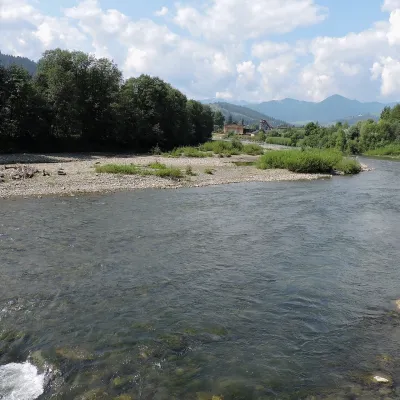 RiverChornyi Cheremosh RiverVerkhovynaThe Chornyi Cheremosh rises south-east of Burkut on the slopes of the Chyvchyn Mountains, the most remote corner of...
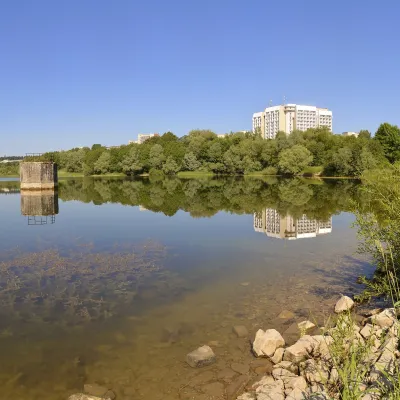 LakeTruskavets ReservoirTruskavetsTruskavets Reservoir, known locally as Lake Solonytsia, lies on the south-eastern edge of Truskavets, next to the...
Mountain ranges: In other countries: 🇸🇰 Slovak Ore Mountains, 🇸🇰 High Tatras, 🇨🇿 Moravian-Silesian Beskids, 🇸🇰 Low Tatras, 🇸🇰 Greater Fatra, 🇸🇰 Strážov Mountains, 🇸🇰 Western Tatras, 🇸🇰 Lesser Fatra, 🇸🇰 Kysuce Beskids, 🇸🇰 Slovak Central Mountains, 🇵🇱 Żywiec Beskids, 🇸🇰 Volovec Mountains, 🇨🇿 White Carpathians, 🇸🇰 Slovak Paradise
Trails and peaks near which naturalists recorded the species (GBIF, iNaturalist), matched by altitude and habitat. Sightings are not guaranteed.
Sources
- Вікіпедія: Калюжниця болотяна
- Wikipedia (en): Caltha palustris
- Wikipedia (en): Ficaria verna
- iNaturalist: Caltha palustris (спостереження в Карпатах)
GBIF · iNaturalist · Wikidata · Distribution data: GBIF.org (CC0 and CC BY records), iNaturalist; names and identifiers: Wikidata (CC0). Text: Karpaty.rocks, checked 09.11.2026.
