Eurasian bullfinch
About
The Eurasian bullfinch is known to everyone, although it is mostly seen in winter when the red-breasted birds come to gardens and rowans. However, in Ukraine, the Eurasian bullfinch nests only in the Carpathians and Polissia, while migrating and wintering throughout the country. In the Carpathians, it lives in coniferous and mixed forests, at forest edges, and among young trees. In neighboring Poland, Eurasian bullfinches have nested almost exclusively in the mountains for two centuries.
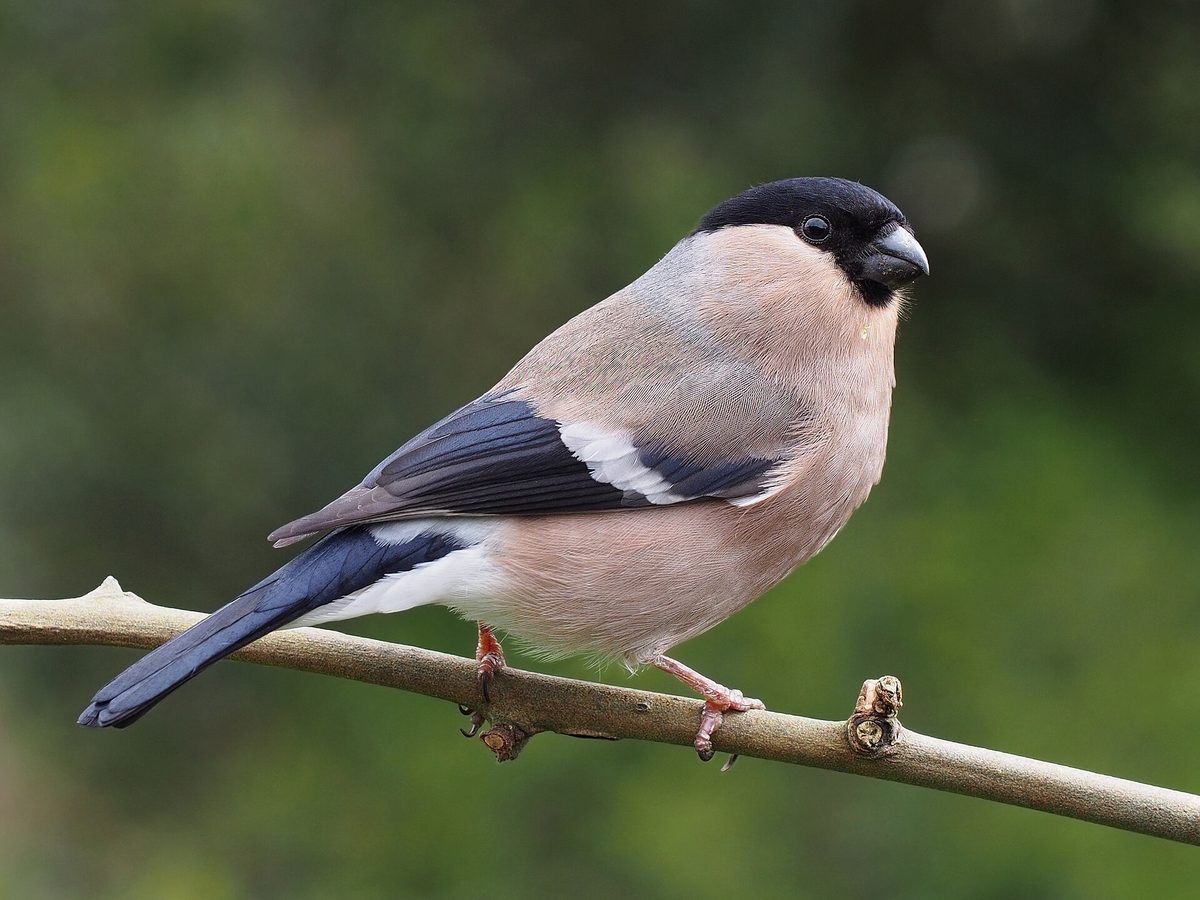
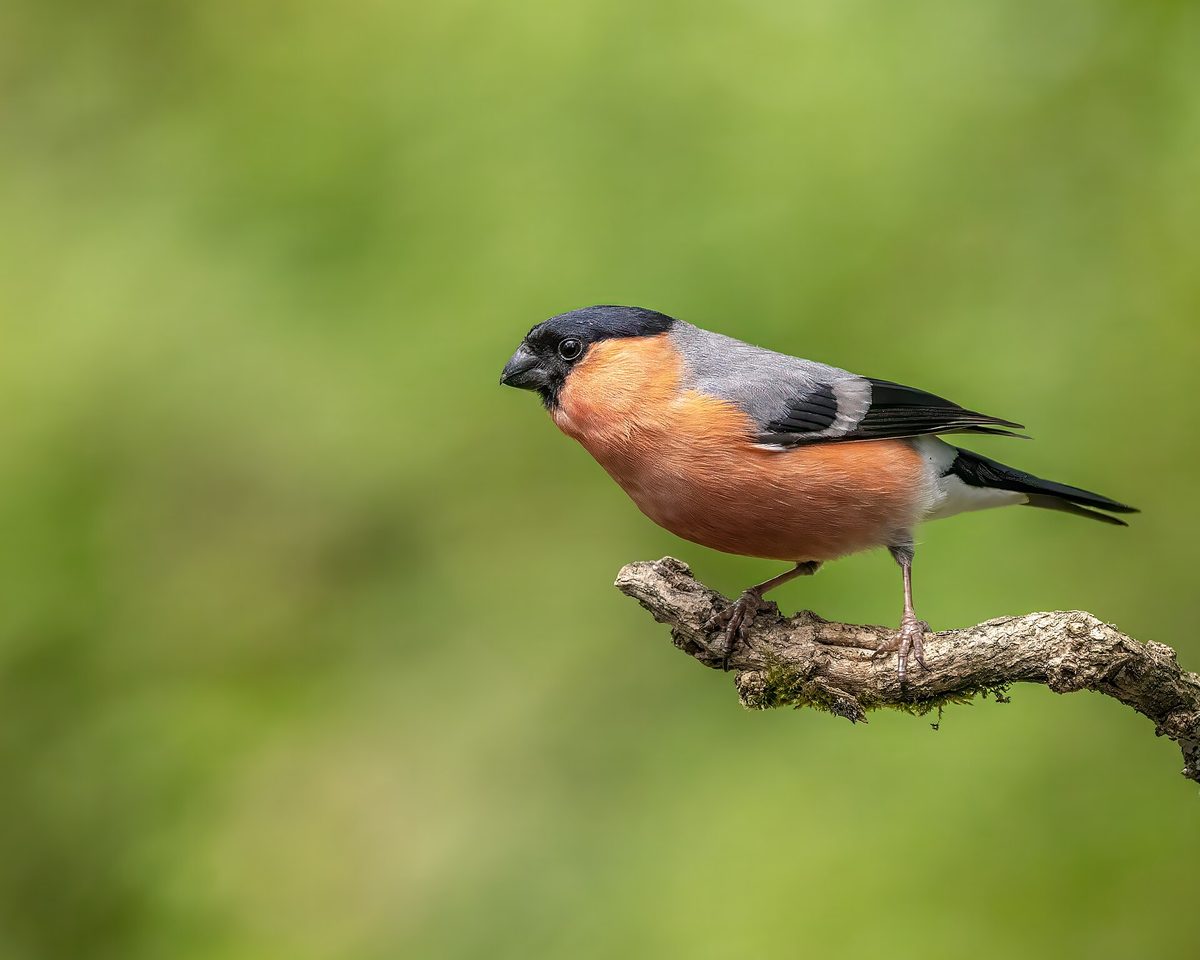
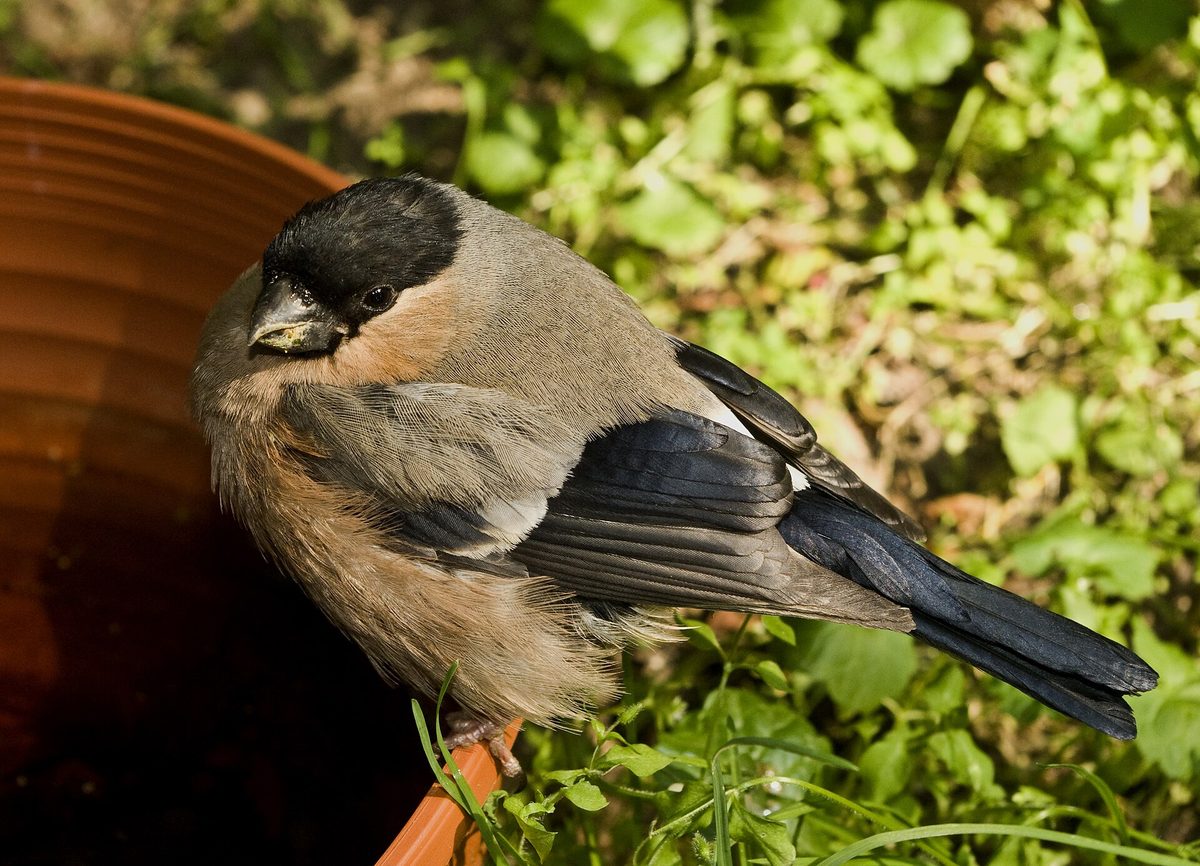
The bird is 15–19 cm long and weighs 22–33 g, sturdy, with a short thick beak. The male has a black crown, chin, and around the beak with a metallic sheen, a gray back, and bright red cheeks and breast. The female has the same black cap, but her breast is grayish-brown. The white undertail is clearly visible in flight. The Eurasian bullfinch is mostly resident: only birds from the northern taiga fully migrate for the winter.
The Eurasian bullfinch is quiet and inconspicuous, so it is more often heard than seen in the forest. The common call is a soft, low, mournful whistle "pyu". The song consists of quiet creaky chirps and gentle whistles and can only be heard up close.
The Eurasian bullfinch feeds on seeds and buds of trees, and in winter also on berries; in autumn and early winter, it especially enjoys ash seeds. Due to its love for the buds of fruit trees, the Eurasian bullfinch was once considered a garden pest. The Eurasian bullfinch is not listed in the Red Data Book of Ukraine.
Where in the Carpathians

The map shows where naturalists recorded the species (GBIF, CC0 and CC BY records), not every place it lives. The Ukrainian Carpathians are less studied, so a blank area does not mean the species is absent.
- Countries
- Slovakia · Poland · Czechia · Romania · Hungary · Ukraine · Austria · Serbia
- Mountain ranges
- Moravian-Silesian Beskids, Volovec Mountains, High Tatras, Western Tatras, Skole Beskids, Low Tatras, Żywiec Beskids, Gorce, Silesian Beskids, Bucegi Mountains
- Altitude belts
- Foothills (below 600 m) · Beech forests (600–1200 m)
When to see it
| Jan | Feb | Mar | Apr | May | Jun | Jul | Aug | Sep | Oct | Nov | Dec | |
|---|---|---|---|---|---|---|---|---|---|---|---|---|
| Sightings |
From naturalists’ observations in the Carpathians (iNaturalist, research grade): the darker the cell, the more often the species is seen that month.
Protection and rules
Not listed in the Red Data Book of Ukraine.
FAQ
Do Eurasian bullfinches live in the Carpathians in summer?
Yes. In Ukraine, the Eurasian bullfinch nests only in the Carpathians and Polissia, while in winter it can be seen throughout the country.
What does the voice of the Eurasian bullfinch sound like?
It is a soft, low, mournful whistle "pyu". The song is quiet and can only be heard up close.
Similar species
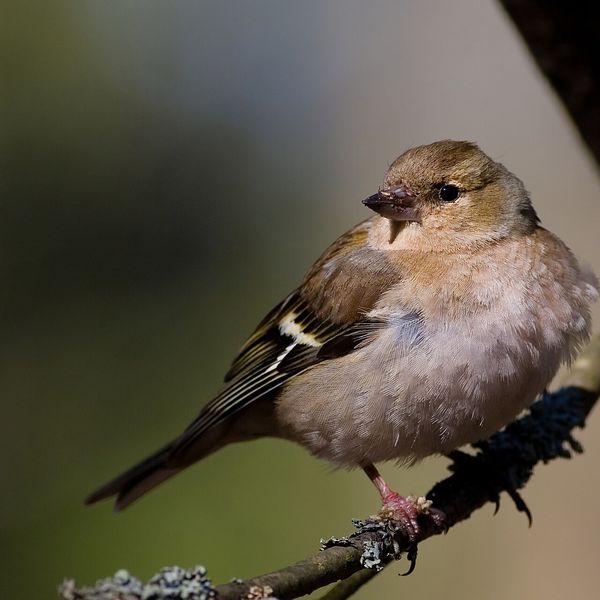
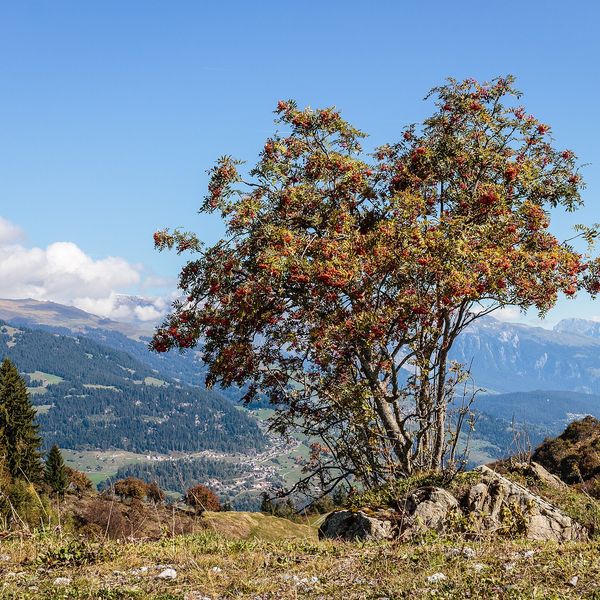
Where to meet it
Trails
 ModerateTwo-dayHrebeniv village to Skolevia Mount Kudriavets, Mount LopataElevation profile437–1 242 m18 kmascent 780 m≈ 6 h walking
 ModerateTwo-dayHrebeniv village to Skolevia Kudriavets village, Lopata villageElevation profile437–1 242 m16.9 kmascent 779 m≈ 6 h walking
 HardMulti-dayTukhlia village to Skolevia Mount Kindrat, Mount Matahiv +2Elevation profile445–1 265 m29.6 kmascent 1 569 m≈ 10.5 h walking
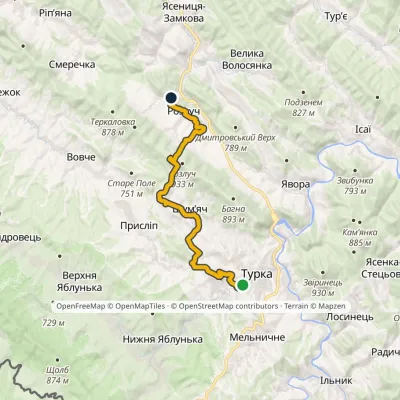 ModerateTwo-dayMarkedNo. 5001-1 Turka Rozluchvia source of the DniesterElevation profile539–907 m19 kmascent 568 m≈ 6 h walking
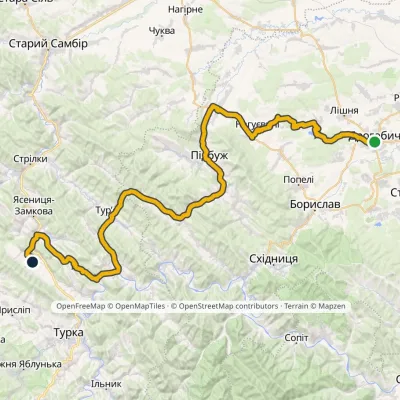 HardMulti-dayMarkedNo. 502-1 Drohobych RozluchElevation profile292–733 m78.1 kmascent 921 m
 HardMulti-dayDubyna village to Tukhlia villagevia Kamianka Waterfall, Mount Lopata +1Elevation profile418–1 233 m38.8 kmascent 1 600 m≈ 13 h walking
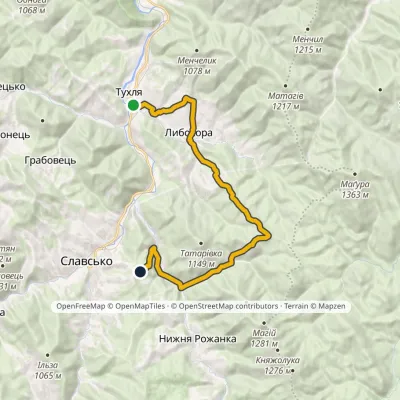 ModerateTwo-dayMarkedNo. 5002 Tukhlia Slavskovia LybokhoraElevation profile542–951 m20.3 kmascent 815 m≈ 6.5 h walking
 HardTwo-dayTukhlia village to Slavskevia Mount MakivkaElevation profile521–1 090 m23.2 kmascent 1 065 m≈ 8 h walking
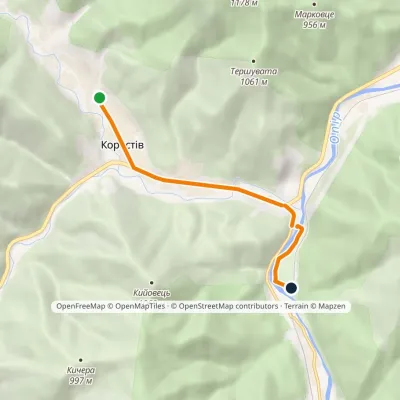 EasyOne-dayMarkedNo. 5004 Korostiv SviatoslavElevation profile468–532 m5.5 kmascent 14 m≈ 1.5 h walking
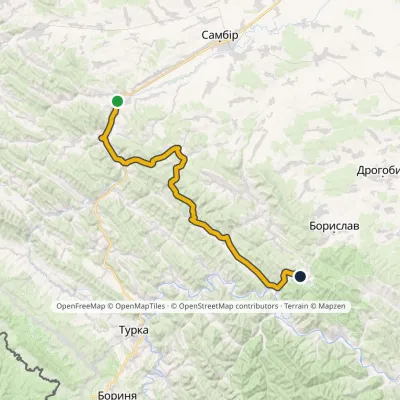 HardMulti-dayMarkedNo. 503-1 Staryi Sambir SkhidnytsiaElevation profile340–826 m57 kmascent 1 054 m
 HardMulti-daySlavske village to Lake Synevyrvia the Bukovets PassElevation profile587–1 306 m53.8 kmascent 1 585 m
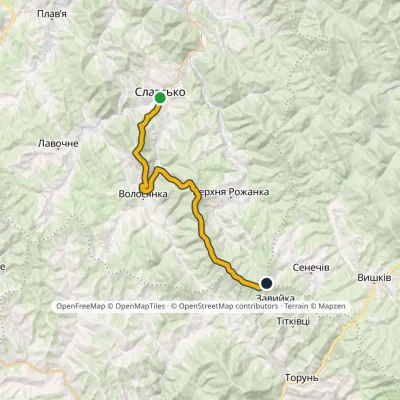 HardTwo-dayMarkedNo. 5011 Slavsko «Where Three Regions Meet»Elevation profile592–1 287 m24.5 kmascent 1 326 m≈ 9 h walking
Peaks and meadows
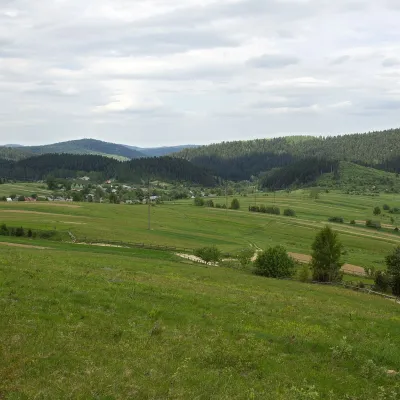 PeakMount RozluchRozluchaltitude 933 m1 trail to the topRozluch is a 933 m mountain in the Upper Dniester Beskids, the highest point of the Rozluch ridge.
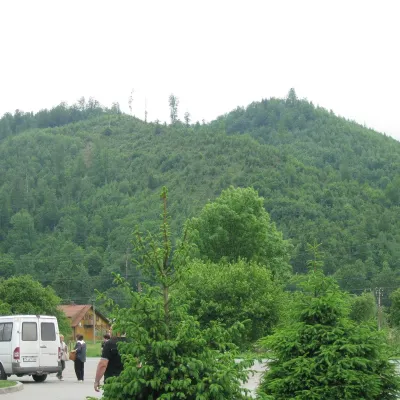 PeakMount ZeleminHrebenivaltitude 1 177 m · Skole Beskids range1 trail to the topZelemin is a 1,177 m summit in the north-western part of the Zelemianka ridge in the Skole Beskids (Lviv Oblast).
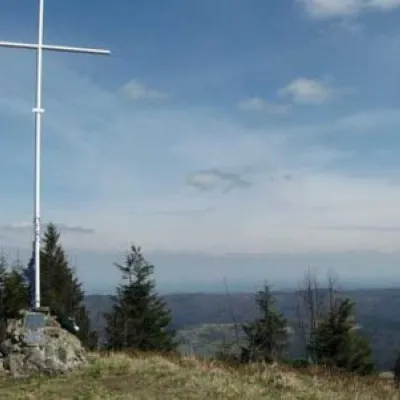 PeakMount LopataKorostivaltitude 1 211 m14 trails to the topThe mountain is located on the Zelemyanka ridge at a distance of 8 km south of the town of Skole.
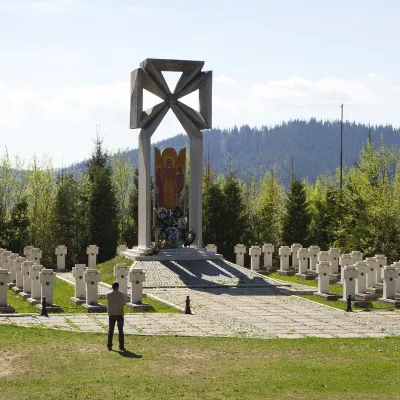 PeakMount MakivkaSlavskealtitude 958 m2 trails to the topMakivka is a mountain in the High Beskid about 8 km north of the town of Slavske in Lviv Oblast.
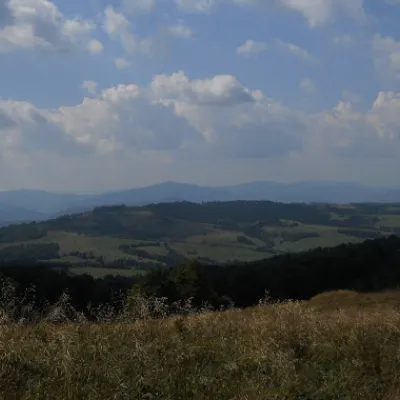 PeakMount YavirnykVerkhnyachkaaltitude 1 120 m · Borzhava range17 trails to the topYavirnyk Velykyi (1120) is a mountain located on the border of Lviv and Zakarpattia regions.
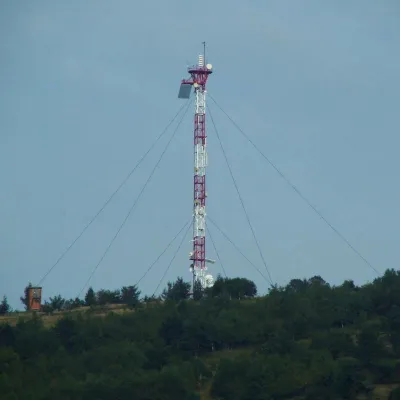 PeakMount Horodyshche (Boryslav)Boryslavaltitude 646 mHorodyshche (646 m; other sources give 641.8 m) is a hill in the Upper Dniester Beskids and the highest point of the...
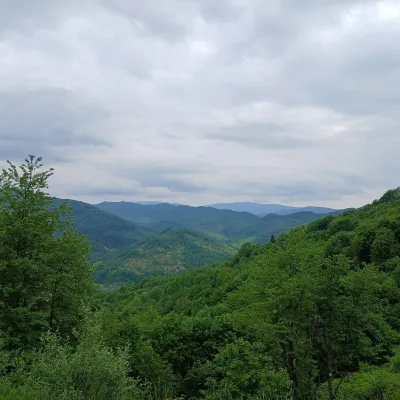 PeakMount OpolonekUzhokaltitude 1 028 mOpolonek (also Opolonyk) is a 1,028 m mountain in the Bieszczady, part of the Eastern Beskids.
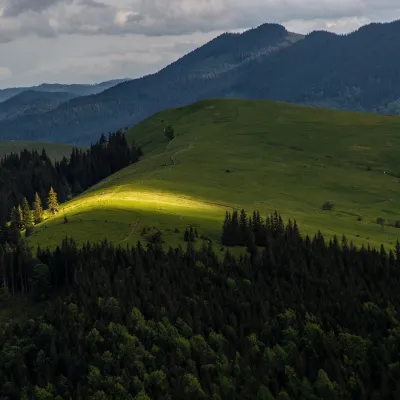 PeakMount Makovytsia (Kryvopillia)Kryvopilliaaltitude 1 161 mMakovytsia is a 1,161 m summit above the village of Kryvopillia (about 2.3 km) in the Verkhovyna district of Ivano...
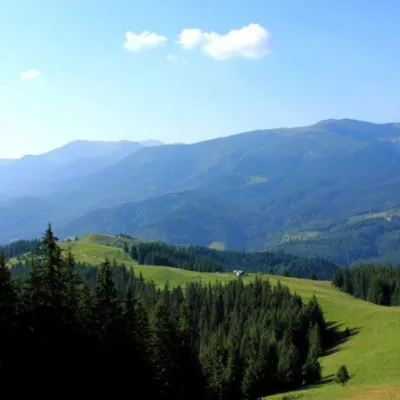 Mountain meadowPolonyna Psarivka, BystretsVerkhovynaUkrainians, for example, call such meadows polonyny. Today we will talk about the Psarivka meadow.
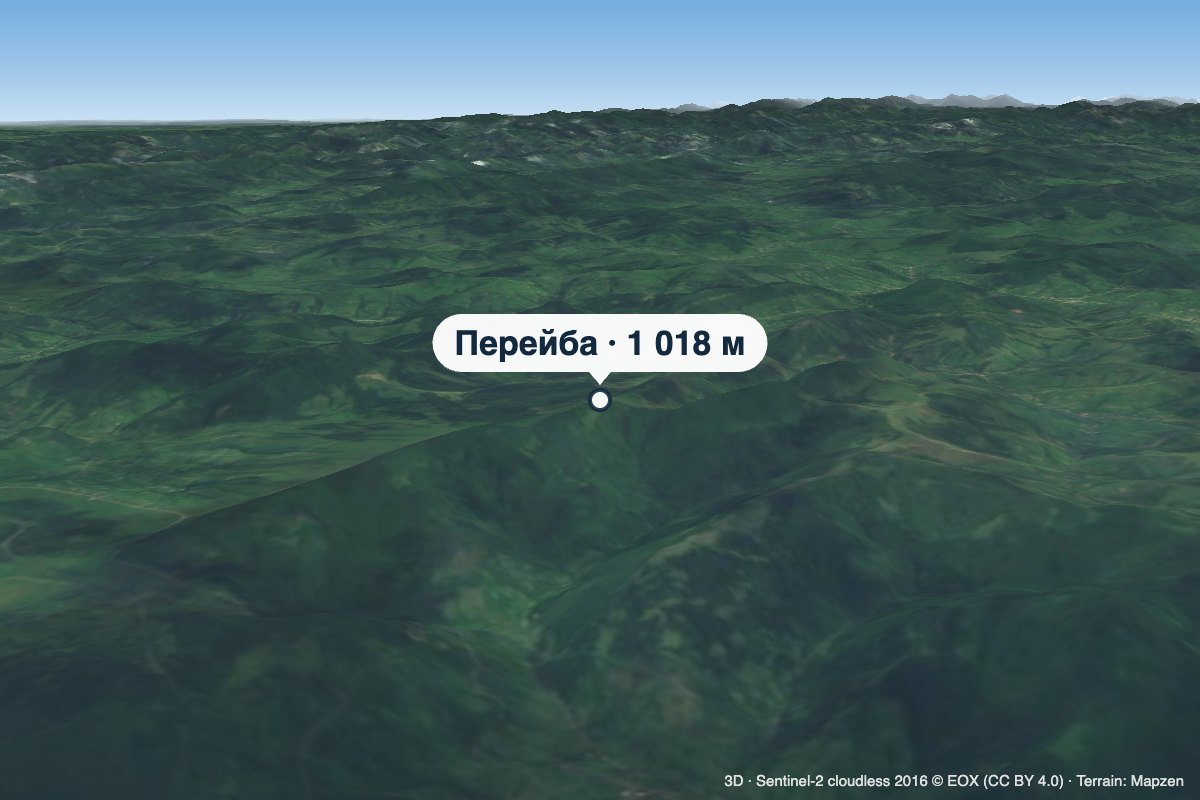 PeakMount PereibaSyhlovatealtitude 1 018 m · Watershed Ridge range1 trail to the topPereiba is a 1,018 m summit on the Vododilnyi (Verkhovyna Watershed) Ridge, not far from the Uzhok Pass, on the...
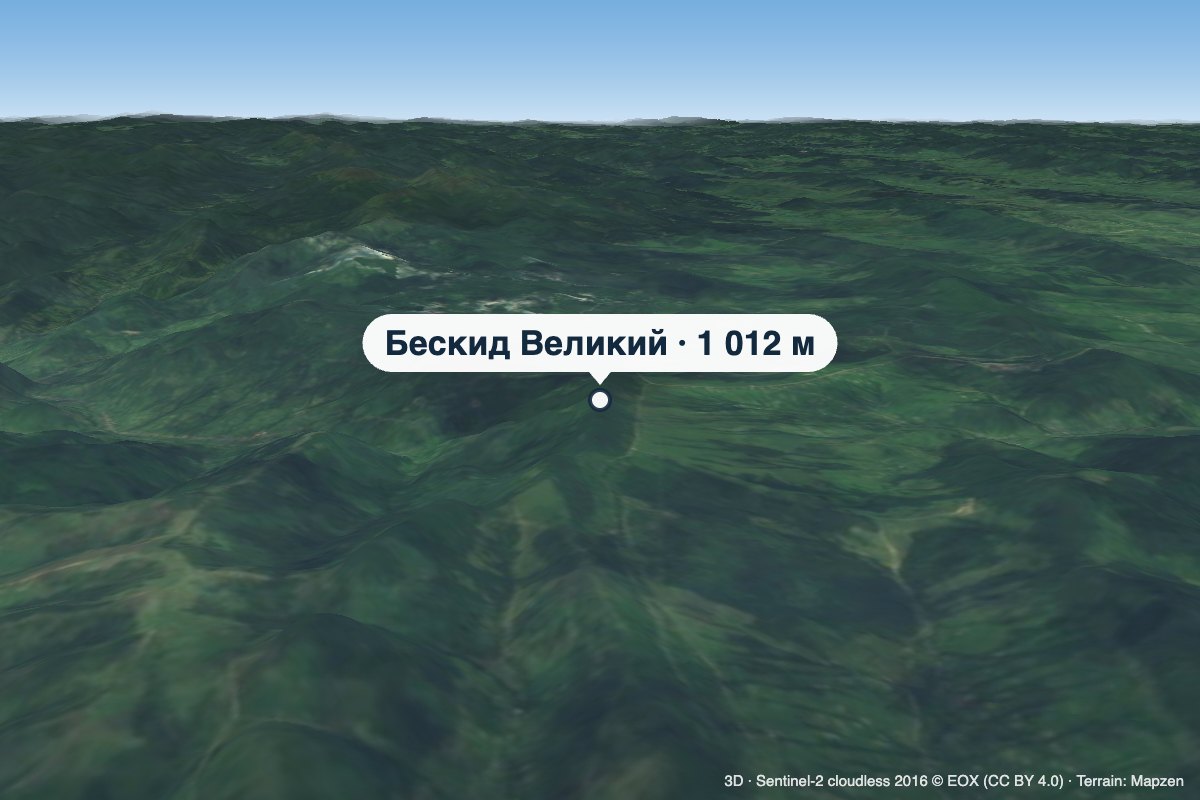 PeakMount Beskyd VelykyiSiankyaltitude 1 012 m · Watershed Ridge range1 trail to the topBeskyd Velykyi is a 1,012 m summit on the border of Lviv and Zakarpattia oblasts.
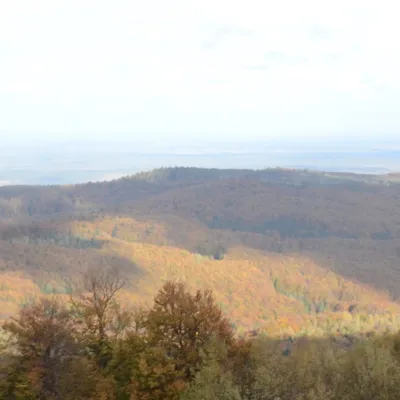 PeakMount BobovyshcheOrivaltitude 817 m4 trails to the topBobovyshche (also called Popivska) is an 817 m mountain in the Upper Dniester Beskids, Lviv Oblast.
Waters and waterfalls
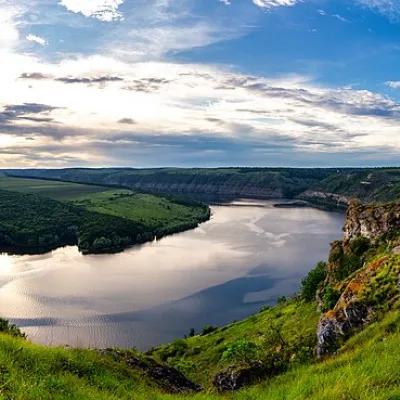 RiverDniesterVovcheThe Dniester is one of the most famous and largest rivers in Ukraine. The Dniester has been used as an important...
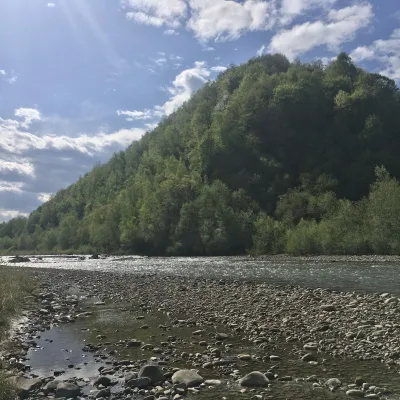 RiverBystrytsia Nadvirnianska RiverNadvirnaThe Bystrytsia Nadvirnianska rises on the northern slope of Mount Chorna Kleva in the Gorgany, at about 1,280 m.
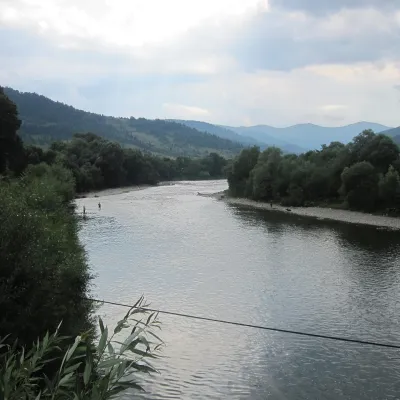 RiverStryi RiverTurkaThe Stryi is one of the largest Carpathian tributaries of the Dniester: 232 km from its source between Mount Yavirnyk...
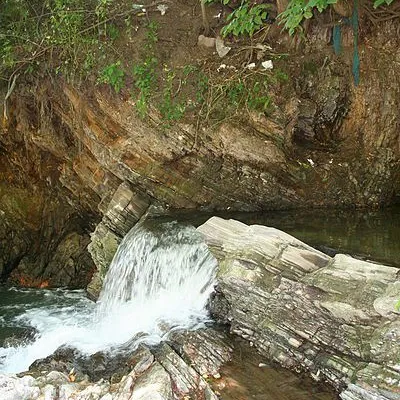 WaterfallBoryslav waterfallBoryslavThe Young Boryslav Waterfall is a small waterfall (falling height is about two meters).
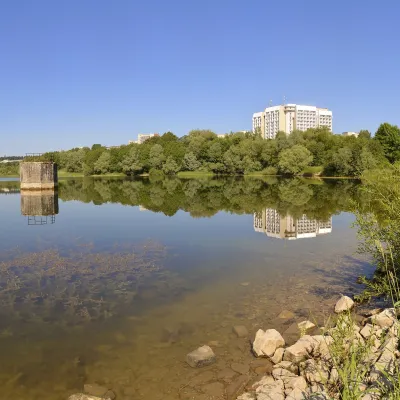 LakeTruskavets ReservoirTruskavetsTruskavets Reservoir, known locally as Lake Solonytsia, lies on the south-eastern edge of Truskavets, next to the...
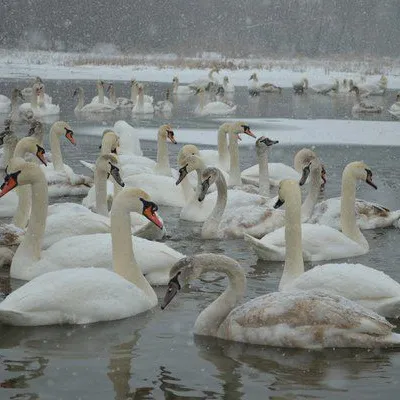 LakeSwan Lake, ChortoryaChortoriaHe is associated with a story about swans on the lake that come here with the onset of cold weather.
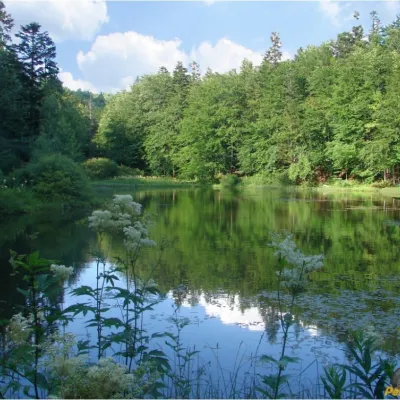 LakeMountain Polyanytske Lake (Dead Lake)BukovetsMountain Lake (another name - Dead Lake) is a picturesque mountain lake of natural origin in the Ukrainian...
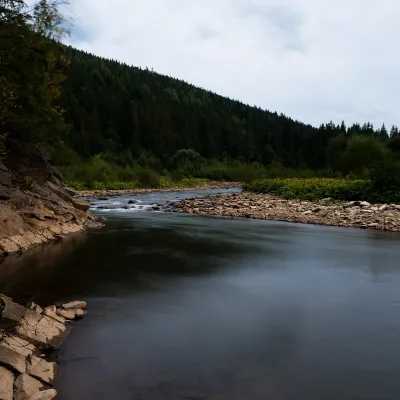 RiverSvicha RiverVyhodaThe Svicha is a 107-km right-bank tributary of the Dniester. It rises on the northern slopes of the main Gorgany...
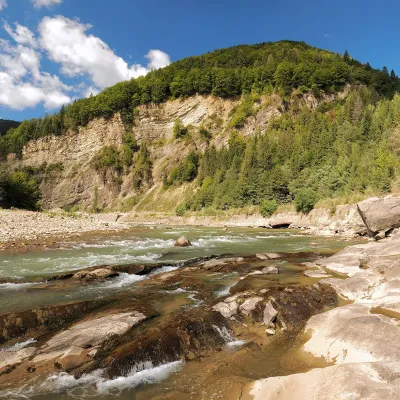 RiverCheremosh RiverVyzhnytsiaThe Cheremosh is born near Usteriky, where the Chornyi Cheremosh and the Bilyi Cheremosh meet.
Mountain ranges: Skole Beskids, Bieszczady. In other countries: 🇨🇿 Moravian-Silesian Beskids, 🇸🇰 Volovec Mountains, 🇸🇰 High Tatras, 🇸🇰 Western Tatras, 🇸🇰 Low Tatras, 🇵🇱 Żywiec Beskids, 🇵🇱 Gorce, 🇵🇱 Silesian Beskids, 🇷🇴 Bucegi Mountains, 🇵🇱 Babia Góra, 🇷🇴 Piatra Craiului, 🇸🇰 Greater Fatra
Trails and peaks near which naturalists recorded the species (GBIF, iNaturalist), matched by altitude and habitat. Sightings are not guaranteed.
Sources
- Вікіпедія: Снігур звичайний
- Wikipedia (en): Eurasian bullfinch
- Wikipedia (pl): Gil (zwyczajny)
- Перелік видів тварин, що заносяться до Червоної книги України (наказ Міндовкілля від 19.01.2021 № 29, зареєстровано в Мін'юсті 01.03.2021 за № 260/35882)
- Міндовкілля: текст переліку видів тварин Червоної книги України (PDF)
- GBIF: таксон і категорія МСОП
GBIF · iNaturalist · Wikidata · Distribution data: GBIF.org (CC0 and CC BY records), iNaturalist; names and identifiers: Wikidata (CC0). Text: Karpaty.rocks, checked 09.11.2026.
