Christmas and New Year in the Carpathians 2026/27: where to go, traditions, food

Winter holidays in the Ukrainian Carpathians are more than a tree and fireworks. Hutsul carollers going from house to house, twelve meatless dishes on Christmas Eve, bears made of hay at Malanka and ice crosses for Epiphany. Here is when people celebrate now, where to go and what to try.
Since 2023 the Orthodox Church of Ukraine and the Ukrainian Greek Catholic Church have followed the Revised Julian calendar, and since the same year the state has marked Christmas on 25 December (Law No. 3258-IX of 14 July 2023). So in the mountains the holidays now start two weeks earlier than older people are used to. Here are the dates for 2026/27:
- 24 December — Christmas Eve (Sviatvechir), the Holy Supper.
- 25 December — Christmas Day, the carolling begins.
- 31 December — Shchedryi Vechir (Generous Eve), Malanka, New Year’s Eve.
- 1 January — New Year, St Basil’s Day.
- 5 January — Epiphany Eve (“hungry kutia”).
- 6 January — Epiphany (Vodokhreshche, Yordan).
Note that while martial law is in force, 25 December and 1 January are working days in Ukraine. And some communities keep the old dates of their rites: the best-known Malanka, in the village of Krasnoilsk, still takes place on the night of 13–14 January.
Where to spend Christmas and New Year in the Carpathians
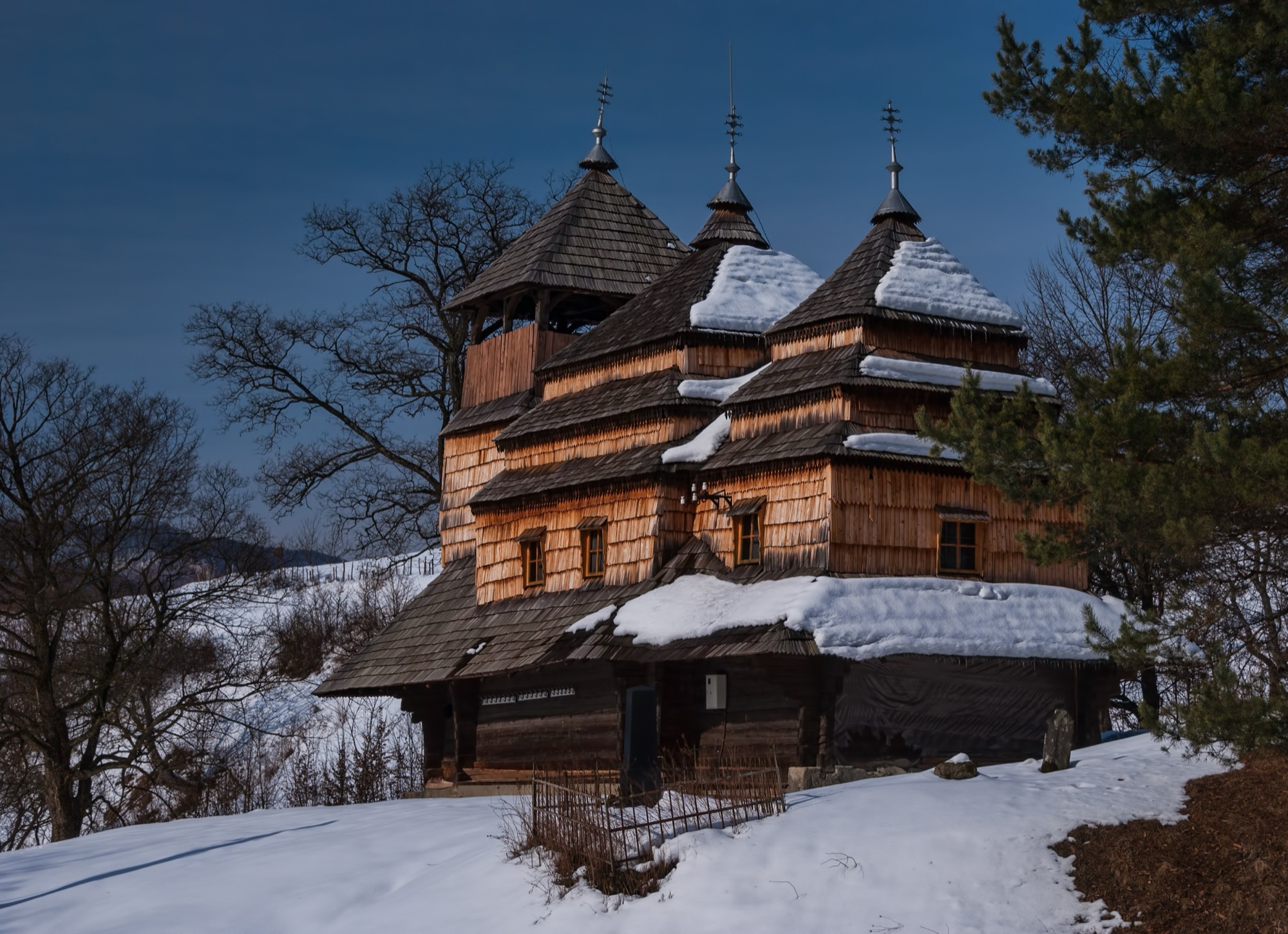
Yaremche. Yaremche is the gateway to the Hutsul region: a meatless supper on Christmas Eve and carollers going from house to house, plus a railway station, cafés and hundreds of Sadybas. The easiest choice for a first holiday trip.
Bukovel. Bukovel is for those who want both skiing and restaurants over the holidays. It is the largest resort in the Carpathians, so New Year accommodation goes first here. Other resorts are in our guide to ski resorts.
Vorokhta. Vorokhta celebrates Christmas the Hutsul way, and the neighbouring Verkhovyna area is famous for its groups of carollers called “parties”. It is close to both Yaremche and Verkhovyna.
Verkhovyna and Kryvorivnia. This is where Hutsul carolling is most authentic. In the Verkhovyna community, carollers visit every home, and thousands of guests from all over Ukraine come to Kryvorivnia for the carols every year.
Kosiv and Yavoriv. Kosiv is the place for Hutsul crafts and Christmas fairs, and in the nearby village of Yavoriv people carve an ice chapel, tridents and crosses on the Rybnytsia river before Epiphany.
Also worth knowing: the old Hutsul village of Kosmach, Rakhiv in the Zakarpattia part of the Hutsul region, and Krasnoilsk in Bukovyna with its Malanka. On each of these place pages, the “Christmas and winter holidays” box lists local customs with sources.
Christmas Eve: 12 meatless dishes
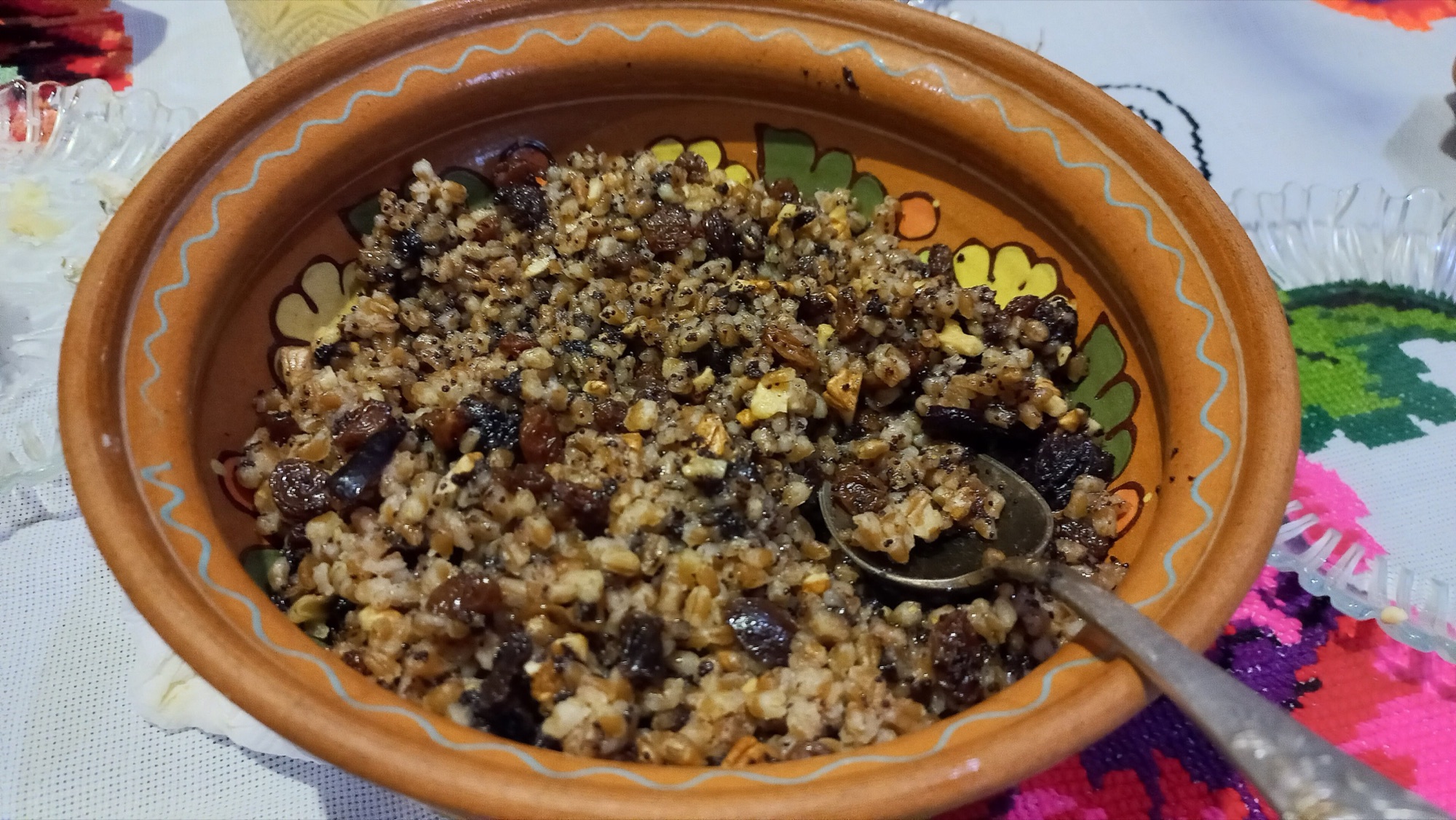
The Holy Supper begins when the first star appears in the sky. Twelve meatless dishes go on the table — one for each apostle, although in the old days some families made seven or nine. The menu varies by region and even by village, but a Carpathian table most often has:
- Kutia — wheat with poppy seeds, honey and nuts; the supper starts with it.
- Uzvar (called “var” by the Hutsuls) — a drink of dried fruit.
- Meatless borshch, often with mushrooms or small dumplings.
- Varenyky with potato, cabbage or plums.
- Holubtsi (cabbage rolls) with rice, millet or corn grits; in the Lemko region with potato.
- Mushrooms — a mushroom sauce or mushroom soup.
- Fish.
- Beans.
- Stewed or sour cabbage, kapusniak.
- Pampukhy — doughnuts with poppy seeds or jam.
- Bobalky — in Zakarpattia and the Lemko region.
- A Christmas kolach or makivnyk (poppy seed roll).
More dishes, recipes and places that serve them are in our Carpathian food section.
Hutsul carolling
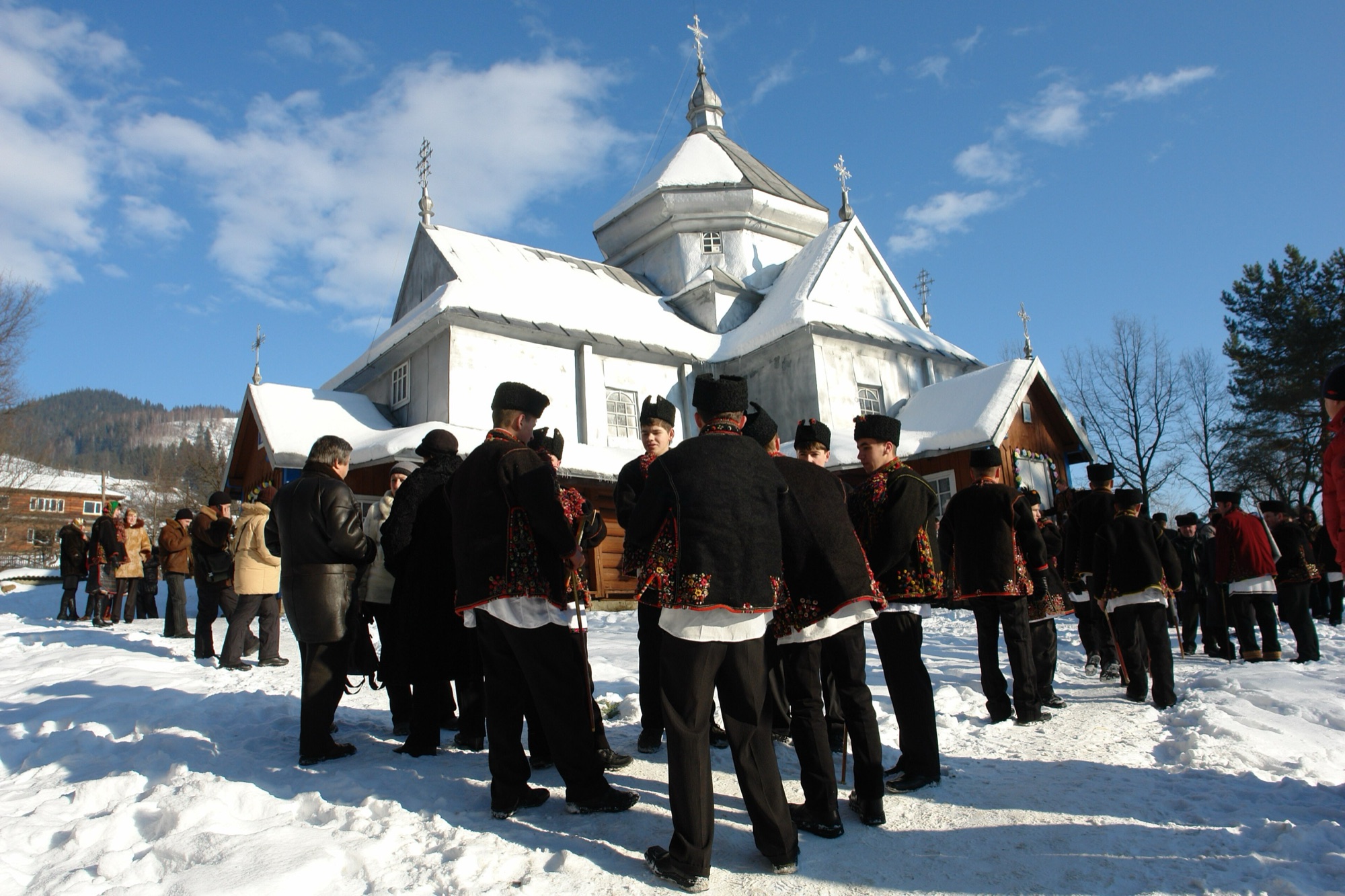
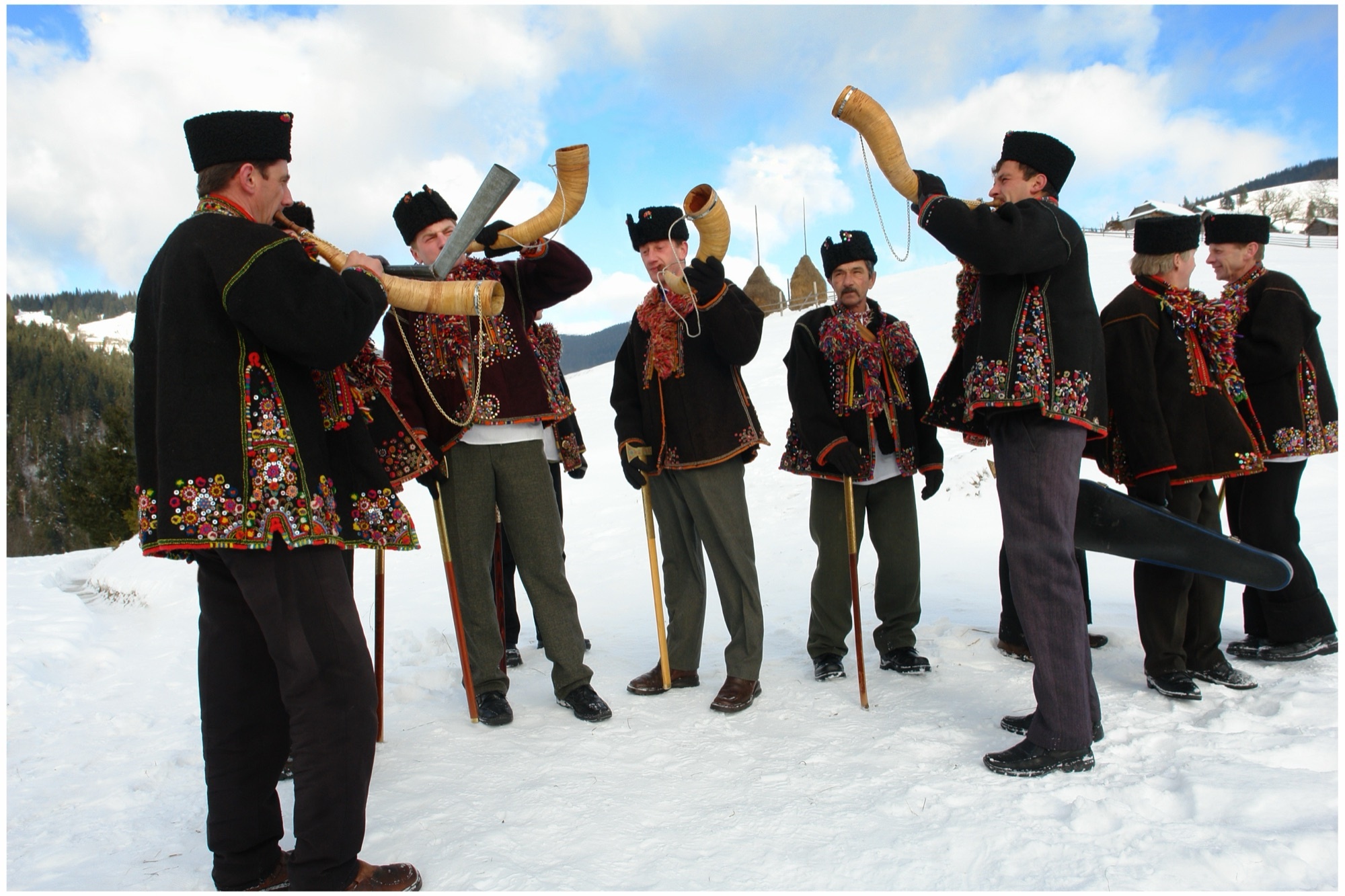
Hutsul carolling is not children singing under windows but a whole ritual. The groups of carollers, called “parties” in the Verkhovyna area, are men in Hutsul dress led by the “bereza”, who starts the carol in every house and chooses the route. They blow trembitas and horns, carry bartka axes and dance the plies — a carol with dance steps. They go from Christmas right up to Epiphany, and the money they collect goes to the church and, in recent years, to the Ukrainian army.
In Kryvorivnia, the carolling starts at the Church of the Nativity of the Virgin: the priest blesses the carollers and the parties set off through the village. On 25 December 2022 the community carolled on the new calendar for the first time. “Hutsul koliada and plies” are on Ukraine’s National List of Intangible Cultural Heritage.
Vertep and betlehem
The vertep — a Nativity play with angels, shepherds, King Herod and Death — tours villages all over Ukraine. In Zakarpattia it is called “betlehem”: a group of carollers carries a small Nativity house and acts out a short play in every home. Look for vertep groups at Christmas fairs and by the churches in the first days of the holidays.
Malanka in Krasnoilsk and Vashkivtsi
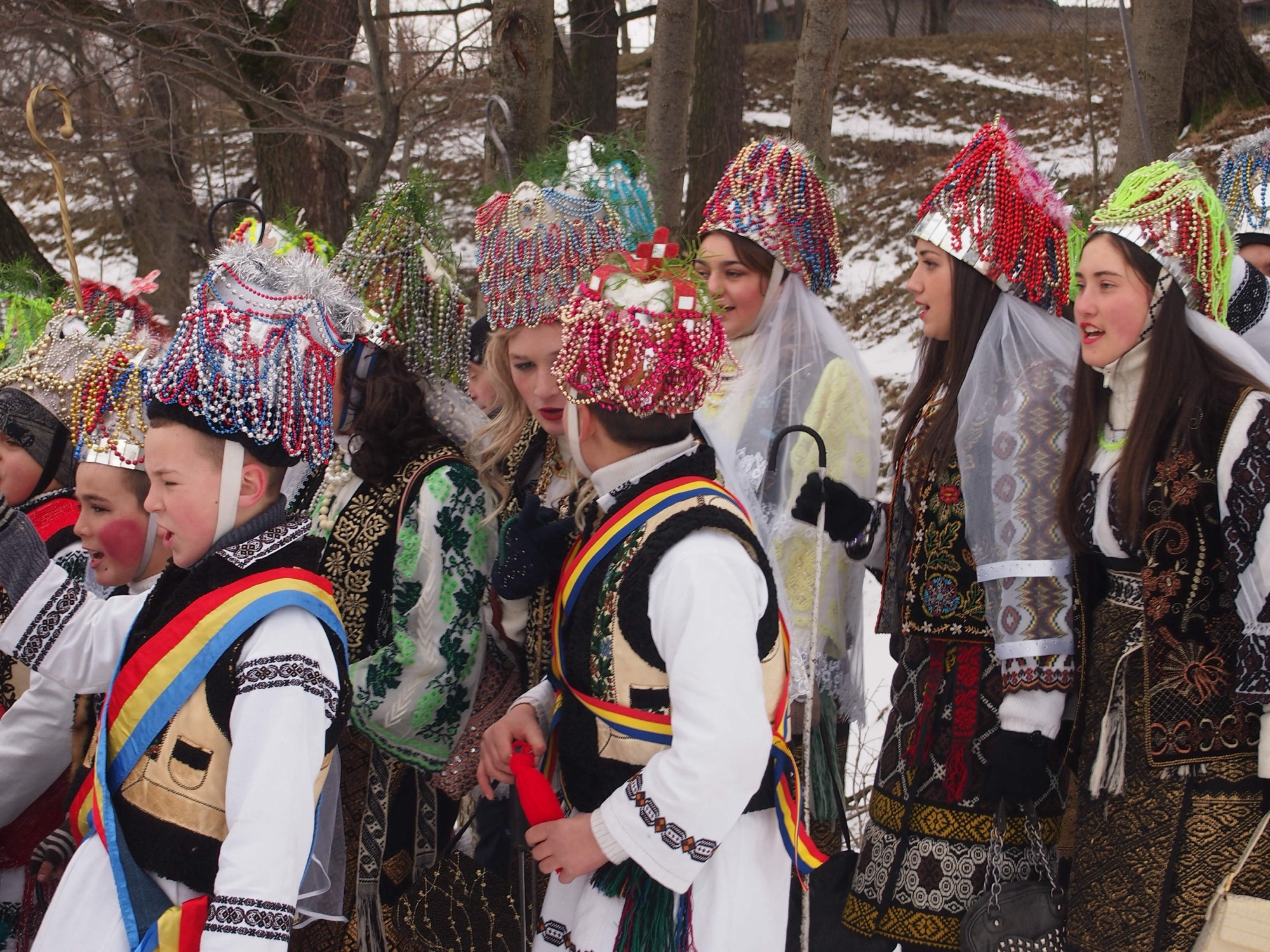
On Shchedryi Vechir, 31 December, many villages celebrate Malanka: groups in disguise go round with songs, jokes and little plays. The most famous is in Krasnoilsk in Bukovyna, where most residents are ethnic Romanians. Here the festival has kept its old date: from the evening of 13 January and through the night to 14 January, five hamlets take part in the carnival. The main character is the Bear in a costume of hay that can weigh more than 30 kilograms, alongside Old Men, Old Women and other masked characters, and everyone sings “Ursu”, the bear song. In 2026 the Krasnoilsk Malanka took place for the second time since the start of the full-scale war.
In Vashkivtsi the festival is called “Pereberiia”; it also falls on 14 January, and the next day the participants bathe in the river. The Bukovyna Malanka has been on the National List of Intangible Cultural Heritage since 2022. Because of martial law the format changes every year, so check the dates and programme with the communities closer to January. More about Vashkivtsi in our older article on Malanka.
Yordan: Epiphany in the mountains
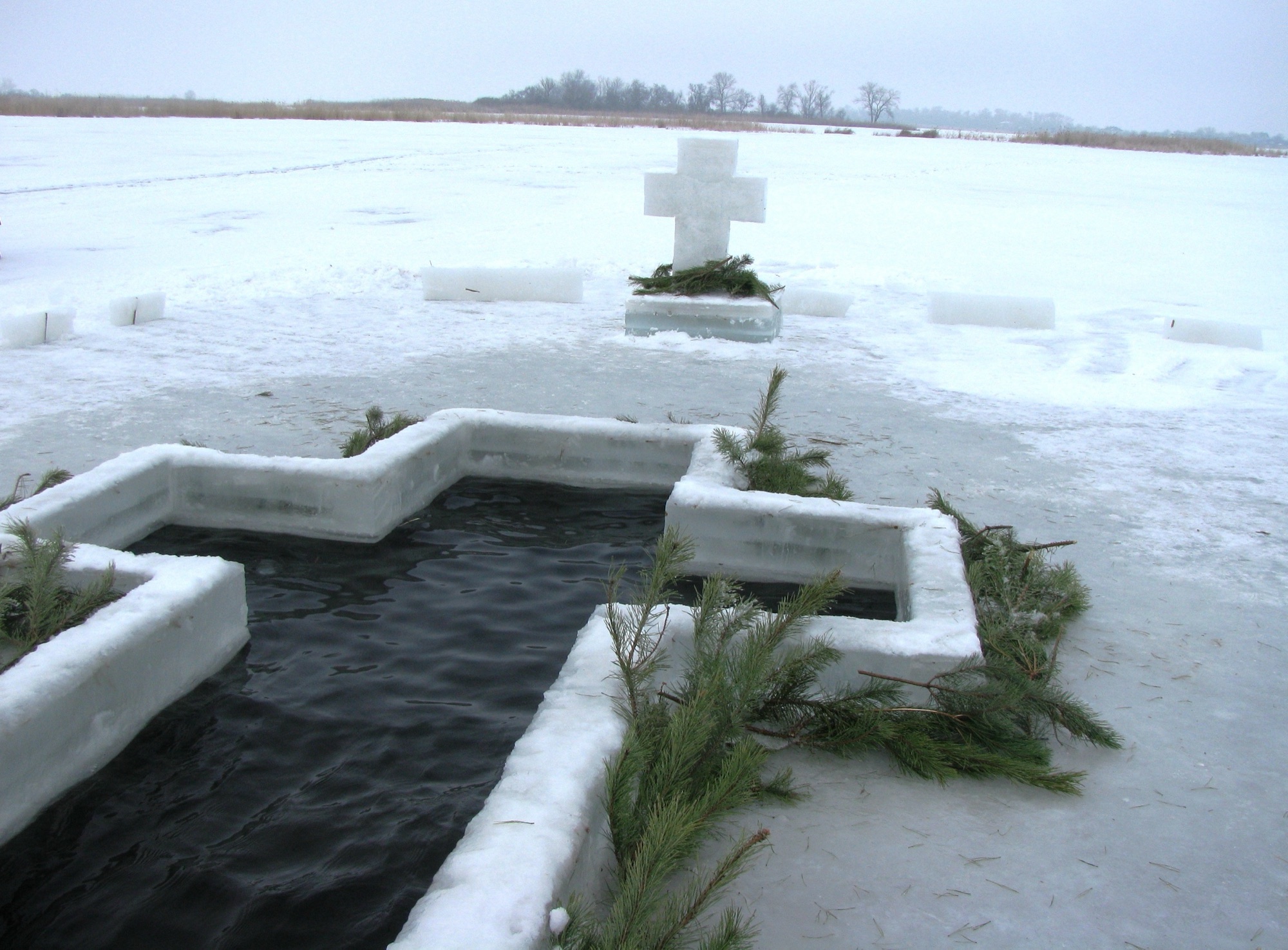
On 6 January, water is blessed on rivers and springs. A “yordan” — a cross — is cut from the ice, sometimes coloured with beet kvass and decorated with periwinkle and spruce branches; the priest dips the cross into the water three times, and people take blessed water home. In Yavoriv near Kosiv, local men spend a whole week carving an ice chapel, tridents and crosses on the Rybnytsia, and the whole village gathers for the blessing. On this day Hutsul carollers say goodbye to Christmas with carols and the plies dance.
Where to stay: a chan, a fireplace and a Hutsul house
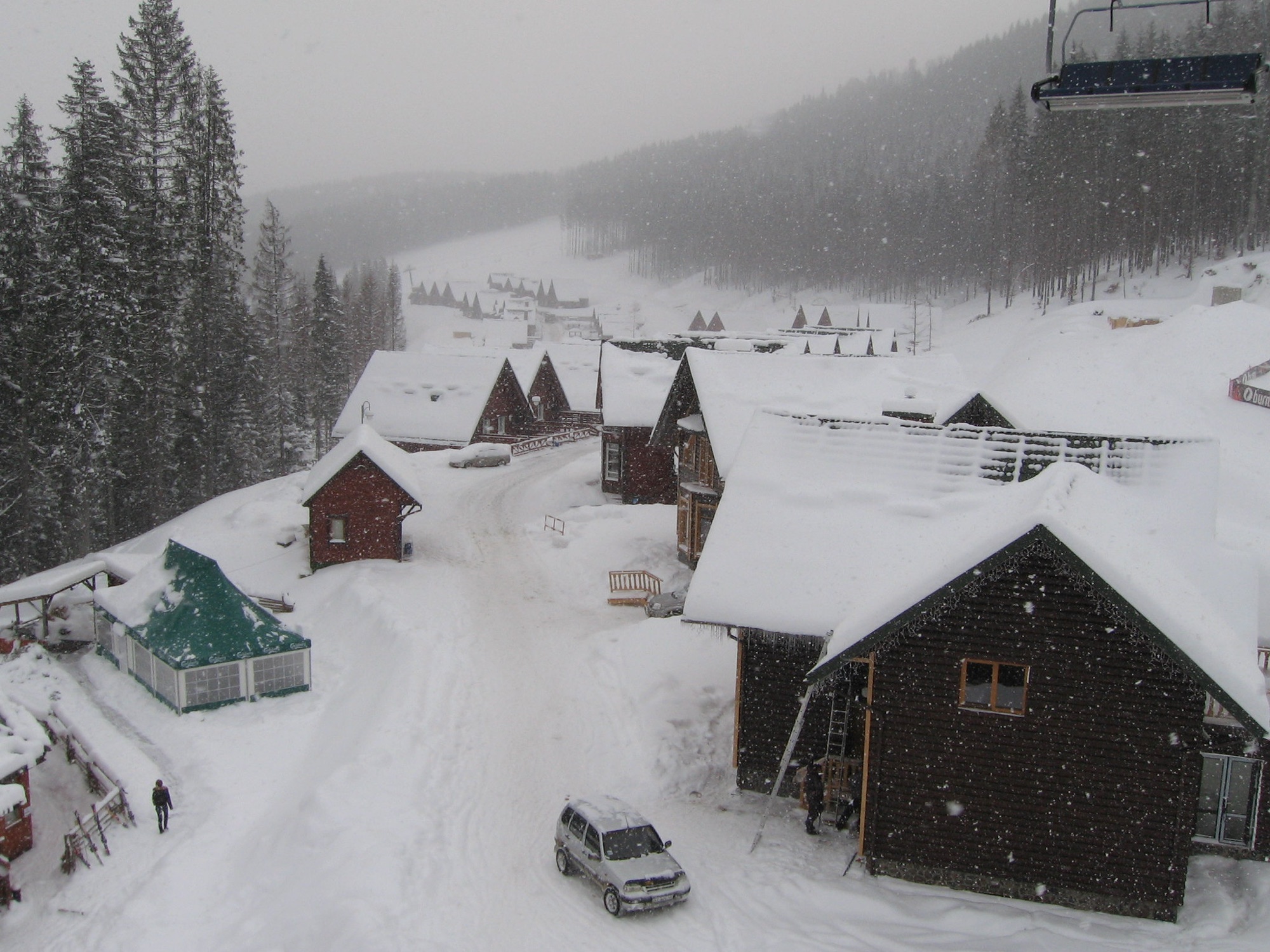
Carpathian accommodation for Christmas and New Year is booked well in advance, especially in Yaremche, Bukovel and Vorokhta. The cosiest choice is a Sadyba or a cottage with a fireplace or an open-air chan. Ask your hosts whether they can prepare a Christmas Eve supper and whether carollers come to their village. For what to do between the holidays if you don’t ski, see “The Carpathians in winter without skiing”; for winter walks, our safety tips and easy routes.
Frequently asked questions
When is Christmas celebrated in the Ukrainian Carpathians?
Since 2023 the Orthodox Church of Ukraine and the Ukrainian Greek Catholic Church have followed the Revised Julian calendar: Christmas Eve is on 24 December, Christmas on 25 December and Epiphany on 6 January. Some communities keep the old dates for certain rites, such as the Malanka in Krasnoilsk.
When is Malanka in Krasnoilsk?
By long-standing custom, on the evening of 13 January and through the night to 14 January. The format changes under martial law, so check the programme with the community.
What are the 12 dishes of the Ukrainian Christmas Eve?
Most often kutia, uzvar, meatless borshch, varenyky, holubtsi, mushrooms, fish, beans, cabbage, pampukhy, bobalky in Zakarpattia and the Lemko region, and a kolach. All dishes are meatless, and the supper begins when the first star appears.
Where can I see Hutsul carolling?
In Kryvorivnia and other villages of the Verkhovyna community, in Kosmach and around Kosiv. Carollers go round from Christmas (25 December) to Epiphany (6 January).
Is 25 December a day off in Ukraine?
Christmas on 25 December is a public holiday, but while martial law is in force, public holidays are not days off. Employers may give a day off at their discretion.
 1Church of the Nativity of the Virgin Mary XVII-XVIII, VorokhtaThe Church of the Nativity of the Virgin Mary in Vorokhta of the seventeenth and eighteenth centuries is a traditional Hutsul church built without a single nail. The building is shaped like a cross. In the background, if you look closely, you can see an arched railroad bridge - a viaduct. Inside...Learn more
 2Church of the Nativity of the Virgin Mary, KryvorivniaIn the village of Kryvorivni, Verkhovyna district, Ivano-Frankivsk region, in the heart of the Ukrainian Carpathians, there is the Church of the Nativity of the Blessed Virgin Mary, first mentioned in 1719, which is an architectural monument of national importance. The peculiarity of the church...Learn more
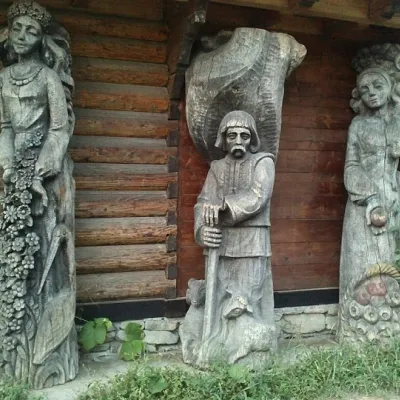 3Museum of customary symbols of the Hutsul region (Mykulychyn)Did you know that the Museum of Customary Symbols of the Hutsul Region (Mykulychyn) and its exhibition are housed in three rooms of an old hut? It presents unique Hutsul household items, clothing, beliefs, etc., where the symbols of the Hutsul ethnic group are depicted in drawings, embroidery,...Learn more
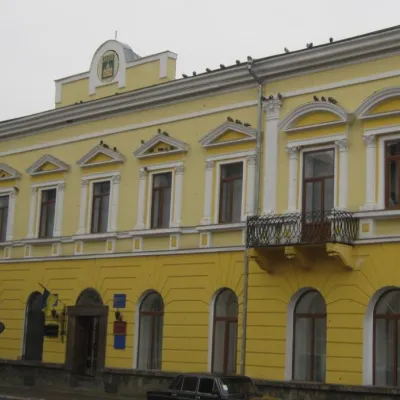 4Museum of Hutsul Folk Art and Life in KosovoKosiv has long been called the capital of Hutsul folk art. It was here that the main branches of folk crafts were concentrated and developed: carving, pottery, artistic weaving and embroidery, artistic metal and leather processing. Today, this unique and rich historical, artistic and ethnographic...Learn more
Merry Christmas! Save this article to keep the dates and places at hand. Under martial law, public events may be cancelled or changed — check local community news before you travel. Updated: 12 November 2026.
Cover photo: Віталій Попков, CC BY-SA 4.0.
Video 2
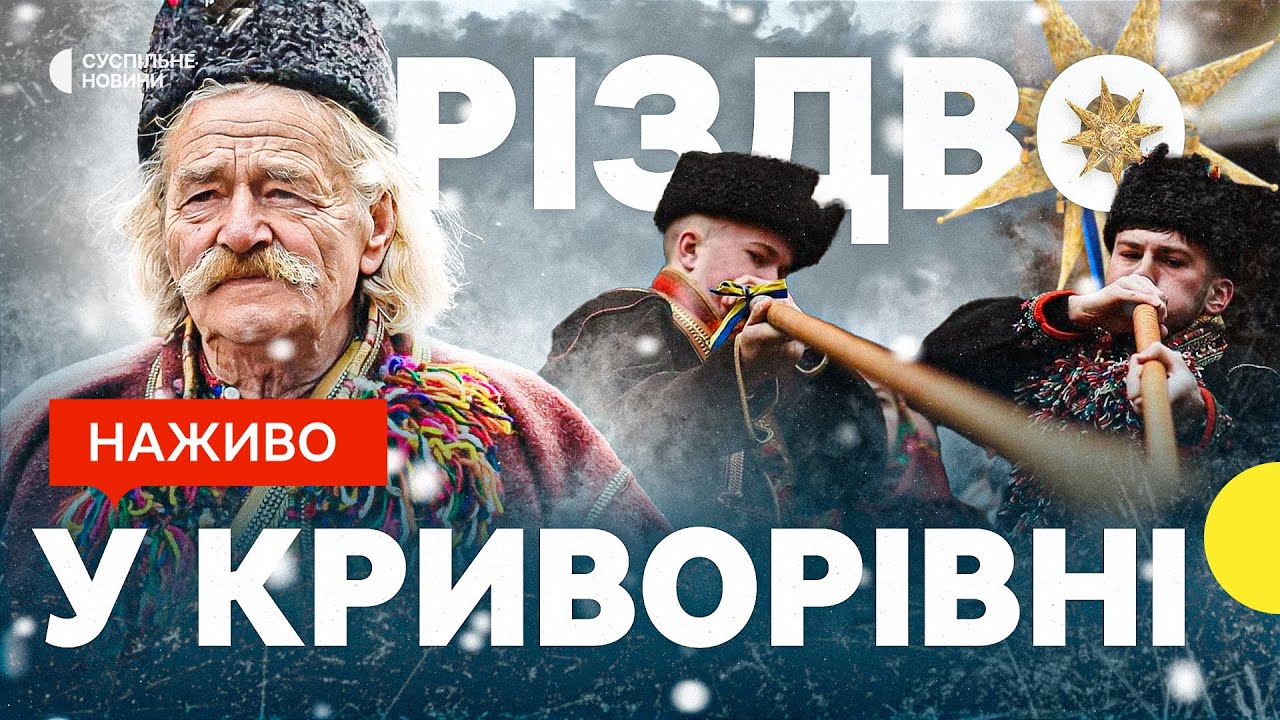 Гуцульська коляда | РІЗДВО в КАРПАТАХ | Трансляція Суспільного з села КриворівняСуспільне Новини

- zakon.rada.gov.ua/laws/show/3258-20
- ukrinform.ua/rubric-regions/3640854-legendarn...
- suspilne.media/ivano-frankivsk/905727-u-krivo...
- suspilne.media/chernivtsi/1213268-ne-radiemo-...
- suspilne.media/191398-na-odin-kostum-30-kilog...
- life.pravda.com.ua/culture/2022/07/8/249465/
- mcip.gov.ua/wp-content/uploads/2023/11/naczio...
- zaxid.net/12_strav_na_svyatvechir_perelik_ta_...
- radiosvoboda.org/a/28219822.html
- zaxid.net/gutsuli_koloritno_poproshhalisya_z_...
Comments
Travellers’ experience: reports, tips, questions.
No one has written here yet. Be the first — your experience helps others.
You may also be interested in
All articles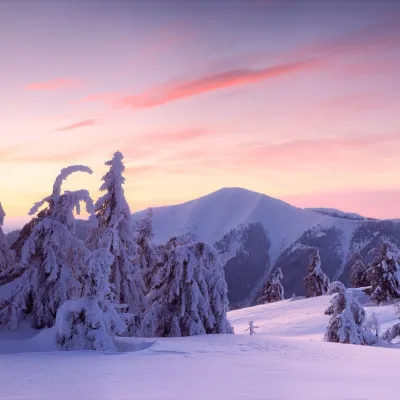 The Carpathians in winter 2026/27: where to go if you don’t skiWinter in the Ukrainian Carpathians is not only about ski runs and lift queues. A hot chan in the snow, a fireplace in a wooden Sadyba,...
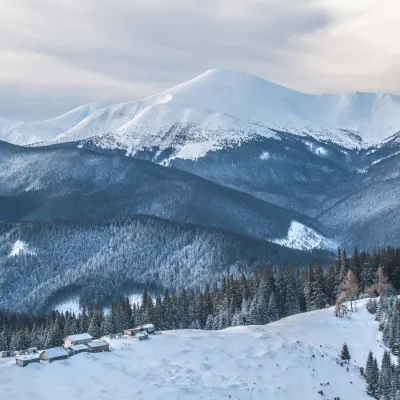 Winter hiking in the Carpathians: safety, gear and easy routesThe Carpathians are beautiful in winter, but they don’t forgive mistakes: short days, ice, wind on the ridges and avalanches up high....
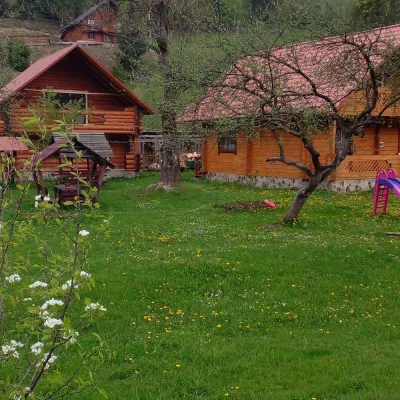 Sadyba, cottage, koliba or hrazhda: where to stay in the CarpathiansSadyba, cottage, guest house, koliba, hrazhda, staia: what each Carpathian word means, where you can actually spend the night and how to...
