Kutia
What it is
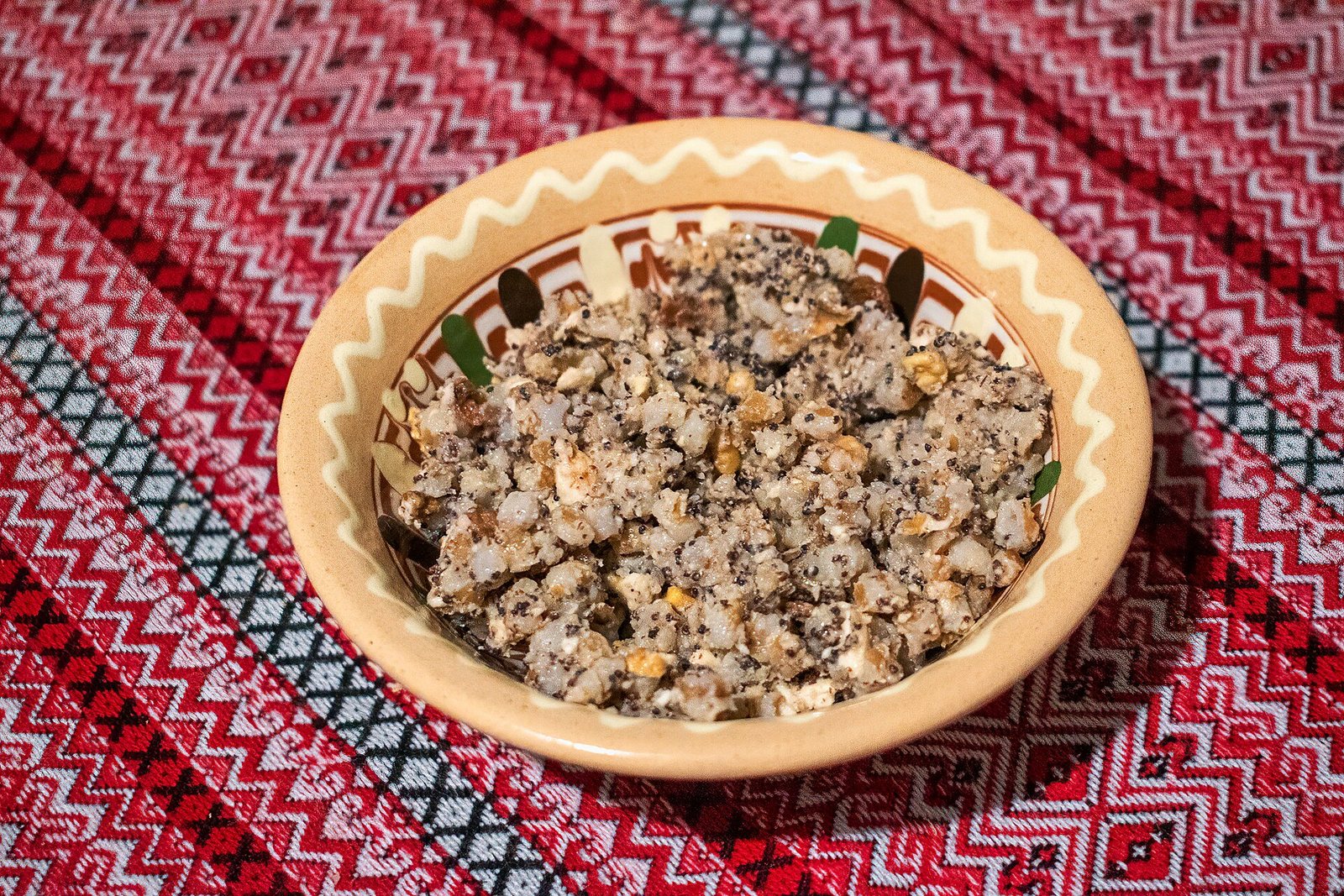
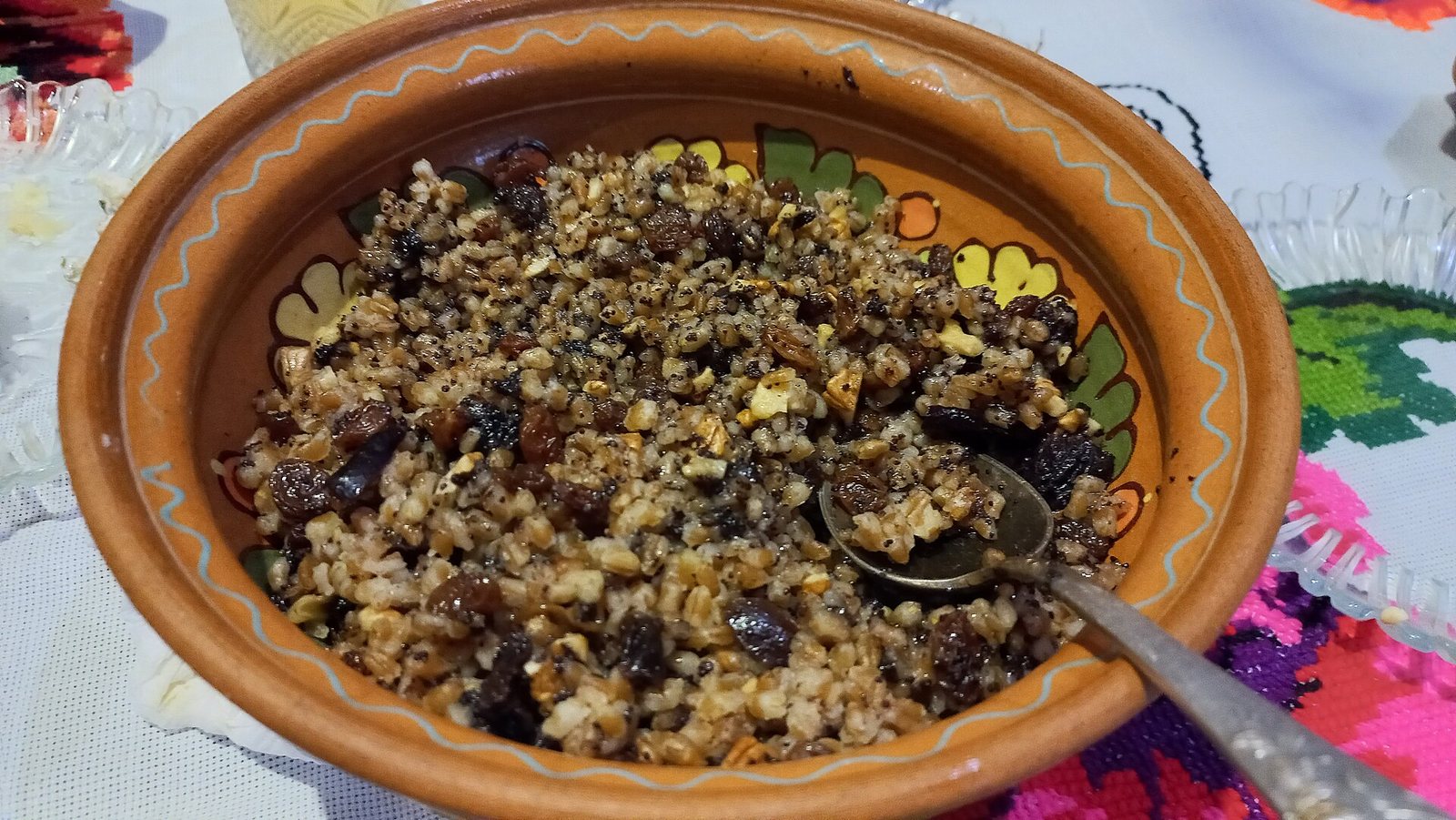
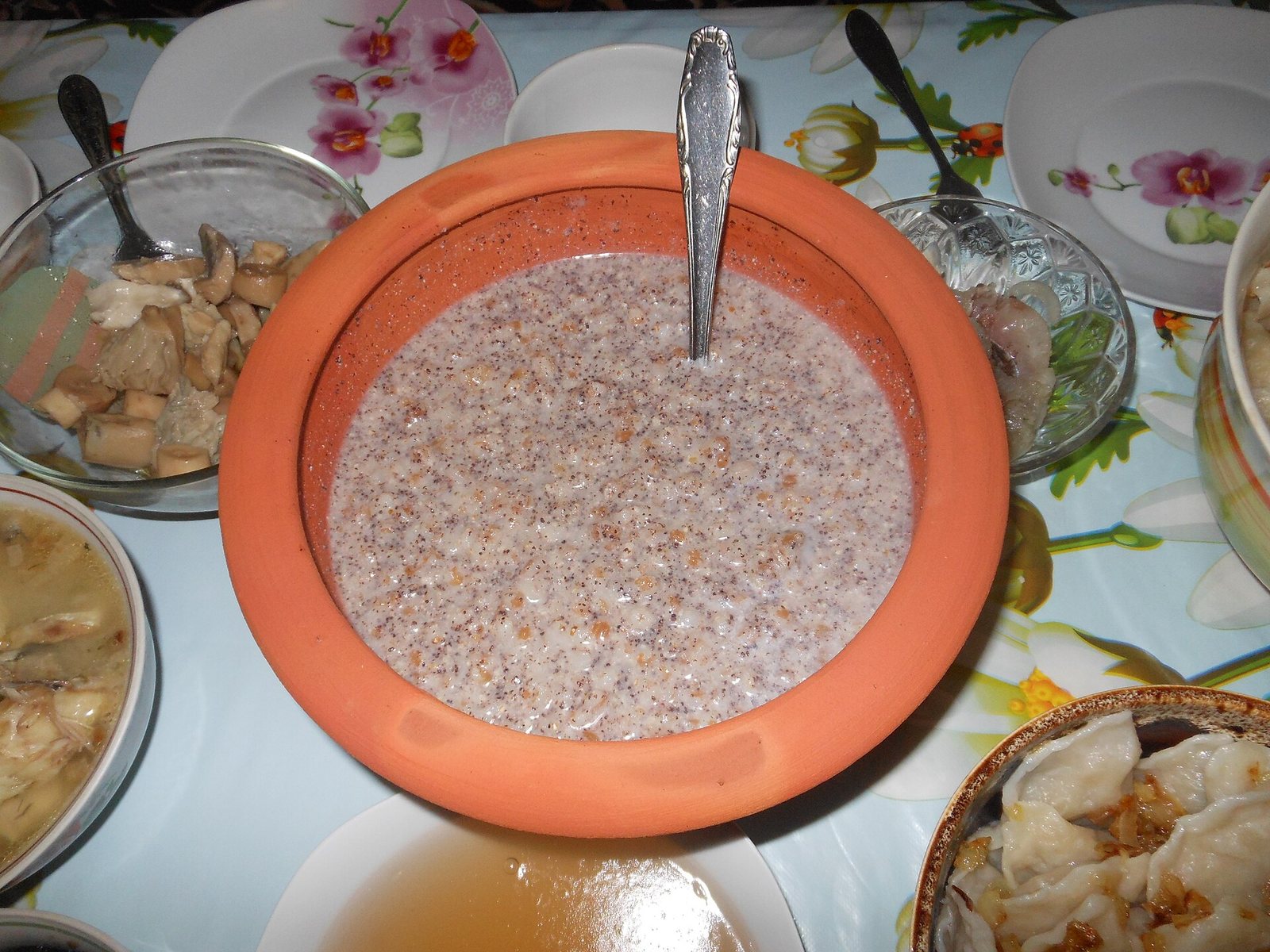
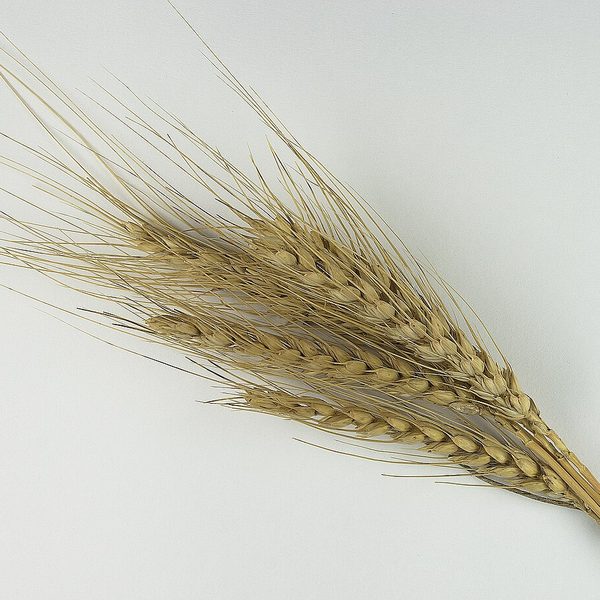
Kutia is boiled wheat grains seasoned with ground poppy seeds, honey, and walnuts, sometimes with soaked raisins. It is served at the beginning and end of the Holy Supper. The dish is both lean and sweet.
Among the Ukrainians of the Carpathians and Prykarpattia, kutia was traditionally called 'wheat': this is how ethnographer Hryhoriy Kupchanko recorded it in the folk calendar of Bukovina in 1875. In the village of Zavoloka near Chernivtsi, boiled wheat is seasoned with sugar or honey, ground nuts, and poppy seeds.
Olha Ipatiy, a hostess from the village of Berehomet in the Vyzhnytsia region, prepares kutia as follows: she rinses the wheat and soaks it in spring water overnight, in the morning adds fresh water twice as much as the grains, and cooks until the grains absorb the water; she grinds the poppy seeds with a pestle in a mortar. In her family, they also add halva to the kutia.
The Boykos consider kutia to be one of the ritual dishes of the Holy Supper along with uzvar; according to the book 'Boyko Cuisine', kutia was eaten only twice a year.
History and name
Kutia is one of the oldest ritual dishes of the Slavs, associated with honoring ancestors. It is prepared three times: on Holy Evening (rich kutia), on the Generous Evening, and before Epiphany (lean kutia). In Bukovina, it is also called kolyvo (kolevo), kanun, sochivo.
Before the supper, a pot of kutia is placed on the corner under the icons — in the most honored place in the house. In Bukovina, it was to stand there from Christmas until the Old New Year, and after the supper, kutia was left on the table overnight for the souls of deceased ancestors.
Ingredients and allergens
Variant: with poppy seeds, honey, and nuts
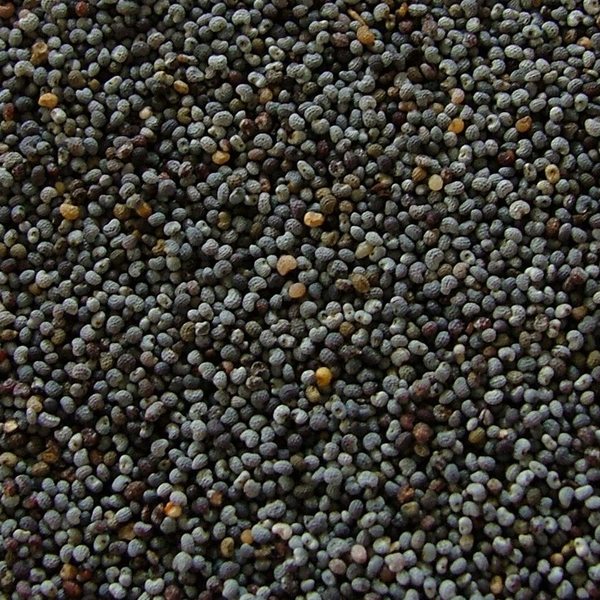
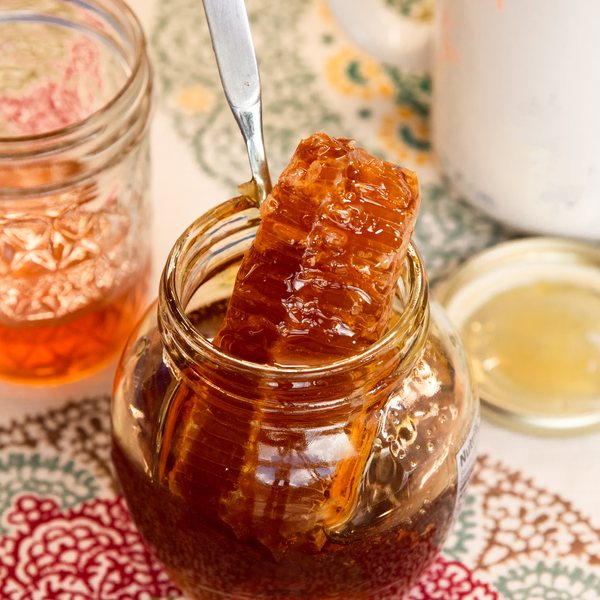
Also: walnuts (a handful), raisins (a handful, optional), water (2 cups)
Contains allergens: gluten, tree nuts
Diet: lenten · vegetarian
Variant: with sugar instead of honey (zavoloka)
wheat berries, water, poppy seeds, sugar, walnuts
Contains allergens: gluten, tree nuts
Diet: lenten · vegan
Ingredients of the traditional recipe; every cook and every place may do it differently — please ask when ordering. We cannot guarantee the absence of allergens or traces.
How it is traditionally made
- Wheat berries — 1 cup
- Water — 2 cups
- Poppy seeds — 0.5 cup
- Honey — 2–3 tbsp
- Walnuts — a handful
- Raisins — a handful
- Sort the wheat, rinse it well, and soak it in cold water overnight.
- In the morning, drain the water, add fresh water — twice as much as the grains — and bring to a boil over medium heat.
- Cook over low heat until the grains absorb the water and become soft.
- Grind the poppy seeds with a pestle in a mortar.
- Mix the cooled wheat with the poppy seeds, chopped walnuts, and honey; optionally add soaked raisins.
How it is served
As the first dish of the Holy Supper; it is also used to end the supper.
Variants
Instead of honey, kutia can be sweetened with sugar; in Olha Ipatiy's family from Berehomet, they add halva. In other regions of Ukraine, kutia is also made with barley, and in some places, it is seasoned only with uzvar.
The traditional method as described by our sources; every family does it its own way. We have not tested this recipe in a professional kitchen.
Where it is eaten

The area is approximate and based on the sources below. The dish is cooked outside it too, and ethnographic borders are blurred.
Bukovina, Hutsulshchyna, and Boykivshchyna; kutia is prepared throughout Ukraine, its range is not limited to the mountains. The villages on the map are places of records.
When it is eaten
| Jan | Feb | Mar | Apr | May | Jun | Jul | Aug | Sep | Oct | Nov | Dec |
|---|---|---|---|---|---|---|---|---|---|---|---|
Occasions: Christmas Eve · Christmas · Lent
In tradition
The Holy Supper begins and ends with kutia. According to Bukovinian interpretation, kutia means prosperity. The traditions of Holy Evening and Christmas in Ukraine have been included in the National Register of Intangible Cultural Heritage (No. 105 and 106 n.k.s.), with a separate element — the Tradition of Holy Evening in Bukovina (No. 107 n.k.s.; order of the Ministry of Culture dated 24.04.2025 No. 268).
Safety
Honey is not given to children under one year old. People with allergies to bee products or nuts should be cautious.
FAQ
Why is kutia called 'wheat' in the Carpathians?
Because it is boiled wheat: this is how the dish was traditionally called by the Ukrainians of the Carpathians and Prykarpattia. Ethnographer Hryhoriy Kupchanko recorded it under this name in Bukovina in 1875.
What is kutia made from?
From whole or crushed wheat grains, ground poppy seeds, honey, and walnuts; sometimes soaked raisins are added.
When is kutia eaten?
On Holy Evening — it is used to begin and end the supper, — as well as on Generous Evening and before Epiphany.
Comments
Travellers’ experience: reports, tips, questions.
No one has written here yet. Be the first — your experience helps others.
Where to try and buy
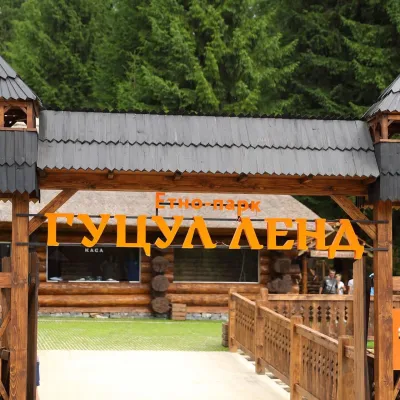 Ethno parks & homesteadsHutsul Land Ethno Park, PolianytsiaPolianytsia (Bukovel)Hutsul Land Ethno Park is a space at the Bukovel resort where the old ways of the Hutsuls, Boikos and Lemkos are...
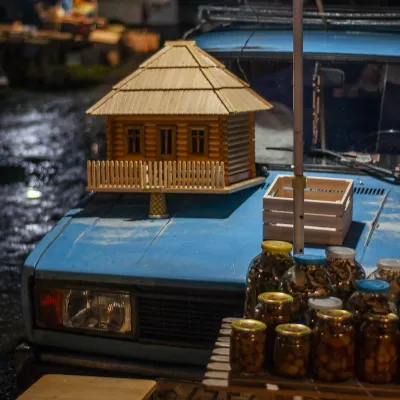 Markets & fairsNight Wood Market, KutyKutyThe night bazaar in Kuty is the most colourful woodwork market in the Hutsul region, and it vanishes at dawn.
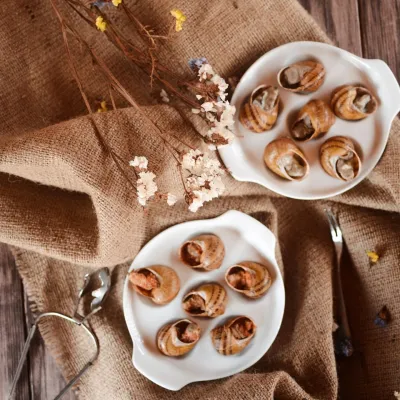 Eco farmsBukovynskyi Ravlyk Snail Farm, Striletskyi KutMamaivtsiBukovynskyi Ravlyk is a family snail farm in the village of Striletskyi Kut, just 10 km from central Chernivtsi.
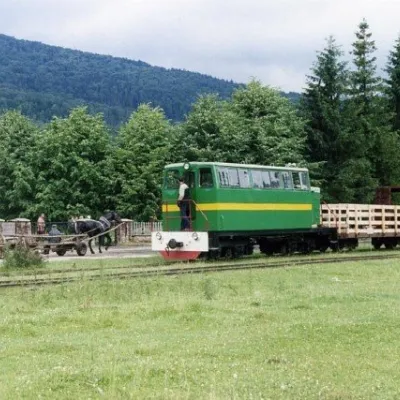 Heritage transportCarpathian TramVyhodaIn 1873, Austrian entrepreneur Baron Leopold Popper von Podgari moved the headquarters of his company from Hungary to...
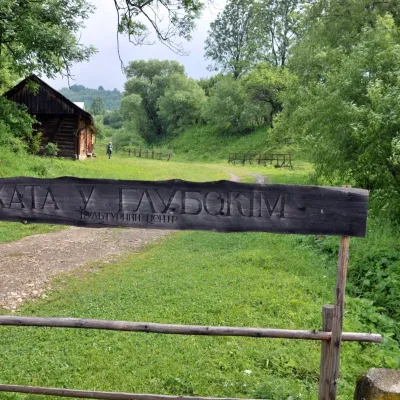 Crafts & workshopsKhata u Hlubokim Local History Centre, UrychUrychKhata u Hlubokim (“the House in Hlyboke”) is an old Boyko house in Urych that the Tustan State Historical and...
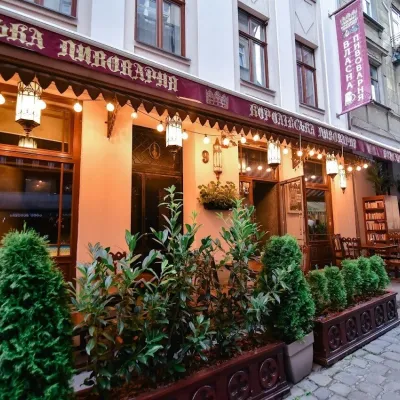 Craft beer & breweriesRoyal Brewery Beer Restaurant, LvivLvivRoyal Brewery (Korolivska Pyvovarnia) is a beer restaurant with its own small brewery in the very heart of old Lviv,...
 CottageB-HouseKosivBBQParkingWi‑Fi
 HotelSosnovyi DvirKosivHot tubSaunaBBQ
 HotelKrutohoraTatarivHot tubPoolSauna
Craft places and restaurants whose menu or description mentions this dish. Menus change — please check availability.
Similar dishes and products


Relatives in the Carpathians and nearby
- kutia · Poland
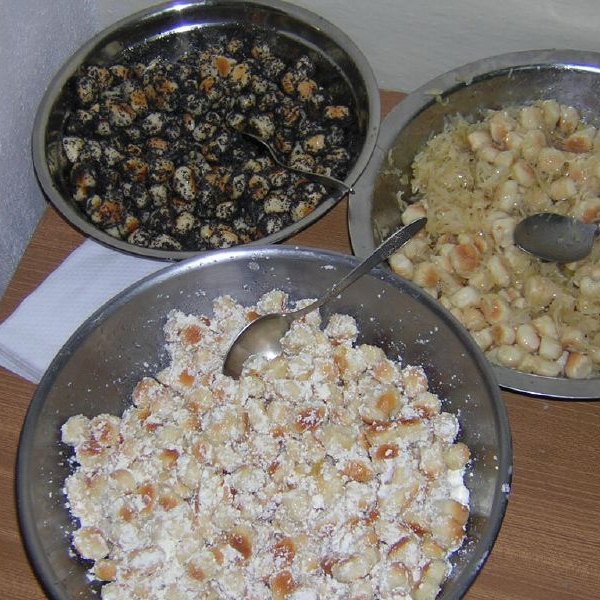
family name; a Holy Supper dish from eastern Poland - bobalky with poppy seeds · Ukraine
a close tradition: a Holy Supper dish with poppy seeds and honey in Transcarpathia and Lemkivshchyna
Sources
- Шпальта: Кутя, риба та грибна підлива — рецепти страв до Святвечора від буковинських господинь (записи проєкту «Смаки Буковини», 06.01.2022)
- Голос України: Святвечір на Буковині (народний календар Г. Купчанка 1875 року; Довгопілля, Заволока)
- «Бойківська кухня / Kuchnia Bojkowska» (Львів, 2020): книжка рецептів українсько-польського проєкту ГО «Асоціація гірських провідників “Ровінь”» (програма ЄС Польща–Білорусь–Україна)
- Вікіпедія: Кутя
- Мінкульт: Національний перелік елементів НКС України (станом на 16.07.2025): 105н.к.с., 106н.к.с., 107н.к.с. (наказ від 24.04.2025 № 268)
Written by the Karpaty.rocks editors from the sources above. Checked 11.11.2026.
