Pampukhy (Christmas doughnuts)
What it is
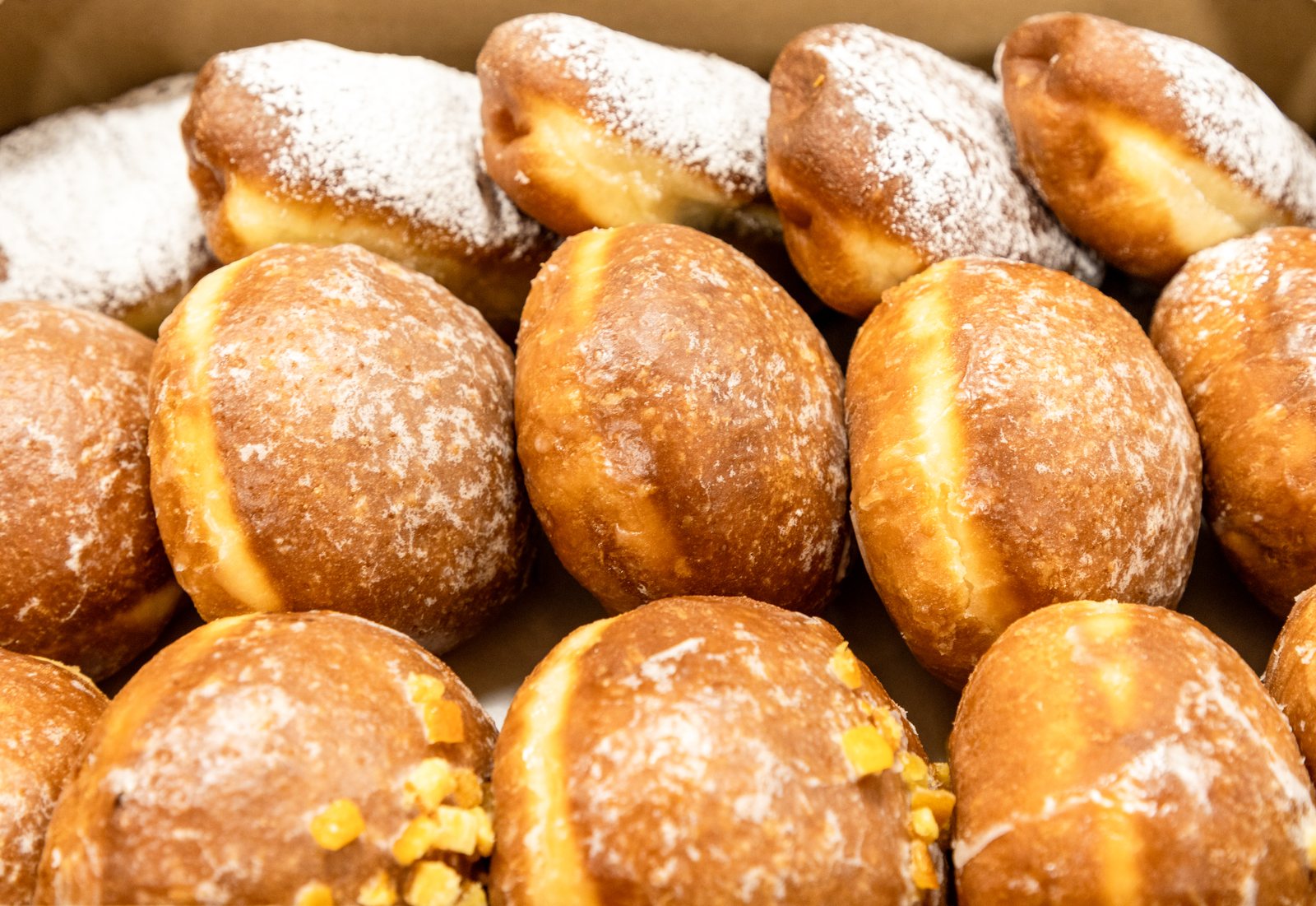
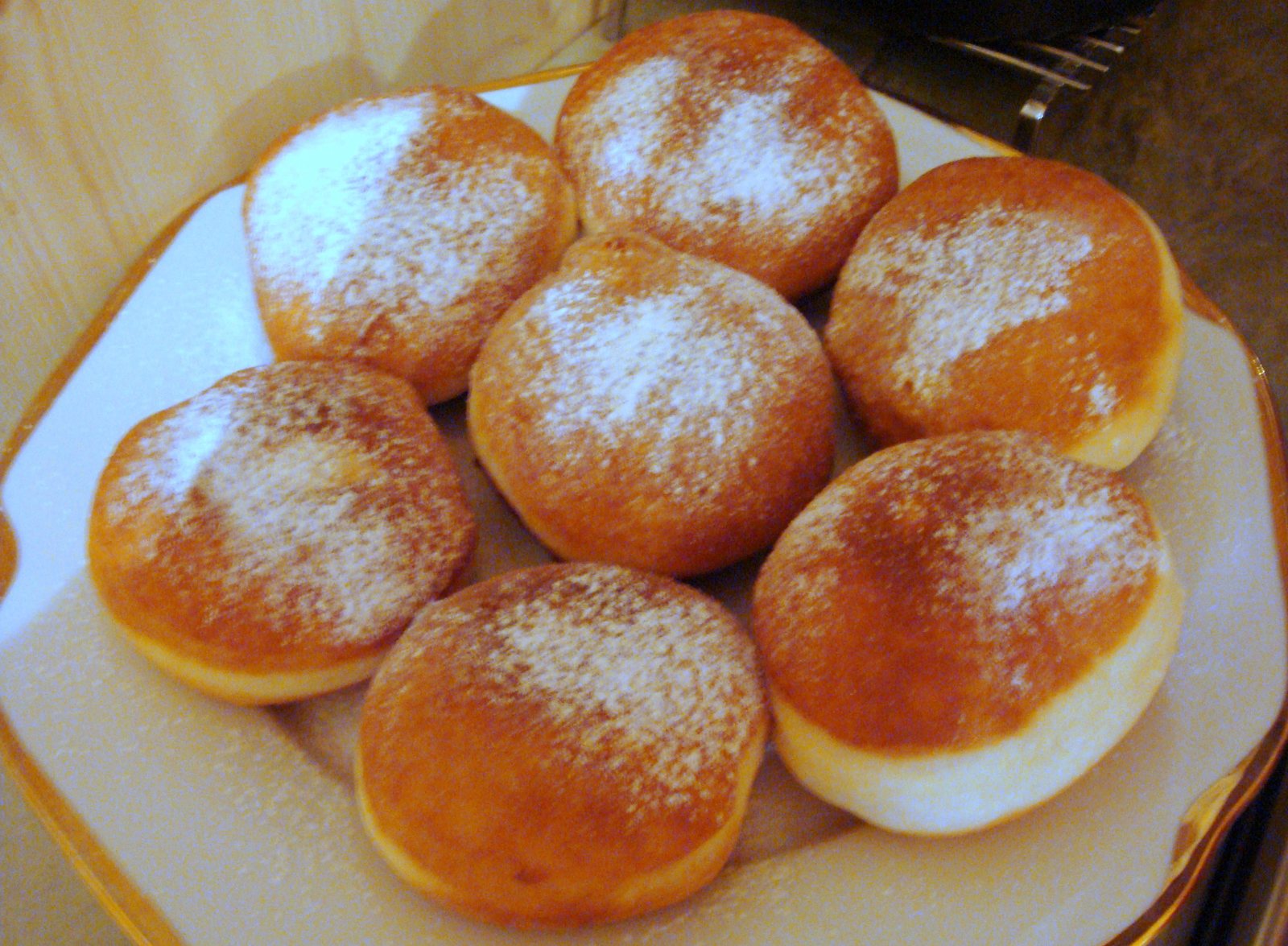
Pampukhy are round buns made from yeast dough, fried in oil until golden brown and sprinkled with powdered sugar. They are filled with jam, preserves, or berries; there are also pampukhy without filling. In the Carpathians and Galicia, this dish is associated with winter holidays.
Among the Boykos, pampukhy were a ritual dish: according to the book 'Boyko Cuisine', they, like kutya, were eaten twice a year. They varied in size and filling. One type was called 'utopelyky': the dough was first dipped in cold water and then fried in clay pampushnytsias, the hollows of which were greased with fragrant flax oil. Today, Boykos also fry pampukhy made from boiled potatoes and quick pampushky made from cheese.
In Bukovina, pampushky are part of the Holy Evening meal. Yevheniya Ipatiy, a hostess from the village of Berehomet in the Vyzhnytsia region, explains them as follows: kutya symbolizes prosperity, varenyky represent the moon, and round pampushky symbolize the sun. On Holy Evening, they are made without animal products.
In a Lemko family, whose memories are recorded on the 'Heritage' website, warm pampukhy with confiture were served by the mother at the end of Holy Evening — and the children looked forward to them the most.
History and name
The word 'pampukh', according to the etymological dictionary, is borrowed through Polish from German: Pfannkuchen — 'pancake, fritter'. Fried in oil or lard, these buns are known throughout Central Europe: Polish pączki, German Berliner, and in Jewish tradition — Hanukkah pampukhy.
In Lviv, pampukh has become a symbol of winter holidays: the city hosts an annual 'Pampukh Festival', attracting bakers from various corners of Ukraine.
Ingredients and allergens
Variant: yeast with jam (lemko style)
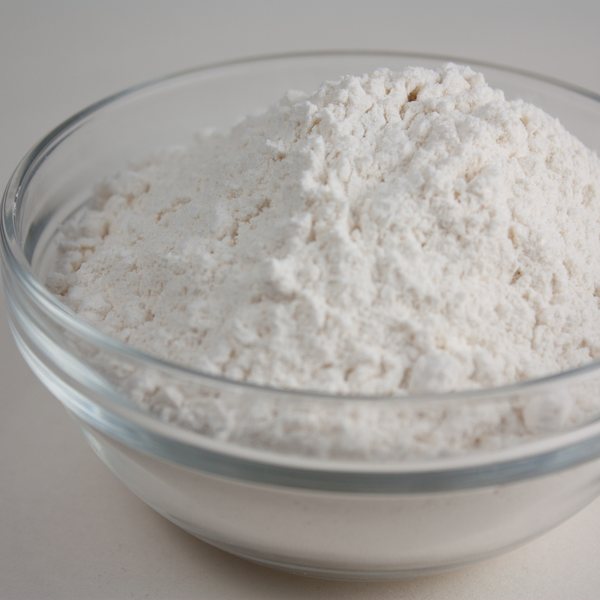
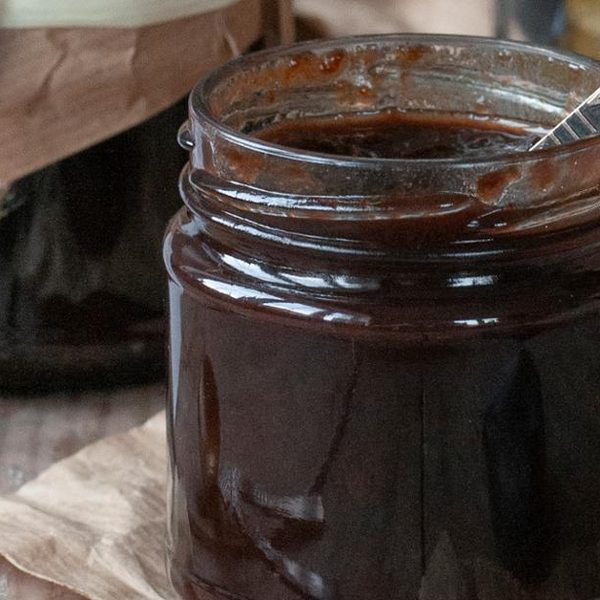
Also: spirit (vodka) (2 tbsp, optional), yeast (40 g), sugar (1 tbsp), salt (pinch), sunflower oil (for frying), powdered sugar (for dusting, to serve), cinnamon (0.5 tsp, optional)
Contains allergens: gluten, milk, eggs
Diet: vegetarian
Variant: boyko style, made from potato dough
wheat flour, potato, eggs, yeast, margarine, sugar, spirit (vodka), salt, jam or fruit butter, sunflower oil, powdered sugar
Contains allergens: gluten, eggs
Diet: vegetarian
Variant: quick, made from cheese
curd cheese (tvaroh), eggs, sugar, wheat flour, baking soda, vinegar, sunflower oil, powdered sugar
Contains allergens: gluten, milk, eggs
Diet: vegetarian
Ingredients of the traditional recipe; every cook and every place may do it differently — please ask when ordering. We cannot guarantee the absence of allergens or traces.
How it is traditionally made
- Wheat flour — 3 cups
- Yeast — 40 g
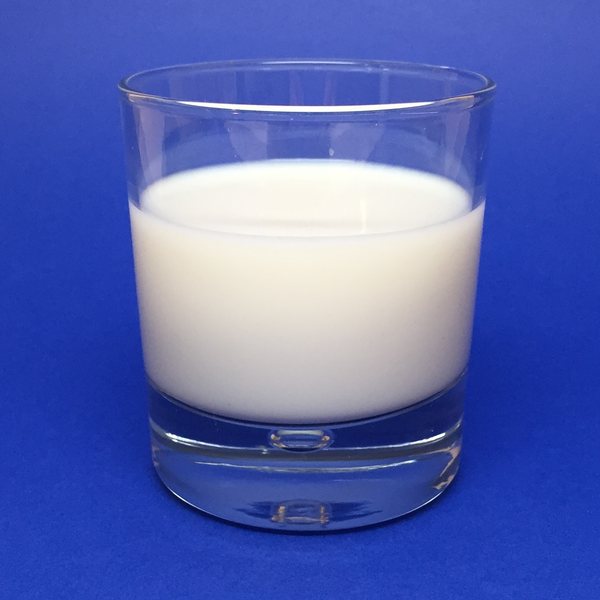
- Milk — 1 cup
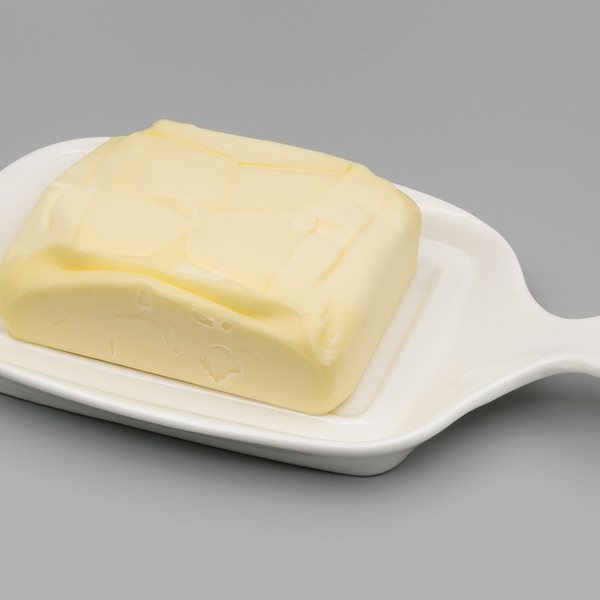
- Butter — 100 g
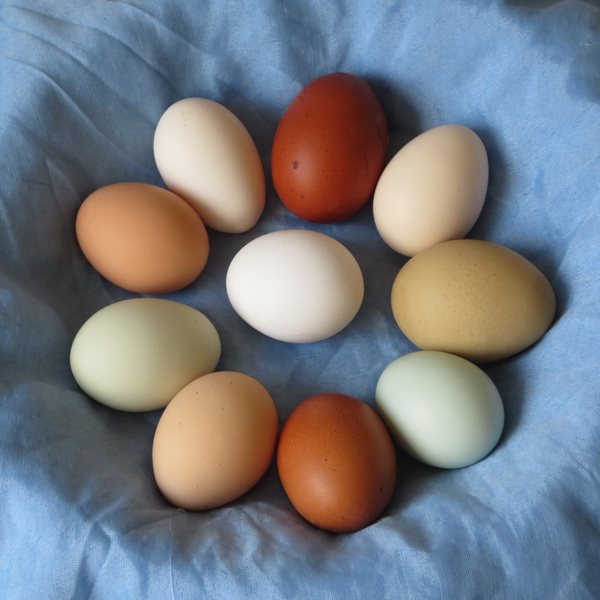
- Eggs — 4 yolks
- Sugar — 1 tbsp
- Salt — pinch
- Cinnamon — 0.5 tsp
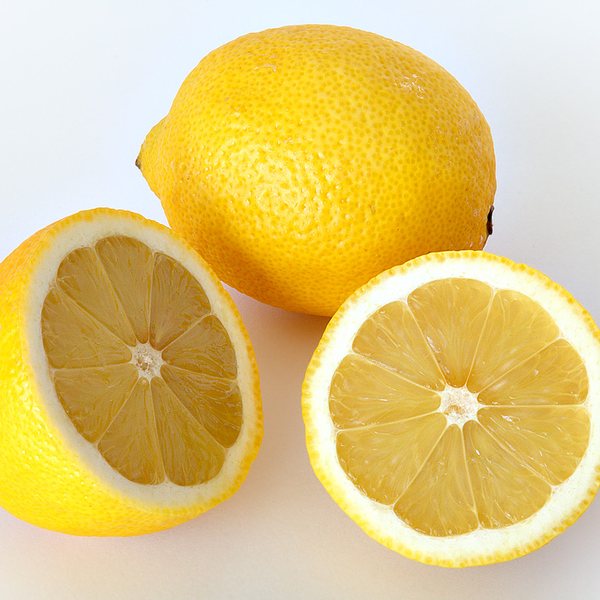
- Lemon (zest and juice) — 1 tbsp juice
- Spirit (vodka) — 2 tbsp
- Jam or fruit butter — for filling
- Sunflower oil — for frying
- Powdered sugar — for dusting
- Dissolve the yeast in a cup of warm milk, mix in 2 cups of flour, and place the dough in a warm place.
- When the dough rises, add melted butter, egg yolks mixed with sugar, a pinch of salt, another cup of flour; optionally — cinnamon, lemon juice, vanilla, and two tablespoons of strong alcohol. Knead and let it rest for an hour.
- Divide the dough in half and roll out two thick rounds. Place dollops of jam on the first, cover with the second.
- Cut out pampukhy with a glass so that the jam is inside. Cover and let rise.
- Fry in a wide pot in heated oil on both sides until golden brown; in the Lemko recipe, a shot of vodka is added to the oil.
- Place on paper to drain excess fat and sprinkle with powdered sugar.
How it is served
Warm, at the end of Holy Evening or on Christmas — with uzvar, tea, or milk.
Variants
Boykos prepare pampukhy with boiled potatoes, and quick pampushky made from cheese, eggs, and flour are fried without yeast. In Bukovina, Holy Evening pampushky are made without animal products: the dough is placed in warm water with sugar, flour, and yeast, cut into circles about 6 cm in diameter, and fried in oil.
The traditional method as described by our sources; every family does it its own way. We have not tested this recipe in a professional kitchen.
Where it is eaten

The area is approximate and based on the sources below. The dish is cooked outside it too, and ethnographic borders are blurred.
Boykivshchyna, Lemkivshchyna, Bukovina, and Galicia with Lviv; sweet pampukhy are fried throughout Ukraine, so their range is not limited to the mountains.
When it is eaten
| Jan | Feb | Mar | Apr | May | Jun | Jul | Aug | Sep | Oct | Nov | Dec |
|---|---|---|---|---|---|---|---|---|---|---|---|
Occasions: Christmas Eve · Christmas
In tradition
Pampukhy are a dish for Holy Evening and Christmas. In Bukovina, round pampushky on Holy Evening symbolize the sun; among the Boykos, they, like kutya, were eaten only twice a year; in the Lemko family we quote, they concluded Holy Evening. The traditions of Holy Evening in Ukraine have been included in the National Register of Intangible Cultural Heritage (No. 105, 106, and 107 of the ICH, 2025).
FAQ
How do pampukhy differ from pampushky served with borscht?
Pampushky served with borscht are unsweetened baked buns with garlic. Pampukhy are sweet, fried in oil, filled with jam or preserves, and dusted with powdered sugar; they are prepared on Holy Evening and Christmas.
Are pampukhy a fasting dish?
On Holy Evening, they are made without animal products: the dough is made with water and yeast, fried in oil. In richer recipes, milk, butter, and egg yolks are included.
What are 'utopelyky'?
This is what the Boykos called one type of pampukhy: the dough was first dipped in cold water and then fried in a clay pampushnytsia, the hollows of which were greased with flax oil.
Comments
Travellers’ experience: reports, tips, questions.
No one has written here yet. Be the first — your experience helps others.
Where to try and buy
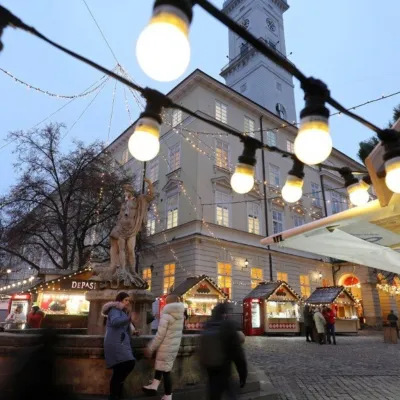
Craft places and restaurants whose menu or description mentions this dish. Menus change — please check availability.
Similar dishes and products

Relatives in the Carpathians and nearby
- pączki · Poland
a close tradition; in Poland, they are primarily eaten on 'Fat Thursday' - fánk · Hungary
a close tradition; Hungarian doughnuts for Shrove Tuesday
Sources
- «Бойківська кухня / Kuchnia Bojkowska» (Львів, 2020): книжка рецептів українсько-польського проєкту ГО «Асоціація гірських провідників “Ровінь”» (програма ЄС Польща–Білорусь–Україна)
- Шпальта: Кутя, риба та грибна підлива — рецепти страв до Святвечора від буковинських господинь (записи проєкту «Смаки Буковини», 06.01.2022)
- Spadok.org.ua: Лемківські страви з гарячої кухні (спогади з лемківської родини)
- Вікіпедія: Пампушка
- Горох: етимологія слова «пампух» (за «Етимологічним словником української мови»)
- Мінкульт: Національний перелік елементів НКС України (станом на 16.07.2025): 105н.к.с., 106н.к.с., 107н.к.с. (наказ від 24.04.2025 № 268)
Written by the Karpaty.rocks editors from the sources above. Checked 11.11.2026.
