Christmas Eve varenyky
What it is
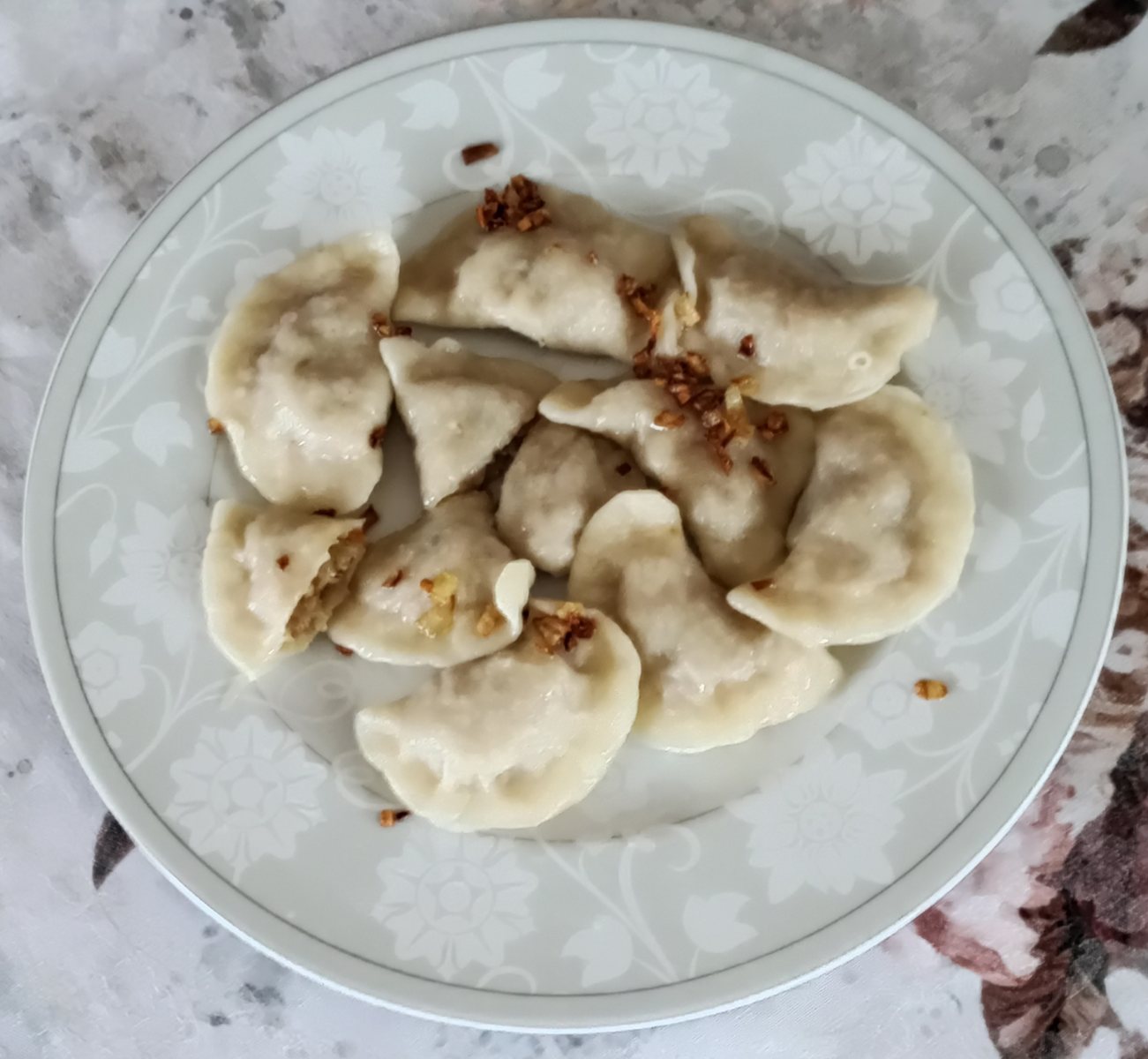
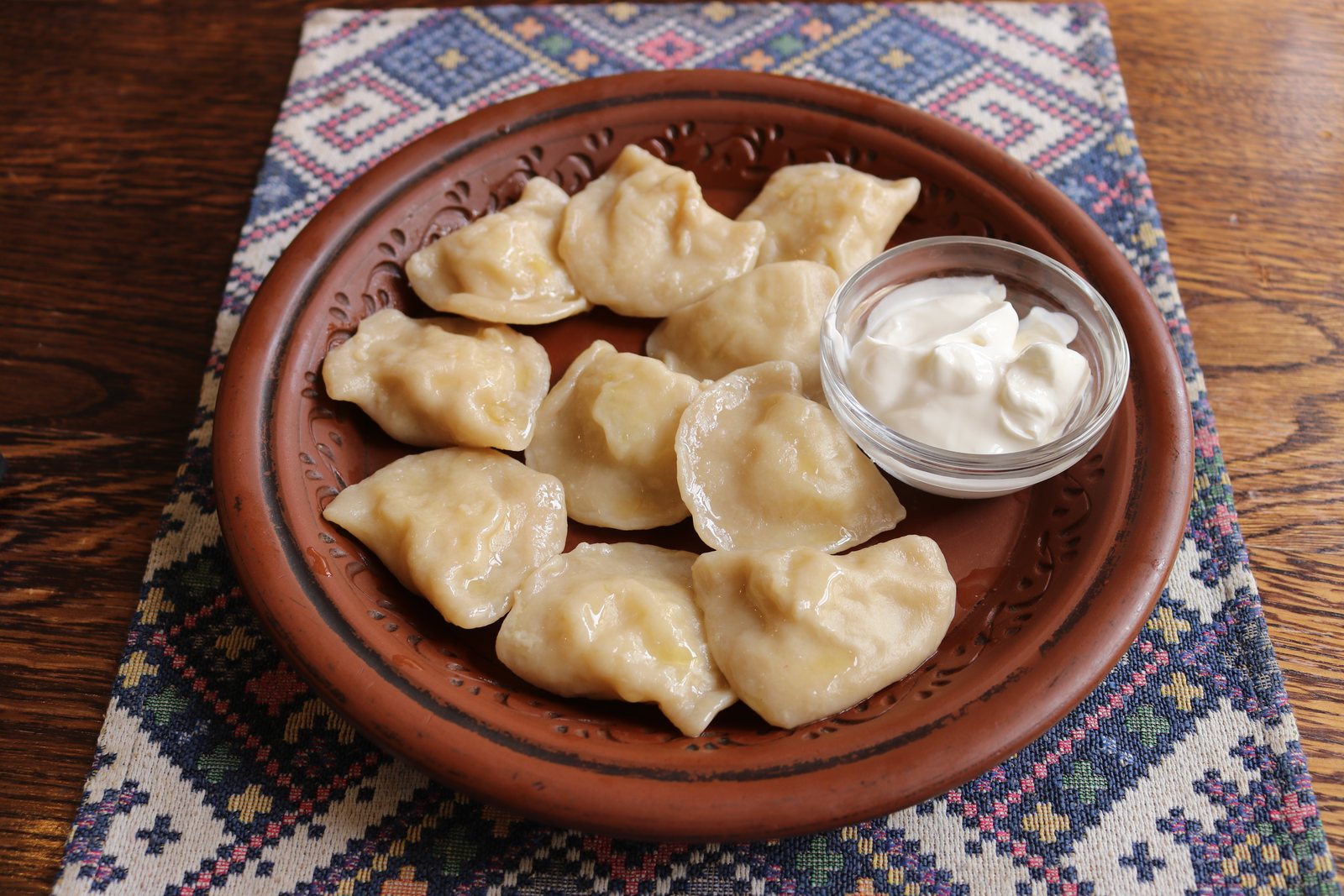
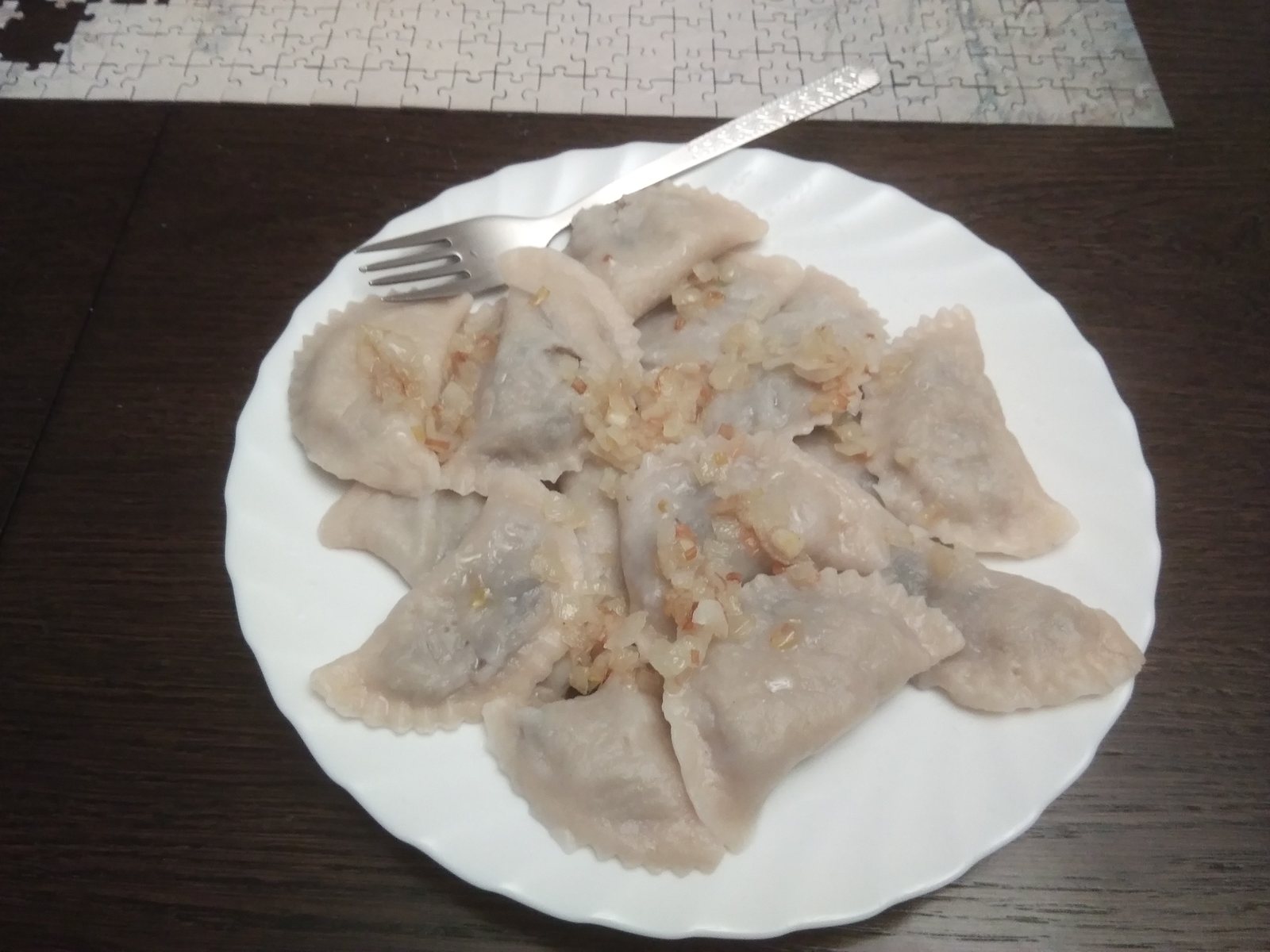
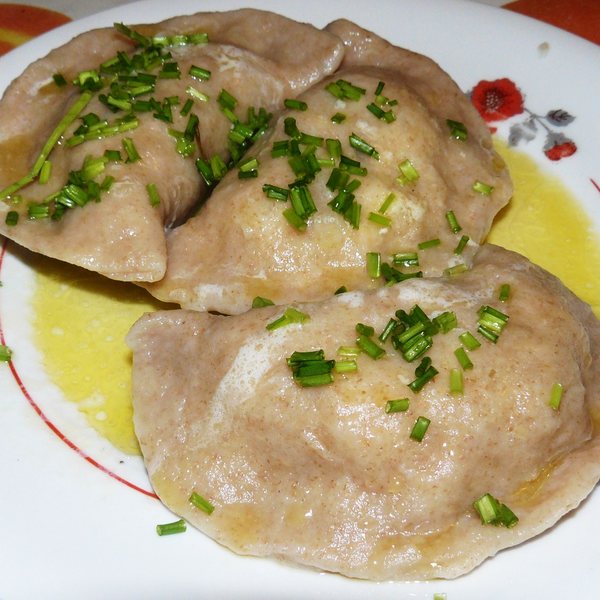
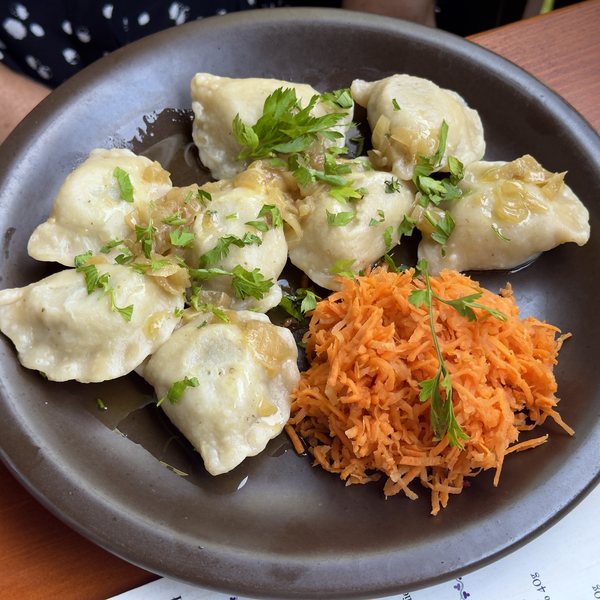
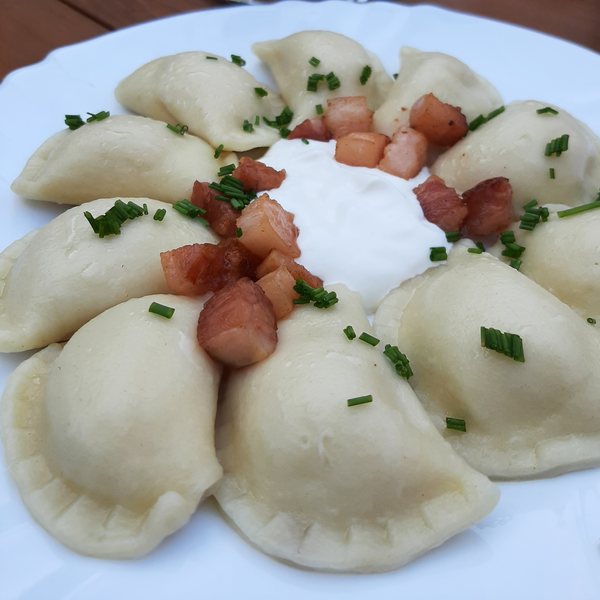
Varenyky are a must-have dish on the Christmas Eve table throughout the Carpathians, although in villages they are more often called pyrohy. On Christmas Eve, they are lenten: the dough is kneaded with water without eggs, the filling is sautéed in oil, and instead of sour cream, they are topped with fried onions.
The most common filling is boiled potatoes with onions or sauerkraut, sometimes with mushrooms. The Boyko cuisine considers pyrohy with cabbage or mushrooms to be the oldest precisely because they were made on Christmas Eve. In Bukovina, according to records, they also make varenyky with poppy seeds or boiled beans.
The sweet variant is pyrohy with plums: in winter with dried plums or jam. It is less common than potato and cabbage ones, and in some families, it is a tradition, while in others, it is not.
This page has been created as a general one for Christmas Eve. Regional pyrohy with their own recipes are listed separately: Boyko 'black' rye, Lemko with cabbage, and Bukovinian with potatoes and bryndza.
History and name
Ivan Franko, describing the Boyko Christmas Eve, referred to pyrohy as the second dish — after cabbage, before stuffed cabbage rolls and fish. In the Bukovinian folk calendar of Hryhorii Kupchanko (1875), pyrohy are also among the Christmas Eve dishes.
According to modern records from the newspaper 'Holos Ukrainy', in the Hutsul village of Dovhopillia, they make varenyky with poppy seeds on Christmas Eve, while in Zavoloka near Chernivtsi — with cabbage and potatoes. Lemkos in Viliia make pyrohy with sauerkraut.
Ingredients and allergens
Variant: lenten, with potatoes and onions
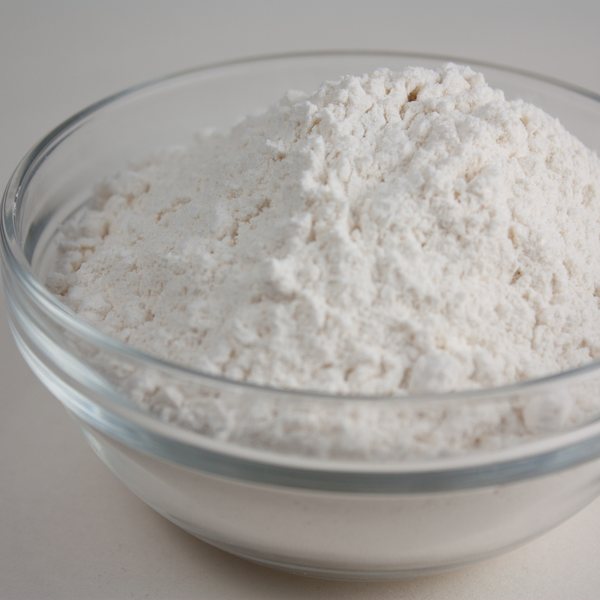
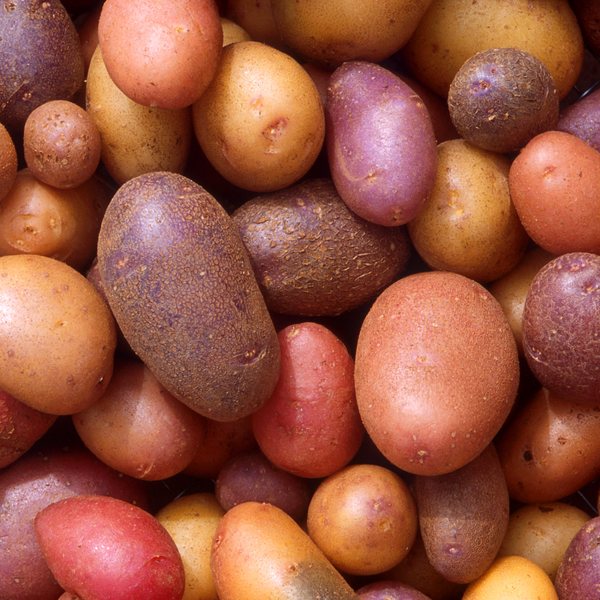
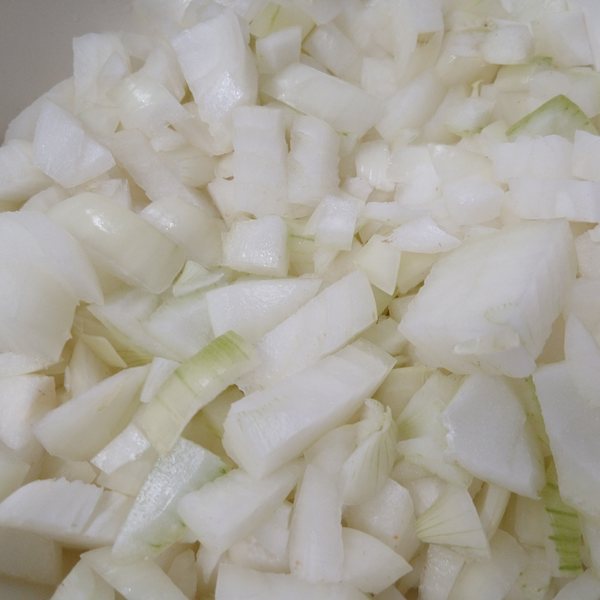
Also: water (about 250 ml), salt (a pinch), sunflower oil (4–5 tbsp.), black pepper (to taste, optional)
Contains allergens: gluten
Diet: lenten · vegan
Variant: lenten, with sauerkraut (and mushrooms)
wheat flour, water, salt, sauerkraut, onion, sunflower oil, dried porcini
Contains allergens: gluten
Diet: lenten · vegan
Variant: sweet, with plums (dried or jam)
wheat flour, water, salt, dried fruit, sugar, jam or fruit butter
Contains allergens: gluten
Diet: lenten · vegan
Ingredients of the traditional recipe; every cook and every place may do it differently — please ask when ordering. We cannot guarantee the absence of allergens or traces.
How it is traditionally made
Serves: 50–60 varenyky
- Wheat flour — 500 g
- Water — about 250 ml
- Salt — a pinch
- Potato — 1 kg
- Onion — 2–3 pcs.
- Sunflower oil — 4–5 tbsp.
- Black pepper — to taste
- Dough: mix flour with salt, gradually add warm water and knead a soft, non-sticky dough. Cover and let it rest for 20–30 minutes. On Christmas Eve, the dough is kneaded without eggs and milk.
- Potato filling: mash boiled potatoes, add half of the onion sautéed in oil until golden, season with salt and pepper.
- Cabbage filling: rinse sauerkraut, if it is too sour, boil for 10–15 minutes, drain, chop, and sauté with onions in oil until dry. You can add boiled and chopped dried mushrooms.
- Plum filling: soak dried plums, boil until soft, remove the pits and chop; sweeten if desired. Alternatively, use thick plum jam.
- Roll out the dough thinly, cut out circles, place the filling, and pinch the edges well.
- Boil in small batches in salted boiling water for 3–4 minutes after the varenyky float to the surface. Lenten ones are topped with oil and fried onions; sweet ones are served plain or with slightly sweetened water from the plums.
How it is served
Hot, with fried onions in oil; on Christmas Eve — without sour cream and butter. Sweet ones — at the end of the meal, before kutia or together with uzvar.
Variants
In Bukovina, varenyky are also made with poppy seeds, boiled beans, or peas; in Boyko, the dough is often rye. Regional recipes are on the pages of Boyko, Lemko, and Bukovinian pyrohy.
The traditional method as described by our sources; every family does it its own way. We have not tested this recipe in a professional kitchen.
Where it is eaten

The area is approximate and based on the sources below. The dish is cooked outside it too, and ethnographic borders are blurred.
Boykivshchyna, Hutsulshchyna, Lemkivshchyna, and Bukovina; lenten varenyky on Christmas Eve are made throughout Ukraine, the area is not limited to the mountains. The villages on the map are places of records.
When it is eaten
| Jan | Feb | Mar | Apr | May | Jun | Jul | Aug | Sep | Oct | Nov | Dec |
|---|---|---|---|---|---|---|---|---|---|---|---|
Occasions: Christmas Eve · Lent
In tradition
Lenten varenyky are one of the twelve dishes of the Holy Evening throughout the Carpathians; which fillings are used is decided by each family. The traditions of Christmas Eve and Christmas in Ukraine have been included in the National Register of Intangible Cultural Heritage (No. 105 and 106 of the ICH), with a separate element — the Tradition of Christmas Eve in Bukovina (No. 107 of the ICH; order of the Ministry of Culture dated 24.04.2025 No. 268).
FAQ
How do Christmas Eve varenyky differ from regular ones?
They are lenten: the dough is made with water without eggs, the filling is potatoes, sauerkraut, mushrooms, poppy seeds, or plums, and the dressing is oil with fried onions instead of sour cream and butter.
Pyrohy or varenyky?
They are the same dish. In western Ukraine, in the Carpathians and Bukovina, varenyky have long been called pyrohy.
Are varenyky with plums boiled on Christmas Eve?
In some places, yes: in winter with dried plums or jam. This is a rarer, sweet variant; more often, potato and cabbage ones are on the table.
Comments
Travellers’ experience: reports, tips, questions.
No one has written here yet. Be the first — your experience helps others.
Similar dishes and products
Sources
- ZAXID.NET: Різдво у Франків — як святкувала родина письменника (І. Франко про бойківську Святу вечерю: «капуста, пироги, голубці, риба (коли є), сушені яблука або сливки, кутя»)
- Голос України: Святвечір на Буковині (народний календар Г. Купчанка 1875 року; Довгопілля, Заволока)
- «Бойківська кухня / Kuchnia Bojkowska» (Львів, 2020): книжка рецептів українсько-польського проєкту ГО «Асоціація гірських провідників “Ровінь”» (програма ЄС Польща–Білорусь–Україна)
- Радіо Свобода: як святкують Вилію лемки (Івано-Франківськ, 2012)
- ZAXID.NET: Які 12 страв готують на Святвечір — перелік та їхнє значення
- Мінкульт: Національний перелік елементів НКС України (станом на 16.07.2025): 105н.к.с., 106н.к.с., 107н.к.с. (наказ від 24.04.2025 № 268)
Written by the Karpaty.rocks editors from the sources above. Checked 12.11.2026.
