Boyko pyrohy
What it is
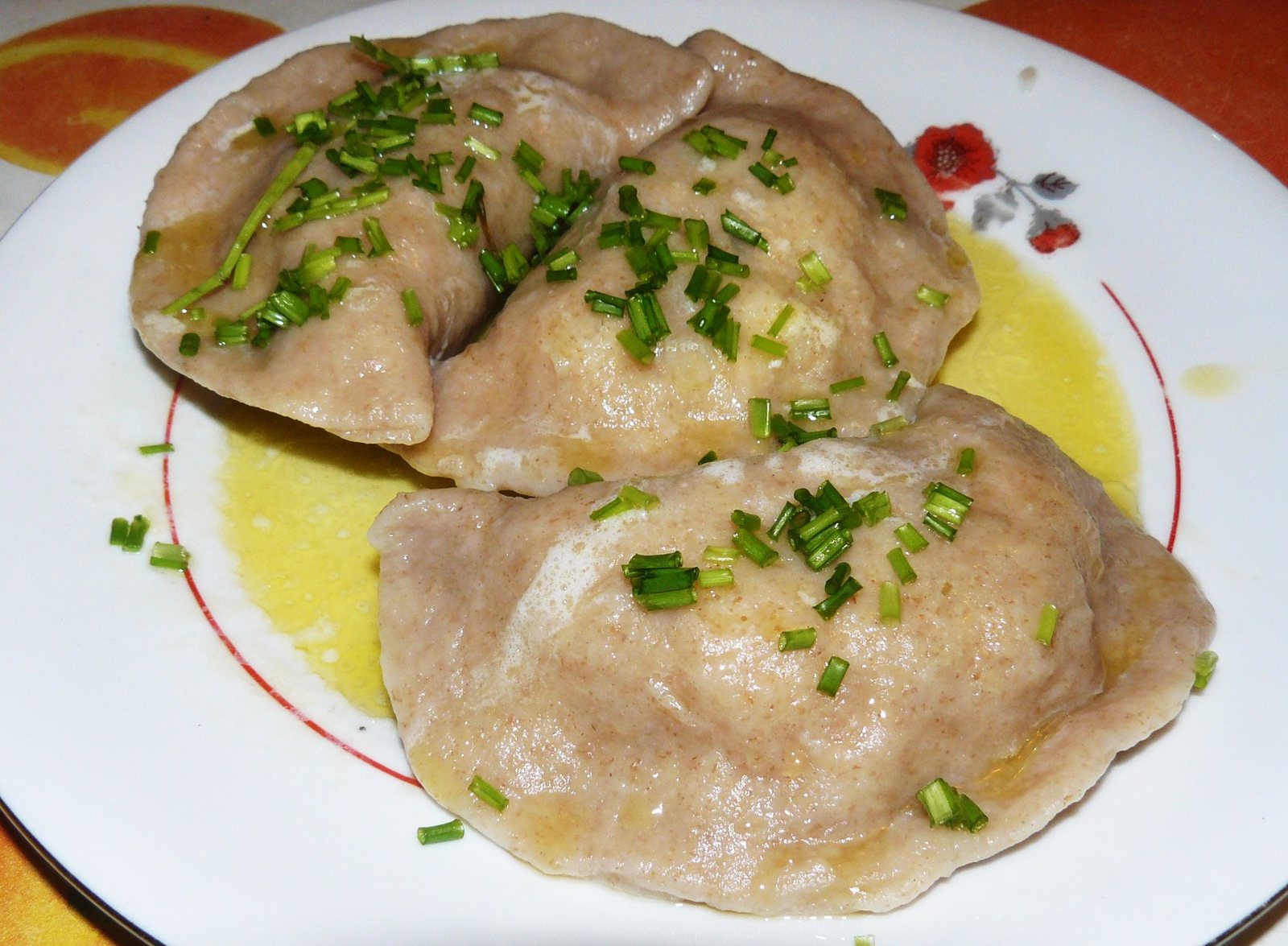
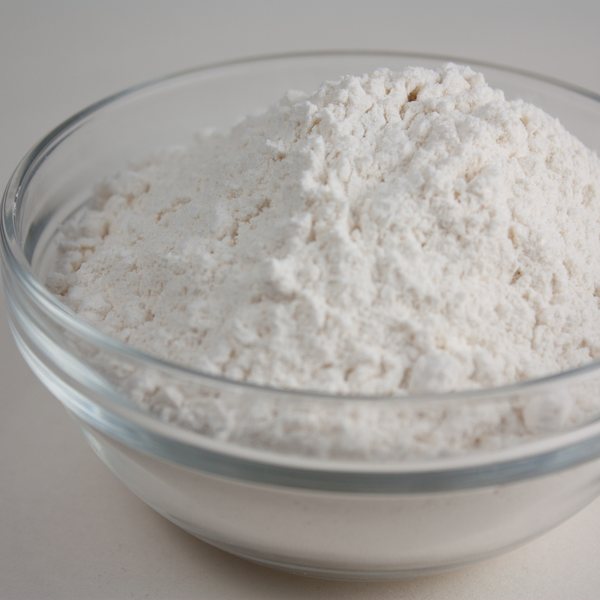
As in all of western Ukraine, in Boyko culture, varenyky are called pyrohy. The distinctive feature of Boyko pyrohy is the dough: it has traditionally been kneaded mainly from rye flour, which gives the pyrohy a dark, 'black' color with a slight sourness. Rye dough is sticky and does not stretch, so it is not rolled out thinly, and the pyrohy are shaped a bit larger, adding a handful of wheat flour.
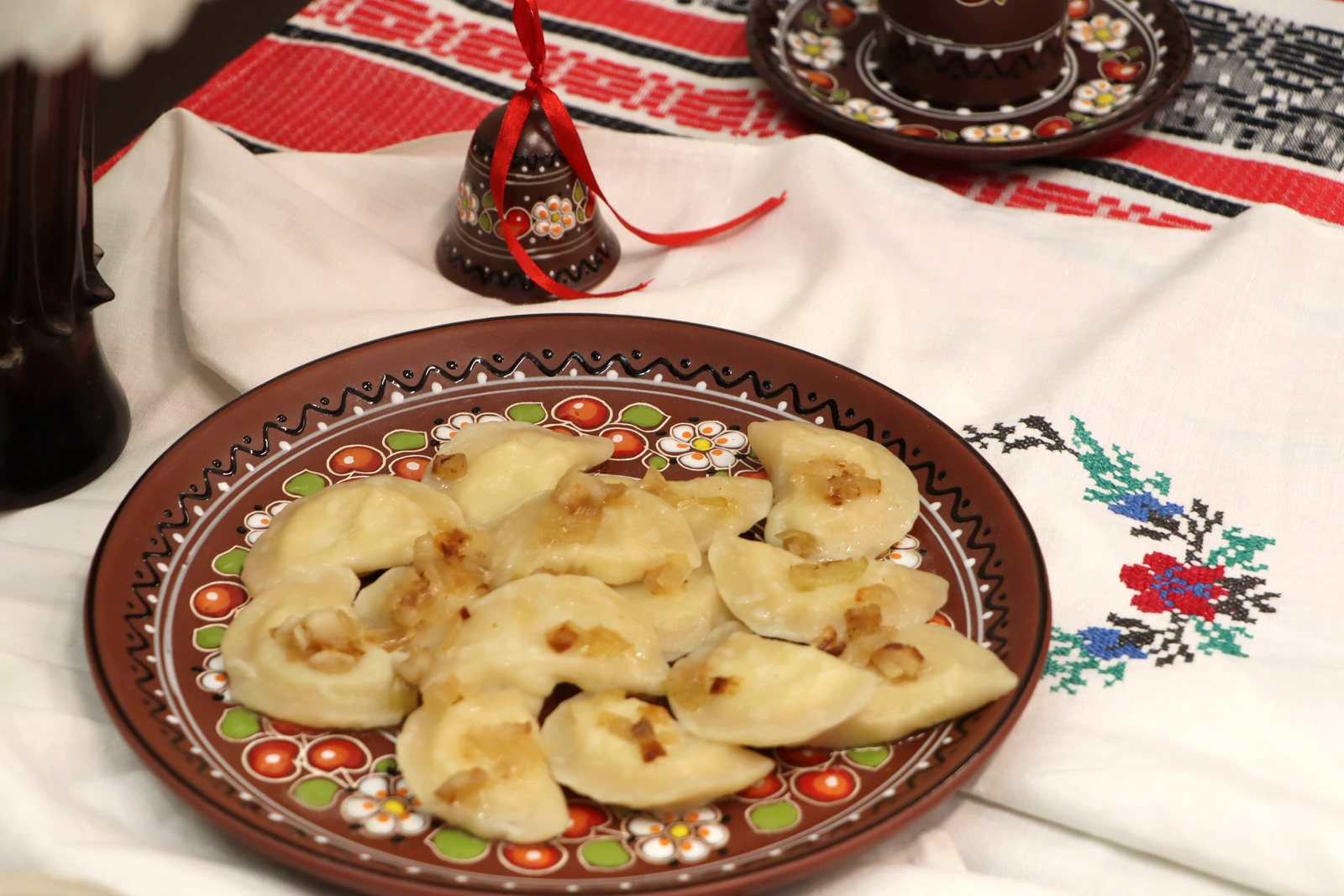
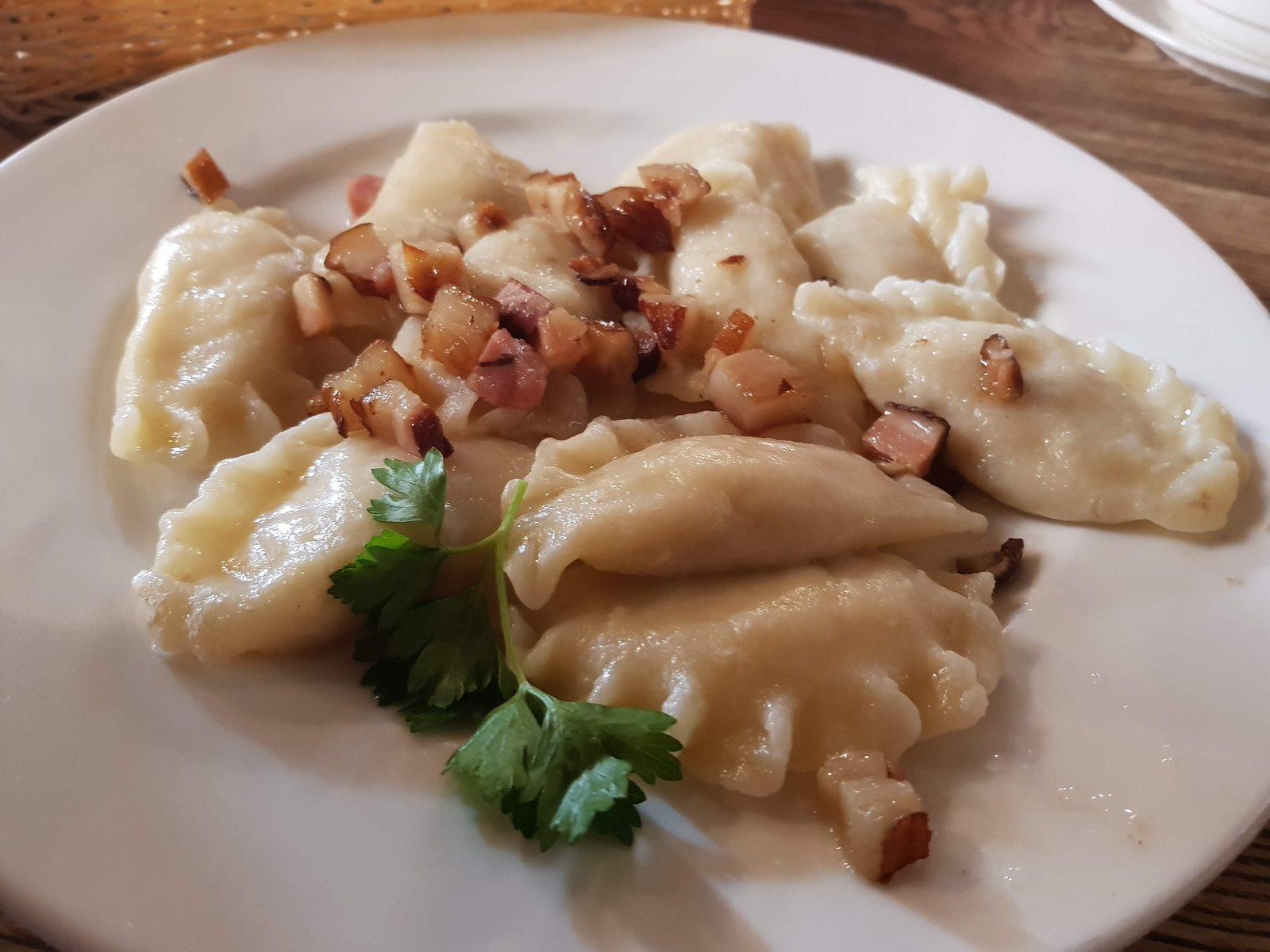
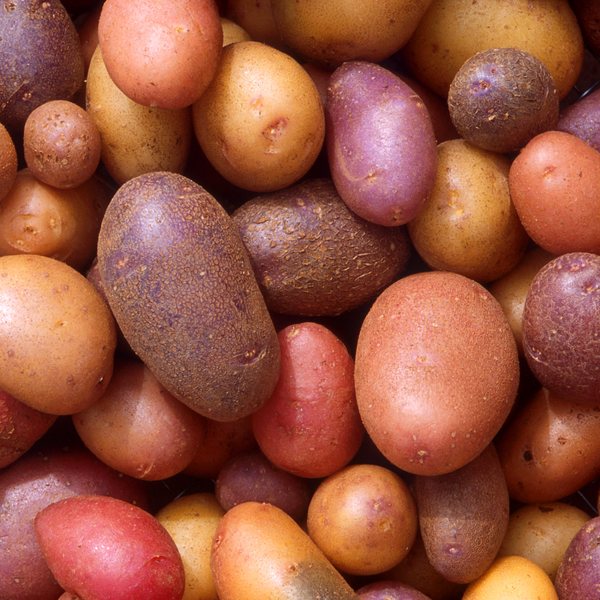
The fillings are made from what the household provides: mashed potatoes with fried onions, bryndza or cheese with potatoes, sauerkraut, mushrooms, peas, buckwheat, and in summer — blueberries, cherries, or plums. Boiled pyrohy were smeared with lard, oil, or less often butter, and dipped in sour cream or a sauce: each type of pyrohy had its own.
The oldest are considered to be pyrohy with cabbage and mushrooms — they were shaped on Holy Evening. Pyrohy were a festive dish and a sign of respect for guests.
Boykos also baked pyrohy: large round ones filled with potatoes, which were placed in the oven and eaten with borscht.
History and name
Ethnographer Petro Lehoida describes Boyko pyrohy as varenyky with sauerkraut, mashed potatoes, bryndza, cheese, and potatoes, and in summer — with blueberries; they were smeared with lard or oil. From the varenyky dough, in mountain villages, they also made palenyky and homemade noodles.
The recipe for 'black' rye pyrohy was recorded from the Savchuk family from the village of Lastivka in the Turka region for the book 'Boyko Cuisine' (2020). 'Black' varenyky were also prepared by local families during master classes on Boyko cuisine in the village of Dovhe-Hirske.
Legend: Pyrohy are shaped like a crescent because they symbolize the new moon.
In fact: This interpretation is cited by popular publications as a version from certain researchers. Recorded folk explanations for the shape of pyrohy among the Boykos are not provided by sources.
Ingredients and allergens
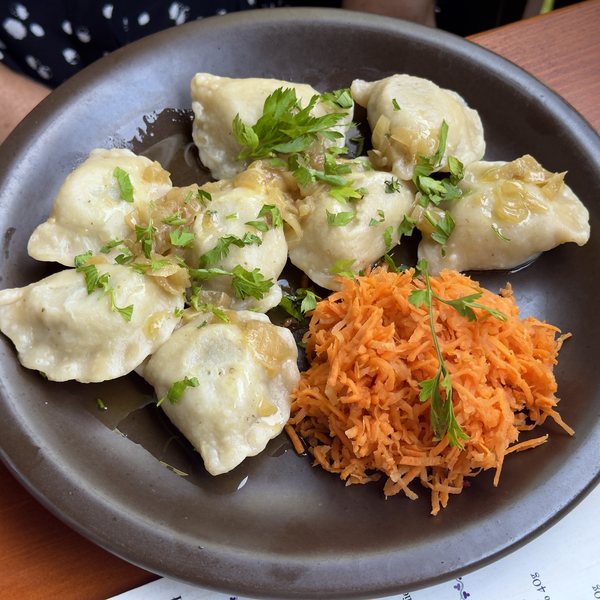
Variant: black, with potatoes and onions
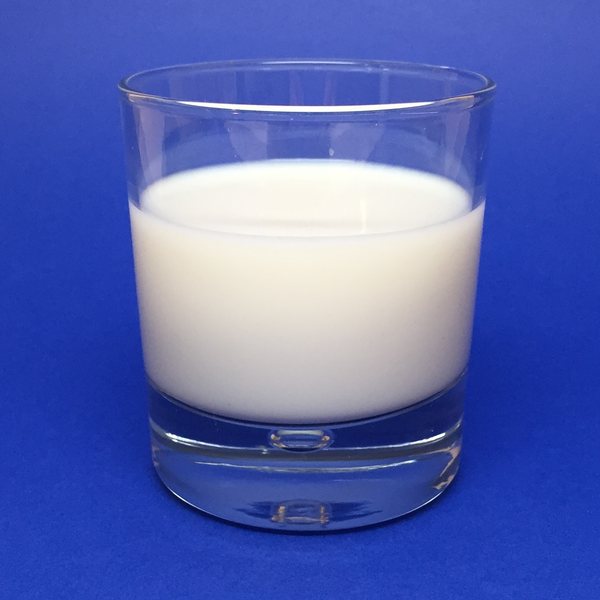
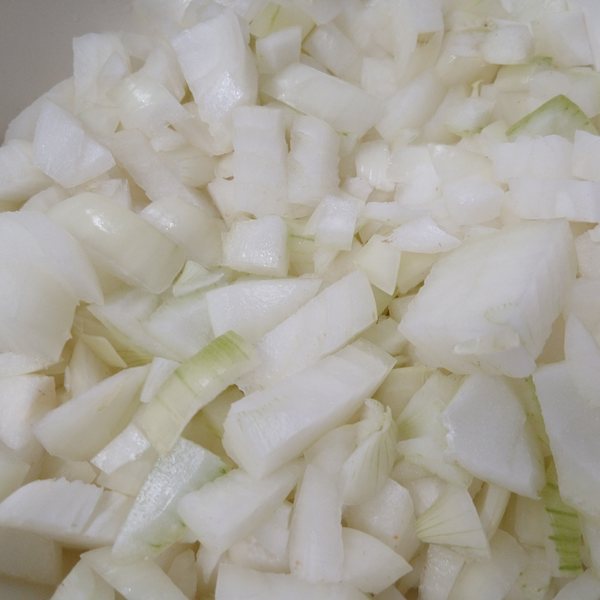
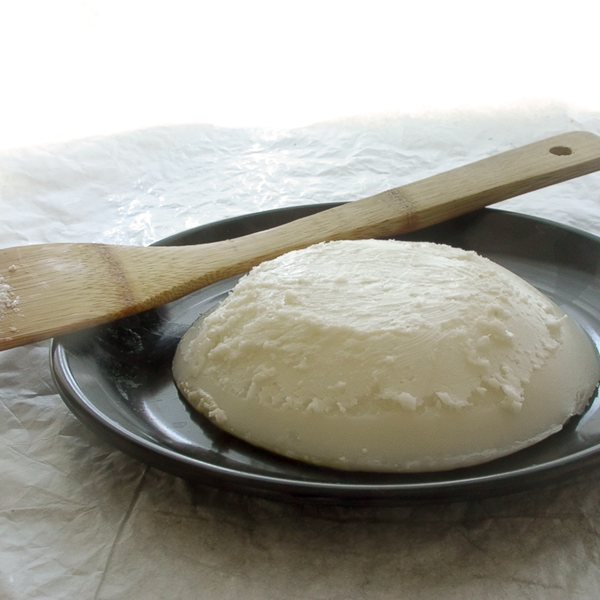
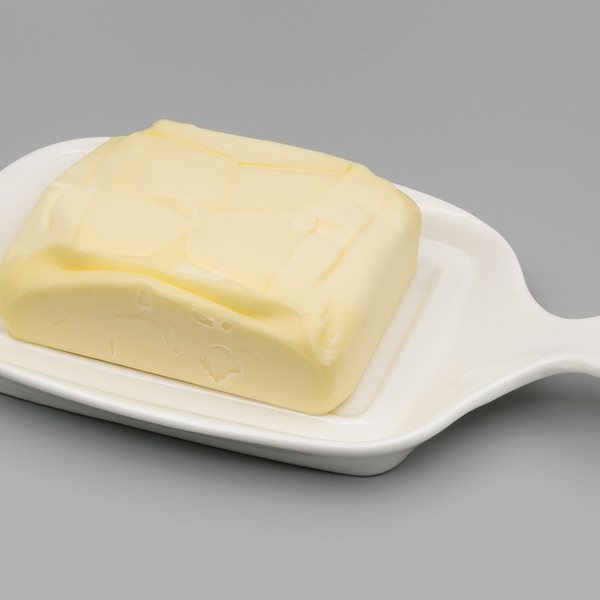
Also: salt (to taste)
Contains allergens: gluten, milk, eggs
Variant: with potatoes and bryndza
rye flour, eggs, water, potato, bryndza (sheep cheese), onion, pork cracklings, salt
Contains allergens: gluten, milk, eggs
Variant: fasting, with sauerkraut (on holy evening)
rye flour, water, sauerkraut, onion, sunflower oil, dried porcini, salt
Contains allergens: gluten
Diet: lenten · vegan
Ingredients of the traditional recipe; every cook and every place may do it differently — please ask when ordering. We cannot guarantee the absence of allergens or traces.
How it is traditionally made
Serves: 6–8 servings
- Rye flour — 1 kg
- Wheat flour — 1 cup
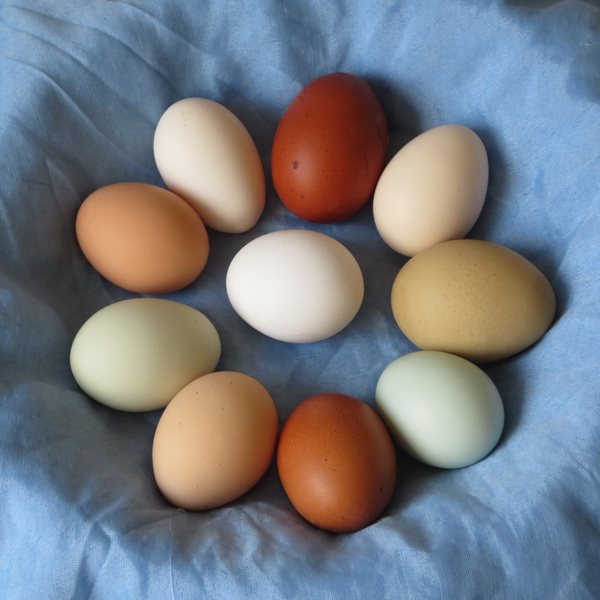
- Eggs — 2 pcs.
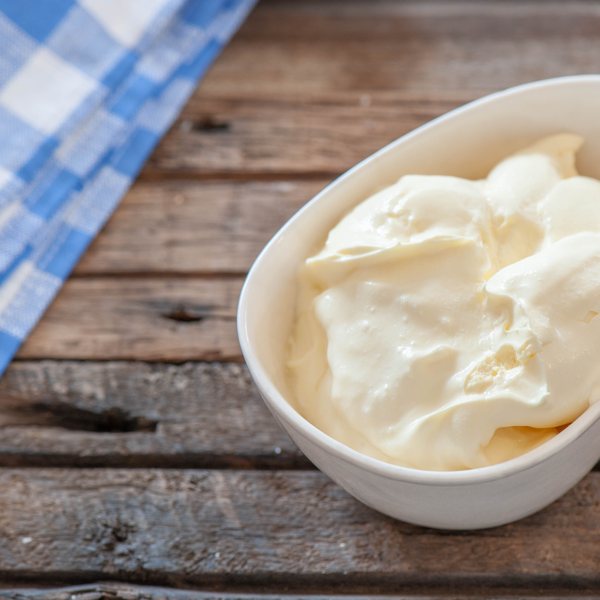
- Sour cream — 1 cup
- Milk — 1 cup
- Potato — 1.5–2 kg
- Onion — 2–3 pcs.
- Lard — 2–3 tbsp for sauté
- Butter — to taste
- Salt — to taste
- Filling: mash the boiled potatoes, add onions fried in lard or oil, and salt. For the bryndza filling, mix in crushed bryndza. For the cabbage filling, boil the sauerkraut, squeeze it out, chop it, and fry it with onions.
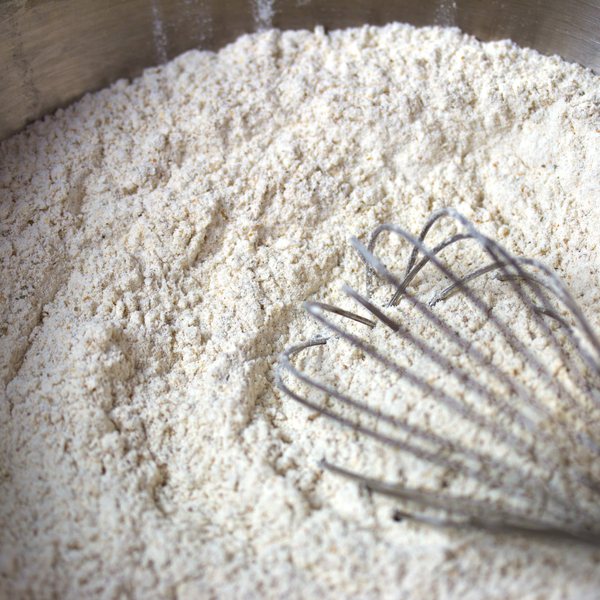
- Dough: mix rye flour with a handful or two of wheat flour, salt, eggs, sour cream, and milk (during fasting — only with water), knead and let it rest under a towel.
- Roll out the dough not too thinly and cut out circles, slightly larger than those for regular varenyky.
- Place the filling and pinch the edges well.
- Boil in salted water for 3–4 minutes after the pyrohy float to the surface, and carefully remove them.
- Smeared with lard, cracklings, onion sauté, or butter.
How it is served
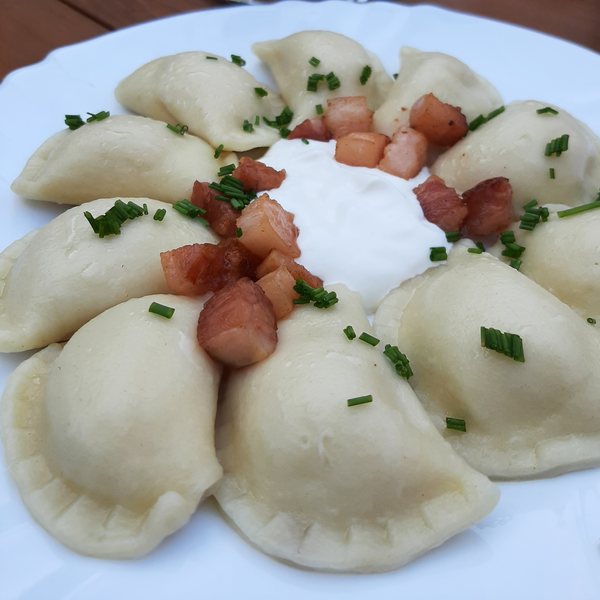
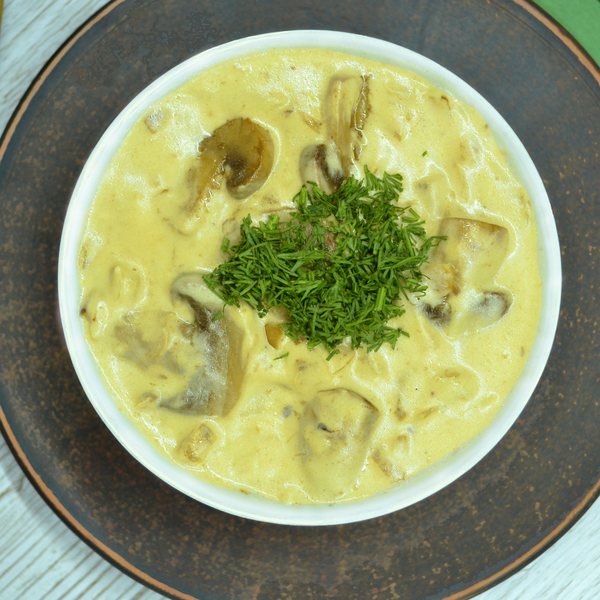
Hot, with sour cream, cracklings, or sauté; fasting — with oil and fried onions or mushroom sauce.
Variants
Rye dough gives 'black' pyrohy a sour taste; today, Boyko pyrohy are more often shaped from wheat dough. Terczany pyrohy are made not from dough, but from grated potatoes with a filling of cheese or bryndza.
The traditional method as described by our sources; every family does it its own way. We have not tested this recipe in a professional kitchen.
Video
 Дивовижні БУЛЬБЯНІ ПИРОГИ без борошна в бойківському селі від Оксани Клебан. Страва на ПокровуНАШІ БЕСАГИ - їжа та рецепти
Where it is eaten

The area is approximate and based on the sources below. The dish is cooked outside it too, and ethnographic borders are blurred.
Boykivshchyna: mountain communities of the Sambir (Turka region), Drohobych, and Stryi districts of Lviv region and the Kalush district of Ivano-Frankivsk region. The area is approximate; pyrohy with potatoes and cabbage are known throughout the Carpathians.
When it is eaten
| Jan | Feb | Mar | Apr | May | Jun | Jul | Aug | Sep | Oct | Nov | Dec |
|---|---|---|---|---|---|---|---|---|---|---|---|
Occasions: Everyday food · Christmas Eve · Lent
In tradition
Pyrohy were shaped for holidays and for guests. On Holy Evening — fasting ones, with cabbage, mushrooms, or potatoes, served with mushroom sauce; each type of pyrohy had its own sauce.
FAQ
Why do Boykos call varenyky pyrohy?
This is how they say it throughout western Ukraine: 'pyrohy' are boiled products made from dough with filling, that is, varenyky.
What are black Boyko pyrohy?
Varenyky made from rye dough with a small addition of wheat flour. They are darker, with a sour taste; most often — with potatoes and fried onions.
What are Boyko pyrohy served with?
With sour cream, cracklings, onion sauté, or butter; fasting — with oil, fried onions, or mushroom sauce.
Similar dishes and products
Relatives in the Carpathians and nearby
- pierogi ruskie · Poland
a similar tradition: varenyky with potatoes and cheese - bryndzové pirohy · Slovakia
a similar tradition: pyrohy with bryndza
Sources
- «Бойківська кухня / Kuchnia Bojkowska» (Львів, 2020): книжка рецептів українсько-польського проєкту ГО «Асоціація гірських провідників “Ровінь”» (програма ЄС Польща–Білорусь–Україна)
- П. Легойда. Реґіональні кухні українських Карпат // журнал «Ї», ч. 73 «Галицька кухня» (2013)
- Еспресо.Захід / Суспільне: Книші, бульбаники та «чорні» вареники — у селі Довге-Гірське вчили готувати бойківські страви (11.10.2020)
- М. Бомба. Багатство і традиції національної кухні українців // Вісник Львівського університету. Серія географічна, 2025, вип. 58
Written by the Karpaty.rocks editors from the sources above. Checked 10.11.2026.
