Carpathian herbal teas
What it is
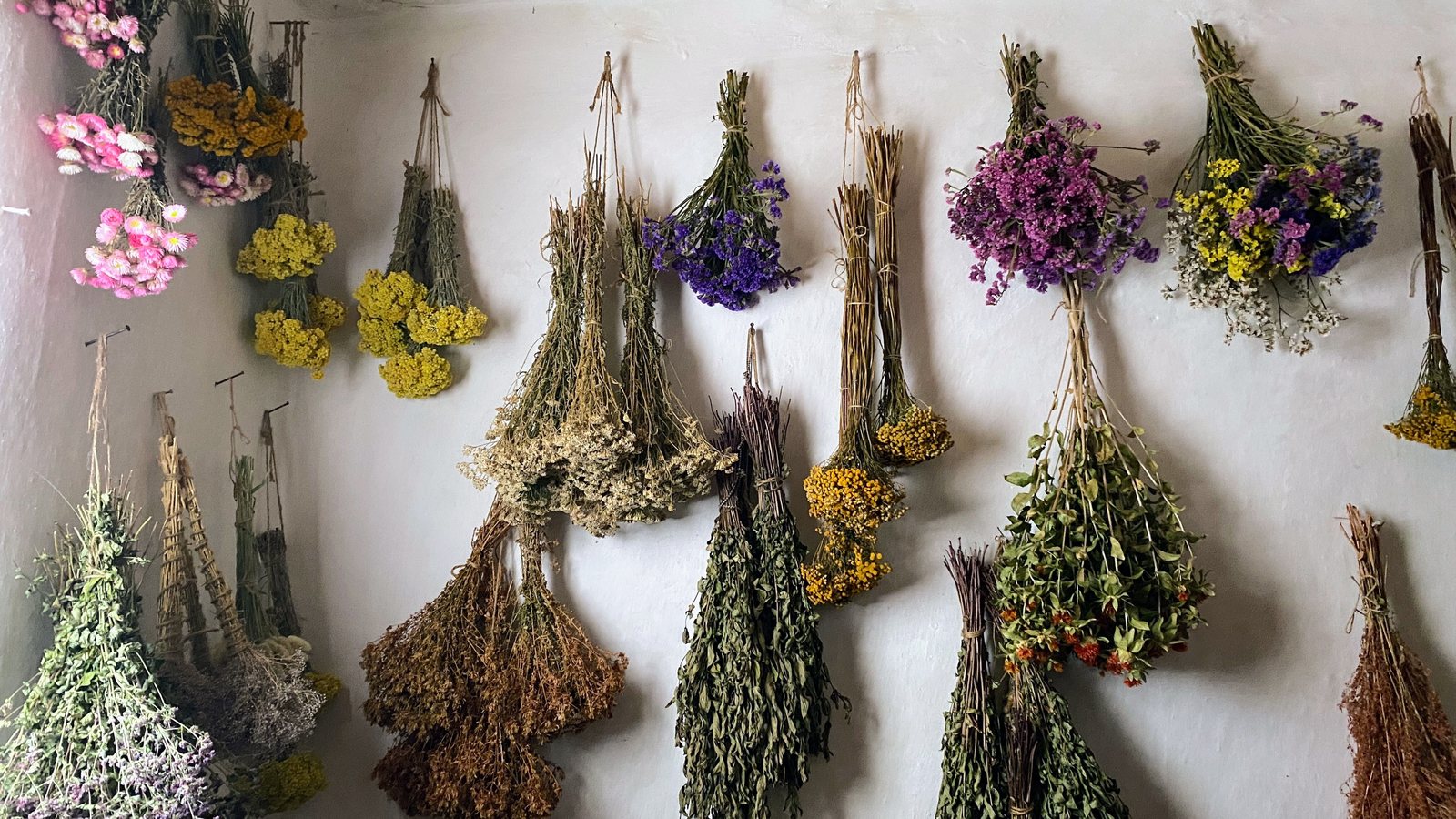
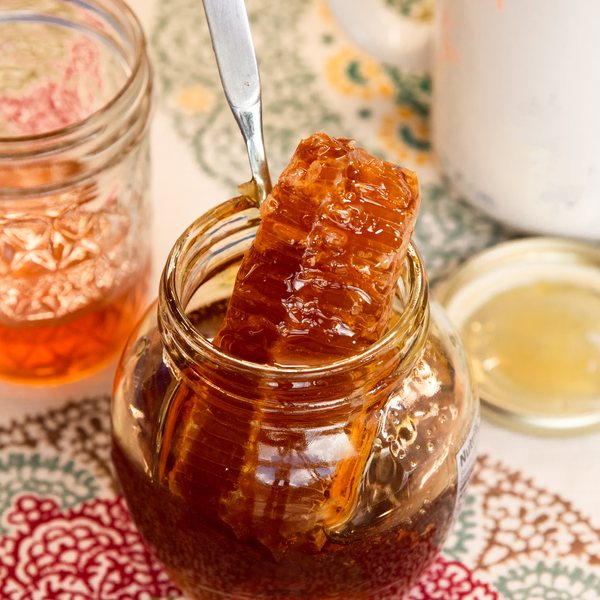
Herbal tea in the Carpathian villages is a common daily drink. In summer, during dry weather, housewives collect the flowering tops of herbs, leaves of berry bushes, and tree blossoms, drying them in the shade in the attic, and in winter, they brew them separately or as a mixture, often with honey.
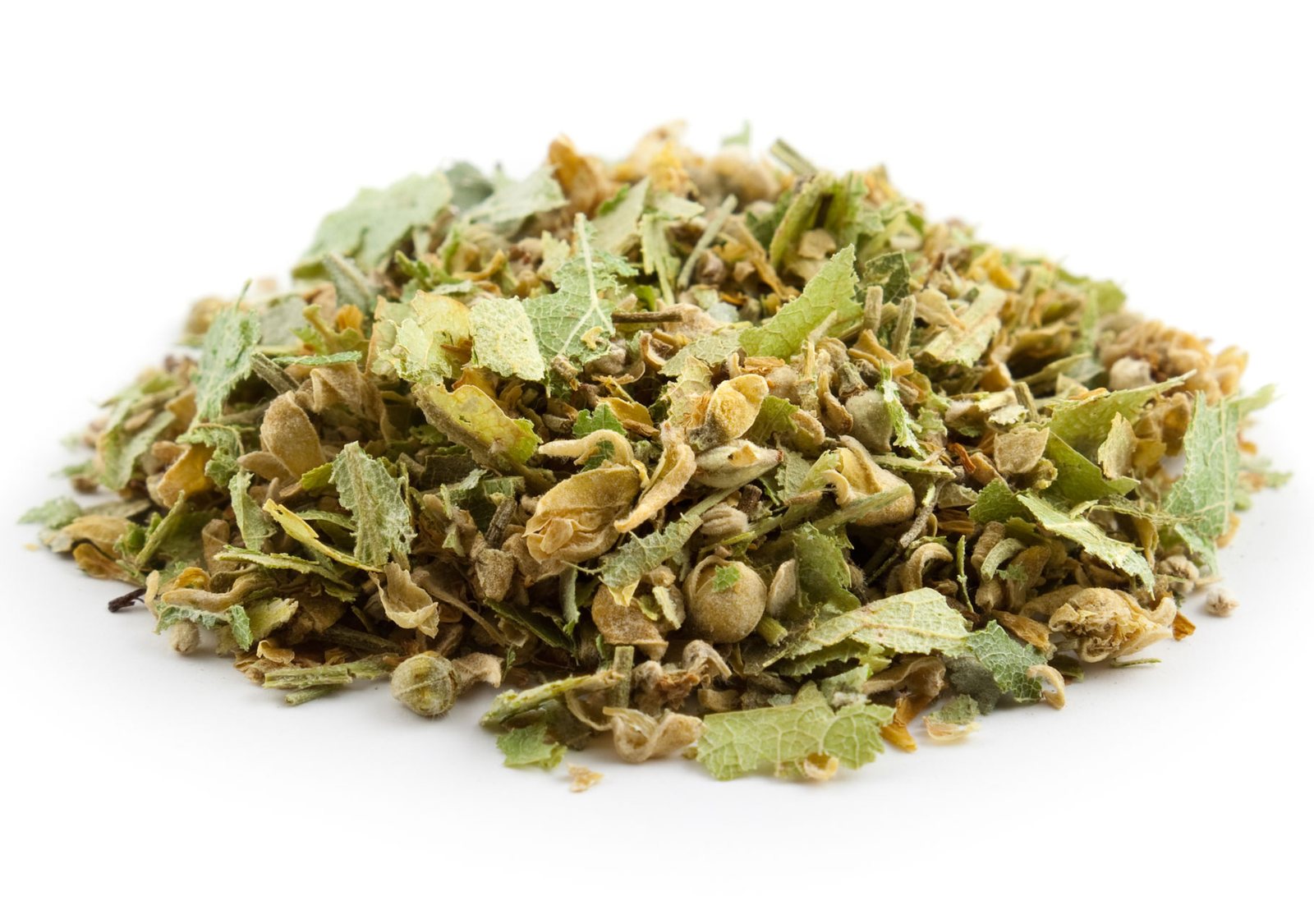
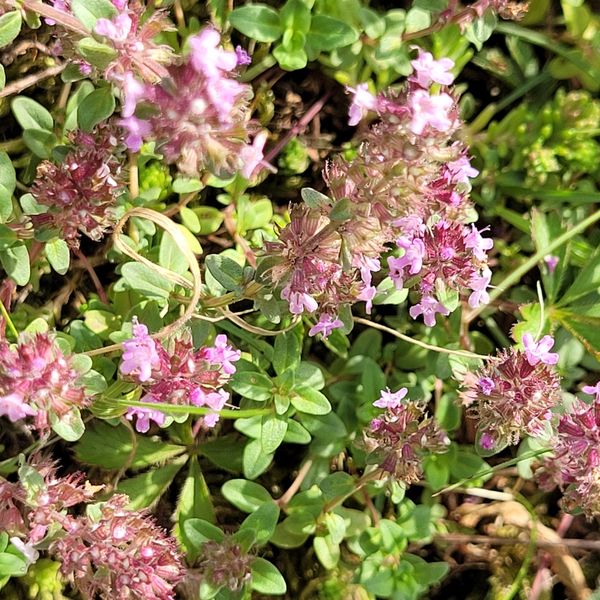
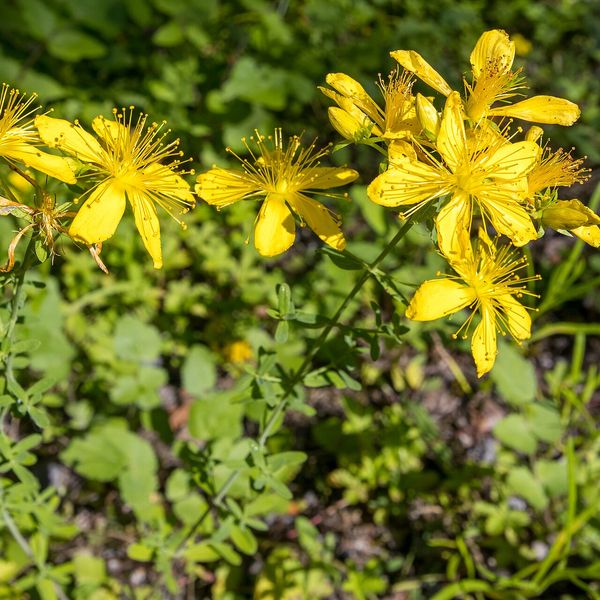
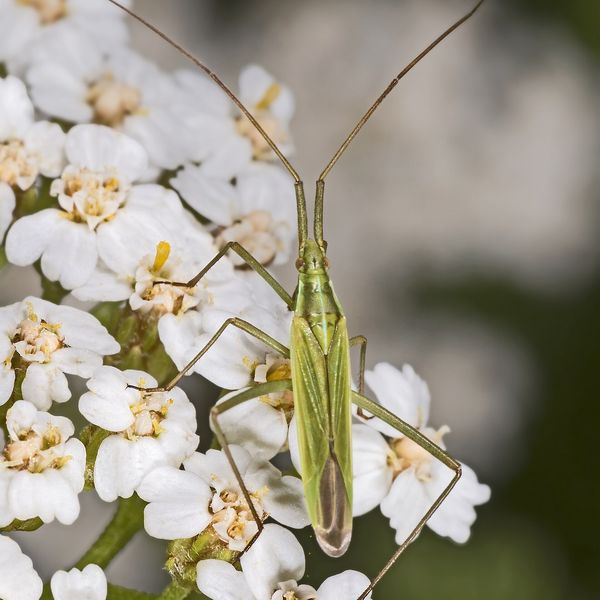
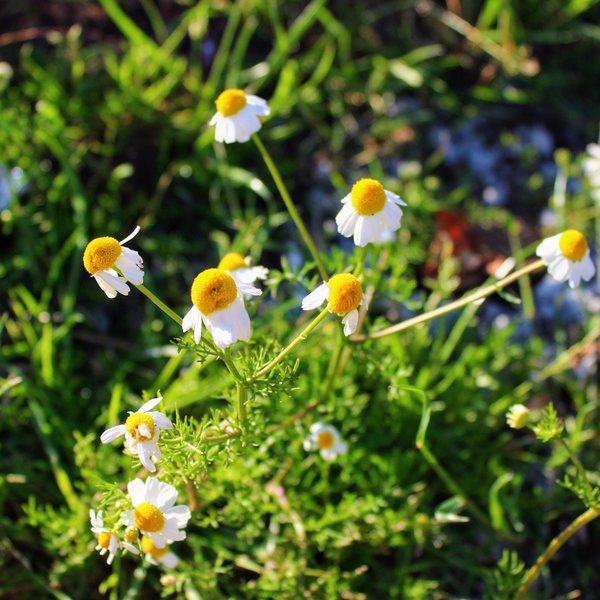
Traditionally, thyme, motherwort, St. John's wort, mint, yarrow, and chamomile, linden blossom, and elderflowers, as well as leaves of blueberries (bilberries), raspberries, and strawberries are brewed. Ethnobotanists who interviewed Hutsuls, Boykos, and Romanians of Bukovina found that tea 'for taste' is the most common way of using wild plants in these communities.
Rhodiola, arnica, gentian, and cedar pine are protected in the Carpathians — do not collect them. Only gather known plants, away from roads, and never in reserves and protected areas of parks.
This page is about the tradition of the drink. We do not discuss treatment and do not promise health benefits.
History and name
Knowledge about herbs in the Carpathians is passed down through families. Ethnobotanists in the 2010s and 2020s noted that the set of herbs for tea differs even between neighboring communities, especially on different sides of the state border: Hutsuls of Ukrainian and Romanian Bukovina live close to each other but brew different mixtures.
Old home collections included plants that are now protected by the Red Book of Ukraine — arnica, rhodiola, gentian, cedar pine. We do not show them as ingredients and do not recommend using them.
Legend: Mountain tea from the polonyna is a miraculous remedy for everything.
In fact: This is an advertising exaggeration. Herbal tea is a traditional drink, not medicine; the decision about treatment is made by a doctor, not a label of the mixture.
Ingredients and allergens
Variant: meadow collection
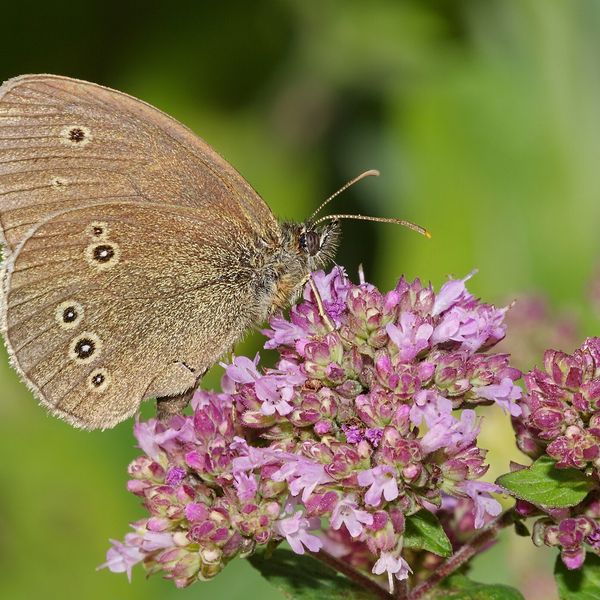
Also: mint (horse mint) (—, optional), water (boiling water)
Contains allergens: none of the 14 major allergens in the traditional recipe
Diet: lenten · vegetarian · gluten-free · no cooking
Variant: berry: leaves of blueberries, raspberries, strawberries
bilberry leaves and twigs, raspberry leaves, wild strawberry leaves, water
Contains allergens: none of the 14 major allergens in the traditional recipe
Diet: lenten · vegan · gluten-free · no cooking
Variant: flower: linden and elder
linden flowers, elderflowers, water
Contains allergens: none of the 14 major allergens in the traditional recipe
Diet: lenten · vegan · gluten-free · no cooking
Ingredients of the traditional recipe; every cook and every place may do it differently — please ask when ordering. We cannot guarantee the absence of allergens or traces.
How it is made
Herbs are collected in dry sunny weather when the dew has dried: flowering tops of thyme, motherwort, St. John's wort, and yarrow, chamomile baskets, young leaves of blueberries, raspberries, and strawberries, linden blossom, and elderflower clusters. They are dried in a thin layer in the shade, in a ventilated attic, and stored in cloth bags or paper packages.
Dry herbs are poured with boiling water, covered, and allowed to steep. Each family has its favorite combinations; traditionally, they are drunk with honey.
Video
 Відео про ПРАВИЛЬНУ заготовку Карпатського ІВАН-ЧАЮ на Зиму 2022! Збір, ферментація - детально.Світ Очима Гуцулів
Where it is eaten
All Ukrainian Carpathians: Hutsulshchyna, Boykivshchyna, Bukovina, Transcarpathia. Herbs grow in mountain meadows, forest edges, and polonynas; specific villages are not mentioned by sources.
When it is eaten
| Jan | Feb | Mar | Apr | May | Jun | Jul | Aug | Sep | Oct | Nov | Dec |
|---|---|---|---|---|---|---|---|---|---|---|---|
Occasions: Everyday food · Polonyna (May — September) · Berry season
In tradition
Herbal tea in the Carpathian villages is traditionally consumed daily, and supplies for winter are prepared in summer when the herbs are in bloom. Today, many buy herbs rather than collect them themselves, as ethnobotanists have reported.
Safety
This is a note about tradition, not medical advice: it does not replace treatment; for chronic diseases, pregnancy, breastfeeding, and taking medications — consult a doctor. For children and during pregnancy — only after consulting a doctor. St. John's wort increases sensitivity to sunlight and interacts with many medications (including contraceptives and antidepressants). Possible allergy to plants of the aster family (chamomile, yarrow). Only gather known plants, away from roads, and never in reserves and protected areas of parks: poisonous plants such as hellebore and aconite grow in the same meadows. Only flowers are used from elder for tea. Rhodiola, arnica, gentian, and cedar pine are protected in the Carpathians — do not collect them.
FAQ
What herbs are traditionally brewed for tea in the Carpathians?
Most commonly thyme, motherwort, St. John's wort, mint, yarrow, chamomile, linden blossom, elderflowers, leaves of blueberries, raspberries, and strawberries. The composition of the mixtures varies from village to village.
Can I collect herbs in the mountains myself?
Only those that you can confidently identify, away from roads and never in reserves and protected areas of parks. Rhodiola, arnica, gentian, and cedar pine are protected in the Carpathians — do not collect them.
Do Carpathian teas have healing properties?
We talk about herbal tea as a traditional drink. This is a note about tradition, not medical advice and not a substitute for treatment; for health issues, consult a doctor.
Where to try and buy
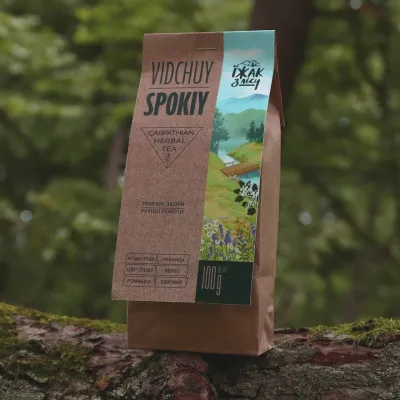 Craft shopsYizhak z Lisu Carpathian Teas, TruskavetsTruskavetsYizhak z Lisu (“Hedgehog from the Forest”) is a small Truskavets brand of Carpathian herbal teas, jams and forest...
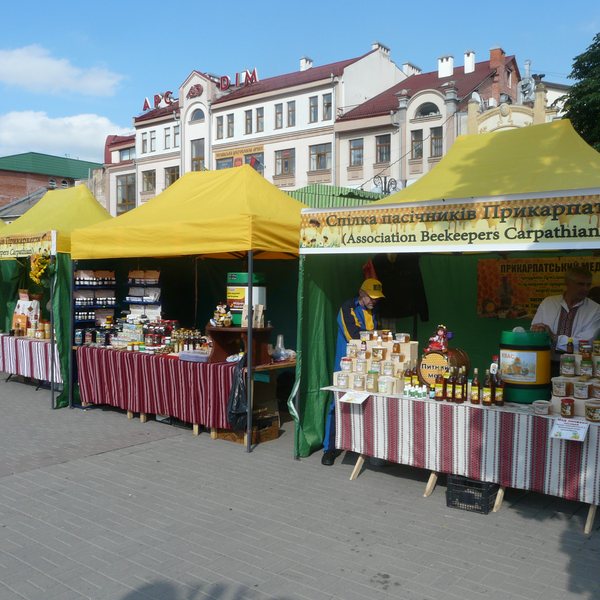
 Markets & fairsKosiv Market (Smodnyansky Market), KosivKosivKosiv (Smodnyansky) Market in Ivano-Frankivsk region is a treasure trove of folk traditions, a corner of...
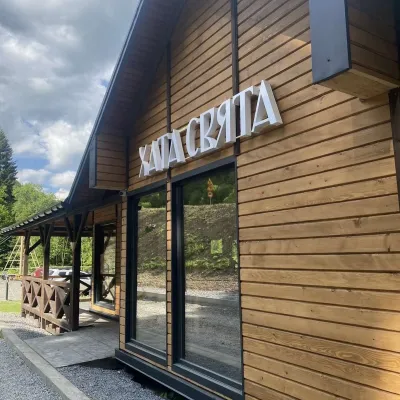 Koliby & Hutsul cuisineKhata Sviata Restaurant, HrebenivHrebenivKhata Sviata restaurant is a small timber restaurant in the village of Hrebeniv between Skole and Slavske, serving...
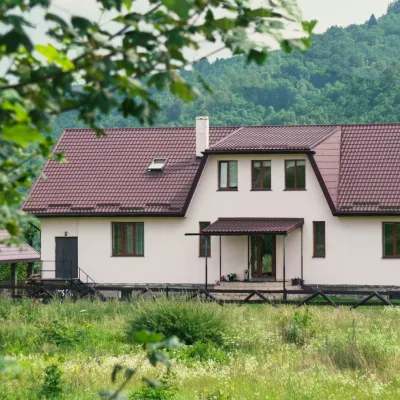 Ethno parks & homesteadsU Dvori Ethno Complex, PidhorodtsiPidhorodtsiU Dvori ethno complex is a family homestead in the village of Pidhorodtsi near Skole, set on a hill above the Stryi...
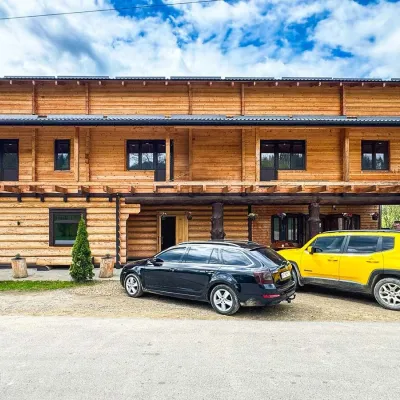 Koliby & Hutsul cuisineZRUB Ethno Restaurant, IltsiIltsiZRUB Ethno Restaurant is a new log-built home of Hutsul cooking in the village of Iltsi, on the edge of Verkhovyna,...
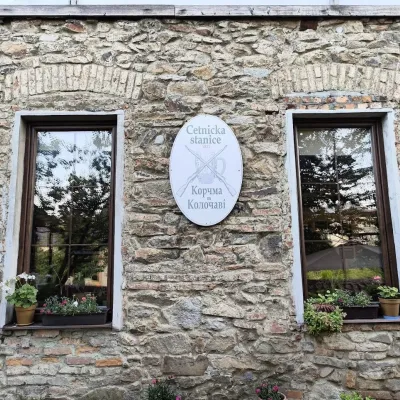 Koliby & Hutsul cuisineKorchma “Zhandarmska Uprava”, KolochavaKolochavaKorchma “Zhandarmska Uprava” (“The Gendarmerie Station”) is a family-run tavern in the centre of Kolochava, one of...
Craft places and restaurants whose menu or description mentions this dish. Menus change — please check availability.
Similar dishes and products

Relatives in the Carpathians and nearby
- ceai de munte · Romania
close tradition of the Romanian Carpathians - herbata z ziół · Poland
close tradition of the Polish Beskids
Sources
- Pieroni A., Sõukand R. Are Borders More Important than Geographical Distance? The Wild Food Ethnobotany of the Boykos and Its Overlap with Neighboring Hutsuls (Journal of Ethnobiology, 2017)
- Stryamets N. et al. Dining Tables Divided by a Border: Local Ecological Knowledge of Romanians in Ukrainian and Romanian Bukovina (Foods, 2021)
- Sõukand R., Pieroni A. The importance of a border: Medical, veterinary, and wild food ethnobotany of the Hutsuls living on the Romanian and Ukrainian sides of Bukovina (J. Ethnopharmacology, 2016)
- Fontana N. M., Pasailiuk M. V., Pohribnyi O. Traditional ecological knowledge to traditional foods: the path to maintaining food sovereignty in Hutsulshchyna (Frontiers in Sustainable Food Systems, 2022)
Written by the Karpaty.rocks editors from the sources above. Checked 10.11.2026.
