Oregano
For information only, not medical advice. Do not self-medicate — consult a doctor. Many Carpathian medicinal plants are protected and must not be collected.
About
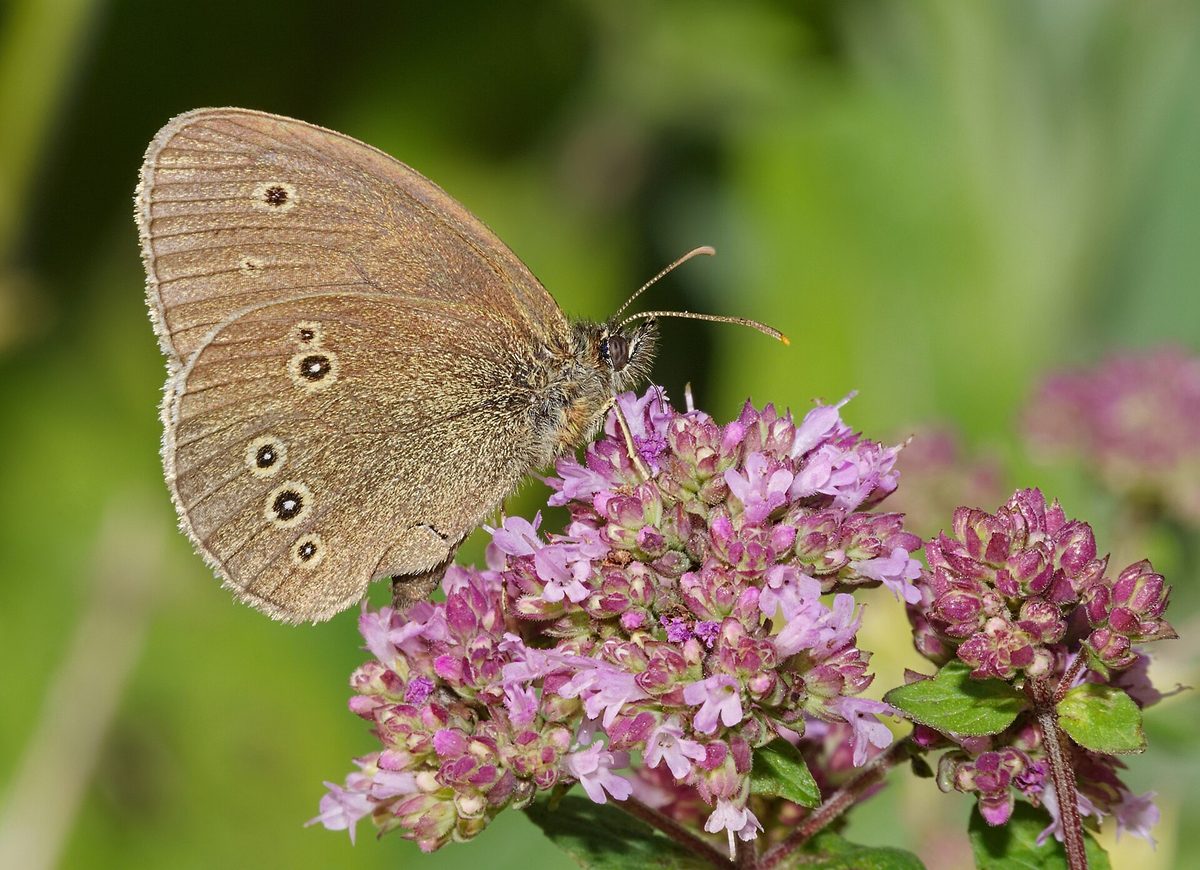
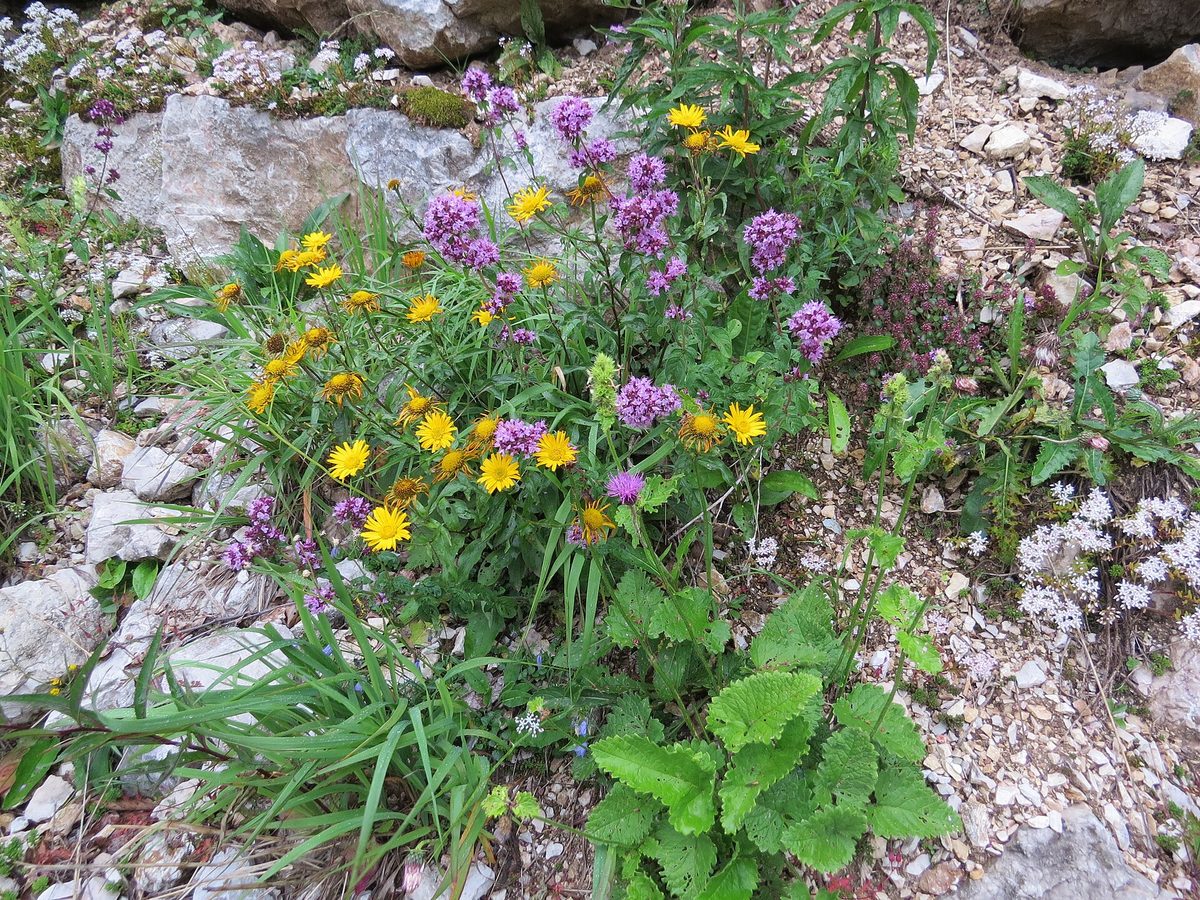
Motherwort is the same plant that is called oregano in cooking. In the Carpathians, it grows on dry sunny slopes, clearings, glades, in thickets, and on rocky places, mainly in the foothills and lower mountain belt. It is especially abundant in old abandoned hayfields and along forest roads.
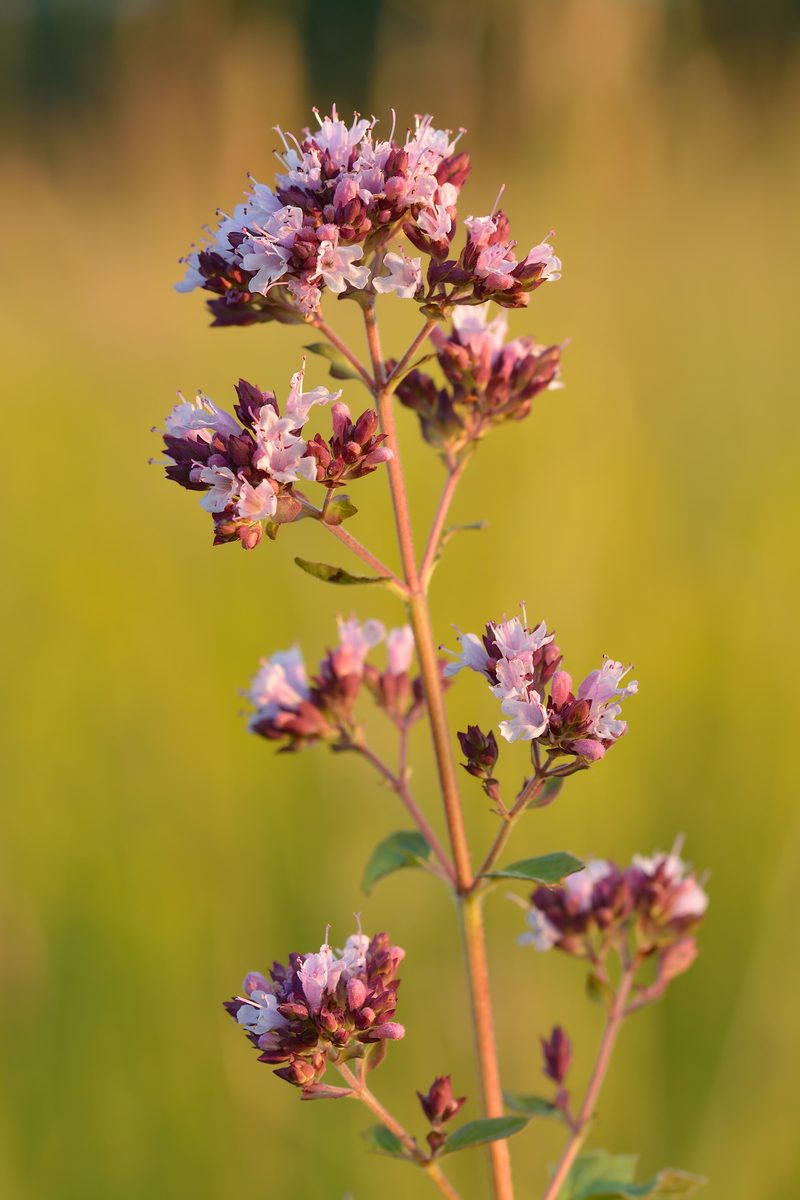
This perennial plant is 30–80 cm tall with a straight, four-sided, often reddish stem. The leaves are oval, opposite, with small glands. The flowers are small, pink-purple, gathered in umbrella-like clusters at the top; the bracts are violet-purple, so even a faded plant looks bright. The entire plant has a warm spicy aroma.
Motherwort blooms from July to September. For tea and seasoning, the flowering tops are traditionally cut, dried in the shade, and stored in a closed container to preserve the aroma. The plant is not uprooted.
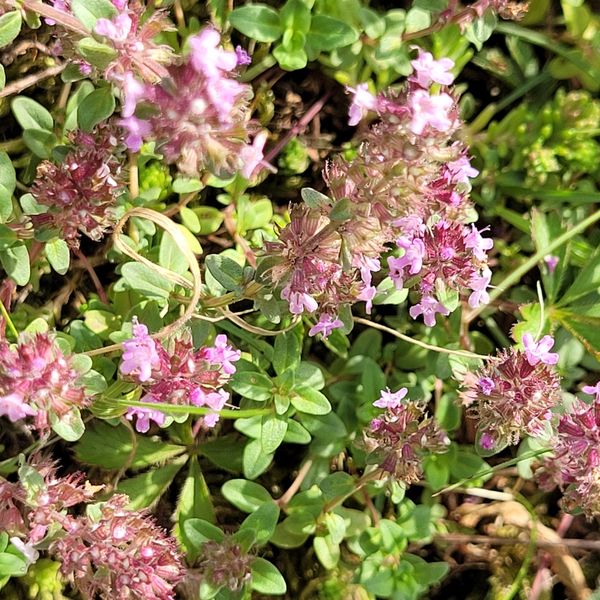
Motherwort can be confused with other fragrant Lamiaceae, such as thyme, but it is much shorter and sprawls on the ground. There are no poisonous lookalikes of motherwort. It attracts butterflies and bees, so it is good to observe daytime butterflies on flowering patches in August.
Where in the Carpathians

The map shows where naturalists recorded the species (GBIF, CC0 and CC BY records), not every place it lives. The Ukrainian Carpathians are less studied, so a blank area does not mean the species is absent.
- Countries
- Slovakia · Czechia · Poland · Ukraine · Romania · Hungary · Austria · Serbia
- Mountain ranges
- Slovak Ore Mountains, Strážov Mountains, Greater Fatra, White Carpathians, Volovec Mountains, Lesser Fatra, Kysuce Beskids, Low Tatras, Low Beskids, Slovak Central Mountains
- Altitude belts
- Foothills (below 600 m) · Beech forests (600–1200 m)
When to see it
| Jan | Feb | Mar | Apr | May | Jun | Jul | Aug | Sep | Oct | Nov | Dec | |
|---|---|---|---|---|---|---|---|---|---|---|---|---|
| Flowering | ||||||||||||
| Fruit |
From naturalists’ observations in the Carpathians (iNaturalist, research grade): the darker the cell, the more often the species is seen that month.
In folk tradition
The flowering tops are traditionally dried for tea and used as a spice.
Protection and rules
Not protected. For personal use, it can be collected outside of nature reserves and protected areas of national parks; cut the tops, do not uproot the plant.
FAQ
When to collect motherwort?
During flowering, in July — August: flowering tops are cut in dry weather and dried in the shade.
Is motherwort and oregano the same?
Yes, oregano is common motherwort (Origanum vulgare).
Similar species
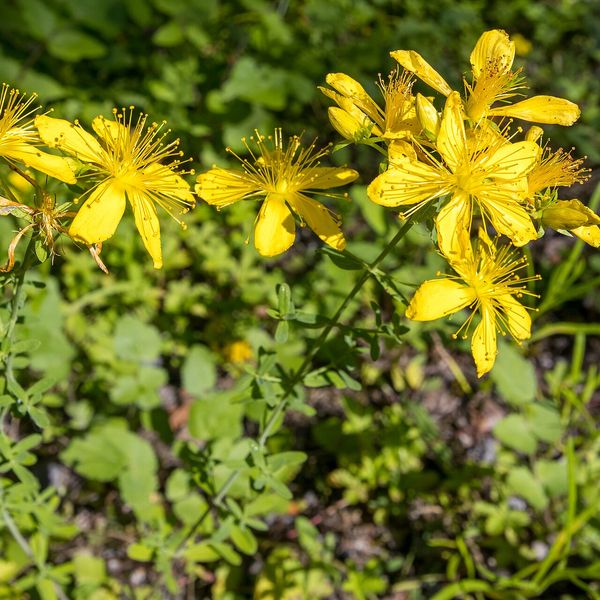
Where to meet it
Trails
 ModerateTwo-dayYarok village to Vorochovo villagevia Antalovetska PolianaElevation profile141–968 m16 kmascent 743 m≈ 5.5 h walking
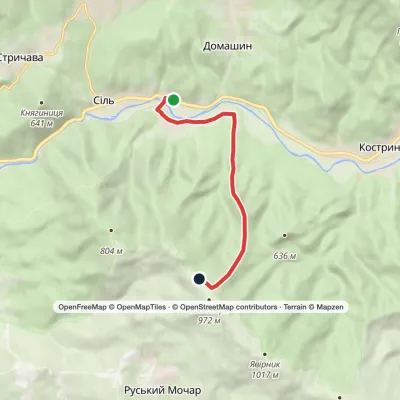 EasyOne-daySil village Mount YavirnykElevation profile253–934 m6.8 kmascent 694 m≈ 3 h walking
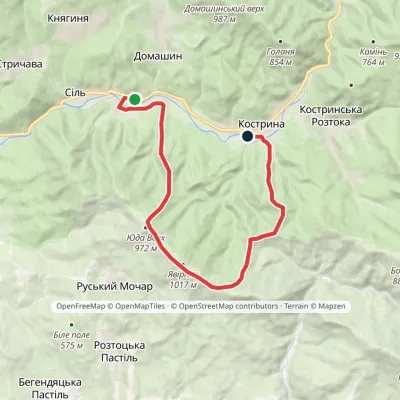 ModerateTwo-daySil village to Kostryno villagevia Mount YavirnykElevation profile255–1 019 m16.6 kmascent 858 m≈ 6 h walking
Waters and waterfalls
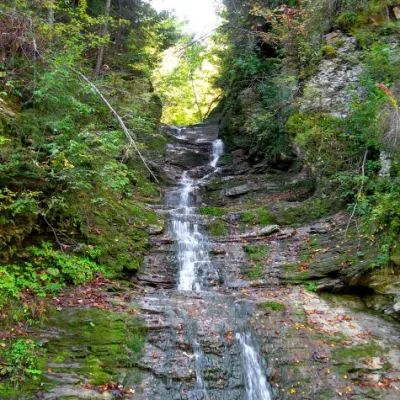 WaterfallBukovinian (Smugar) waterfallsRoztokyA picturesque chain of waterfalls, up to two kilometers long, stretches along the Smuhariv River in Bukovyna, in the...
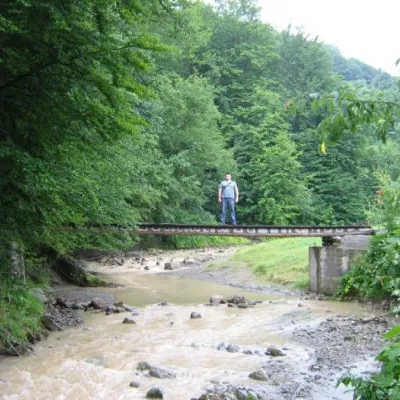 WaterfallMikva waterfallVyzhenkaThe Mykva Waterfall is a small but very picturesque waterfall located in the village of Vyzhenka, Chernivtsi region.
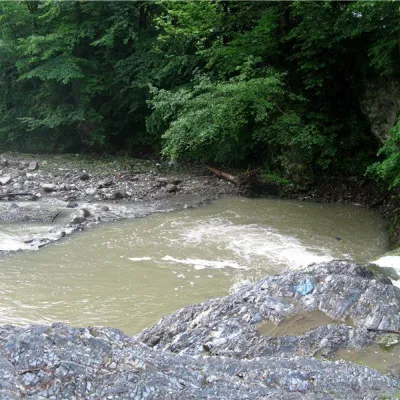 RiverVyzhenka RiverVyzhenkaTheriver Vyzhenka is located in the village of the same name in the Chernivtsi region.
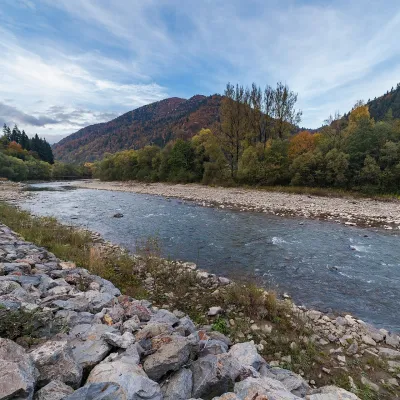 RiverTeresva RiverUst-ChornaThe Teresva forms in Ust-Chorna, where the Mokrianka and Brusturianka meet, and flows south through Dubove, Kalyny,...
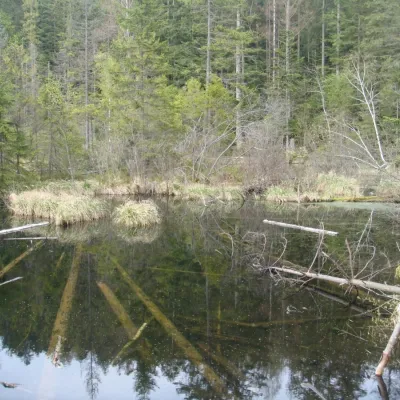 LakeLake Zhuravlyne (Dead Lake)KamiankaThere is one mysterious place in the Skole Beskydy National Nature Park - Zhuravlyne Lake, also called Dead Lake.
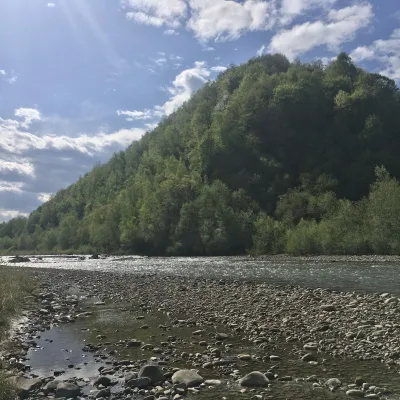 RiverBystrytsia Nadvirnianska RiverNadvirnaThe Bystrytsia Nadvirnianska rises on the northern slope of Mount Chorna Kleva in the Gorgany, at about 1,280 m.
Mountain ranges: Bieszczady. In other countries: 🇸🇰 Slovak Ore Mountains, 🇸🇰 Strážov Mountains, 🇸🇰 Greater Fatra, 🇨🇿 White Carpathians, 🇸🇰 Volovec Mountains, 🇸🇰 Lesser Fatra, 🇸🇰 Kysuce Beskids, 🇸🇰 Low Tatras, 🇵🇱 Low Beskids, 🇸🇰 Slovak Central Mountains, 🇵🇱 Pieniny, 🇸🇰 Javorníky, 🇸🇰 Slovak Paradise
Trails and peaks near which naturalists recorded the species (GBIF, iNaturalist), matched by altitude and habitat. Sightings are not guaranteed.
Sources
GBIF · iNaturalist · Wikidata · Distribution data: GBIF.org (CC0 and CC BY records), iNaturalist; names and identifiers: Wikidata (CC0). Text: Karpaty.rocks, checked 09.11.2026.
