St John's wort
For information only, not medical advice. Do not self-medicate — consult a doctor. Many Carpathian medicinal plants are protected and must not be collected.
About
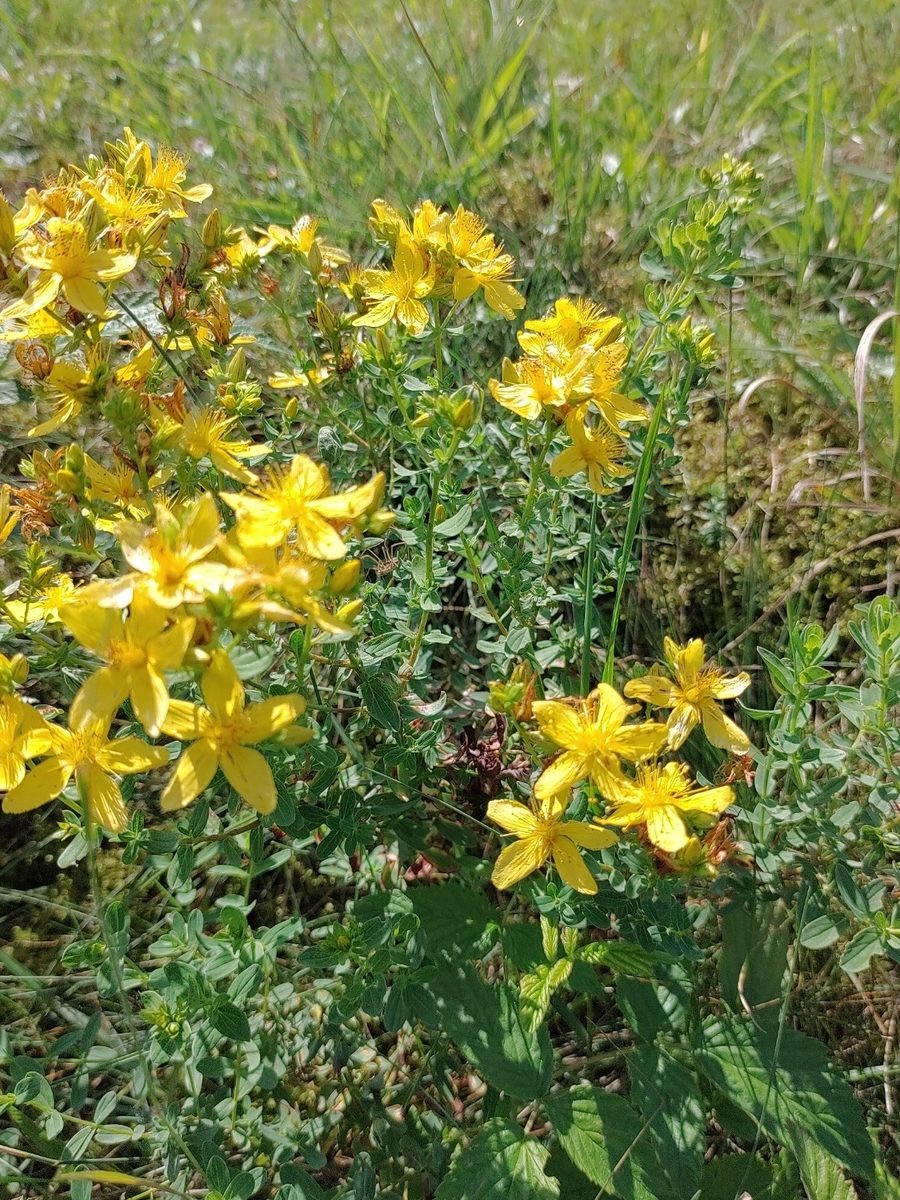
St John's wort is one of the most well-known herbs of Ukrainian meadows. In the Carpathians, it grows on dry sunny slopes, hayfields, forest edges, clearings, along roads and paths, from the foothills to the mountain belt. St John's wort is especially noticeable in July when it covers the meadows near villages with yellow spots.
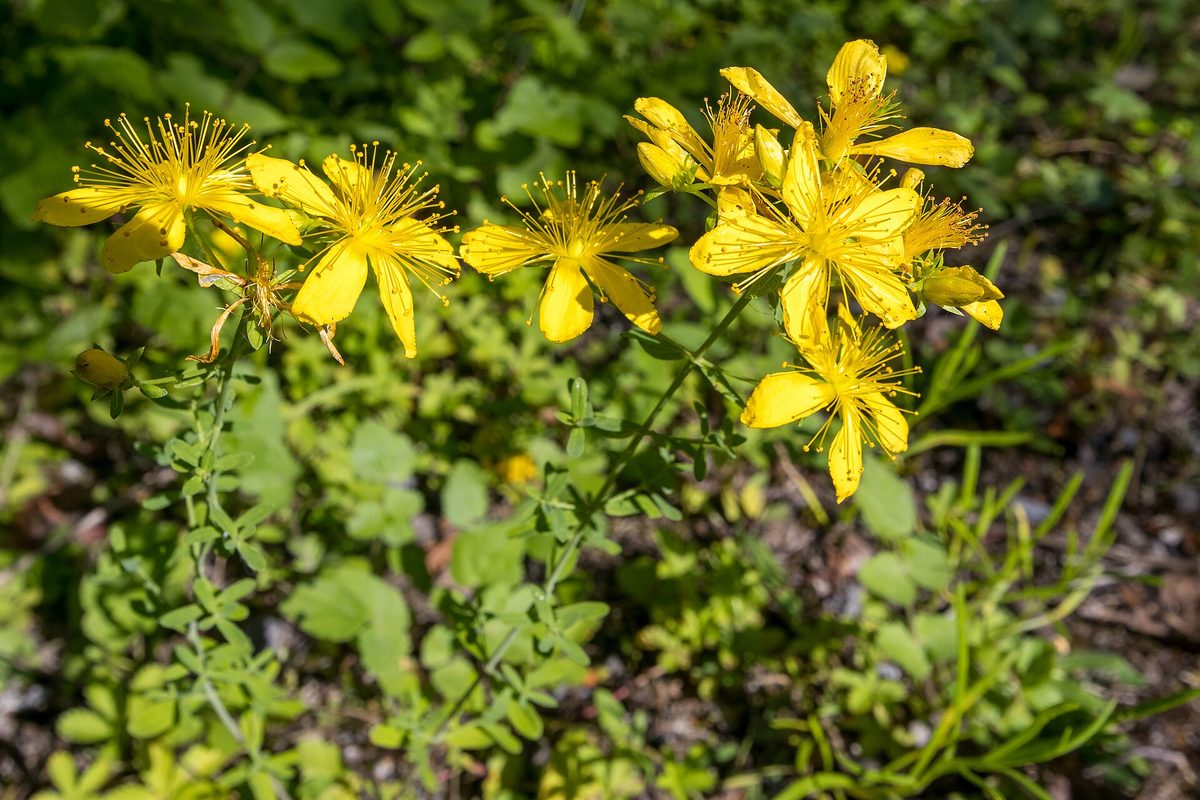
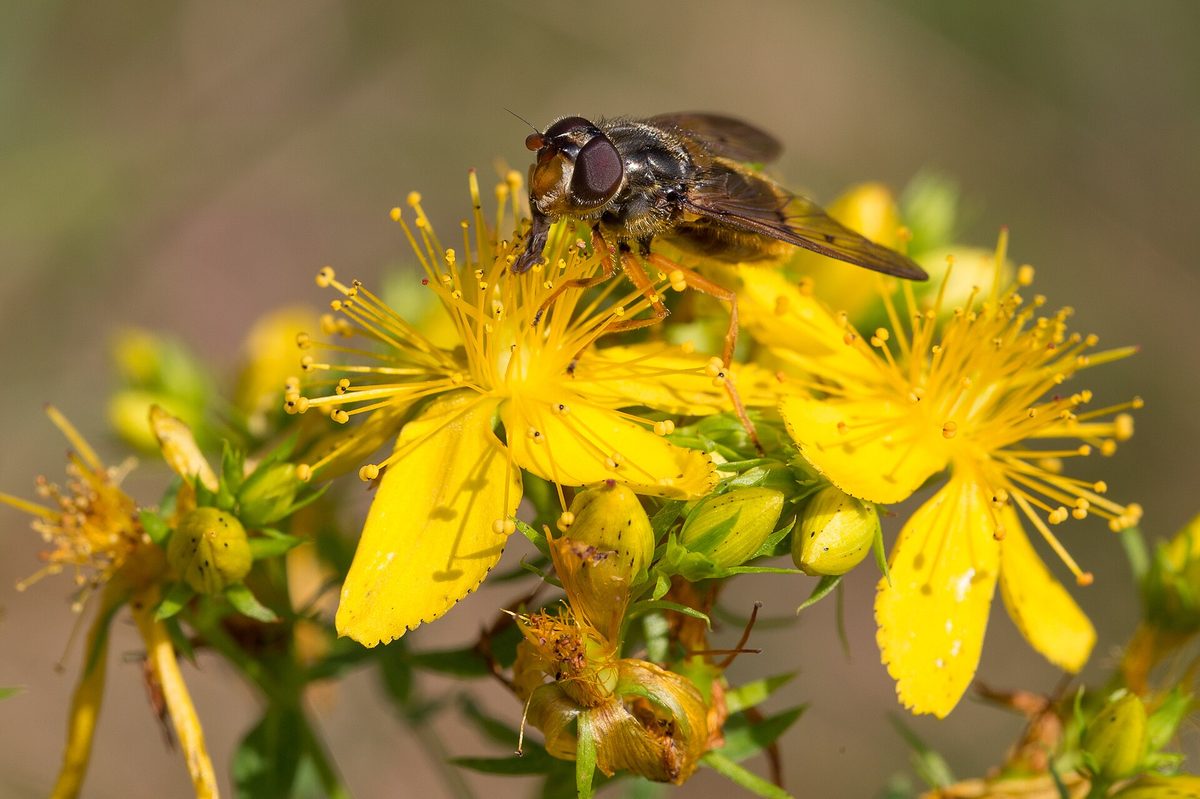
This perennial plant is 30–80 cm tall with a straight, branched stem at the top, which has two longitudinal ridges. The leaves are small, elongated, and opposite. If you look at a leaf against the light, you can see numerous transparent dots—glands with essential oil, as if the leaf has been pierced with a needle; hence the Latin name perforatum. The flowers are golden-yellow, five-petaled, with numerous stamens, and have black dots along the edges of the petals. If you crush a flower between your fingers, it leaves a reddish mark.
St John's wort blooms from June to August. For tea, the flowering tops of the plants are traditionally cut in dry weather and dried in the shade. The plant is not uprooted so that it can grow back the following year.
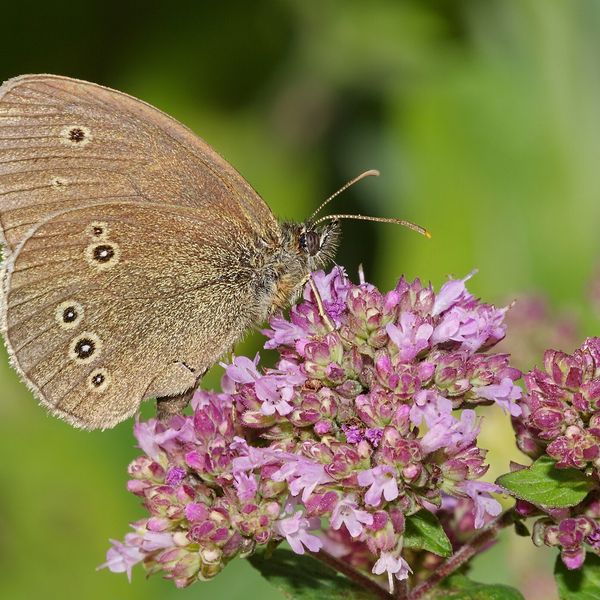
Other species of St John's wort can be found nearby, such as the spotted St John's wort with a square stem. There are few poisonous lookalikes among yellow-flowered meadow herbs, but buttercup and marsh marigold have completely different leaves and do not have transparent dots.
Where in the Carpathians

The map shows where naturalists recorded the species (GBIF, CC0 and CC BY records), not every place it lives. The Ukrainian Carpathians are less studied, so a blank area does not mean the species is absent.
- Countries
- Slovakia · Czechia · Ukraine · Poland · Hungary · Romania · Austria · Serbia
- Mountain ranges
- Strážov Mountains, Slovak Ore Mountains, Slovak Central Mountains, White Carpathians, Štiavnica Mountains, Low Tatras, Low Beskids, Volovec Mountains, Kremnica Mountains, Greater Fatra
- Altitude belts
- Foothills (below 600 m) · Beech forests (600–1200 m)
When to see it
| Jan | Feb | Mar | Apr | May | Jun | Jul | Aug | Sep | Oct | Nov | Dec | |
|---|---|---|---|---|---|---|---|---|---|---|---|---|
| Flowering | ||||||||||||
| Fruit |
From naturalists’ observations in the Carpathians (iNaturalist, research grade): the darker the cell, the more often the species is seen that month.
Safety
St John's wort increases skin sensitivity to sunlight and, according to EMA, interacts with many medications, including hormonal contraceptives. Consult a doctor before use.
In folk tradition
The flowering tops are traditionally dried and brewed as tea.
Protection and rules
Not protected. For personal use, it can be collected outside of nature reserves and protected areas of national parks; cut the tops, do not uproot the plant.
FAQ
When to collect St John's wort?
During flowering, in June — July: in dry weather, cut the tops of the plants without uprooting the root, and dry them in the shade.
How to recognize St John's wort?
Look at the leaf against the light: it has numerous transparent dots. The flowers are yellow, with black dots on the edges of the petals, and a crushed flower leaves a reddish mark.
Similar species
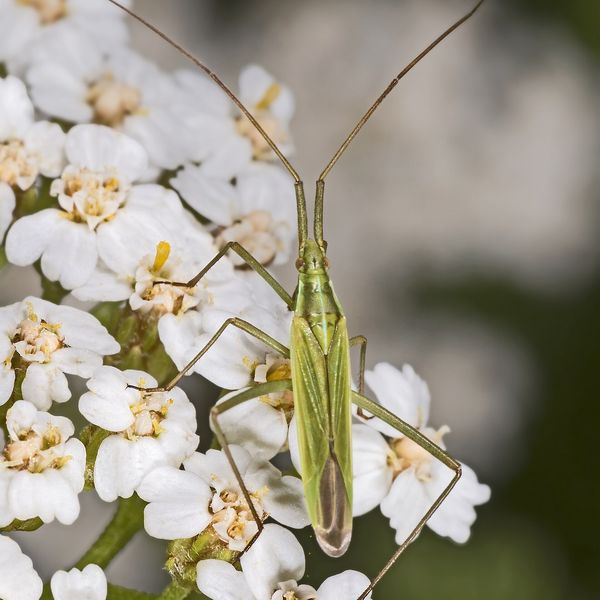
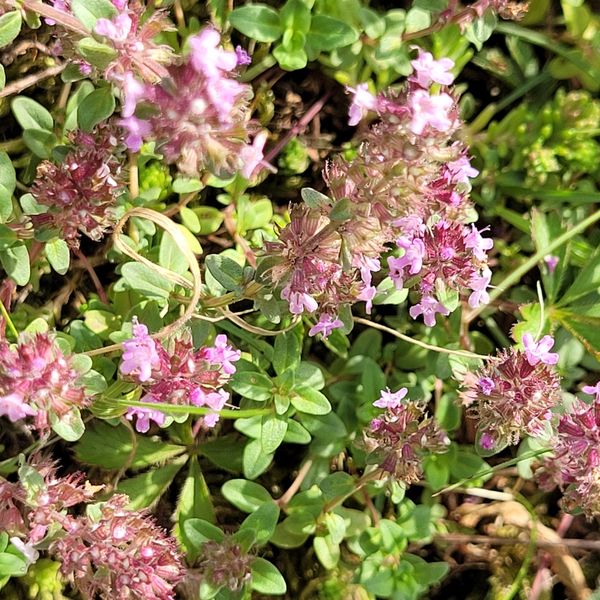
Where to meet it
Waters and waterfalls
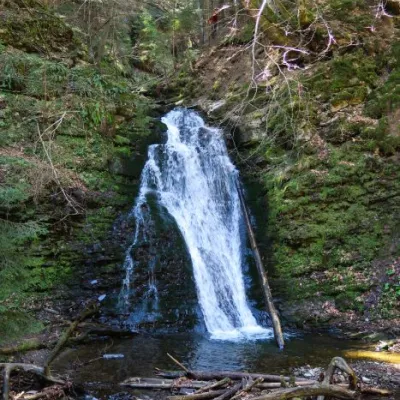 WaterfallSopit waterfallSopitSopit (Sopitsky ) is a waterfall in the Ukrainian Carpathians on the territory of the Skole Beskydy National Nature...
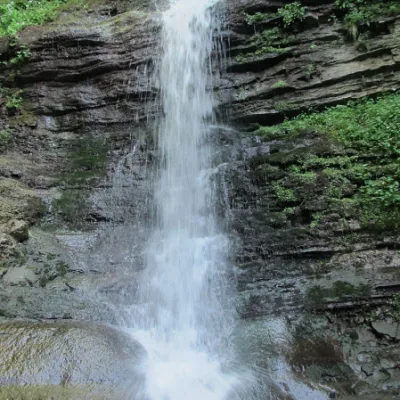 WaterfallLazny waterfallDrohobych districtLaznyi is a waterfall in the Ukrainian Carpathians (in the Skole Beskydy massif), a hydrological natural monument of...
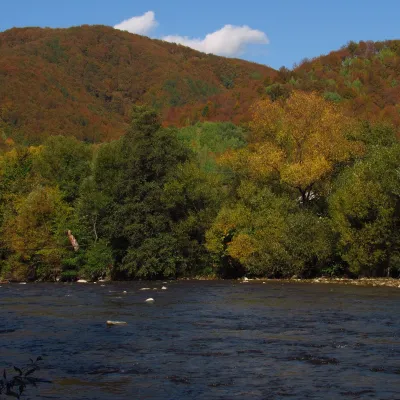 RiverUzh RiverVelykyi BereznyiAbove the Uzh near Kamianytsia stand the ruins of Nevytsky Castle, and in Uzhhorod the Masaryk Bridge offers a good...
Mountain ranges: In other countries: 🇸🇰 Strážov Mountains, 🇸🇰 Slovak Ore Mountains, 🇸🇰 Slovak Central Mountains, 🇨🇿 White Carpathians, 🇸🇰 Štiavnica Mountains, 🇸🇰 Low Tatras, 🇵🇱 Low Beskids, 🇸🇰 Volovec Mountains, 🇸🇰 Kremnica Mountains, 🇸🇰 Greater Fatra, 🇸🇰 Považský Inovec, 🇸🇰 Lesser Fatra, 🇸🇰 Little Carpathians, 🇸🇰 Vtáčnik Mountains
Trails and peaks near which naturalists recorded the species (GBIF, iNaturalist), matched by altitude and habitat. Sightings are not guaranteed.
Sources
- Вікіпедія: Звіробій звичайний
- Wikipedia (en): Hypericum perforatum
- EMA/HMPC: монографія Hyperici herba
GBIF · iNaturalist · Wikidata · Distribution data: GBIF.org (CC0 and CC BY records), iNaturalist; names and identifiers: Wikidata (CC0). Text: Karpaty.rocks, checked 09.11.2026.
