Yarrow
For information only, not medical advice. Do not self-medicate — consult a doctor. Many Carpathian medicinal plants are protected and must not be collected.
About
Yarrow is one of the most common plants in the Carpathians. It grows in meadows, pastures, along roadsides, near villages and Kolibas, in clearings and polonynas, rising from the foothills to the subalpine zone. At altitude, its inflorescences often have a pinkish tint.
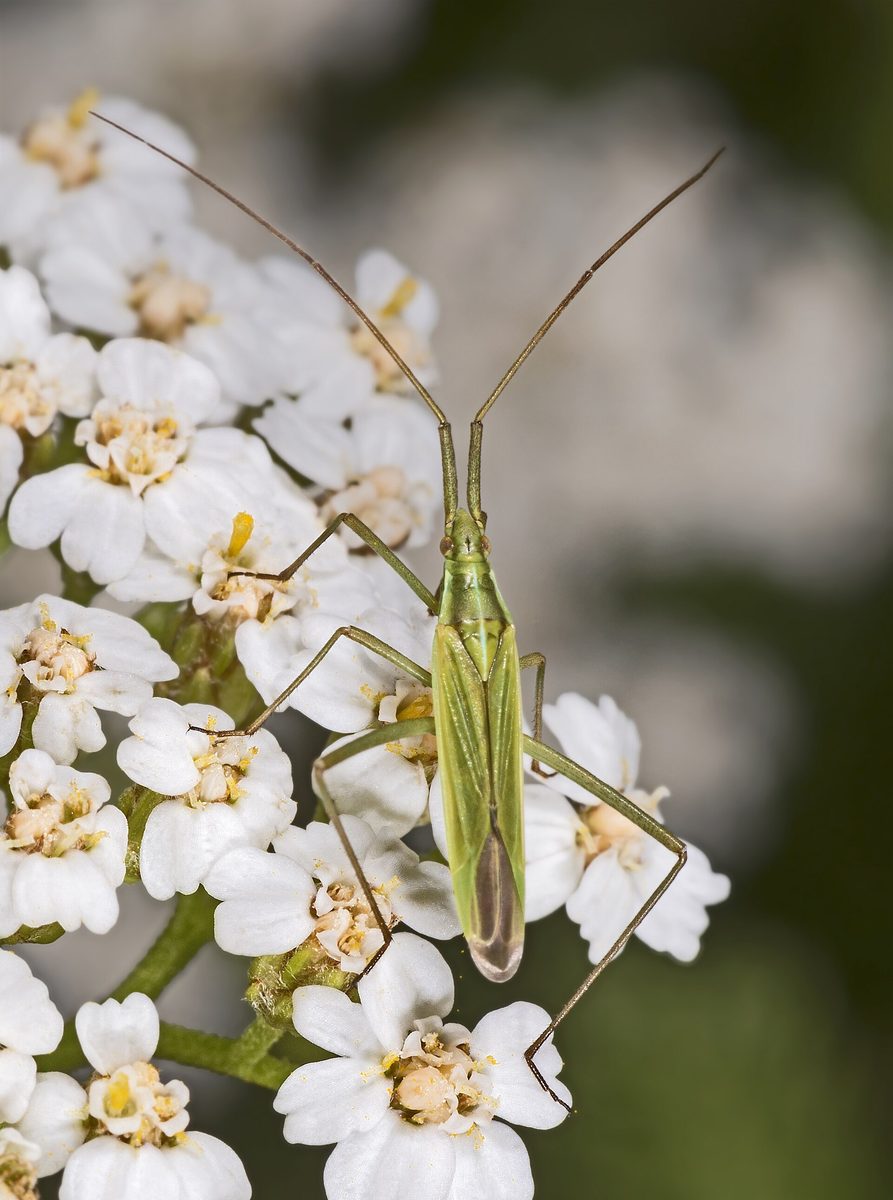
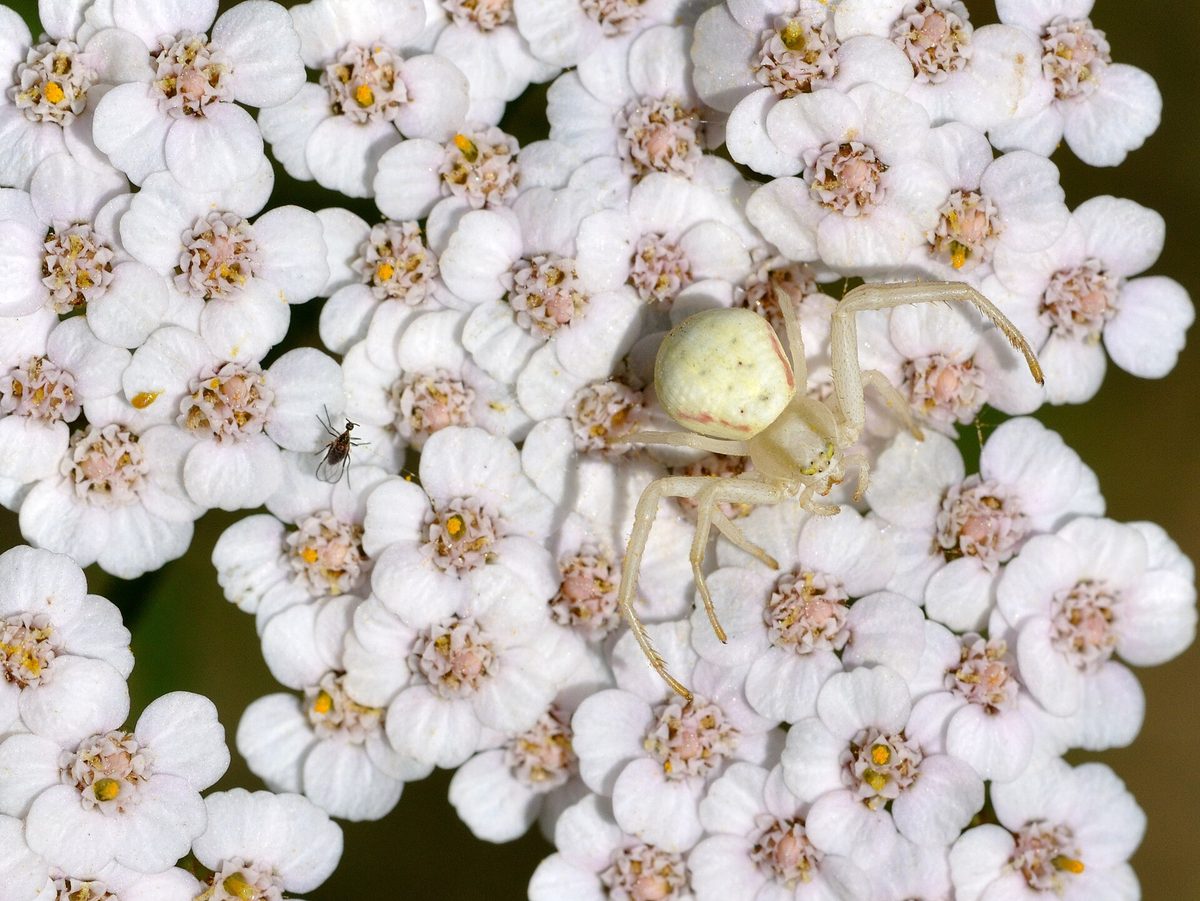
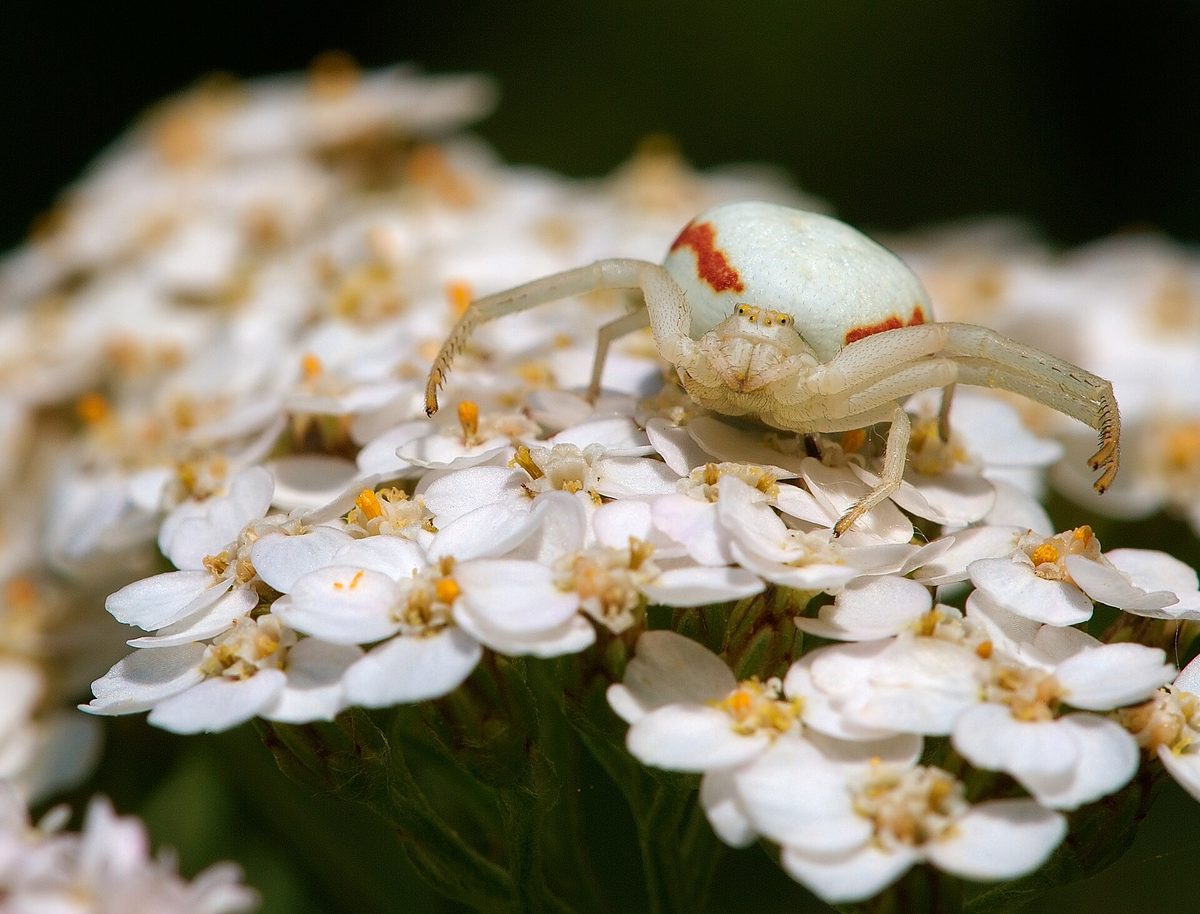
The plant is 20–80 cm tall with a straight, hairy stem. The leaves are very finely dissected, delicate, feathery, as if made of thousands of small segments, hence the Latin name millefolium — "thousand-leaved." The inflorescence is a flat cluster at the top, composed of numerous small flower heads with five white or pink ray flowers. The plant has a bitter spicy smell.
Yarrow blooms from June to September. For tea, the flowering tops are traditionally cut and dried in the shade.
The most important thing is not to confuse yarrow with poisonous umbrella plants, which also have white inflorescences, such as poison hemlock. They can be easily distinguished upon closer inspection. In yarrow, the inflorescence is a cluster of small "daisy-like" flower heads, and the leaves are delicate and feathery. In umbrella plants, the inflorescence is an umbrella of small five-petaled flowers on "spokes," and poison hemlock also has a hollow stem with red-brown spots and an unpleasant smell. If in doubt — do not collect.
Yarrow can cause allergies in people sensitive to plants of the Asteraceae family, such as chamomile or ragweed.
Where in the Carpathians

The map shows where naturalists recorded the species (GBIF, CC0 and CC BY records), not every place it lives. The Ukrainian Carpathians are less studied, so a blank area does not mean the species is absent.
- Countries
- Slovakia · Czechia · Ukraine · Poland · Romania · Hungary · Austria
- Mountain ranges
- Slovak Ore Mountains, Low Tatras, Greater Fatra, Strážov Mountains, Slovak Central Mountains, Lesser Fatra, White Carpathians, Kysuce Beskids, Štiavnica Mountains, Volovec Mountains
- Altitude belts
- Foothills (below 600 m) · Beech forests (600–1200 m)
When to see it
| Jan | Feb | Mar | Apr | May | Jun | Jul | Aug | Sep | Oct | Nov | Dec | |
|---|---|---|---|---|---|---|---|---|---|---|---|---|
| Flowering | ||||||||||||
| Fruit |
From naturalists’ observations in the Carpathians (iNaturalist, research grade): the darker the cell, the more often the species is seen that month.
Safety
Do not confuse with poisonous umbrella plants (poison hemlock, water hemlock), which have a white umbrella-like inflorescence. Possible allergy in people sensitive to Asteraceae.
Look-alikes — how to tell them apart
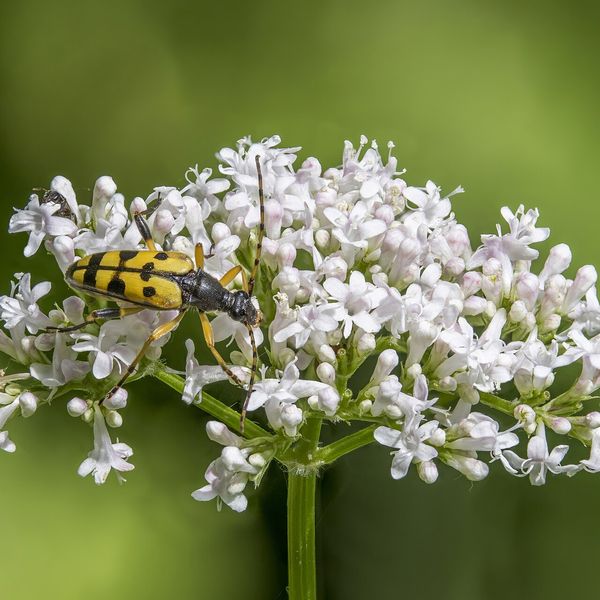
White umbrellas on a tall hollow stem with red-brown spots; leaves are thrice dissected, with an unpleasant "mousy" smell. In yarrow, the inflorescence is a cluster of small flower heads, and the stem is unspotted.
In folk tradition
The flowering tops are traditionally dried and brewed as tea.
Protection and rules
Not protected. For personal use, collection is allowed outside of reserves and protected areas of national parks; cut the tops, do not uproot the plant.
FAQ
When to collect yarrow?
During flowering, from June to September: cut the flowering tops in dry weather and dry them in the shade.
How to avoid confusing yarrow with poisonous plants?
In yarrow, the inflorescence is a cluster of small "daisy-like" flower heads, and the leaves are delicate and finely dissected. Poisonous umbrella plants have umbrella-like inflorescences with flowers on "spokes," and poison hemlock also has a spotted stem and an unpleasant smell.
Similar species
Where to meet it
Peaks and meadows
 PeakMount TsetsynoChernivtsialtitude 537 mTsetsyno is the highest hill of the Chernivtsi Upland, 537 m high (538 m according to other data).
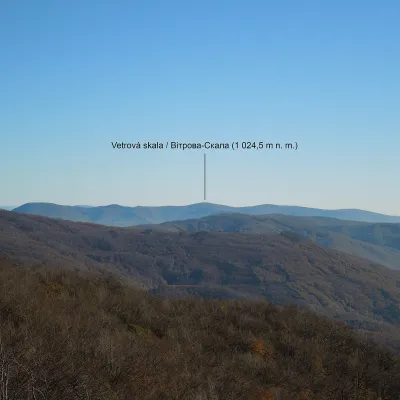 PeakMount Vitrova-SkalaMyrchaaltitude 1 025 m · Volcanic Carpathians rangeVitrova-Skala (Slovak: Vetrová skala) is a 1,025 m (more precisely 1,024.5 m) mountain in the volcanic Vihorlat massif.
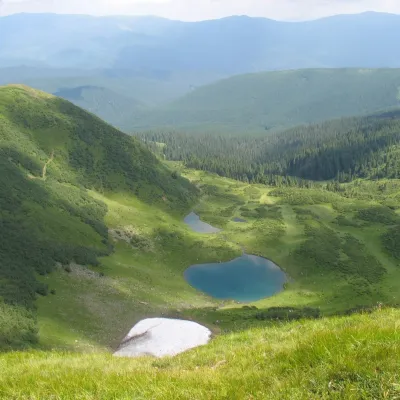 Mountain meadow1 300 mPolonyna VorozheskaChorna TysaVorozheska polonyna lies on the northern side of the main Svydovets ridge, in the Rakhiv district of Zakarpattia,...
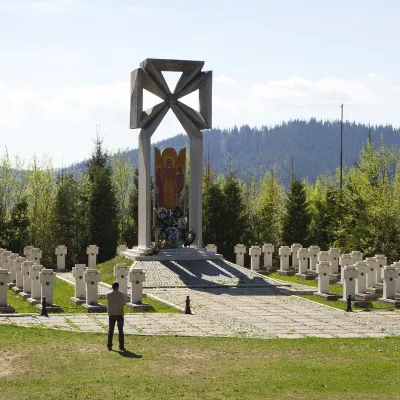 PeakMount MakivkaSlavskealtitude 958 m2 trails to the topMakivka is a mountain in the High Beskid about 8 km north of the town of Slavske in Lviv Oblast.
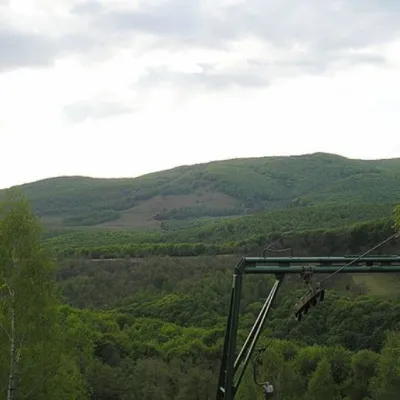 PeakMount BuzhoraOsiialtitude 1 085 m · Volcanic Carpathians range1 trail to the topMount Buzhora is the highest peak of the Volcanic Ridge of Ukrainian Carpathians.
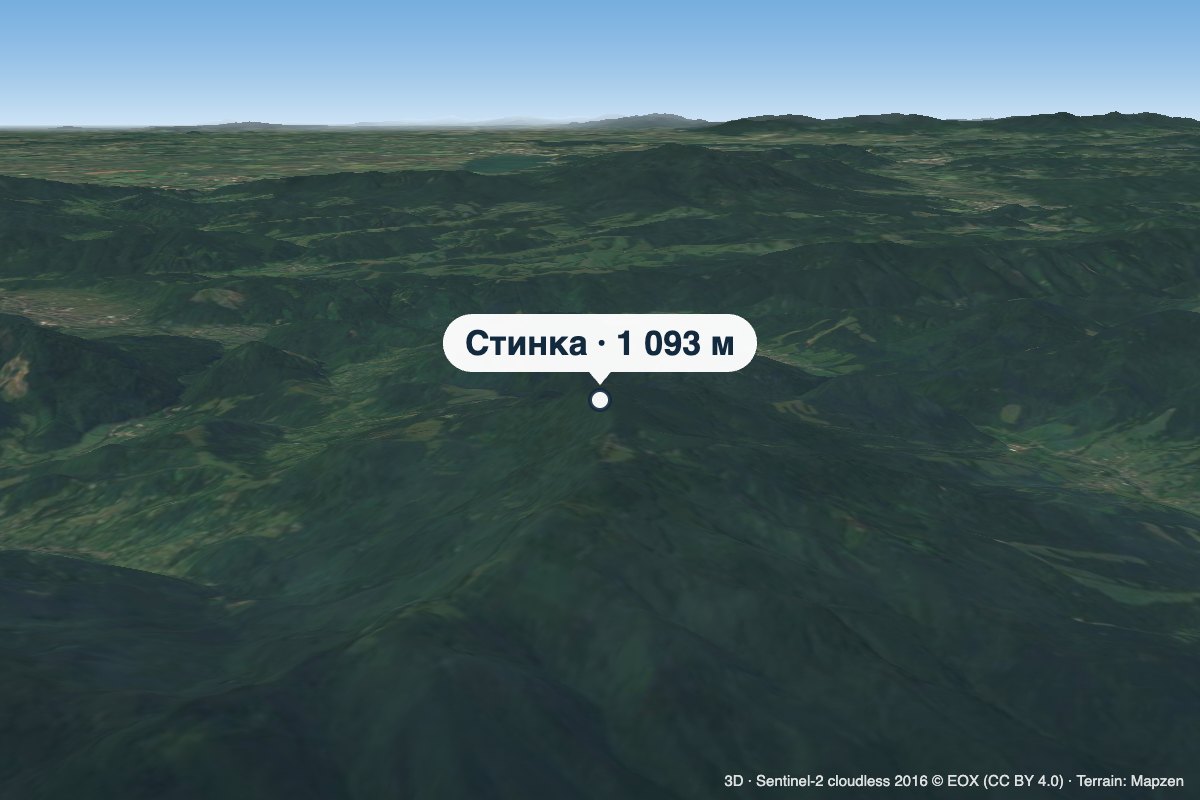 PeakMount StynkaKniahyniaaltitude 1 093 mStynka (Slovak: Stinská) is a 1,093 m mountain on the state border between Ukraine and Slovakia, in the Bukovské...
Waters and waterfalls
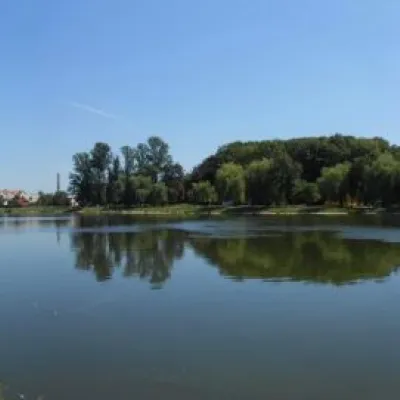 LakeCity lake in KolomyiaKolomyiaAfter touring the city, it's a good idea to relax and unwind by the water.
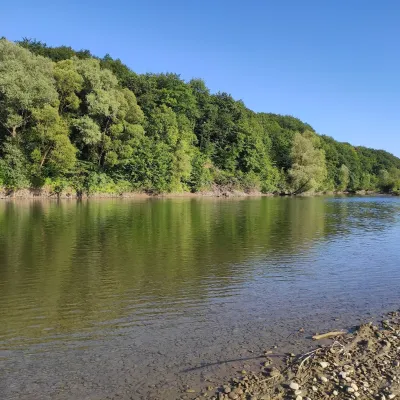 RiverBystrytsia Solotvynska RiverSolotvynThe Bystrytsia Solotvynska rises at about 1,390 m at the foot of Mala Syvulia and Bystryk, near the Peklo cliffs in...
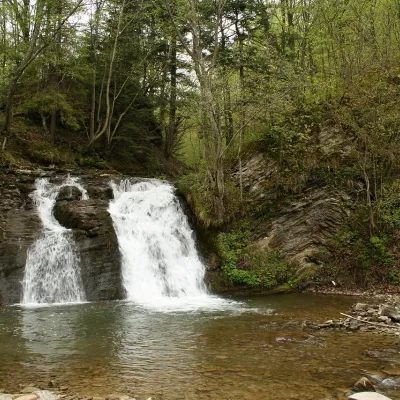 WaterfallGurkalo waterfallKorchynGurkal, located on the Velyka Richka River, has a very eloquent name! You can't argue with it, especially when the...
Mountain ranges: In other countries: 🇸🇰 Slovak Ore Mountains, 🇸🇰 Low Tatras, 🇸🇰 Greater Fatra, 🇸🇰 Strážov Mountains, 🇸🇰 Slovak Central Mountains, 🇸🇰 Lesser Fatra, 🇨🇿 White Carpathians, 🇸🇰 Kysuce Beskids, 🇸🇰 Štiavnica Mountains, 🇸🇰 Volovec Mountains, 🇵🇱 Low Beskids, 🇸🇰 Javorníky, 🇸🇰 Slovak Paradise, 🇸🇰 Kremnica Mountains
Trails and peaks near which naturalists recorded the species (GBIF, iNaturalist), matched by altitude and habitat. Sightings are not guaranteed.
Sources
- Вікіпедія: Деревій звичайний
- Wikipedia (en): Achillea millefolium
- Wikipedia (en): Conium maculatum
- EMA/HMPC: монографія Millefolii herba
GBIF · iNaturalist · Wikidata · Distribution data: GBIF.org (CC0 and CC BY records), iNaturalist; names and identifiers: Wikidata (CC0). Text: Karpaty.rocks, checked 09.11.2026.
