Common valerian
For information only, not medical advice. Do not self-medicate — consult a doctor. Many Carpathian medicinal plants are protected and must not be collected.
About
Valeriana officinalis grows where the soil is moist: in marshy meadows, on the banks of streams and rivers, in wet thickets, at forest edges, and in clearings. In the Carpathians, it can be found from the valleys to the mountain forest zone, often alongside meadowsweet and other tall herbs.
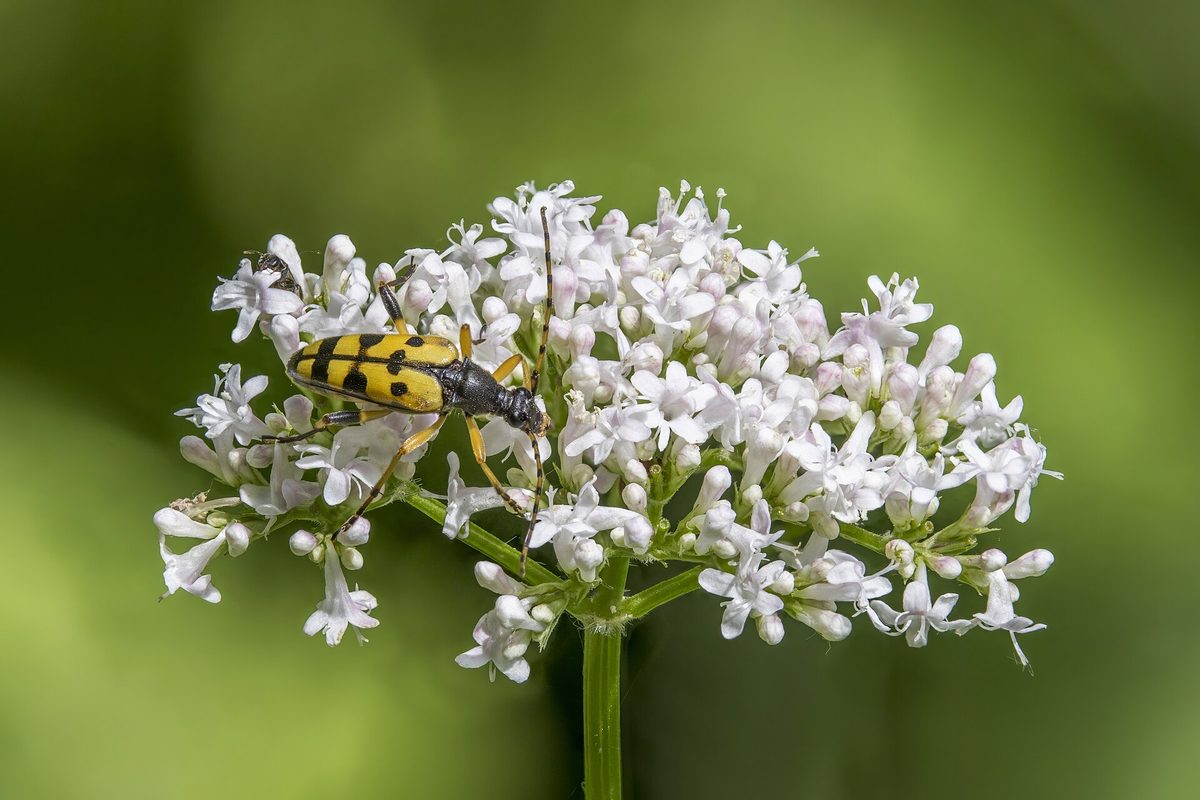
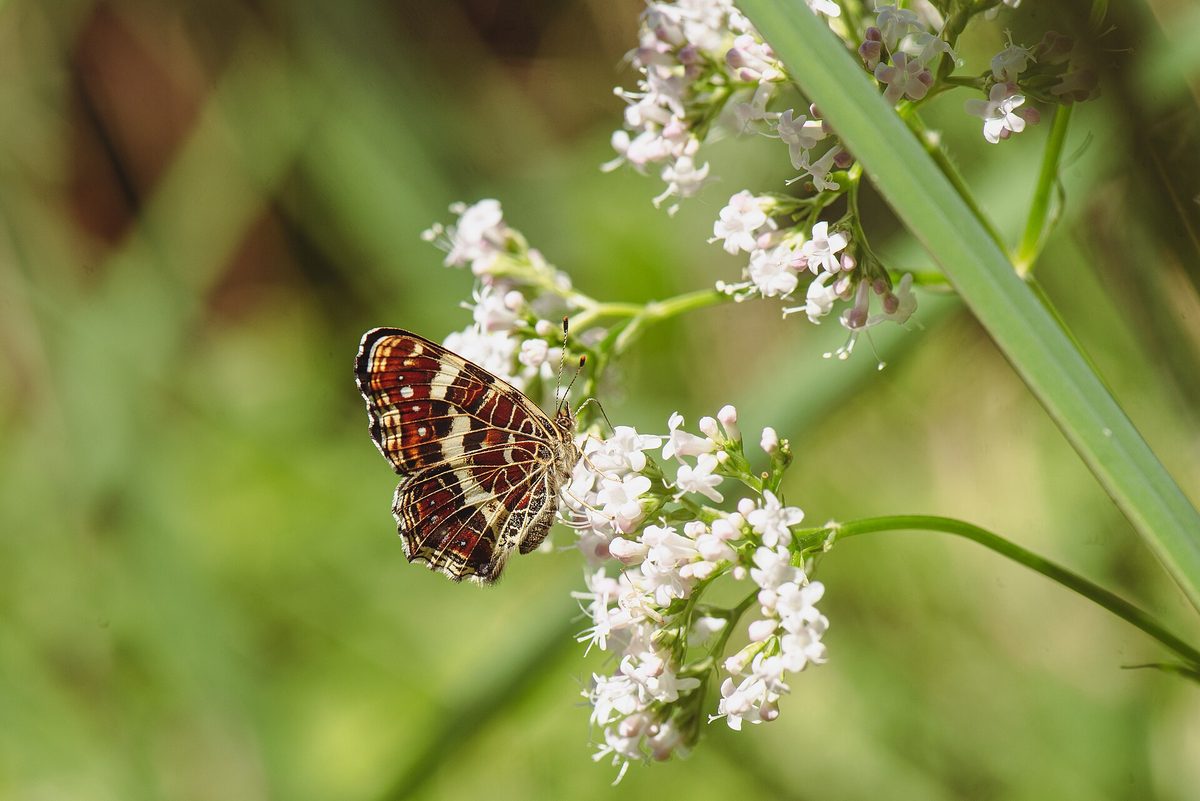
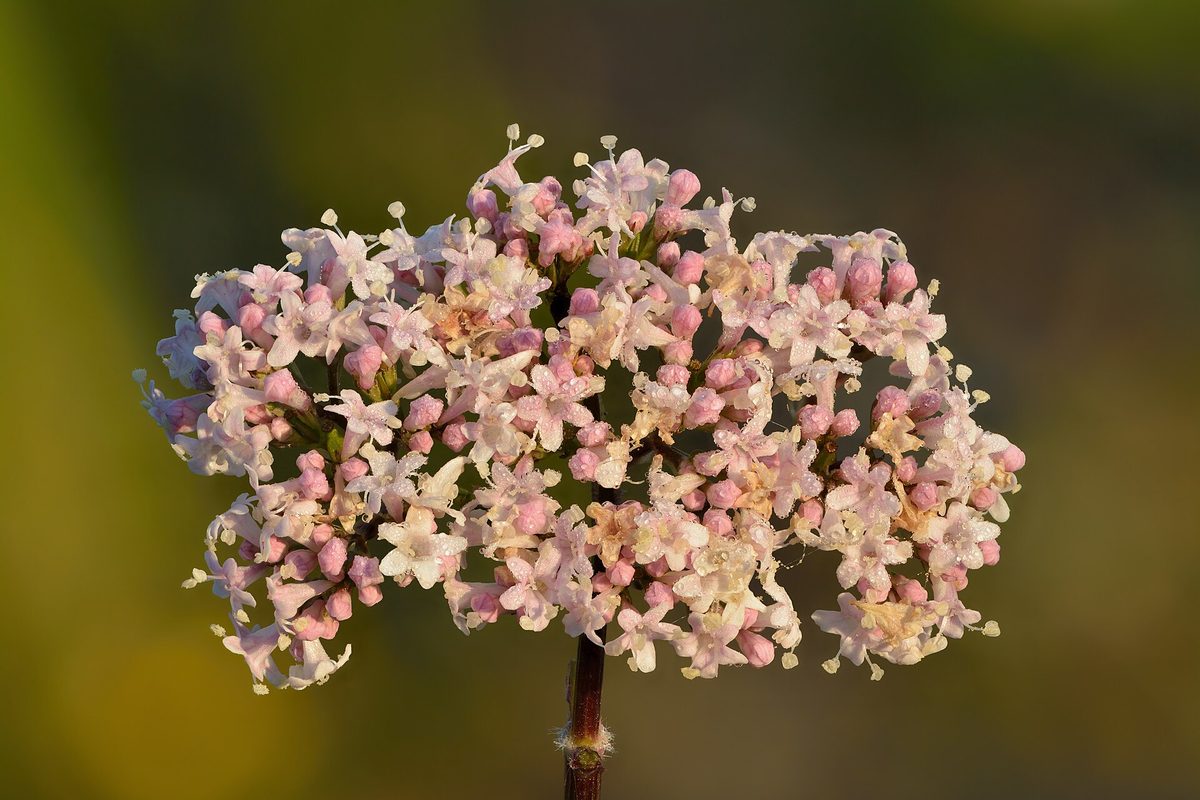
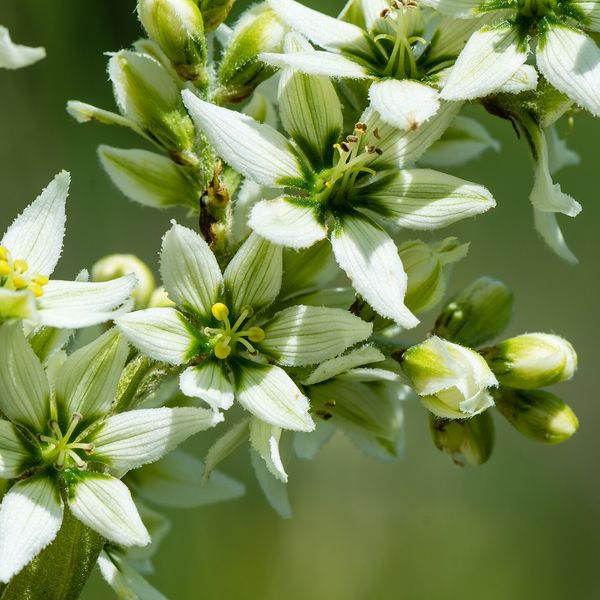
This perennial plant is 50–150 cm tall with a straight hollow ribbed stem. The leaves are pinnate, with 7–11 or more elongated leaflets, arranged oppositely. The flowers are small, pinkish or white, gathered in large umbrella-like inflorescences at the top and have a sweetish smell. The rhizome is short, with numerous thin roots that have a characteristic sharp smell, especially after drying.
Valeriana blooms from June to August. Traditionally, the rhizome with roots is harvested in the fall. The smell of the roots is very attractive to cats, hence the folk name 'cat's root.'
Valeriana with large white inflorescences in wet places should be carefully distinguished from poisonous umbellifers that grow in the same habitats, particularly from water hemlock (Cicuta virosa). In umbellifers, the inflorescence is a compound umbrella on 'spokes,' and the leaves are several times dissected. In valeriana, the leaves are simply pinnate, with elongated serrated leaflets, and the inflorescence is an umbrella. If in doubt, do not dig it up.
Where in the Carpathians

The map shows where naturalists recorded the species (GBIF, CC0 and CC BY records), not every place it lives. The Ukrainian Carpathians are less studied, so a blank area does not mean the species is absent.
- Countries
- Slovakia · Czechia · Poland · Romania · Hungary · Austria · Ukraine
- Mountain ranges
- Strážov Mountains, Kysuce Beskids, Lesser Fatra, Slovak Ore Mountains, Greater Fatra, Low Tatras, White Carpathians, Javorníky, Slovak Paradise, Low Beskids
- Altitude belts
- Foothills (below 600 m) · Beech forests (600–1200 m)
When to see it
| Jan | Feb | Mar | Apr | May | Jun | Jul | Aug | Sep | Oct | Nov | Dec | |
|---|---|---|---|---|---|---|---|---|---|---|---|---|
| Flowering | ||||||||||||
| Fruit |
From naturalists’ observations in the Carpathians (iNaturalist, research grade): the darker the cell, the more often the species is seen that month.
Safety
Do not confuse with poisonous umbellifers in wet places (water hemlock, poison hemlock). According to EMA, valerian products may reduce attention — do not drive after use; consult a doctor.
Look-alikes — how to tell them apart
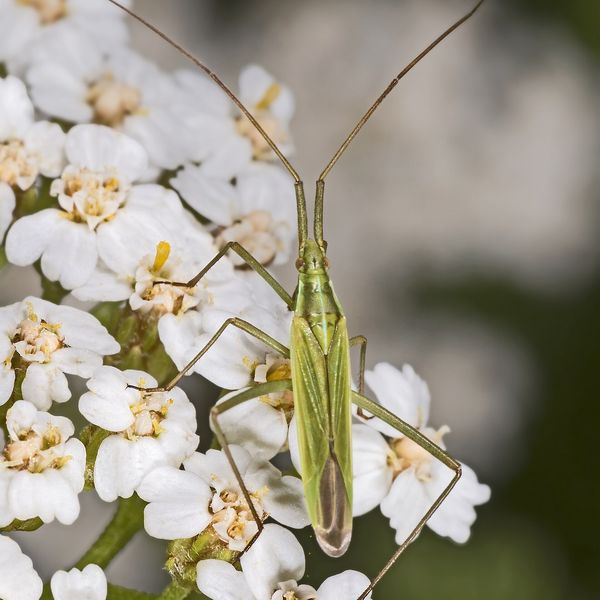
The inflorescence is a compound umbrella on 'spokes'; the leaves are twice or thrice pinnately dissected; the rhizome is thick, with internal cavities. In valeriana, the leaves are simply pinnate, and the inflorescence is an umbrella.
In folk tradition
The rhizome with roots is traditionally dried and brewed as tea.
Protection and rules
Not protected. For personal use, it can be collected outside of reserves and protected areas of national parks; cut the tops, do not uproot the plant.
FAQ
When to harvest valerian root?
Traditionally, the rhizome with roots is dug up in the fall when the above-ground part dies back and dried in the shade.
Where does valerian grow in the Carpathians?
In wet meadows, on the banks of streams and rivers, in wet thickets, and at forest edges, from the valleys to the mountain forest zone.
Similar species
Where to meet it
Mountain ranges: Bieszczady. In other countries: 🇸🇰 Strážov Mountains, 🇸🇰 Kysuce Beskids, 🇸🇰 Lesser Fatra, 🇸🇰 Slovak Ore Mountains, 🇸🇰 Greater Fatra, 🇸🇰 Low Tatras, 🇨🇿 White Carpathians, 🇸🇰 Javorníky, 🇸🇰 Slovak Paradise, 🇵🇱 Low Beskids, 🇵🇱 Żywiec Beskids, 🇸🇰 Slovak Central Mountains, 🇨🇿 Moravian-Silesian Beskids
Trails and peaks near which naturalists recorded the species (GBIF, iNaturalist), matched by altitude and habitat. Sightings are not guaranteed.
Sources
- Вікіпедія: Валер'яна лікарська
- Wikipedia (en): Valerian (herb)
- Wikipedia (en): Cicuta virosa
- EMA/HMPC: монографія Valerianae radix
GBIF · iNaturalist · Wikidata · Distribution data: GBIF.org (CC0 and CC BY records), iNaturalist; names and identifiers: Wikidata (CC0). Text: Karpaty.rocks, checked 09.11.2026.
