Beet kvass
What it is
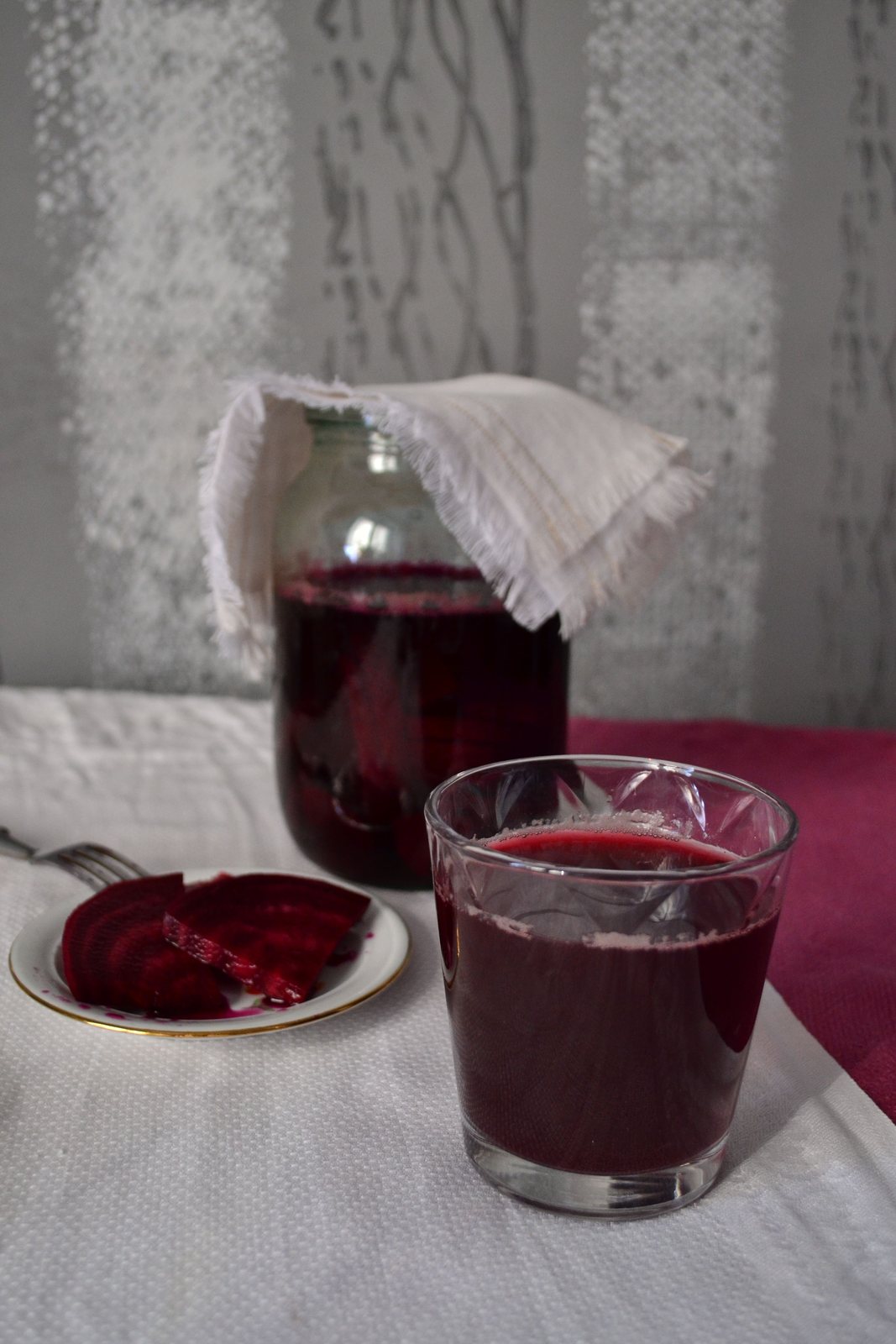
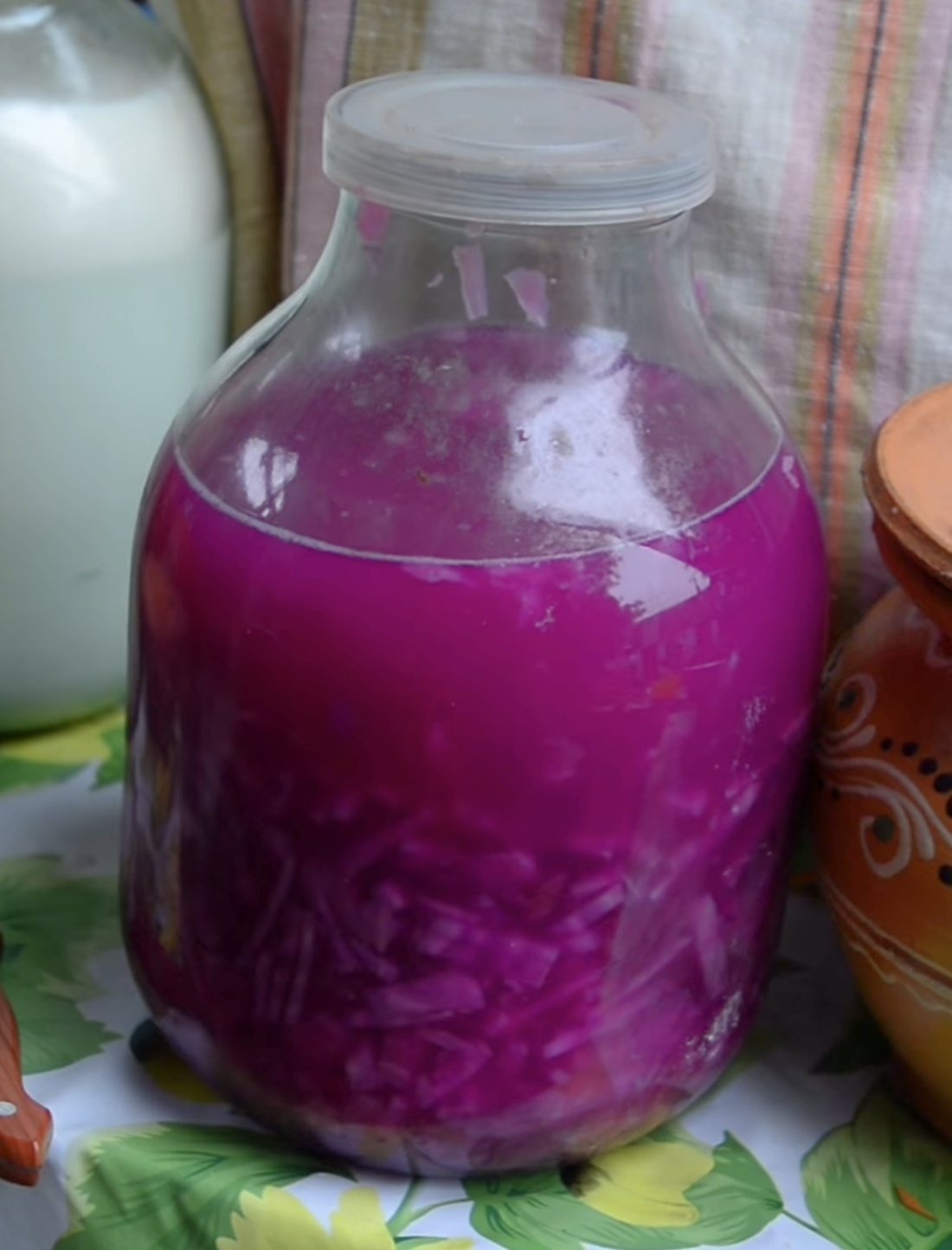
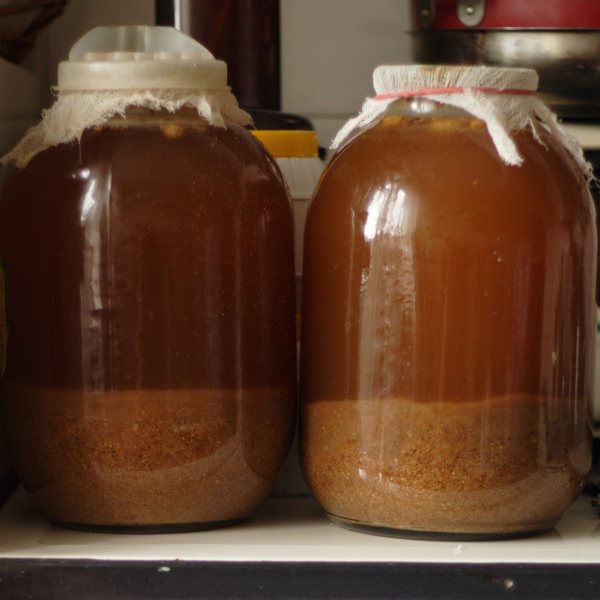
Beet kvass is a sour ruby liquid that forms when chopped beets ferment in water for several days. It served two purposes: it was used to sour borscht instead of vinegar, and it was also simply consumed.
In the Boyko region, this kvass was referred to as 'fermented borscht.' The collection 'Boyko Cuisine' (Lviv, 2020) notes that it was once prepared in whole barrels: when the kvass 'ripened,' it was consumed, and on Christmas Eve, a clear lean borscht with dumplings was made from it.
In Bukovina, particularly in the mountain villages of Vyzhnytsia, borscht is still made with fermented beets along with their kvass—this gives the dish a sour taste and color without vinegar and tomato. In Ukraine, beet kvass has been largely replaced by tomatoes, but the tradition has persisted the longest in the west.
History and name
As early as 1928, the Galician author Osypa Zaklynska recommended in her book 'New Vitamin Cuisine' to sour borscht with beet kvass 'instead of vinegar.' Her book is being reissued by the project 'Ukrainian Author's Cuisine.'
The culture of preparing Ukrainian borscht was included in the UNESCO List of Intangible Cultural Heritage in 2022, which requires urgent protection; beet kvass is one of the ancient foundations of this culture.
Ingredients and allergens
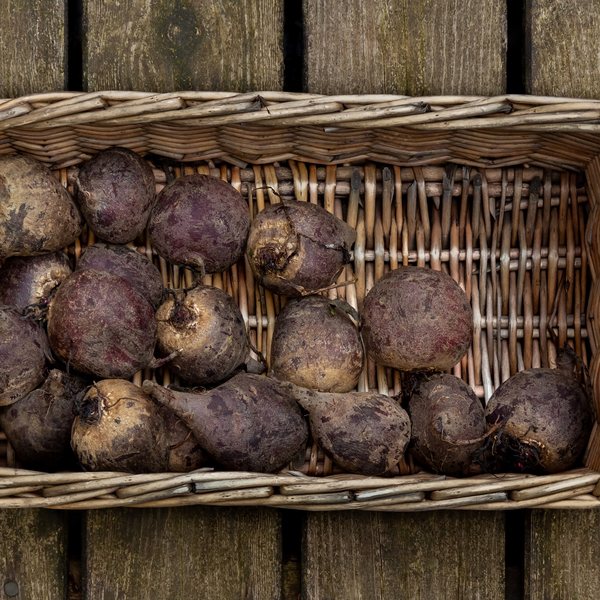
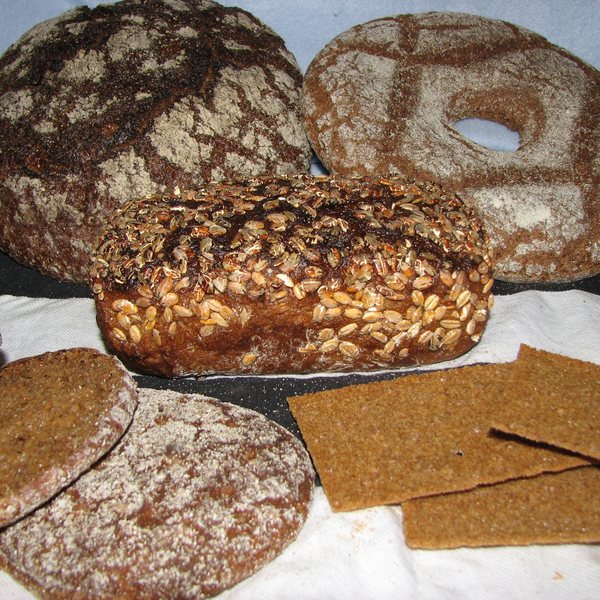
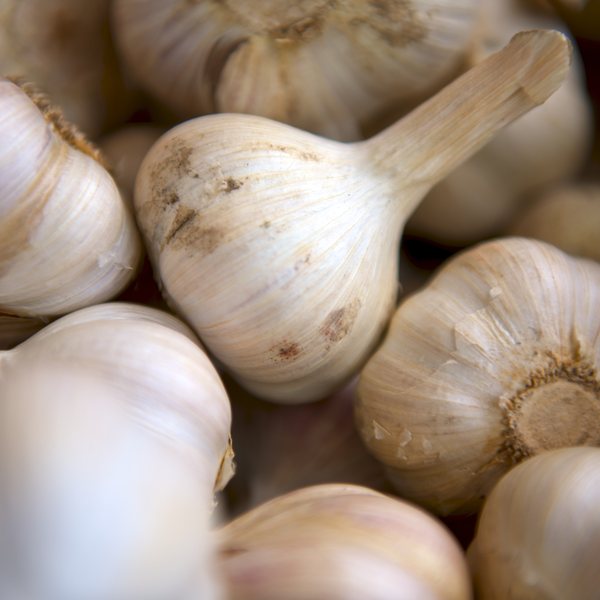
Also: water (—), caraway (pinch, optional)
Contains allergens: none of the 14 major allergens in the traditional recipe
Depending on how it is served, may contain: gluten
Diet: lenten · vegan · gluten-free · no cooking
Ingredients of the traditional recipe; every cook and every place may do it differently — please ask when ordering. We cannot guarantee the absence of allergens or traces.
How it is made
The Boyko description is as follows: beets are cleaned, sliced into rounds, covered with warm water, caraway seeds, garlic, and a crust of rye bread or a handful of millet in a cloth bag are added—and left to ferment, regularly skimming off the foam. When the kvass becomes sour and ruby-colored, it is poured off and kept cold.
Video 2
 БУРЯКОВИЙ КВАС РЕЦЕПТ ( БІЛИЙ ТА ЧЕРВОНИЙ ) СПРАВЖНІЙ !!!КАРПАТСЬКІ ШКВАРКИ

Where it is eaten
The Boyko region, Bukovina (especially Vyzhnytsia), and Galicia in general: fermenting beets for borscht is widespread throughout western Ukraine. The area is not limited to the mountains.
When it is eaten
| Jan | Feb | Mar | Apr | May | Jun | Jul | Aug | Sep | Oct | Nov | Dec |
|---|---|---|---|---|---|---|---|---|---|---|---|
Occasions: Christmas Eve · Lent · Everyday food
In tradition
Beet kvass was prepared in advance for Christmas: it was used to make the Christmas Eve borscht with dumplings. On weekdays, kvass was consumed as a sour refreshing drink.
Safety
Homemade kvass is a fermented product: make and store it in clean containers and in the cold; if mold or an unpleasant smell appears—do not consume. The bread crust in the starter contains gluten.
FAQ
What is 'fermented borscht'?
This is how the Boykos referred to beet kvass: beets fermented in water. It was consumed, and on Christmas Eve, borscht with dumplings was made from it.
Why is beet kvass used in borscht?
It gives borscht a sour taste and a rich ruby color without vinegar and tomato.
How does beet kvass differ from bread kvass?
Bread kvass ferments on bread or grains and has a sweetish taste; beet kvass ferments on beets, it is sour and slightly salty, and it was mostly used for borscht.
Similar dishes and products
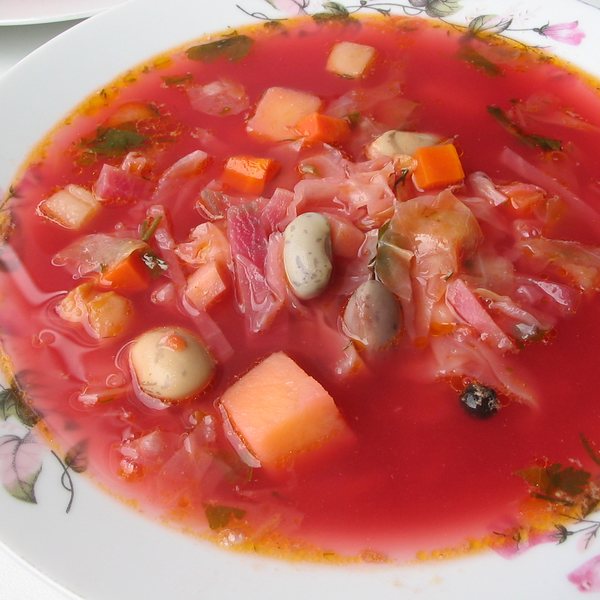
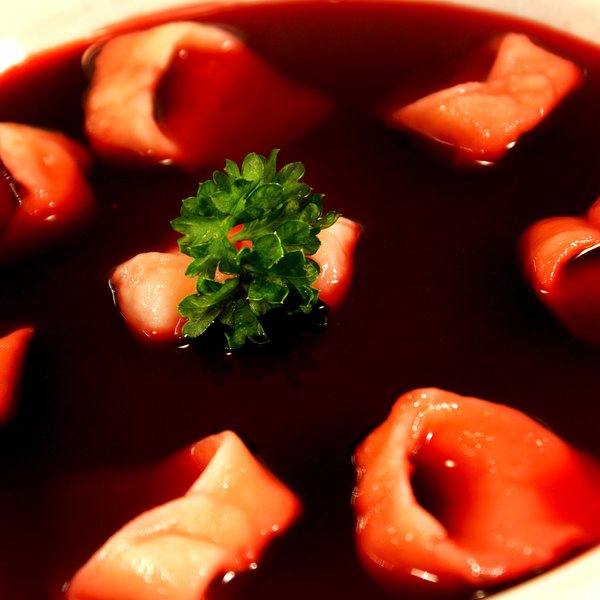
Relatives in the Carpathians and nearby
- zakwas buraczany · Poland
similar tradition: base for barszcz - borș · Romania
related name: in Romania, this refers to sour kvass made from bran for soups
Sources
- «Бойківська кухня / Kuchnia Bojkowska» (Львів, 2020): книжка рецептів українсько-польського проєкту ГО «Асоціація гірських провідників “Ровінь”»
- Телеграф: що давали в український борщ 100 років тому (буряковий квас, О. Заклинська 1928)
- BUK media: Смаки Буковини — гуцульський борщ від Наталії Вятковської з Вижниччини
- UNESCO: Culture of Ukrainian borscht cooking (Urgent Safeguarding List, 2022)
Written by the Karpaty.rocks editors from the sources above. Checked 10.11.2026.
