Bukovynian borshch
What it is
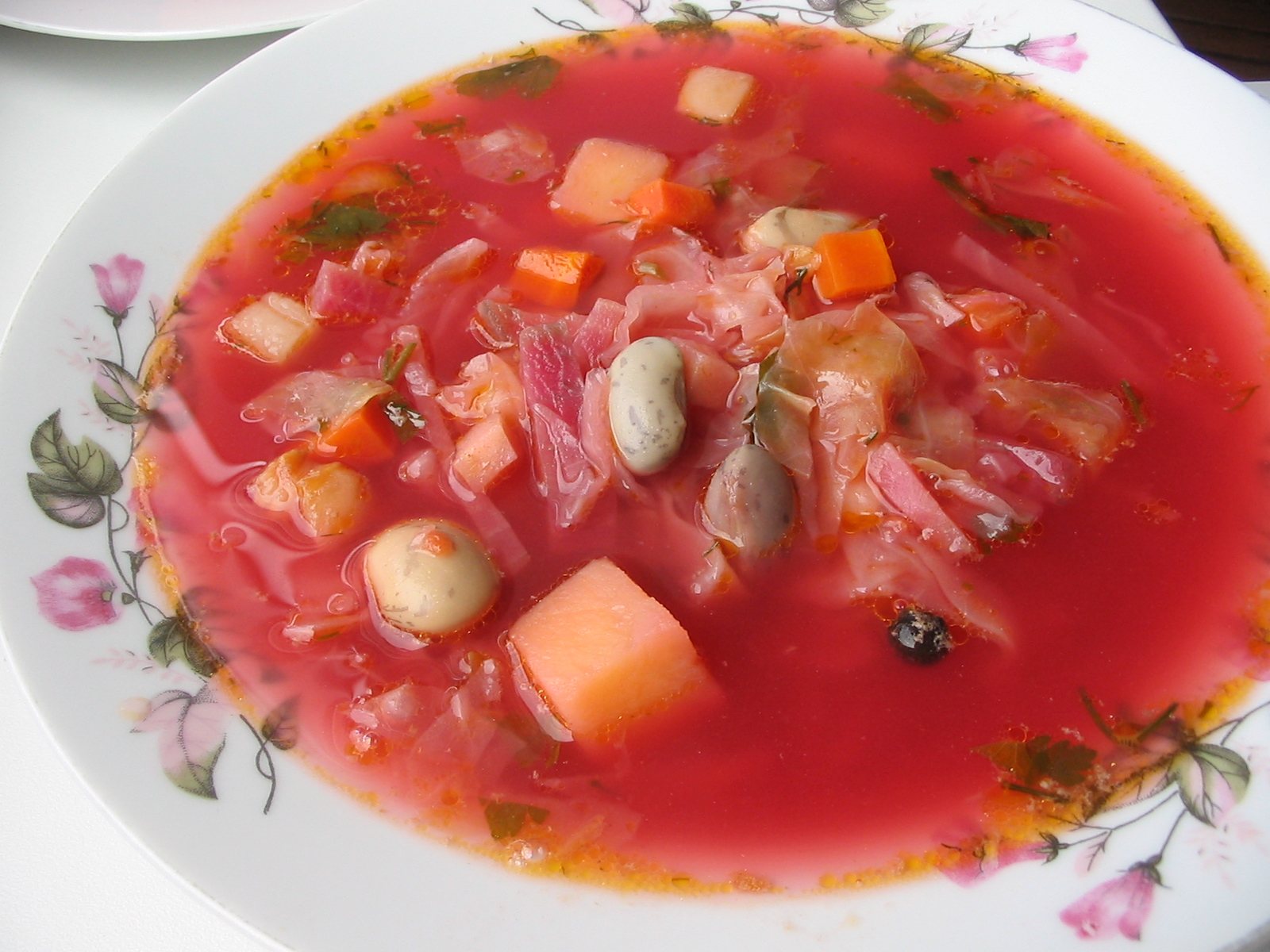
Bukovynian borscht gets its tang not from vinegar or tomato, but from fermented beetroot. The beetroot is fermented in water beforehand and placed in a pot along with kvass — this gives the borscht its natural sourness and rich ruby color. The second characteristic is the beans, which are often referred to as fasole or fasulki in Bukovina: they are added generously, either cooked or pickled.
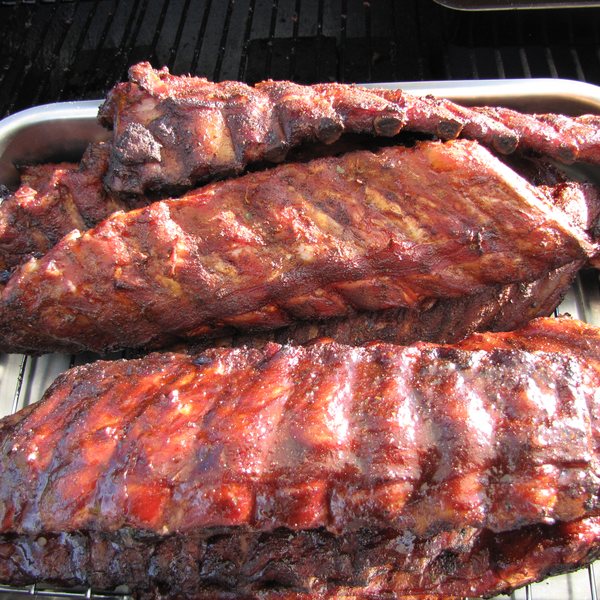
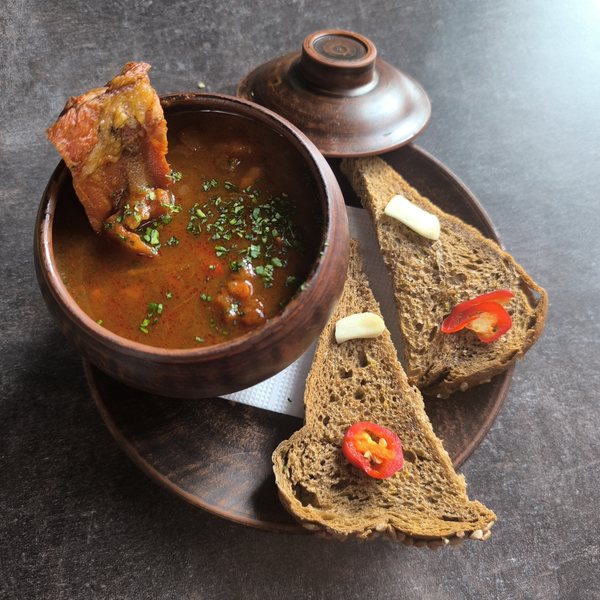
In the mountain villages of Vyzhnytsia, borscht is cooked with smoked ribs. Hostess Natalia Viatkovska, a hereditary Hutsul, adds the fermented beetroot to boiling water, then adds potatoes, fresh cabbage, a sauté of onions and carrots in oil or lard, beans, and smoked ribs. The borscht is not salted: the fermented beetroot, beans, and ribs are already salty. It smells of dried thyme and dill from her own garden.
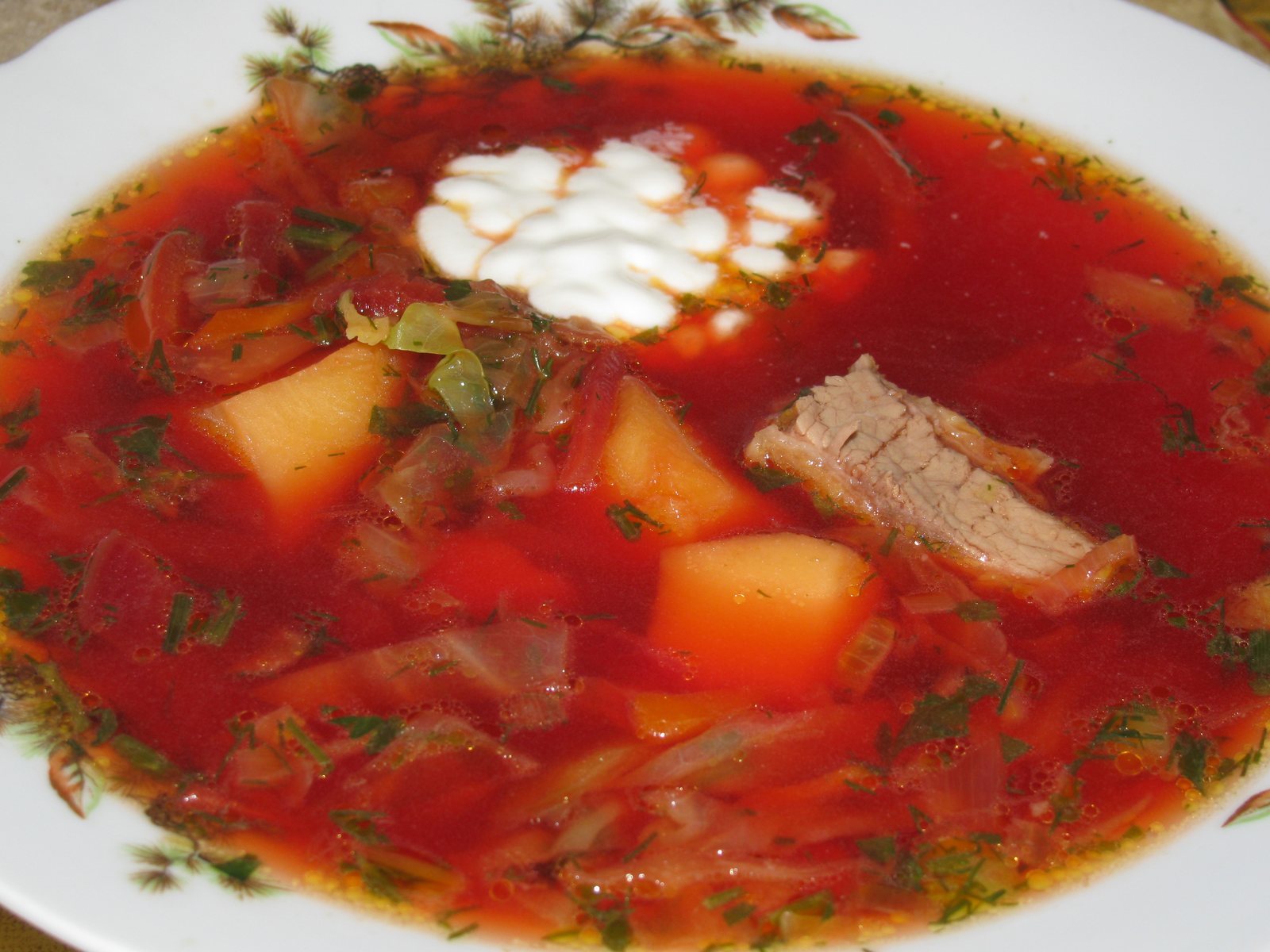
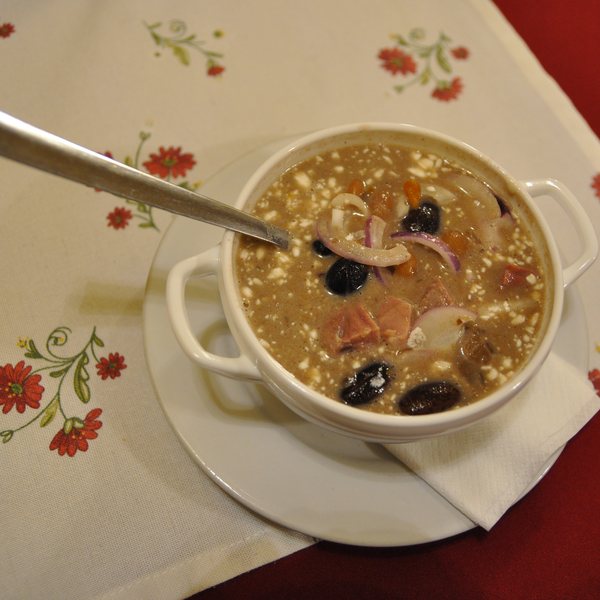
In cities and flatland villages, borscht is more often made with pork and beans and served with sour cream, garlic, lard, and pampushky. On Christmas Eve in Bukovina, they make lean borscht — with mushrooms and ears.
History and name
The culture of preparing Ukrainian borscht has been included in the National Register of Intangible Cultural Heritage (2020) — among the regions, Chernivtsi Oblast is mentioned — and in 2022 it was added to the UNESCO list of intangible heritage that requires urgent safeguarding. The culture of preparation itself is protected, not a single recipe; Bukovynian borscht is one of its regional variants.
Beet kvass has been a common way to ferment borscht for centuries until it was gradually replaced by tomatoes; this tradition has best survived in western Ukraine. As early as 1928, Osypa Zaklynska advised fermenting borscht only with beet kvass, not vinegar. In the mountains, borscht was long cooked on a shparhat — a kitchen stove heated with wood, and some hostesses still do it this way.
Intangible heritage of Ukraine. Element of the National Inventory of the Intangible Cultural Heritage of Ukraine: Культура приготування українського борщу (елемент для всієї України, зокрема Чернівецької області; буковинський борщ — регіональний варіант) (No. 022н.к.с., наказ Мінкульту № 2182 від 13.10.2020; 2022 — Список ЮНЕСКО НКС, що потребує термінової охорони). Sources
Legend: Real borscht must include tomato and vinegar.
In fact: Old western Ukrainian recipes fermented borscht with beet kvass; tomatoes spread later and gradually replaced kvass. In Bukovina, the tang is still often given by fermented beetroot.
Ingredients and allergens
Variant: mountain, with fermented beetroot and smoked ribs
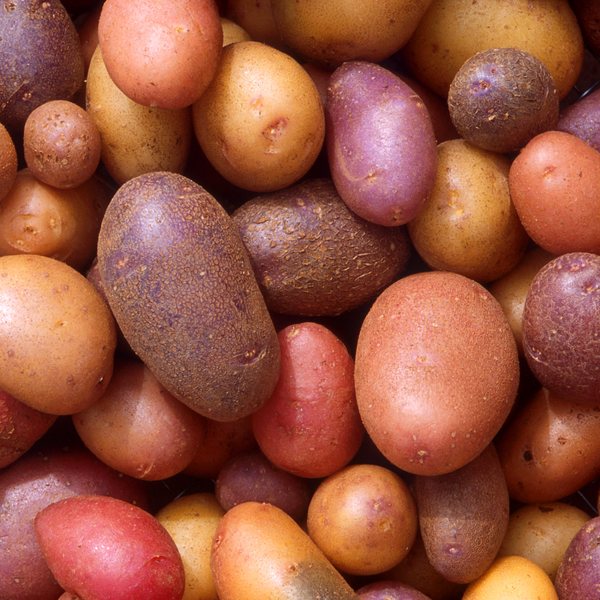
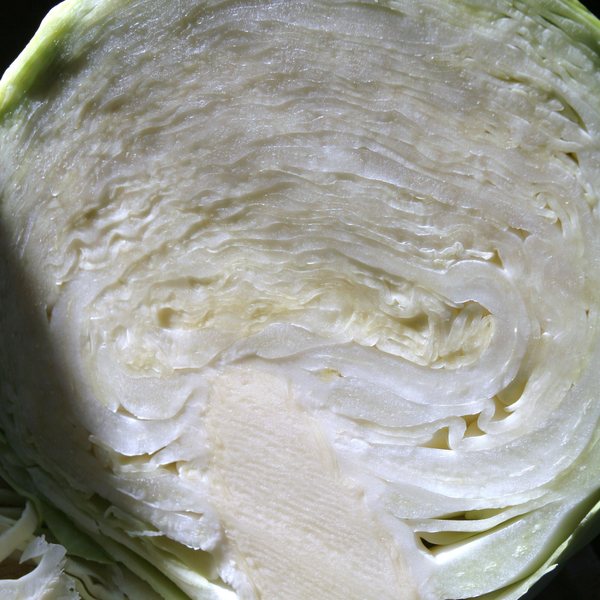
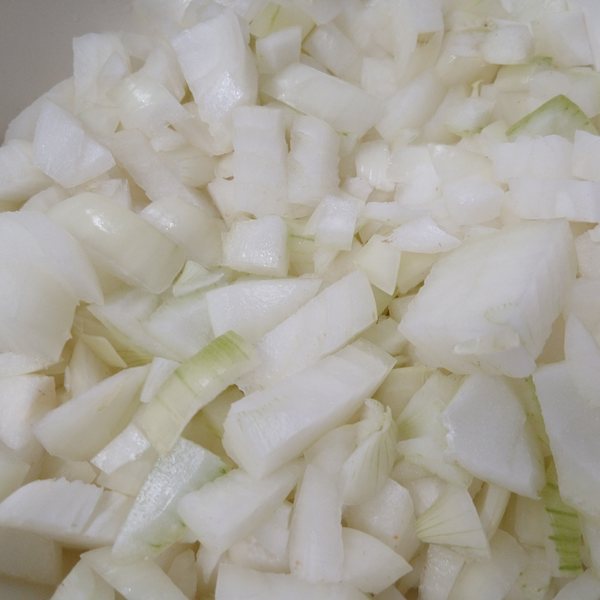
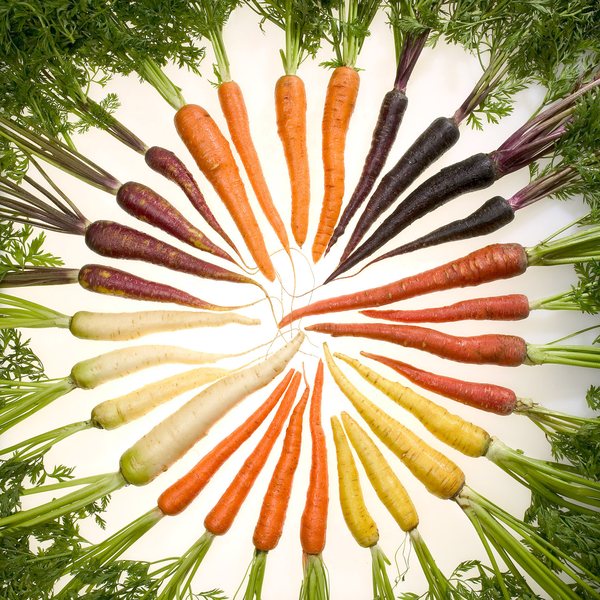

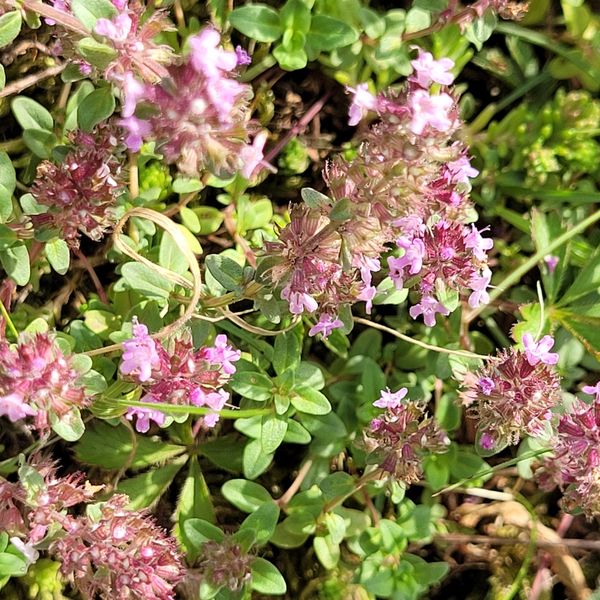
Also: dill (dried or fresh, optional), sunflower oil (2 tbsp (or lard)), water (3–3.5 l)
Contains allergens: milk
Diet: gluten-free by ingredients; traces possible
Variant: urban, with pork and beans
pork, beetroot, beet kvass, dry beans, potato, onion, carrot, lard, water, garlic, sour cream
Contains allergens: milk
Depending on how it is served, may contain: gluten
Diet: gluten-free
Variant: lean, christmas eve, with mushrooms and ears
fermented beetroot, dried porcini, dry beans, potato, onion, carrot, sunflower oil, wheat flour, water
Contains allergens: none of the 14 major allergens in the traditional recipe
Depending on how it is served, may contain: gluten
Diet: lenten · vegan · gluten-free by ingredients; traces possible
Ingredients of the traditional recipe; every cook and every place may do it differently — please ask when ordering. We cannot guarantee the absence of allergens or traces.
How it is traditionally made
Serves: 6–8 servings
- Fermented beetroot — 3–4 beetroots with kvass
- Smoked pork (ribs, hock) — 400–500 g of smoked ribs
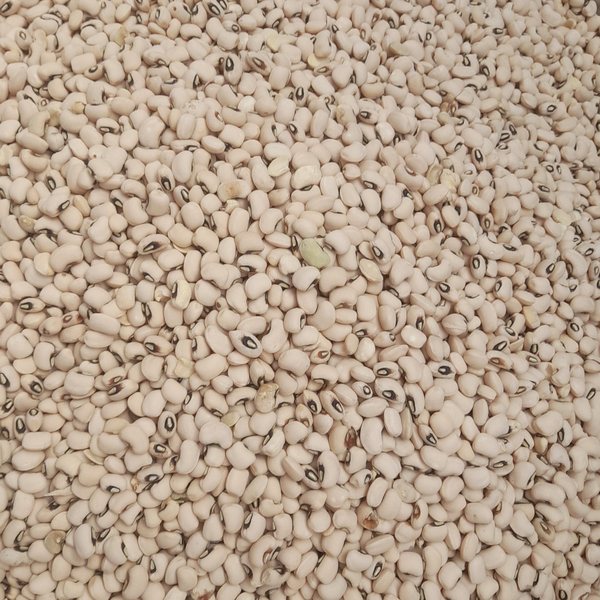
- Dry beans — 1 cup of cooked or pickled beans
- Potato — 3–4 pcs.
- White cabbage (fresh leaves) — ¼ small head
- Onion — 1–2 pcs.
- Carrot — 1 pc.
- Sunflower oil — 2 tbsp (or lard)
- Water — 3–3.5 l
- Wild thyme — a sprig of dried
- Dill — dried or fresh
- Sour cream — 1 tbsp per bowl
- A few days in advance, ferment the beetroot: peel, cut into slices, place in a jar no more than one-third full, pour in cold boiled water with a pinch of salt (optionally add a crust of bread) and keep warm until it sours. Remove any white film.
- Soak the beans overnight and cook separately until soft — or use pickled ones.
- In boiling water, add the fermented beetroot, and a few minutes later, add the potatoes cut into pieces.
- Add shredded fresh cabbage and the sauté: finely chopped onion with carrot, fried in oil or lard until golden.
- Add the beans and smoked ribs cut into pieces, and simmer on low heat until everything is soft.
- Do not salt until you taste: the fermented beetroot, beans, and ribs are already salty. At the end, add a sprig of dried thyme and dill; if it lacks tanginess, pour in some beet kvass 5–10 minutes before finishing.
- Let the borscht steep for a few minutes under a lid.
How it is served
With sour cream — one tablespoon of thick homemade sour cream is enough. In summer, sprinkle with fresh dill and parsley; in winter — with dried herbs; in Chernivtsi, garlic, lard, and pampushky are also served with borscht.
Variants
On Christmas Eve, the borscht is lean: without meat, with dried mushrooms and ears. In cities and flatland villages, borscht is made with pork and beans; each hostess adds cabbage and tomato at her own discretion.
The traditional method as described by our sources; every family does it its own way. We have not tested this recipe in a professional kitchen.
Video
 Український борщ — нематеріальна спадщина ЮНЕСКО: як готує буковинська господиняСуспільне Чернівці
Where it is eaten

The area is approximate and based on the sources below. The dish is cooked outside it too, and ethnographic borders are blurred.
All of Bukovina. The recipe with fermented beetroot and smoked ribs is recorded in the mountain village of Vyzhnytsia; in Chernivtsi and flatland villages, borscht is more often made with pork and beans. The area is approximate.
When it is eaten
| Jan | Feb | Mar | Apr | May | Jun | Jul | Aug | Sep | Oct | Nov | Dec |
|---|---|---|---|---|---|---|---|---|---|---|---|
Occasions: Everyday food · Christmas Eve · Lent
In tradition
Borscht is a daily dish and part of the Christmas Eve table: on Holy Evening in Bukovina, they make lean borscht with ears. Each hostess has her own recipe, passed down not from books, but from mother and grandmother.
FAQ
How does Bukovynian borscht differ from the usual?
Its tang comes from fermented beetroot, not vinegar or tomato, and it contains a lot of beans. In the mountains, it is cooked with smoked ribs and is almost not salted.
How to ferment beetroot for borscht?
The beetroot is cut into slices, poured with cold boiled water with a pinch of salt, sometimes a crust of bread is added, and kept warm for a few days until it sours. The kvass is added to the borscht at the end.
Is borscht a UNESCO heritage?
Yes: in 2022, the culture of preparing Ukrainian borscht was included in the UNESCO list of intangible heritage that requires urgent safeguarding. The tradition as a whole is protected, not a specific recipe.
Similar dishes and products
Relatives in the Carpathians and nearby
- barszcz czerwony na zakwasie · Poland
a close tradition: red borscht on beet kvass - ciorbă / borș · Romania
a related name: in Romania and Moldova, soups are fermented with the sour kvass borș made from bran
Sources
- BUK media: Смаки Буковини — гуцульський борщ від Наталії Вятковської з Вижниччини
- Суспільне Чернівці: Як готувати буковинський борщ — рецепт від Наталії Вятковської
- Національний перелік елементів НКС України (станом на 16.07.2025), № 022н.к.с.
- UNESCO: Culture of Ukrainian borscht cooking (Urgent Safeguarding List, 2022)
- Телеграф: що давали в український борщ 100 років тому (буряковий квас, О. Заклинська 1928)
- ichernivchanyn.com: Гастрономічна культура — буковинська кухня (борщ із квасолею)
- Офіційний туристичний портал Чернівців: Найсмачніший борщ у Чернівцях (борщ з фасулями, буковинський борщ)
- Погляд: 12 страв Свят-вечора на Буковині (борщ з вушками)
Written by the Karpaty.rocks editors from the sources above. Checked 10.11.2026.
