Nowy Targ
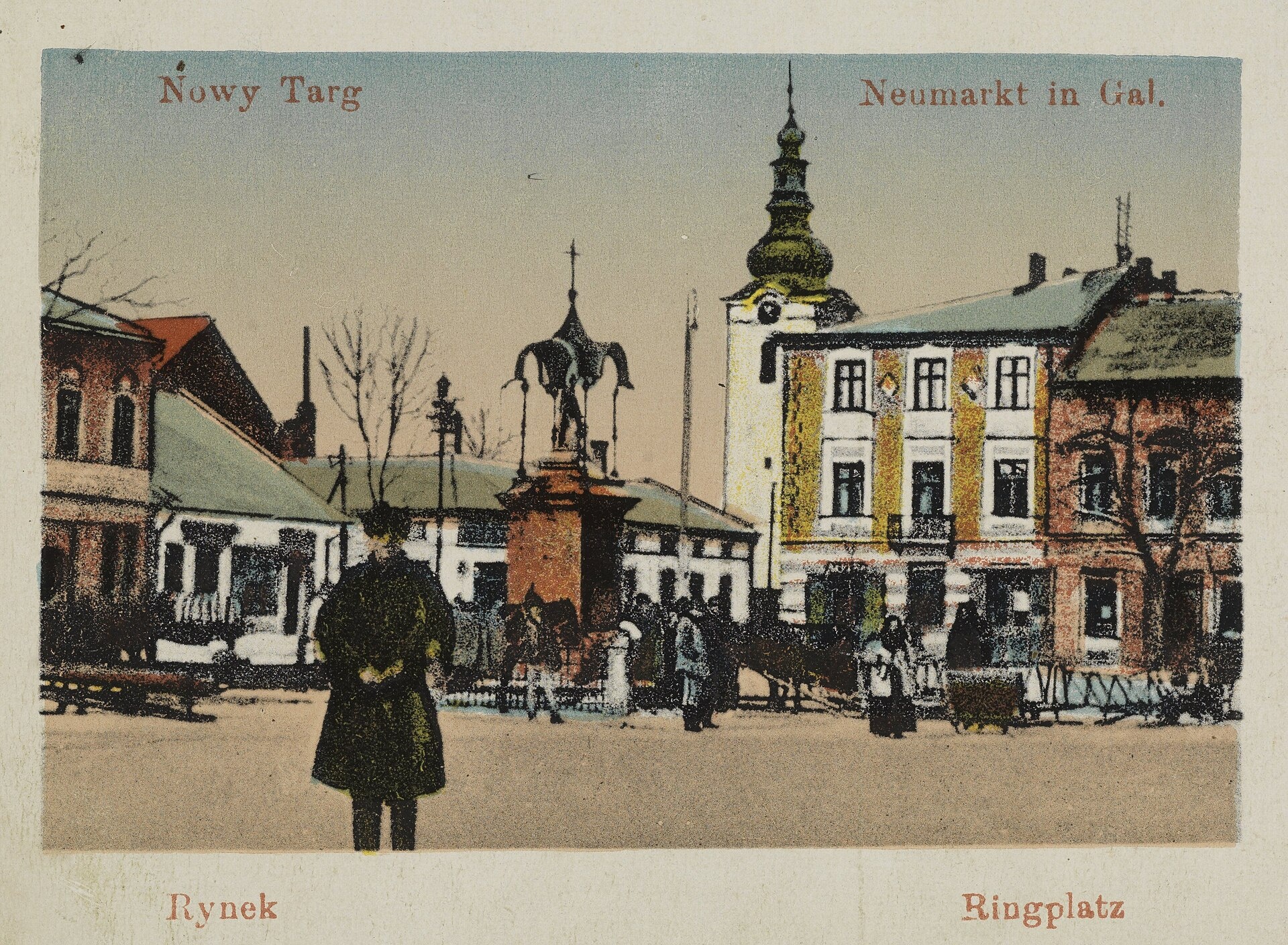
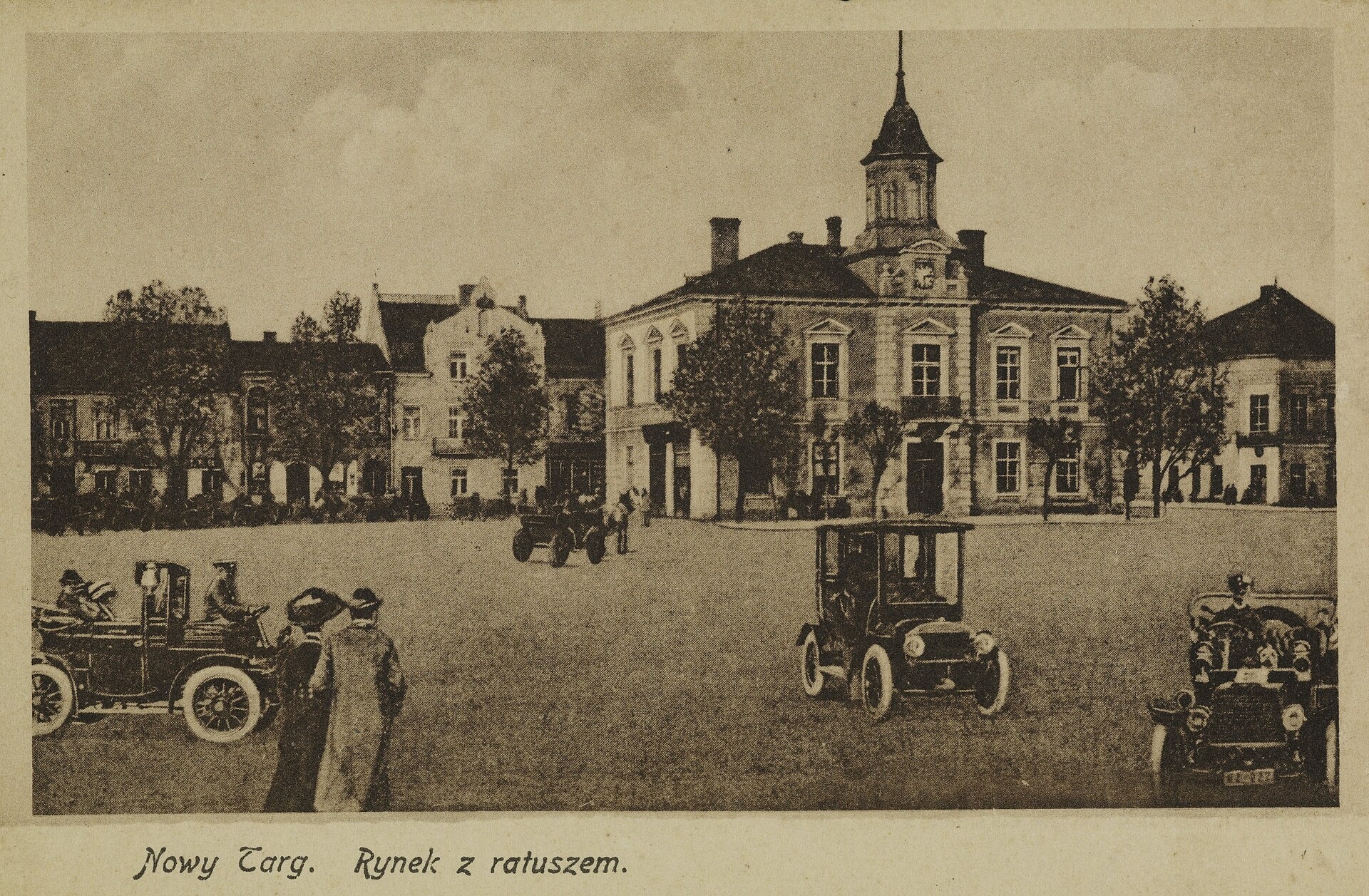
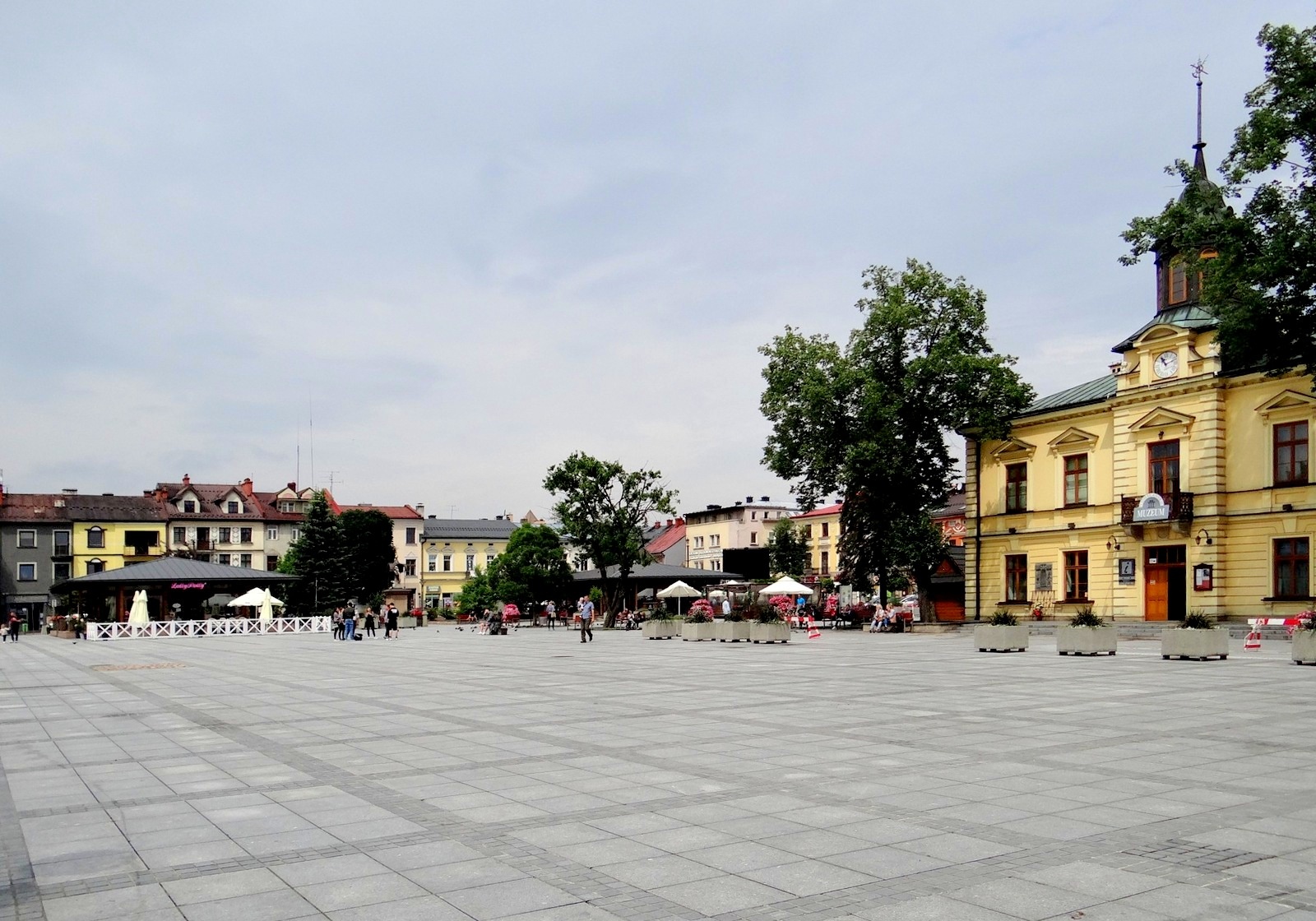
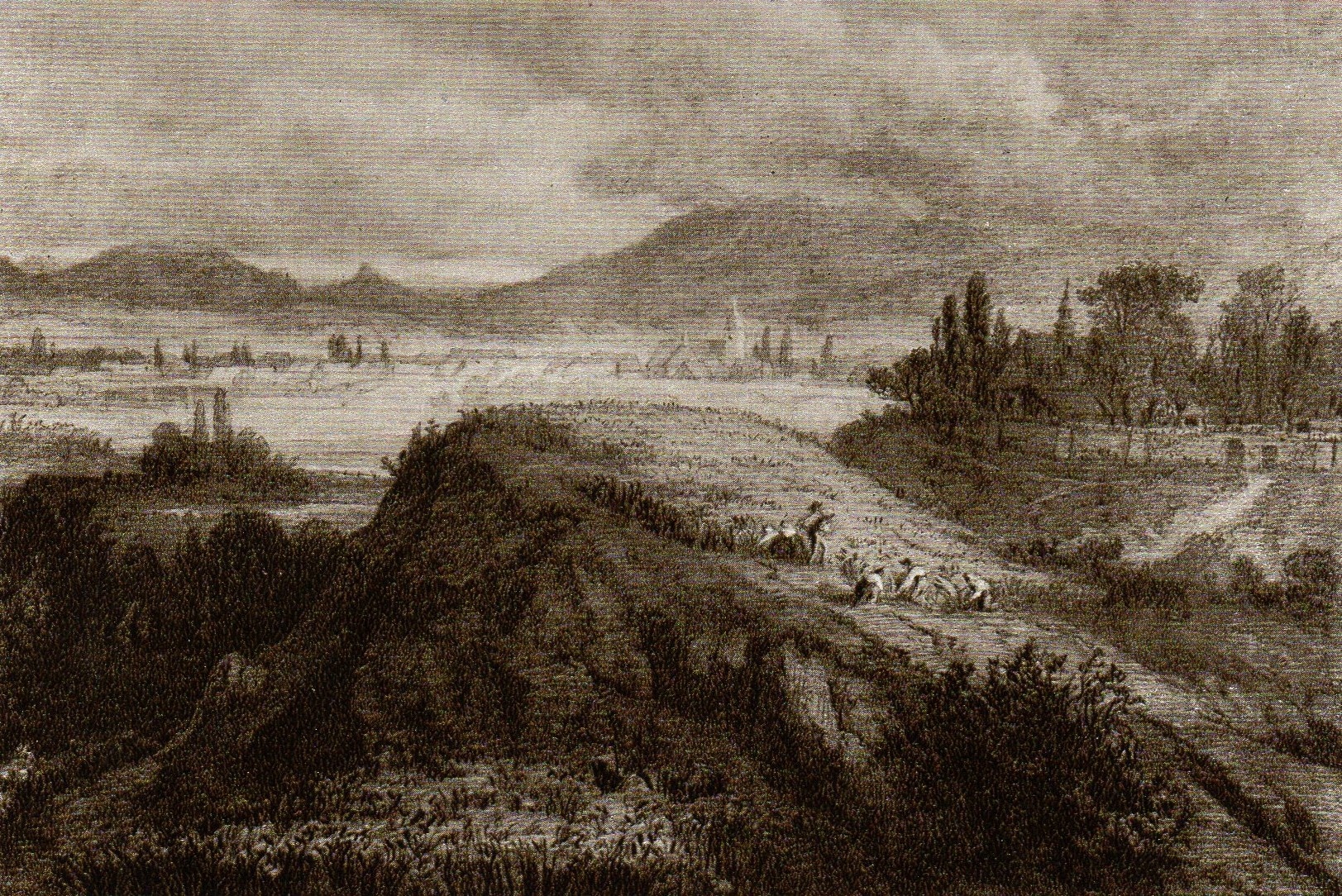
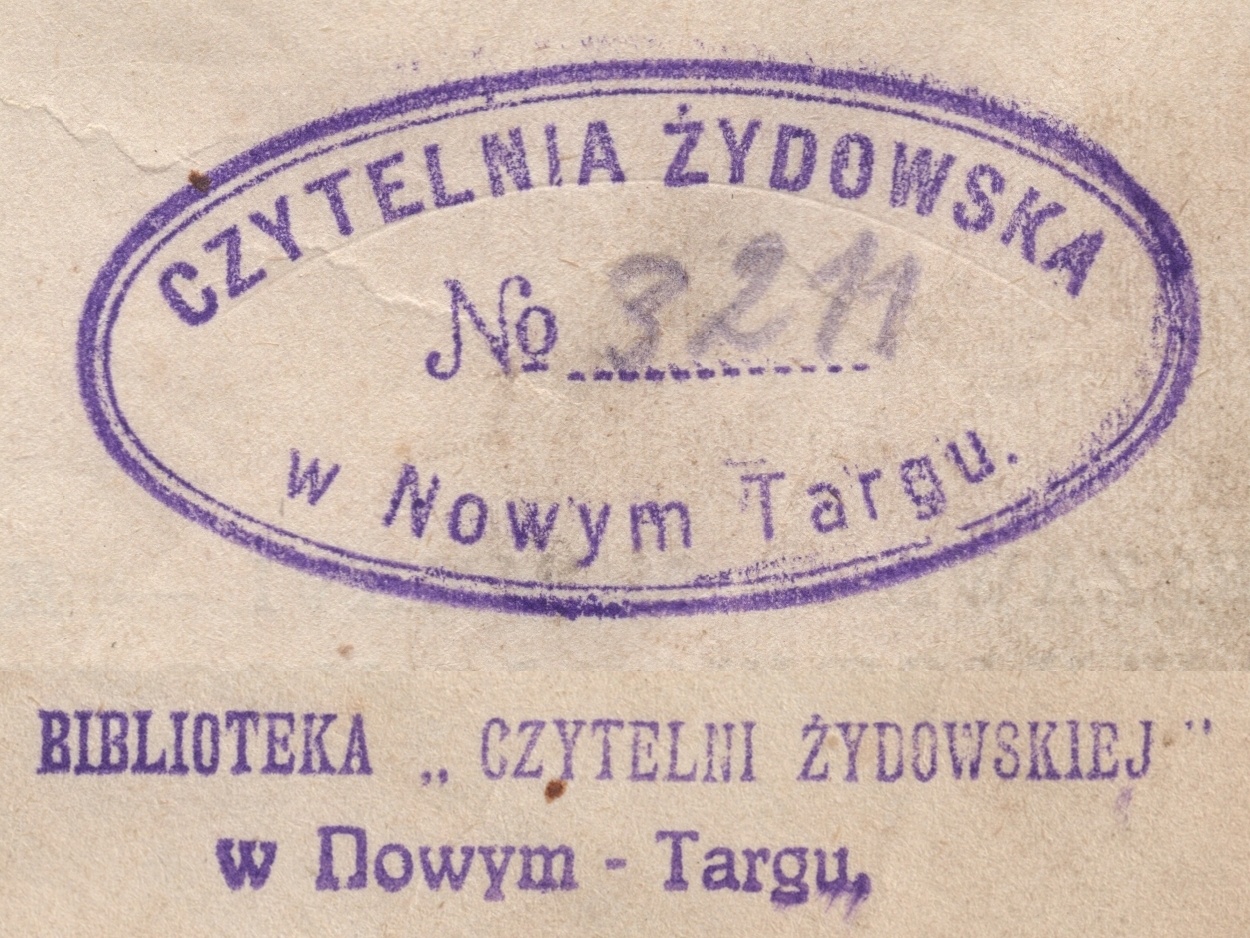
Photos: Unknown authorUnknown author, Public domain (Wikimedia Commons); Unknown authorUnknown author, Public domain (Wikimedia Commons); Gorofil, CC BY-SA 4.0 (Wikimedia Commons); autor reprodukcji nn, Public domain (Wikimedia Commons); Eduardschnack, CC0 (Wikimedia Commons); Władysław Skoczylas, Public domain (Wikimedia Commons)
Nowy Targ is a town in southern Poland, serving as the administrative centre of Nowy Targ County in the Lesser Poland Voivodeship. Located in the Dunajec (Nowy Targ) Valley on the Dunajec River, at the foot of the Gorce Mountains, it is the informal capital of the Podhale region and a key commercial, communication, and industrial hub. Surrounded by picturesque mountain landscapes, Nowy Targ is a convenient base for exploring the Gorce and nearby mountain areas.
The history of Nowy Targ begins with the foundation of a Cistercian monastery, which received land in the village of Szczyrzyc. In 1252, Abbot Peter was granted the privilege to establish a new town under German law. The city received a new location privilege from King Casimir III in 1346. Already in the Middle Ages, Nowy Targ was an important trading point on the route from Silesia to Hungary.
Nowy Targ is known for its weekly market, a tradition dating back to the 13th century. The town is famous for its furrier workshops, producing renowned sheepskin coats and leather goods. Notable religious sites include the Church of the Sacred Heart of Jesus, St. Catherine's Church, St. Brother Albert's Church, the Church of Our Lady of the Angels, Queen Jadwiga's Church, John Paul II Church, St. Anne's Church, and the Chapel of Our Lady Queen of the Gorce near Turbacz.
Visitors can enjoy a wide range of activities in Nowy Targ. Numerous hiking trails start or end here, such as Mały Księstanów – Kowaniec, Szczebel – Turbacz – Kowaniec, the Seweryn Goszczyński Trail, and Grywałd – Polana Gabrowska. Mountain enthusiasts can climb Turbacz or visit mountain huts: "Koliba" on Łapsowa Polana, the hut on Maciejowa, and the hut on Turbacz. Highlights include the Sanctuary of Our Lady of Ludźmierz (Podhale's Hostess) and the Podhale Museum. Local crafts are represented by the Nowy Targ market and the "U Borzanka" inn. For relaxation, there are thermal complexes: Terma Bania, Gorący Potok (Szaflary), and Szaflary Thermal Baths (Podhale Thermal Baths).
Getting there from Ukraine
Lviv – Zakopane ≈421 km, ≈5 h 10 min without border queues. Route: M-10 Lviv – Krakovets → Krakovets – Korczowa checkpoint → A4 motorway (Rzeszów – Tarnów – Kraków) → Kraków southern bypass → S7/DK7 → DK47 ('Zakopianka') via Nowy Targ → Zakopane. The A4 Katowice – Kraków section (Balice and Mysłowice toll plazas) is tolled, but this route does not use it. In summer and at weekends the DK47 near Zakopane is often congested.
Sources: Wikipedia, Wikidata, OpenStreetMap, Karpaty.rocks data. More on Wikipedia
Trails nearby
All trails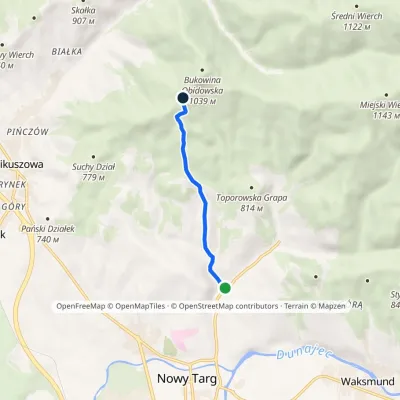 EasyOne-dayMarkedNowy Targ Kowaniec Bukowina ObidowskaElevation profile616–952 m4.1 kmascent 336 m≈ 1.5 h walking2 km from the centre
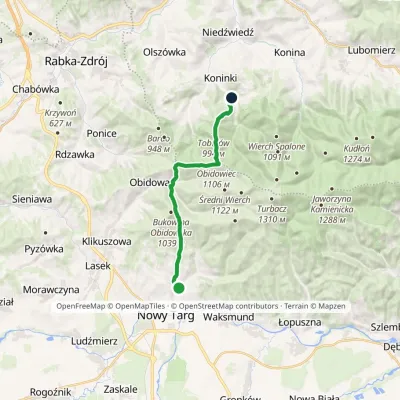 ModerateOne-dayMarkedKoninki Kowaniecvia Stare WierchyElevation profile604–1 107 m14.3 kmascent 721 m≈ 5 h walking2 km from the centre
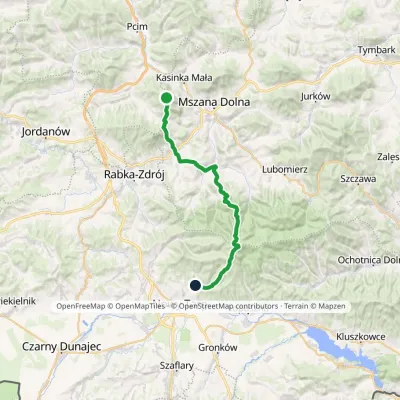 HardMulti-dayMarkedSzczebel Kowaniecvia TurbaczElevation profile424–1 289 m32 kmascent 1 334 m≈ 10.5 h walking3 km from the centre
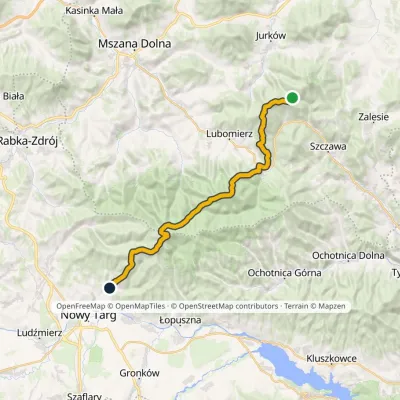 HardMulti-dayMarkedMały Krzystanów KowaniecElevation profile656–1 289 m28.7 kmascent 1 194 m≈ 9.5 h walking3.2 km from the centre
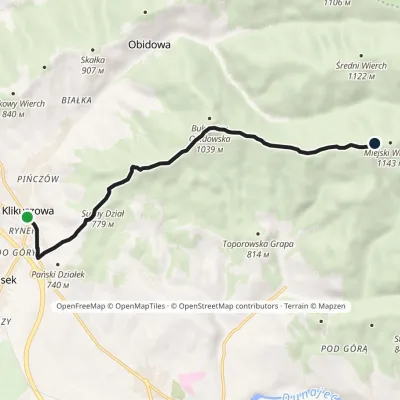 EasyOne-dayMarkedKlikuszowa Bukowina MiejskaElevation profile673–1 127 m8.9 kmascent 478 m≈ 3 h walking4.4 km from the centre
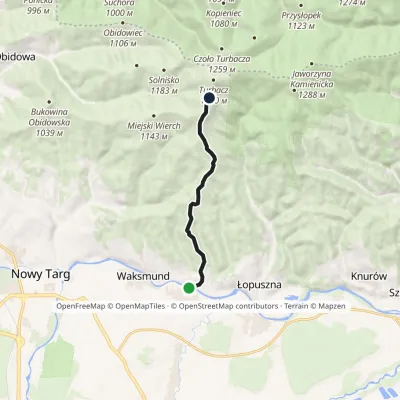 ModerateOne-dayMarkedOstrowsko WisielakówkaElevation profile563–1 210 m7.9 kmascent 646 m≈ 3.5 h walking5 km from the centre
Peaks nearby
All peaks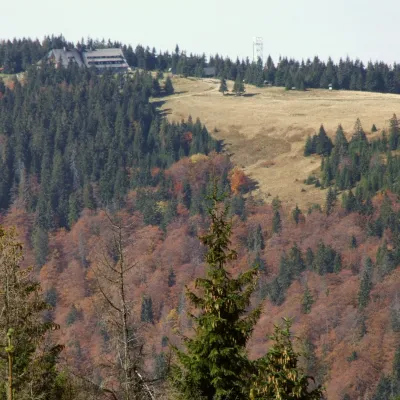 PeakTurbaczObidowaaltitude 1 310 m8.9 km from the centreTurbacz is the highest peak of the Gorce Mountains, 1,310 m high, lying at the very centre of the range in southern Lesser Poland, about 30 km north of Zakopane.
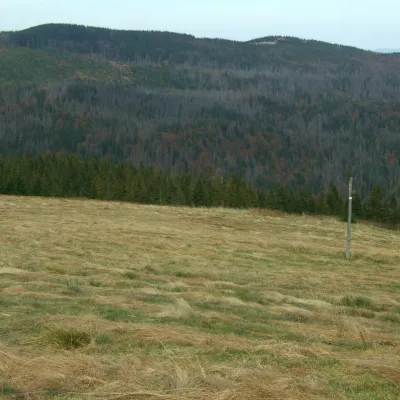 PeakKudłońLubomierzaltitude 1 274 m15 km from the centreKudłoń is a 1,274 m summit, the fourth-highest in the Gorce. It lies north-east of Turbacz on the ridge that links Turbacz with the Island Beskids via the Przysłop...
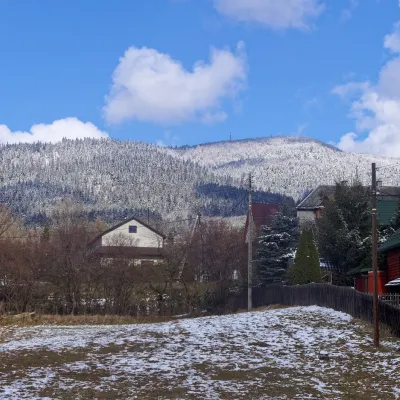 PeakLuboń WielkiGlisnealtitude 1 022 m19 km from the centreLuboń Wielki is a 1,022 m summit and the most prominent mountain of the Island Beskids, rising about 512 m above its key col.
 PeakGubałówkaZakopanealtitude 1 126 m21 km from the centreGubałówka is a long, gentle hill above the north-western part of Zakopane and the best-known summit of the Gubałówka Foothills in Podhale.
 PeakWdżarKluszkowcealtitude 767 m21 km from the centreWdżar is a 767 m mountain above the village of Kluszkowce in the Czorsztyn municipality of Lesser Poland Voivodeship.
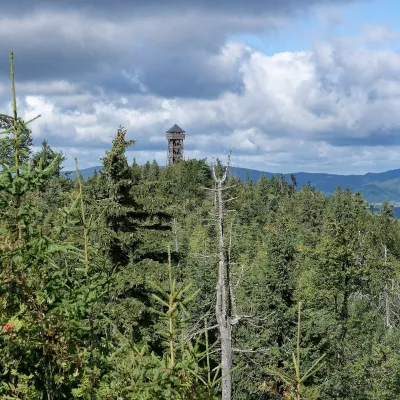 PeakLubańKrośnicaaltitude 1 211 m22 km from the centreLubań is the highest summit of the Lubań range in the south-eastern Gorce, 1,211 m high. It is a large forested massif cut by the valleys of several streams, north...
What to visit
All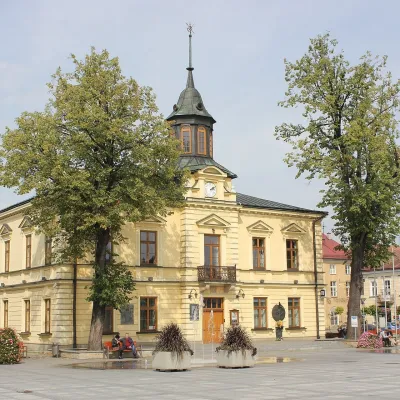 MuseumPodhale Museum in Nowy TargNowy Targunder 1 km from the centreThe Czesław Pajerski Podhale Museum (Muzeum Podhalańskie im. Czesława Pajerskiego) is the town museum of Nowy Targ, the "capital" of Podhale between the Tatras and the...
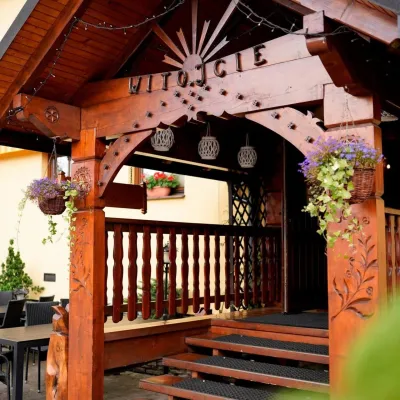 Koliby & Hutsul cuisineKarcma u Borzanka, Nowy Targ: highland food in an 18th-century innNowy Targunder 1 km from the centreKarcma u Borzanka is a highland tavern in the oldest coaching inn of Nowy Targ, the capital of Podhale.
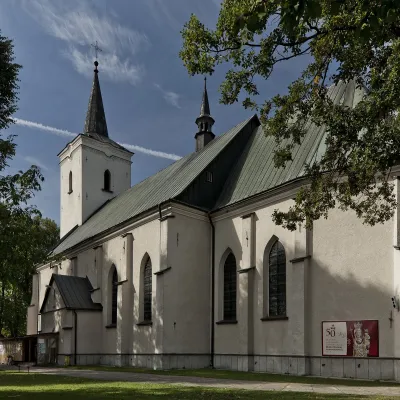 ChurchSanctuary of Our Lady of LudźmierzLudźmierz3.9 km from the centreLudźmierz is a village just outside Nowy Targ and home to the main Marian sanctuary of the Polish highlanders.
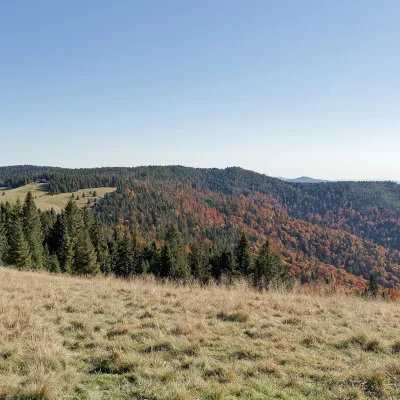 Mountain meadowHala Długa below TurbaczKoninkialtitude 1 202 m10 km from the centreHala Długa is a large mountain glade on the ridge of Turbacz, the highest peak of the Gorce (1,310 m).
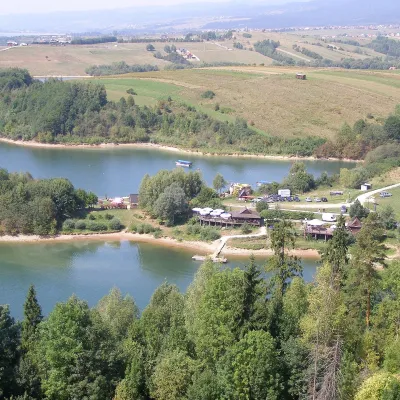 LakeLake CzorsztynFalsztyn19 km from the centreLake Czorsztyn (Jezioro Czorsztyńskie) is a reservoir on the Dunajec river in the Nowy Targ Basin, between the Pieniny and the Gorce.
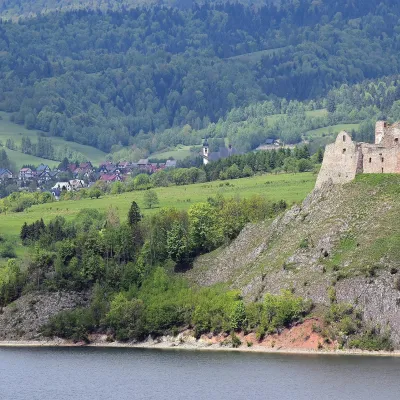 CastleCzorsztyn Castle ruinsCzorsztyn21 km from the centreThe ruins of Czorsztyn Castle rise on a limestone rock above Lake Czorsztyn, on the border between Podhale and the Pieniny mountains.
Craft nearby
All craft places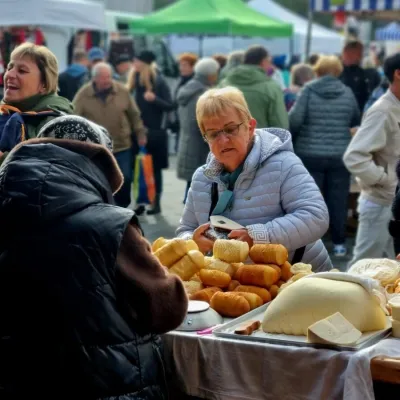 Markets & fairsNowy Targ Fair (Nowa Targowica)Nowy Targ1.4 km from the centreThe fair in Nowy Targ is the largest and oldest market in Podhale. On Thursdays and Saturdays highlanders from the surrounding villages, Slovaks from across the border...
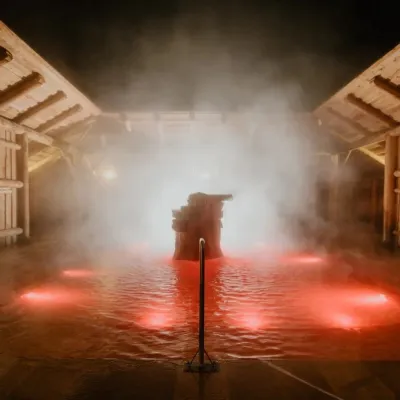 Water parks & thermal poolsTermy Gorący Potok (Szaflary)Bańska Niżna9.1 km from the centreTermy Gorący Potok is a complex of outdoor thermal pools in Szaflary, between Nowy Targ and Zakopane, about 15 km from Zakopane.
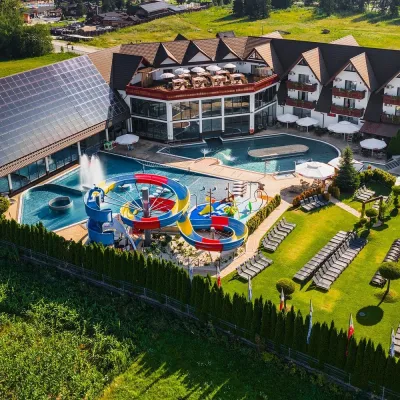 Water parks & thermal poolsTermy Szaflary (Termy Podhalańskie)Bańska Niżna9.3 km from the centreTermy Szaflary is a thermal complex in the village of Szaflary, between Nowy Targ and Zakopane. It used to be known as Termy Podhalańskie, a name still found in older...
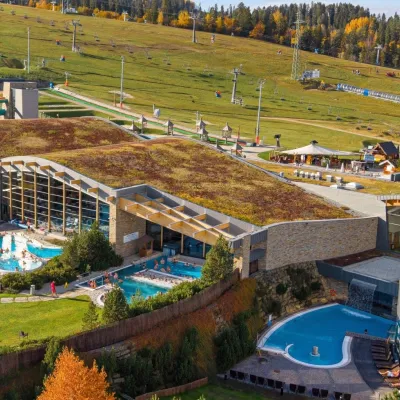 Water parks & thermal poolsTerma BaniaBiałka Tatrzańska12 km from the centreTerma Bania is a large thermal water park in the village of Białka Tatrzańska, at the foot of the Kotelnica ski slope.
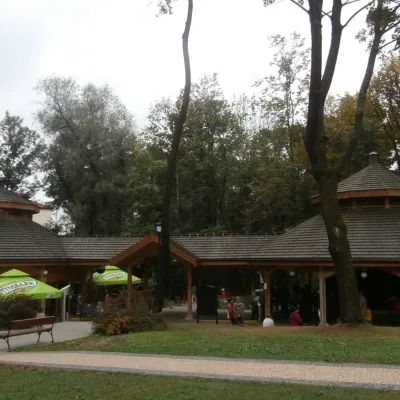 Water parks & thermal poolsRabka-Zdrój spa: brine graduation tower, pump rooms, treatmentsRabka-Zdrój15 km from the centreRabka-Zdrój is a spa in the Raba valley between the Gorce, the Beskid Wyspowy and the Beskid Makowski, halfway from Kraków to Zakopane.
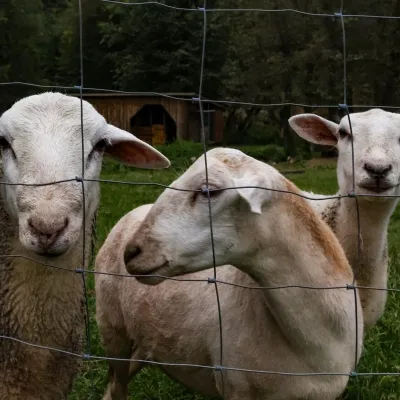 Eco farmsOrawskie Ranczo Educational Farm, Harkabuz: animals and craft workshopsHarkabuz15 km from the centreOrawskie Ranczo is a small family educational farm (zagroda edukacyjna) in the village of Harkabuz near Raba Wyżna, where Orawa meets Podhale.
Spas and thermal pools nearby
Water parks & thermal poolsTermy Gorący Potok (Szaflary)Bańska Niżna9.1 km from the centreTermy Gorący Potok is a complex of outdoor thermal pools in Szaflary, between Nowy Targ and Zakopane, about 15 km from Zakopane.Water parks & thermal poolsTermy Szaflary (Termy Podhalańskie)Bańska Niżna9.3 km from the centreTermy Szaflary is a thermal complex in the village of Szaflary, between Nowy Targ and Zakopane. It used to be known as Termy Podhalańskie, a name still found in older...Water parks & thermal poolsTerma BaniaBiałka Tatrzańska12 km from the centreTerma Bania is a large thermal water park in the village of Białka Tatrzańska, at the foot of the Kotelnica ski slope.Huts, shelters and springs nearby
Getting there from Ukraine
Border crossings
- Krakovets – Korczowa — road, 24/7
- Shehyni – Medyka — road, 24/7 Pedestrian crossing is not confirmed by the Ukrainian border service — check dpsu.gov.ua before the trip.
- Smilnytsia – Krościenko — road, 24/7
- Hrushiv – Budomierz — road, 24/7
- Mostyska – Przemyśl (rail) — rail, 24/7
By car
Lviv – Zakopane ≈421 km, ≈5 h 10 min without border queues. Route: M-10 Lviv – Krakovets → Krakovets – Korczowa checkpoint → A4 motorway (Rzeszów – Tarnów – Kraków) → Kraków southern bypass → S7/DK7 → DK47 ('Zakopianka') via Nowy Targ → Zakopane. The A4 Katowice – Kraków section (Balice and Mysłowice toll plazas) is tolled, but this route does not use it. In summer and at weekends the DK47 near Zakopane is often congested.
Checked 23.10.2026; border crossing hours and timetables change — check before you travel.
