Yellow foxglove
This plant is poisonous: do not taste or pick it, and wash your hands after touching it. In case of poisoning call 112 (103 in Ukraine).
About
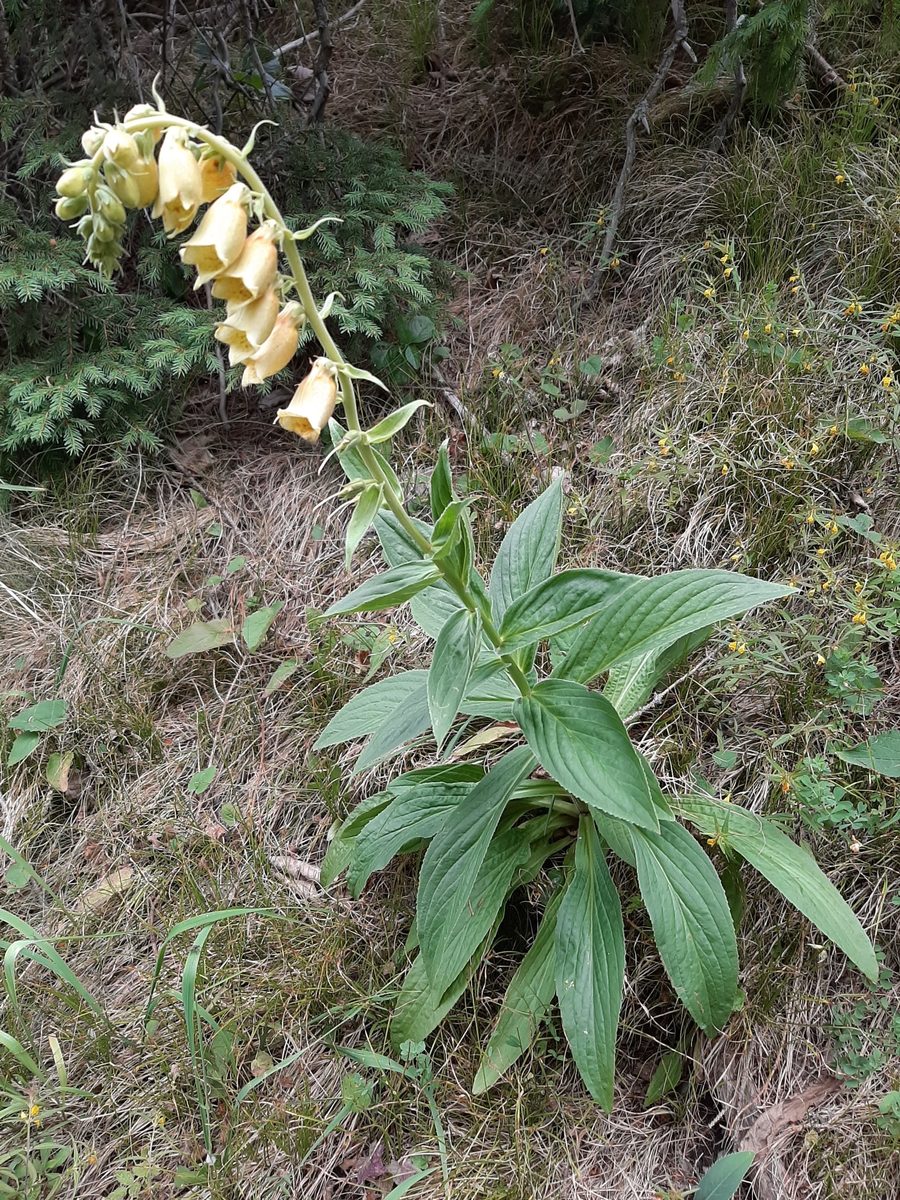
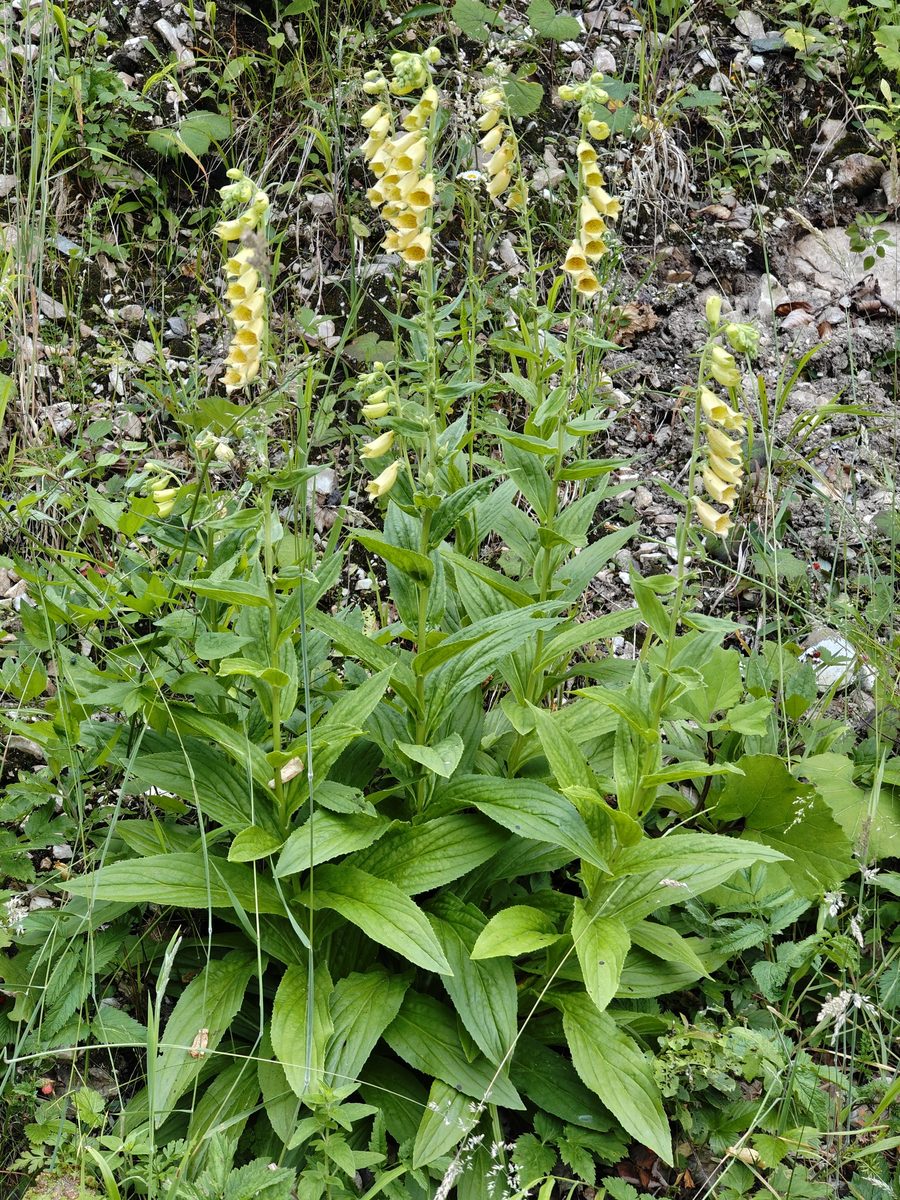
Digitalis grandiflora is a common plant of the Carpathian meadows, clearings, and shrubs in mixed and deciduous forests. It also grows in the Right Bank of Ukraine, less frequently in the Left Bank. In the Carpathians, it sometimes forms thickets covering tens of hectares, which turn yellow from afar in summer.
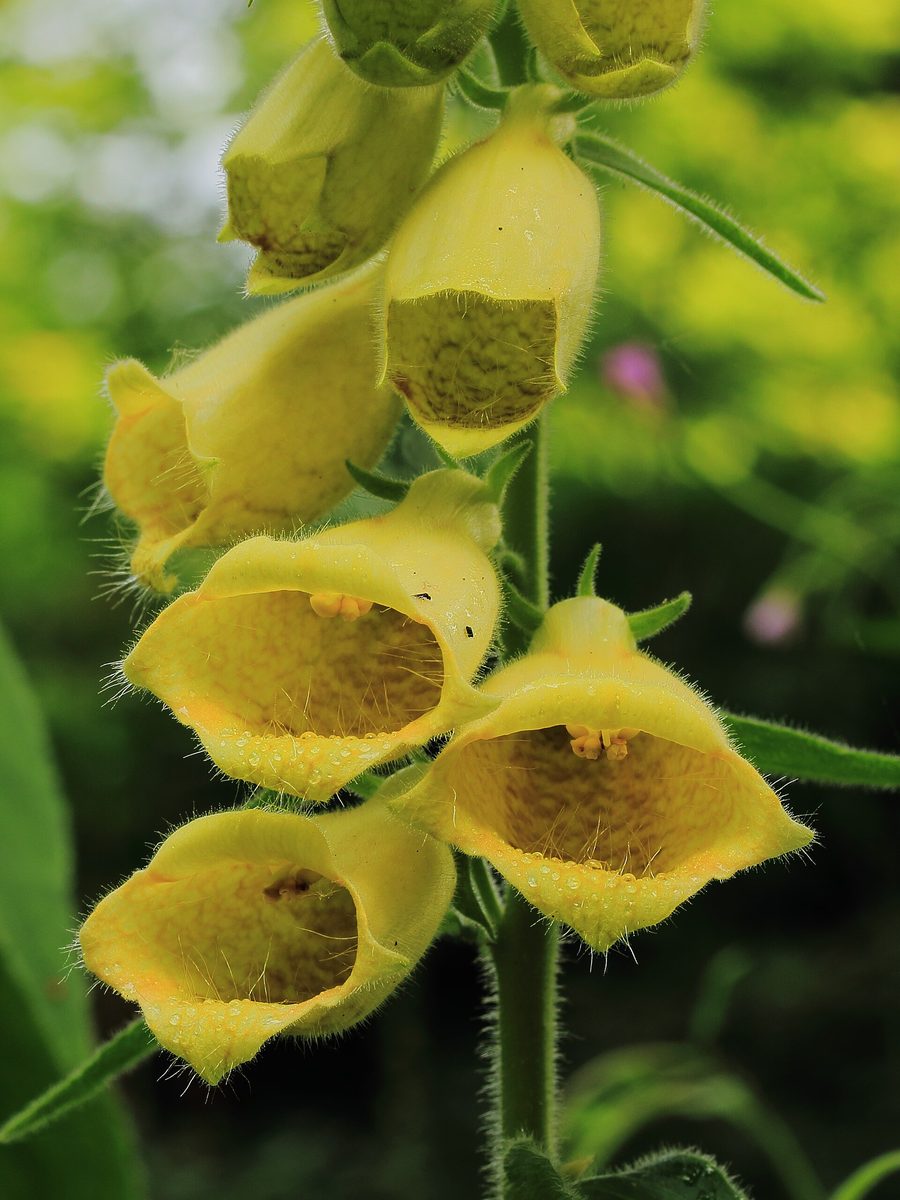
This perennial herb grows 40–120 cm tall with a short rhizome. The stem leaves are alternate, lanceolate, sessile, glossy, with prominent veins. At the top of the stem is a long one-sided raceme of large drooping flowers. Each flower is 3–4 cm long, pale yellow, resembling a thimble or bell, and has a brown net-like pattern inside. It blooms from June to August. The fruit is an oval glandular-hairy capsule containing many small seeds.
All parts of Digitalis grandiflora are poisonous: they contain cardiac glycosides, including substances like digitoxin and digoxin. These compounds affect the heart: in animals that have eaten a lot of Digitalis, excitement of heart activity, narrowing of blood vessels, and digestive disorders have been described. Despite the glycoside content, this species is not used for drug production, and it cannot be harvested independently.
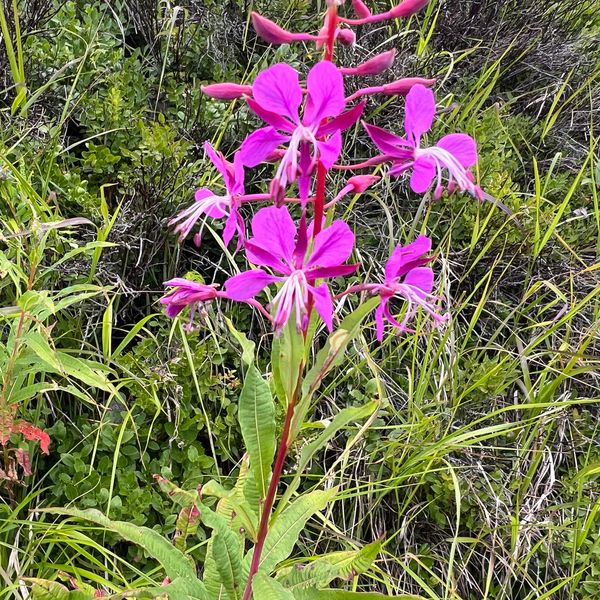
Digitalis grandiflora is sometimes confused with Verbascum, which has flat, widely opened yellow flowers, not tubular 'fingerbells'. Another similar plant is purple foxglove from gardens, with pink-purple flowers. In Poland, Digitalis grandiflora is under partial protection. Enjoy it along the trail, do not pick it, and do not let children play with the flowers.
Where in the Carpathians

The map shows where naturalists recorded the species (GBIF, CC0 and CC BY records), not every place it lives. The Ukrainian Carpathians are less studied, so a blank area does not mean the species is absent.
- Countries
- Slovakia · Czechia · Romania · Hungary · Ukraine · Poland · Serbia
- Mountain ranges
- Slovak Ore Mountains, Greater Fatra, Low Tatras, Lesser Fatra, Strážov Mountains, Volovec Mountains, Slovak Paradise, Belianske Tatras, Štiavnica Mountains, Slovak Central Mountains
- Altitude belts
- Foothills (below 600 m) · Beech forests (600–1200 m) · Conifer forests (1200–1600 m)
When to see it
| Jan | Feb | Mar | Apr | May | Jun | Jul | Aug | Sep | Oct | Nov | Dec | |
|---|---|---|---|---|---|---|---|---|---|---|---|---|
| Flowering | ||||||||||||
| Fruit |
From naturalists’ observations in the Carpathians (iNaturalist, research grade): the darker the cell, the more often the species is seen that month.
Safety
All parts of the plant are poisonous (cardiac glycosides). Do not pick, do not taste, do not let children play with the flowers; wash your hands after contact. In case of suspected poisoning, call 103 (or 112).
Look-alikes — how to tell them apart
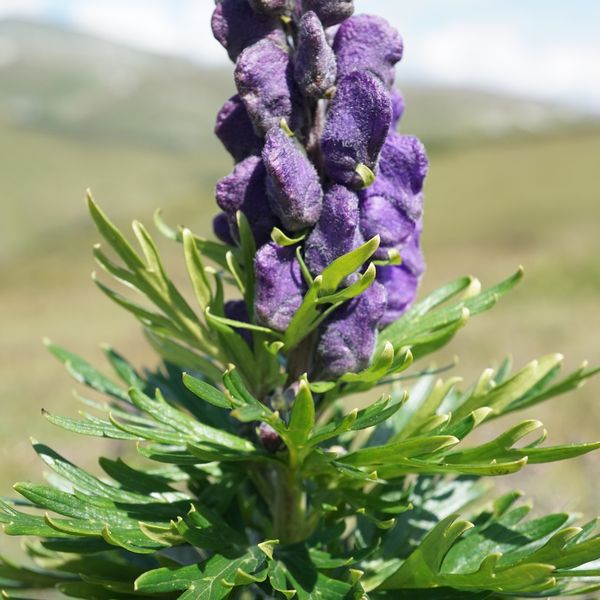
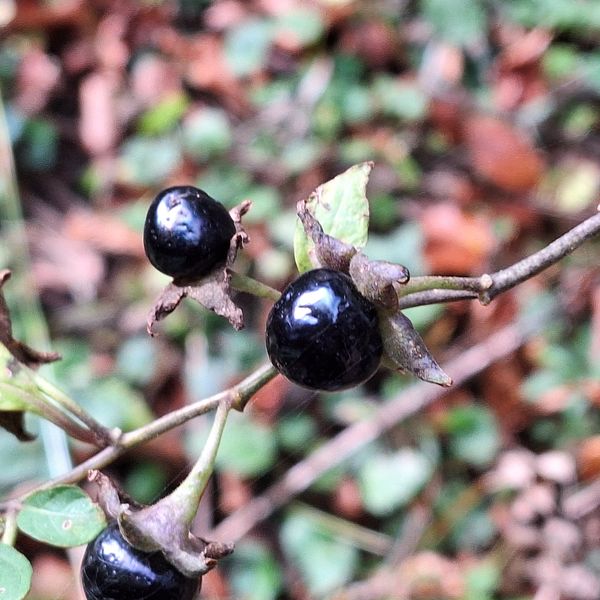
Flowers are flat, widely opened, with five almost identical petals, not tubular 'fingerbells'; leaves are often densely hairy.
Protection and rules
Not listed in the Red Book of Ukraine; under partial protection in Poland. Do not pick: the plant is poisonous.
FAQ
Is Digitalis grandiflora poisonous?
Yes, all parts of Digitalis grandiflora are poisonous: they contain cardiac glycosides that affect heart function.
When does Digitalis grandiflora bloom in the Carpathians?
From June to August, in meadows, clearings, and along forest roads.
Similar species
Where to meet it
Peaks and meadows
 PeakMount TsetsynoChernivtsialtitude 537 mTsetsyno is the highest hill of the Chernivtsi Upland, 537 m high (538 m according to other data).
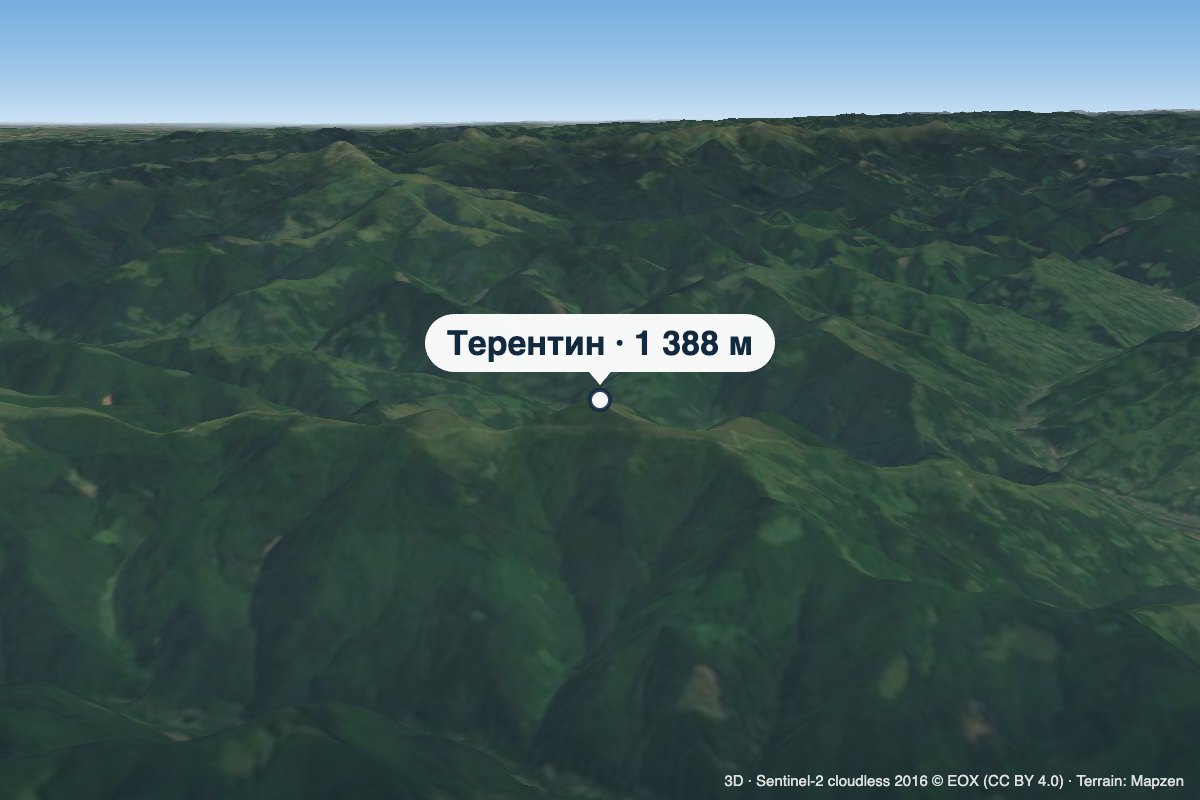 PeakMount TerentynBilynaltitude 1 388 m · Svydovets rangeTerentyn is a 1,388 m summit in the south-western part of the Svydovets range, in the Rakhiv district of Zakarpattia...
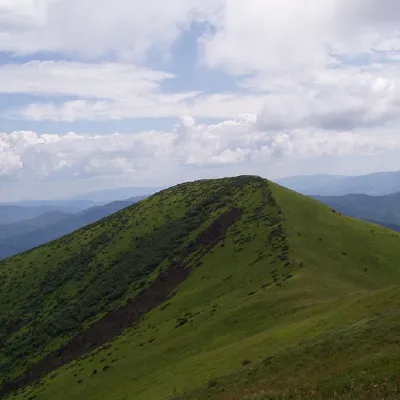 PeakOstra GoraPerekhresnyialtitude 1 405 m9 trails to the topOstra Hora is a 1405-meter peak in the Ukrainian Carpathians, located on the Polonyna ridge (northwestern part),...
Waters and waterfalls
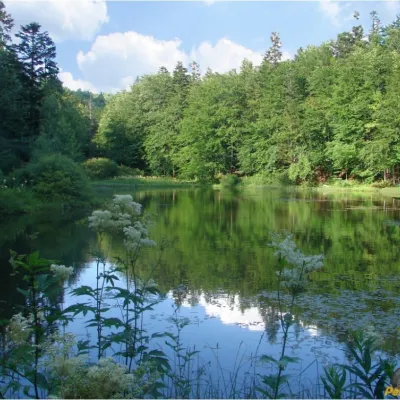 LakeMountain Polyanytske Lake (Dead Lake)BukovetsMountain Lake (another name - Dead Lake) is a picturesque mountain lake of natural origin in the Ukrainian...
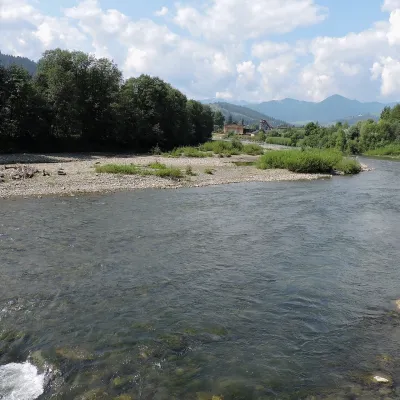 RiverChornyi Cheremosh RiverVerkhovynaThe Chornyi Cheremosh rises south-east of Burkut on the slopes of the Chyvchyn Mountains, the most remote corner of...
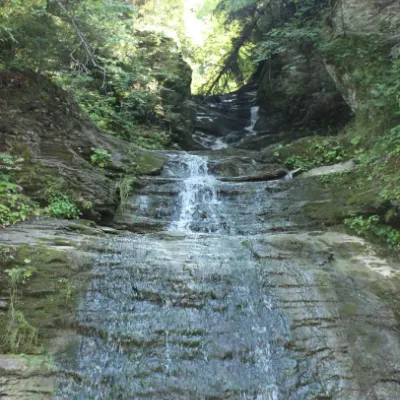 WaterfallSrednyi Huk waterfall (Bukovyna waterfalls)RoztokyThe Srednyi Huk waterfall is one of the Bukovyna waterfalls located in the Chernivtsi region in western Ukraine.
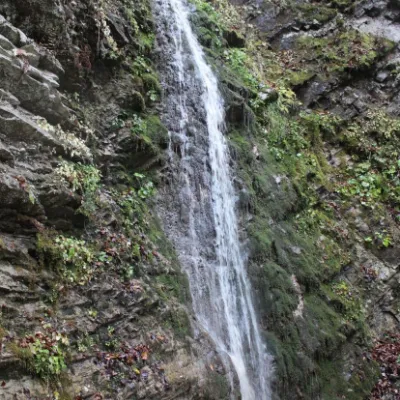 WaterfallSych waterfall (Bukovinian waterfalls)RoztokyThe Sych Waterfall is one of the waterfalls that are part of the Bukovyna Waterfalls, located in the Roztotskyi...
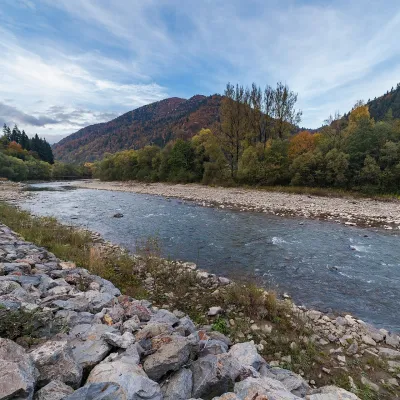 RiverTeresva RiverUst-ChornaThe Teresva forms in Ust-Chorna, where the Mokrianka and Brusturianka meet, and flows south through Dubove, Kalyny,...
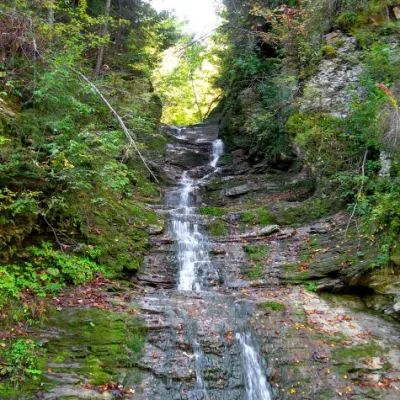 WaterfallBukovinian (Smugar) waterfallsRoztokyA picturesque chain of waterfalls, up to two kilometers long, stretches along the Smuhariv River in Bukovyna, in the...
Mountain ranges: In other countries: 🇸🇰 Slovak Ore Mountains, 🇸🇰 Greater Fatra, 🇸🇰 Low Tatras, 🇸🇰 Lesser Fatra, 🇸🇰 Strážov Mountains, 🇸🇰 Volovec Mountains, 🇸🇰 Slovak Paradise, 🇸🇰 Belianske Tatras, 🇸🇰 Štiavnica Mountains, 🇸🇰 Slovak Central Mountains, 🇵🇱 Pieniny, 🇸🇰 Western Tatras, 🇸🇰 Little Carpathians, 🇸🇰 High Tatras
Trails and peaks near which naturalists recorded the species (GBIF, iNaturalist), matched by altitude and habitat. Sightings are not guaranteed.
Sources
- Вікіпедія: Наперстянка великоквіткова
- Wikipedia (en): Digitalis grandiflora
- Rozporządzenie Ministra Środowiska z 9.10.2014 w sprawie ochrony gatunkowej roślin, Dz.U. 2014 poz. 1409 (Польща)
- iNaturalist: Digitalis grandiflora (спостереження в Карпатах)
GBIF · iNaturalist · Wikidata · Distribution data: GBIF.org (CC0 and CC BY records), iNaturalist; names and identifiers: Wikidata (CC0). Text: Karpaty.rocks, checked 09.11.2026.
