Sticky sage
About
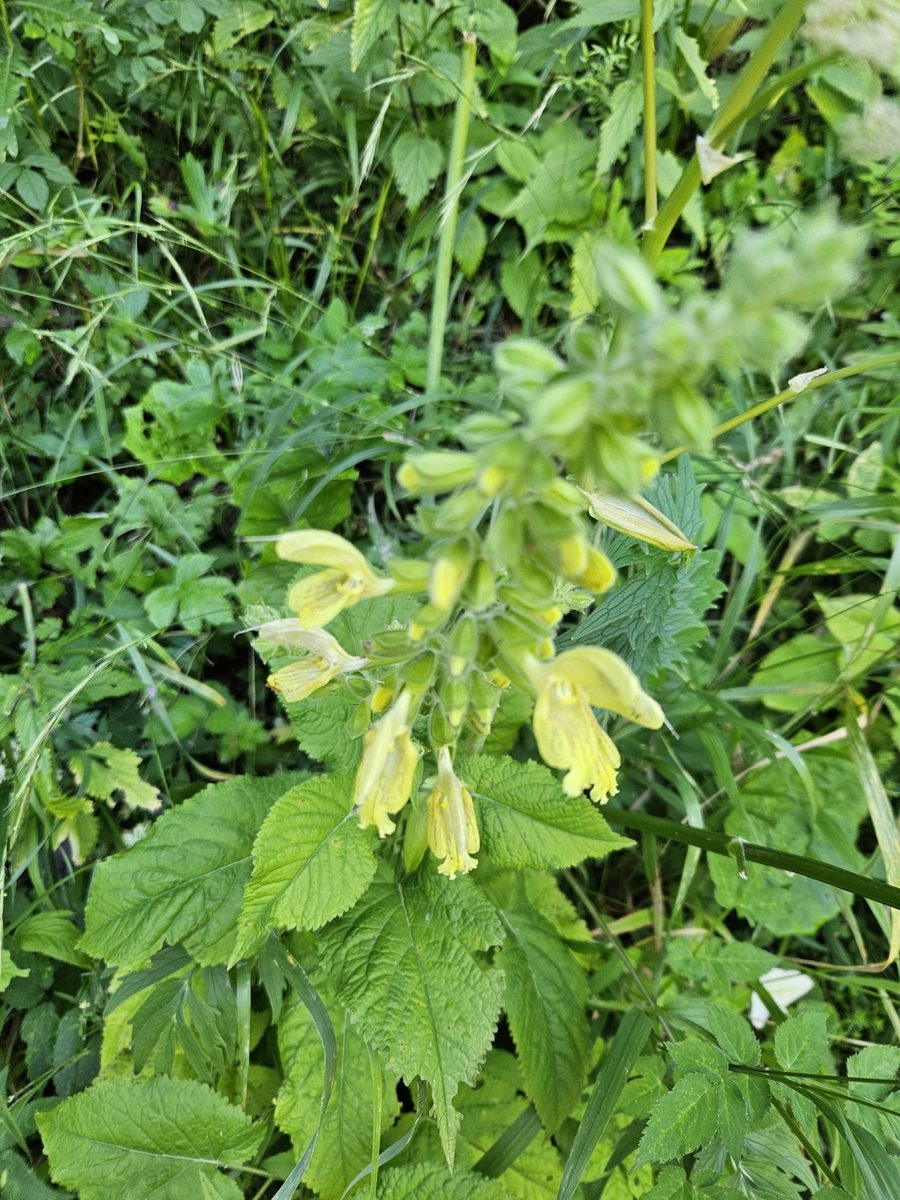
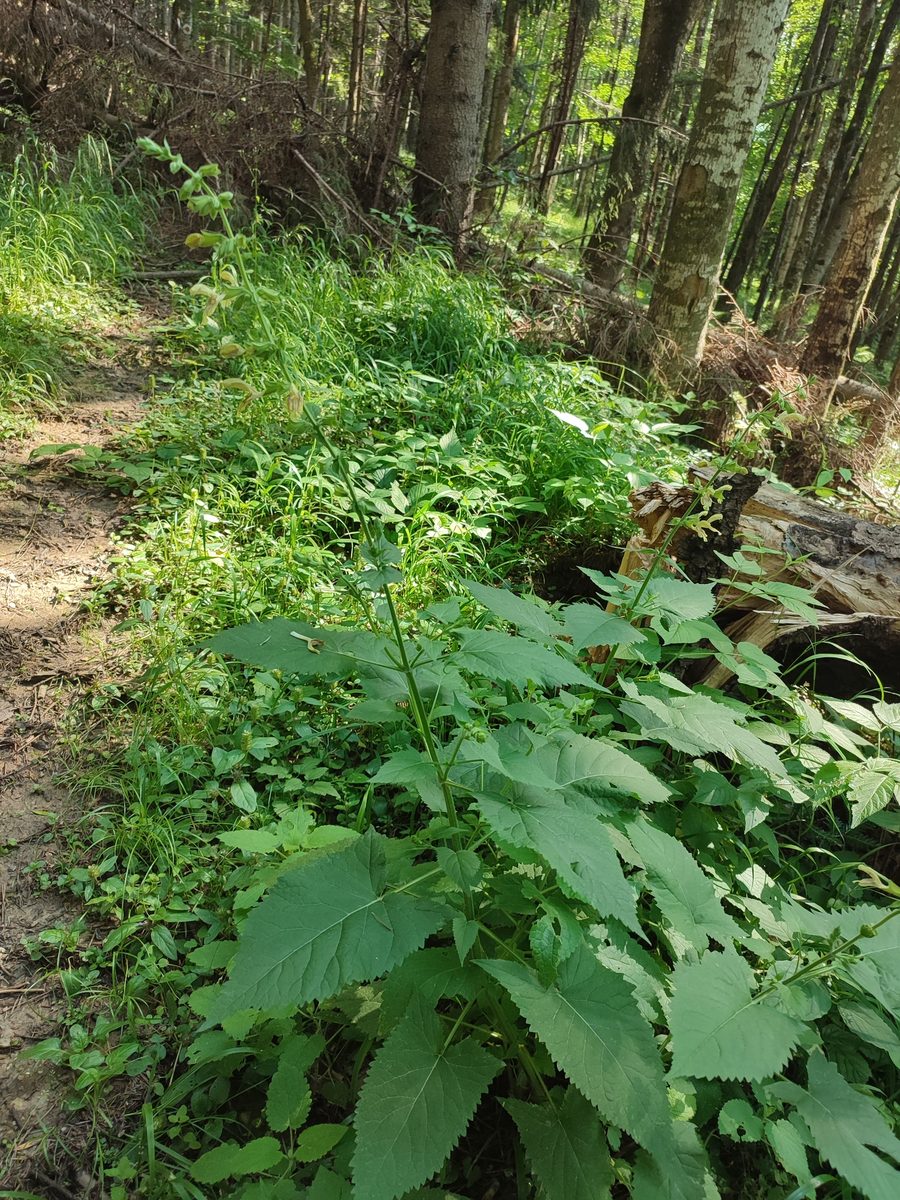
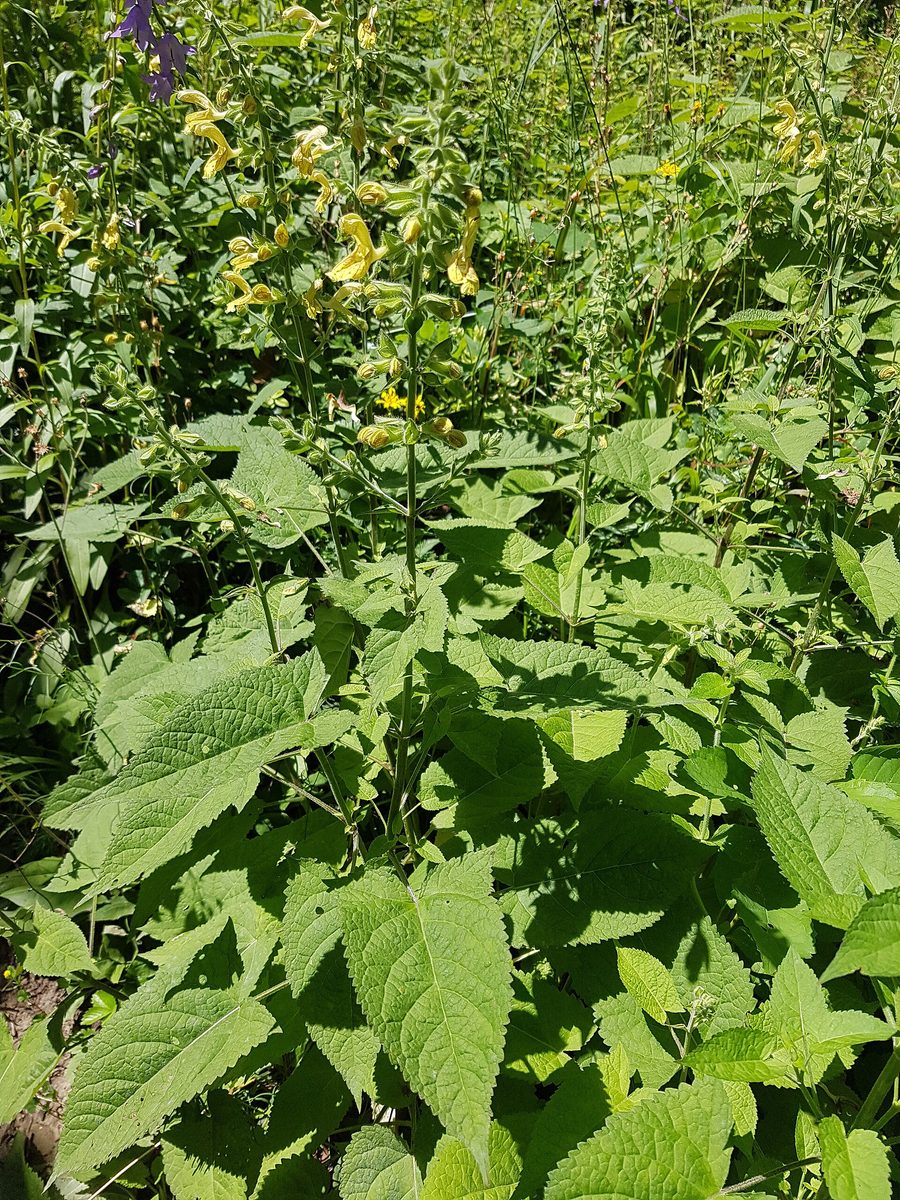
Sticky sage is the only sage in our region with yellow flowers and one of the few that grows in forest shade. It is a perennial herb 50–100 cm tall, often forming large thickets. The upper part of the stem, calyx, and flower stalks are covered with glandular hairs — they feel sticky to the touch, and small insects stick to them.
The leaves are large, opposite, on long petioles, with a heart-shaped to lanceolate base and serrated edges. The flowers are 3–4 cm long, bilabiate, pale yellow with brownish-red spots and streaks, gathered in rings into a long loose inflorescence. Sticky sage blooms from June to September.
It is pollinated by bumblebees. Inside the flower, there is a lever mechanism: when a bumblebee moves towards the nectar, the stamens lower and dust its back with pollen.
In the Carpathians, sticky sage is a common plant of beech, fir, and mixed forests, shady ravines, stream banks, and the edges of forest roads. It grows from the foothills to the upper part of the forest belt, in moist rich soils. In the Ukrainian Carpathians, it is one of the species most frequently recorded by naturalists.
Crushed leaves have a strong distinctive smell. Unlike garden sage, which is cultivated in gardens, forest sage is not considered a medicinal plant. After flowering, nuts ripen in the sticky calyxes, which cling to the fur of animals and the clothing of tourists.
Where in the Carpathians

Orange — where naturalists recorded the species (GBIF, CC0/CC BY); a blank area does not mean it is absent.
- Countries
- Ukraine · Slovakia · Czechia · Poland · Romania · Hungary · Austria
- Mountain ranges
- Bieszczady. In other countries: 🇸🇰 Slovak Ore Mountains, 🇨🇿 Moravian-Silesian Beskids, 🇸🇰 Strážov Mountains, 🇸🇰 Greater Fatra, 🇨🇿 White Carpathians, 🇸🇰 Lesser Fatra, 🇵🇱 Pieniny, 🇸🇰 Volovec Mountains, 🇸🇰 Low Tatras, 🇵🇱 Low Beskids, 🇸🇰 Slovak Central Mountains, 🇸🇰 Little Carpathians, 🇸🇰 Vihorlat Mountains
- Altitude belts
- Foothills (below 600 m) · Beech forests (600–1200 m)
When to see it
| Jan | Feb | Mar | Apr | May | Jun | Jul | Aug | Sep | Oct | Nov | Dec | |
|---|---|---|---|---|---|---|---|---|---|---|---|---|
| Flowering | ||||||||||||
| Fruit |
From naturalists’ observations in the Carpathians (iNaturalist, research grade): the darker the cell, the more often the species is seen that month.
Protection and rules
Not included in the Red Book of Ukraine.
FAQ
What sage grows in the forests of the Carpathians?
Sticky sage is a tall herb with pale yellow flowers and sticky stems. It is common in beech and mixed forests.
Why is sticky sage sticky?
The upper part of the stem and the calyx of the flowers are covered with glandular hairs that secrete a sticky substance.
Comments
Travellers’ experience: reports, tips, questions.
No one has written here yet. Be the first — your experience helps others.
Similar species
Where to meet it
Peaks and meadows
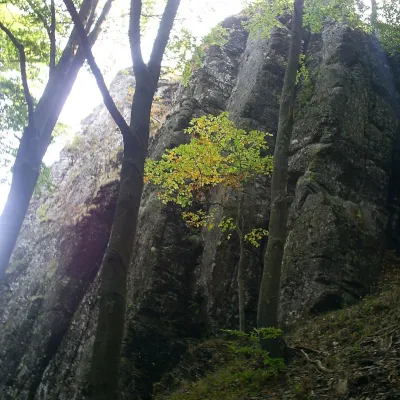 PeakMount Obavskyi KaminSyniakaltitude 979 m · Volcanic Carpathians range1 trail to the topObavskyi Kamin (the “Obava Stone”) is a 979 m summit in the Syniak massif, part of the volcanic ridge of the...
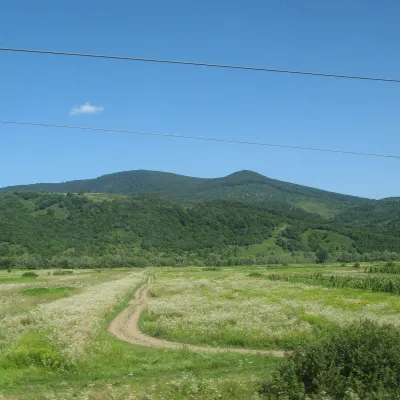 PeakMount DunavkaSyniakaltitude 1 018 m · Volcanic Carpathians rangeDunavka is the highest summit of the Syniak mountain massif, 1,018 m high.
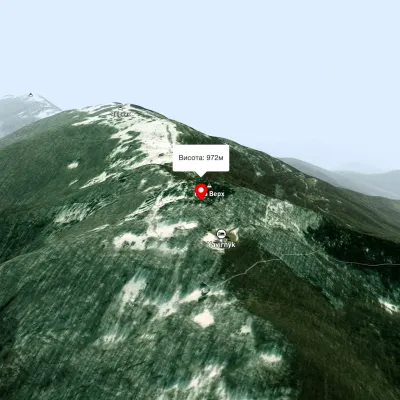 PeakMount Judah TopRuskyi Mocharaltitude 972 mThe top of Mount Judah Top is 972 meters above sea level. The nearest settlements are: Ruskyi Mochar (2.1 km), Sil (4...
Waters and waterfalls
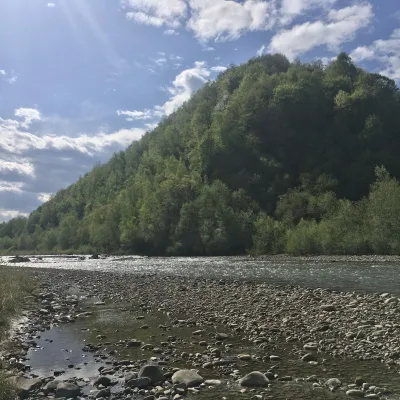 RiverBystrytsia Nadvirnianska RiverNadvirnaThe Bystrytsia Nadvirnianska rises on the northern slope of Mount Chorna Kleva in the Gorgany, at about 1,280 m.
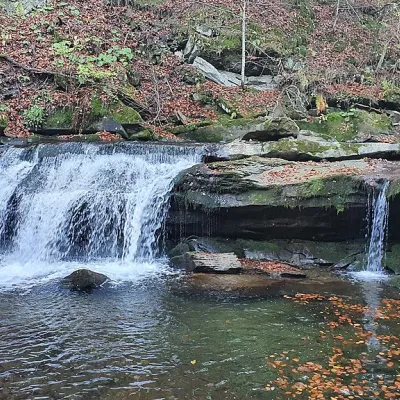 WaterfallKrushelnytskyi waterfallKrushelnytsiaThe real decoration of the mighty Carpathian Mountains is its numerous picturesque waterfalls.
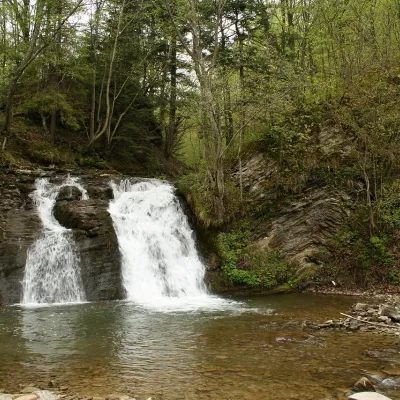 WaterfallGurkalo waterfallKorchynGurkal, located on the Velyka Richka River, has a very eloquent name! You can't argue with it, especially when the...
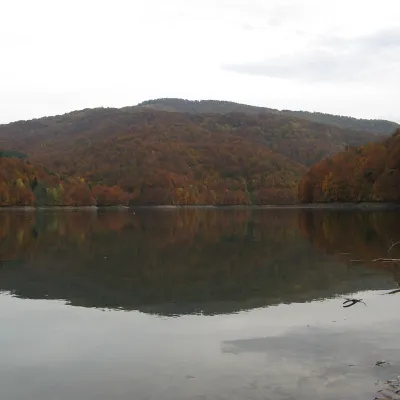 LakeVilshany ReservoirVilshanyThe Vilshany Reservoir, also called the Tereblia-Rika Reservoir, is a narrow mountain lake in the Tereblia valley...
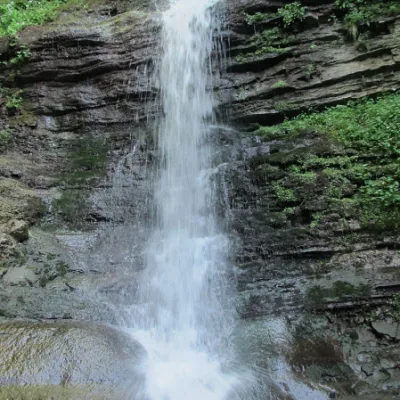 WaterfallLazny waterfallDrohobych districtLaznyi is a waterfall in the Ukrainian Carpathians (in the Skole Beskydy massif), a hydrological natural monument of...
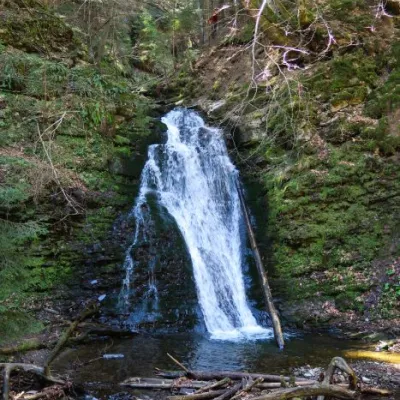 WaterfallSopit waterfallSopitSopit (Sopitsky ) is a waterfall in the Ukrainian Carpathians on the territory of the Skole Beskydy National Nature...
Mountain ranges: Bieszczady. In other countries: 🇸🇰 Slovak Ore Mountains, 🇨🇿 Moravian-Silesian Beskids, 🇸🇰 Strážov Mountains, 🇸🇰 Greater Fatra, 🇨🇿 White Carpathians, 🇸🇰 Lesser Fatra, 🇵🇱 Pieniny, 🇸🇰 Volovec Mountains, 🇸🇰 Low Tatras, 🇵🇱 Low Beskids, 🇸🇰 Slovak Central Mountains, 🇸🇰 Little Carpathians, 🇸🇰 Vihorlat Mountains
Trails and peaks near which naturalists recorded the species (GBIF, iNaturalist), matched by altitude and habitat. Sightings are not guaranteed.
Sources
- Вікіпедія: Шавлія липка
- Wikipedia (en): Salvia glutinosa
- iNaturalist: Salvia glutinosa (спостереження в Карпатах)
GBIF · iNaturalist · Wikidata · Distribution data: GBIF.org (CC0 and CC BY records), iNaturalist; names and identifiers: Wikidata (CC0). Text: Karpaty.rocks, checked 11.11.2026.
